Saxon Switzerland (Königstein, Pirna, Bad Schandau, Bad Gottleuba)
Sandstone towers and table mountains rise out of the woods either side of the Elbe. Königstein fortress sits on one of them, high above the river. The Malerweg, a trail of about 113 km in eight stages, links the best viewpoints, including the Bastei bridge. Bad Schandau has a small tram up the Kirnitzsch valley, and Pirna's old town was painted by Canaletto. Dresden airport is around 45 minutes to an hour away.
Best for: Walkers and climbers who want sandstone rock scenery and river views
Not for you if: You want quiet viewpoints on summer weekends: the Bastei is one of the most visited sights in eastern Germany.
The Zittau Mountains (Großschönau, Oybin, Kurort Jonsdorf)
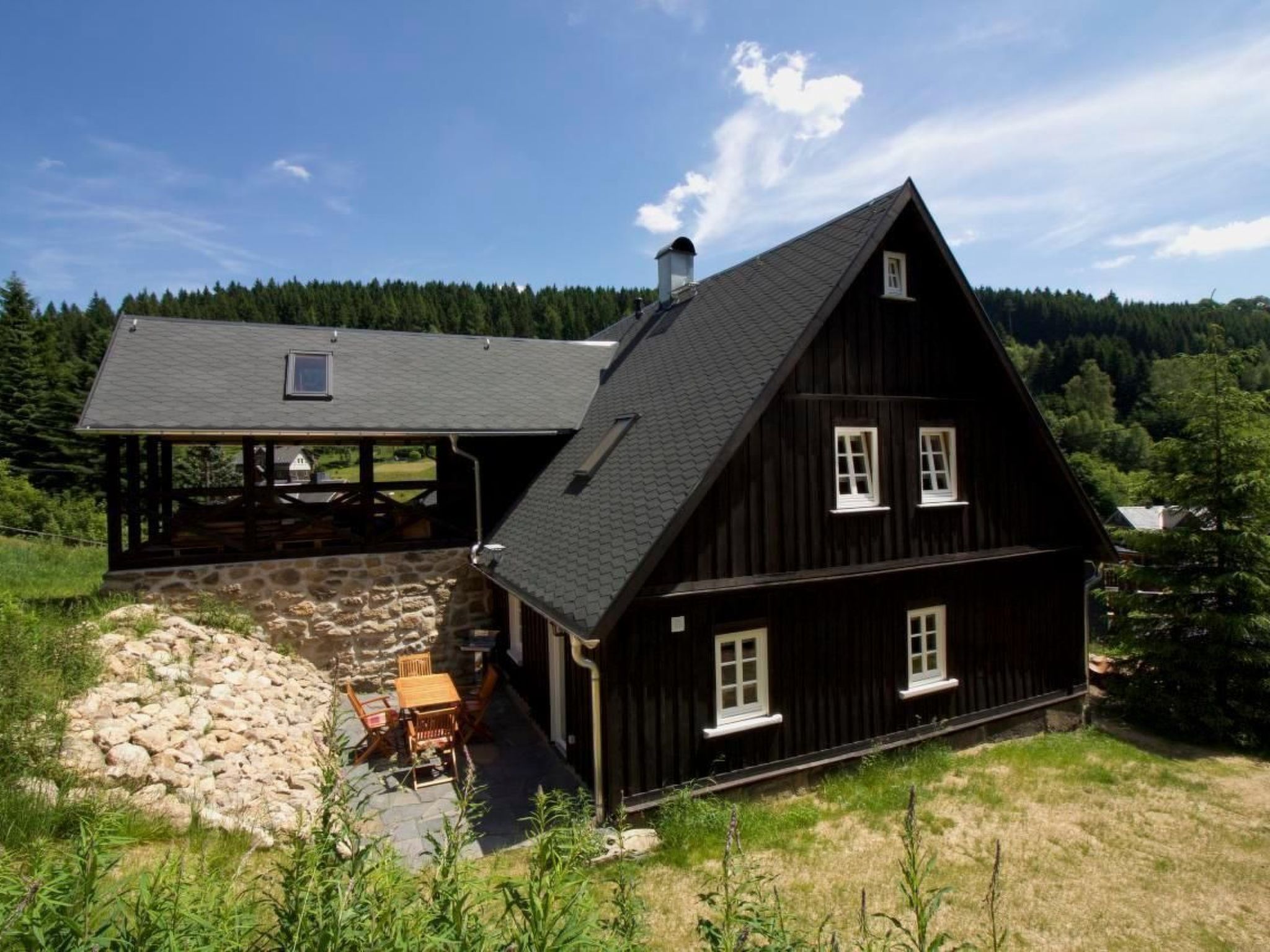
This small range in the far south-east corner of Saxony runs along the Czech border, close to Poland too. A narrow-gauge steam railway climbs from Zittau to Oybin and Jonsdorf. At Oybin, a ruined monastery and castle stand on top of a sandstone rock. Großschönau, the largest base here, has rows of Umgebinde houses, a local timber-framed style, and a museum of damask weaving. Dresden airport is around an hour and a half by car.
Best for: Families who want short walks and a steam railway
Not for you if: You want a city on your doorstep: Dresden is around an hour and a half away.
Dresden and its edges (Freital, Kreischa, Maxen)
Dresden's centre was flattened in 1945 and has been rebuilt piece by piece. The Frauenkirche, the Zwinger palace and the Semperoper opera house are all within a short walk of each other, and paddle steamers run upriver towards Pirna and Bad Schandau. Freital, Kreischa and Maxen sit in the hills just south, quieter and greener but around 20 to 30 minutes from the centre. Dresden airport is on the northern edge of the city.
Best for: Couples who want galleries and opera within walking distance
Not for you if: You want countryside outside the door: a city flat is not a garden house.
Görlitz and Upper Lusatia (Bautzen, Weißwasser)
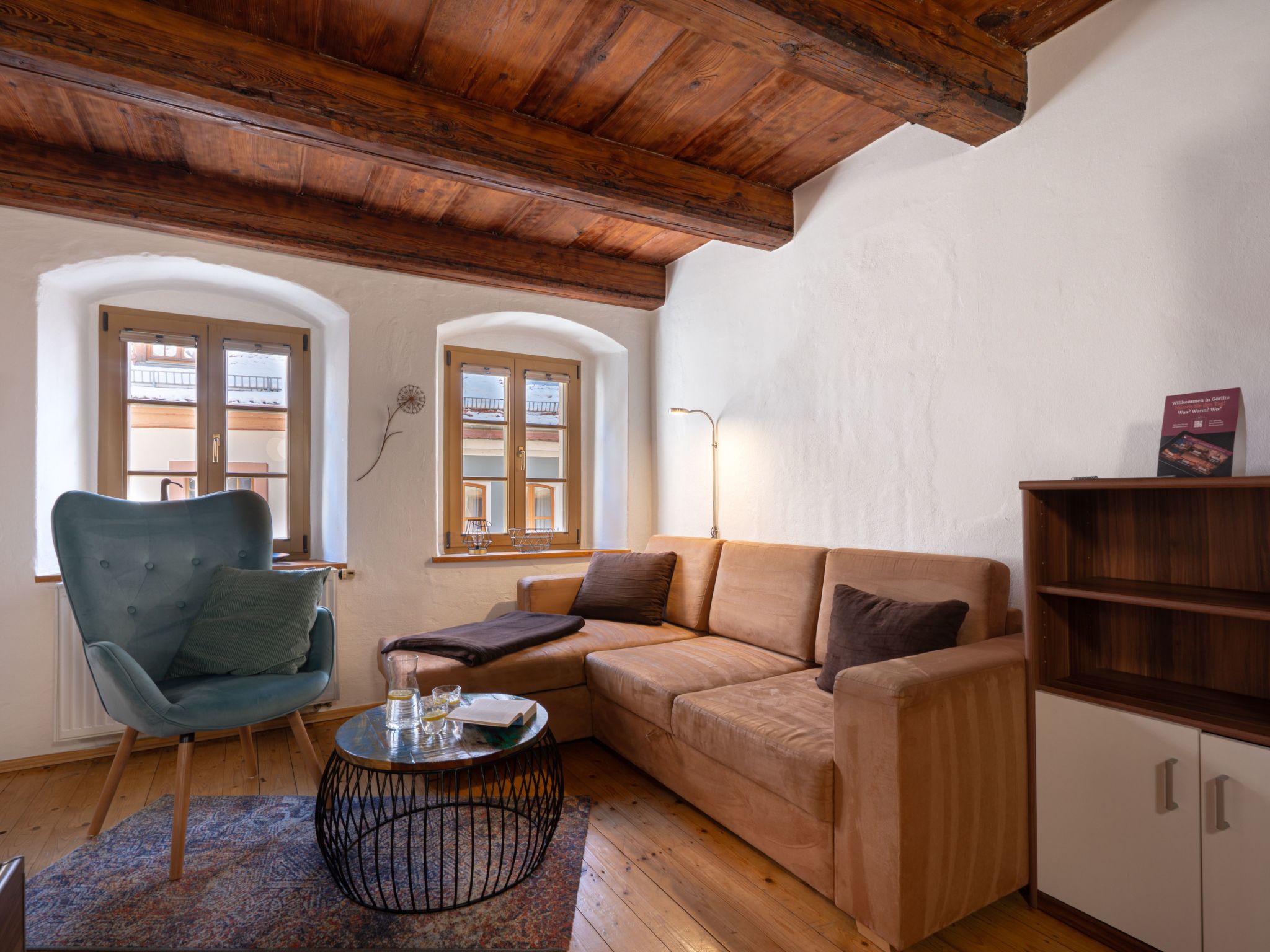
Görlitz came through the war almost undamaged, and its streets of Renaissance and Gründerzeit houses have stood in for other cities in films, including The Grand Budapest Hotel. A footbridge crosses the Neisse into Zgorzelec in Poland. Bautzen is a hilltop town of towers and the centre of Saxony's Sorbian minority, with bilingual signs. Weißwasser is close to Muskau Park, a UNESCO-listed landscape garden on the border. Dresden is around an hour and a half away.
Best for: Couples who want old towns and day trips into Poland
Not for you if: You want hills to walk: the land around Görlitz and Weißwasser is mostly flat.
The Ore Mountains (Oberwiesenthal, Carlsfeld, Sehmatal, Annaberg-Buchholz, Altenberg)
Oberwiesenthal sits below the Fichtelberg, at about 1,215 metres the highest point in Saxony, and is the main ski resort, with a narrow-gauge steam train up from Cranzahl. Annaberg-Buchholz has a large late-Gothic church and one of the best-known Christmas markets in the region. Sayda is close to Seiffen, the wooden toy village. Altenberg, in the east, has cross-country trails and a bobsleigh track. Dresden or Prague airports are around one and a half to two hours away.
Best for: Winter sports and Advent markets
Not for you if: You want big Alpine resorts: the ski areas are modest and snow varies from year to year.
The Vogtland (Klingenthal, Bad Elster, Bad Brambach, Auerbach)
Bad Elster and Bad Brambach are old state spa towns close to the Czech border, with bathhouses, parks and mineral springs. Klingenthal has the Vogtland Arena ski jump and cross-country tracks, and the area around it has made musical instruments for centuries. Around 20 minutes from Auerbach, the Göltzsch Viaduct is the largest brick railway bridge in the world. Leipzig and Dresden are each around two hours away, and Prague is similar.
Best for: Spa towns and cross-country skiing
Not for you if: You want nightlife or big sights: this is a quiet, rural corner with an older crowd in the spa towns.
Leipzig and Chemnitz
Leipzig is the bigger and livelier of the two, with Bach's St Thomas Church, the huge Monument to the Battle of the Nations, and lakes for swimming south of the city in flooded former mines. Chemnitz, European Capital of Culture in 2025, is a good base for the Ore Mountains, which start just south of the city. Leipzig/Halle airport is around 20 minutes from Leipzig.
Best for: City breaks with music and history
Not for you if: You want scenery: both are cities, and the hills are an hour or more away.