Baabe, Sellin and Mönchgut (south-east)
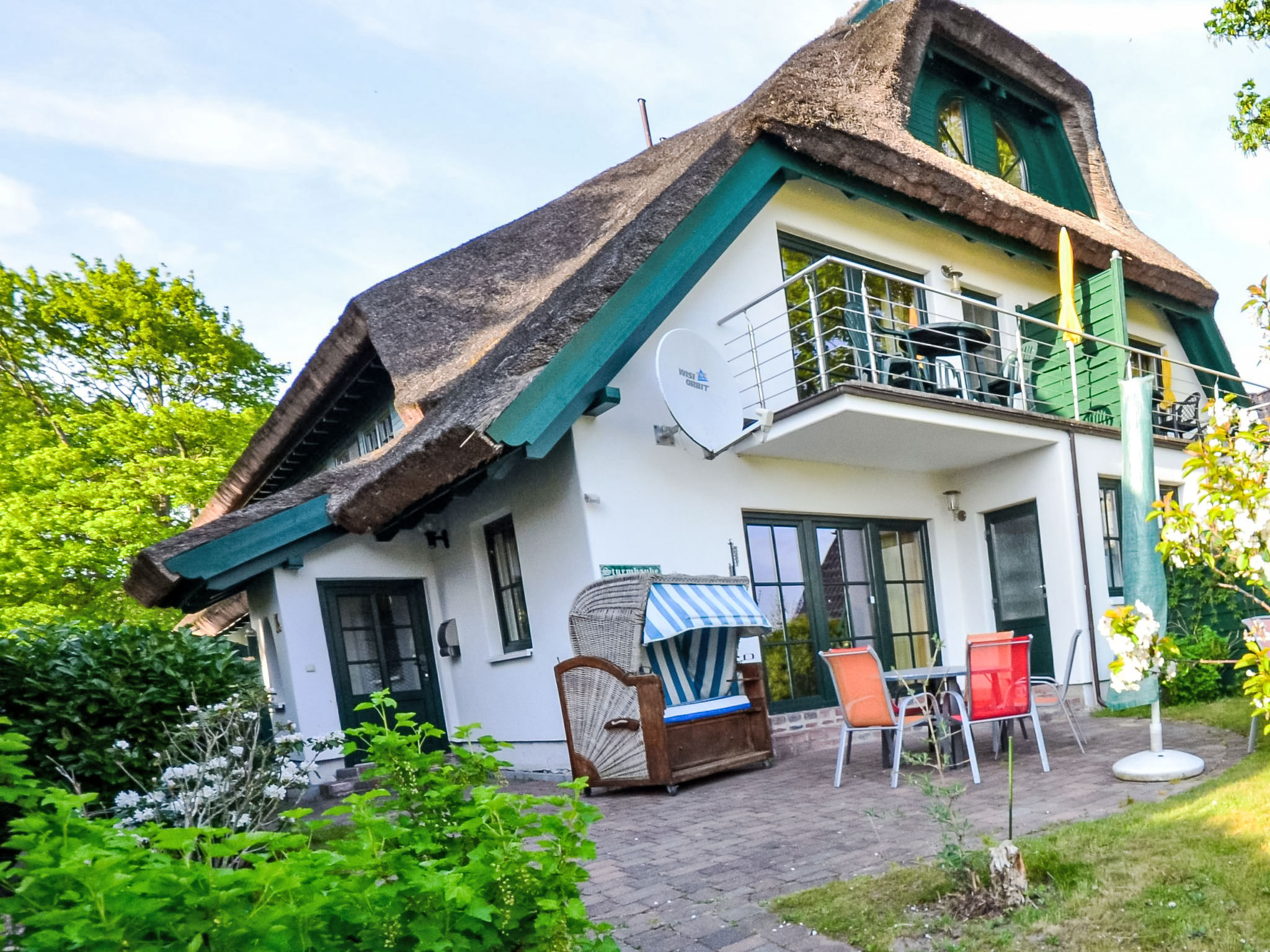
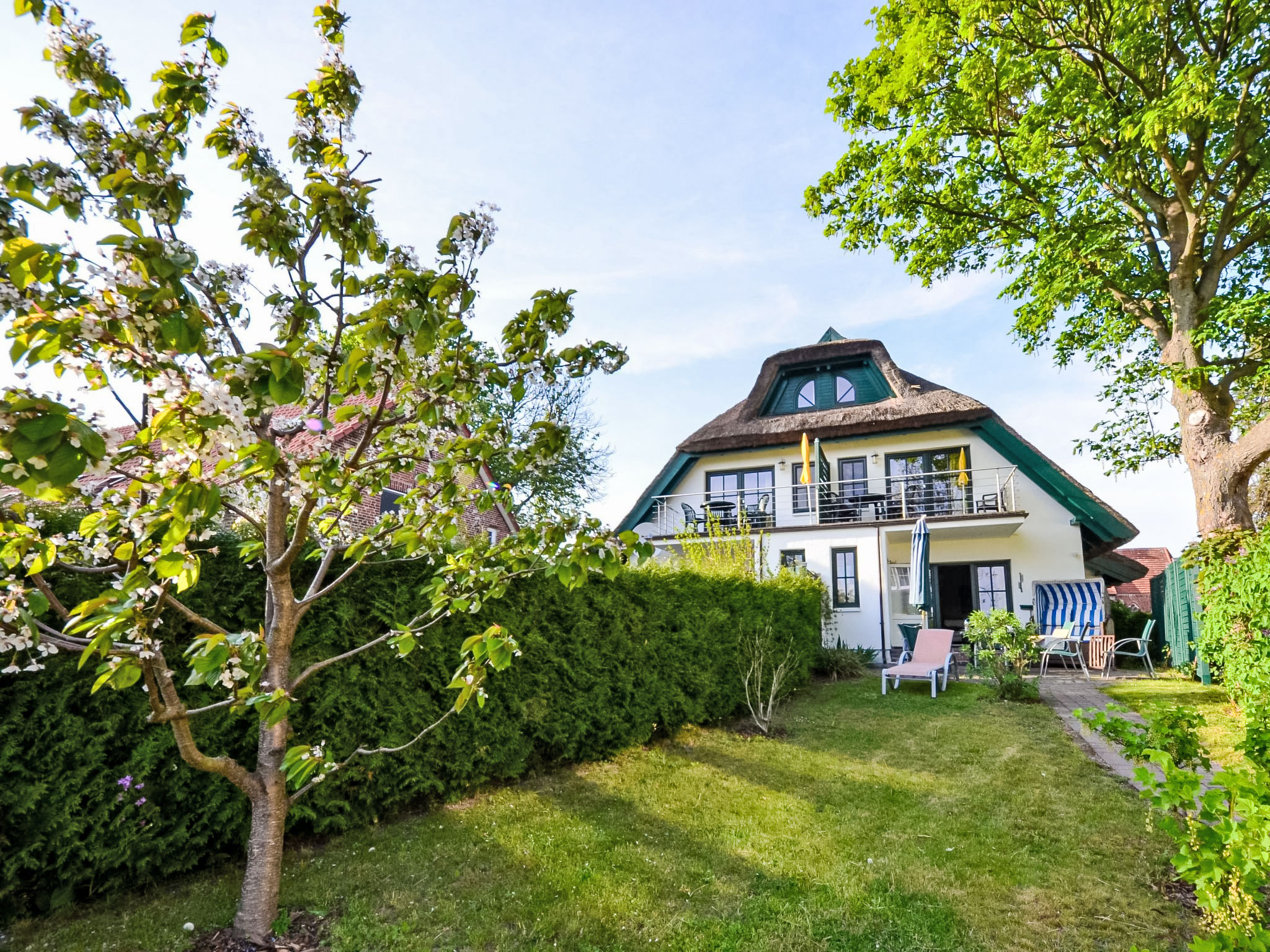
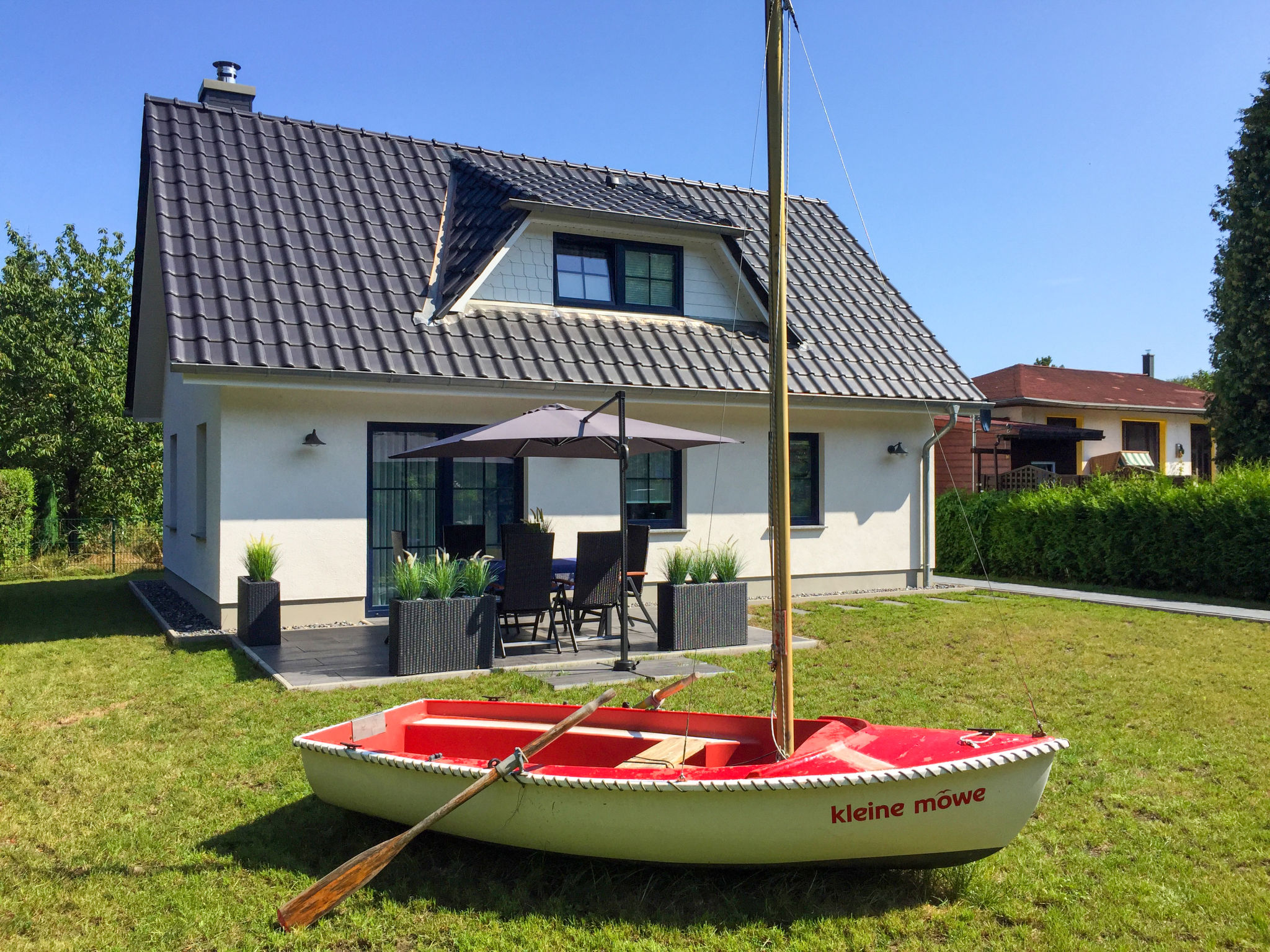
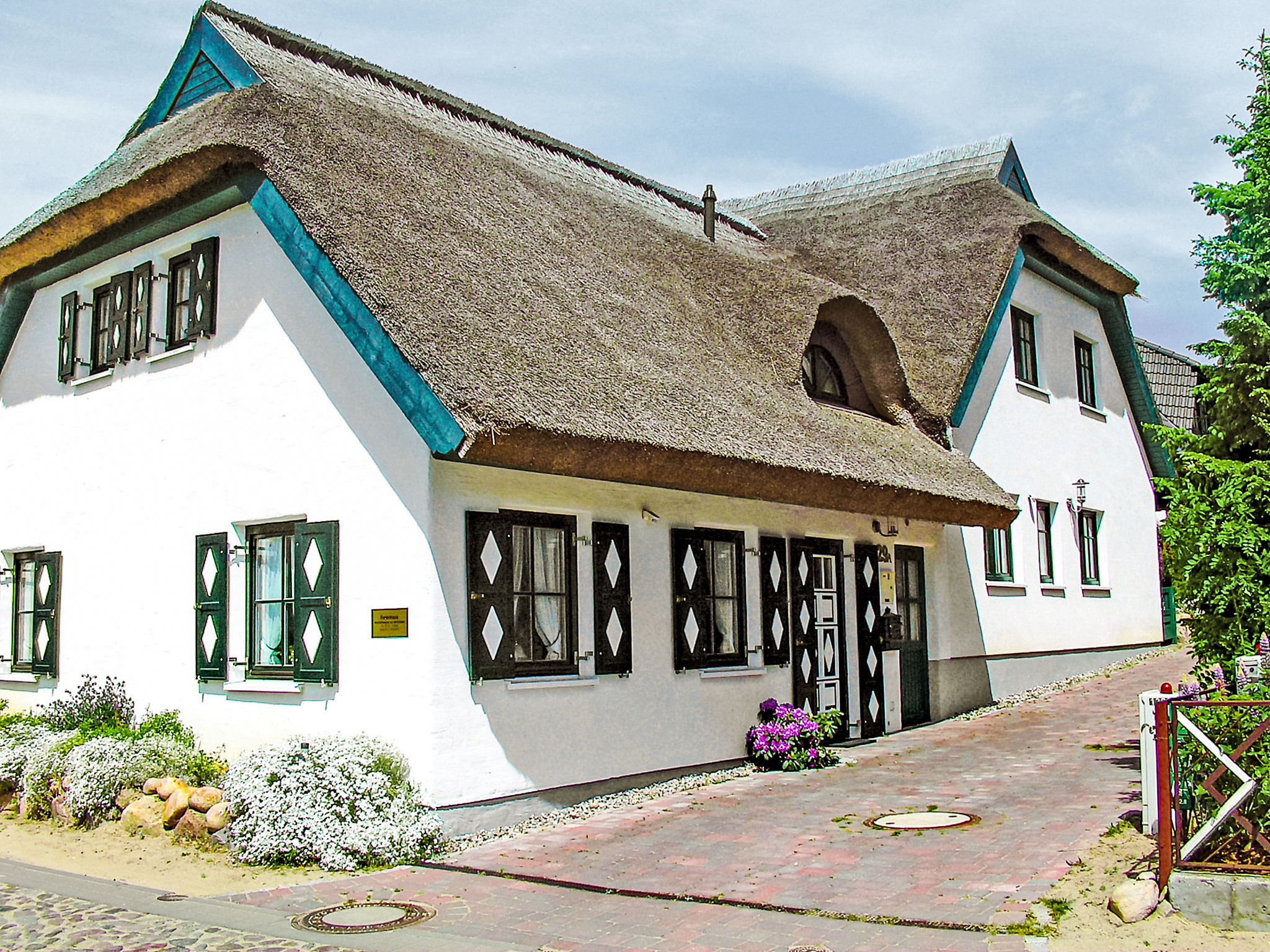
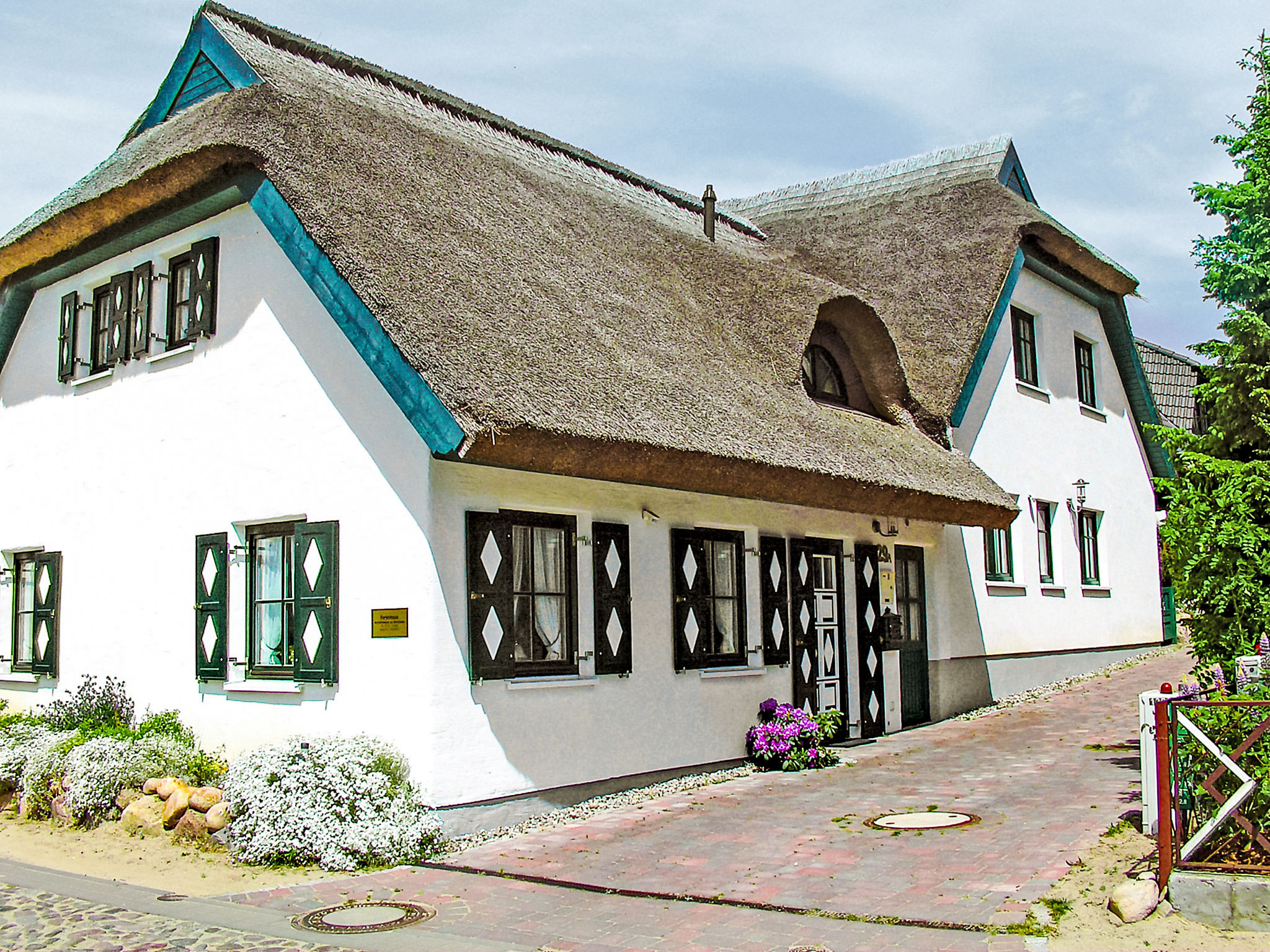
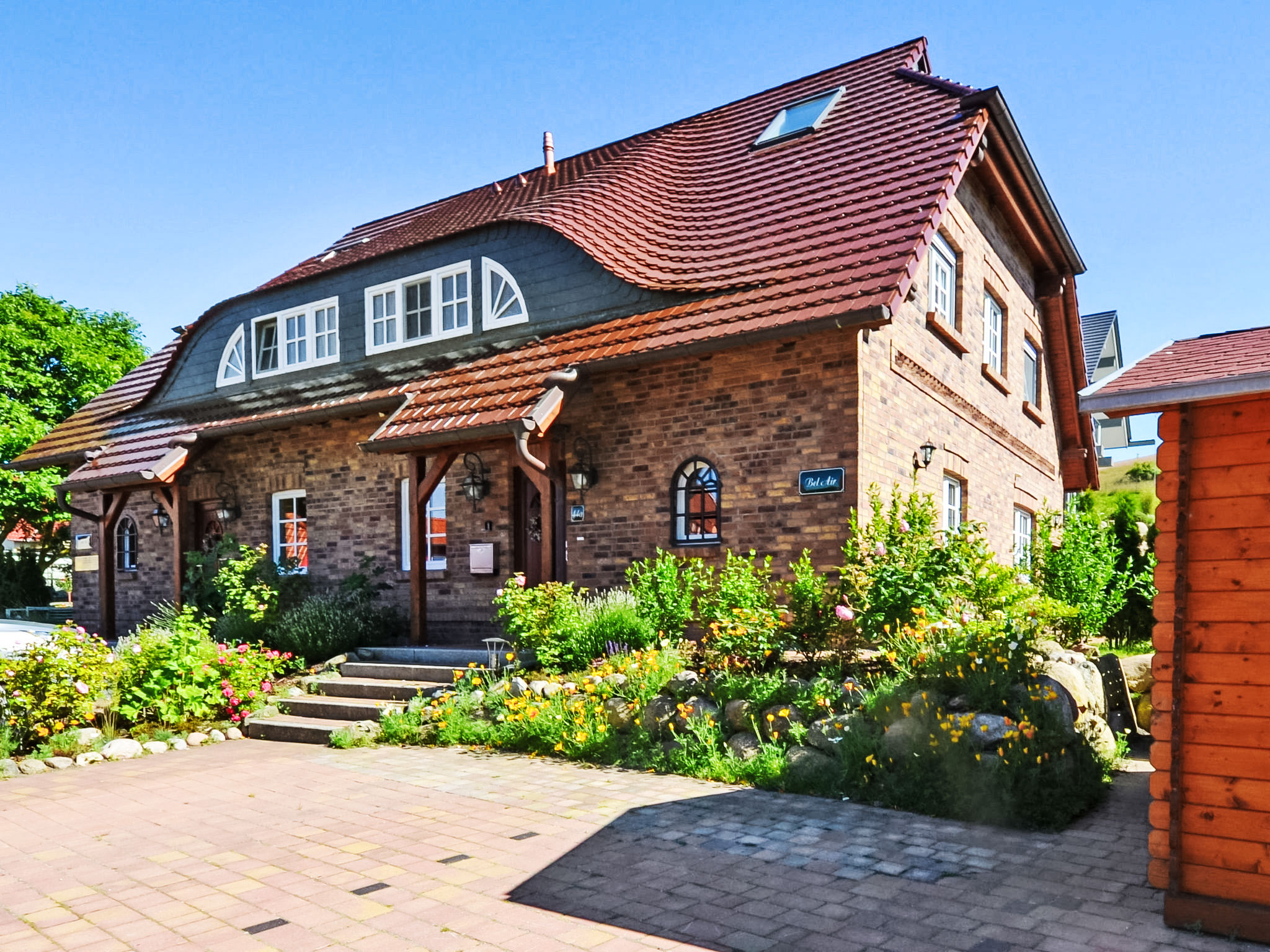
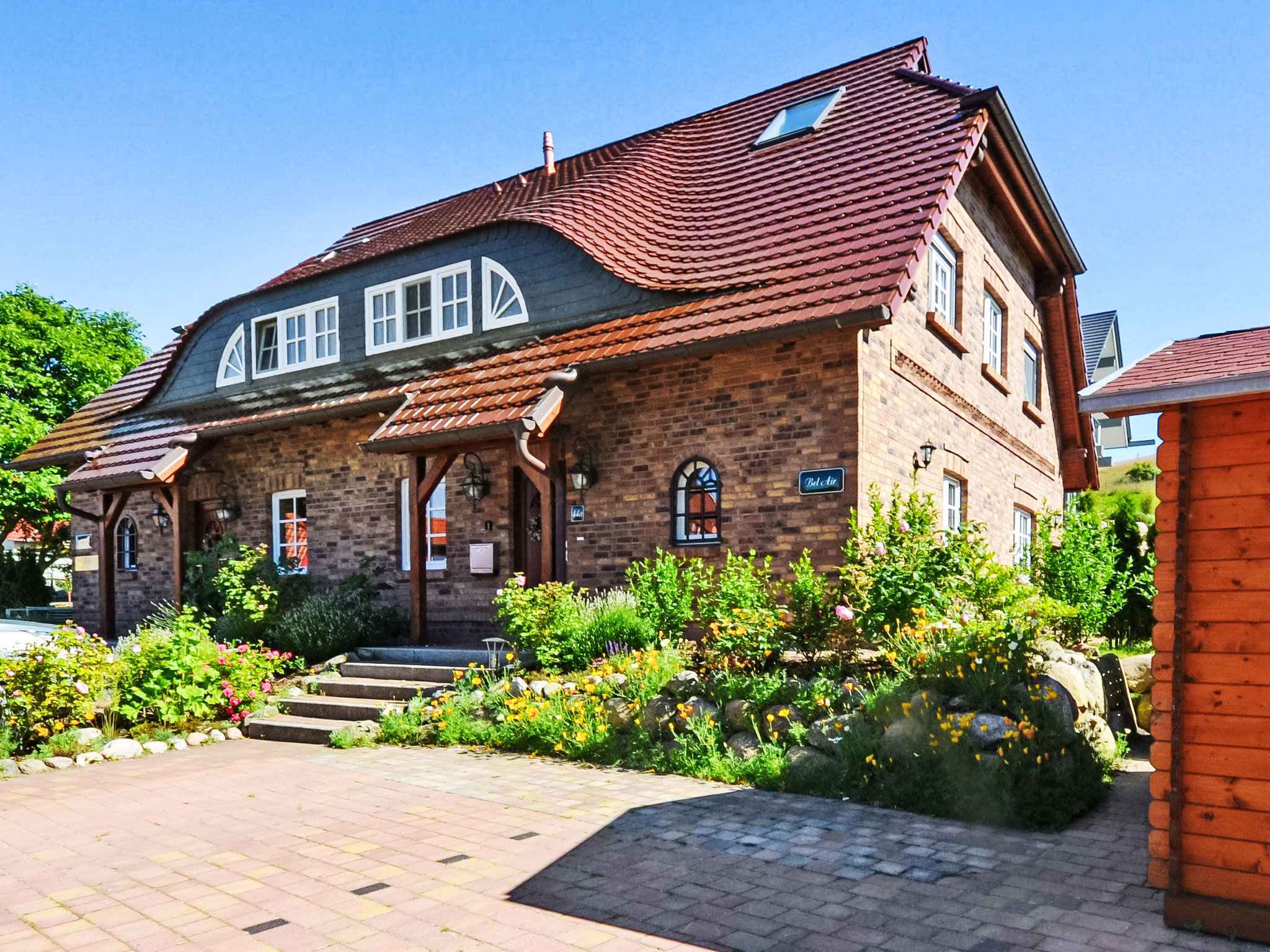
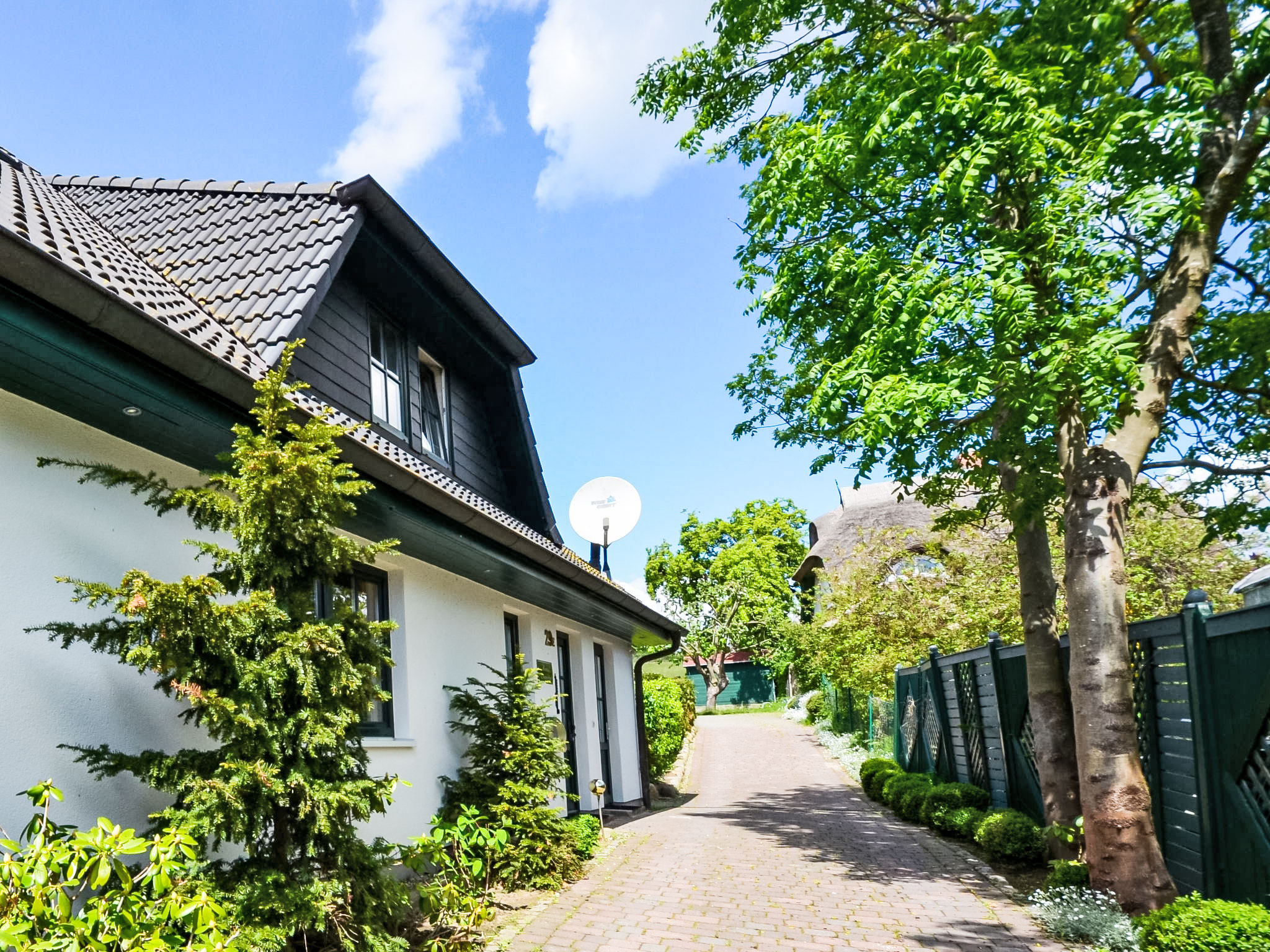
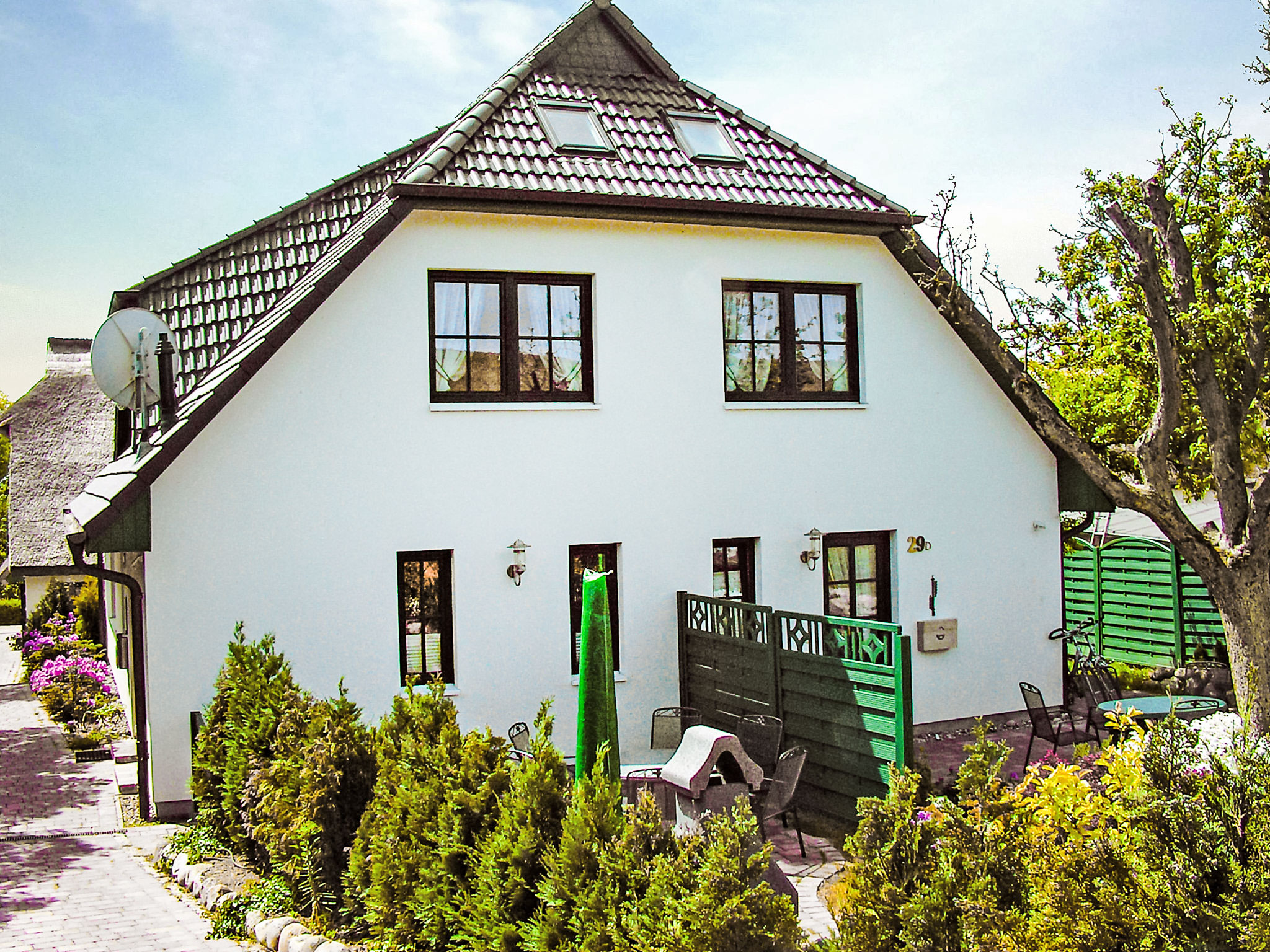
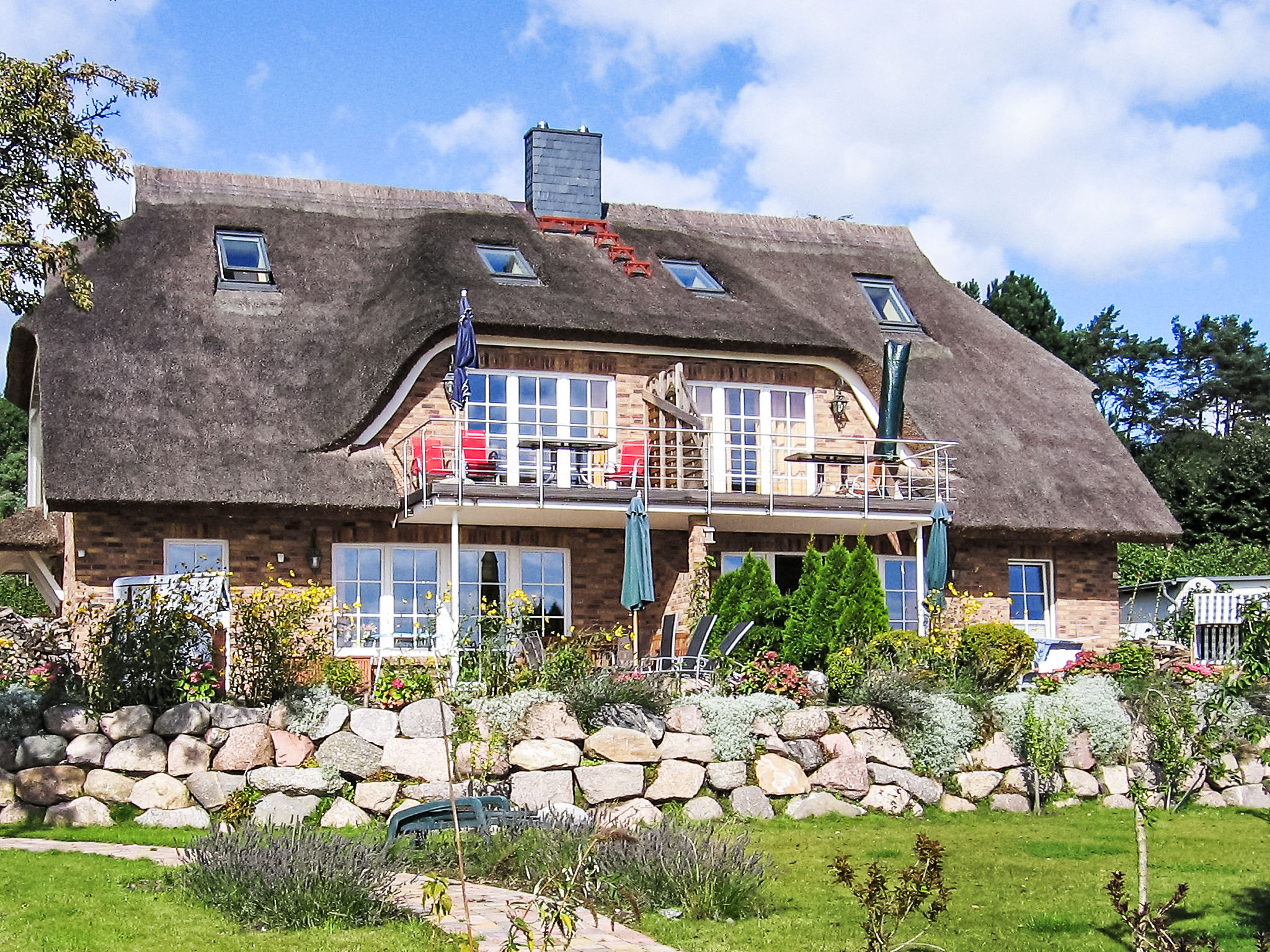
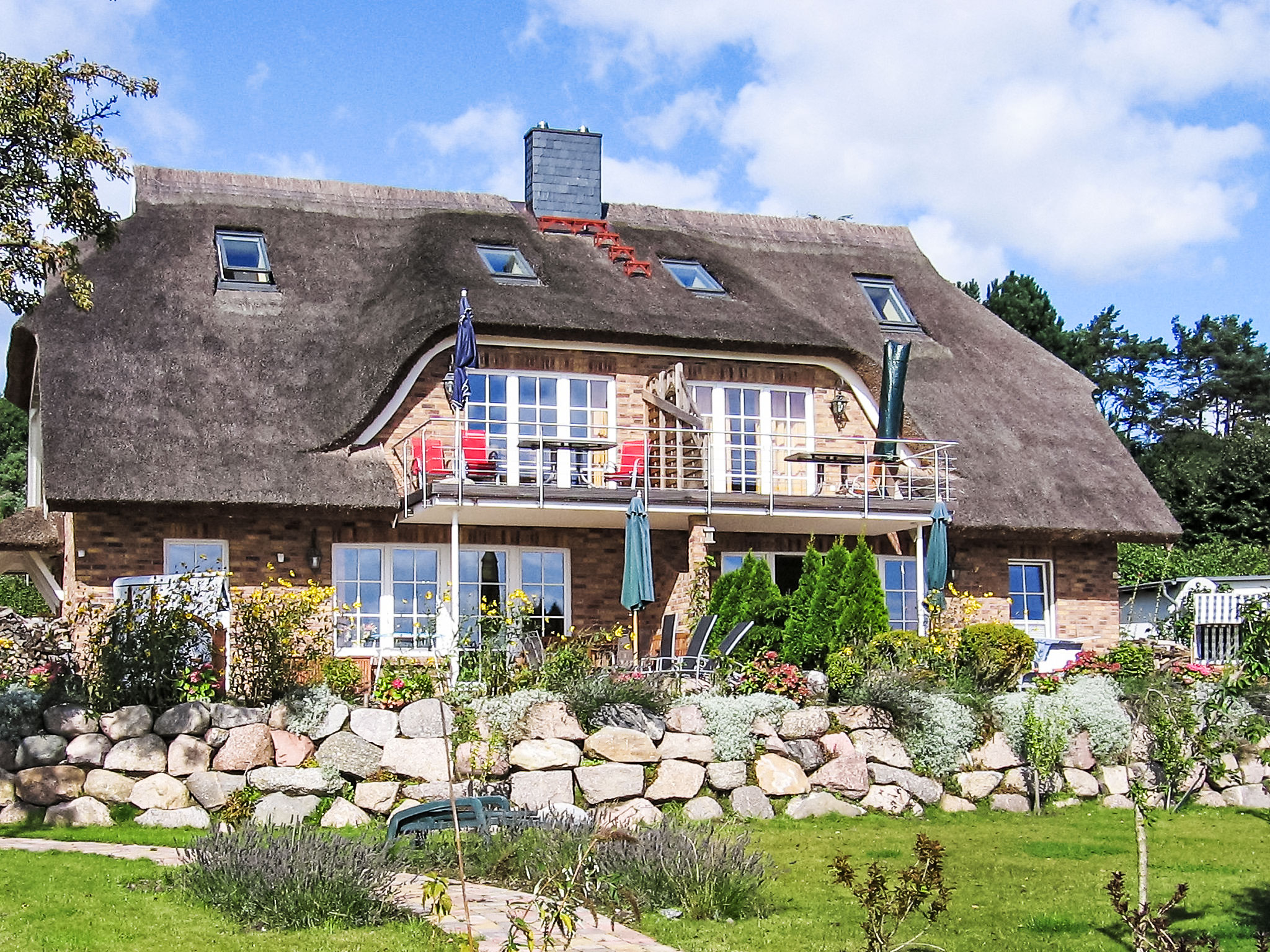
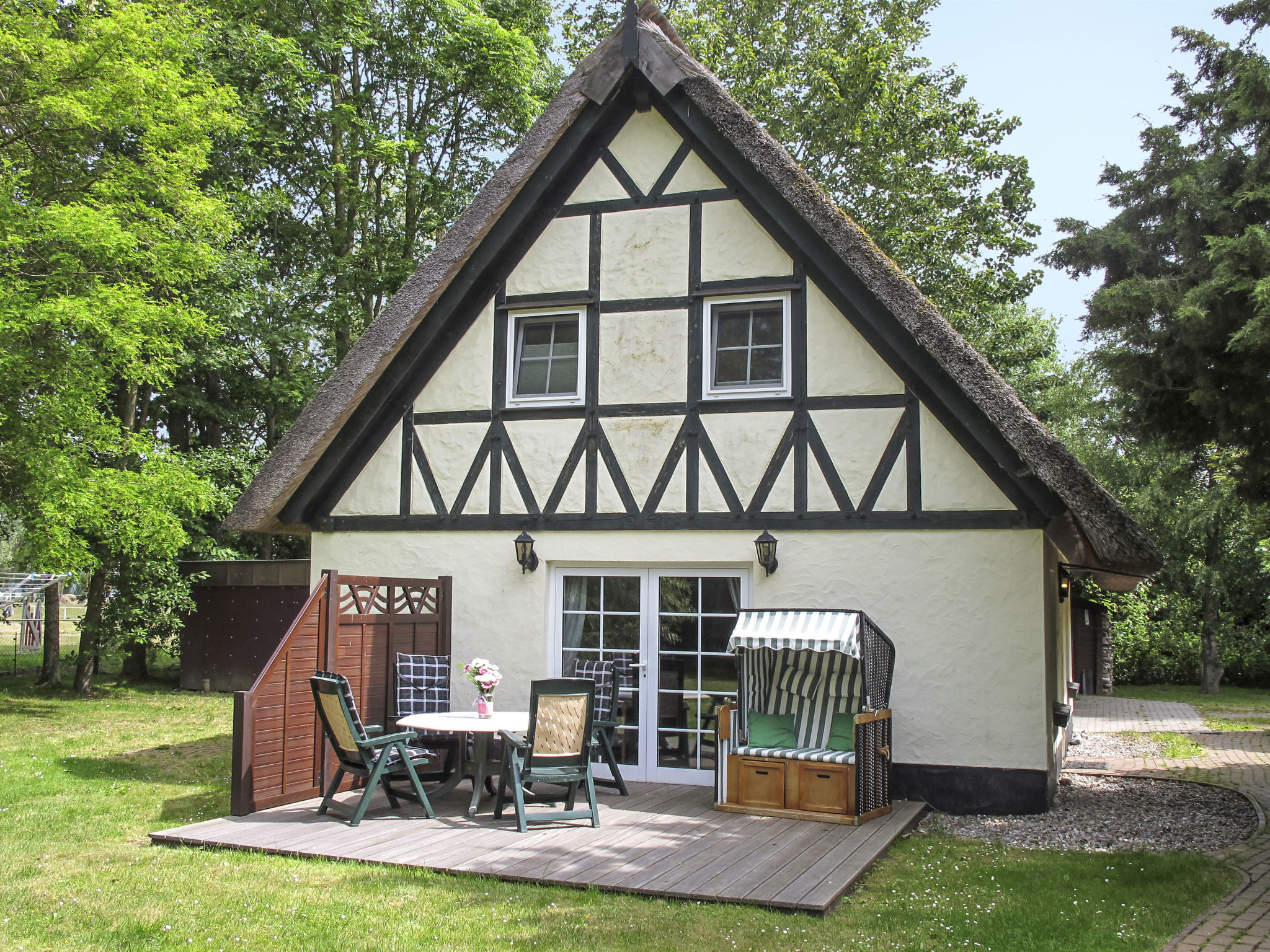
Most of our Rügen villas are here. Baabe has a wide sandy beach backed by pine woods and is quieter than its neighbours. Sellin's pier, reached down steps from the clifftop Wilhelmstraße, is one of the most photographed sights on the island. The Racing Roland narrow-gauge steam train links Göhren, Baabe, Sellin and Binz with Putbus. Mönchgut, around Groß Zicker and Middelhagen, has small hills, lagoon views and good walking. Berlin is around three and a half hours by car.
Best for: Families who want sandy beaches with resort facilities nearby
Not for you if: You want solitude in August: this is the busiest stretch of the island in summer.
Glowe, Breege and Juliusruh (the Schaabe and Wittow)
The Schaabe is a long, curving sandy beach between Glowe and Juliusruh, backed by pine forest. Glowe has a small harbour and sits at the northern edge of Jasmund. Breege, at the far end, is on the lagoon side of the spit. Further north on Wittow, cars stop at Putgarten and you walk, cycle or take a small road train the last 2 km to the lighthouses at Kap Arkona. Dranske, on the Bug peninsula, is quieter again.
Best for: Families who want a long, quiet beach and space to cycle
Not for you if: You want restaurants and shops on the doorstep: villages here are small and spread out.
Binz and Sassnitz (Jasmund)
Binz has white resort villas along a long promenade and a pier. Just north is Prora, a vast seaside block built in the 1930s for a Nazi leisure organisation, now partly flats and holiday apartments, with a documentation centre. Sassnitz has a working harbour and is the start of the cliff path through Jasmund National Park, where UNESCO-listed beech forest runs to the edge of the chalk cliffs at Königsstuhl. Berlin is around three and a half hours away.
Best for: Couples who want a grand resort town and cliff walks
Not for you if: You want peace in high summer: Binz is the island's biggest and busiest resort.
Gingst, Ummanz and western Rügen (Waase, Rambin)
This flat, rural side of the island looks across lagoons rather than open sea. Gingst is a small market village with a few shops. Waase is on Ummanz, a low island joined by a bridge, where the shallow water draws kitesurfers. Ferries to car-free Hiddensee leave from Schaprode nearby. Rambin is close to the bridge from Stralsund, which makes it the quickest base to reach from the mainland. Stralsund is around 30 minutes away.
Best for: Value, space and lagoon water for kayaking or kitesurfing
Not for you if: You want a sandy sea beach nearby: the west faces shallow lagoons, and the open-sea beaches are 30 to 45 minutes away.
Altefähr and the south (Garz, Groß Schoritz, Groß Stresow, Zudar)
Altefähr is the first village across the water from Stralsund, with a small beach and views of the old town's church towers. Stralsund's UNESCO-listed centre and the Ozeaneum aquarium are around 15 minutes away. Inland, Garz is often called the island's oldest town, and Groß Schoritz has the birthplace of Ernst Moritz Arndt. Groß Stresow is near Putbus, a white planned town laid out by a prince. Zudar is a quiet peninsula in the far south.
Best for: Short transfers and day trips to Stralsund
Not for you if: You want a beach resort feel: the south is farmland and small villages with few shops.