Best Time to Visit Germany

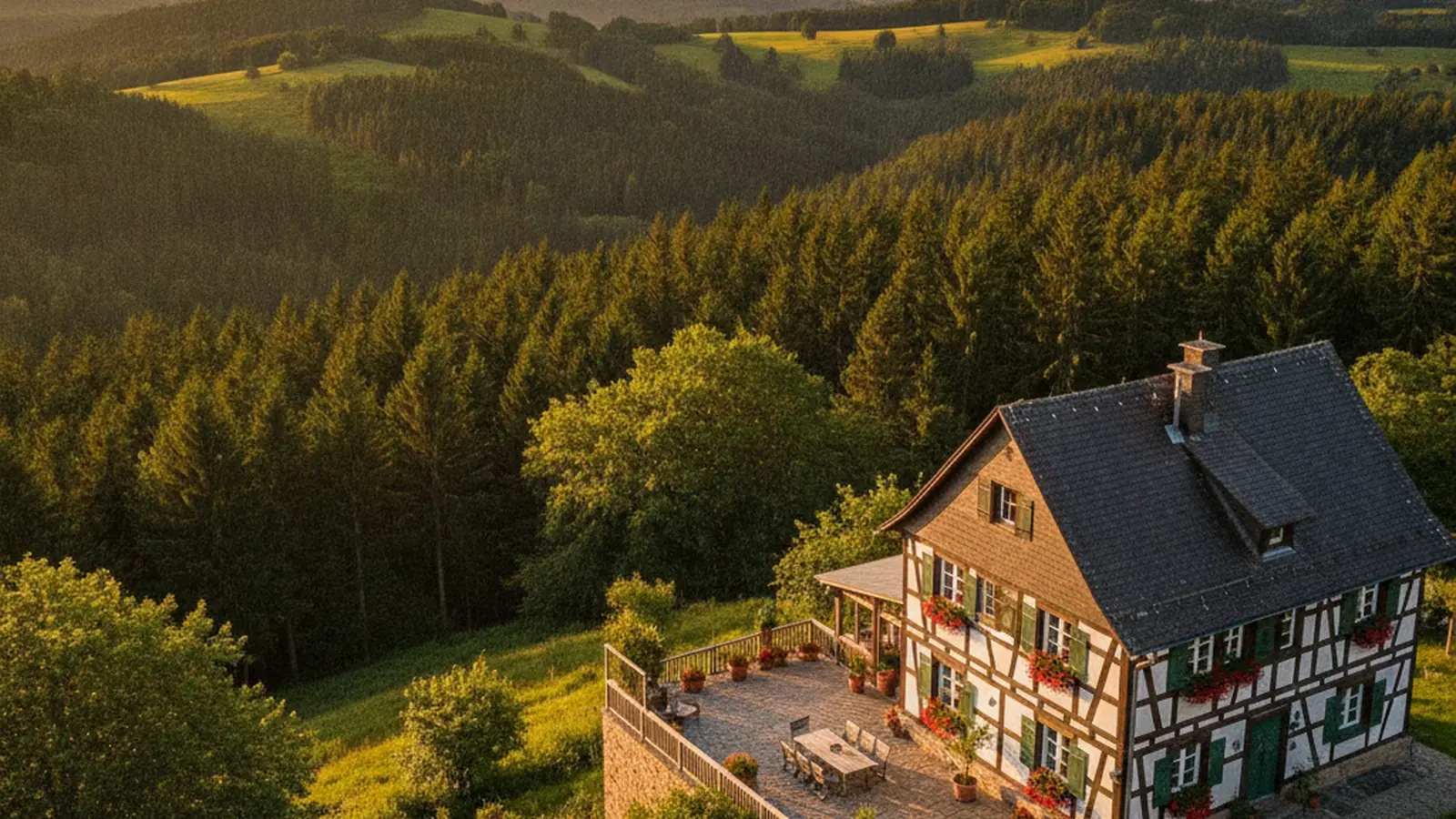
The right season depends on what you want to do. Summer (June-August) offers the longest days and warmest temperatures (20-25°C), making it well suited to hiking, cycling, and lake activities. July and August are peak holiday months — expect crowds at famous attractions and higher prices, especially in Bavaria and around tourist hotspots.

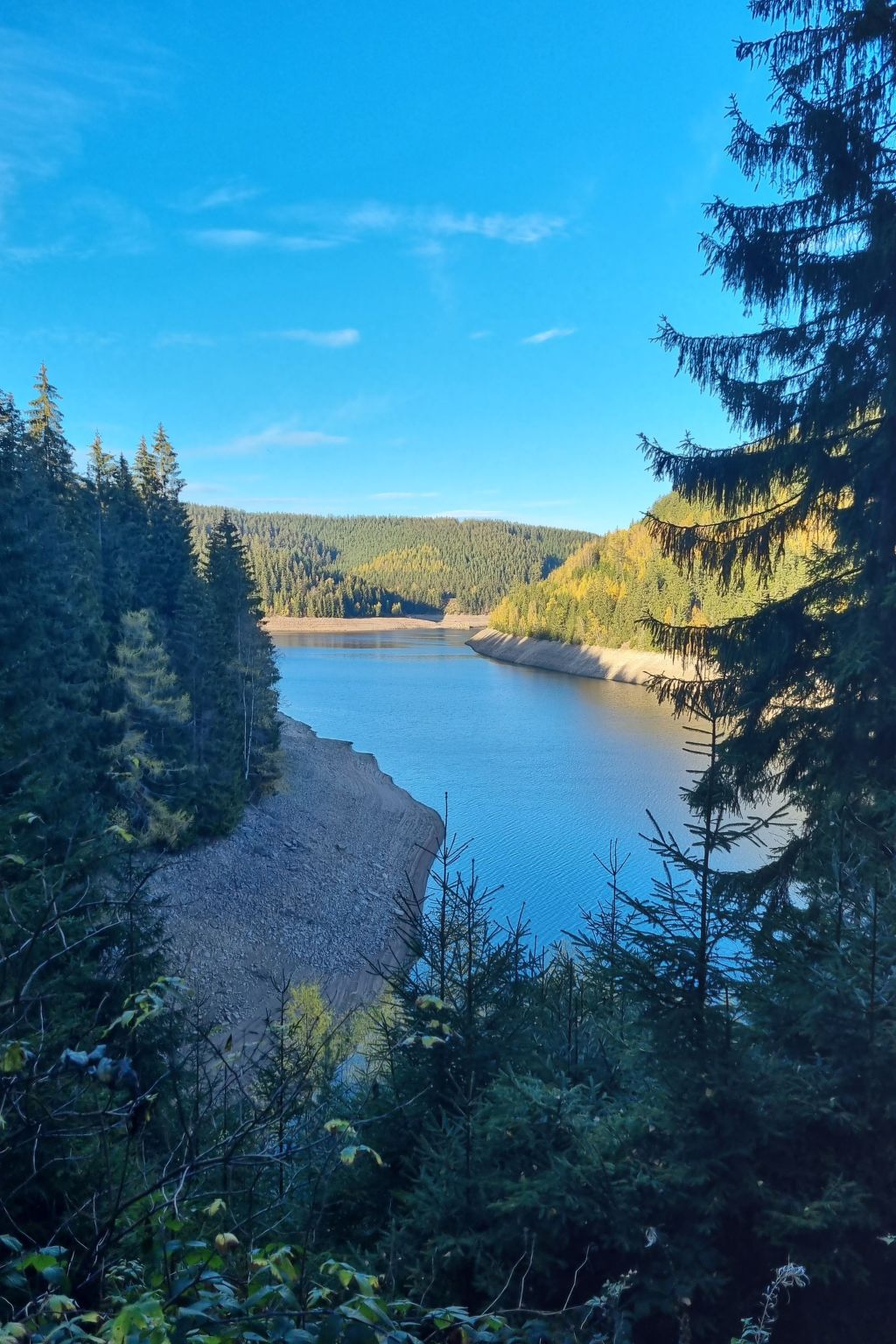
May and September are exceptional if you can travel then. Temperatures are still pleasant (15-20°C), attractions and restaurants operate at full capacity, and you'll dodge the main surge of visitors. Spring wildflowers in the Black Forest and autumn colours across all forested regions make those seasons visually rewarding too.

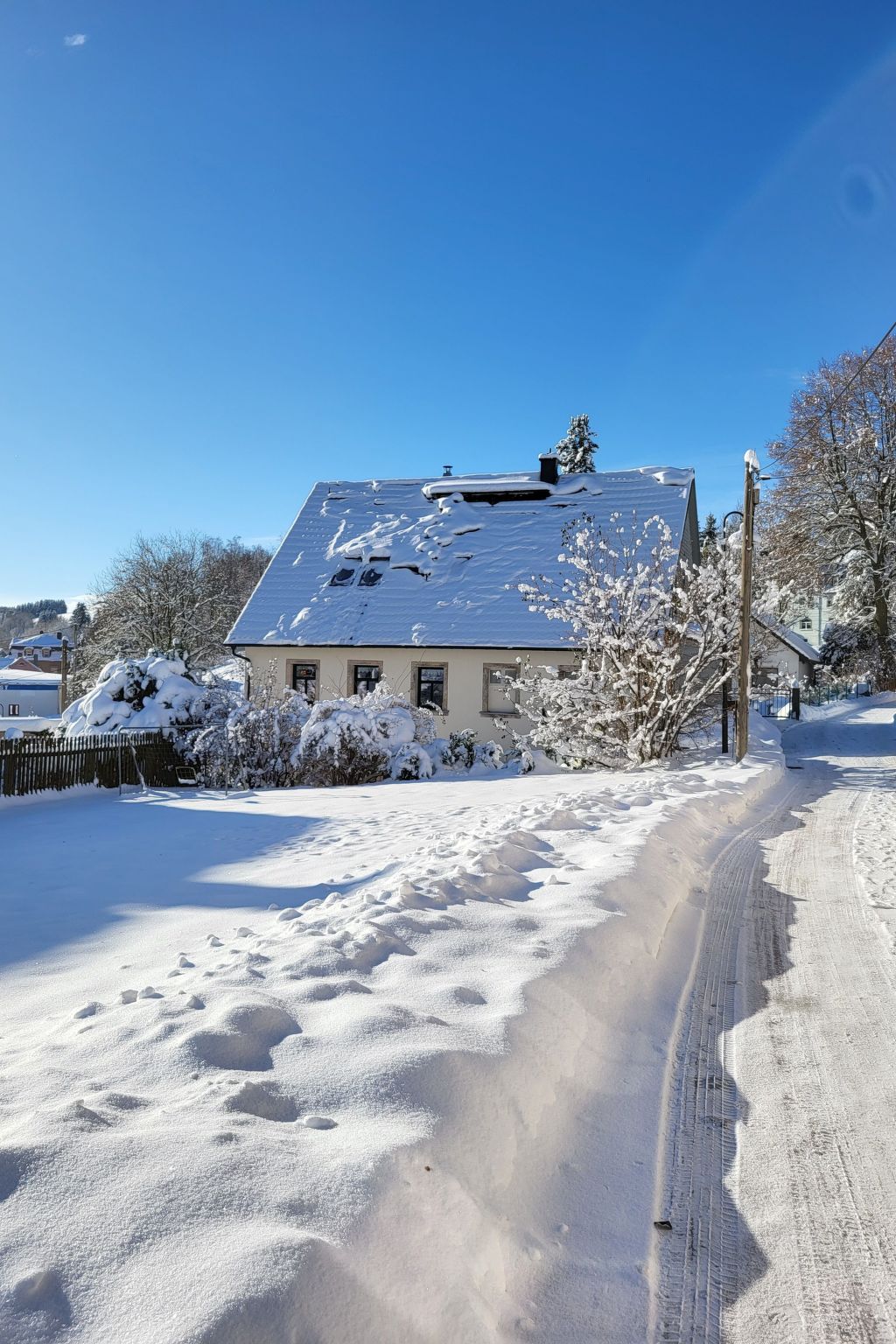
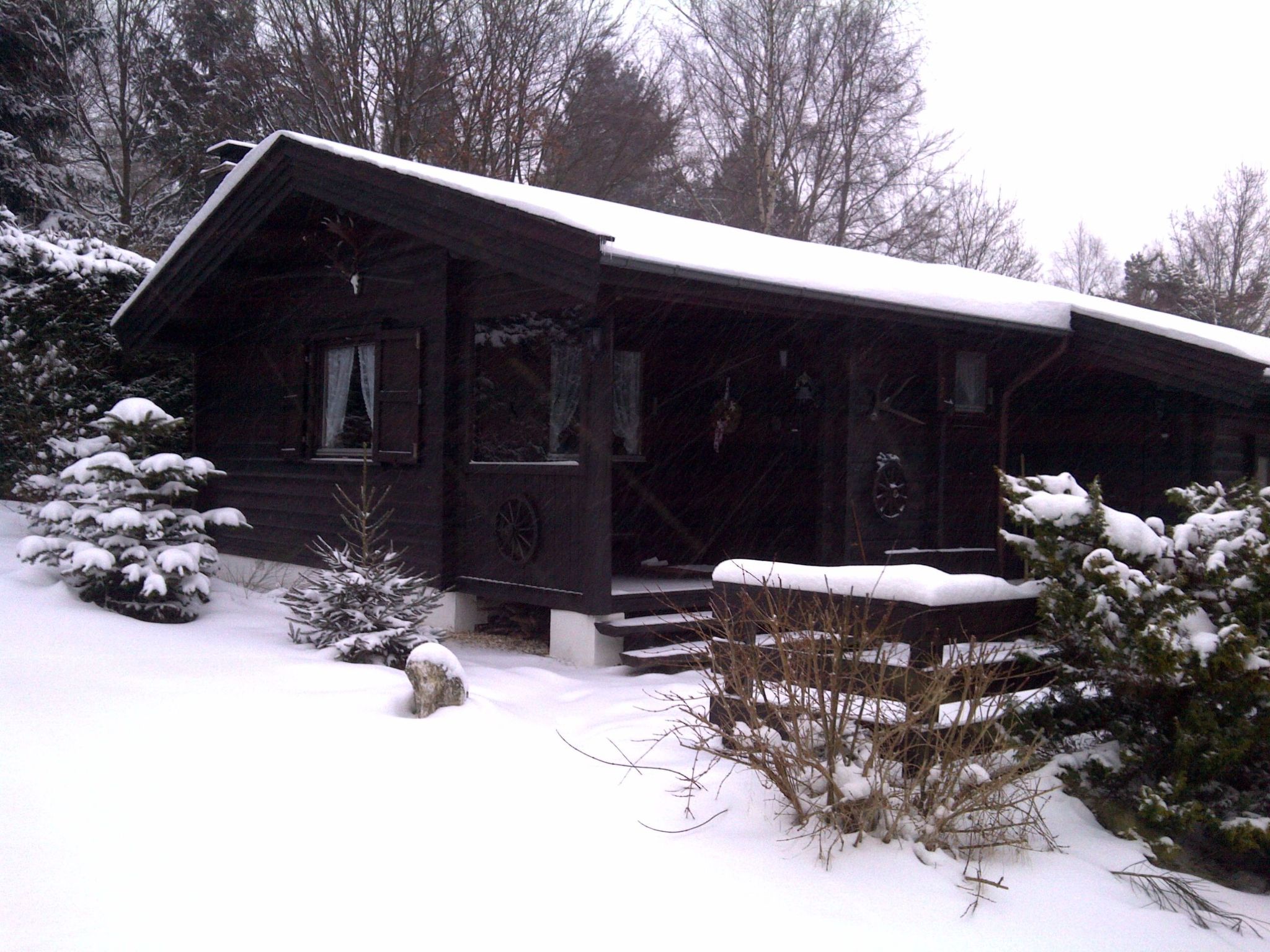
Winter is genuinely cold (0-5°C) and grey in most regions. Coastal areas and lower elevations are manageable; mountain areas like Upper Bavaria get snow, which is beautiful if you like that aesthetic but limits flexibility. Christmas markets are festive but extremely crowded.

Practical tip: if you're travelling with school-age children, note that German school holidays vary by state. Book well ahead for late July through August, Easter, and Christmas weeks.
Getting to Germany

By Air

Germany's main airports are exceptional for UK visitors. Munich and Berlin have the most direct flights from major UK cities (London, Edinburgh, Manchester). Frankfurt is centrally located if you're exploring multiple regions. Cologne and Hamburg serve northwestern areas well. Budget airlines like Ryanair and Easyjet have competitive fares; Lufthansa and other legacy carriers offer more connections but higher prices.

Flight time from London is 2-3 hours. Airport to villa transport varies greatly by location — if you're heading to rural Bavaria or the Black Forest, you may need a car. Some airports have shuttle services; others require rental.

By Car or Eurotunnel

Driving from the UK Channel ports is viable, especially for southern regions (Bavaria, Black Forest, Lake Constance). Total journey time from southeast England to Bavaria is roughly 13-15 hours, typically done as a two-day drive. You'll need an International Driving Permit (often not required for UK drivers, but check before travel), GB sticker or number plate identifier, and headlight beam adjusters for continental traffic.

Motorway costs add up: tolls aren't the issue (most German autobahns are free), but fuel and overnight accommodation are. Hire car rates in Germany are reasonable, especially if booked in advance from UK offices.

Caveat: driving cross-border in winter requires snow chains in mountain regions. Spring and autumn weather can be unpredictable on German roads.

By Train

The Eurostar to Brussels or Paris, then onward trains into Germany, is relaxed and increasingly affordable. Journey times are long (12-18 hours typical), but you avoid driving fatigue. Deutsche Bahn (German Railways) is reliable, though ticket prices vary widely based on booking timing.

More Questions About Germany

What's the difference between "Bavaria" and other German regions?

Bavaria is Germany's southernmost state — it has its own dialect, traditions, beer culture, and Alpine geography that feel distinct from northern Germany. Bavarian regional identity is strong. For travellers, Bavaria means mountains, castles, and that stereotypical German aesthetic. Other regions (Black Forest, Lake Constance) are equally rewarding but less obvious choices.

Do I need travel insurance for Germany?

Standard travel insurance is sensible, especially if hiring a car or booking a villa with a cancellation policy. Germany has good healthcare — EU visitors currently have reciprocal NHS agreements, though this may change post-Brexit. Check your current coverage. Villa damage or liability insurance is worth considering if renting a large property.

Is it cheaper to fly into Germany and rent a car, or drive from the UK?

Flying into Munich or Frankfurt and renting a car is usually faster and less tiring. Driving from the UK works if you're visiting German regions close to the Channel or staying 2+ weeks and want to avoid flying. Factor in Eurotunnel costs, fuel, overnight accommodation, and headaches. The answer depends on your final destination and how much you value not driving 13+ hours.

Can I visit Germany in winter?

Yes, but with caveats. Expect short days, cold temperatures, and frequent rain. Mountain regions like Bavaria and the Allgäu get snow, which is lovely if you like that; less lovely if you're hiking or exploring villages. Coastal regions (Baltic, North Sea) are windswept and can feel bleak. December has Christmas markets, which are atmospheric but crowded. January and February are the quietest but also the greyest.

What currency and payment methods do I need?

Germany uses the Euro (€). Contactless card payments are increasingly standard, especially in cities and larger towns. Cash is less essential than it was, though some rural restaurants, small shops, and local markets may only accept cash. ATMs are everywhere. Inform your UK bank before travelling to avoid card blocks.

Are there good restaurants and local food experiences?

Absolutely. German cuisine has real regional character — Bavarian food differs from Swabian, which differs from coastal fare. Expect exceptional bread, cheese, sausages, and seasonal vegetables rather than elaborate plating. Wine regions (Rhine, Mosel) produce world-class Rieslings. Local markets in towns like Stuttgart, Cologne, and Munich offer authentic food encounters. Restaurant prices are reasonable compared to UK equivalents.

How do I book a villa in Germany and what are typical amenities?

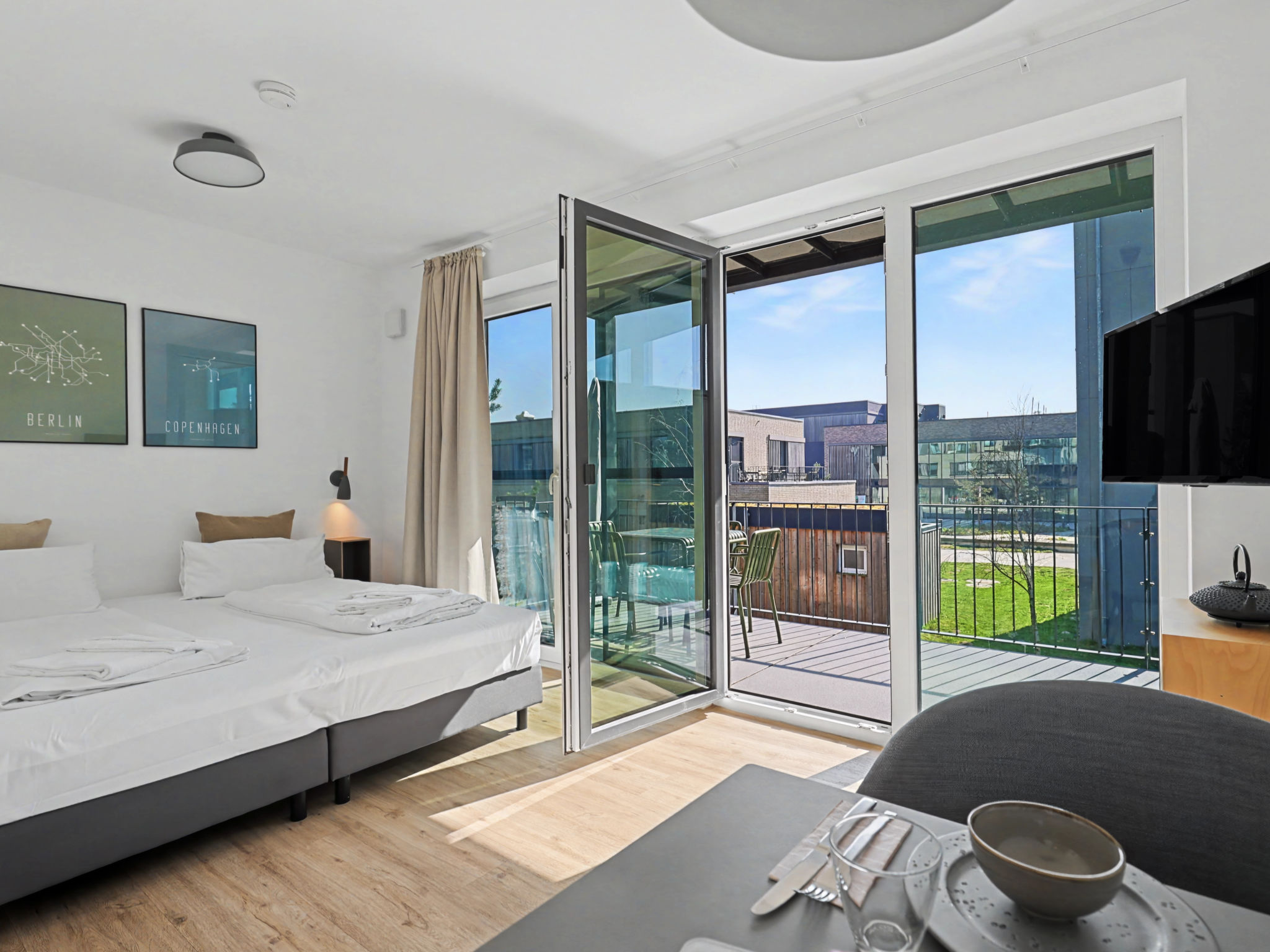
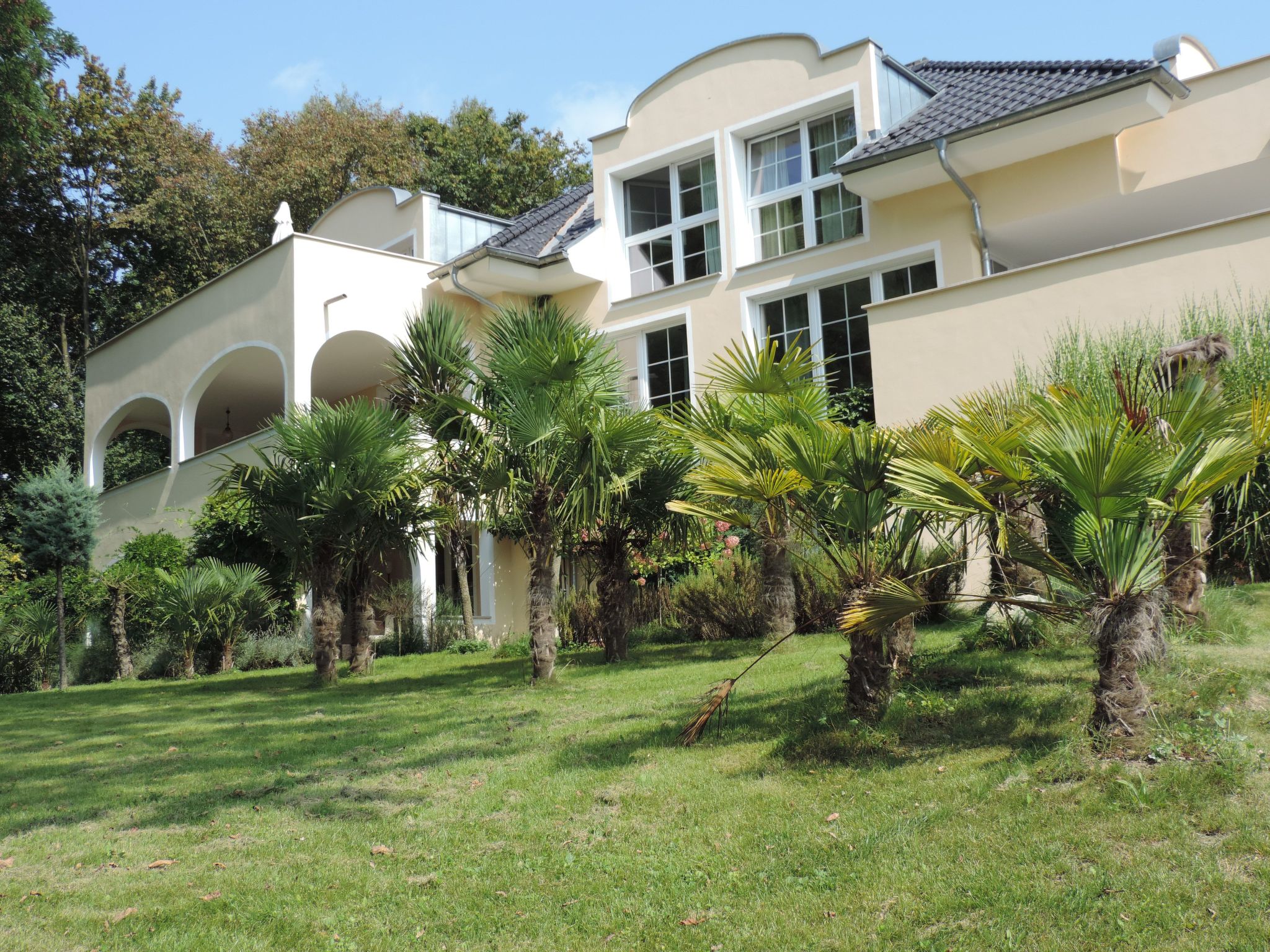
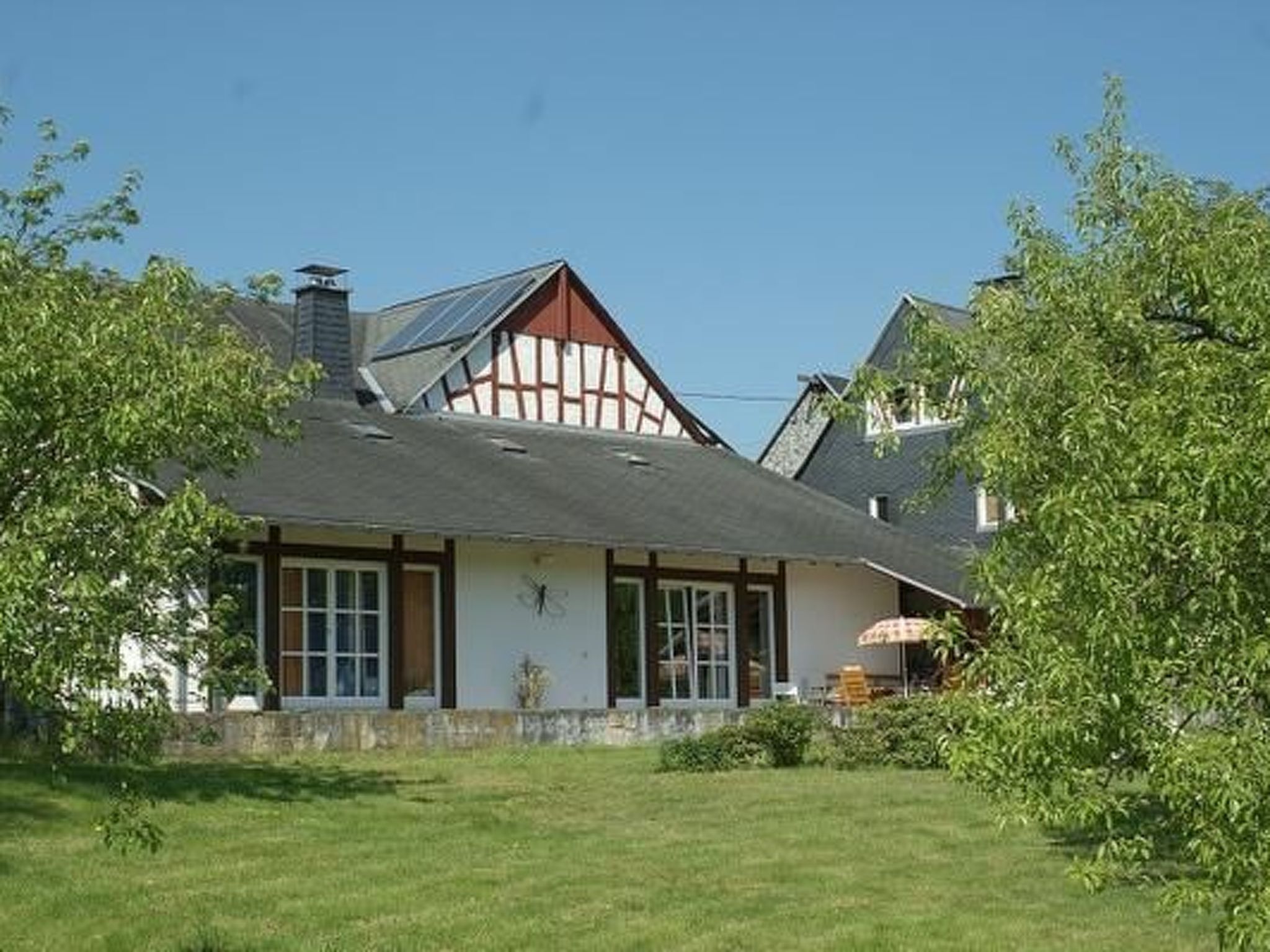
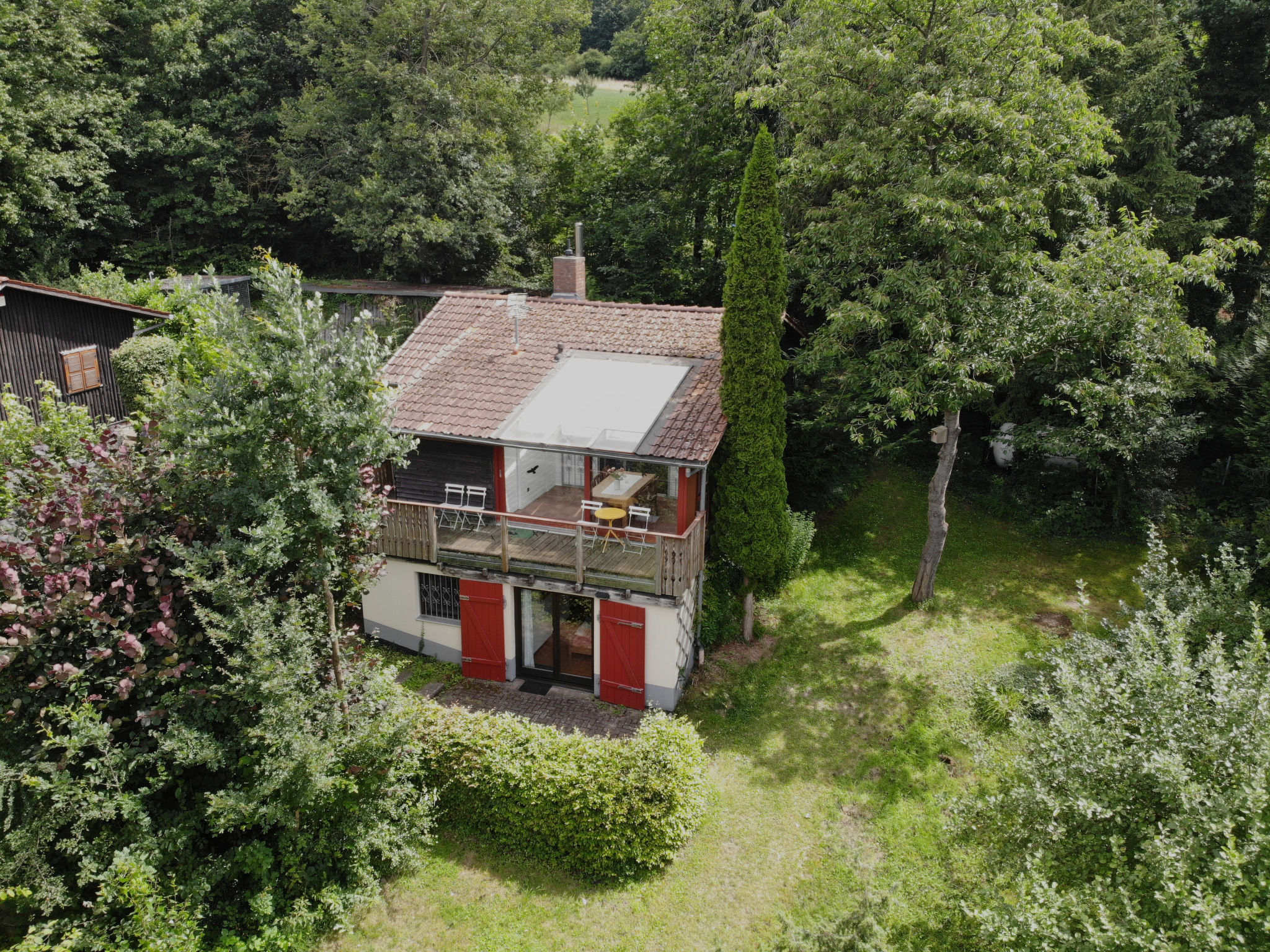
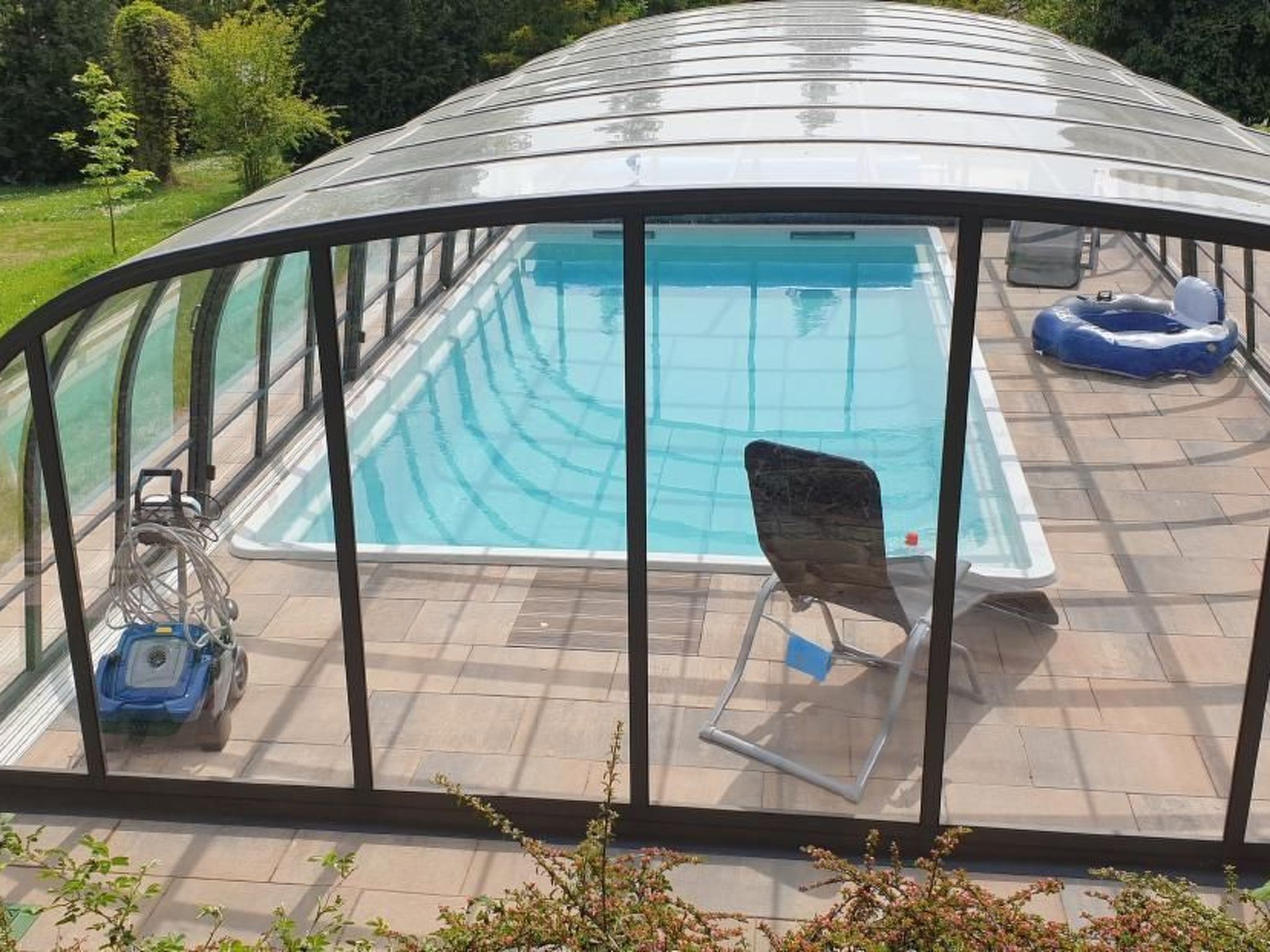
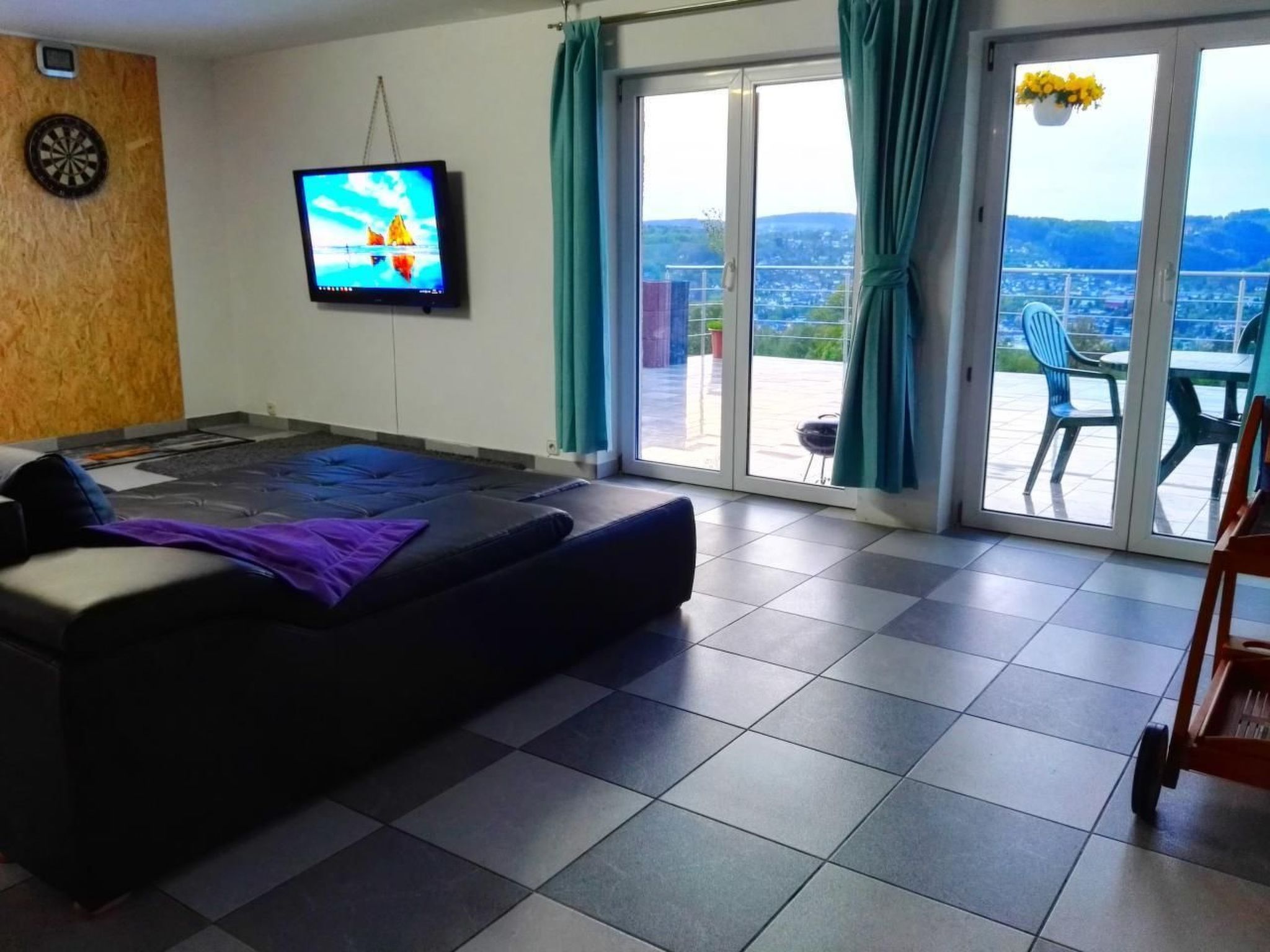
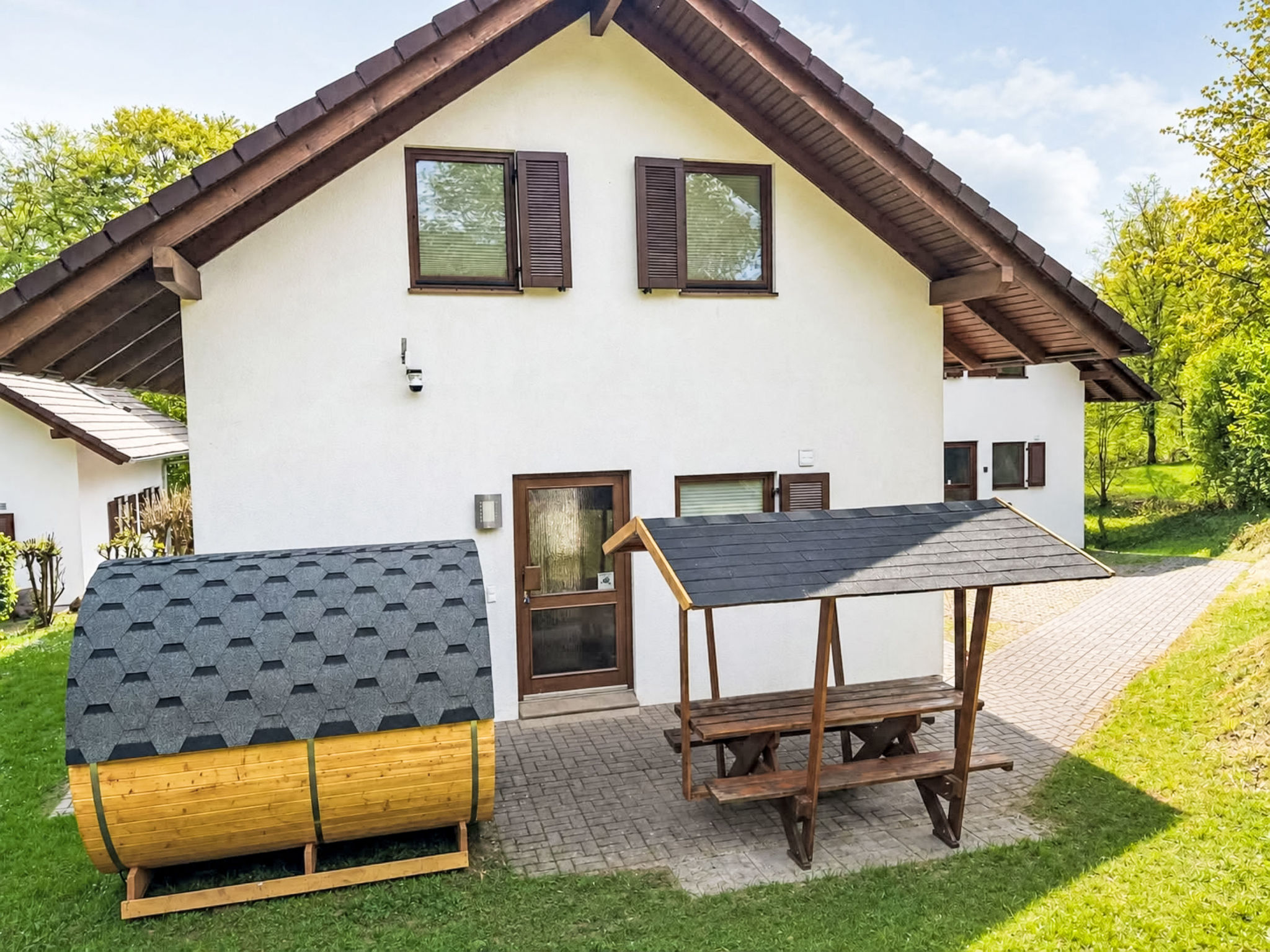
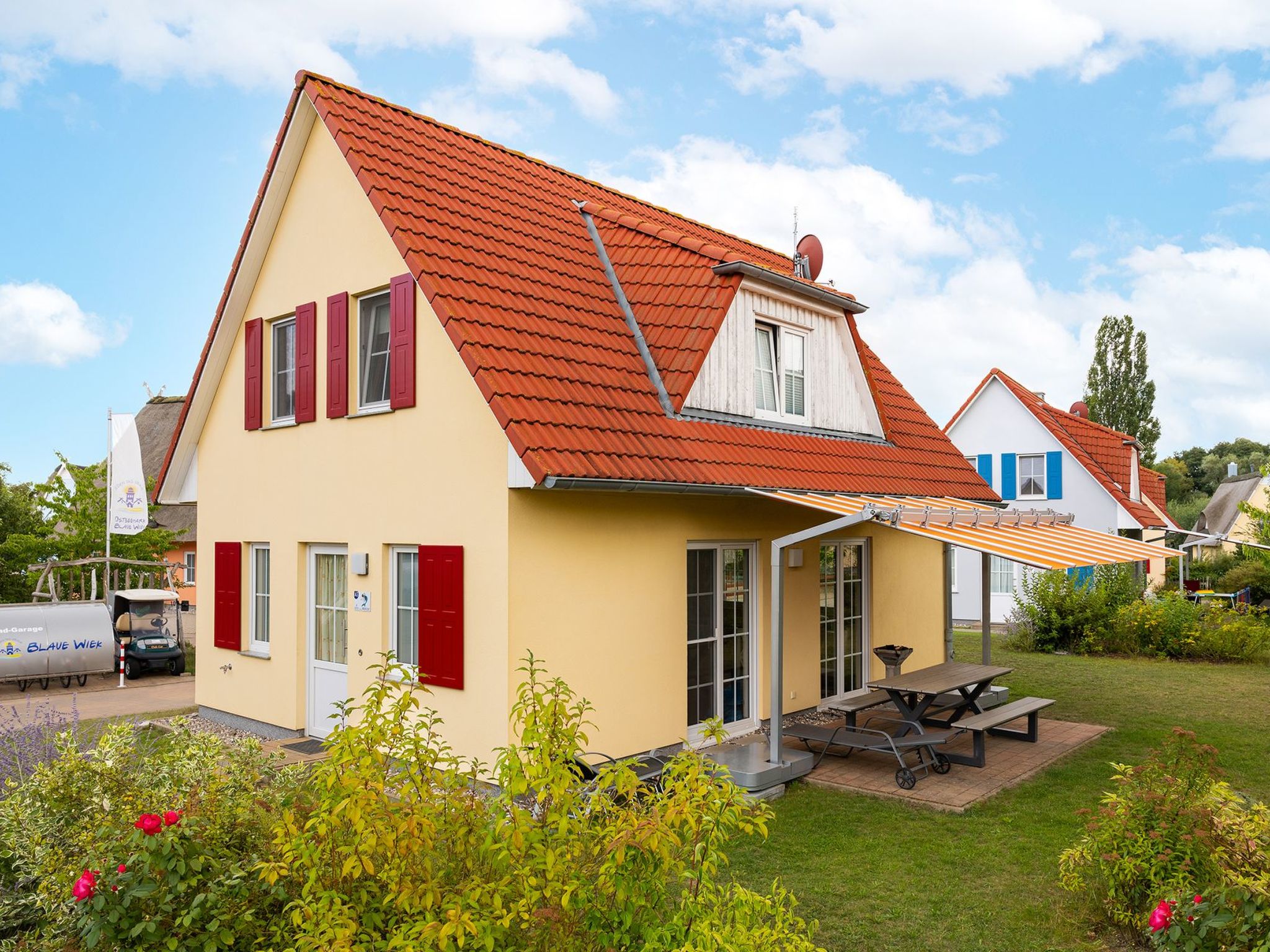
Our villa listings include full details on amenities, location, accessibility, and cancellation policies. Most German villas come with kitchens (essential for self-catering), washing machines, outdoor space, and WiFi. High-end villas may have pools, saunas, or wine cellars. Check specific property descriptions and don't assume every villa has air conditioning . Many don't, though summer temperatures rarely demand it.

What's the best region if I want to avoid crowds?

The Allgäu, Lake Constance, and the quieter parts of the Black Forest see fewer UK visitors than Munich or Neuschwanstein-area Bavaria. The North Sea coast is windier and less "pretty" than the Baltic, so fewer tourists. Eastern regions like parts of Rügen have authentic charm but less developed tourism infrastructure. Rural Upper Bavaria, away from main towns, is peaceful but requires driving to restaurants and attractions.

Explore Other German Regions

Each of Germany's regions offers something distinct. Investigate specific areas based on your priorities:

By Landscape Type

Mountain focus: Upper Bavaria and Bavaria offer serious Alpine scenery and hiking. Forest and countryside: The Black Forest and Allgäu provide walking and cycling in rural settings. Water and lakes: Lake Constance and the Baltic Sea offer swimming, sailing, and waterside promenades. Coastal character: The North Sea and Rügen provide beach access with distinct atmospheres.

By Holiday Style

Active holidays: Upper Bavaria, Black Forest, Lake Constance, and Rügen all have exceptional cycling and hiking infrastructure. Relaxation focus: Lake Constance's wine region and the spa towns of the Black Forest suit slower-paced holidays. Family holidays: Allgäu, Rügen, and Upper Bavaria offer manageable terrain and family-friendly infrastructure. Cultural interest: Bavaria's castles, medieval towns in the Black Forest, and industrial heritage sites appeal to culture-focused visitors.

  • Bavaria , Alps, castles, beer culture, family appeal, iconic scenery
  • Upper Bavaria , Mountain lakes, serious hiking, quieter than main tourist zones
  • Black Forest , Forested hills, spa towns, river valleys, forest character
  • Lake Constance , Alpine lake, milder climate, water sports, wine culture
  • Allgäu , Rural, green, dairy farming heritage, family-friendly countryside
  • Baltic Sea , Coastal beaches, spa towns, northern European atmosphere
  • North Sea , Islands, windier coastal charm, authentic fishing heritage
  • Rügen , Largest island, chalk cliffs, cycling routes, family appeal

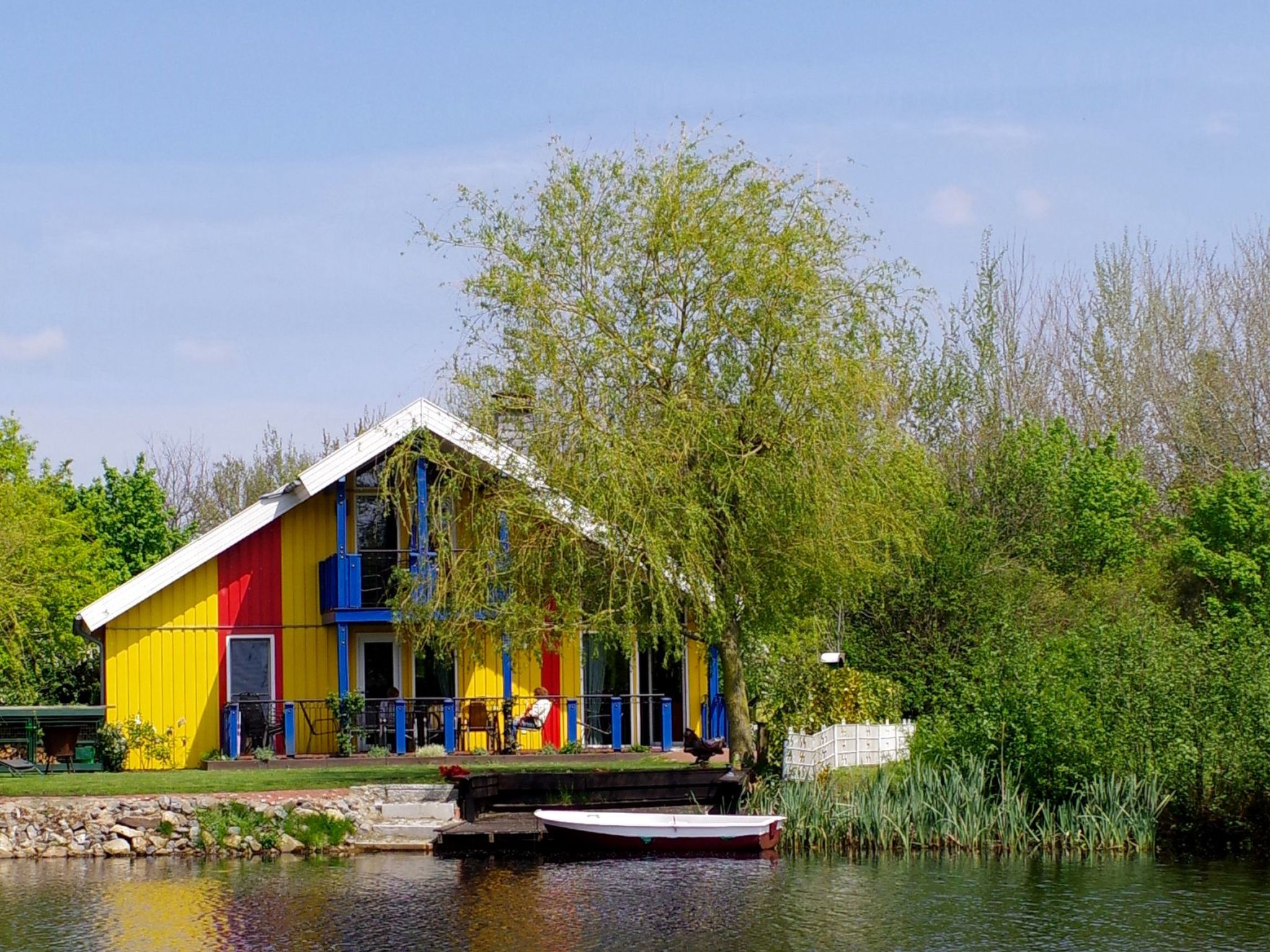
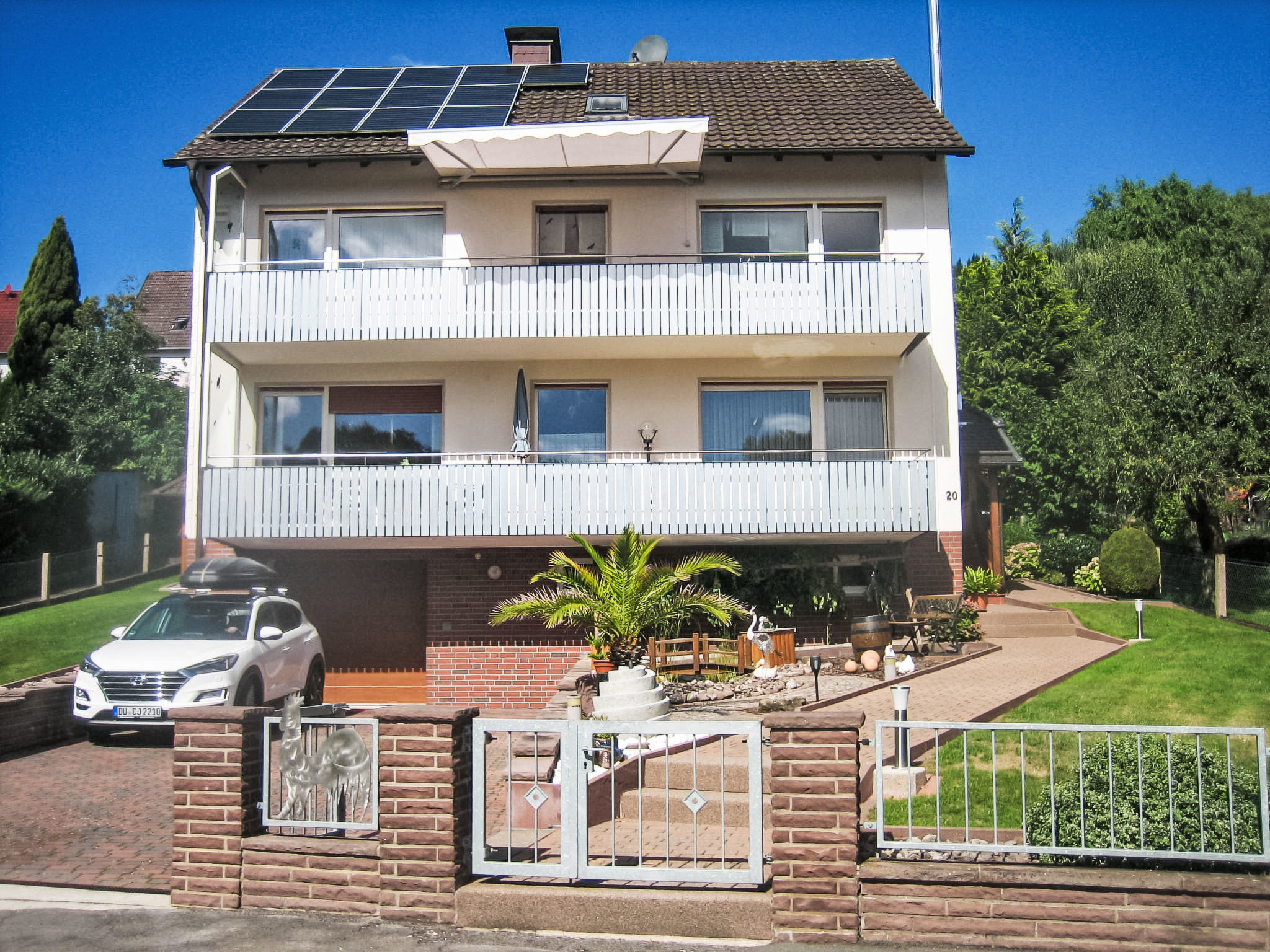
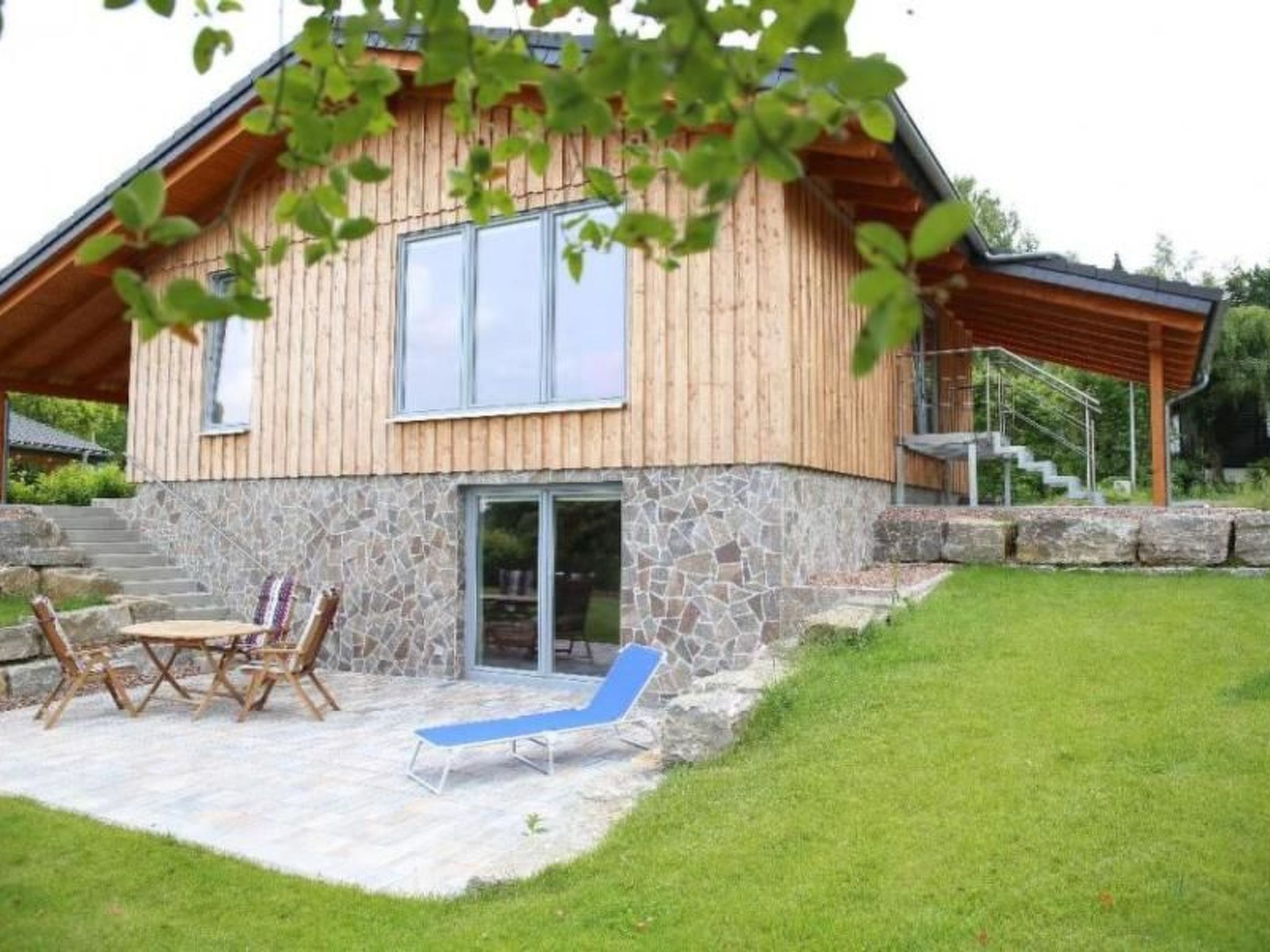
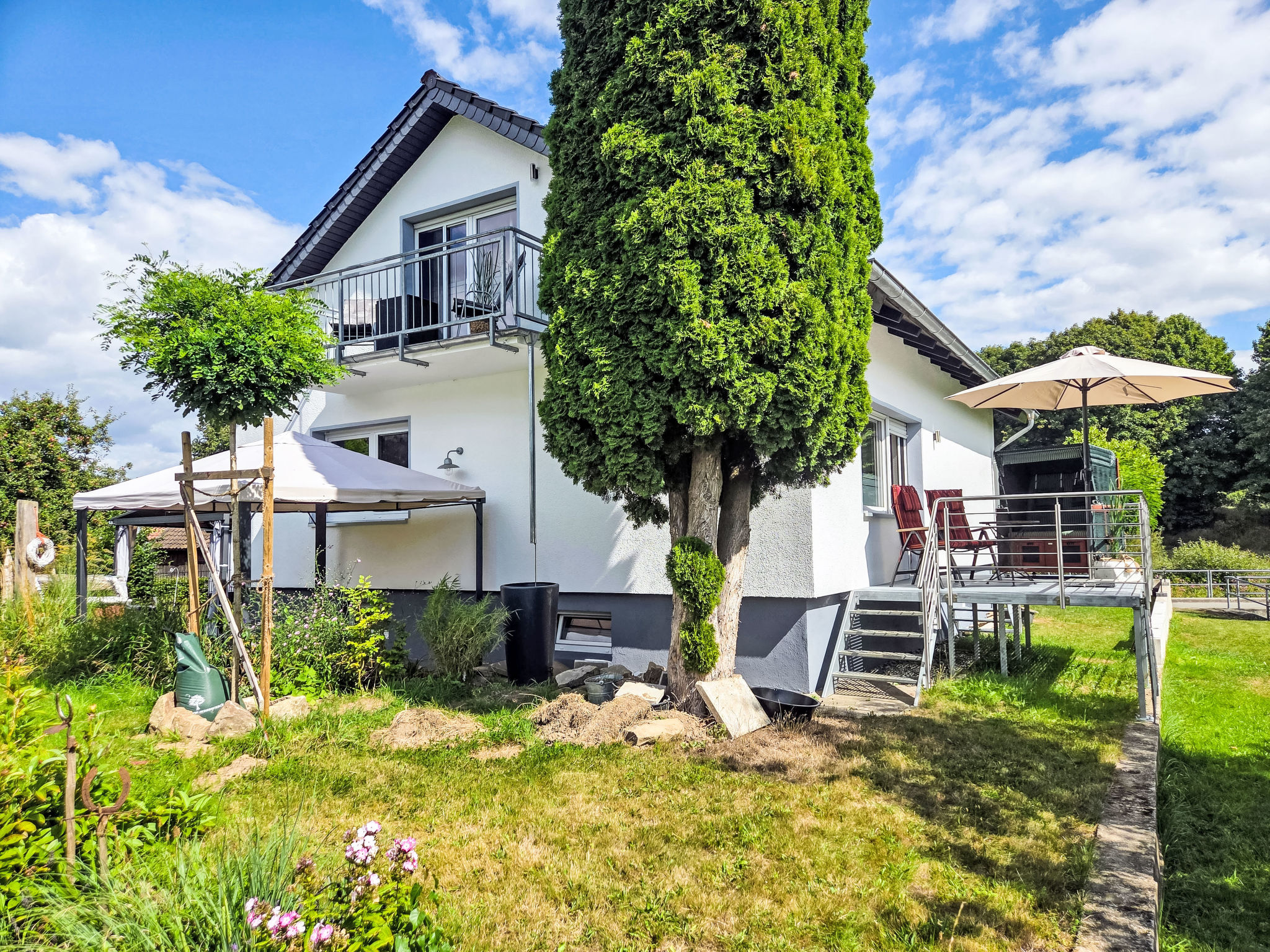
Or browse all our German villas and filter by region, capacity, amenities, and accessibility to find your ideal match. Each region's page includes specific town recommendations, honest caveats about crowds, and practical logistics for your stay.