Villas in Chemnitz
Chemnitz suits couples who want a Saxon city base with the Ore Mountains starting on its southern outskirts. Homes are mostly small, built for two, and spread around the city. There is no lake or coast, and the airports are at Dresden and Leipzig, each just over an hour and a half away by train.
- Villas
- 9
- From, per week
- £387
About Chemnitz
Chemnitz is Saxony's third-largest city, with around 245,000 residents, and grew into a centre of machine and textile making. Wartime bombing left most of the centre in ruins; it was rebuilt in East German times and re-planned after 1990, and parts still show how an East German city looked. The main sights are the Karl Marx head, the Red Tower and the Gunzenhauser museum of 20th-century art. Homes are spread around the city, mostly small, for two guests, and some have a sauna or fireplace. Evenings mean bars, pubs and cinemas, many with outdoor seating, and the Turmbrauhaus brews its own beer.
Is Chemnitz right for you?
- Best for
- City breaks with day trips into the Ore Mountains
- Not for you if
- You want a beach, a lake or a village setting, because Chemnitz is a large inland city.
Near Chemnitz
Saxon Ore Mountains
Range that begins on the city's southern outskirts, with a long mining history, wood-carving, hiking, cycling and skiing.
Oberwiesenthal
Once East Germany's leading ski resort, and the end of the Fichtelbergbahn steam railway from Cranzahl.
Freiberg
Old silver-mining town on the hourly regional rail line between Dresden and Chemnitz.
Leipzig
Saxon city about 50 minutes from Chemnitz by train, with connections every hour.
Getting to Chemnitz
Dresden and Leipzig are the commercial airports, each just over an hour and a half from Chemnitz by train with a change at the main station. Chemnitz has no ICE or InterCity service. Trams and buses cover the city, but a car helps for the Ore Mountains and for homes outside the centre.
When to go to Chemnitz
Summer suits outdoor seating in town and hiking or cycling in the Ore Mountains. In winter the focus moves south to skiing around Oberwiesenthal and snowshoeing in the hills, and special trains serve the ski areas in season. The range is the most snow-reliable region in Germany outside the Alps, and heavy snow can fall up there even when the lowlands have none.
Villas in Chemnitz

4-star property
5-star property
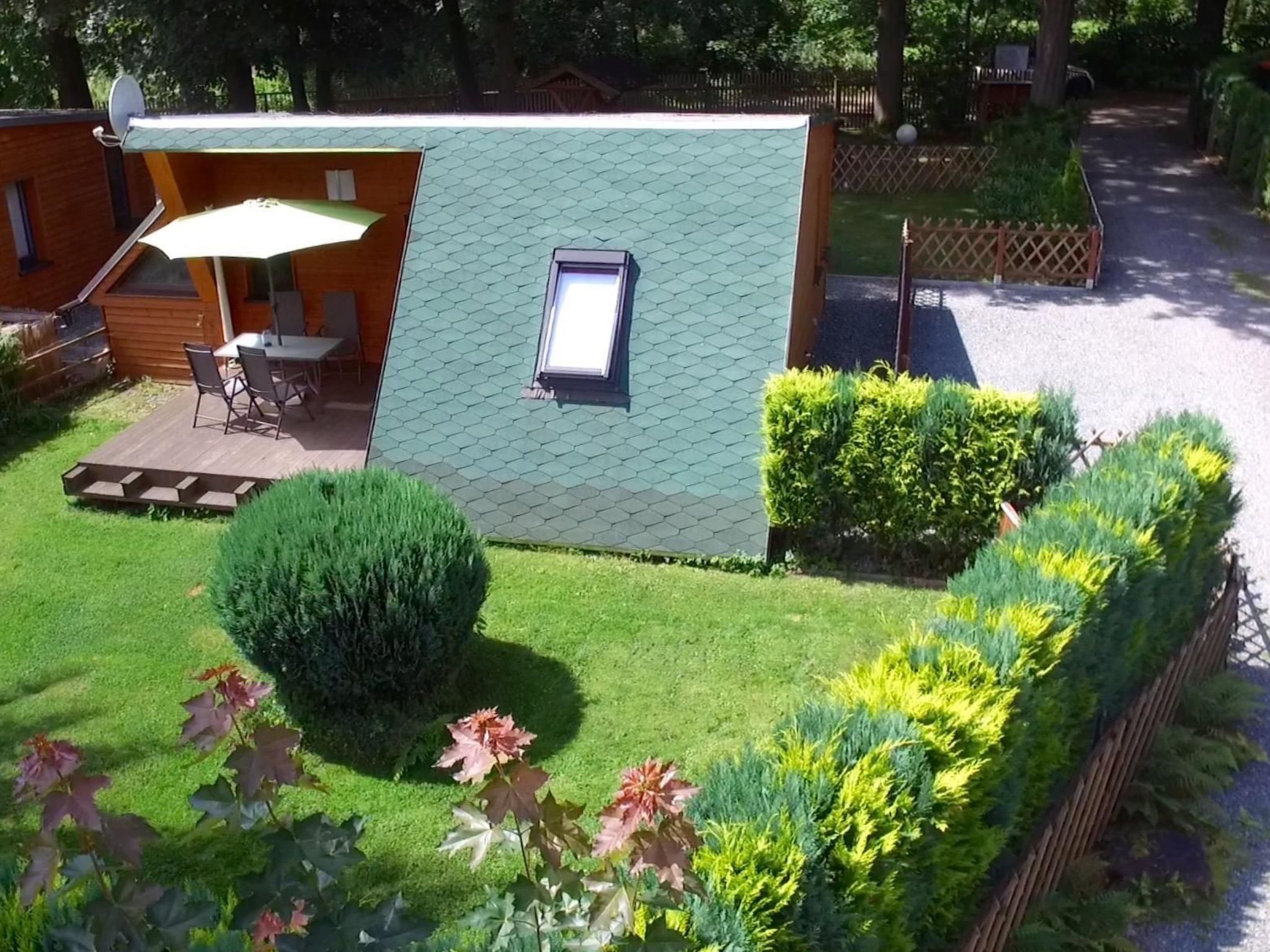
1-Bedroom Home, Chemnitz
Chemnitz, Saxony, Germany
2
1
0
BBQParkingDishwasher+8 more
from£95
per night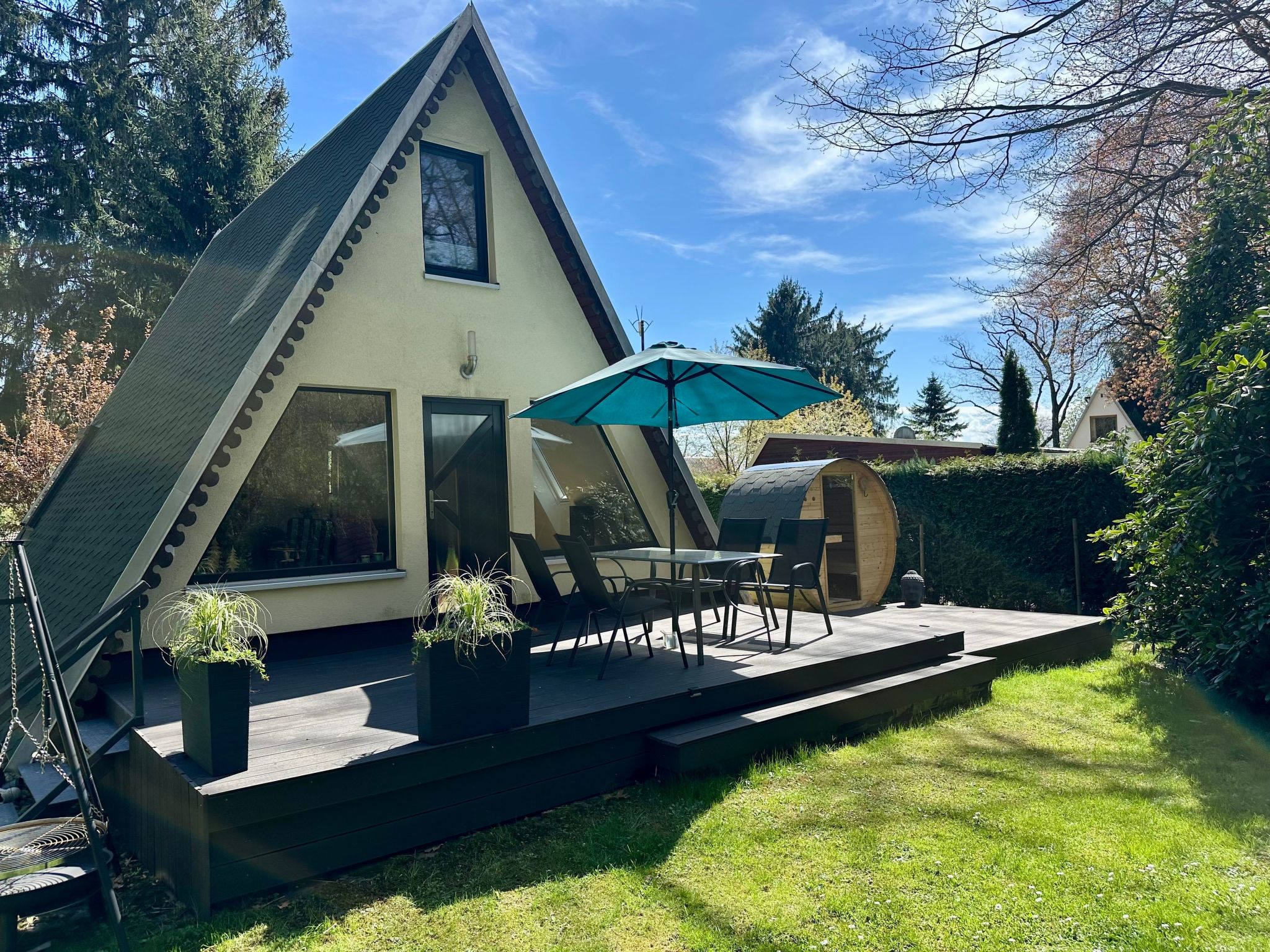
5-star property

5-star property
1-Bedroom Home, Chemnitz
Chemnitz, Saxony, Germany
2
1
0
BBQParkingDishwasher+8 more
from£86
per night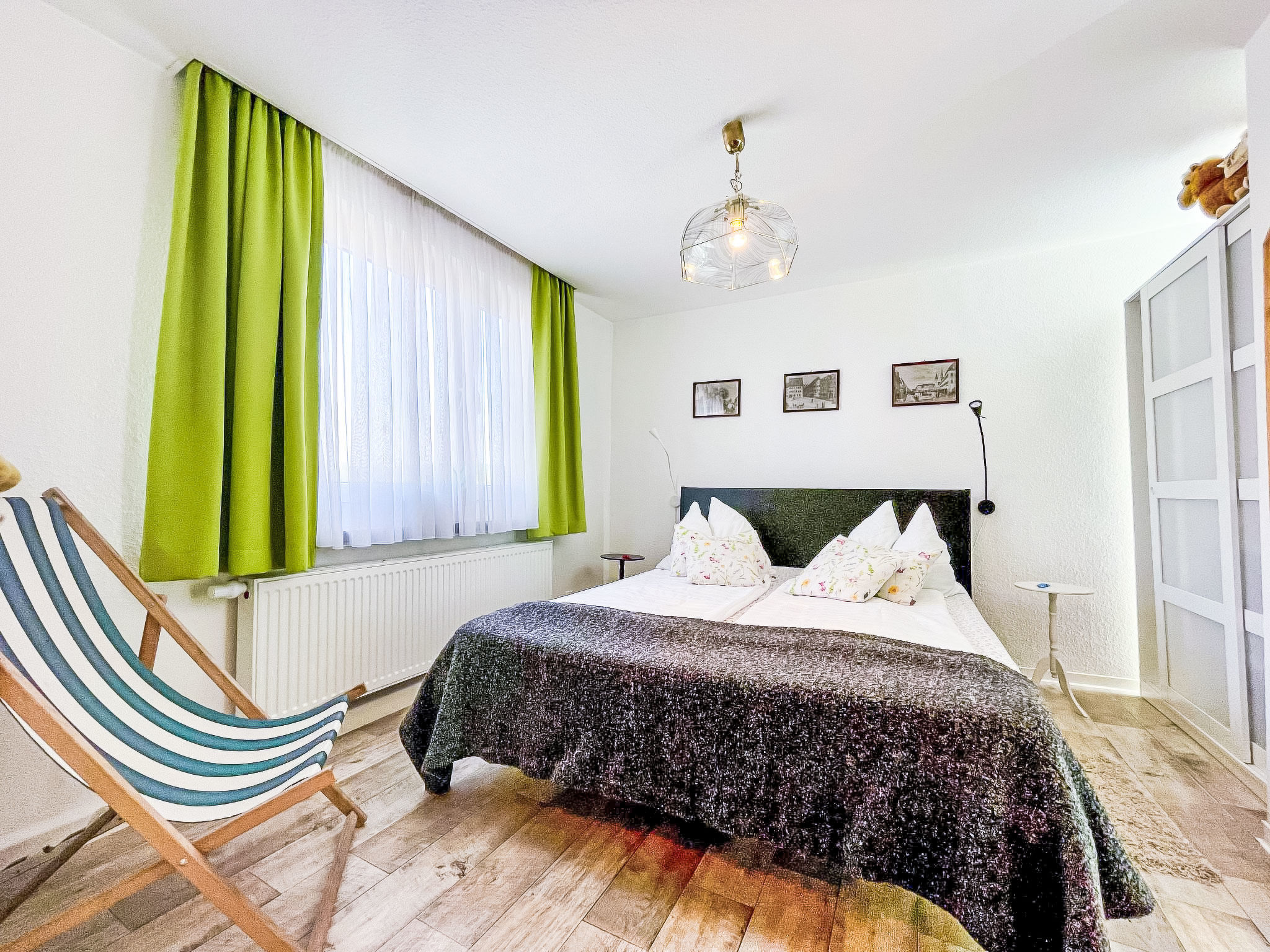
3-star property
2-Bedroom Home, Chemnitz
Chemnitz, Saxony, Germany
4
2
0
DishwasherParkingTerrace+5 more
from£55
per night
2-Bedroom Home, Chemnitz
Chemnitz, Saxony, Germany
5
2
0
DishwasherGardenWashing Machine+6 more
from£101
per night
2-Bedroom Home, Chemnitz
Chemnitz, Saxony, Germany
6
2
0
DishwasherMicrowaveInternet+7 more
from£89
per night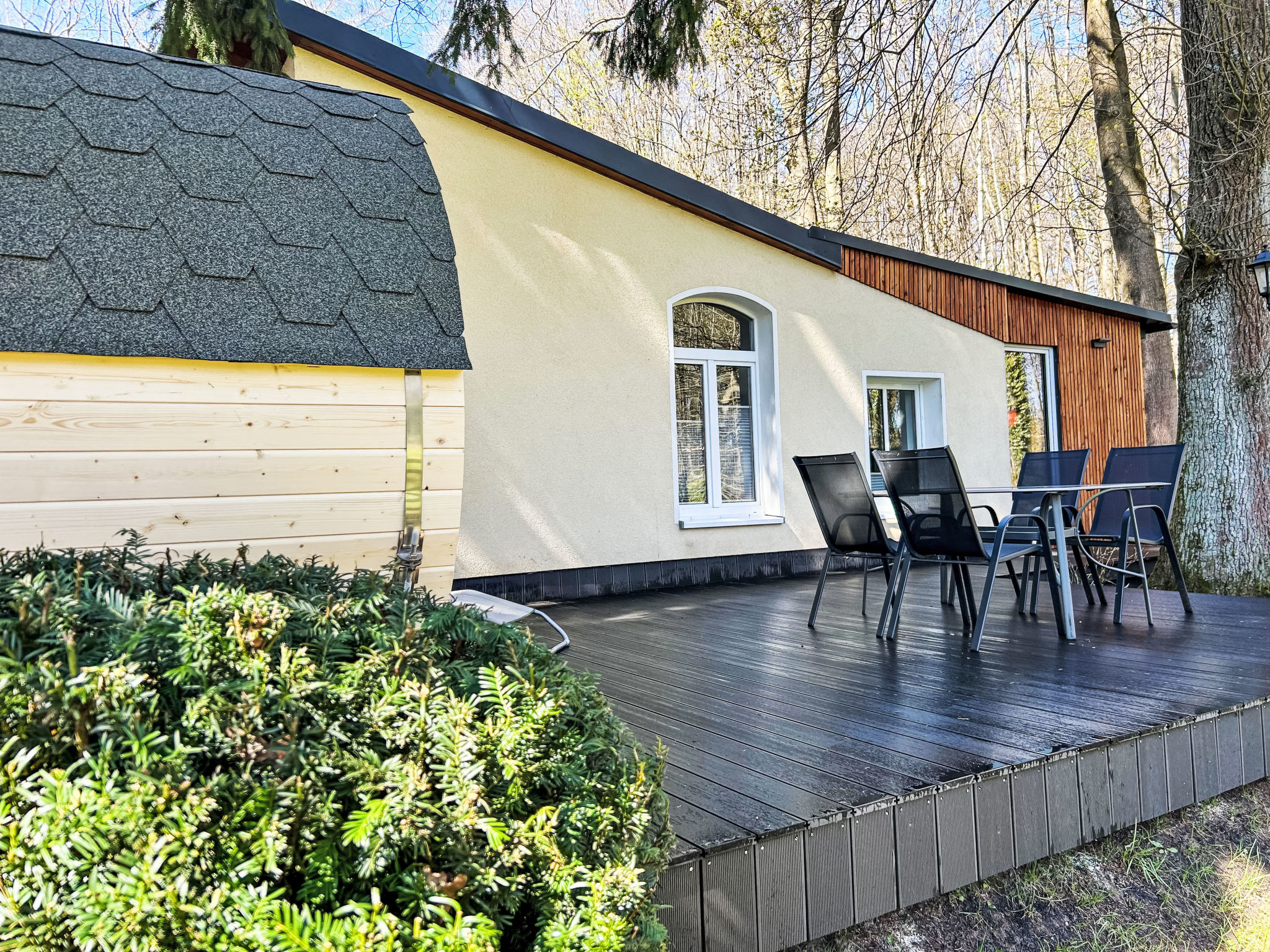
4-star property

5-star property
2-Bedroom Home, Chemnitz
Chemnitz, Saxony, Germany
4
2
0
DishwasherParkingFridge+4 more
from£109
per nightChemnitz villa holidays: questions answered
Is Chemnitz a good base for the Ore Mountains?
Yes, the Saxon Ore Mountains begin on the southern outskirts of Chemnitz, and branch rail lines run to Annaberg-Buchholz and Stollberg. Oberwiesenthal, once East Germany's leading ski resort, is now a quieter place to ski.
Which airport serves Chemnitz?
Dresden and Leipzig, each just over an hour and a half by train with a change at the main station. The local airfield at Jahnsdorf, 12 km away, takes only business and small private charter flights.
Chemnitz or Leipzig for a city stay?
Pick Chemnitz if the Ore Mountains matter, since they begin on its southern outskirts. Leipzig is about 50 minutes away by train, with hourly connections, so it works as a day trip from a Chemnitz base.
What are the main sights in Chemnitz?
The Karl Marx monument, a 7 m bronze head nicknamed Nischel, the Red Tower, the last remnant of the city wall, and the Gunzenhauser Museum of 20th-century art. The Sächsisches Industriemuseum covers the city's industrial past.
Nearby towns to Chemnitz
Written by the TrustedVillas team. Last reviewed October 2026.
Find Your Perfect Villa in Chemnitz
Our villa experts are here to help you find the ideal property for your vacation. Contact us for personalized recommendations.