Villas in Großschönau
Großschönau is a former damask-weaving town in Saxony's Görlitz district, close to the Czech border and the Zittau Mountains. Homes vary from small to large, and nearly half have a sauna. A car helps for the hills and the border towns.
- Villas
- 22
- From, per week
- £228
About Großschönau
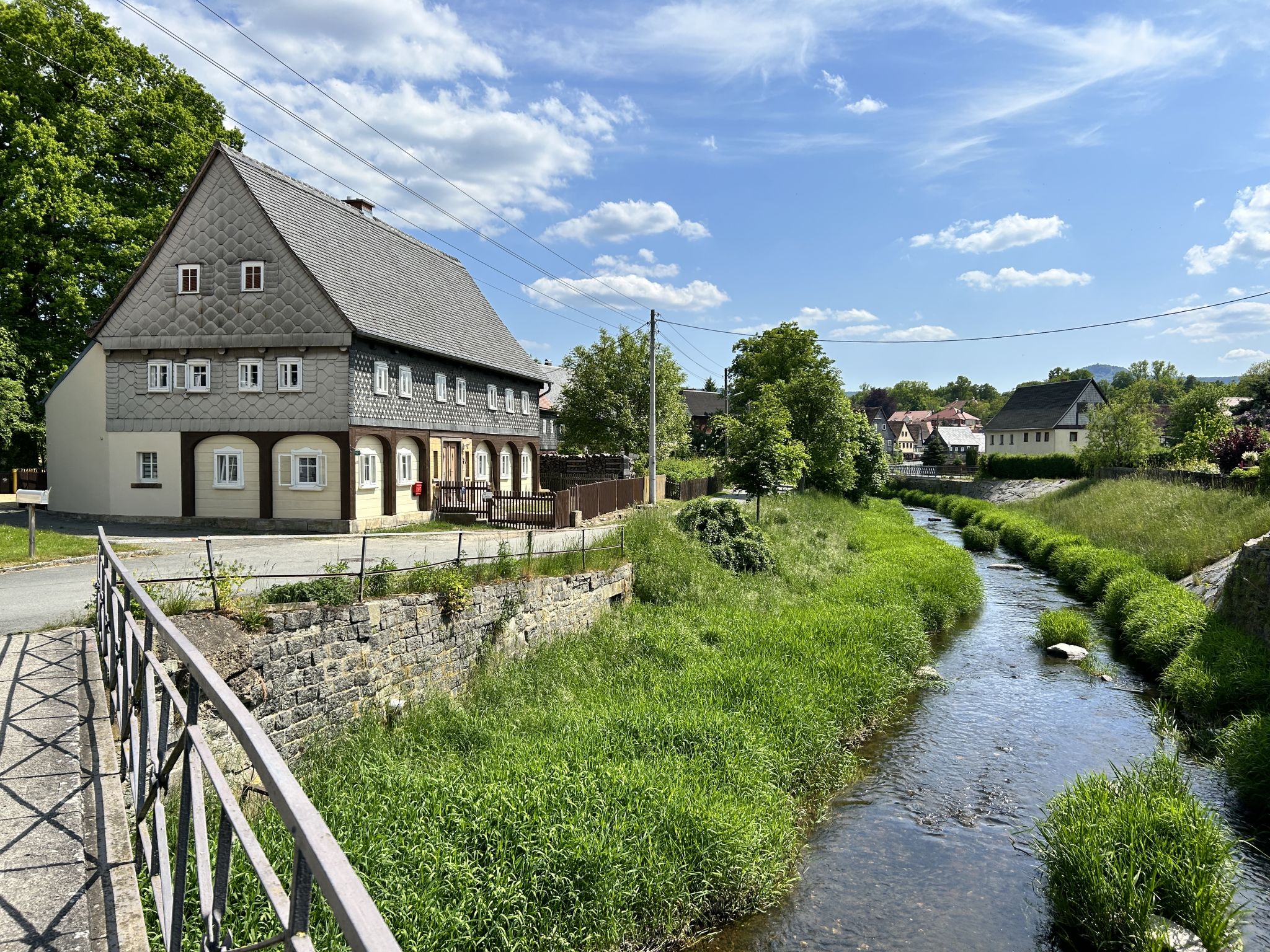
Großschönau has around 5,300 residents and stands at about 350 metres. For centuries it was a centre of damask weaving, and the Deutsches Damast- und Frottiermuseum shows working historic looms, including Germany's last functioning terry-cloth hand loom, in the Mandau valley among the Umgebinde houses typical of the area. Trixi Park is a historic woodland lido with indoor pools, so wet days are covered. The Zittau Mountains begin a few kilometres south, with the Lausche as their highest summit and the ruins of a castle and monastery on top of Oybin. A road leads to the Czech city of Varnsdorf. The homes sit within one stretch of the town and its edges, with gardens for most. Evenings are quiet, and out of season the museum and pools do the work.
Is Großschönau right for you?
- Best for
- Short hill walks, weaving history and a sauna after
- Not for you if
- You want a lively town after dark or a coastline.
Near Großschönau
Oybin
Settlement in the Zittau Mountains where castle and monastery ruins stand on top of a 514-metre mountain, with the Kelchstein mushroom rock close by.
Jonsdorf
Mountain settlement known for its rock formations, among them the Orgel in the Jonsdorfer Felsenstadt and the Nonnenfelsen.
Lausche
The highest summit of the Zittau Mountains at just under 800 metres, in the community of Waltersdorf.
Varnsdorf
Czech city connected to Großschönau by road, with border checks removed under Schengen.
Getting to Großschönau
Dresden is about 51 miles away, a drive of around an hour and a half, but Dresden Airport has no scheduled London route at present, so look at connections. By public transport, trains from Zittau reach Dresden in about two hours. A car is more practical for the Zittau Mountains.
When to go to Großschönau
Walking in the Zittau Mountains and the climb to the Oybin ruins are outdoor plans, so pick them for settled weather. The museum and the indoor pools at Trixi Park work in any weather. Check opening times before an off-season visit, as small museums and attractions often keep shorter hours.
Villas in Großschönau
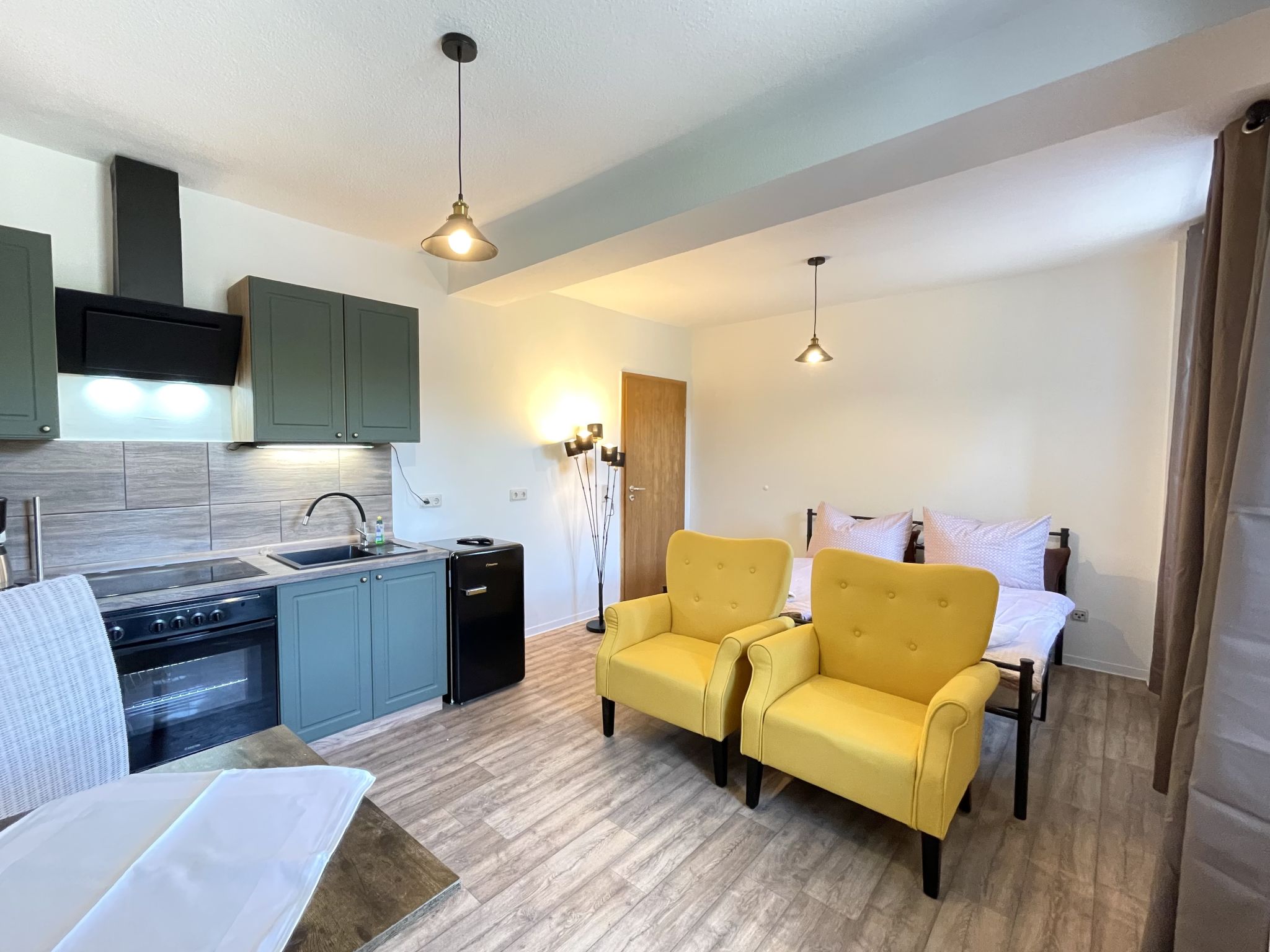
4-star property
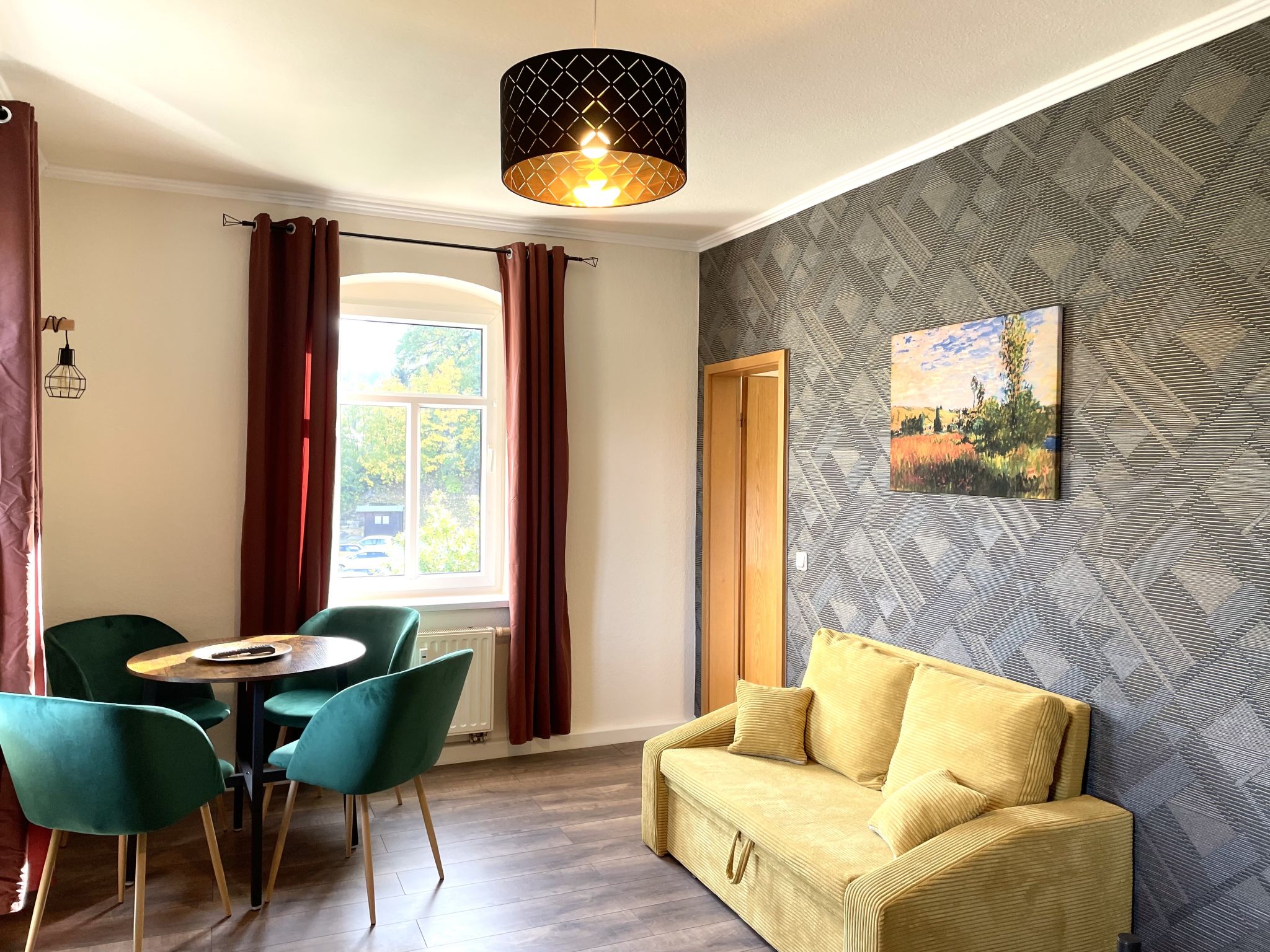
4-star property
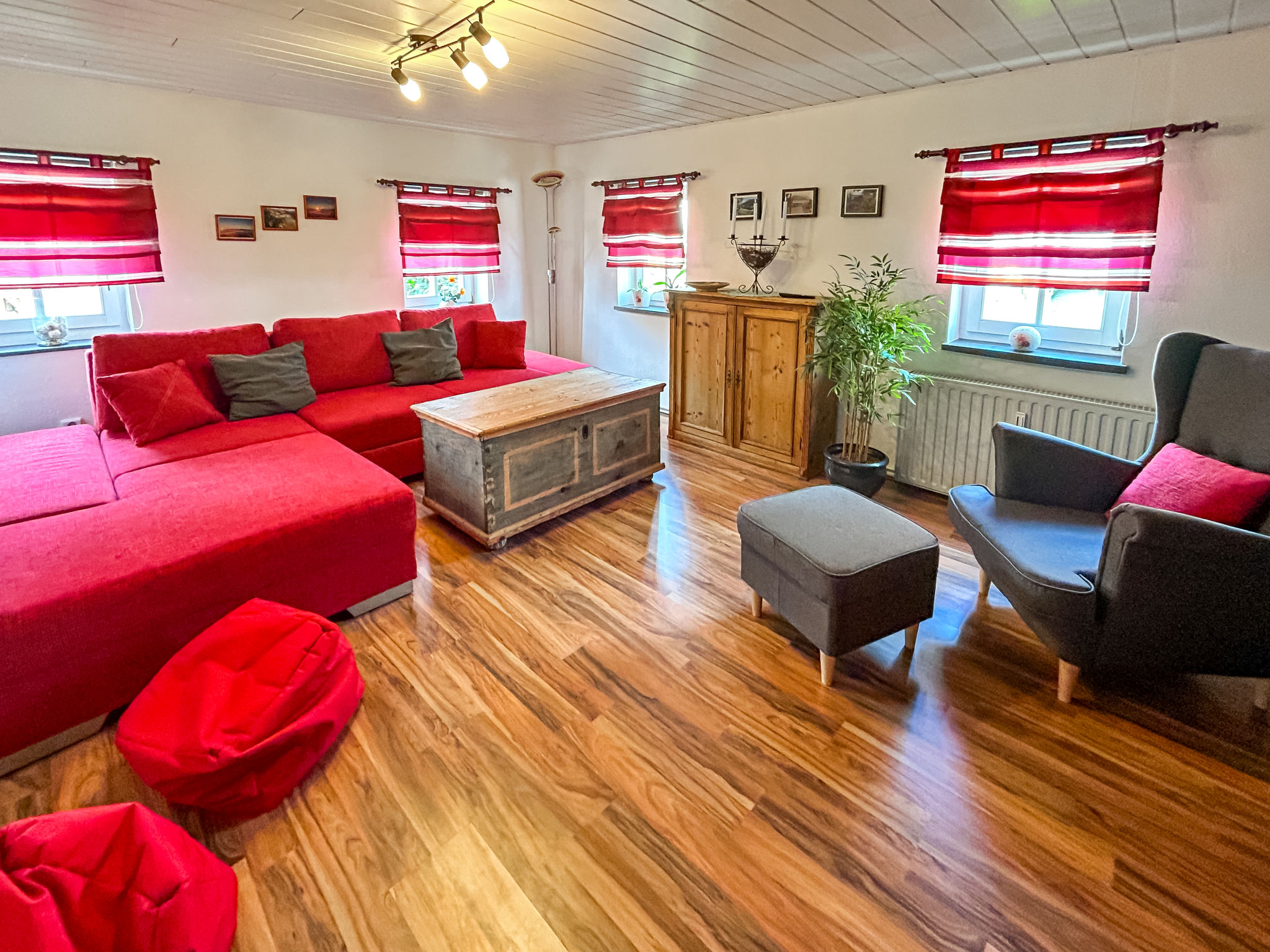
4-star property
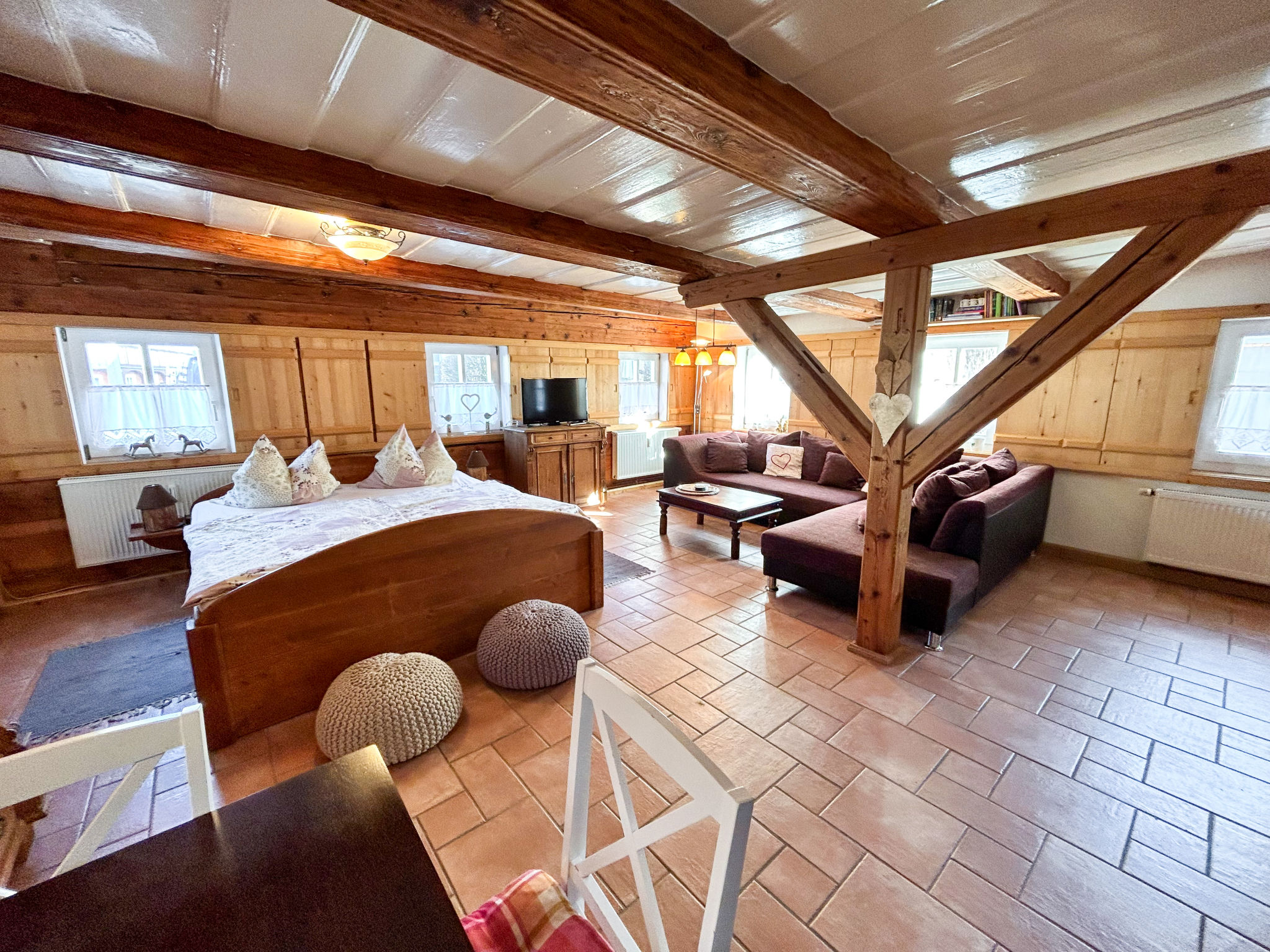
4-star property

5-star property

5-star property
NEU! dasErbhaus
Grossschönau, Saxony, Germany
4
2
0
ParkingDishwasherTerrace+6 more
from£100
per night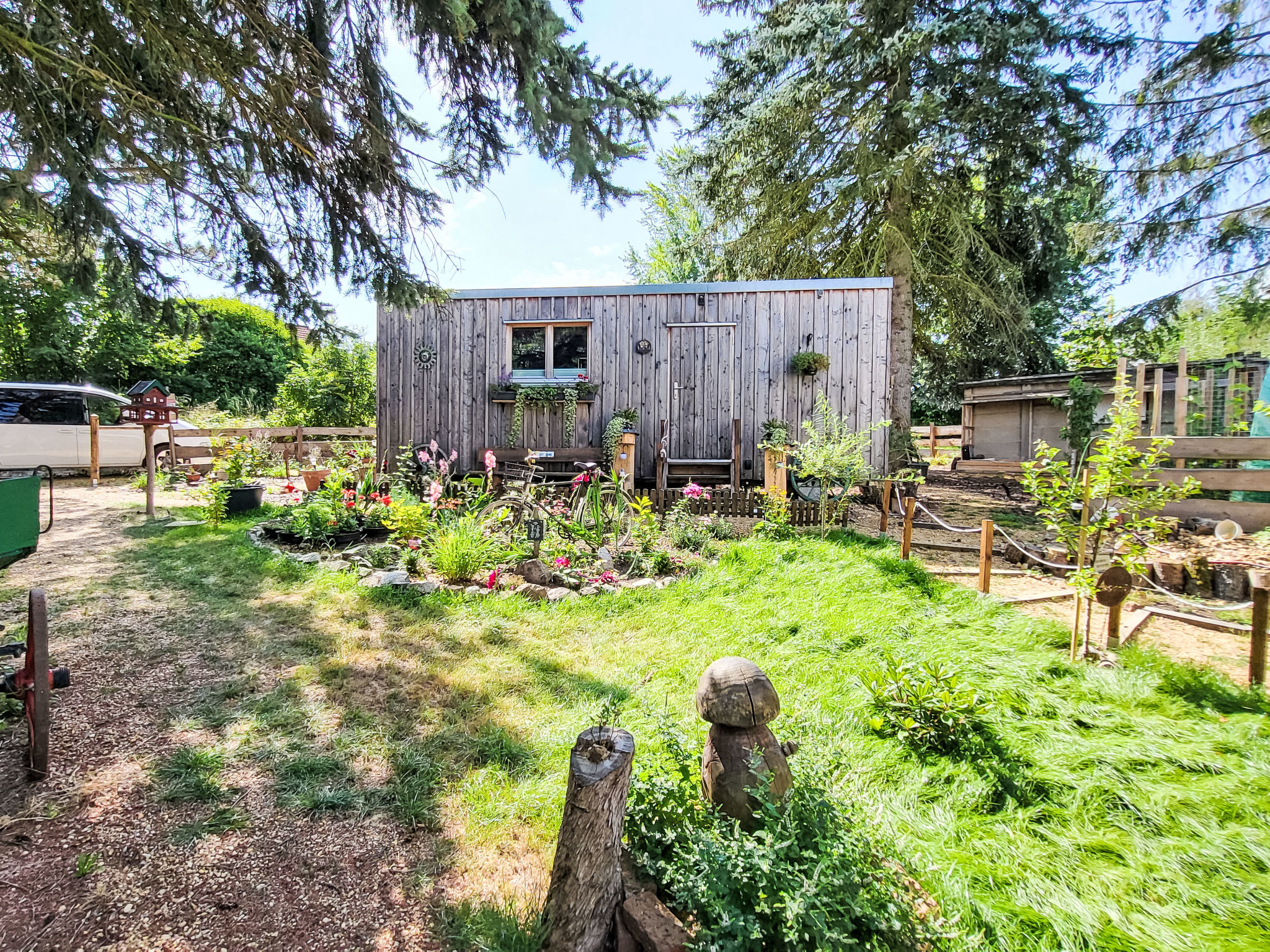
3-star property
Tiny House Cottage Herbert
Grossschönau, Saxony, Germany
4
1
0
ParkingTerraceFridge+5 more
from£48
per night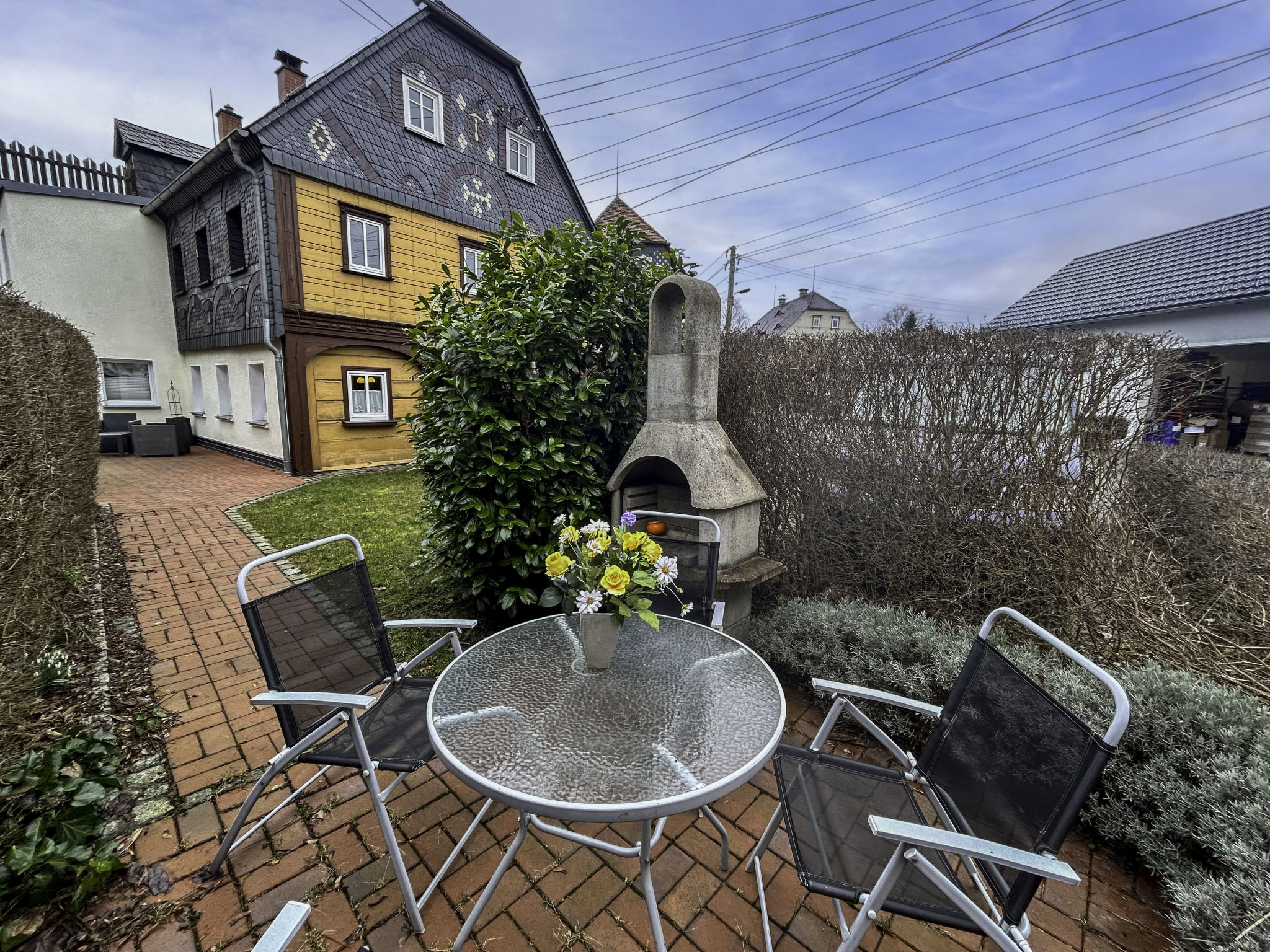
4-star property
4-star property
4-star property

4-star property
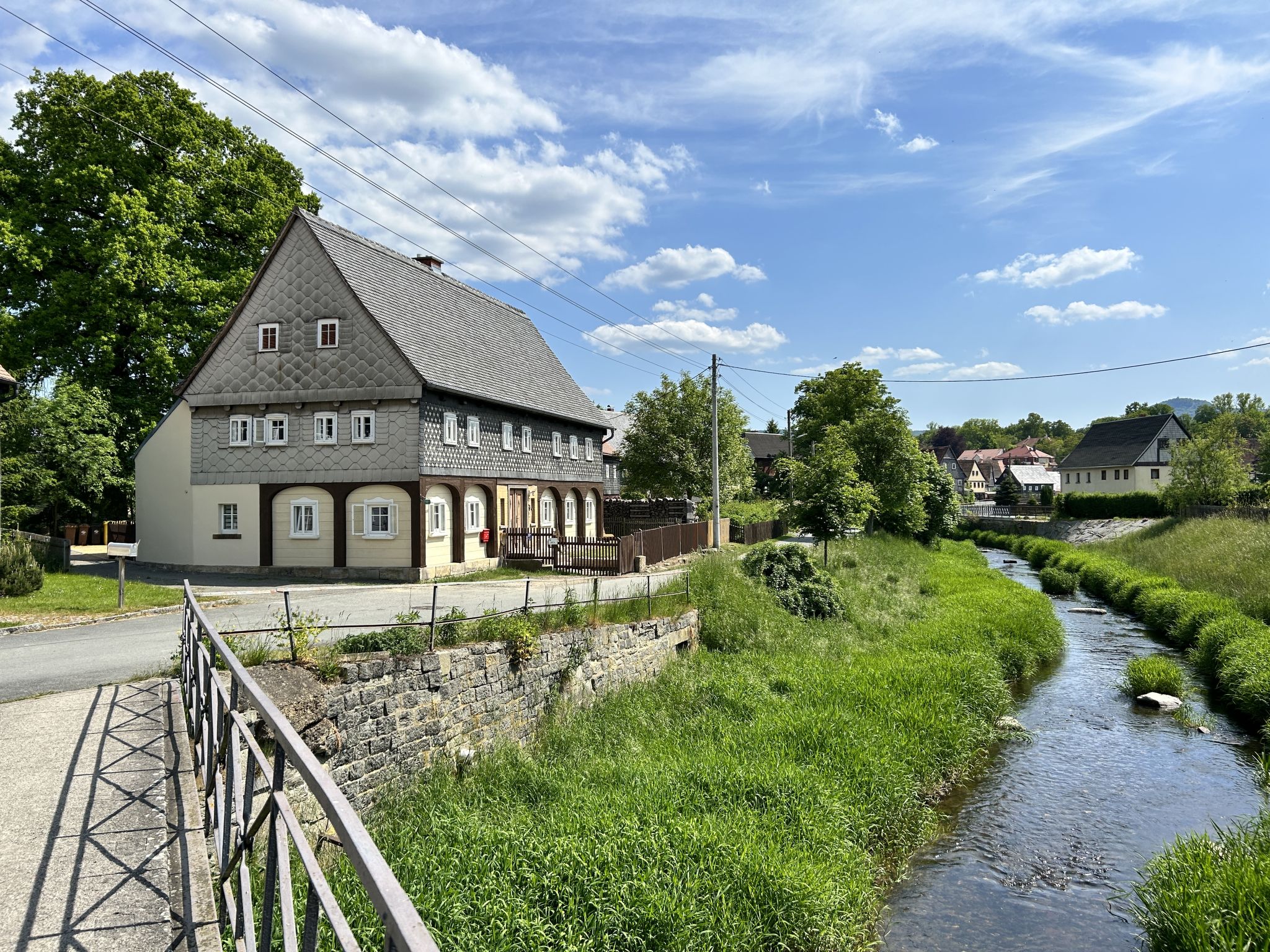
4-star property
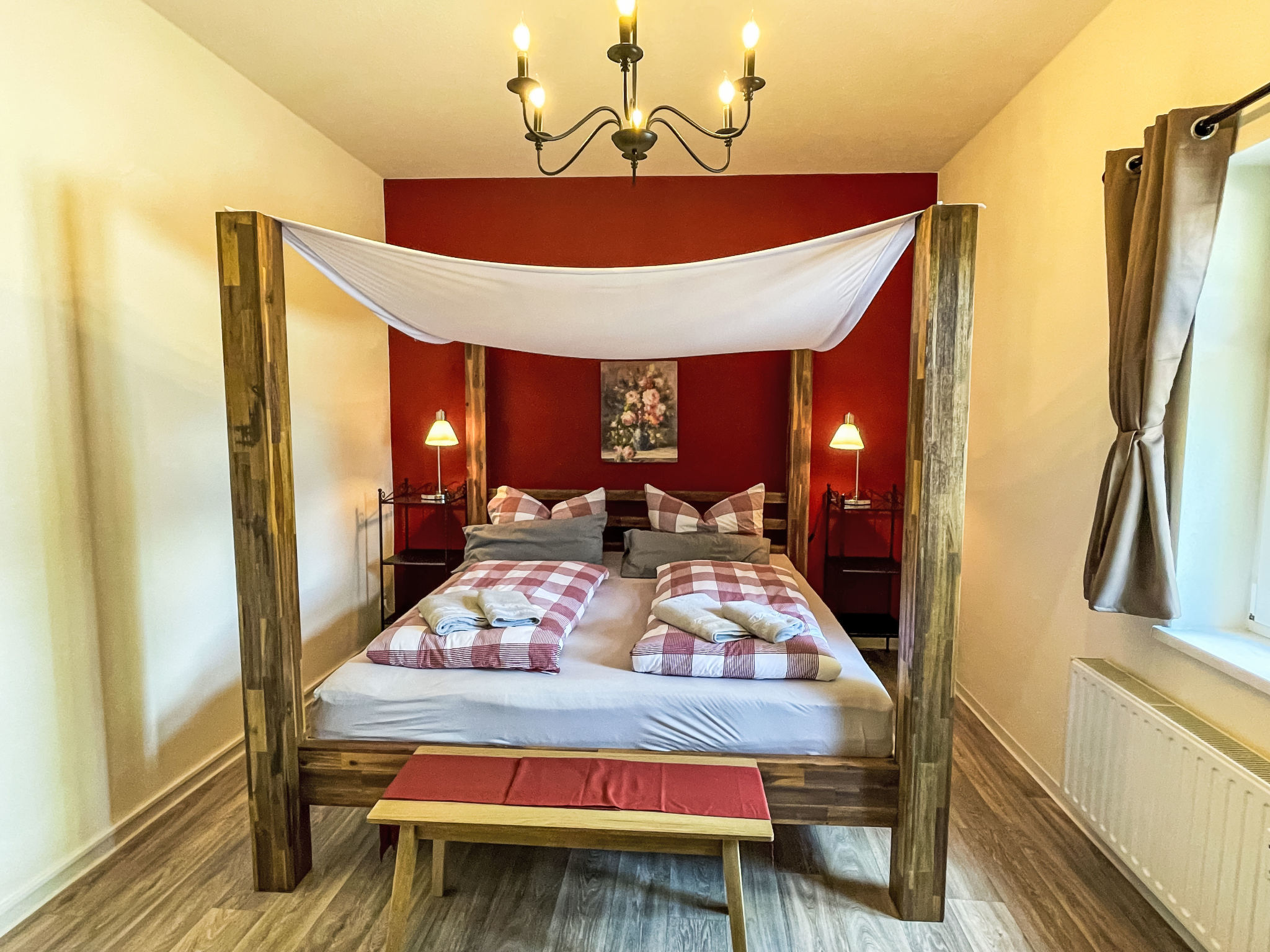
4-star property
Lauschevogel
Grossschönau, Saxony, Germany
6
2
0
DishwasherMicrowaveParking+6 more
from£54
per night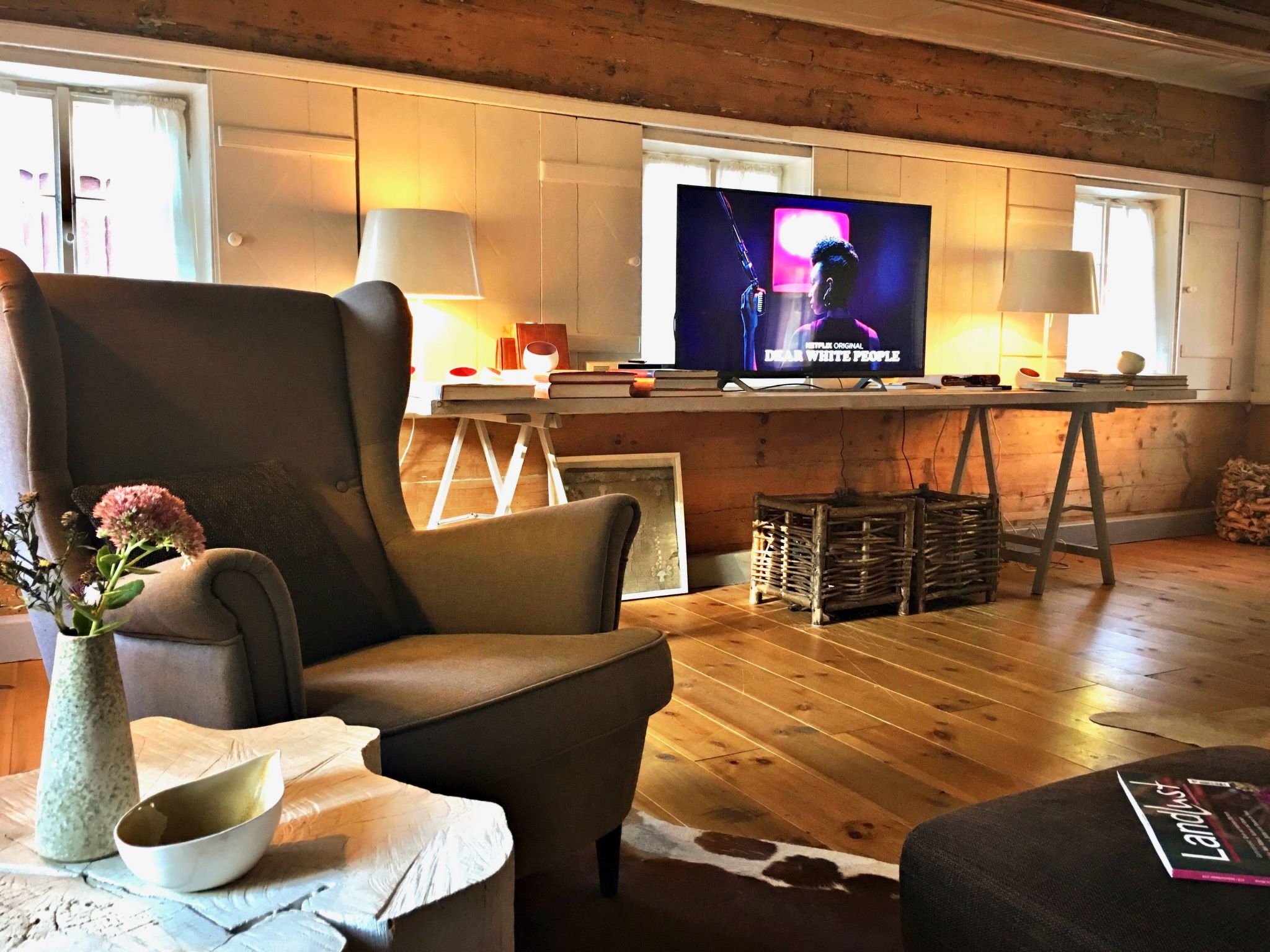
5-star property

5-star property
2-Bedroom Home, Großschönau
Großschönau, Saxony, Germany
7
2
0
BBQParkingDishwasher+10 more
from£90
per night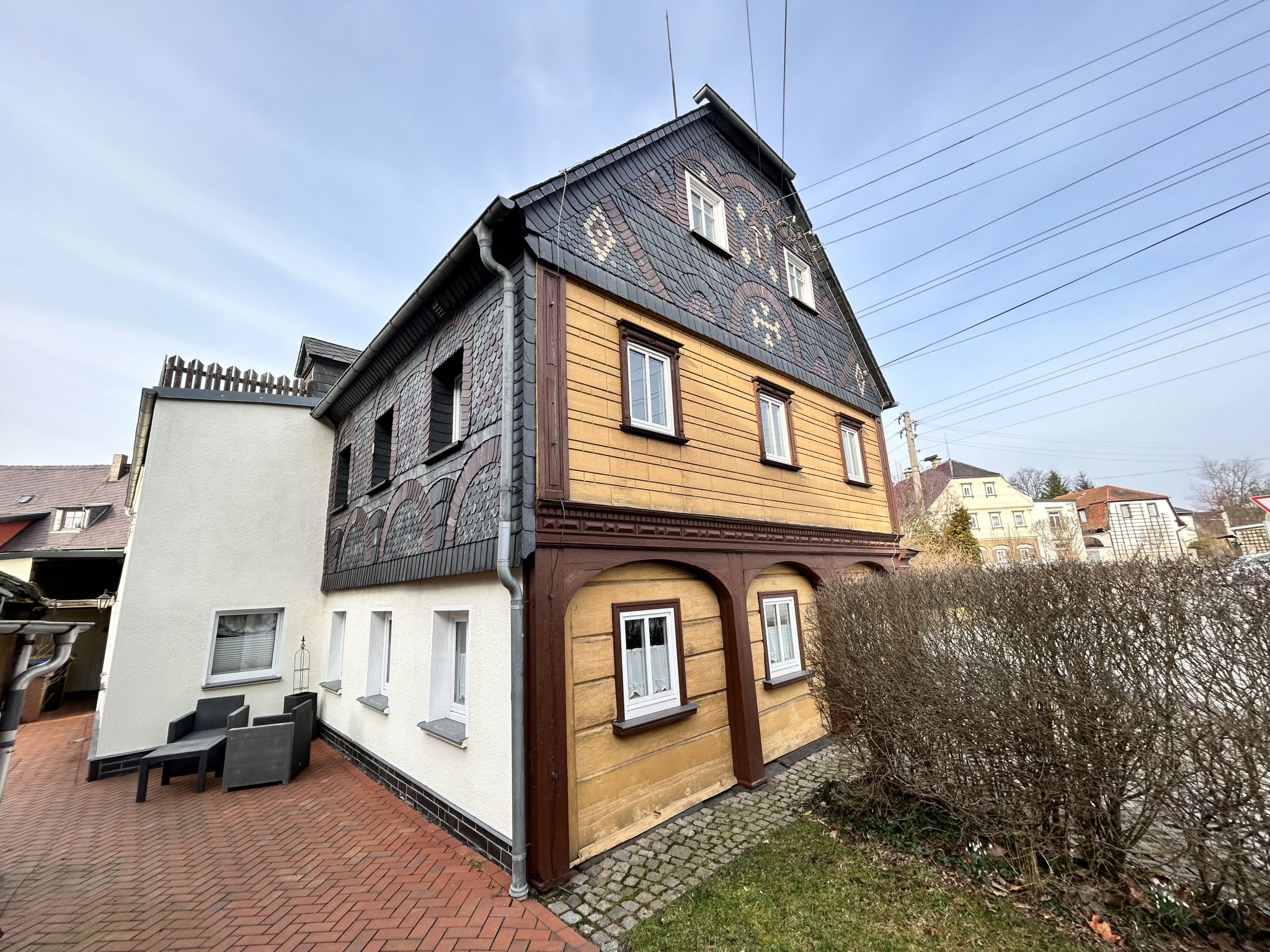
4-star property

4-star property


Home, Grossschönau
Grossschönau, Saxony, Germany
2
0
0
InternetFridgeNon-Smoking+3 more
from£34
per night


Großschönau villa holidays: questions answered
What is Großschönau known for?
Damask weaving. The town produced real damask from 1666 to 1933, terry-cloth weaving began in 1856, and its museum keeps working looms, including Germany's last functioning terry-cloth hand loom.
What is the Kupferhaus in Großschönau?
It is the home of the damask museum. The Kupferhaus was built between 1807 and 1809 as the house and business premises of a damask manufacturer, and it stands among Umgebinde houses typical of the area.
Can you visit the Czech Republic from Großschönau?
Yes. A road connects the town with the Czech city of Varnsdorf, and the railway station has connections to Poland and the Czech Republic, with border checks removed under Schengen.
Is Großschönau good for walking?
Yes. The Zittau Mountains start a few kilometres south, with the Lausche, their highest summit at just under 800 metres, and the Oybin ruins, though a car helps for the trailheads.
Do homes in Großschönau have saunas?
Many do. Nearly half have a sauna and a similar share a fireplace, and a few have a private pool, so filter for what you want.
Nearby towns to Großschönau
Written by the TrustedVillas team. Last reviewed October 2026.
Find Your Perfect Villa in Großschönau
Our villa experts are here to help you find the ideal property for your vacation. Contact us for personalized recommendations.