Villas in Venice
Venice suits a city stay in a small home inside the historic centre, with everything reached on foot or by vaporetto. The homes are small, none sleeps eight or more, and few have outdoor space. Expect crowds and heat in July and August, and flooding risk in colder months.
- Villas
- 25
- From, per week
- £317
About Venice
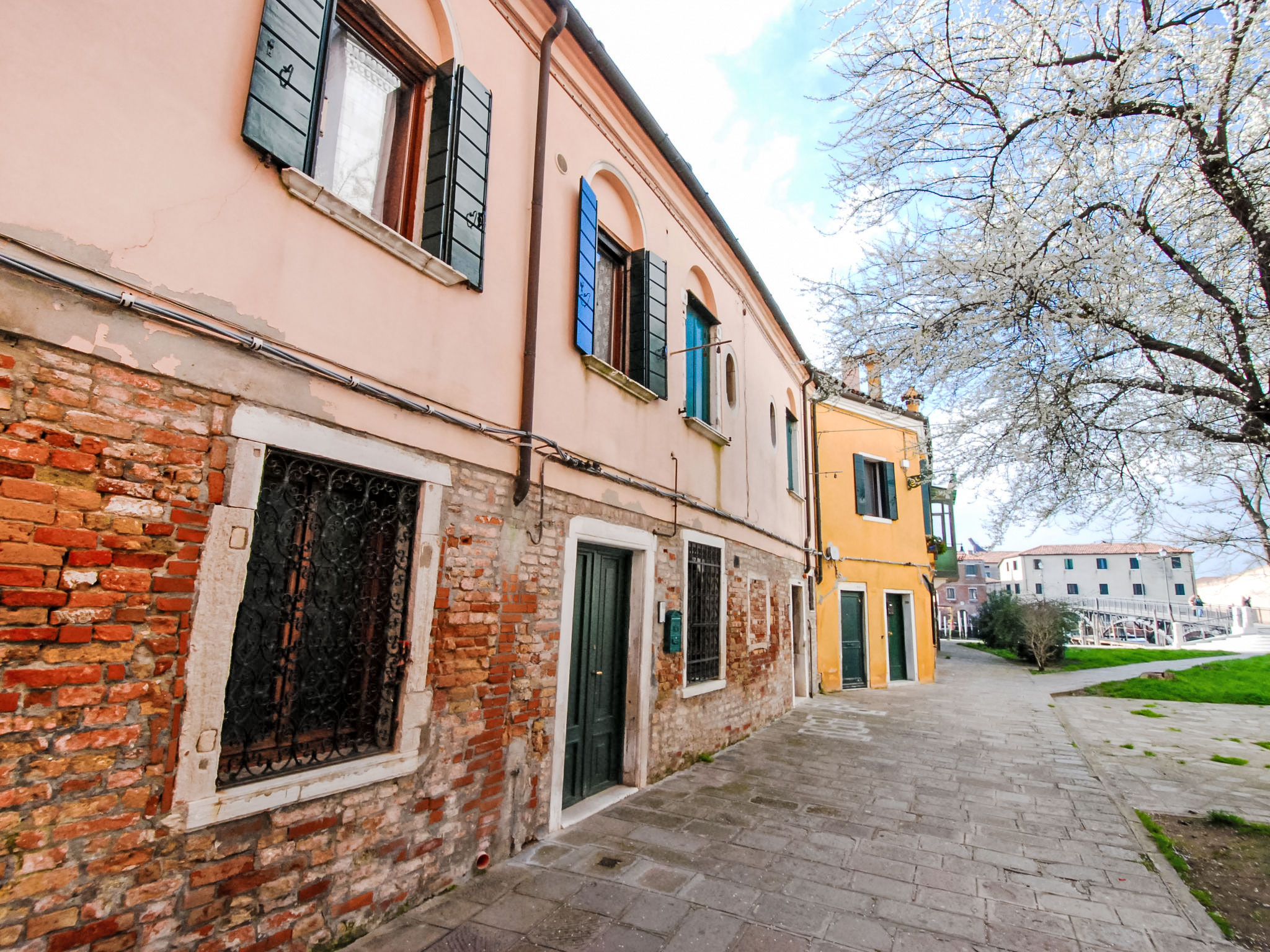
Venice is built on islands in a lagoon, with about 50,000 people in the historic centre and no cars at all. The city has six districts, called sestieri: Cannaregio, Castello, Dorsoduro, San Polo, Santa Croce and San Marco, and addresses use the district and a number rather than a street name. Our homes are concentrated in the historic city. Crossing the core on foot takes about an hour, and vaporetti, the water buses, cover the longer hops. Lido is the long barrier island with the beach, reached by vaporetto; Murano is known for glass and Burano for its brightly painted houses, both reached by boat. Air conditioning is common, gardens are not, and none of the homes sleeps eight or more.
Is Venice right for you?
- Best for
- Couples and small groups wanting a base inside the city
- Not for you if
- You want a private pool, a garden or a car at the door.
Near Venice
Lido
Long, skinny barrier island between the lagoon and the Adriatic with the city's beach, reached by vaporetto line 1 from Piazzale Roma.
Murano
Island known for glass production and its shops, reached by boat.
Burano
Island of brightly painted houses, reached by boat from the city.
Getting to Venice
Marco Polo airport is on the mainland, and a coach to Piazzale Roma takes about 20 minutes. The Alilaguna boat to San Marco takes around 90 minutes, a water taxi about 30. Treviso airport is about 25 km away. There are no cars in the city: drivers park at Piazzale Roma or Tronchetto.
When to go to Venice
July and August can be very hot and are often humid, with large crowds and mosquitoes. Mid to late spring and early to mid autumn are probably the best times. Winter can be chilly, windy and damp. Acqua alta, flooding at high tide, happens several times a year, usually in the colder months, and lasts a few hours; raised walkways go up in the alleys and sirens warn when it starts.
Villas in Venice
5-star property
2-Bedroom Home, Venice
Venice, Veneto, Italy
4
2
0
Air ConMicrowaveInternet+5 more
from£170
per night
3-star property
2-Bedroom Home, Venice
Venice, Veneto, Italy
3
2
0
DishwasherTerraceWashing Machine+7 more
from£180
per night
2-Bedroom Home, Venice
Venice, Veneto, Italy
5
2
0
Air ConDishwasherGarden+8 more
from£226
per night


3-star property
5-star property
2-Bedroom Home, Venice
Venice, Veneto, Italy
2
2
0
Air ConMicrowaveTerrace+7 more
from£155
per night
5-star property
3-star property
Piano Nobile
Venice, Veneto, Italy
5
3
0
DishwasherMicrowaveWashing Machine+5 more
from£85
per night
Cà Amaranta apartment
Venice, Veneto, Italy
2
1
0
Air ConMicrowaveTerrace+6 more
from£181
per night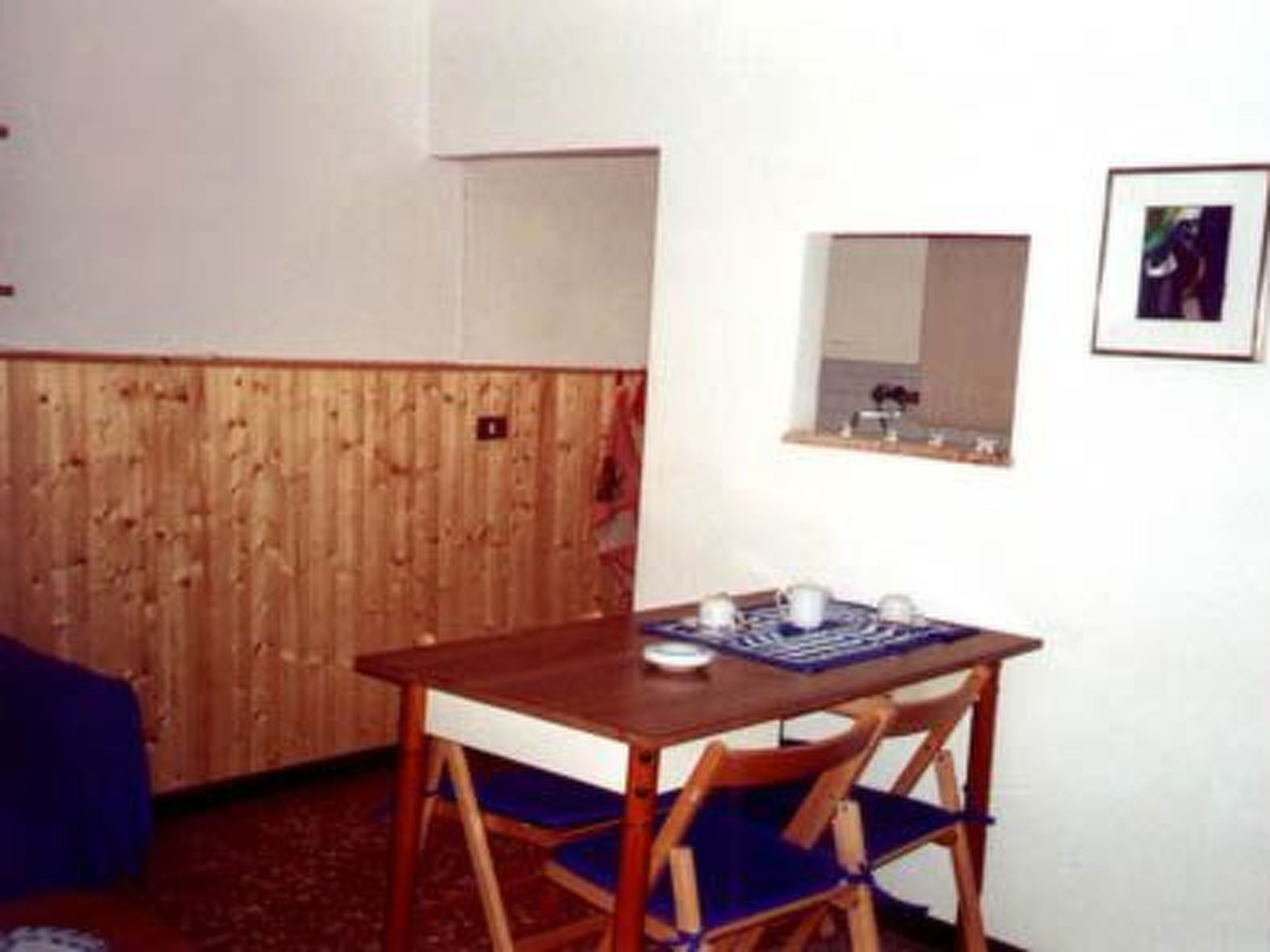
Home, Venice
Venice, Veneto, Italy
2
0
0
Washing MachineFridgeNon-Smoking+3 more
from£45
per night
3-star property
Casanas
Venice, Veneto, Italy
7
3
0
DishwasherMicrowaveWashing Machine+4 more
from£151
per night
3-star property
Casanas
Venice, Veneto, Italy
6
3
0
DishwasherMicrowaveWashing Machine+4 more
from£161
per night
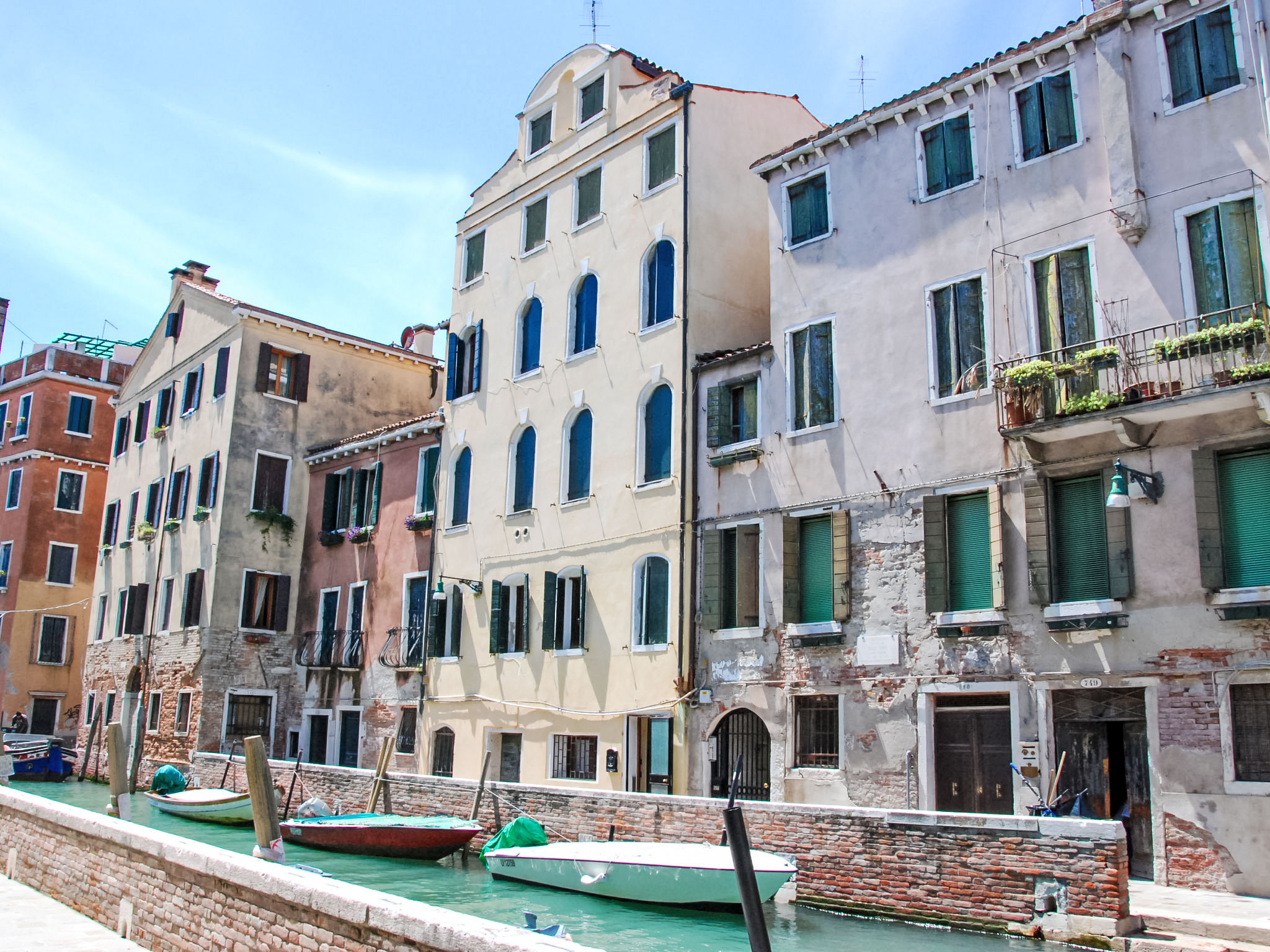
Casa dell'Aviatore große Gartenterrasse
Venice, Veneto, Italy
5
2
0
Air ConDishwasherGarden+9 more
from£299
per night
4-star property
3-star property
Casa San Vio
Venice, Veneto, Italy
6
3
0
Air ConDishwasherWashing Machine+6 more
from£98
per night
3-star property
Fondamenta del Rielo
Venice, Veneto, Italy
5
2
0
Air ConDishwasherMicrowave+7 more
from£118
per night
5-star property
2-Bedroom Home, Venice
Venice, Veneto, Italy
2
2
0
Air ConDishwasherMicrowave+6 more
from£183
per night
2-Bedroom Home, Venice
Venice, Veneto, Italy
4
2
0
Air ConDishwasherMicrowave+7 more
from£221
per night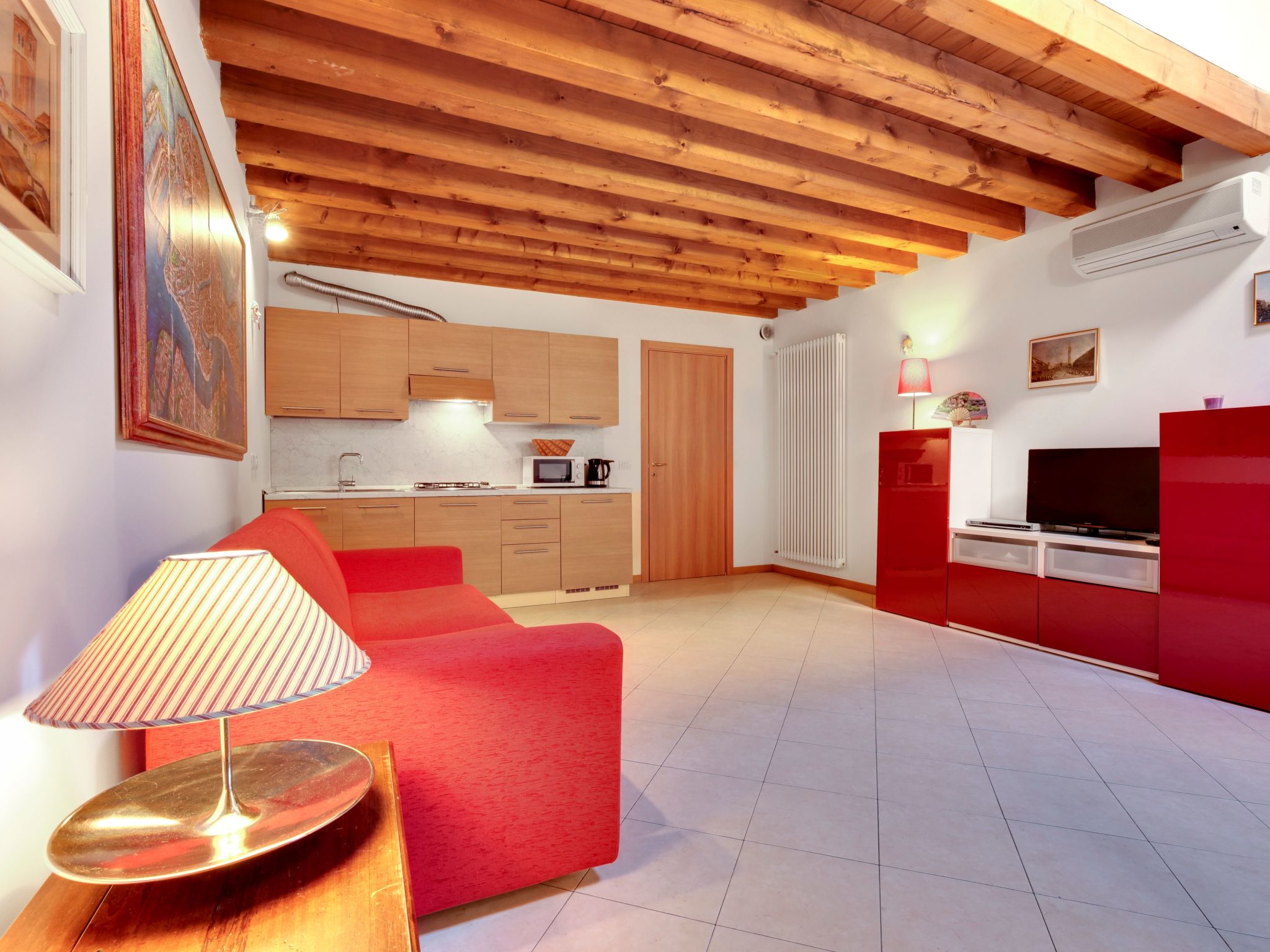
5-star property


5-star property
3-star property
Venice villa holidays: questions answered
Do you need a car in Venice?
No, and you cannot use one. Venice has no roads in the historic city, so cars stop at Piazzale Roma or Tronchetto, and you get around on foot or by vaporetto.
Is there a beach in Venice?
Yes, on the Lido, a long, narrow barrier island between the lagoon and the Adriatic. It is reached by vaporetto and offers a break from the busier and pricier central districts.
When does Venice flood?
Acqua alta happens several times a year, usually in the colder months, and lasts a few hours around high tide. Raised walkways appear in the alleys, and sirens sound when flooding starts.
Is Venice too crowded in August?
It is busy, with large crowds, humid heat and mosquitoes. Mid to late spring and early to mid autumn are probably the better times to go, while winter can be chilly, windy and damp.
How walkable is Venice for a week's stay?
Very. Crossing the historic core on foot takes about an hour, bikes are banned in the main city, and vaporetti handle longer hops. Expect plenty of bridges and steps with luggage.
Nearby towns to Venice
Written by the TrustedVillas team. Last reviewed October 2026.
Find Your Perfect Villa in Venice
Our villa experts are here to help you find the ideal property for your vacation. Contact us for personalized recommendations.