Veneto is Italy's great surprise. A region that pulls together the things foreign visitors come to Italy for, often for less money and fewer crowds. You've got Venice, obviously, but it's just one piece. Head into the hills behind Venice and you find medieval towns, genuine trattorias, and wine that actually tastes like something other than what tourists order. The Dolomites rise to the north. Lake Garda's quieter edge sits to the west. And the plains in between grow produce and Prosecco that feed the whole of northern Italy. Most people touch Venice and leave. We think they're missing the point.
What Makes Veneto Special
- Venice is overrated for day-trippers, but the surrounding countryside (Verona, Padua, the Prosecco hills) is where real Veneto lives. You can rent a villa and explore on your own terms.
- The Dolomites are genuinely accessible from here, not hidden away. Some of Veneto's northern valleys take you into proper Alpine scenery without the full mountain bureaucracy.
- Prosecco wine country is as close to a working landscape as you'll find in Italy. The hills roll, the vineyards are visible, and a €12 bottle tastes better than the €40 version in London.
- Food here is simpler and less "Instagram food" than Tuscany. Risotto, polenta, fresh pasta. You eat well without paying the Tuscan premium.
- The mix of flat and hilly terrain means varied accommodation options. You can find good villas at reasonable prices outside the Venice orbit.
Top Towns & Resorts in Veneto
Venice
Venice is technically part of Veneto, and yes, you probably want to see it. One day trip from a mainland villa is realistic—avoid staying in the city itself unless money's no object. The city exhausts itself after 4pm when day-trippers leave, which means evenings are quieter. Getting there: regular trains from Verona or Padua, or direct access if your villa is in the lagoon suburbs. The reality check: it's overcrowded, sinking, and you'll wait in queues for restaurants. But the Byzantine mosaics in the Basilica di San Marco are real.
Verona
Romeo and Juliet balconies draw the crowds, but what stays with you is the Roman Arena and the medieval streets around it. Verona's got more actual Italian life than Venice. Locals still use the centre, bars still serve proper aperitivi, and you can eat dinner without pre-booking three weeks ahead. The Adige river runs through it, creating some pleasant riverside walks. Summer opera season in the Arena is genuinely special, though book months ahead and expect heat. The downside: summer temperatures push into the mid-30s Celsius, and it gets humid fast on the surrounding plains.
Padua (Padova)
Padua's not on everyone's radar, which works in its favour. The Cappella degli Scrovegni has Giotto frescoes that changed painting forever. Book in advance: they limit numbers. The city's surrounded by arcaded squares, the market still functions as it has for centuries, and it's the kind of place where you actually see how Italians live. It sits on the plain, so it's flat and easier to navigate than Verona. Less touristy means better value for accommodation too. The catch: being flat and surrounded by plains means summer heat and humidity without any relief breeze.
Prosecco Hills (Valdobbiadene)
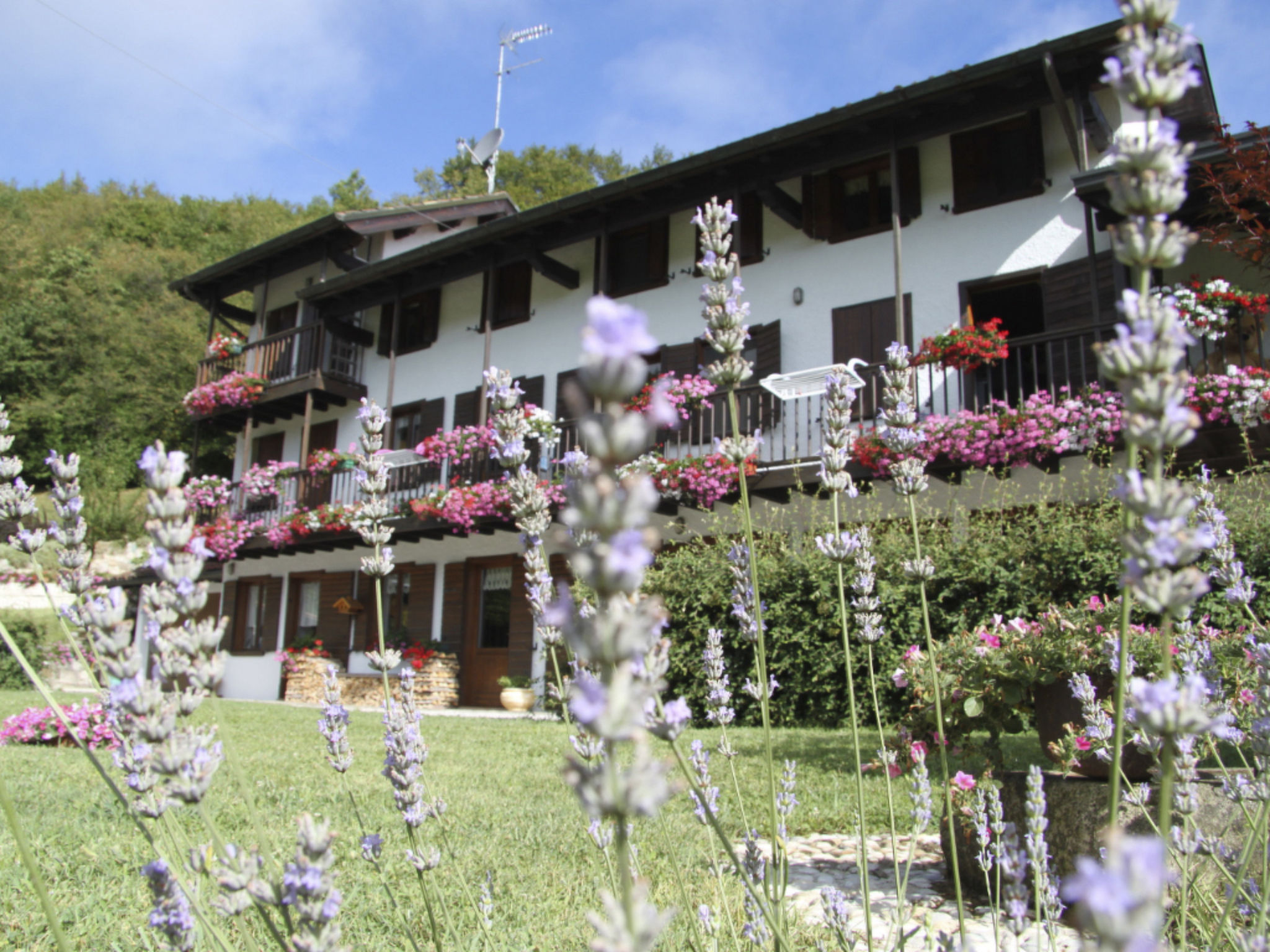
The UNESCO-listed wine hills are something else. These aren't grand vineyard estates like Tuscany. They're steep, terraced hillsides where families have grown grapes for generations. You drive through villages that exist purely to support the wine trade. Wineries range from casual to serious, and many will let you in without appointment. The landscape is genuinely attractive, especially late afternoon light. Villages like Valdobbiadene itself have good restaurants and the wine is absurdly cheap if you buy direct. The reality: it's still quite a drive from Venice, the roads get narrow and winding, and in peak summer it's warm and sticky at the bottom of the hills. Accommodation here tends toward agriturismo (farm stays) rather than standalone villas.
Search villas in the Prosecco Hills
Lake Garda (western edge)
Veneto claims the quieter eastern edge of Italy's largest lake. It's notably less developed than the central Garda resorts, with small towns like Torri del Benaco offering actual character. Water's warm enough to swim June through September. The surrounding landscape is a mix of citrus groves and rocky shoreline, so it doesn't feel entirely tame. Towns here move slower than summer hotspots. The catch: being the quiet edge means fewer restaurants and amenities compared to the western shore. Summer can still draw crowds, especially weekends.
Dolomites (northern valleys)
Cortina d'Ampezzo is famous and expensive. But the valleys leading up from the Veneto plains offer real mountain scenery without the resort-town markup. Villages like Colle Santa Lucia sit at serious altitudes and the roads around them wind through jagged pale limestone mountains. Skiing in winter, hiking in summer. It's cold and weather can turn fast even in summer. Accommodation fills quickly in peak season. It's not a casual day-trip from a villa on the plain. You're looking at 2.5-3 hour drives and mountain-specific gear for hiking.