Updated March 2026 | By TrustedVillas Italy Specialist Team
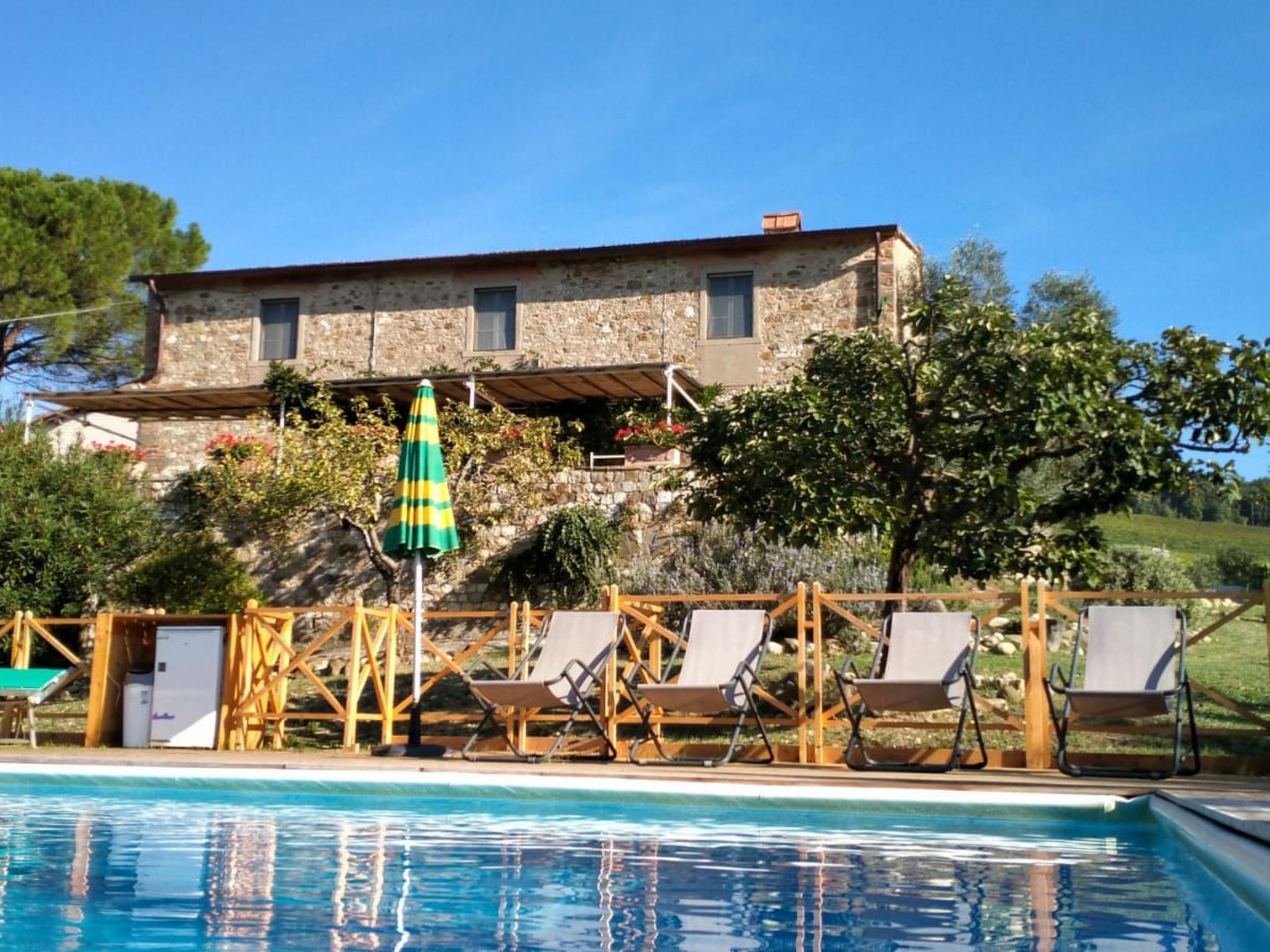
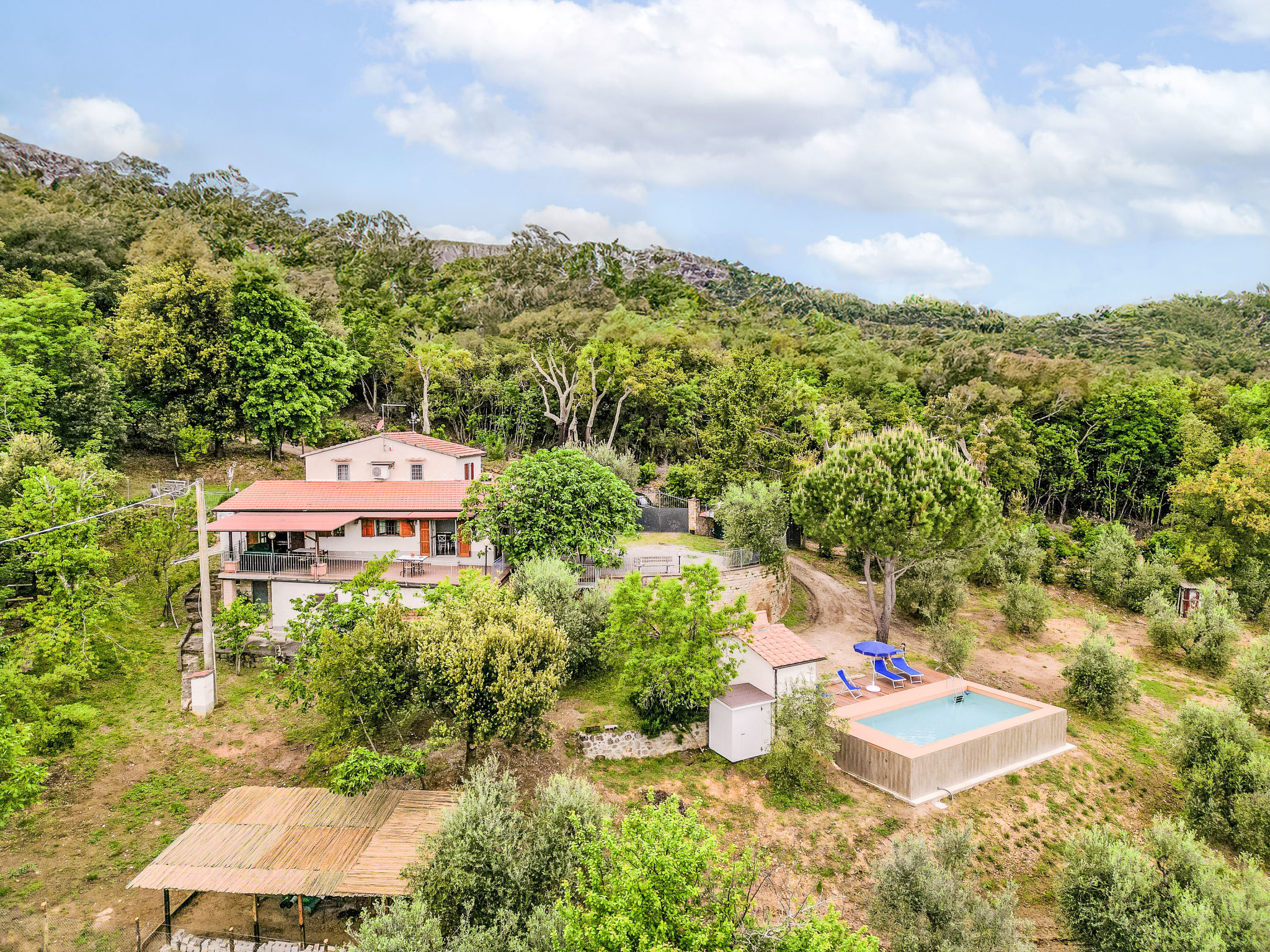
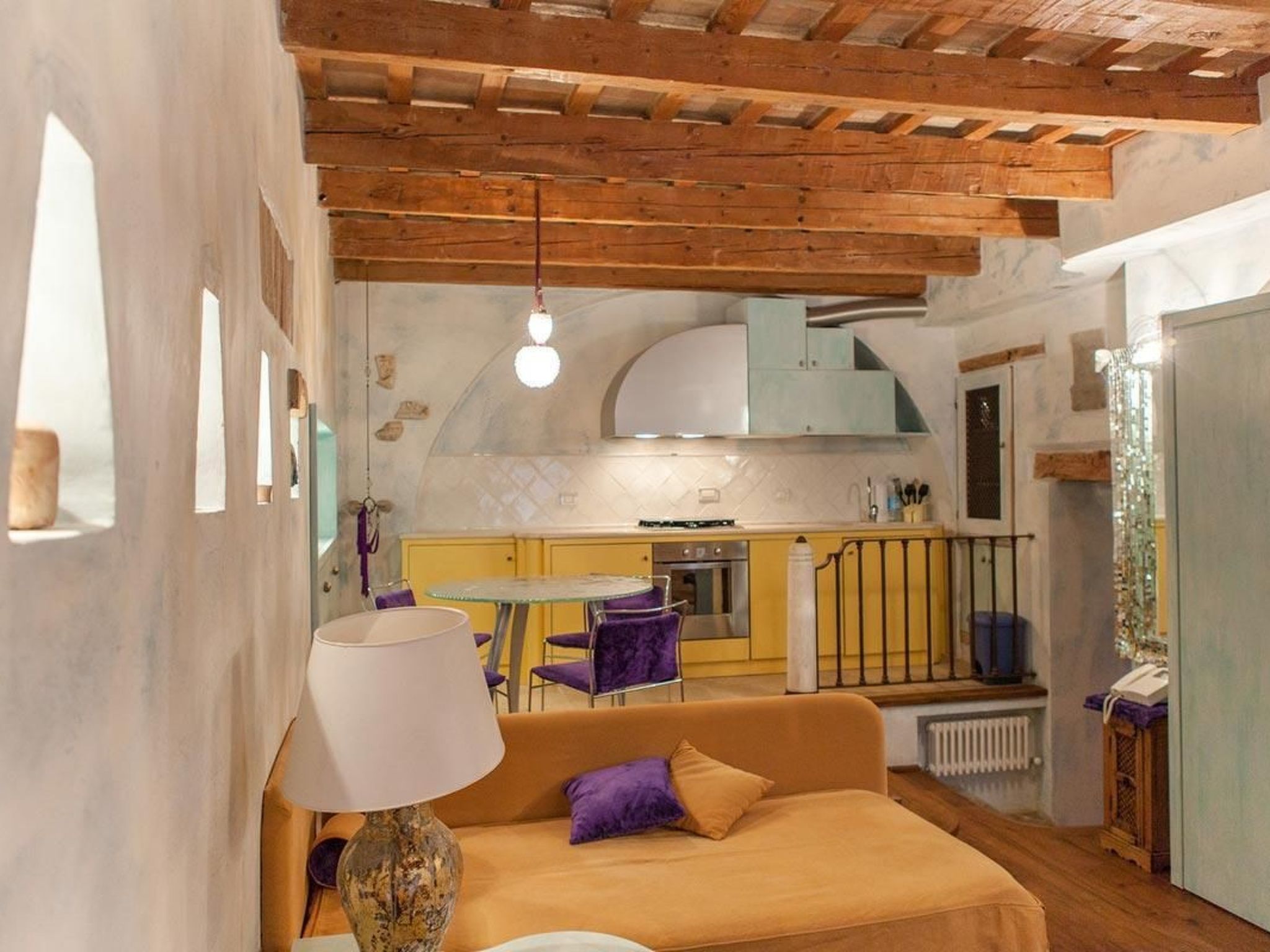
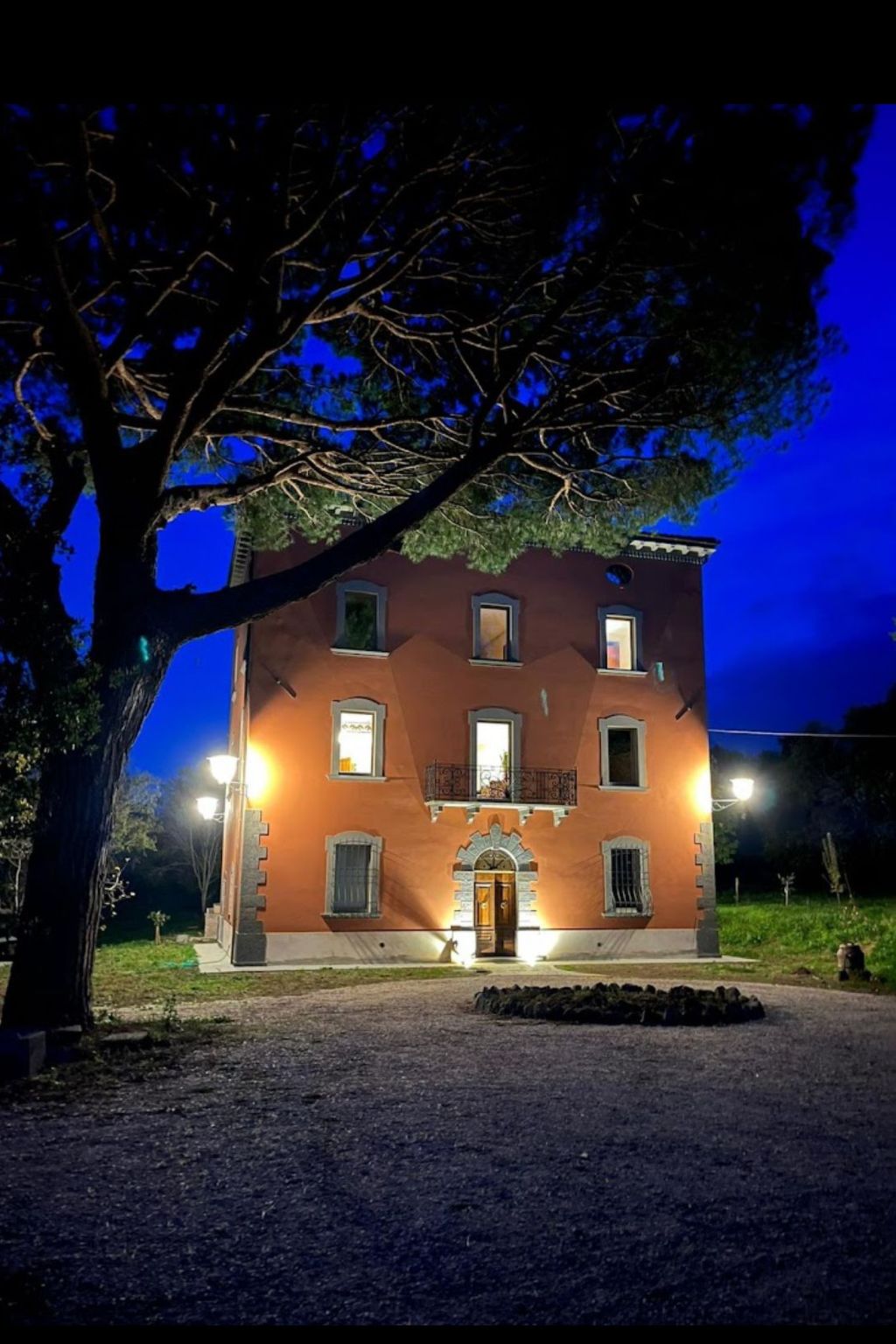
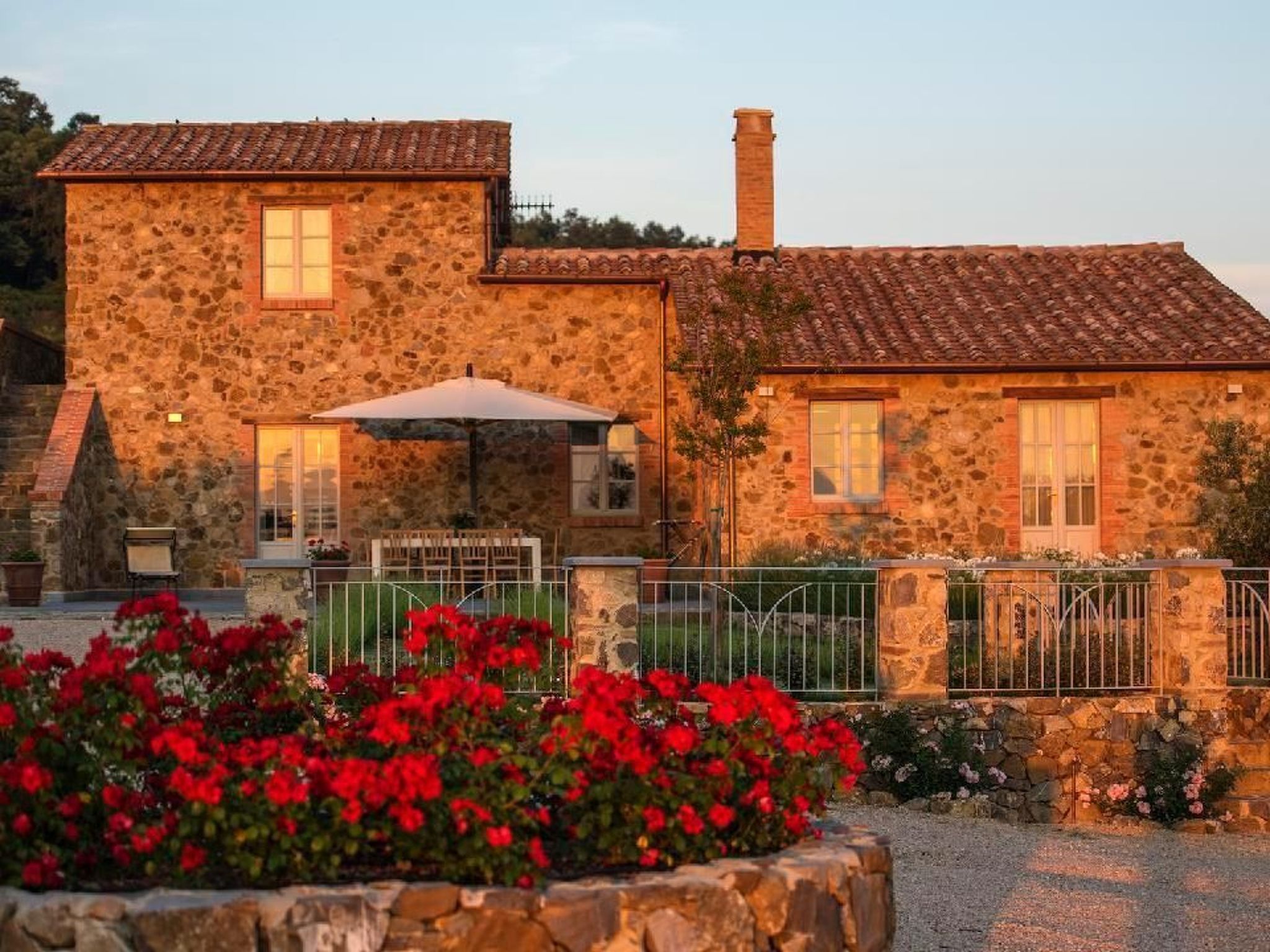
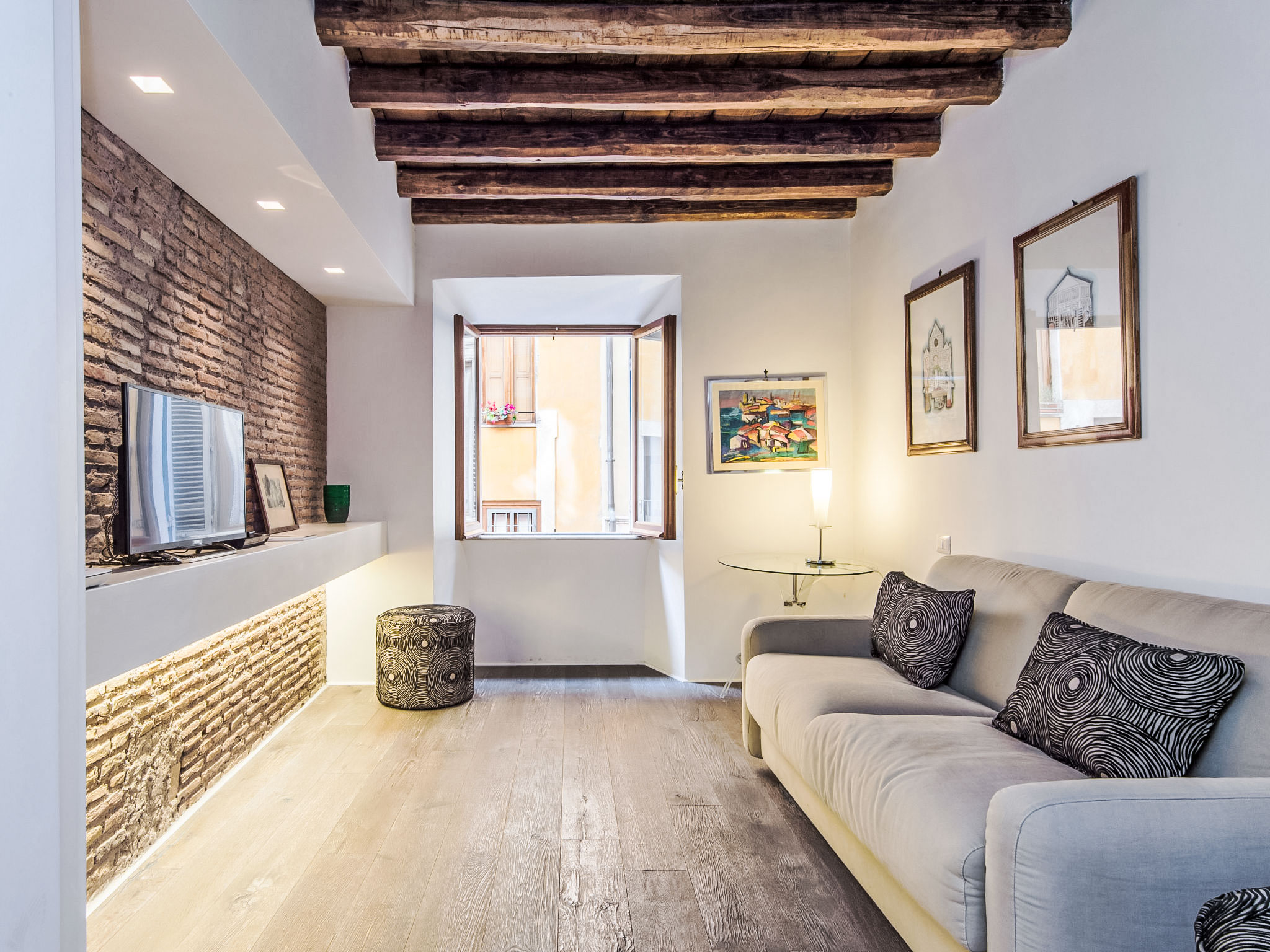
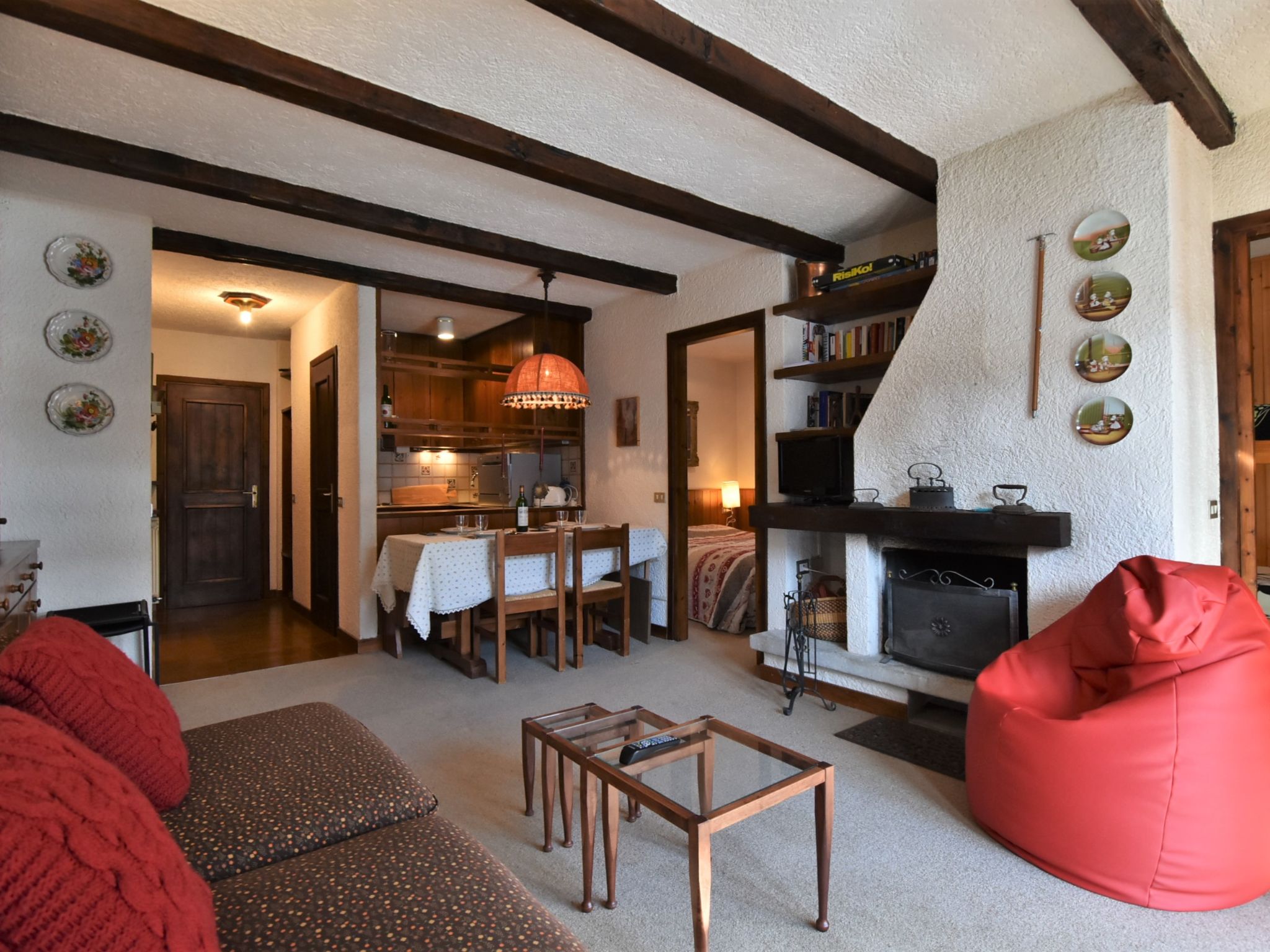
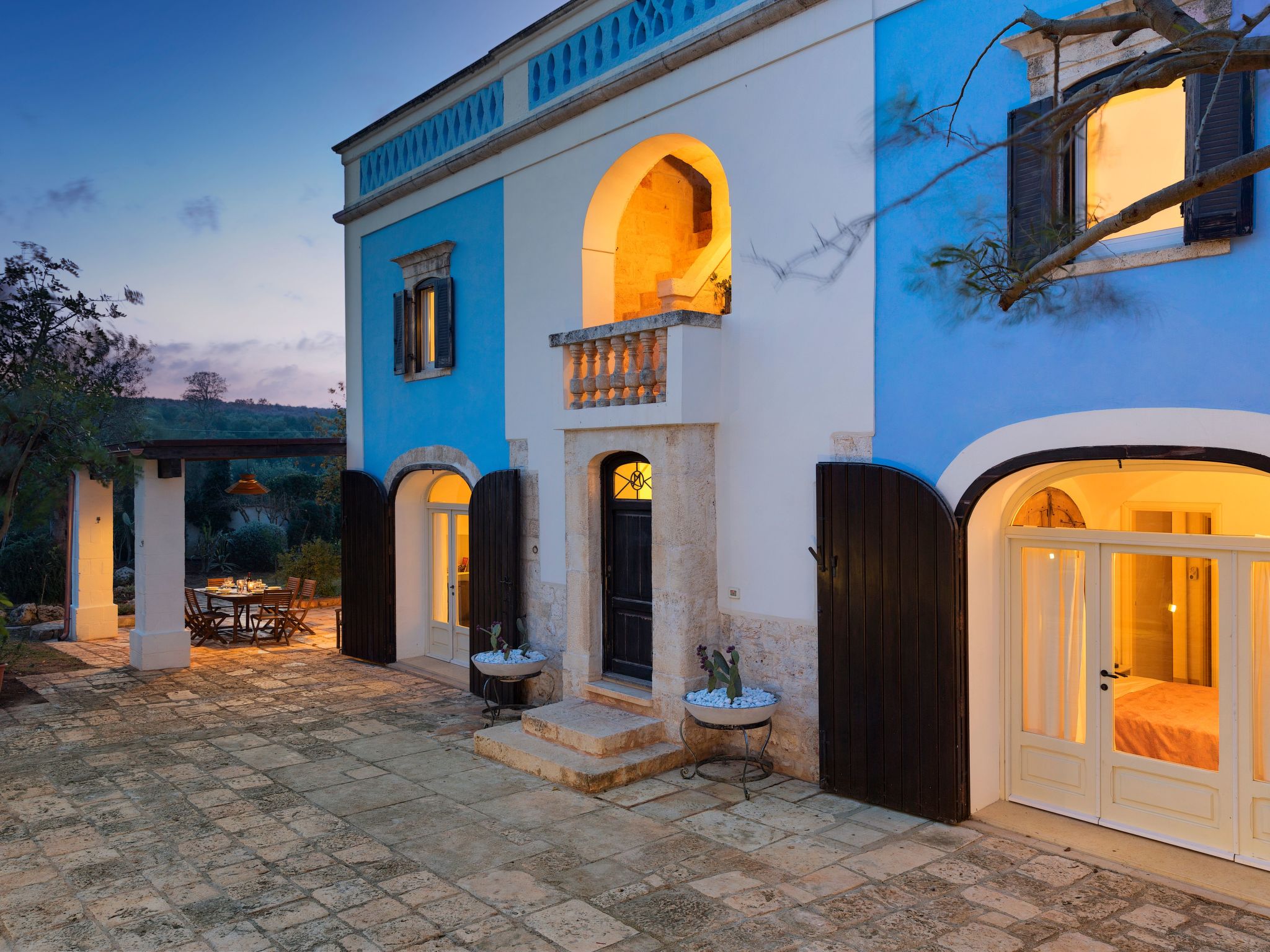
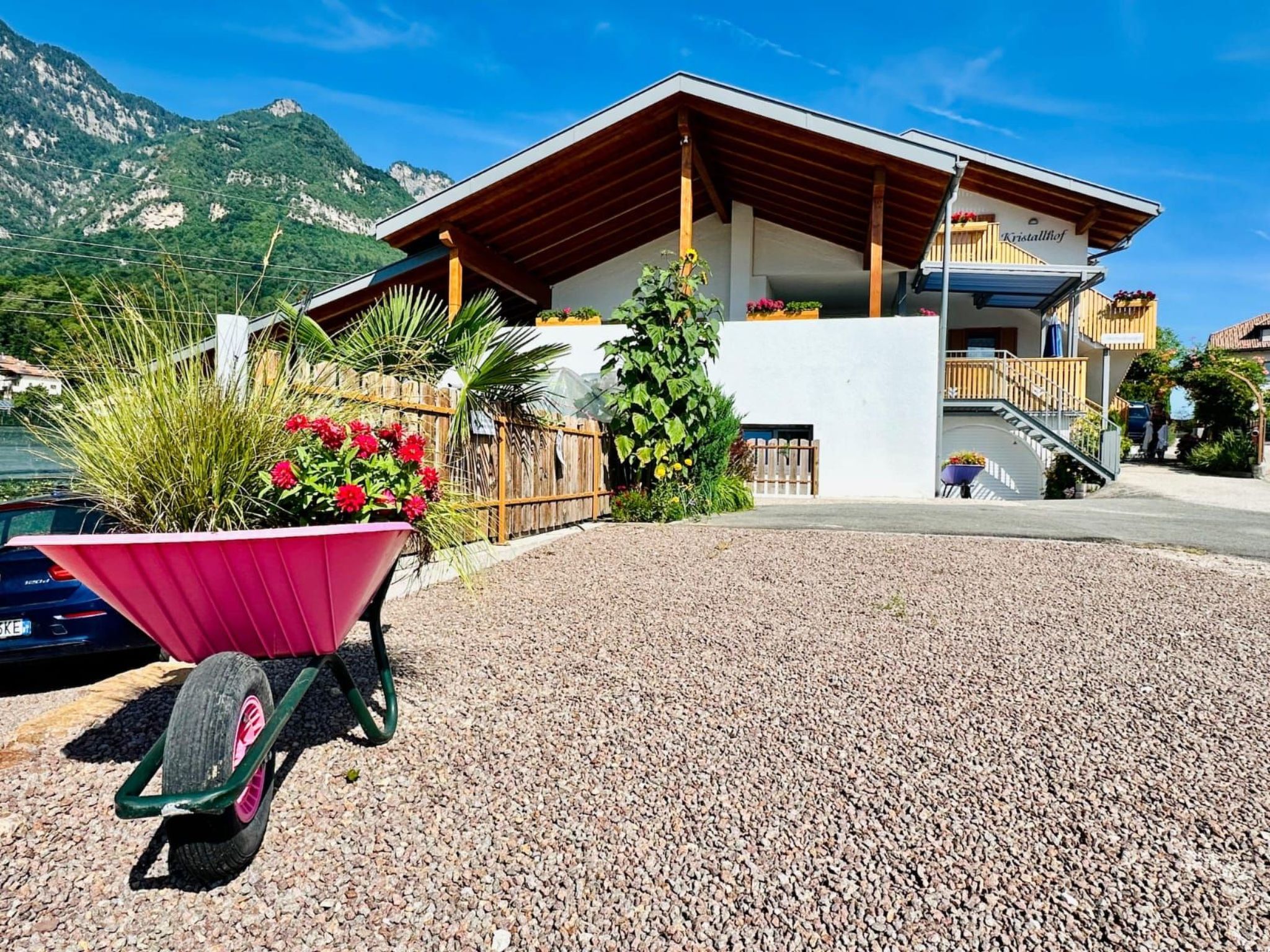
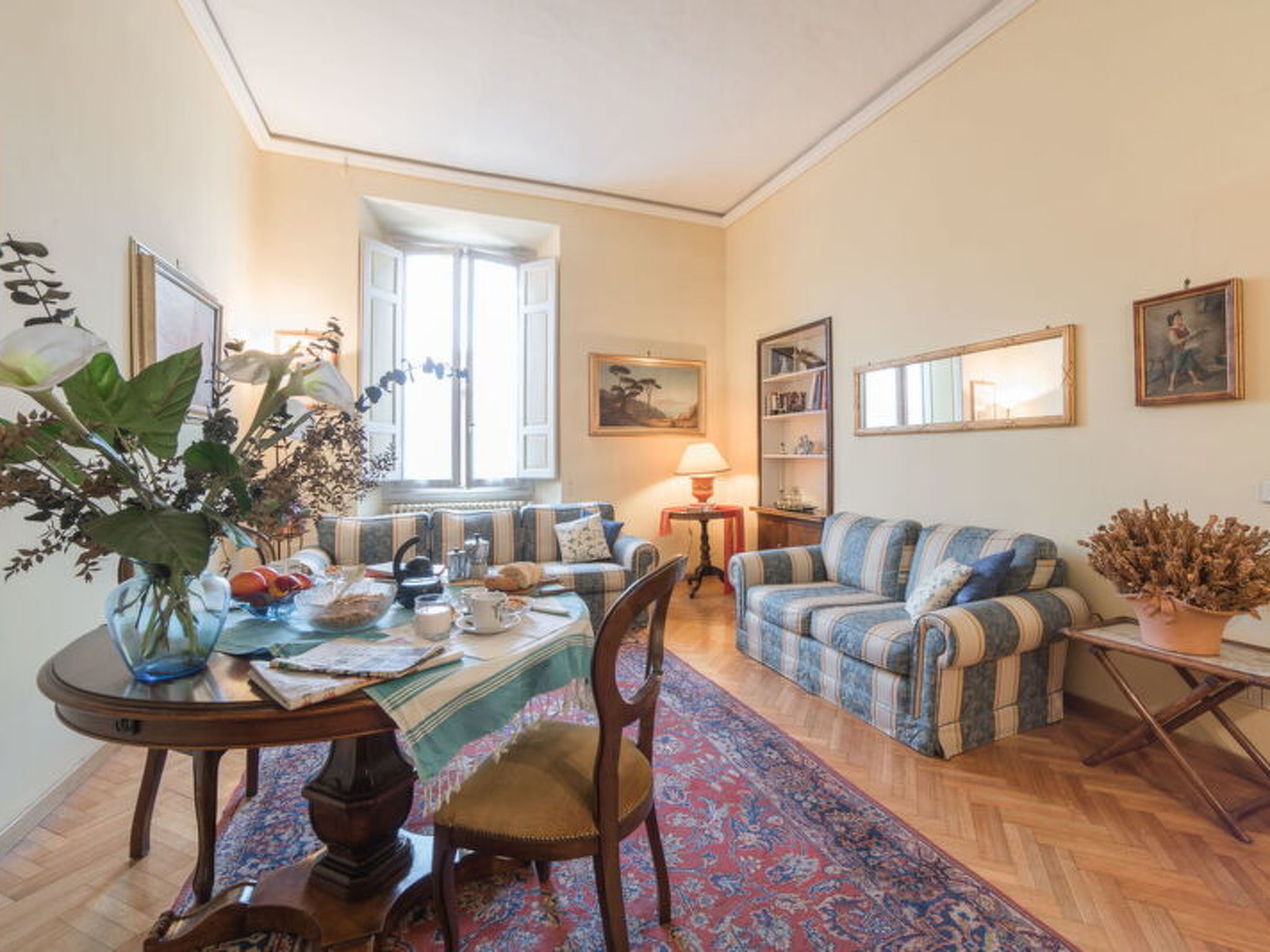
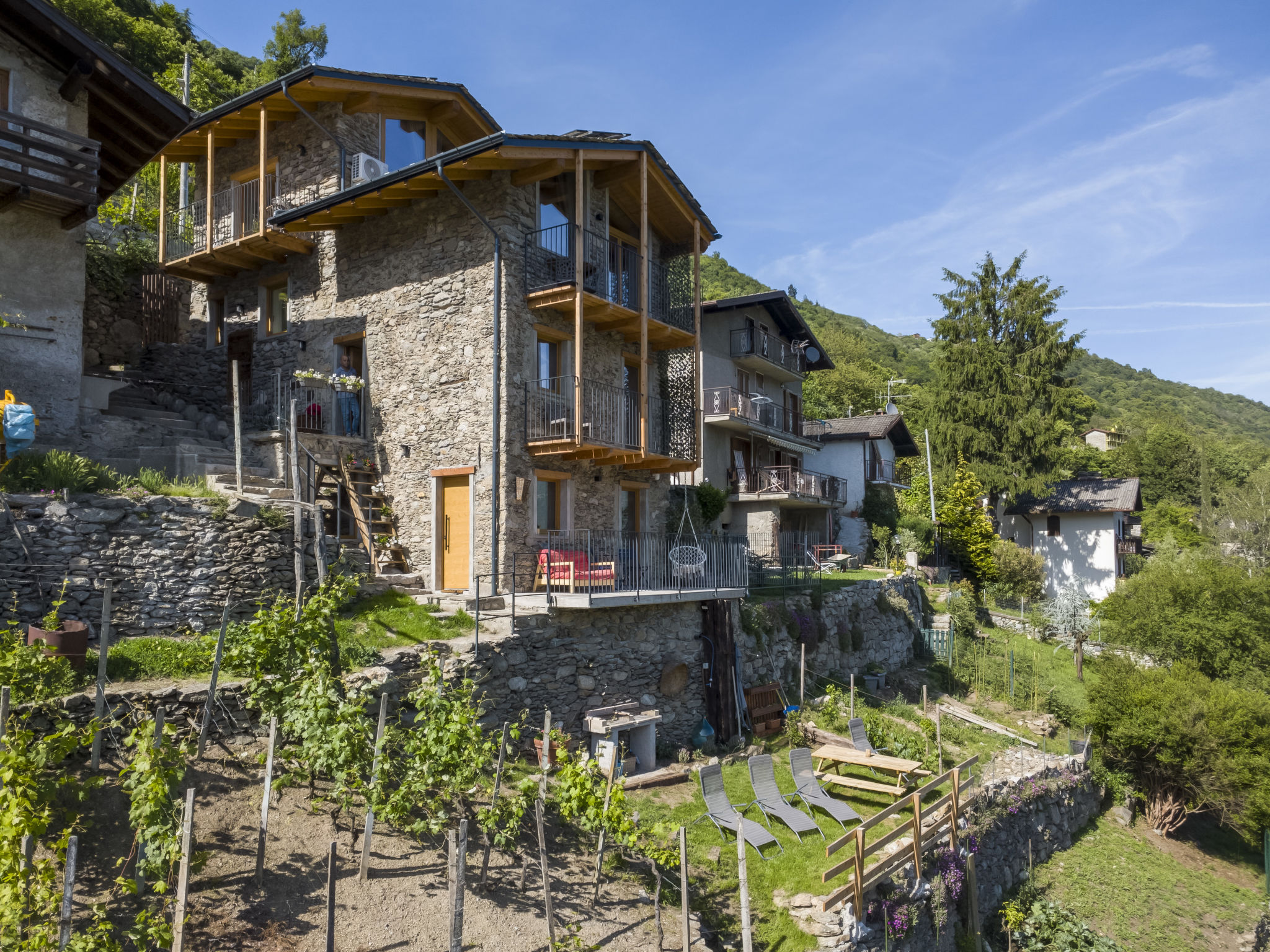
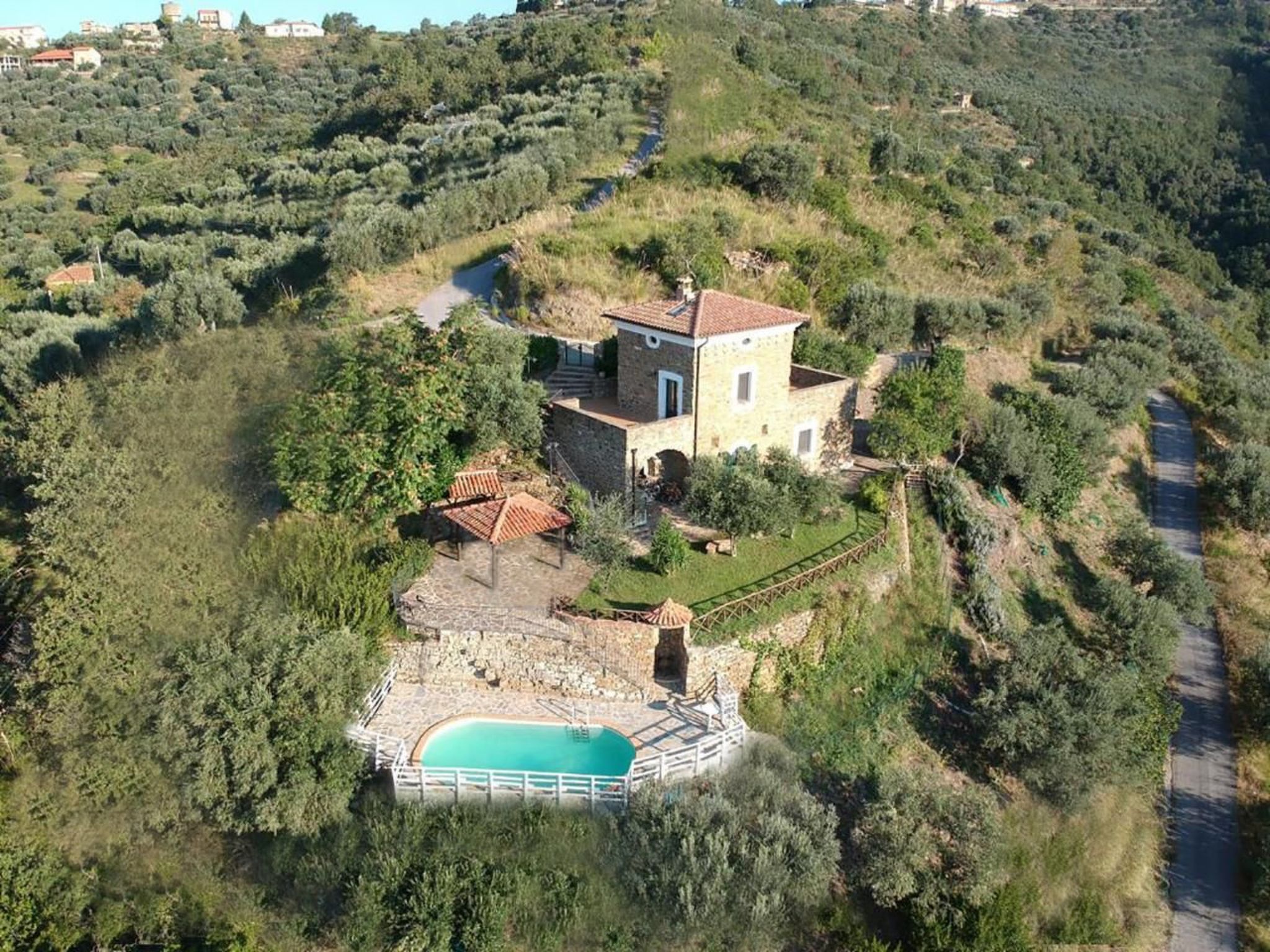
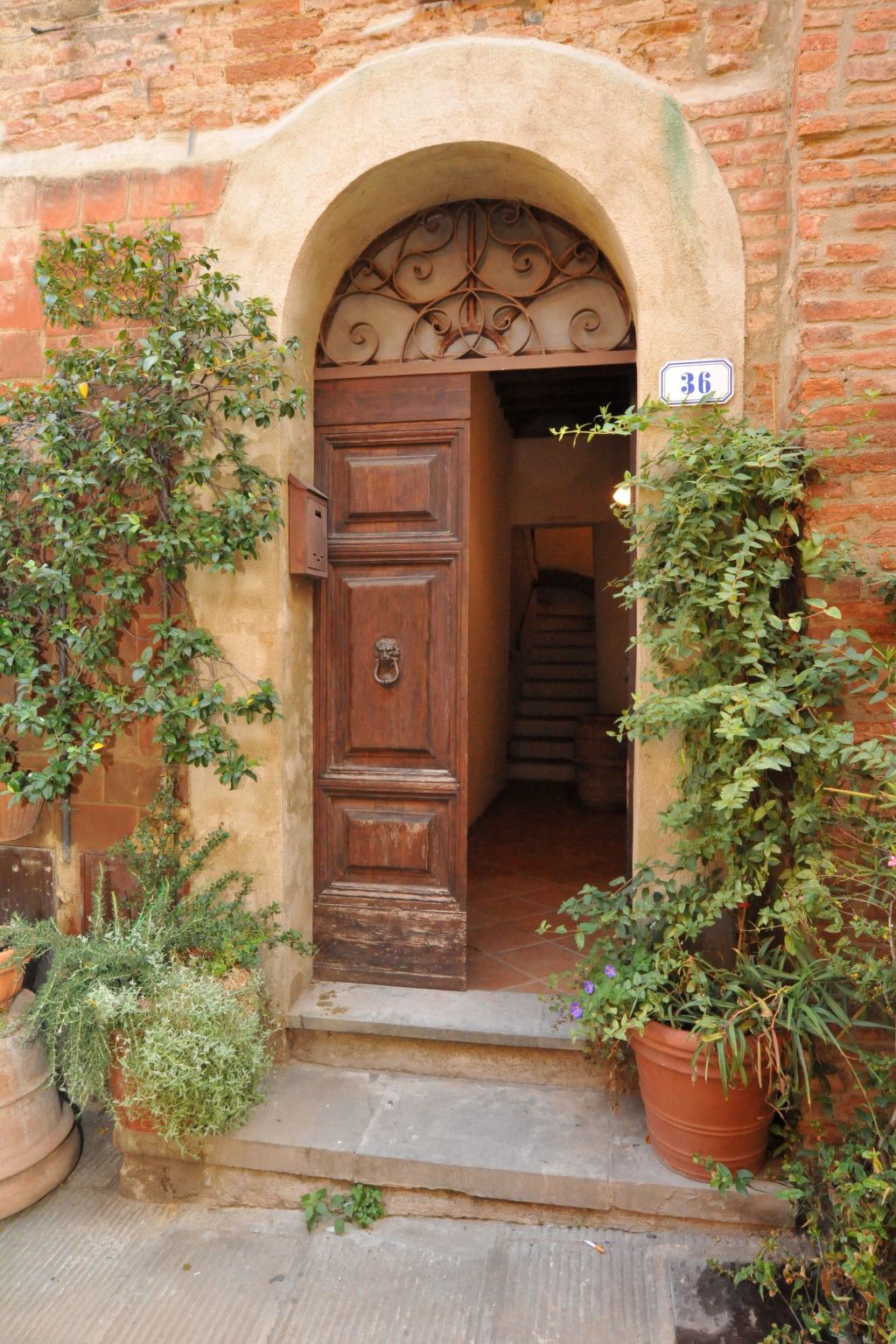
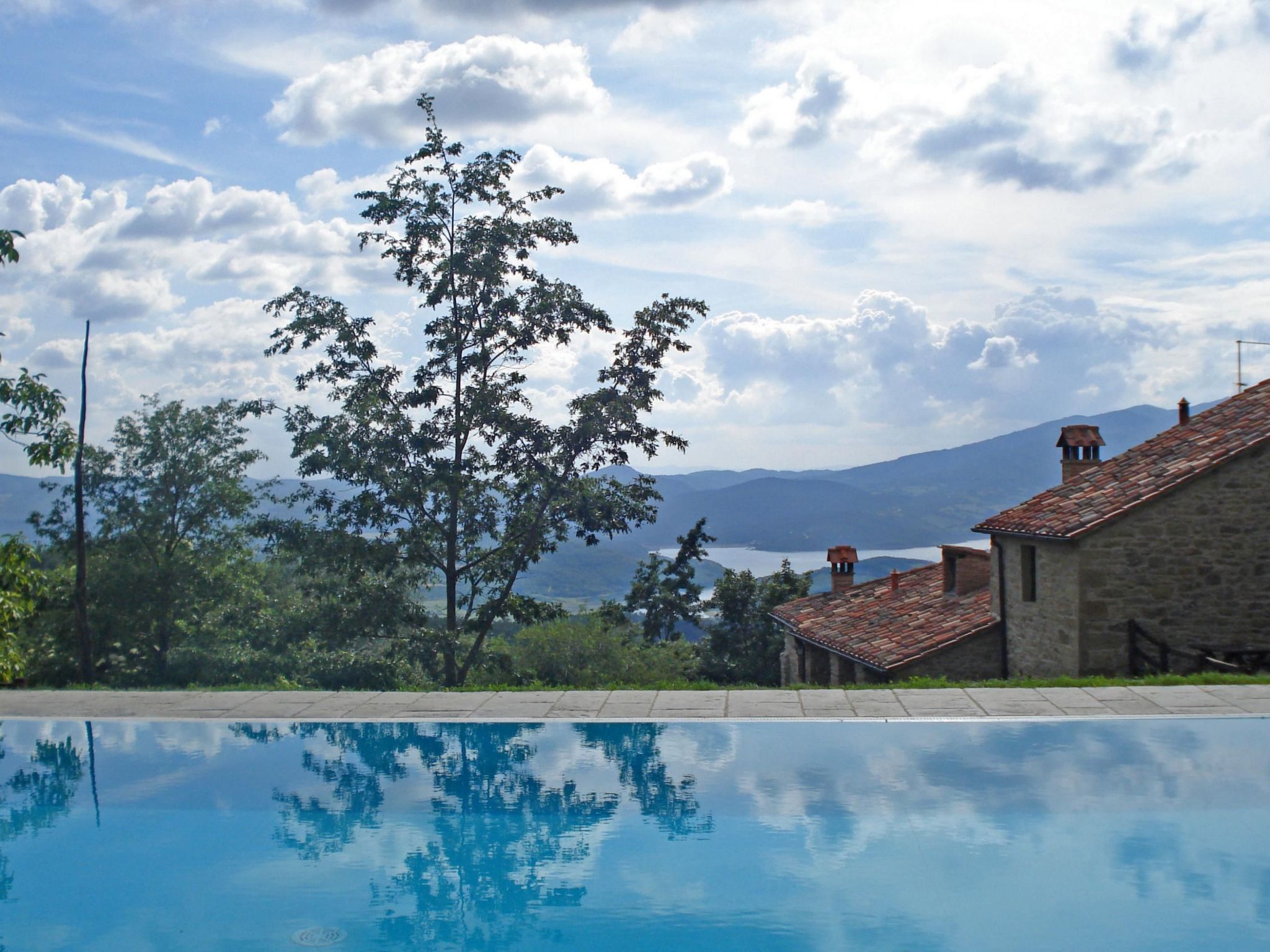
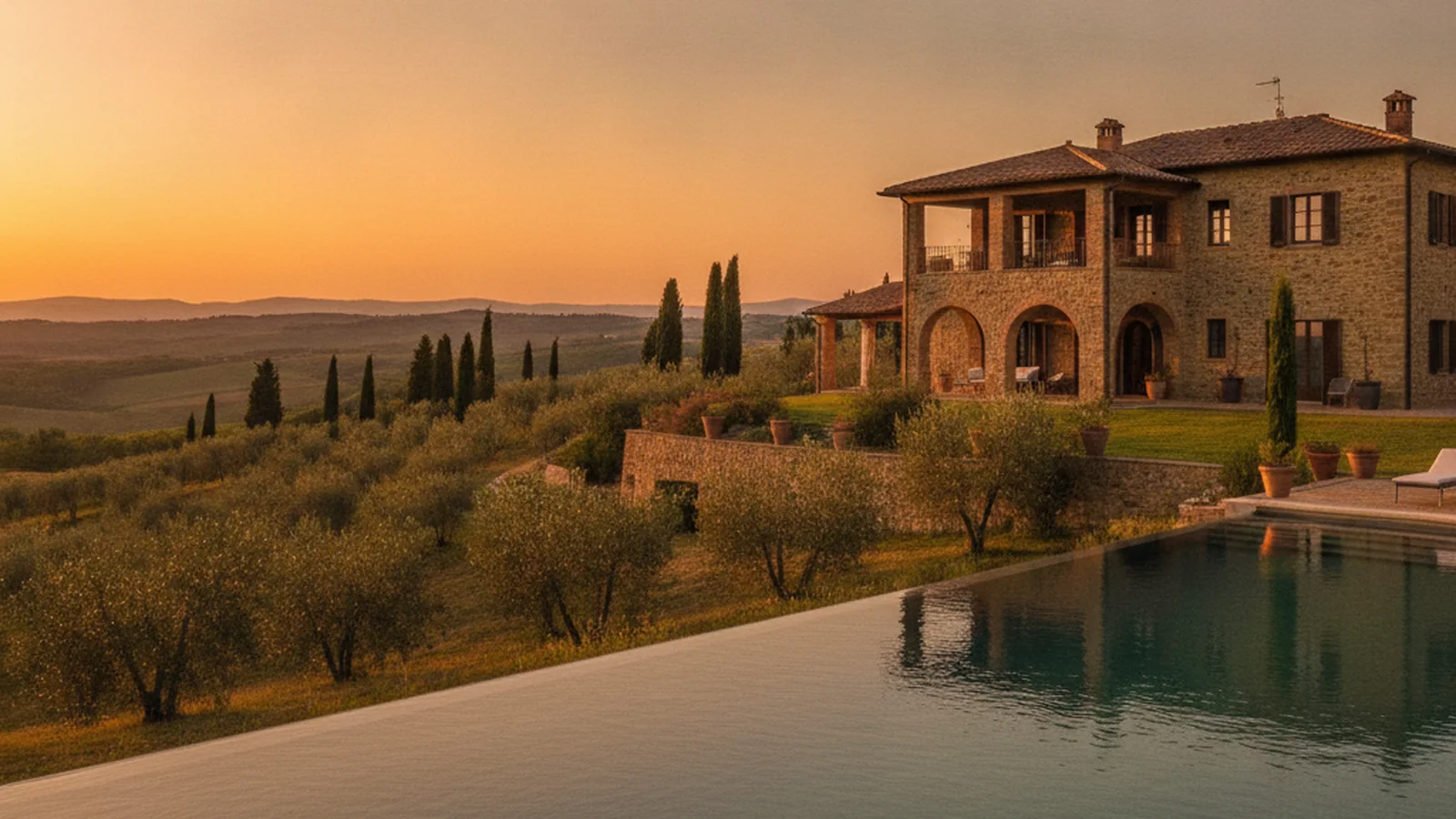
Last year, our most-booked villa was a converted farmhouse outside Lucca with a leaning stone wall and an infinity pool overlooking the valley. The second was a modern build in Puglia with sea views from every bedroom. The third was a trullo in the Itria Valley that sleeps four and costs less per night than a mid-range hotel in Rome. That range tells you everything about why Italy works for villa holidays: the country is so varied that ten different families will choose ten completely different regions, and every one of them will come back saying theirs was the best. We've got over 10,500 properties across the country, from alpine lake houses to volcanic island retreats, and we've spent years learning which ones actually deliver.
Why Choose a Villa Holiday in Italy?
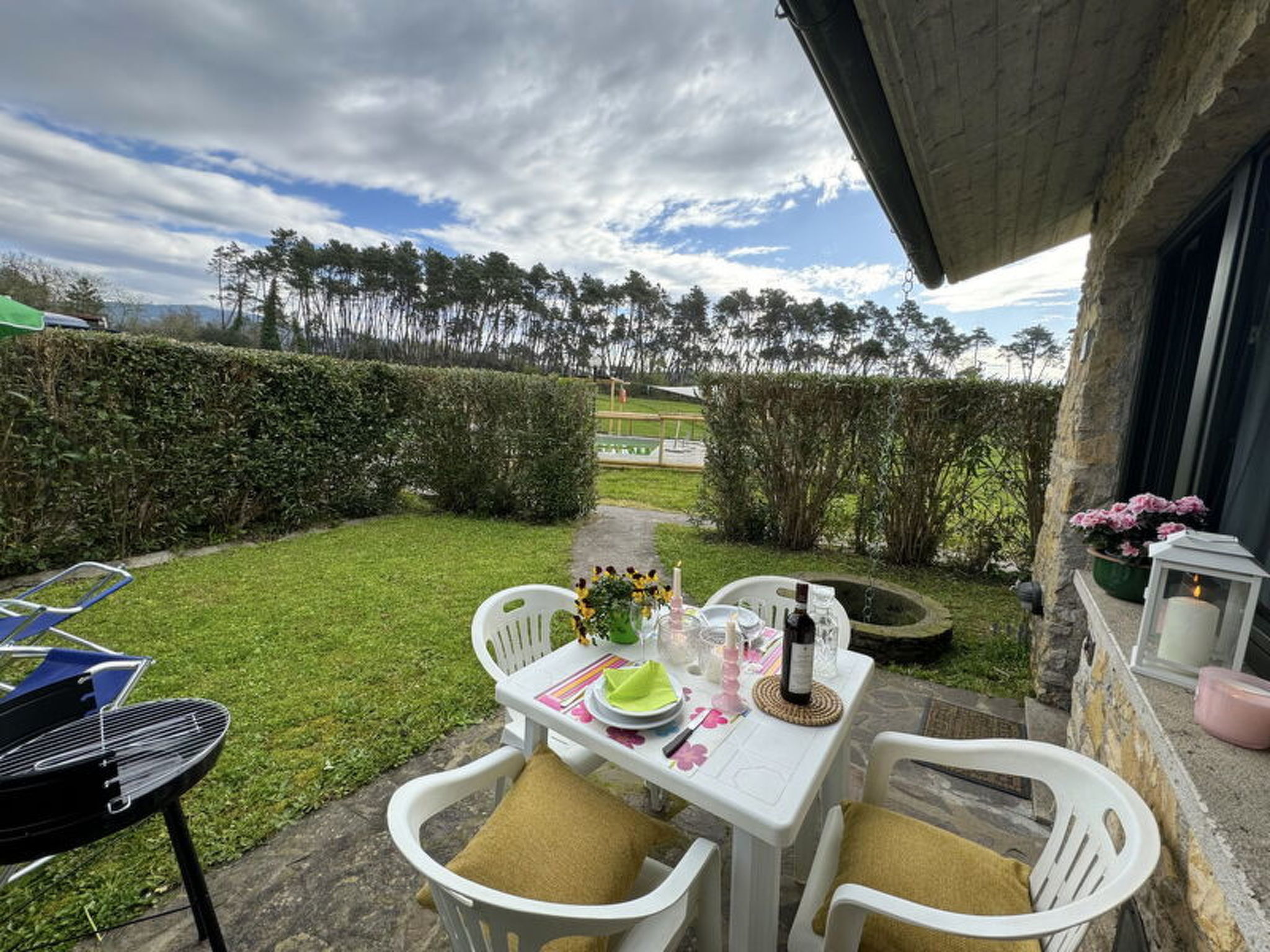
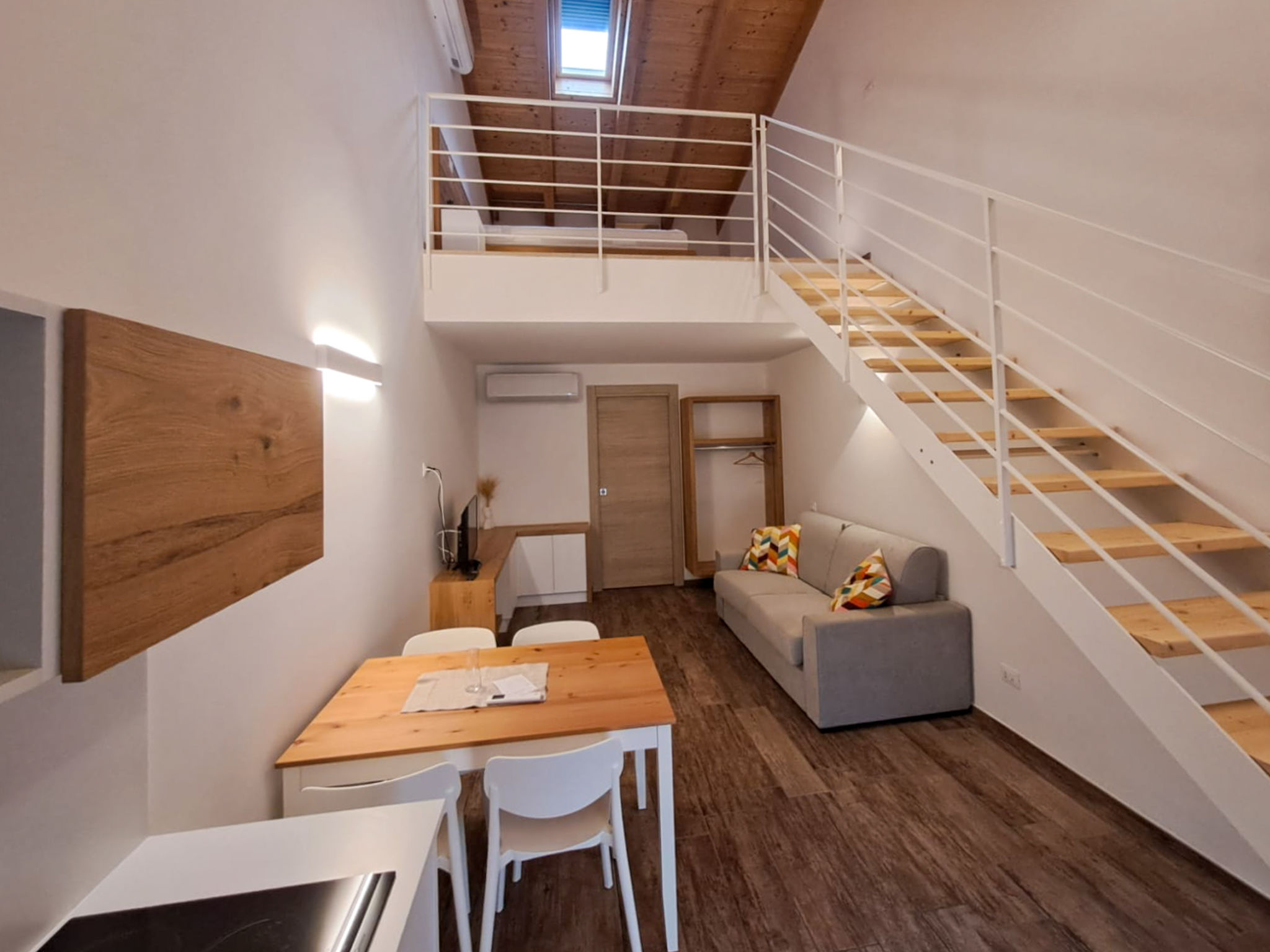
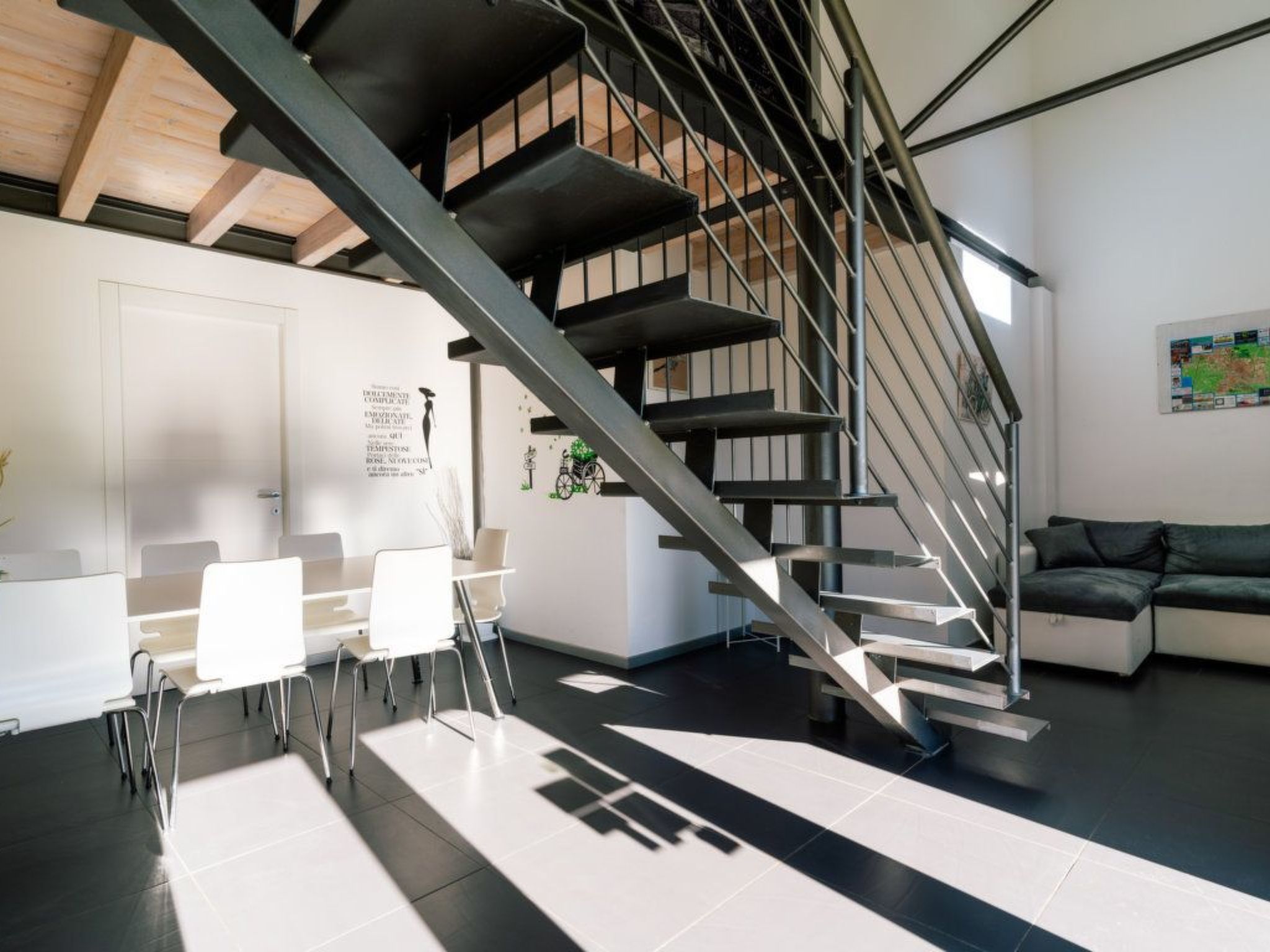
- Space that hotels can't match. A family of five in a hotel gets two cramped rooms and a fight over the bathroom. The same budget gets you a three-bedroom villa with a kitchen, garden, and pool you don't share with strangers.
- Self-catering actually works here. Italy is one of the few countries where cooking in your rental is a genuine upgrade over eating out every night. Local markets sell produce that makes supermarket shopping at home feel depressing. Even small towns have a bakery, a butcher, and somewhere selling fresh pasta.
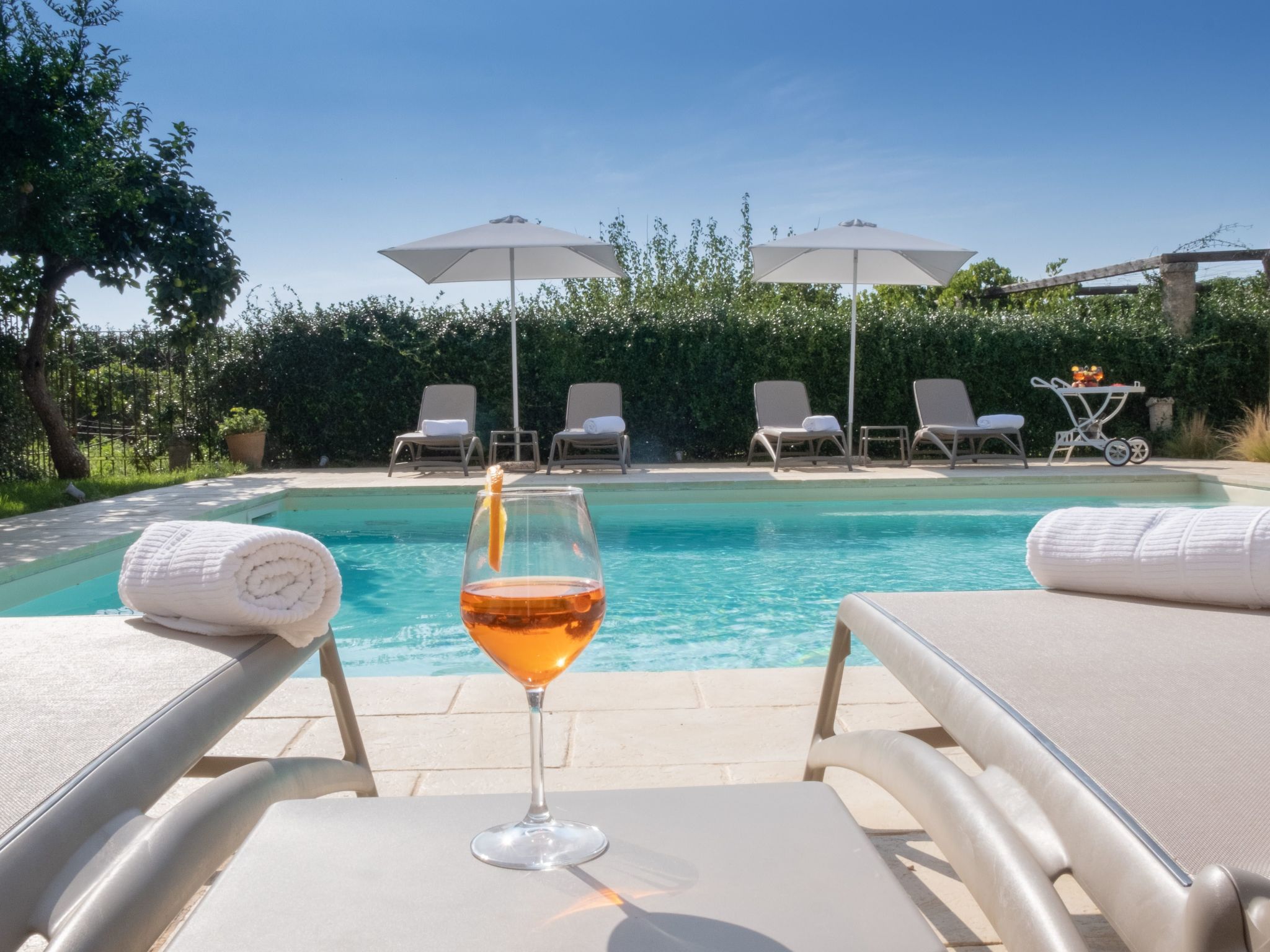
- Your own pool, your own schedule. No towel wars, no music you didn't choose, no closing times. Most of our Italian villas come with a private pool. In a country where July temperatures hit 35°C, that's not a luxury, it's a necessity.
- Group economics. Split a 6-bedroom villa between three couples or two families, and the per-person cost drops well below hotel rates. Add in the money saved by not eating every meal in restaurants, and villa holidays regularly come in 30-40% cheaper than the equivalent hotel trip.
- Location variety you won't find elsewhere. Beach, mountains, countryside, city access, volcanic islands, lake shores. No other European country covers this much ground. You can swim in the morning and visit a medieval hilltop town by lunch.
Top Regions for Villa Holidays in Italy
Tuscany
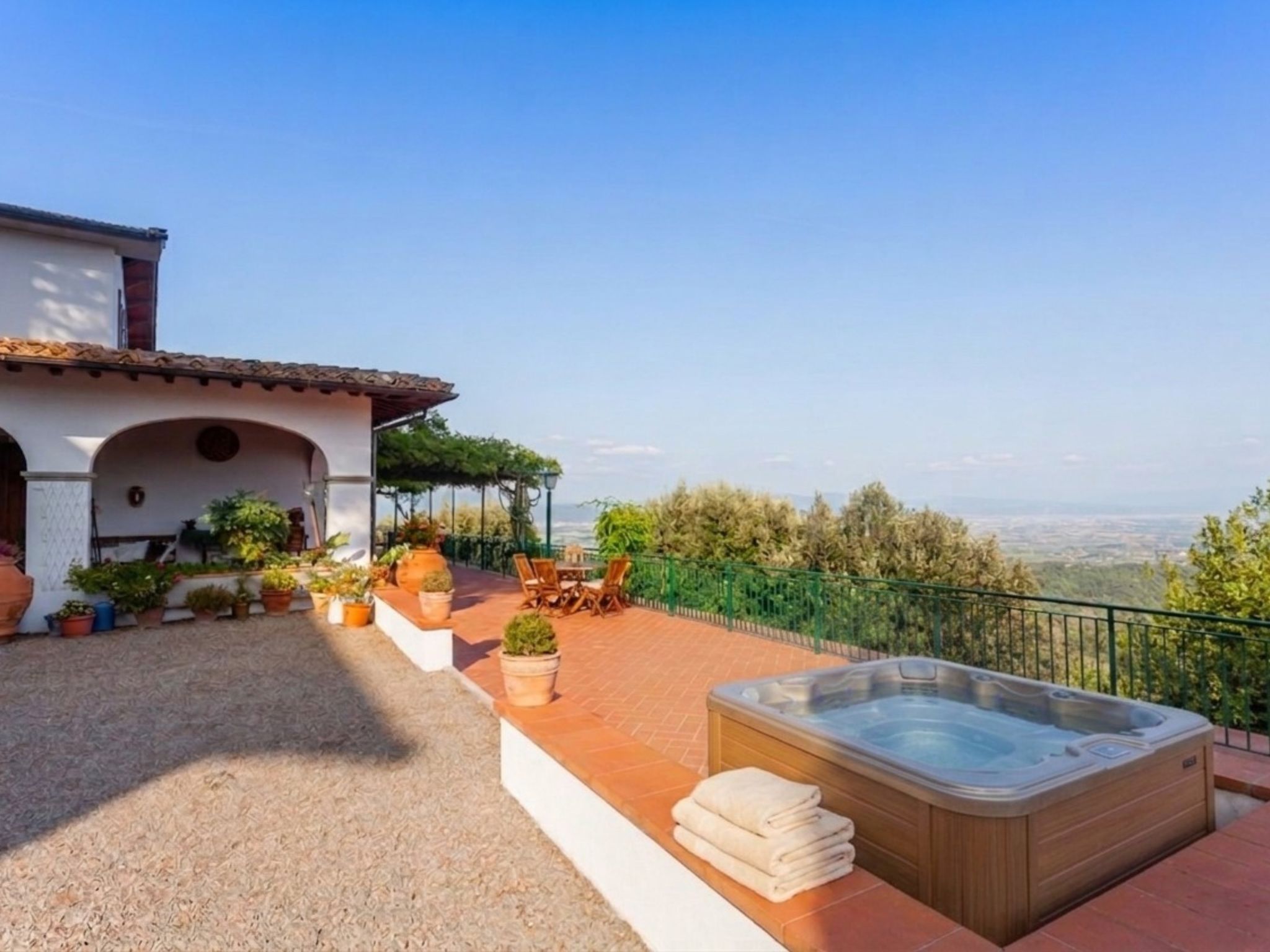
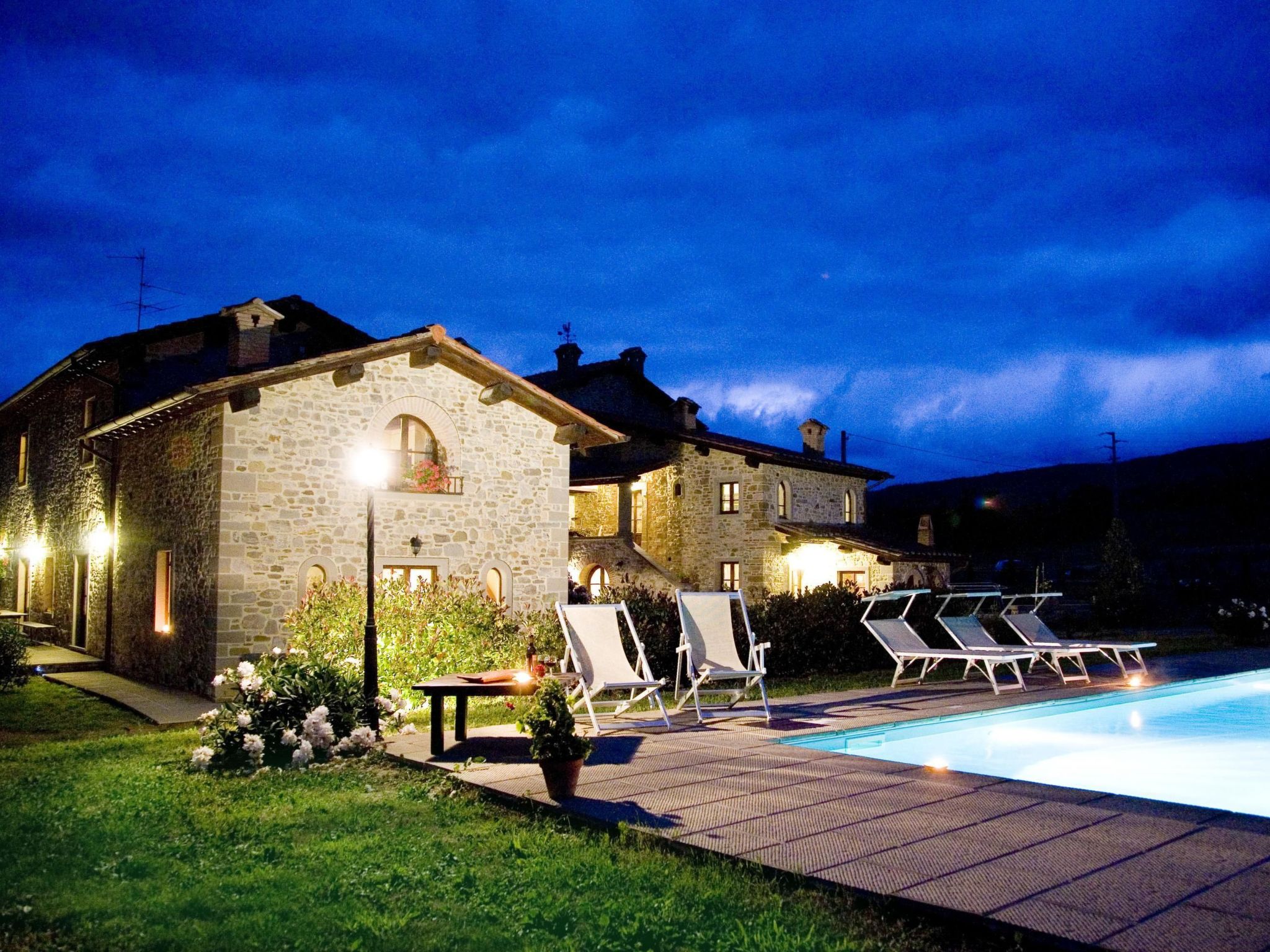
Still the default answer when people think "Italian villa holiday," and the reputation holds up. The Chianti hills between Florence and Siena are dense with restored farmhouses, the food is reliable everywhere, and the landscape genuinely looks like the photos. Where Tuscany falls short: it's popular, which means prices are higher than equivalent regions further south, and in August the main towns feel overcrowded. May, June, and September are when Tuscany is at its best. We'd suggest basing yourself in the countryside rather than near Florence, and spending your time in smaller towns (Lucca, Volterra, Pienza) rather than the headline cities.
Sardinia
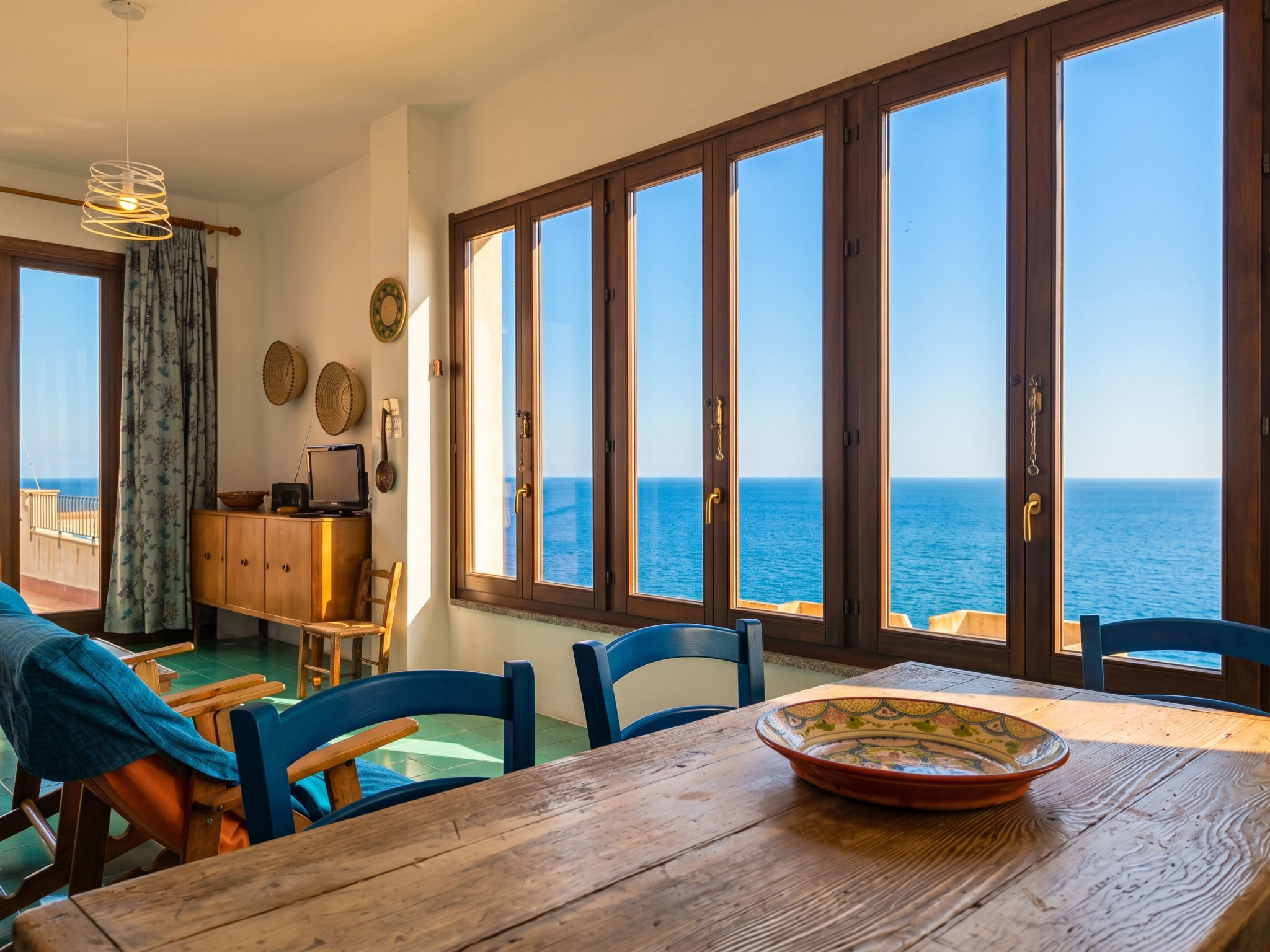
If your priority is beaches, Sardinia wins. The water on the northeast coast is Caribbean-clear (we're not exaggerating), and the south around Chia and Villasimius isn't far behind. Beyond the coast, the interior is mountainous and uncrowded. Villas range from sleek poolside builds near Porto Cervo (budget accordingly, the Costa Smeralda doesn't do cheap) to rural stone houses inland where you'll pay a fraction of the price. Direct flights from several UK airports make it more accessible than it looks on a map. The honest downside: you need a car, public transport is minimal, and restaurants outside the main resort areas close early.
Sicily
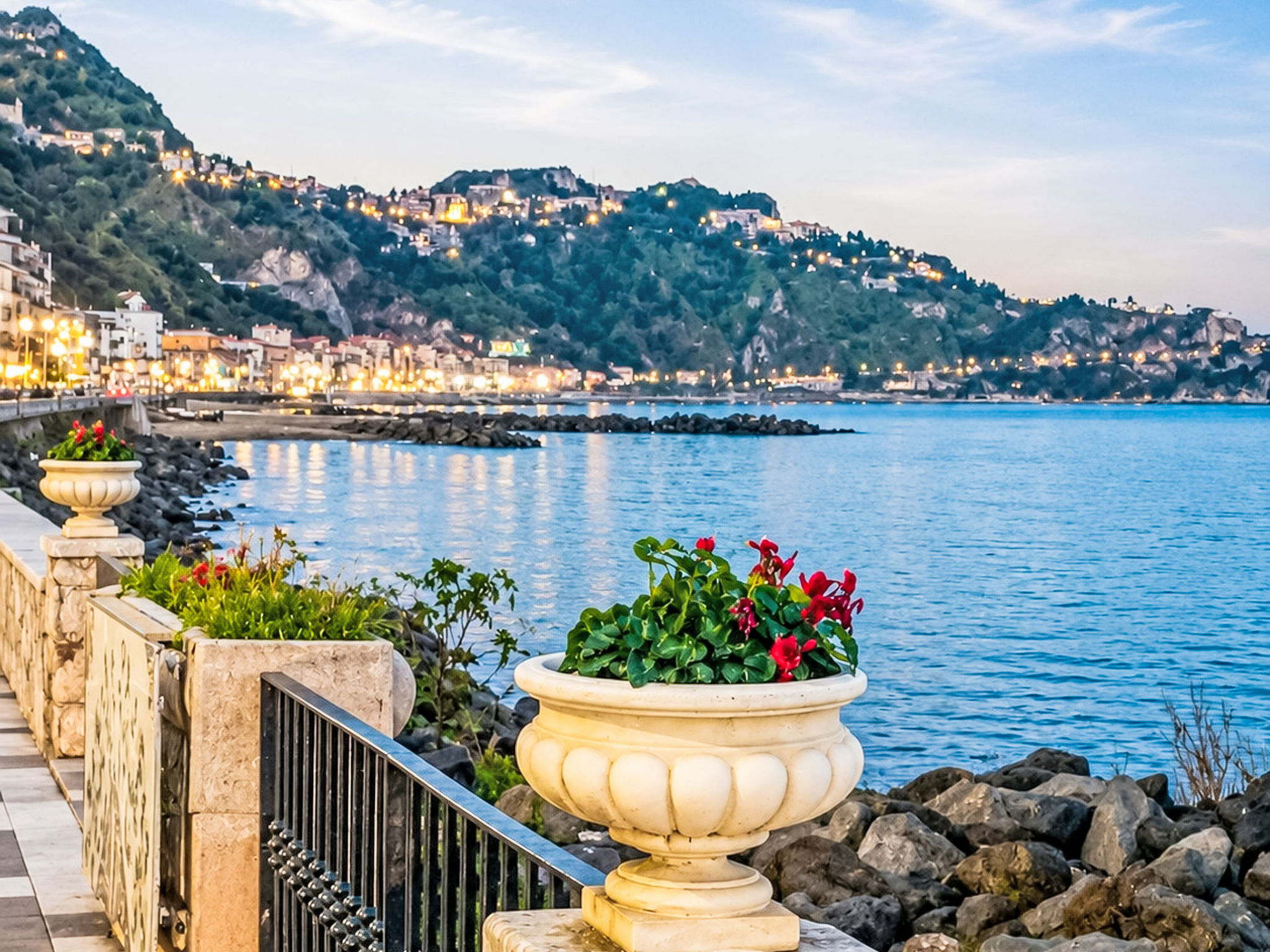
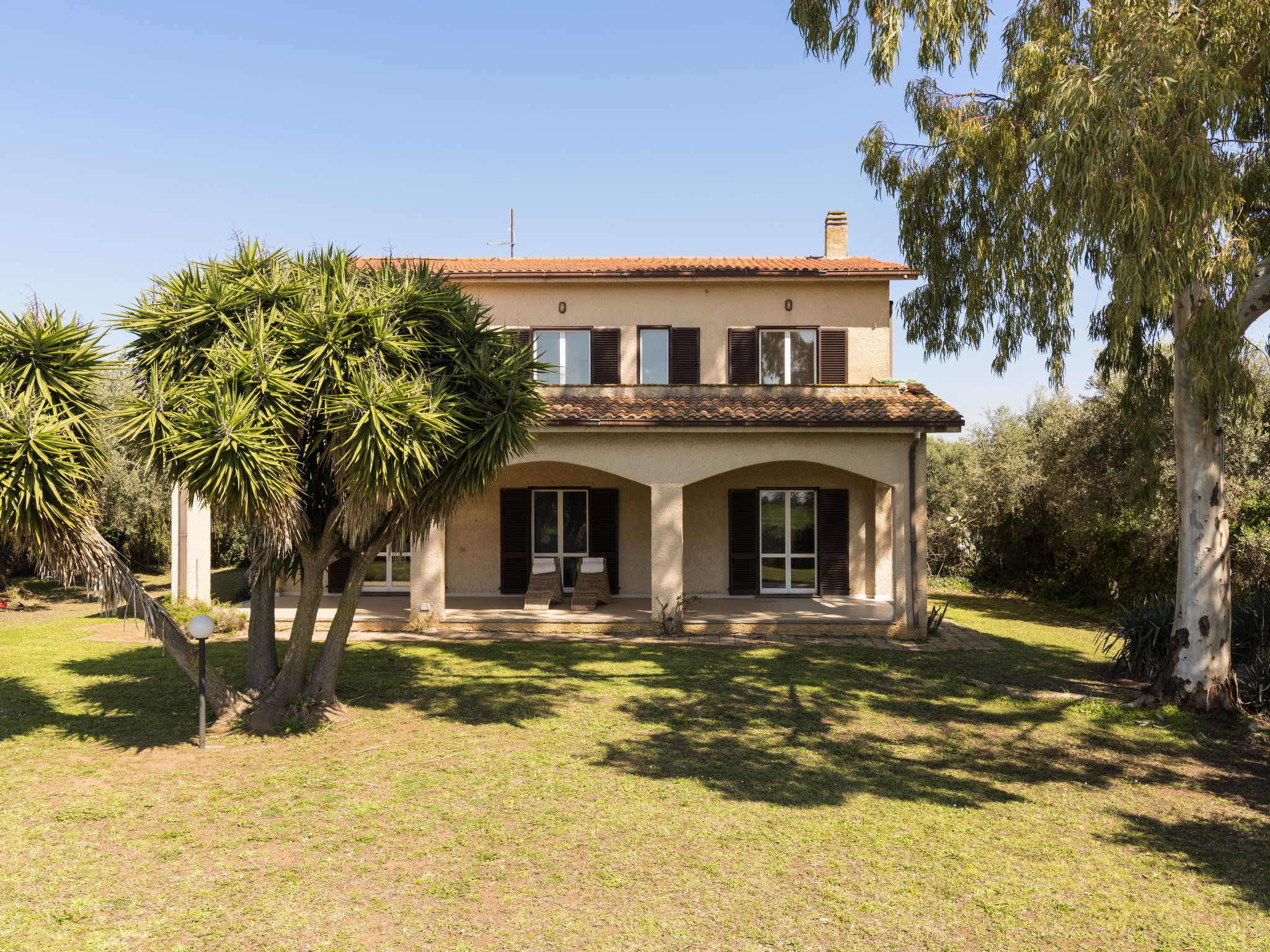
Bigger than you expect, more diverse than the brochures suggest, and significantly cheaper than northern Italy. Sicily's food alone justifies the trip. Street markets in Palermo and Catania are a full sensory experience, and the local cooking (arancini, pasta alla norma, granita for breakfast) is distinct from mainland Italian food. Mount Etna is an active volcano you can actually visit. The Greek temples at Agrigento are among the best-preserved in the world. Accommodation is affordable: a four-bedroom villa with a pool costs roughly what you'd pay for a two-bedroom in Tuscany. The trade-off? Sicily runs on its own schedule. Things don't always work on time, some roads are in questionable condition, and July-August heat can be fierce (35°C+). Plan around it and you'll be rewarded.
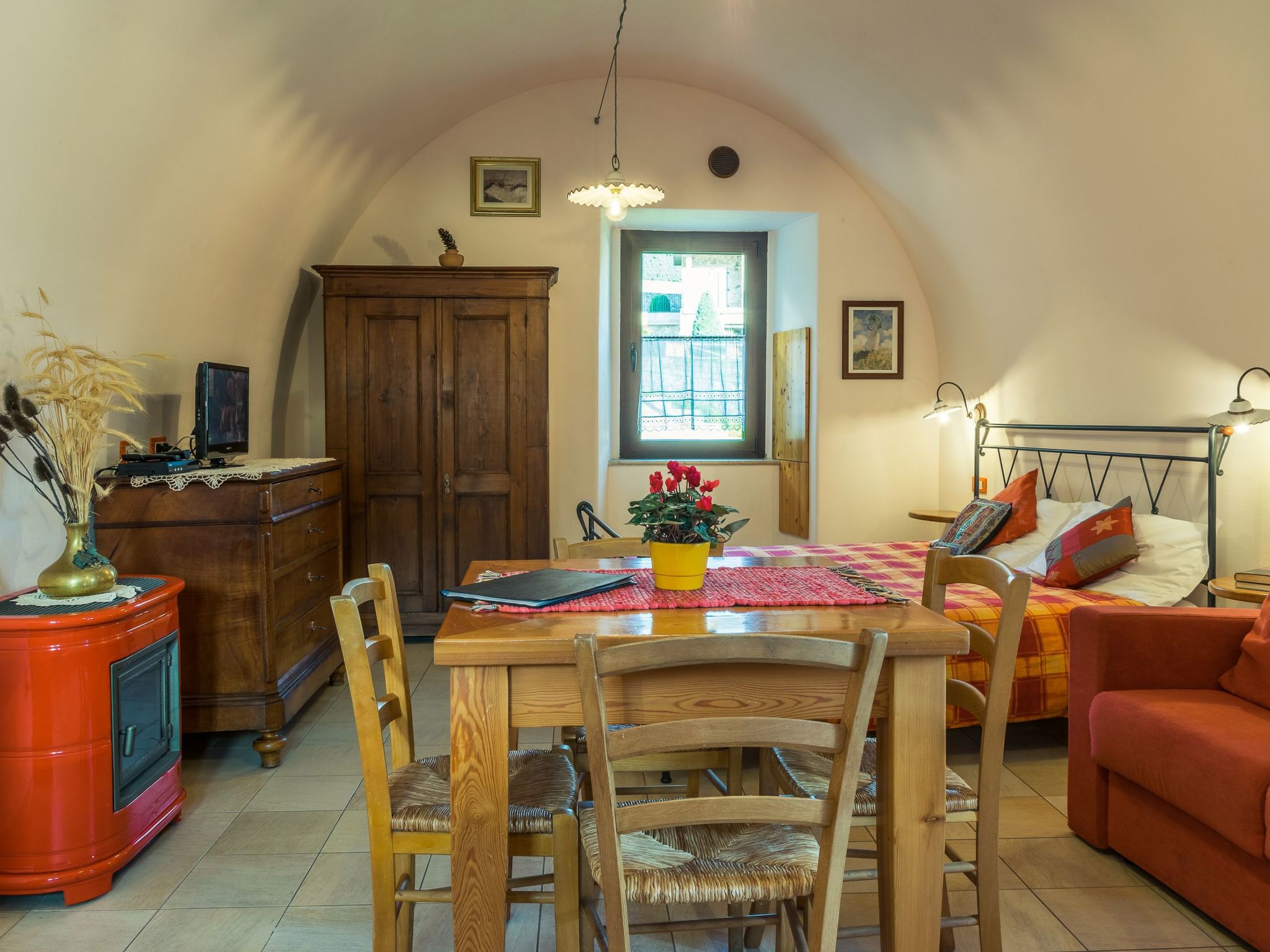
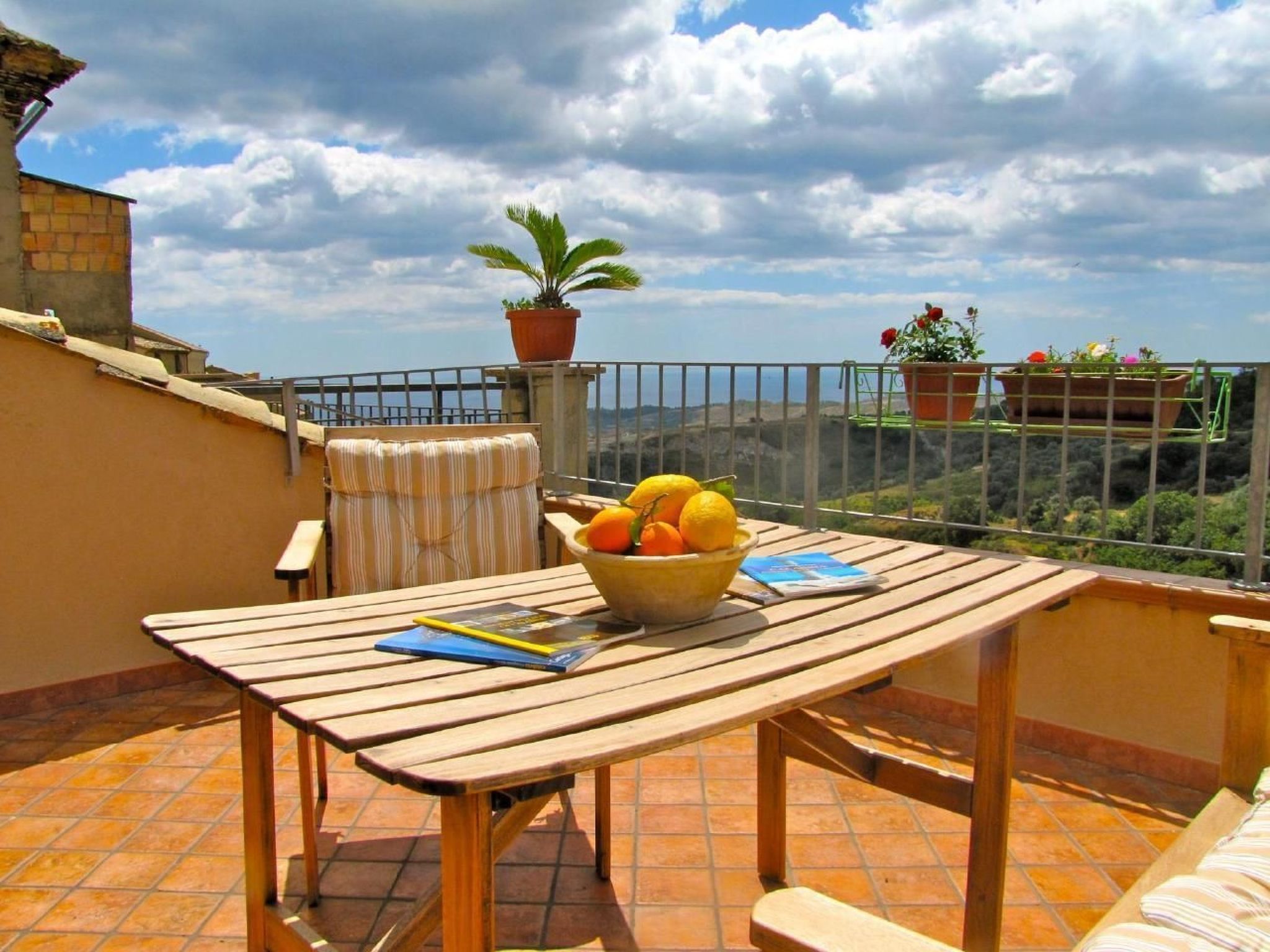
Lake Como
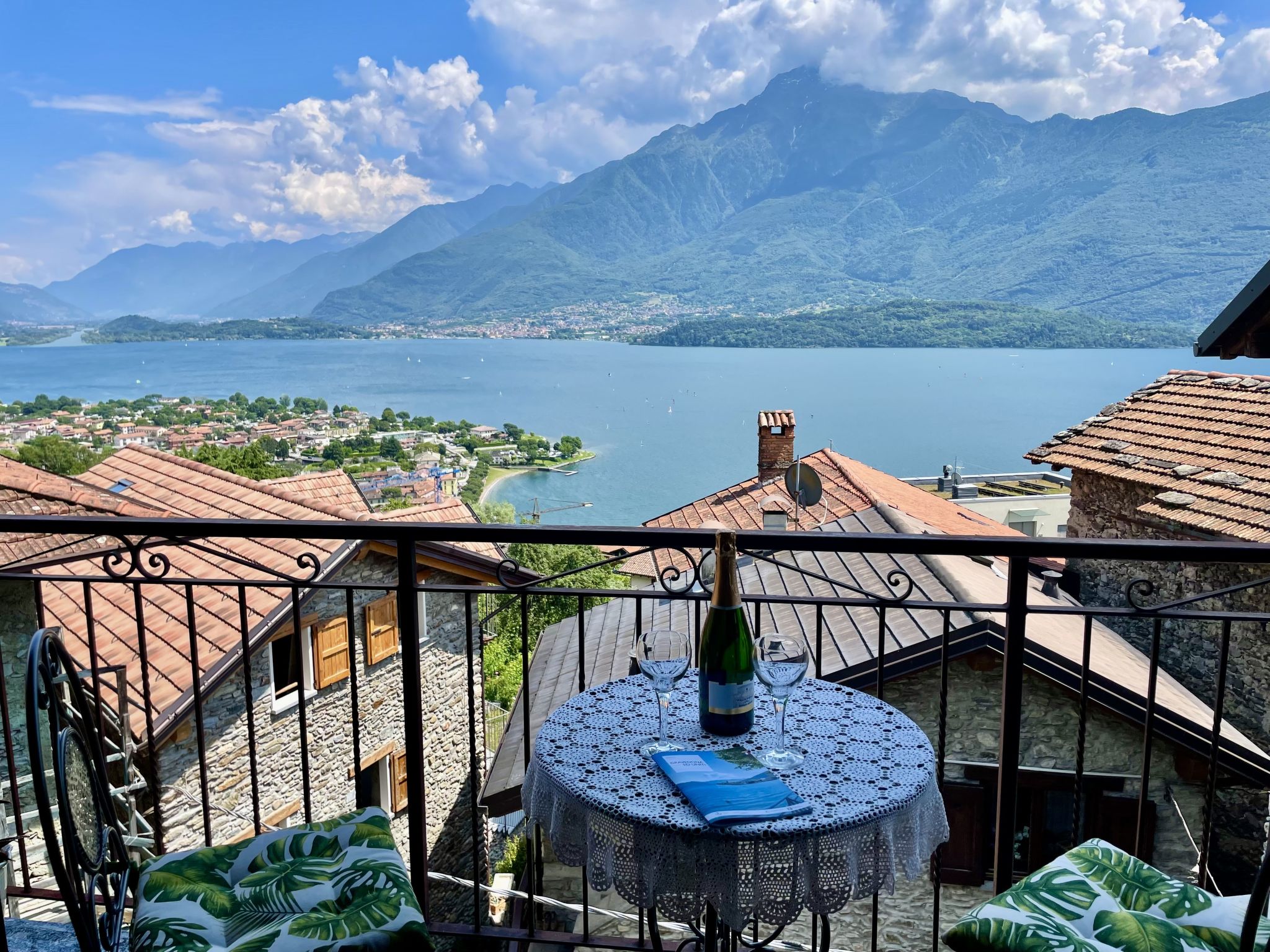
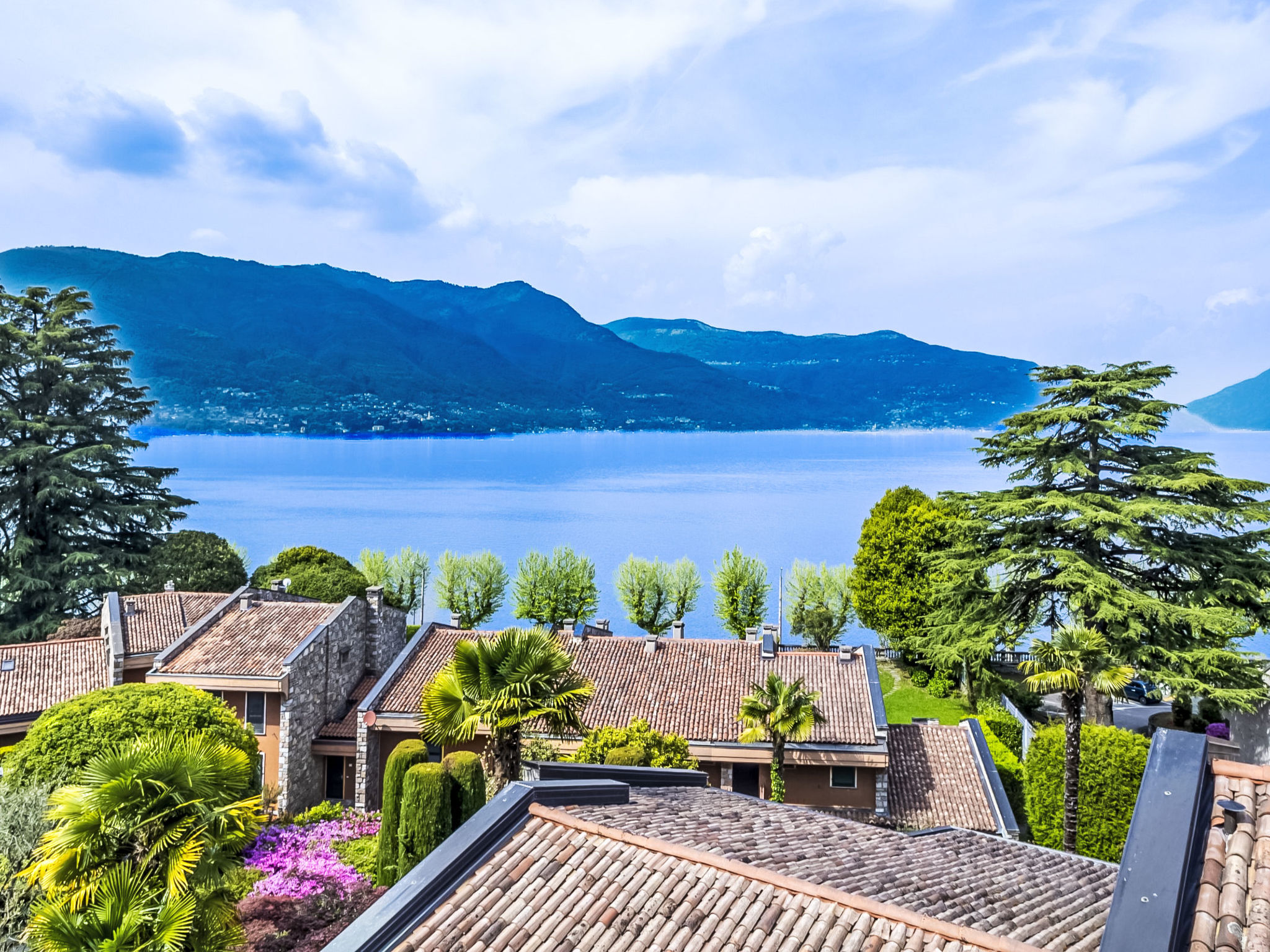
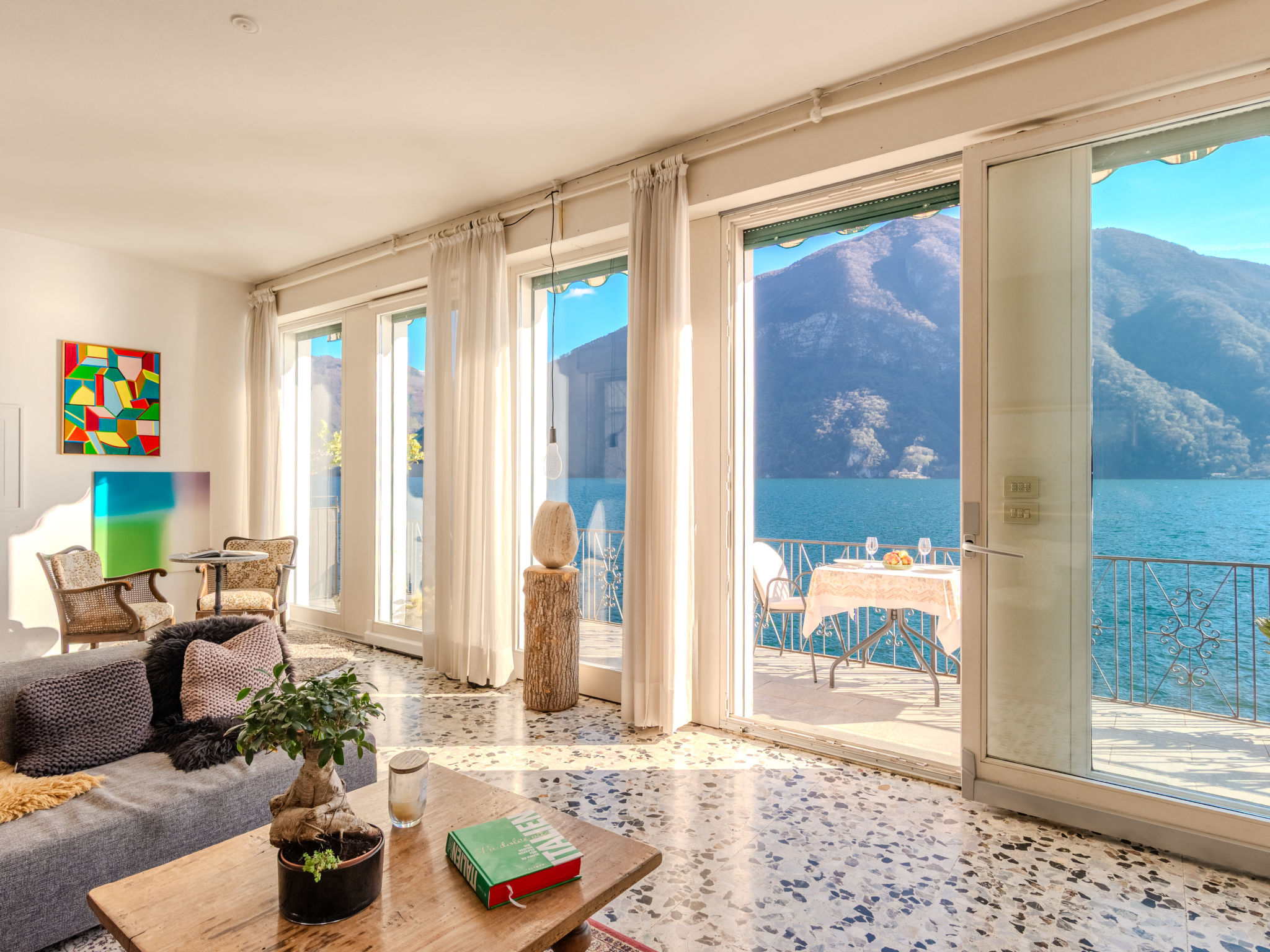
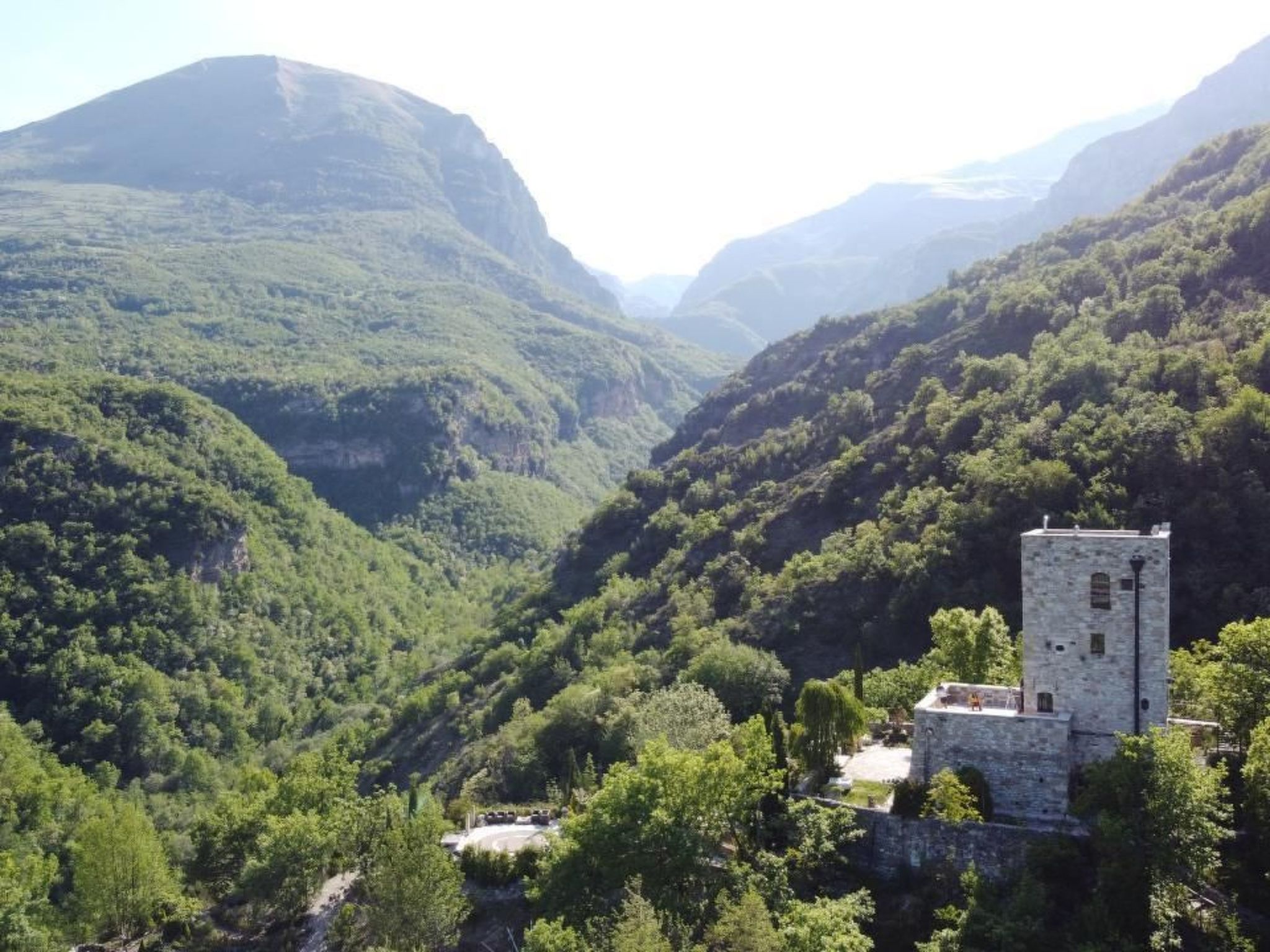
Smaller and more intimate than people expect. Como town itself is compact and walkable, Bellagio is genuinely attractive (if touristy), and the lake views from hillside villas can stop you mid-sentence. This is couples and small-groups territory rather than big family holidays. The lakeside roads are narrow, winding, and congested in summer, so if you're planning to drive between towns, factor in slow going. Ferries are more pleasant and often faster. Properties here tend toward the higher end of the price range, and availability is limited compared to larger regions. Book early for summer. Off-season (April, October) the weather is less reliable but the crowds disappear and prices drop noticeably.
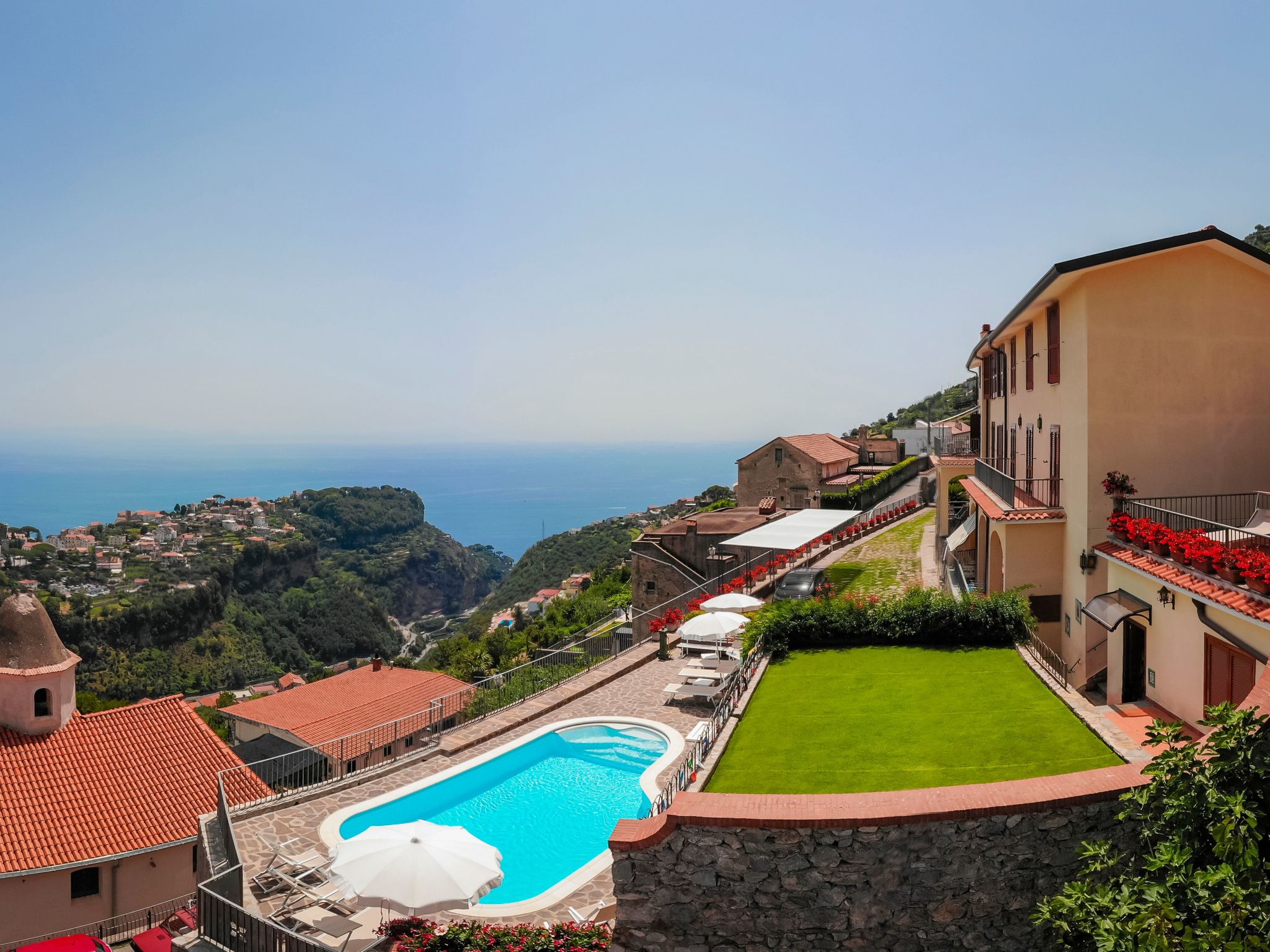
Amalfi Coast
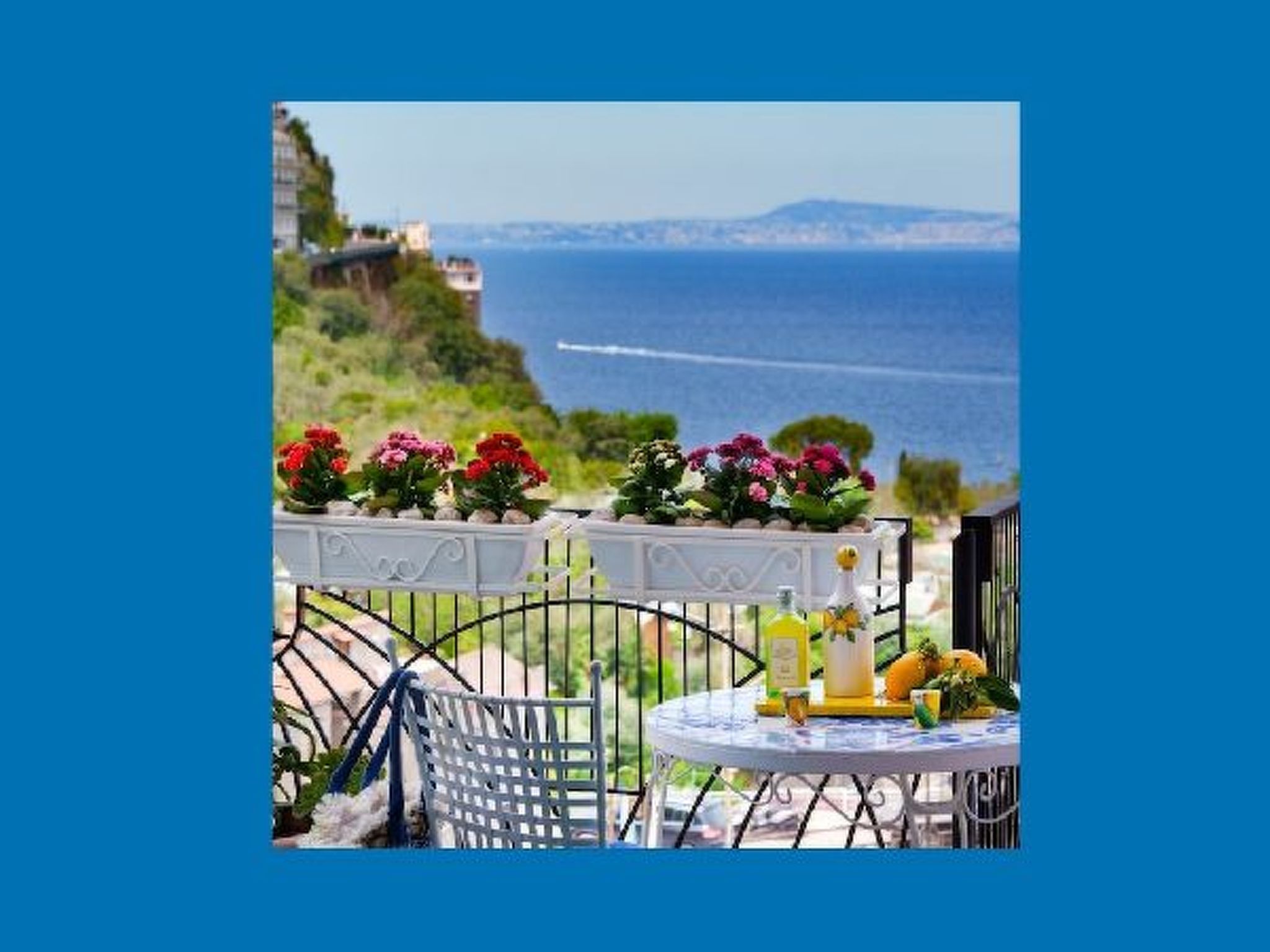
The views are worth the hype. Positano cascading down the cliff, Ravello looking out over the coastline, the winding road itself. That said, this is not a relaxing destination. The roads are narrow and shared with buses that take up the entire lane. Parking is scarce and expensive. Restaurants in Positano charge premium prices for average food. If you go, stay in a villa with a good pool and terrace so you don't need to leave the property every day. Ravello and Praiano are calmer alternatives to Positano and Amalfi town. The best Amalfi properties get booked months ahead for summer, so if this is your target, don't wait.
Explore villas in Amalfi Coast →
Puglia
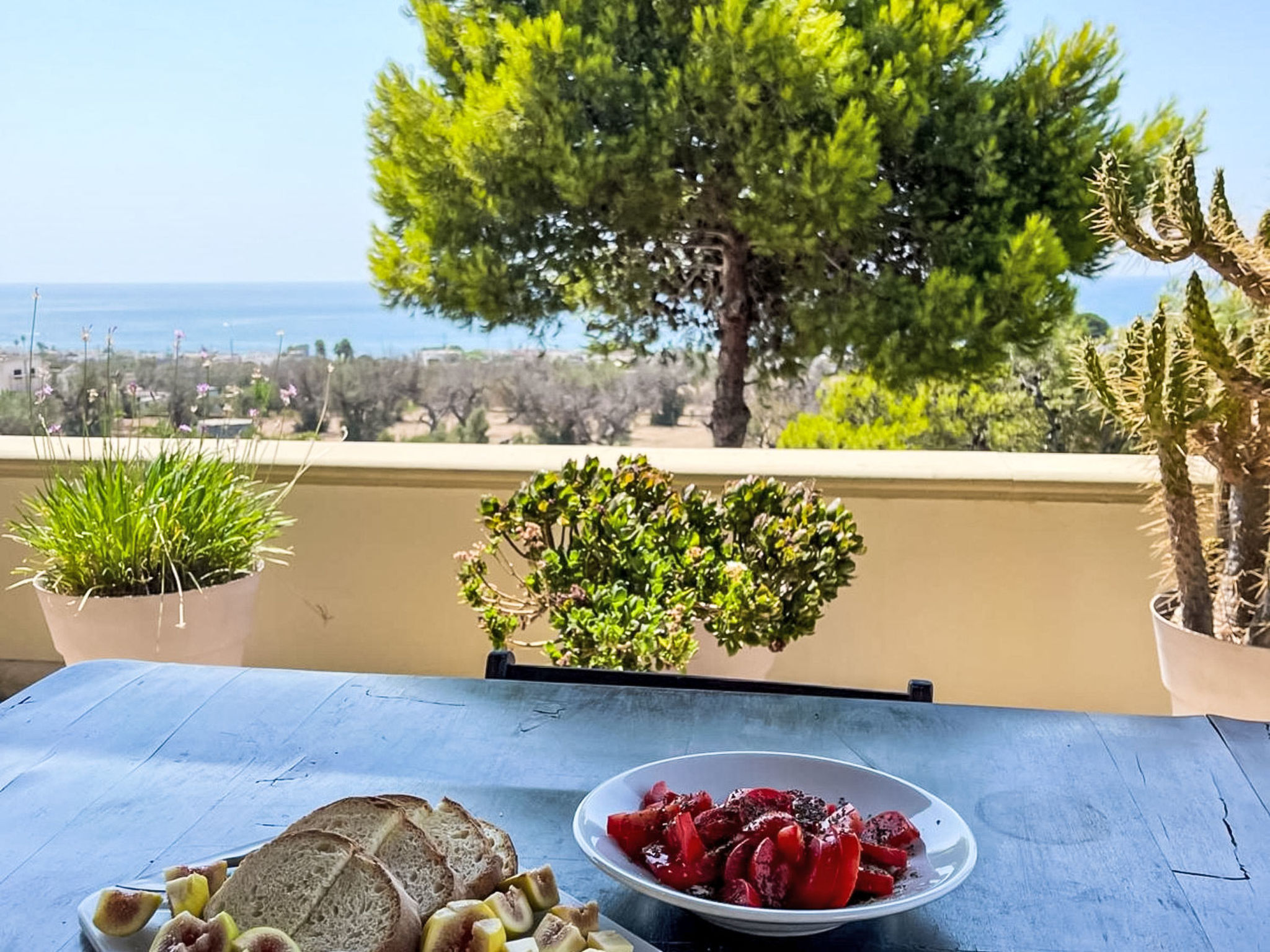
The most underrated region in Italy right now. Puglia's trulli houses (whitewashed stone buildings with cone roofs) are unlike anything else in Europe, and staying in one is a genuine experience rather than a gimmick. Beyond the trulli, there's Lecce (a baroque city that rivals Florence for architecture but charges a third of the price), miles of Adriatic coastline, and food that focuses on simplicity done well: fresh pasta, burrata, olive oil, seafood. Puglia is where we send people who want authentic Italy without paying Tuscan prices. The downside: it's further from UK airports (fly to Bari or Brindisi), public transport is limited, and the nearest beach from an inland villa can be a 30-minute drive.
Umbria
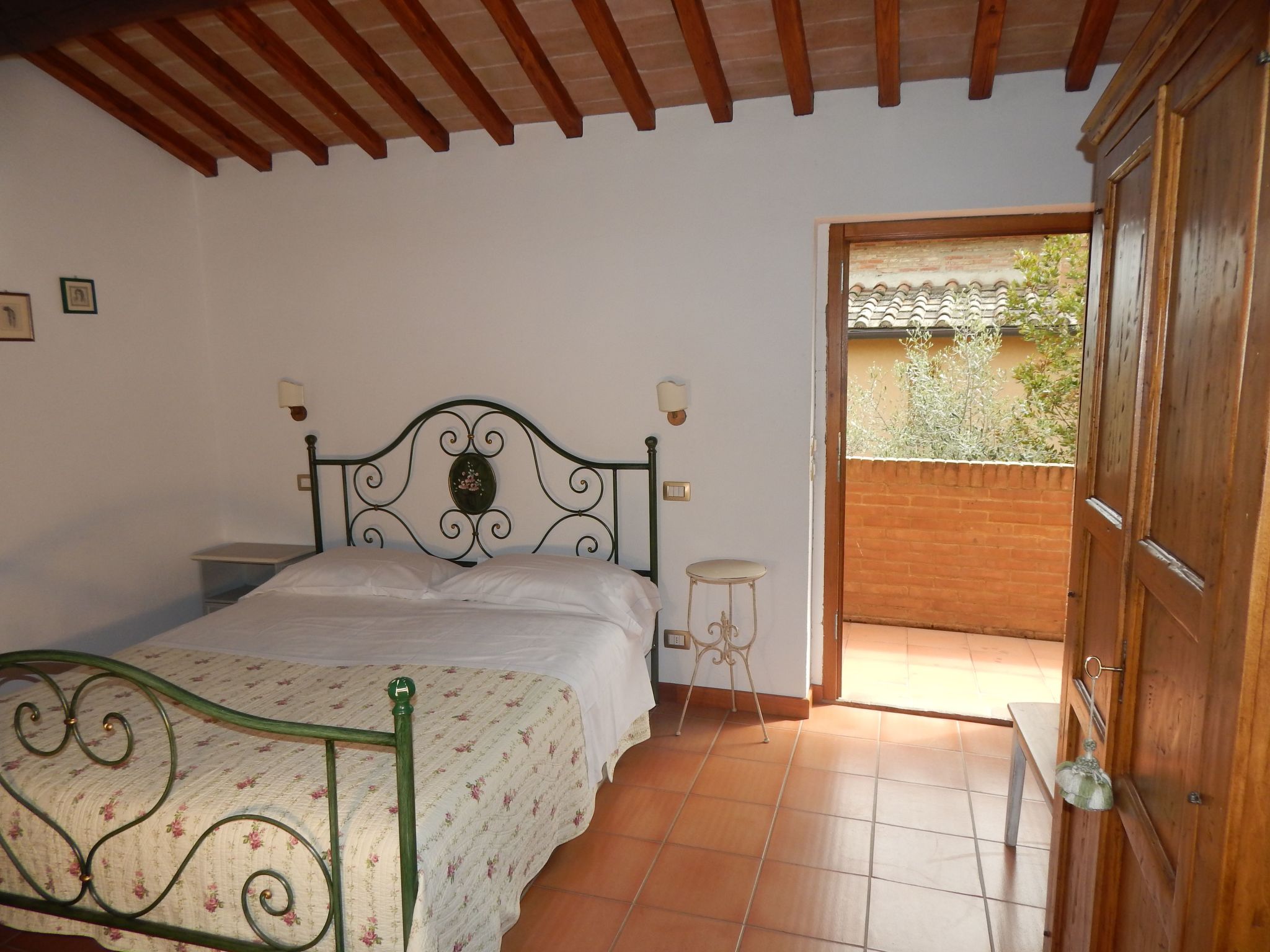
Think of it as Tuscany's quieter neighbour. Similar landscape (green hills, medieval towns, good wine), fewer tourists, lower prices. Perugia is a proper city with restaurants and nightlife. Assisi has the basilica and genuine spiritual weight. Spoleto and Todi are handsome towns that most tourists never reach. Umbrian villas tend toward converted farmhouses with thick walls, tiled floors, and pools with valley views. The trade-off is weather: Umbria sits inland and higher than coastal regions, so it's cooler (which is welcome in summer but means chillier evenings in May and October). Rain is more frequent than on the coast. If you don't need beach access and want to pay less for a similar experience to Tuscany, Umbria is the smarter choice.
Italian Lakes
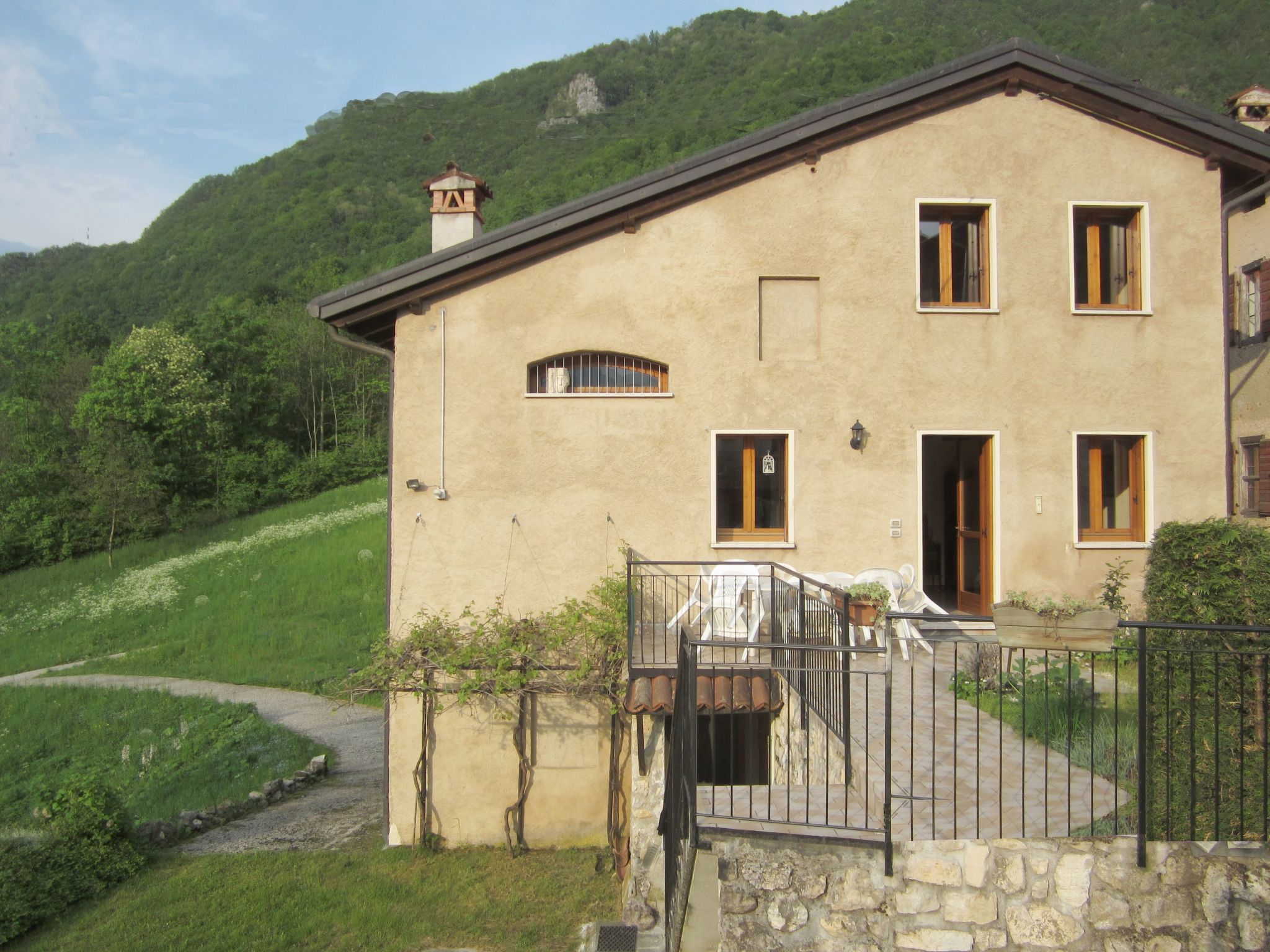
Beyond Como, Lake Garda is the family-friendly option: big enough to feel spacious, with water sports, Gardaland theme park nearby, and a wide range of villa prices. Sirmione on the southern tip has Roman ruins and thermal baths. Malcesine on the eastern shore has a cable car to Monte Baldo for hiking. Lake Maggiore is quieter and more elegant, with the Borromean Islands a short ferry ride away. The smaller lakes (Iseo, Orta) are for people who want peace. All the lakes benefit from mountain scenery that feels more Alpine than Mediterranean. Weather is less reliable than southern Italy. Budget for at least one rainy day per week, even in summer.