Taormina and the Etna coast (Castelmola, Mascali, Fiumefreddo, Acireale, Trecastagni)
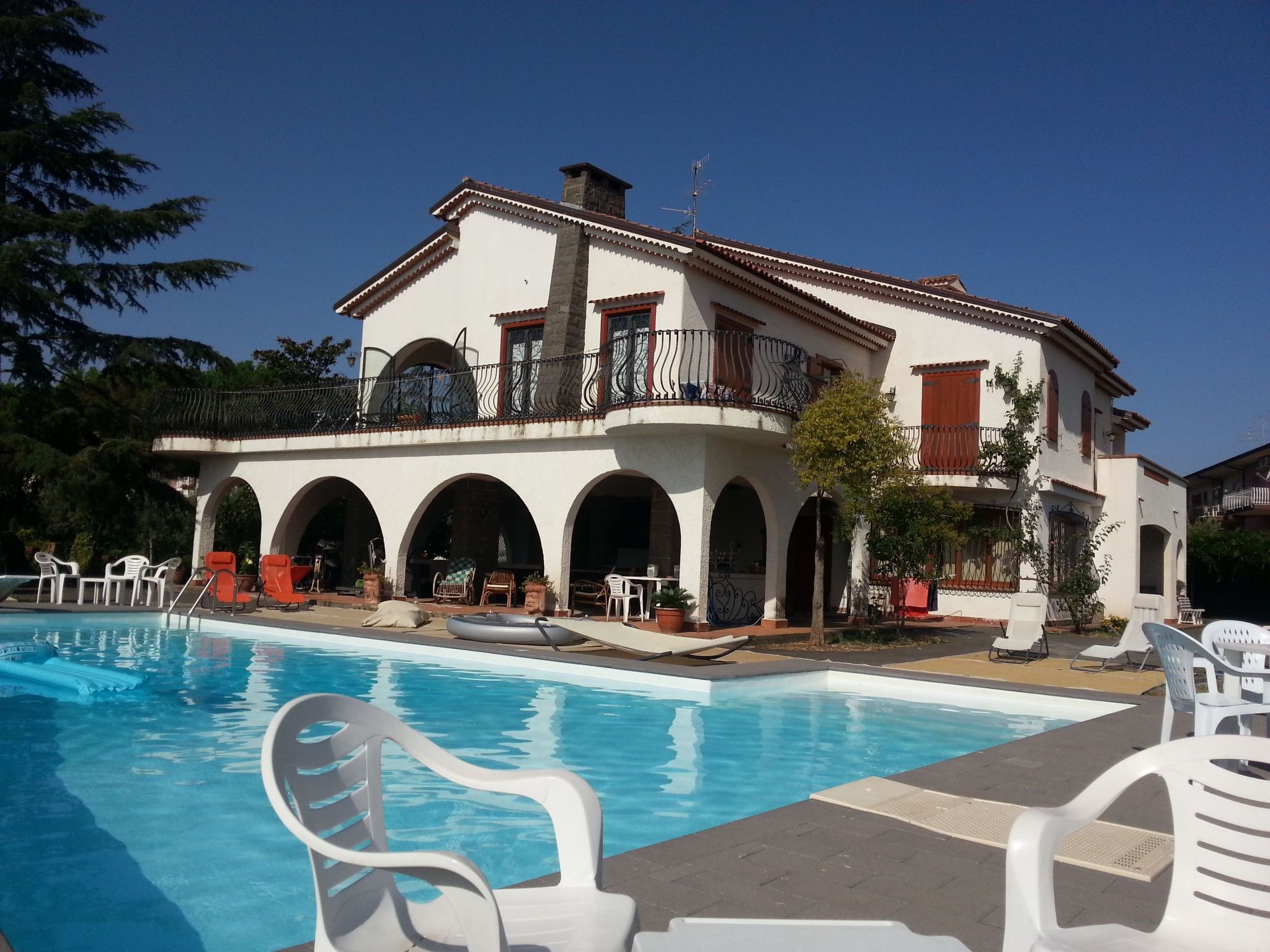
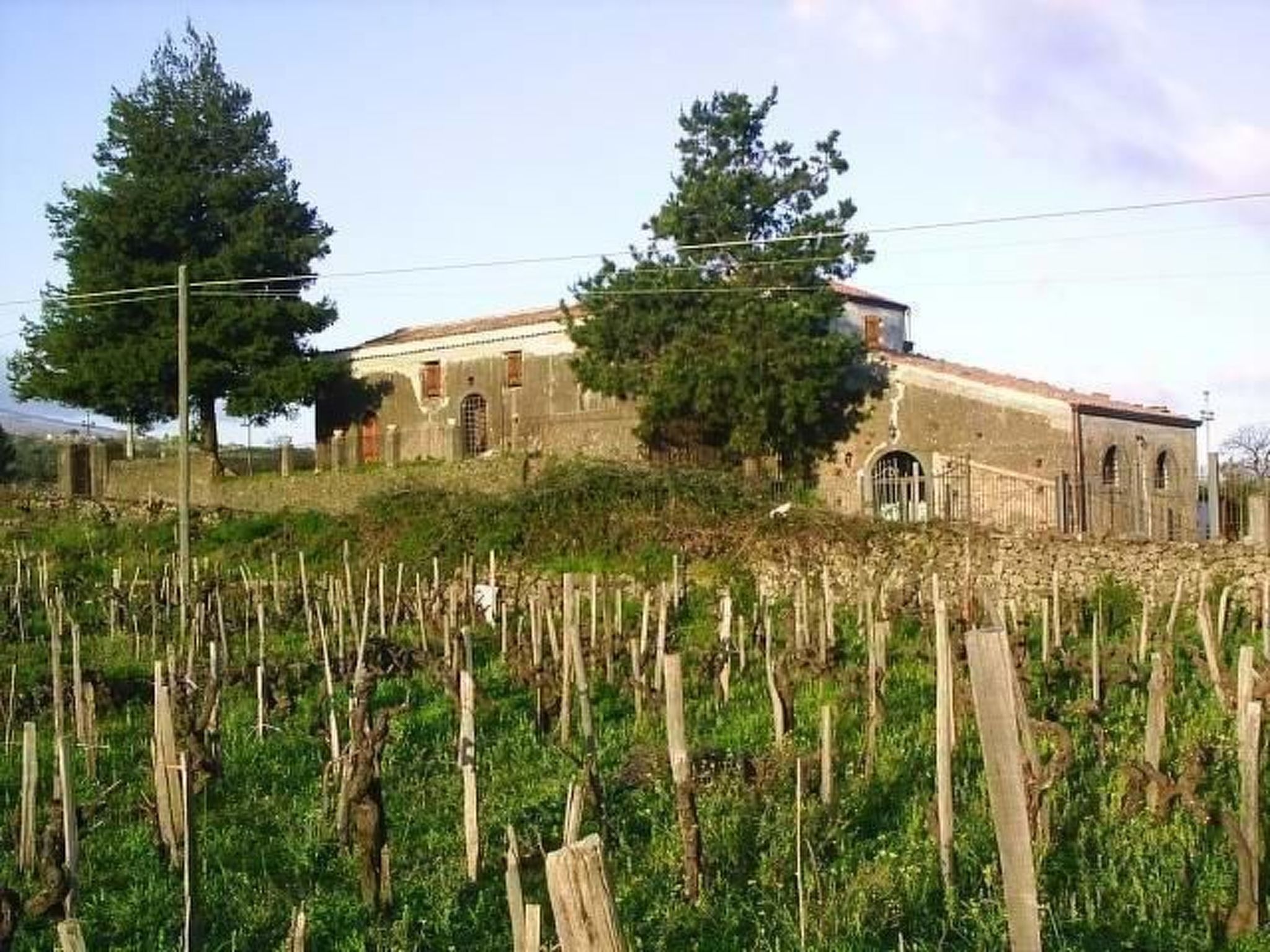
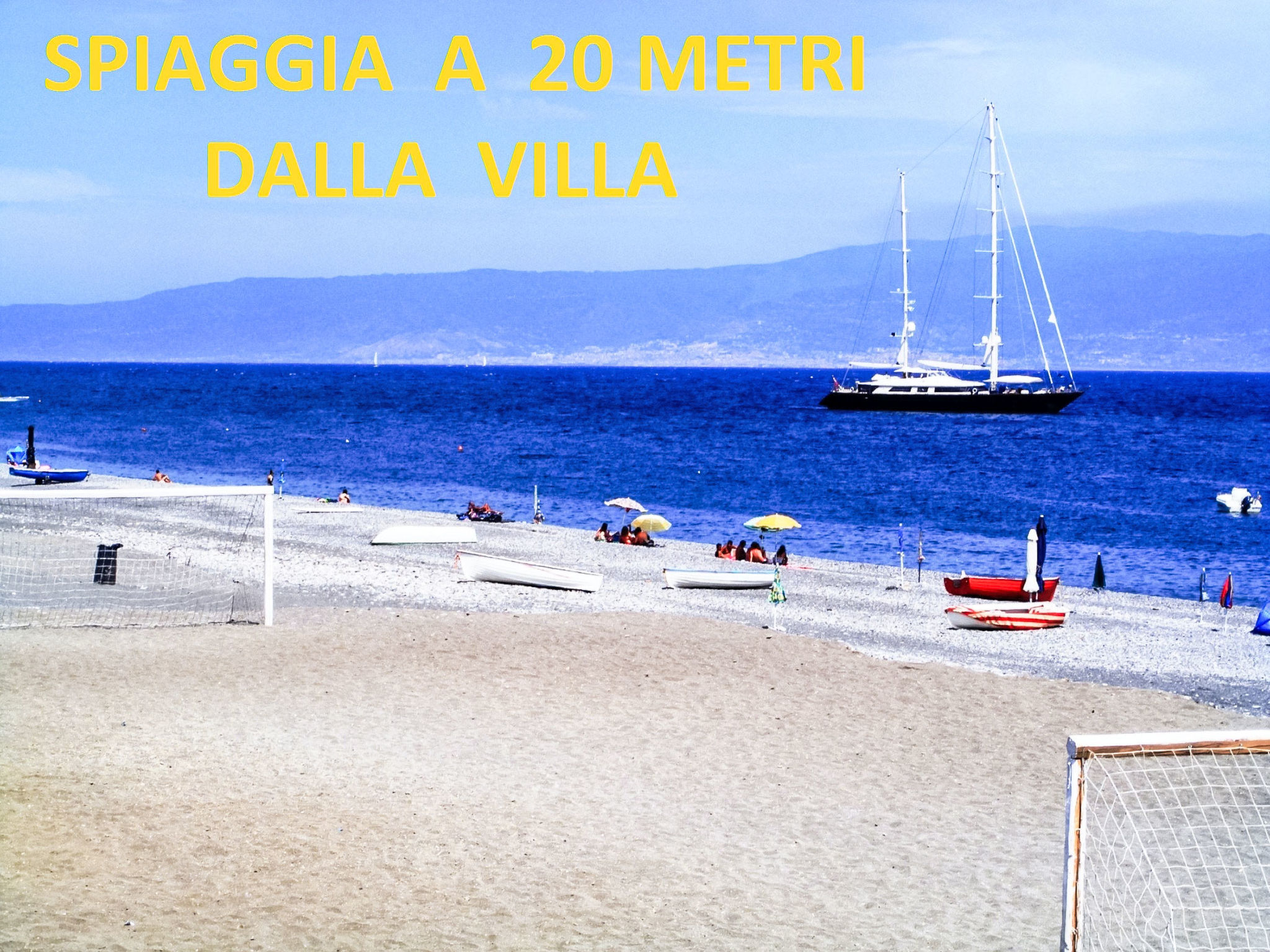
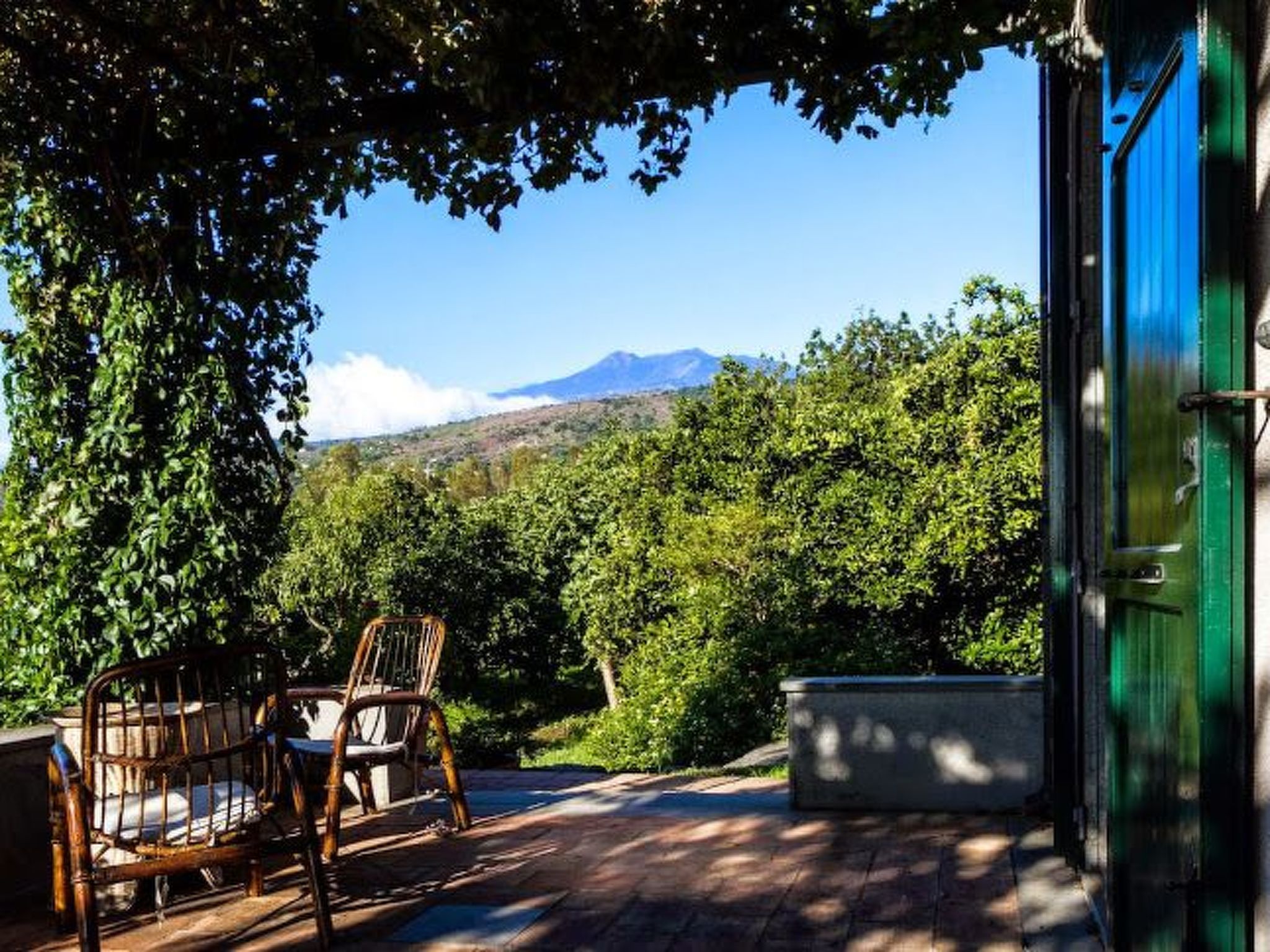
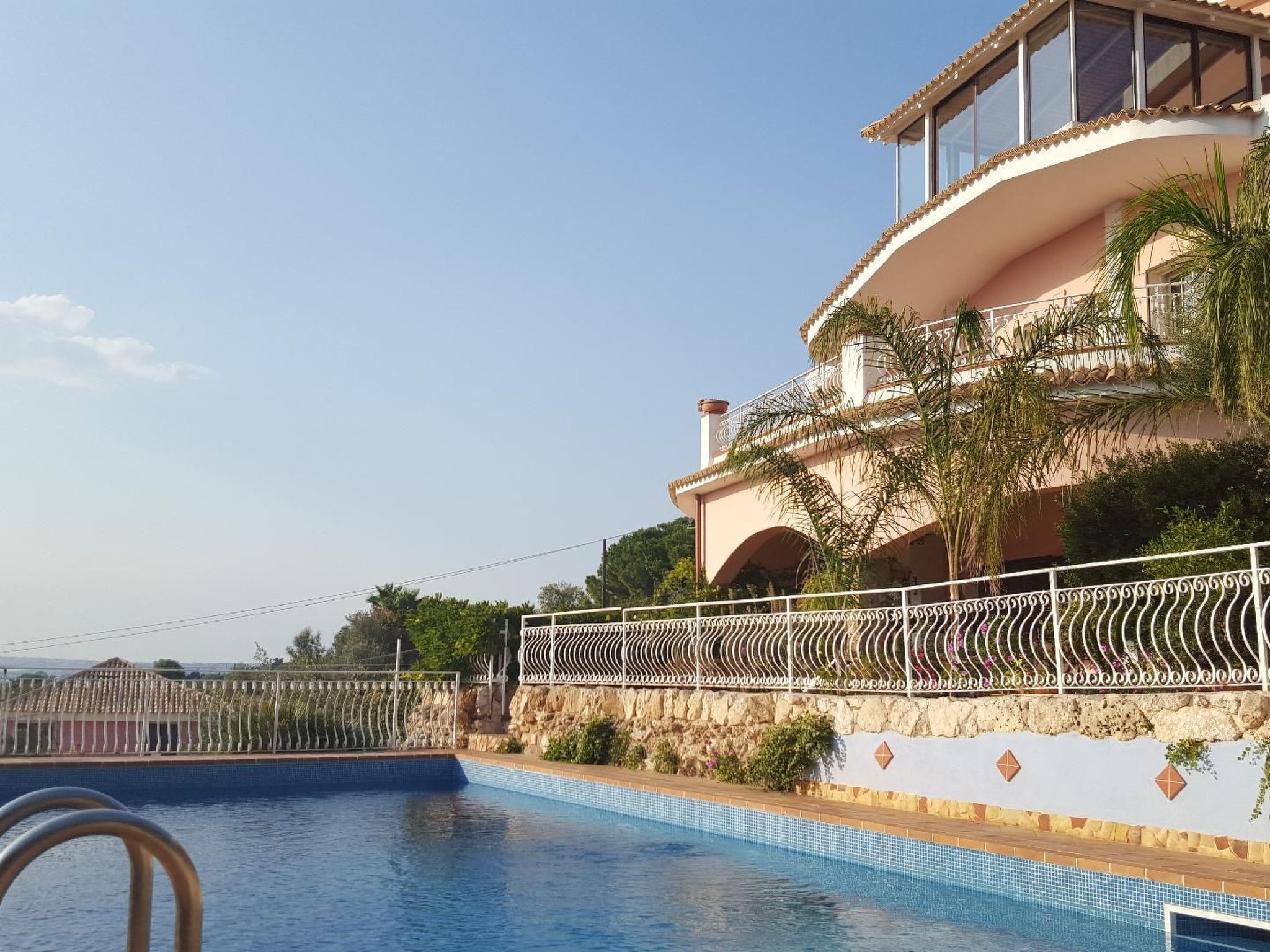
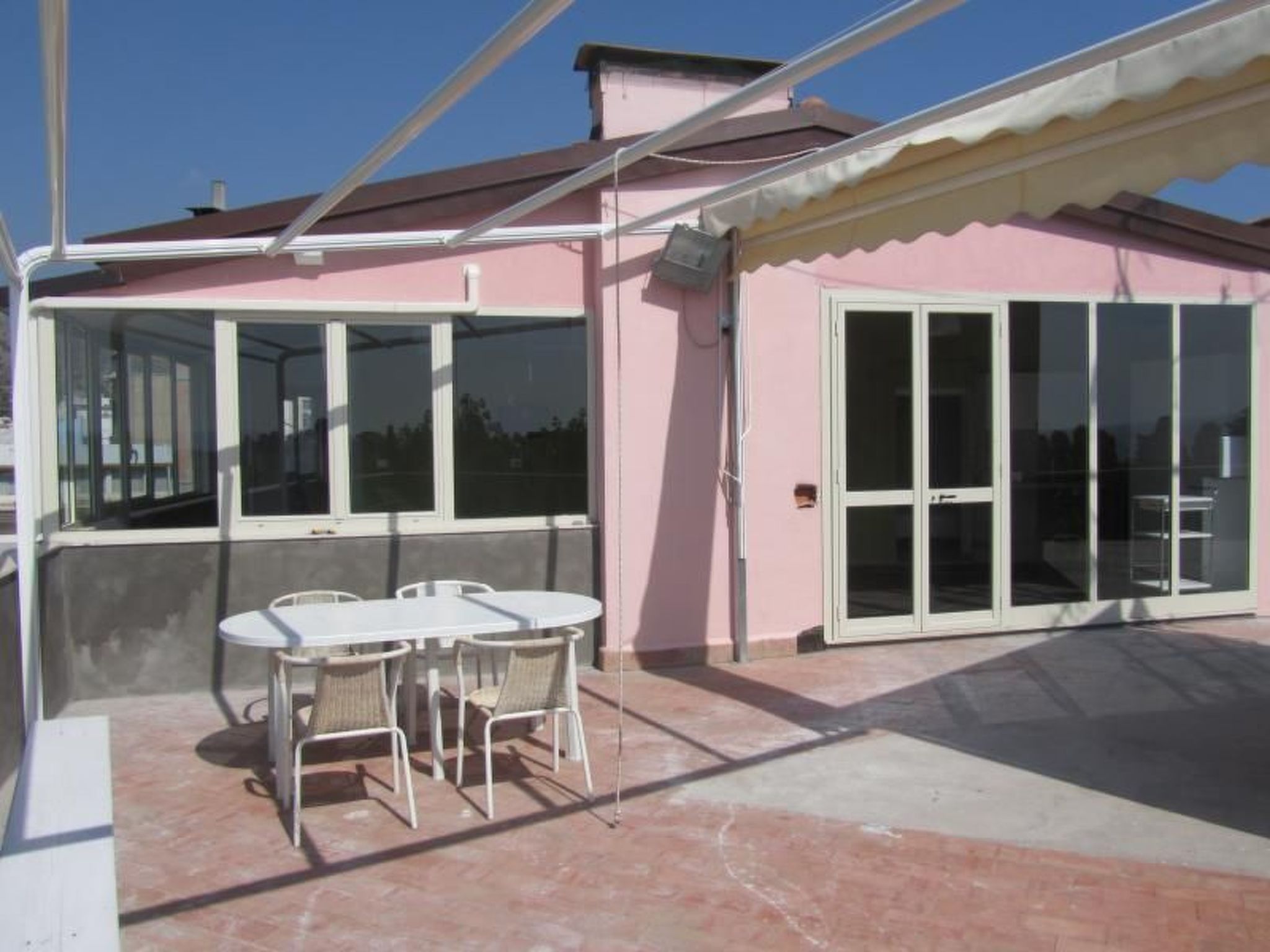
This is the area with the most villas on our site. Taormina has its ancient Greek theatre and a busy main street, with Castelmola perched above it. Villas on the lower slopes of Etna around Trecastagni, Mascali and Fiumefreddo have views of the volcano and the sea, and Acireale is a baroque town on the coast. Catania airport is around 30 minutes to an hour away.
Best for: Sightseeing, sea views and day trips up Mount Etna
Not for you if: You want sandy beaches on the doorstep: much of this coast is pebble or volcanic rock.
Castellammare del Golfo, Balestrate and San Vito lo Capo (north-west)
Castellammare del Golfo is a harbour town on a wide bay, close to the coves of Scopello and the Zingaro nature reserve, where beaches are reached on foot. San Vito lo Capo has one of Sicily's best-known sandy beaches. Balestrate and Alcamo Marina sit on long sandy shores. Palermo airport is around 20 minutes from Balestrate and 40 minutes from Castellammare.
Best for: Beach lovers who want coves, clear water and a short Palermo transfer
Not for you if: You want quiet beaches in August: San Vito lo Capo and Scopello get very busy.
Cefalù and the coast near Palermo (Campofelice di Roccella, Santa Flavia)
Cefalù is a medieval town with a Norman cathedral and a sandy beach right below the old centre, under a dramatic headland. Campofelice di Roccella has longer, quieter beaches to the west. Santa Flavia, near Palermo, is close to the fishing harbour of Porticello and the ruins of Solunto. Palermo airport is around an hour from Cefalù.
Best for: A pretty historic town with a beach, plus Palermo day trips
Not for you if: You want space on the beach in August: Cefalù's town beach is small and crowded in peak season.
The baroque south-east (Scicli, Modica, Marina di Ragusa, Marina di Modica, Cava d'Aliga)
The hill towns of Modica, Scicli and Ragusa are part of the UNESCO-listed late baroque towns of the Val di Noto, and Modica is known for its chocolate. Below them, Marina di Ragusa, Marina di Modica and Cava d'Aliga have sandy beaches and gently shelving water, making this one of Sicily's best family coasts. It is quieter than the east coast.
Best for: Families and food lovers who want sandy beaches and baroque towns
Not for you if: You want a short airport transfer: Catania is around an hour and a half away.
Syracuse and its coast (Siracusa, Fontane Bianche, Calabernardo, Avola)
Siracusa's island old town, Ortigia, has Greek and baroque layers, markets and seafront restaurants, and the city's archaeological park has a large Greek theatre. Fontane Bianche has a white-sand beach with clear water. Calabernardo is a small seaside village near Noto and the Vendicari nature reserve. Catania airport is around 45 minutes to an hour away.
Best for: History plus easy beaches
Not for you if: You want somewhere undiscovered: Ortigia and Fontane Bianche are busy in summer.
The south-west (Sciacca, Menfi, Marsala)
Sciacca is a fishing port and spa town with ceramic workshops, and Menfi has long sandy beaches and vineyards behind them. Marsala is famous for its fortified wine and the salt pans along the coast towards Trapani. The Valley of the Temples at Agrigento is around an hour from Sciacca. Trapani airport is around 20 minutes from Marsala; Palermo is around an hour and a half from Sciacca.
Best for: Value, wine and access to the Valley of the Temples
Not for you if: You want lots going on in the evening: this is a quieter, more rural coast.
The islands (Lipari, Malfa on Salina, Pantelleria) and Gioiosa Marea
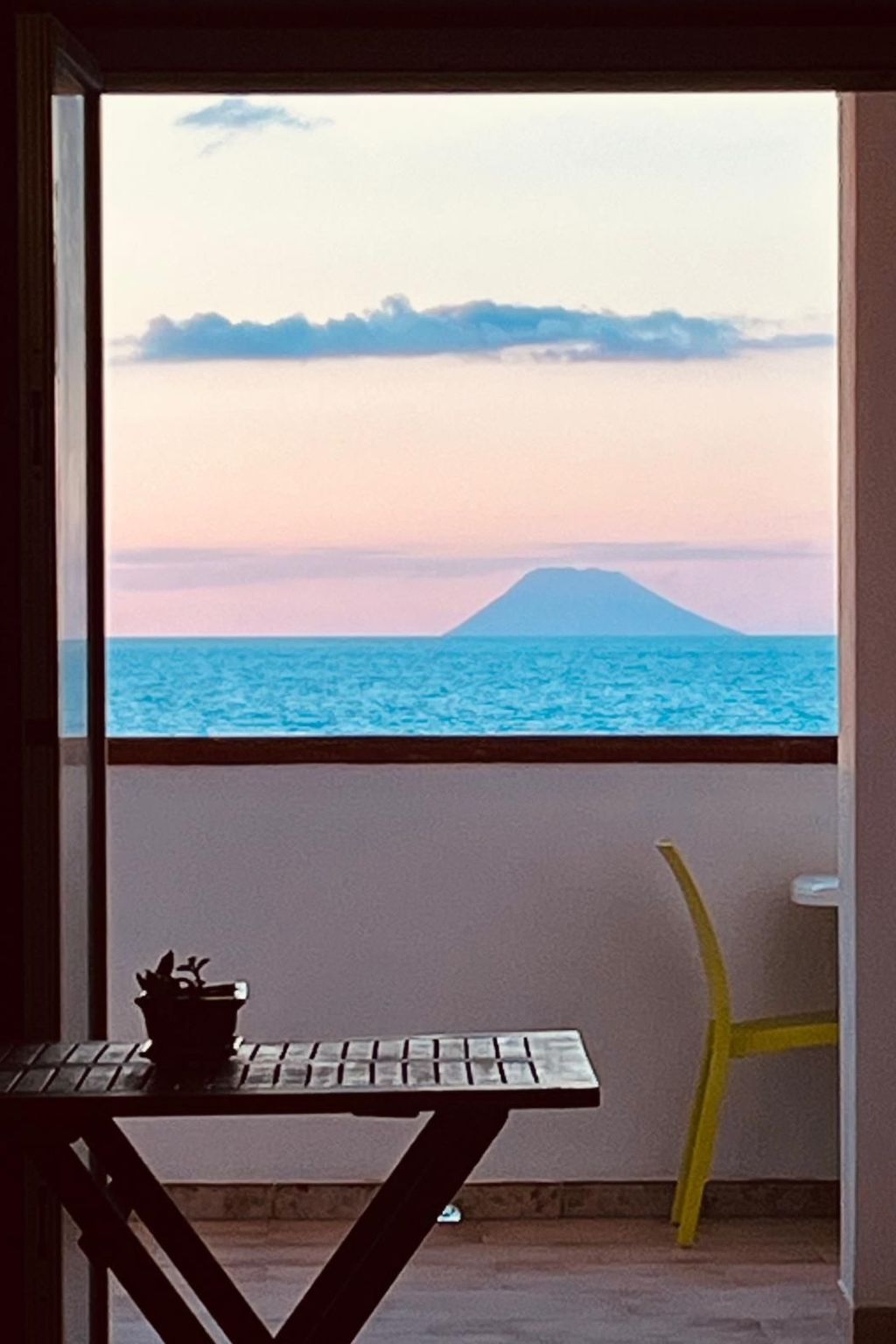
Lipari is the main Aeolian island, and Malfa on Salina is quieter and greener. Hydrofoils from Milazzo take around an hour to Lipari, and longer to Salina, with fewer sailings outside summer. Gioiosa Marea, on the mainland coast facing the Aeolians, is an easier base for day trips. Pantelleria, far to the south-west, is reached by short flights from Palermo or Trapani.
Best for: Island hopping, boat days and volcanic scenery
Not for you if: You want easy travel days: reaching the islands adds a ferry or a second flight.