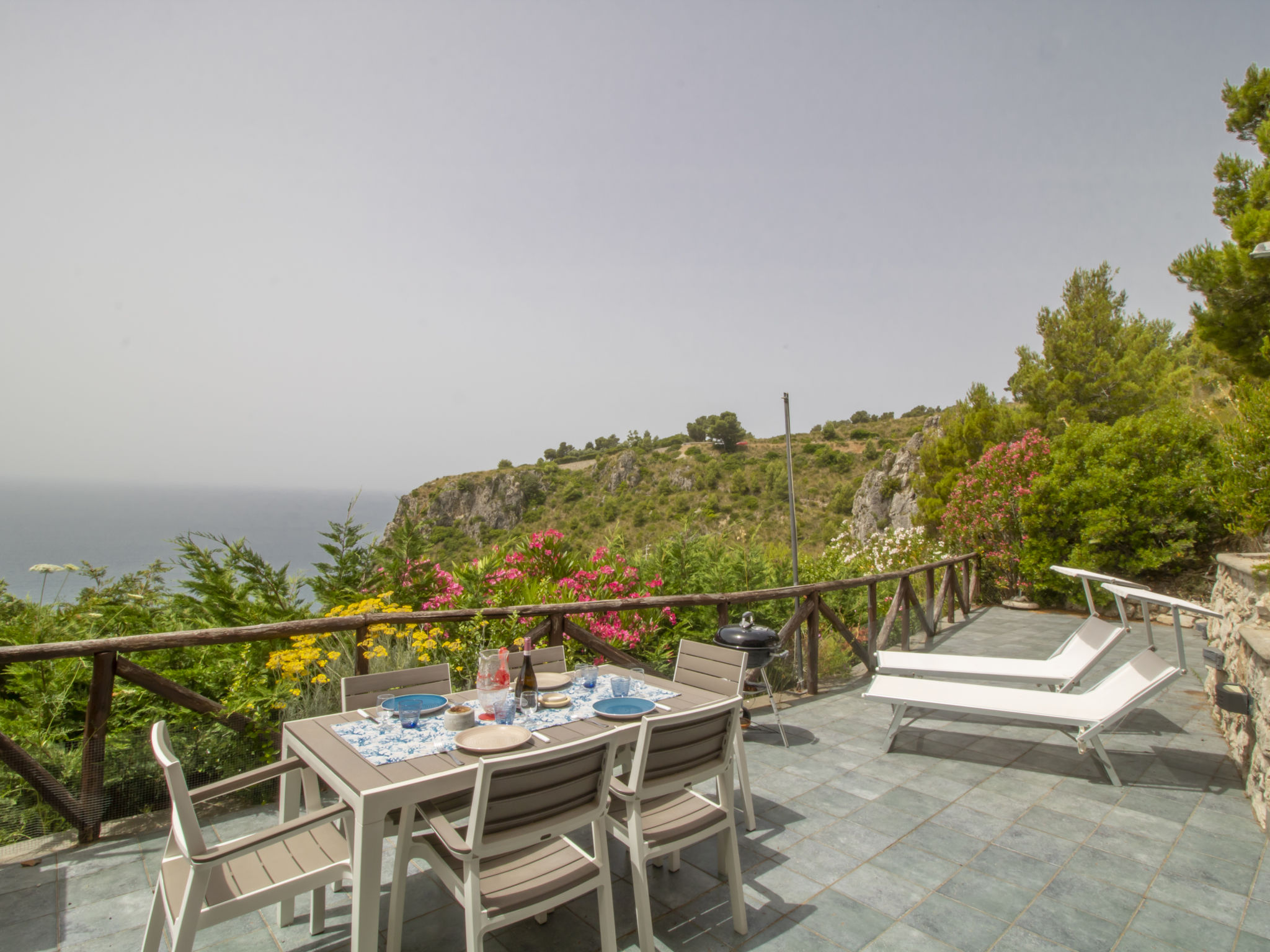
Sperlonga and Itri
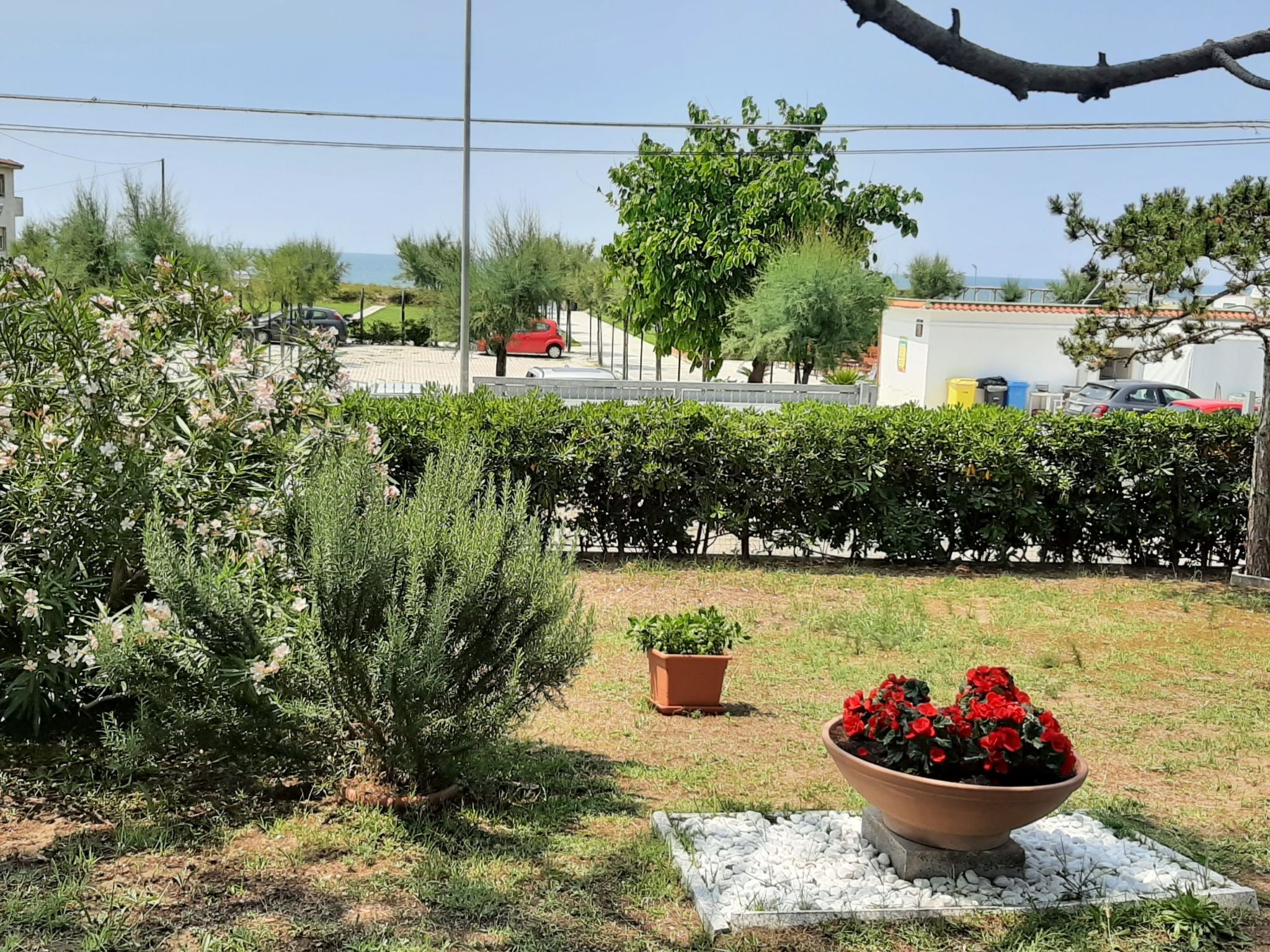
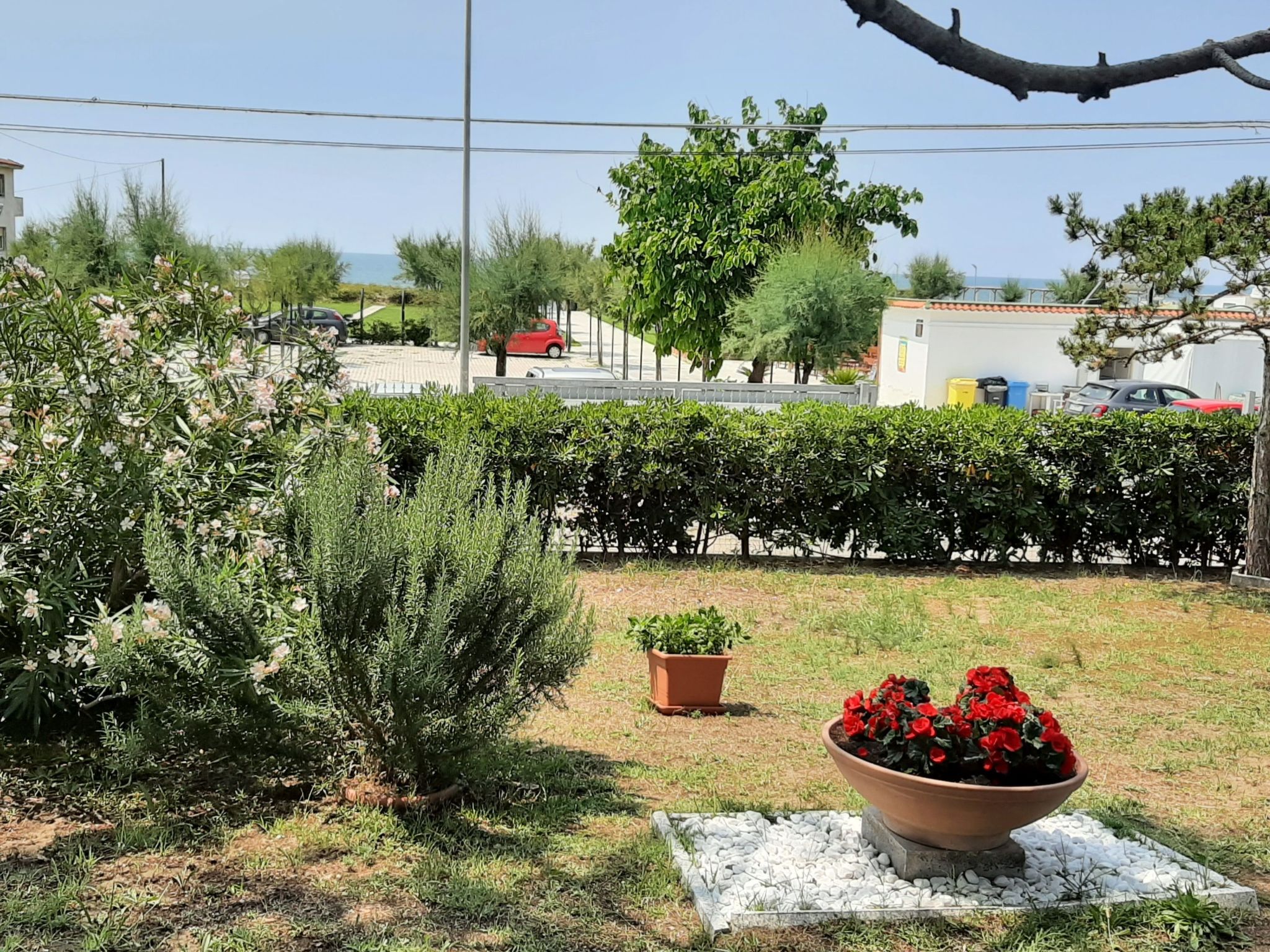
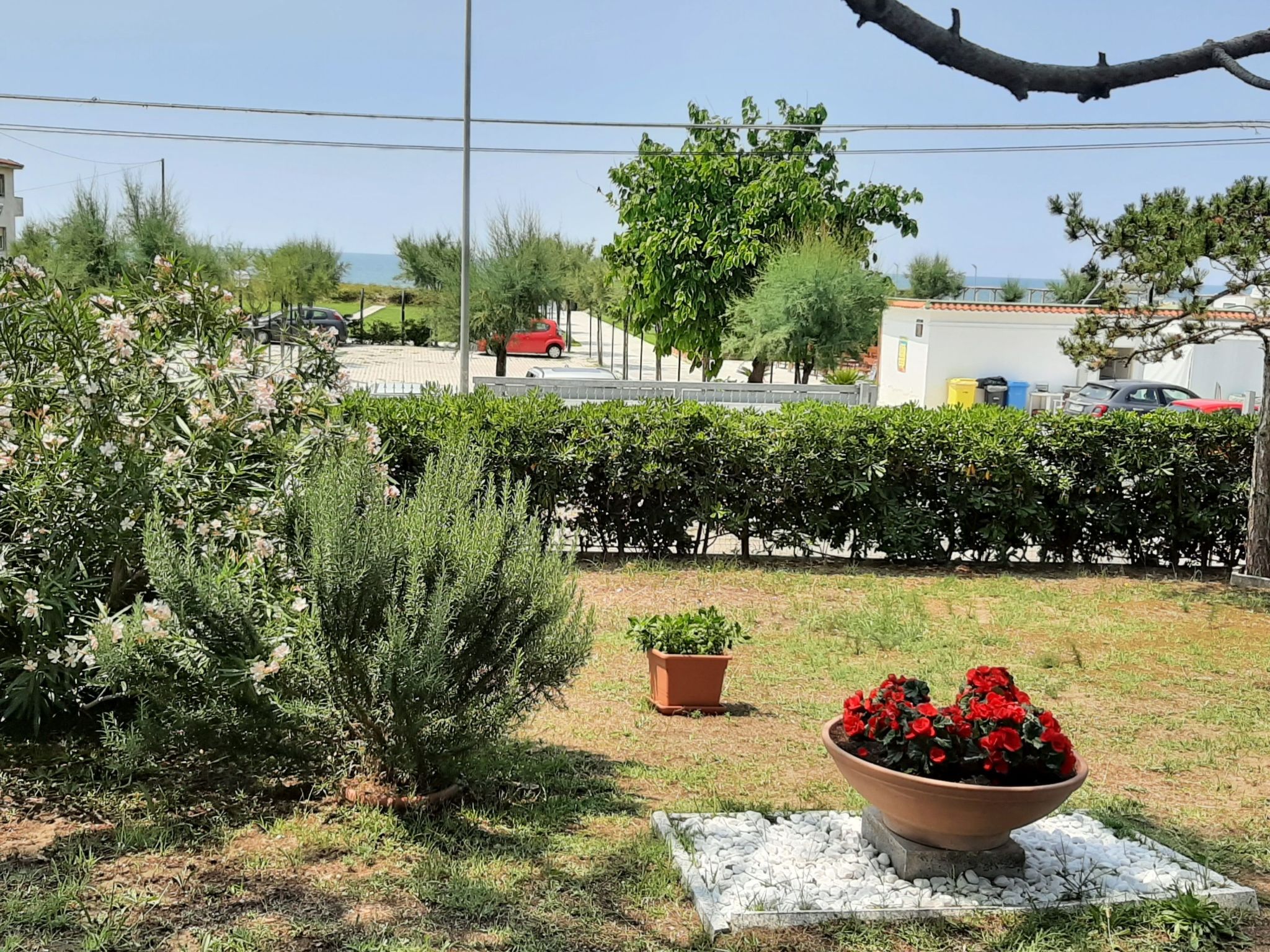
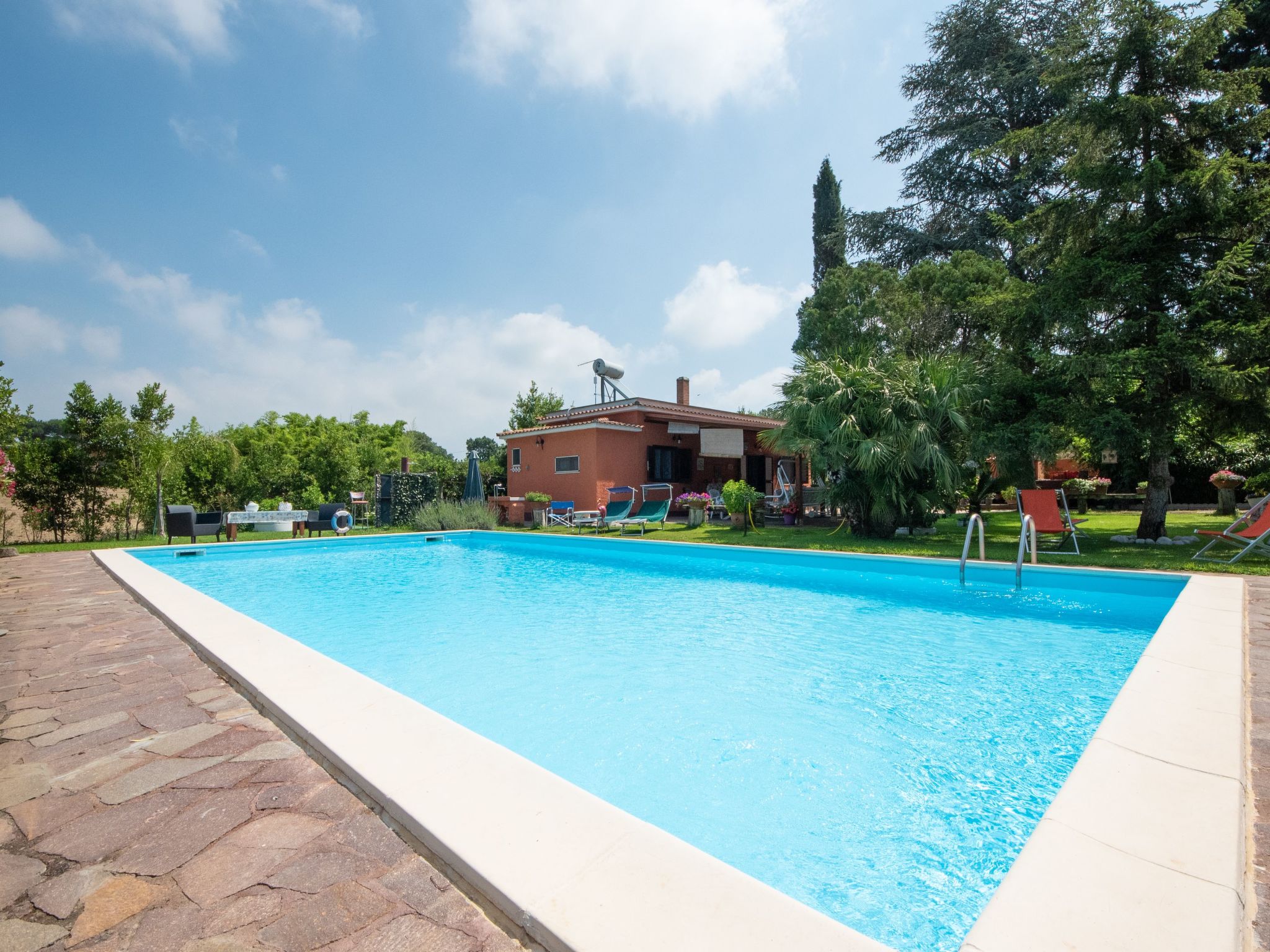
Sperlonga is where most of our houses on this coast are. The whitewashed old town sits on a spur between two long sandy beaches, and at its southern end are the remains of the Emperor Tiberius's seaside villa, with a museum of the sculptures found in its grotto. Itri is a hill town about 15 minutes inland, with more space and lower prices. Naples airport is around an hour and a half away, Fiumicino about two hours.
Best for: Families who want long sandy beaches below a hilltop old town
Not for you if: You want quiet August weekends: day-trippers from Rome and Naples pack the beaches and the car parks.
Gaeta, Formia, Minturno and Spigno Saturnia (Riviera di Ulisse)
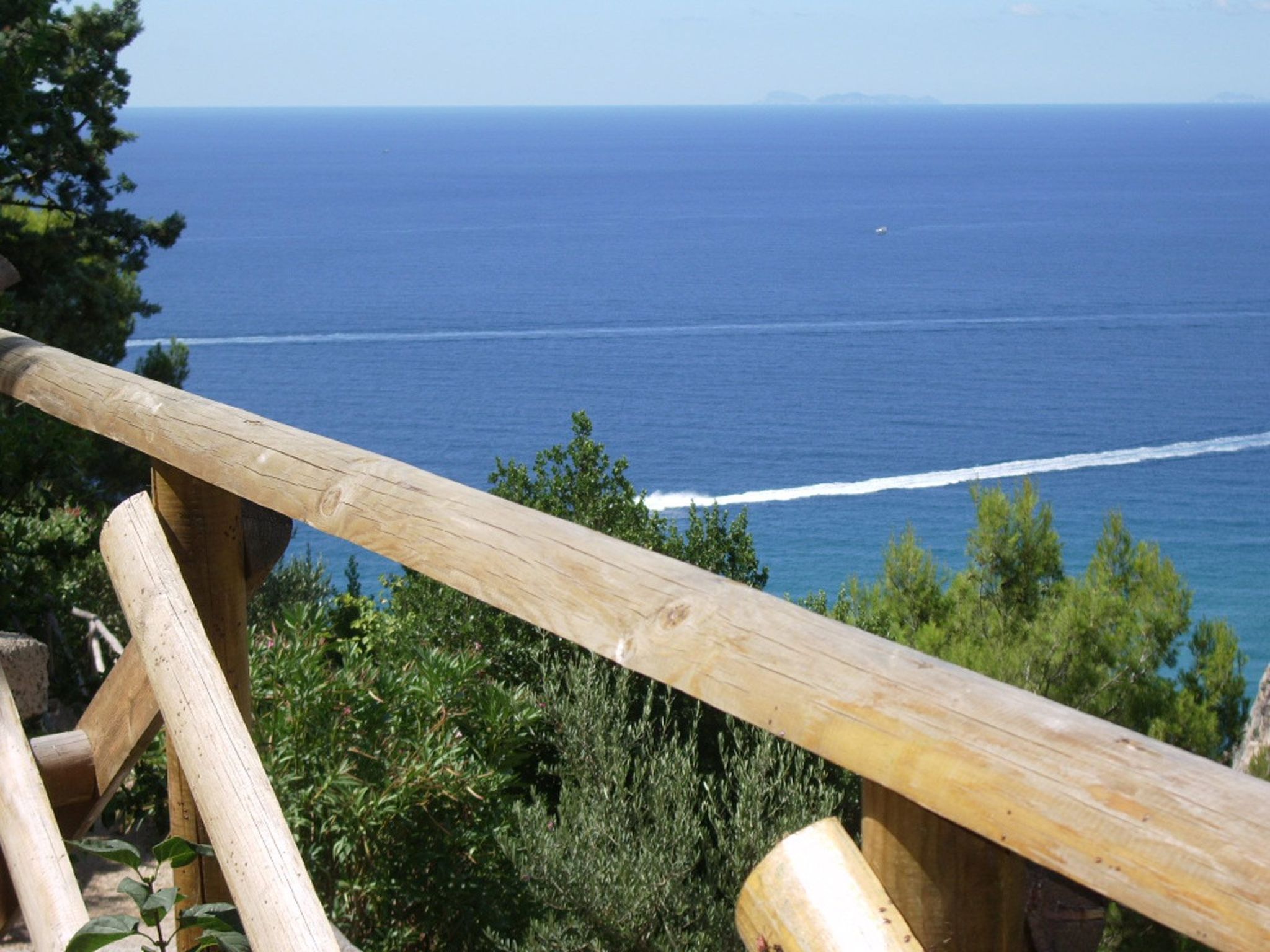
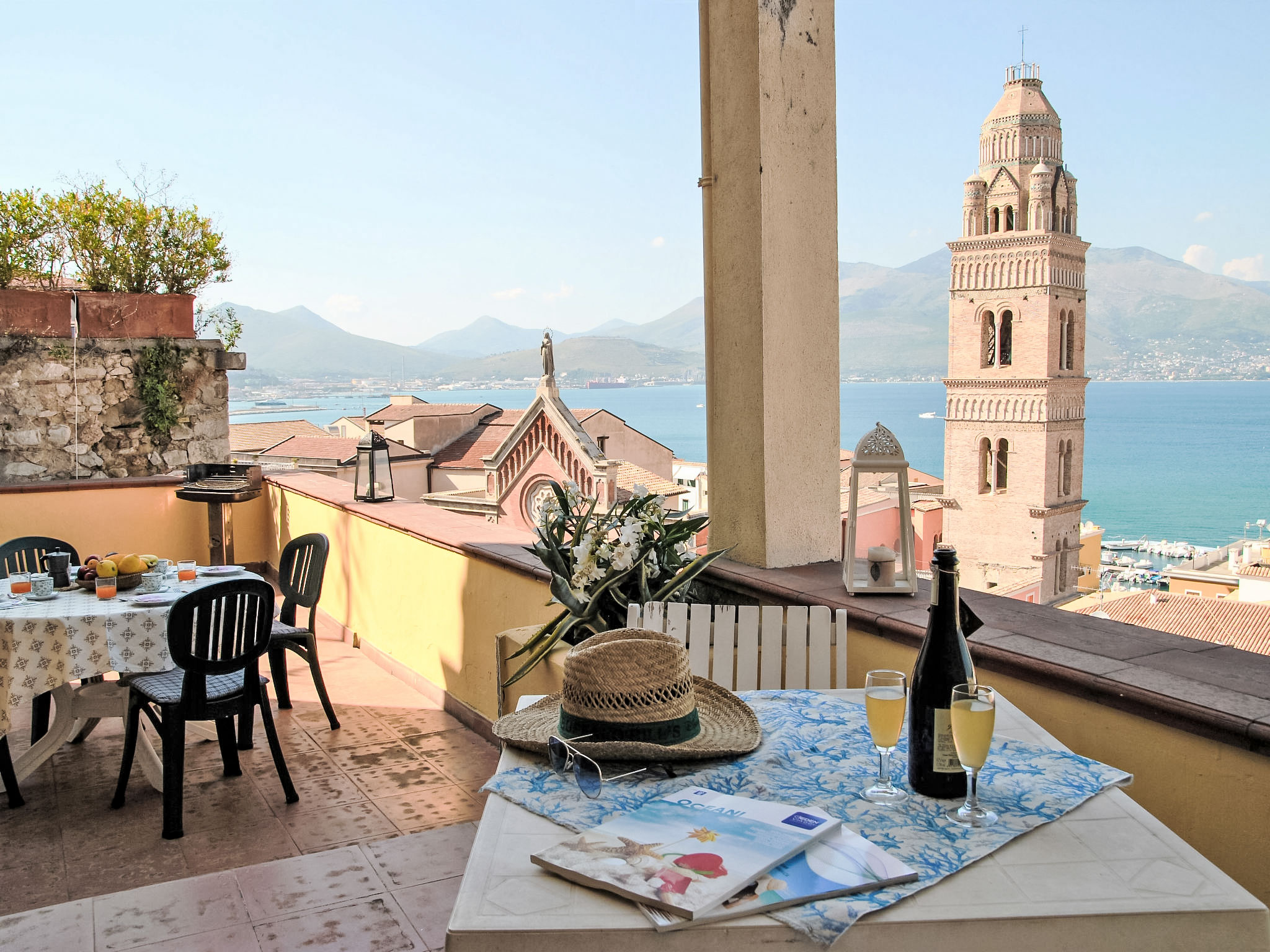
Gaeta's old town sits on a headland with Serapo beach on one side and the Montagna Spaccata, a cliff split by a deep fissure, on the other. Ferries for Ponza and Ventotene leave from Formia's harbour. Minturno has the excavated Roman town of Minturnae and the sandy beach at Scauri, and Spigno Saturnia is a small hill village above it. Naples airport is around an hour and a quarter away.
Best for: Island trips to Ponza and Ventotene, and a working town base
Not for you if: You want a polished resort: Formia is a busy port town with heavy traffic on the coast road.
Terracina, San Felice Circeo, Sabaudia and Latina (the Circeo coast)
Terracina has a Roman temple of Jupiter on the hill above town and a long beach below. The Circeo national park takes in the forested headland of Monte Circeo, coastal lakes and the long dune-backed beach in front of Sabaudia, a planned 1930s town. Latina is a larger, mostly modern town inland. Terracina also has summer ferries to Ponza. Fiumicino is around an hour and three quarters away, Ciampino a little closer.
Best for: Walkers and beach lovers who want dunes and a national park
Not for you if: You need shade on the beach: the Sabaudia dunes are open and exposed, with lidos only in places.
Anzio, Nettuno, Ardea and Torvaianica (south of Rome)
Anzio and Nettuno are harbour towns with fish restaurants, sandy beaches and the Allied war cemeteries from the 1944 landings. Trains from Anzio and Nettuno reach Roma Termini in around an hour. Ardea and Torvaianica, closer to the city, are mainly holiday homes behind wide beaches. Summer ferries from Anzio go to Ponza. Fiumicino and Ciampino airports are both under an hour away.
Best for: Combining beach days with trains into Rome
Not for you if: You want an attractive stretch of coast: much of it is suburban, with apartment blocks behind the beach.
Lido di Ostia, Castel Fusano and Fiumicino (Rome's coast)
Ostia is Rome's seaside suburb, linked to the city by the Roma-Lido train from Piramide in about half an hour. The pine woods of Castel Fusano back the beach to the south, and the ruins of Ostia Antica, Rome's ancient port, are better preserved than many visitors expect. Fiumicino is a fishing town with good seafood next to the airport, which is 15 to 30 minutes from any of these.
Best for: A beach base that is also a train ride into Rome
Not for you if: You want clean, quiet sand: Ostia's beaches are dark, packed with paid lidos and very busy at weekends.
Santa Marinella, Cerveteri, Tarquinia and Marina di Montalto (north of Rome)
Santa Marinella has small sandy coves and the castle of Santa Severa on the beach just north. Cerveteri and Tarquinia are known for their Etruscan necropolises, Tarquinia's with painted burial chambers. Marina di Montalto, further north towards Tuscany, is near the Etruscan site of Vulci. We have only scattered houses here. Fiumicino is 40 minutes to an hour and a quarter away.
Best for: Etruscan tombs with a beach afterwards
Not for you if: You want white sand: beaches here are grey volcanic sand or rock.