Villas in Puerto de la Cruz
Puerto de la Cruz is an old resort town on Tenerife's north coast, with black-sand beaches and Manrique's seawater pools. Tenerife North airport is only about 18 minutes away by car, but if you want pale sand, look elsewhere.
- Villas
- 32
- From, per week
- £368
About Puerto de la Cruz
Puerto de la Cruz began as a fishing village and became the island's most important port after a volcanic eruption destroyed Garachico in 1706. British visitors started coming in winter in the mid-1800s to ease lung and skin complaints. Our homes are close together, within about 2 km of one another. Fewer than half have a private pool, few have air conditioning, and most are small, sleeping two to four. The beaches are black volcanic sand: Playa Martiánez sits below the cliff beside Lago Martiánez, and Playa Jardín is the largest. Evenings centre on the bars and restaurants around Plaza del Charco, in the old warehouses and trading houses on the coastal walk between the two.
Is Puerto de la Cruz right for you?
- Best for
- Couples and small families who want a walkable town, with the airport close
- Not for you if
- You want pale sand, because the town beaches are black volcanic sand.
Near Puerto de la Cruz
La Orotava
The town about 4 km southeast, in the Orotava valley where British winter visitors stayed from the mid-1800s.
Loro Parque
A well-known park and zoo on the outskirts of Puerto de la Cruz.
Garachico
The old port destroyed by the 1706 eruption, which is why Puerto de la Cruz took over its trade.
Santa Cruz de Tenerife
The island capital, about 30 km east of Puerto de la Cruz.
Getting to Puerto de la Cruz
Tenerife North airport is the nearest, around 18 minutes by car. The TITSA line 30 bus runs from the airport about every 30 minutes and takes around half an hour. Most of the town can be walked, but a car helps for Teide, the south and the villages inland.
When to go to Puerto de la Cruz
British visitors have wintered here since the mid-1800s, and Northern Europeans still come mainly in winter for the mild climate. The seawater pools at Lago Martiánez are open all year. Carnival is held every year with Ash Wednesday in the middle. On 16 July the Virgen del Carmen boat procession turns into the Fiesta del Agua. Summers are hot and dry, and August brings the most Spanish visitors.
Villas in Puerto de la Cruz

3-star property
Yubal IV
Puerto de la Cruz, Tenerife, Spain
6
3
0
MicrowaveWashing MachineFridge+5 more
from£155
per night
Punto Fijo
Puerto de la Cruz, Tenerife, Spain
6
3
0
DishwasherWashing MachineInternet+5 more
from£143
per night
3-star property

3-star property
Yubal III
Puerto de la Cruz, Tenerife, Spain
4
2
0
MicrowaveWashing MachineFridge+4 more
from£87
per night
3-star property
Yubal I
Puerto de la Cruz, Tenerife, Spain
2
1
0
MicrowaveWashing MachineFridge+4 more
from£101
per night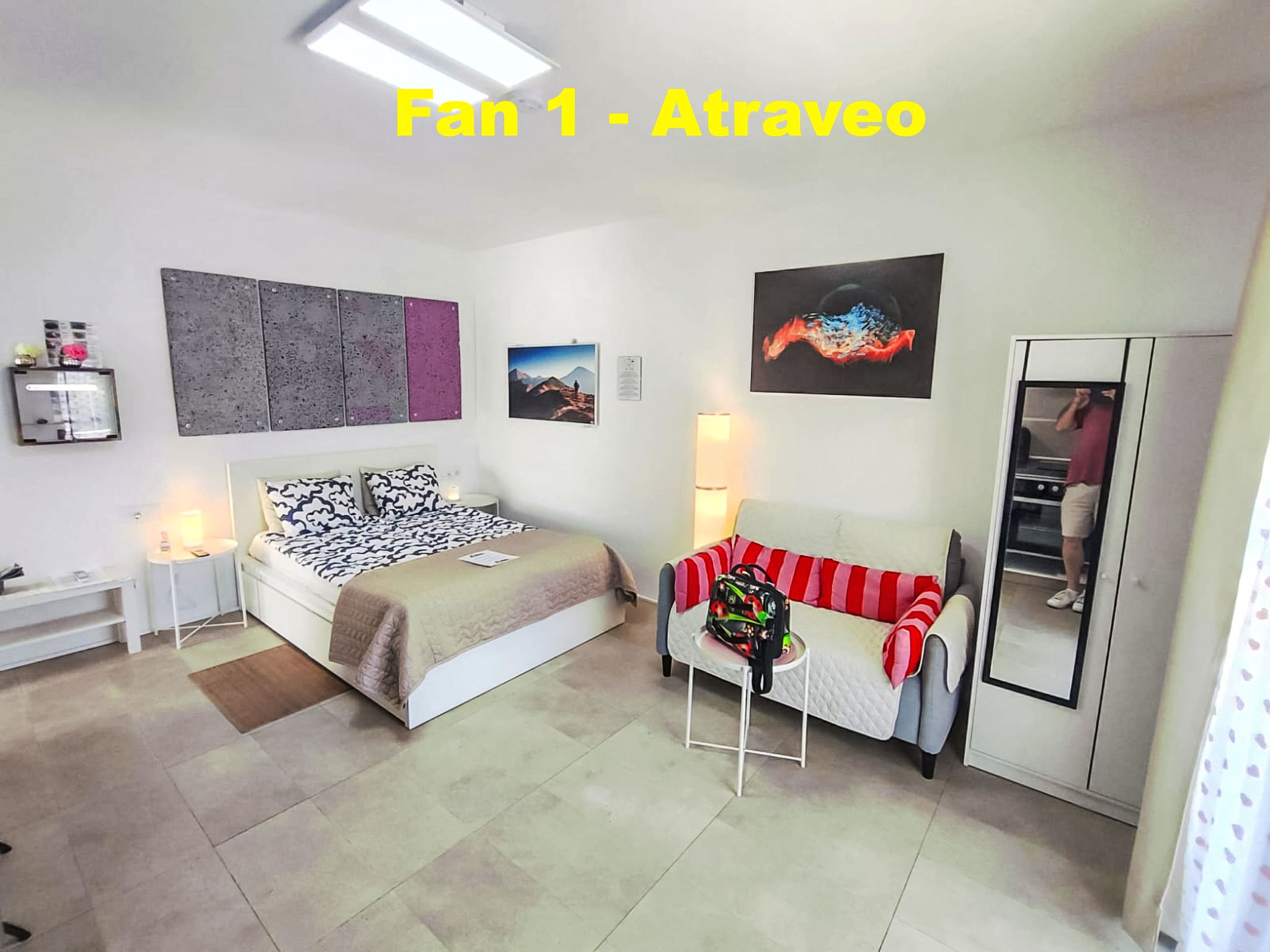
Home, Puerto de la Cruz
Puerto de la Cruz, Tenerife, Spain
2
0
0
FridgeWiFiAir Con+9 more
from£116
per night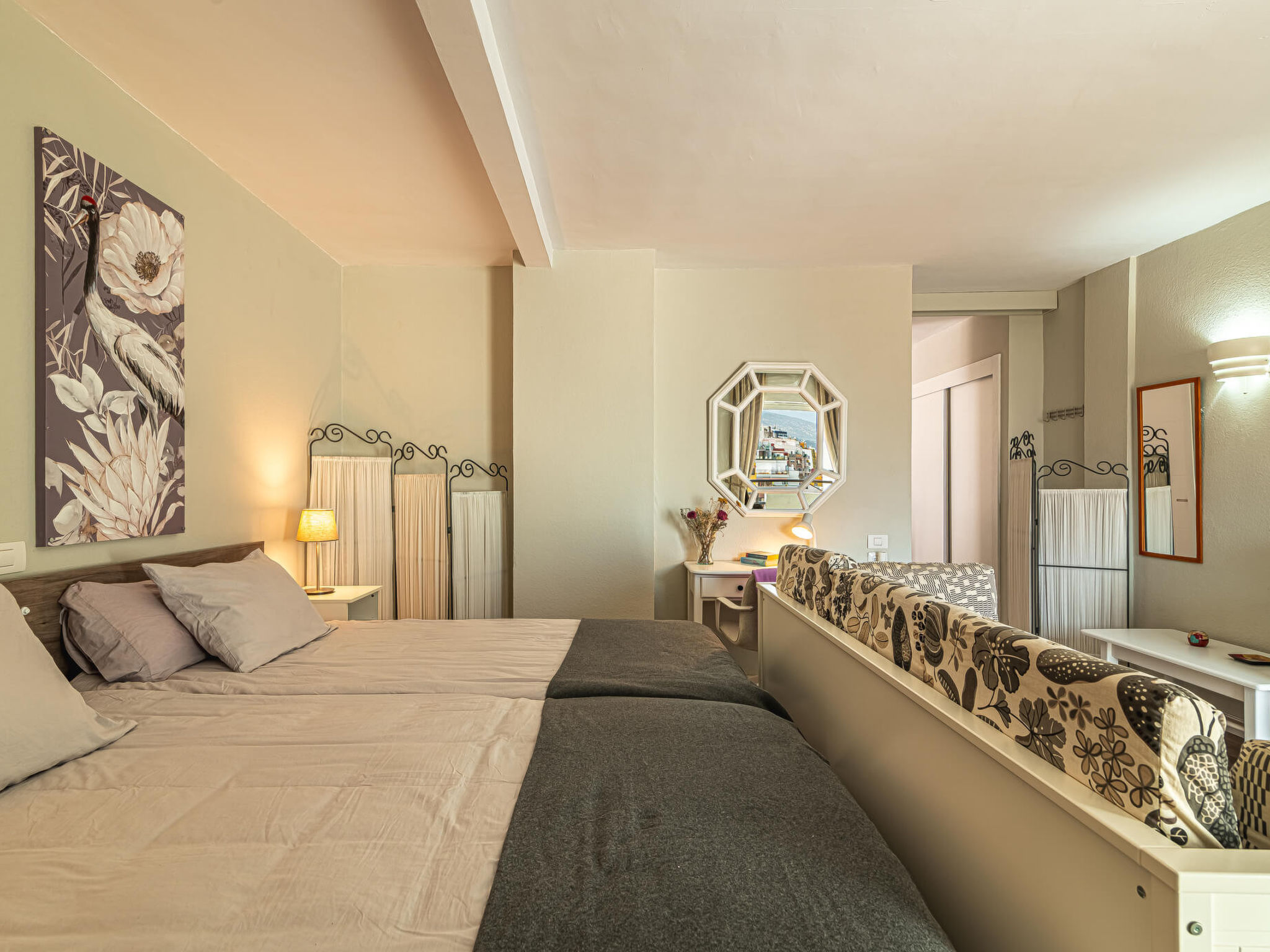
1-Bedroom Home, Puerto de la Cruz
Puerto de la Cruz, Tenerife, Spain
3
1
0
MicrowavePoolWashing Machine+5 more
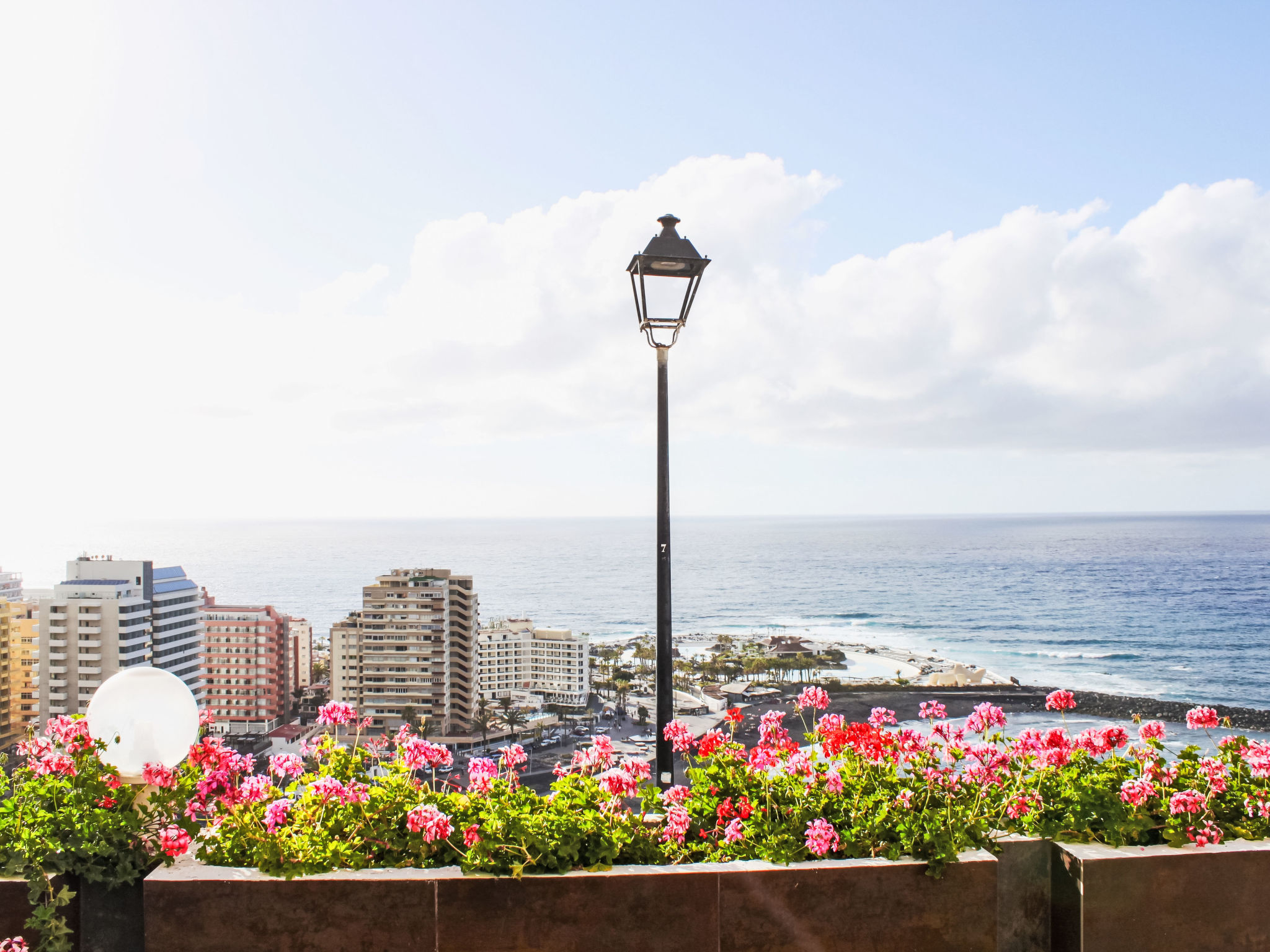
Ikarus Sunset
Puerto de la Cruz, Tenerife, Spain
3
1
0
DishwasherParkingPool+7 more
from£155
per nightPuerto de la Cruz villa holidays: questions answered
Is the beach in Puerto de la Cruz sand or pebble?
Black sand. Playa Martiánez is a black-sand beach at the foot of the Martiánez cliff, and Playa Jardín is the largest, made of black-sand coves. San Telmo has a small beach and natural pools.
What is Lago Martiánez in Puerto de la Cruz?
It is a set of saltwater pools designed by the Canarian architect César Manrique, opened in 1971 and reopened in 2006 after renewal. The pools are open all year, beside Playa Martiánez.
Is Puerto de la Cruz good in winter?
Yes. British visitors began wintering here in the mid-1800s, and Northern Europeans still come mainly in the winter months for the mild climate. The Lago Martiánez pools stay open all year.
Is Puerto de la Cruz walkable?
Largely yes. Our homes lie within about 2 km of one another, and the harbour, Plaza del Charco, Lago Martiánez and the beaches are all in the town. Loro Parque is on the outskirts, so you need a bus or car.
Why do so many British visit Puerto de la Cruz?
British visitors began coming in the mid-1800s to ease lung and skin conditions, and the banana trade strengthened the link. The English Library from 1903 and All Saints' Church from 1891 are still in town.
Nearby towns to Puerto de la Cruz
Written by the TrustedVillas team. Last reviewed October 2026.
Find Your Perfect Villa in Puerto de la Cruz
Our villa experts are here to help you find the ideal property for your vacation. Contact us for personalized recommendations.