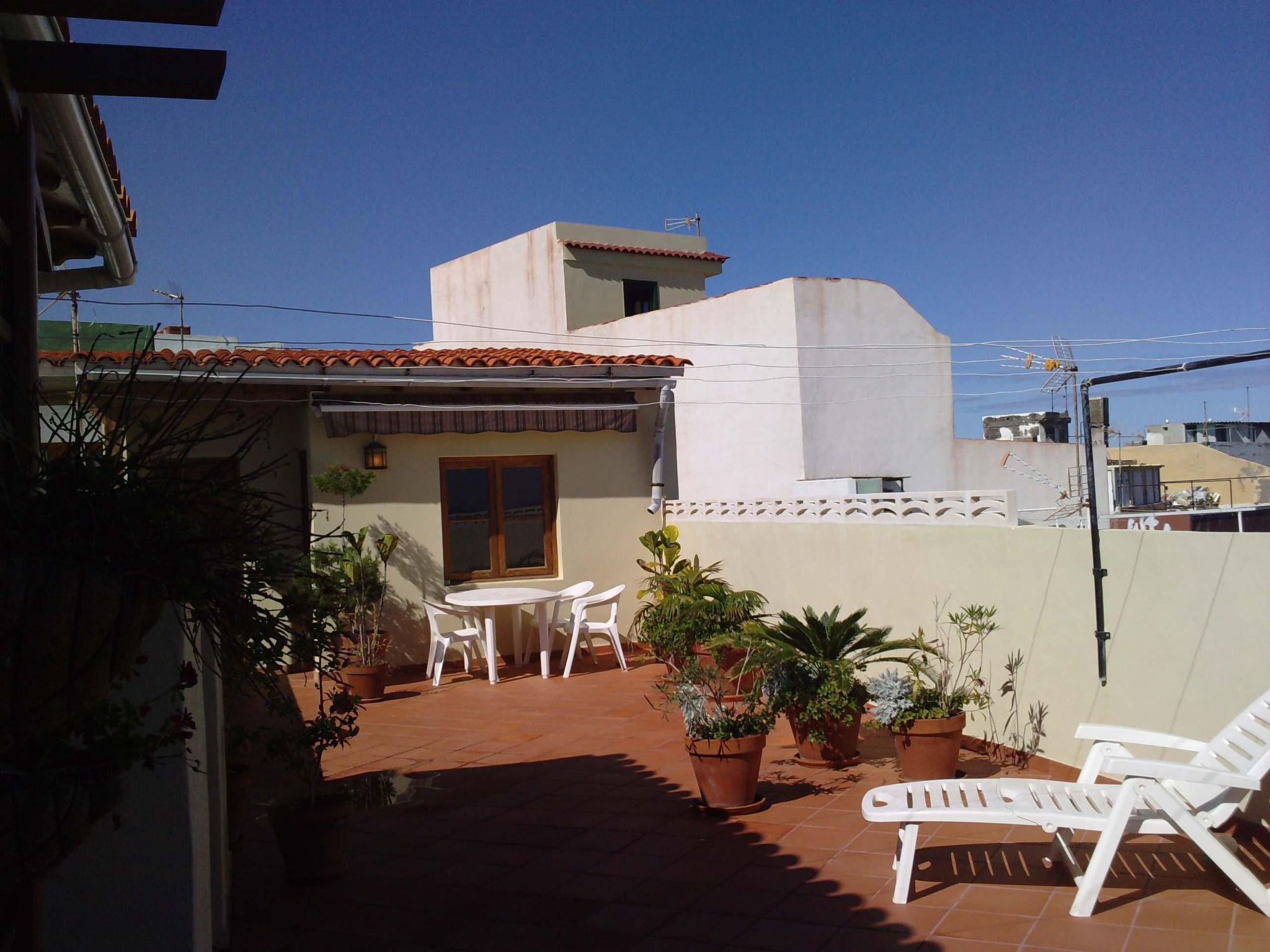
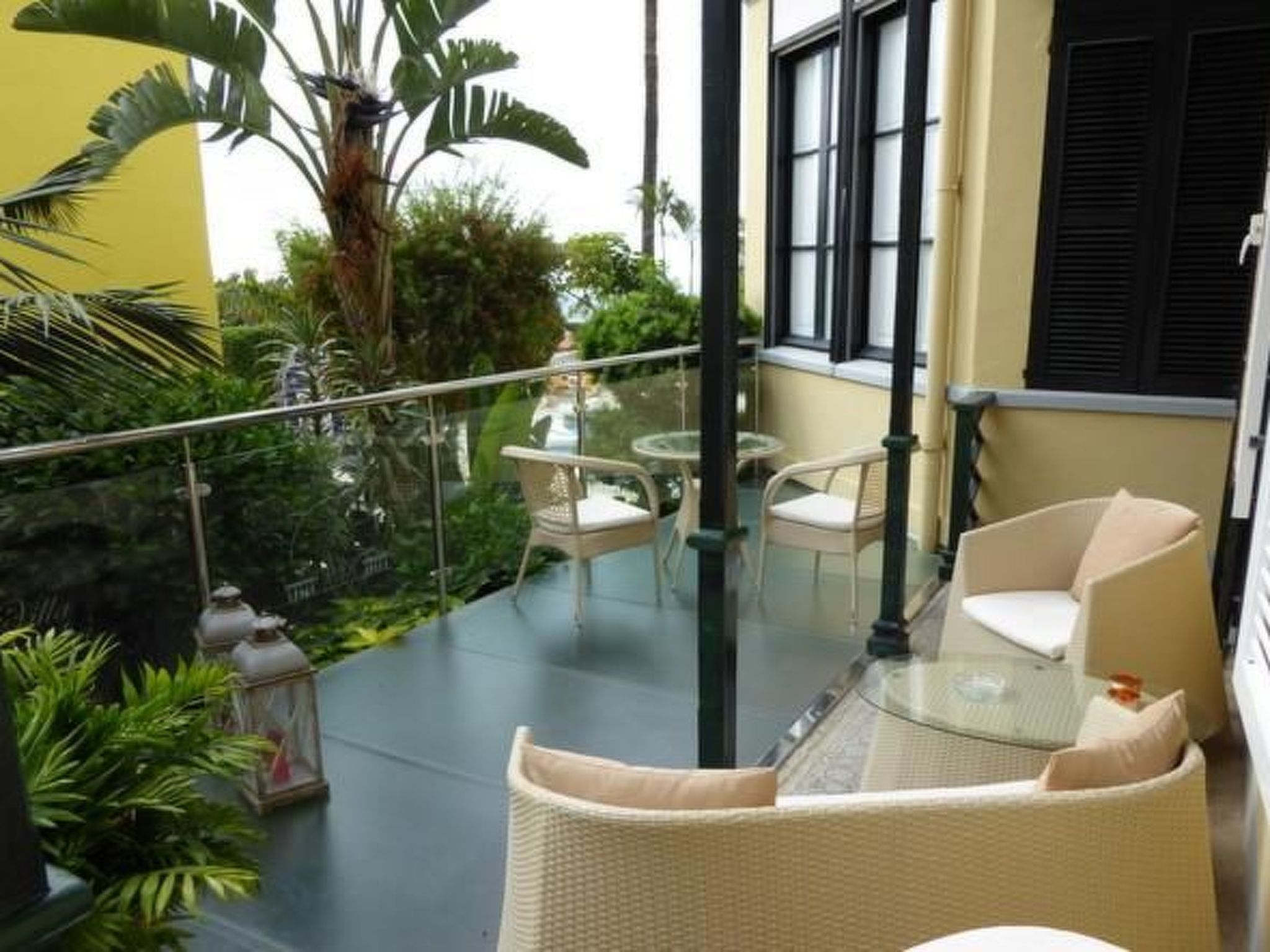
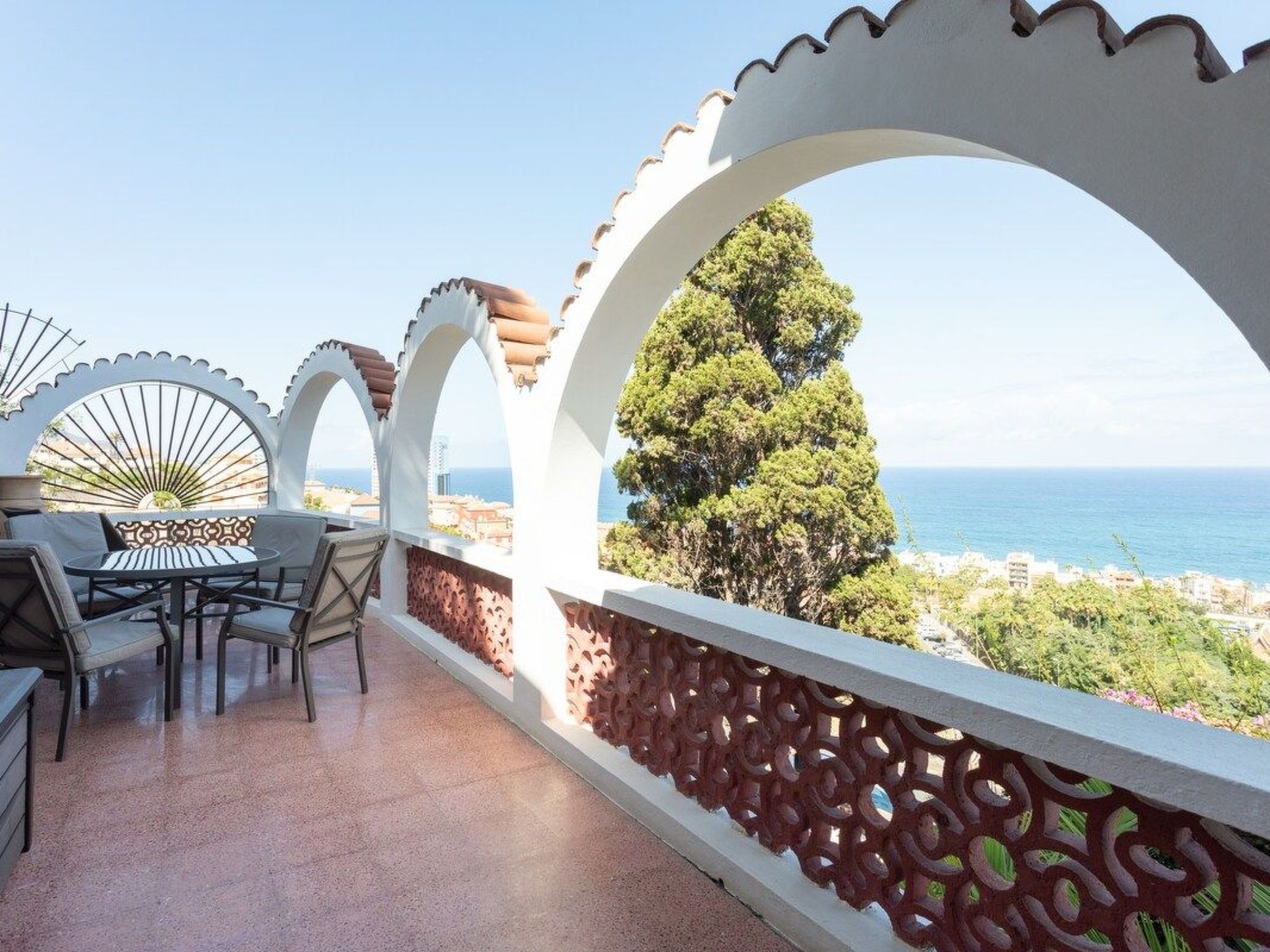
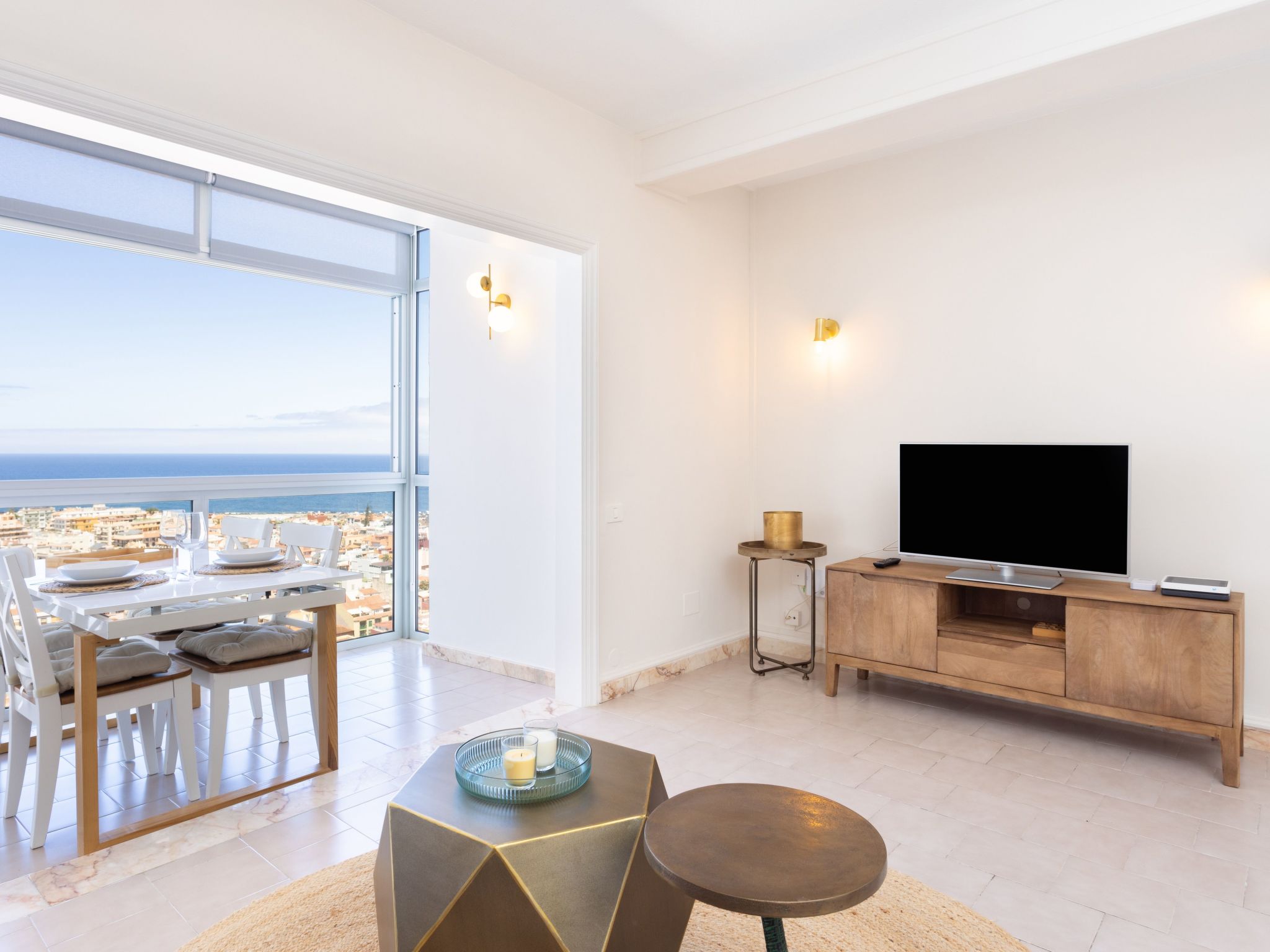
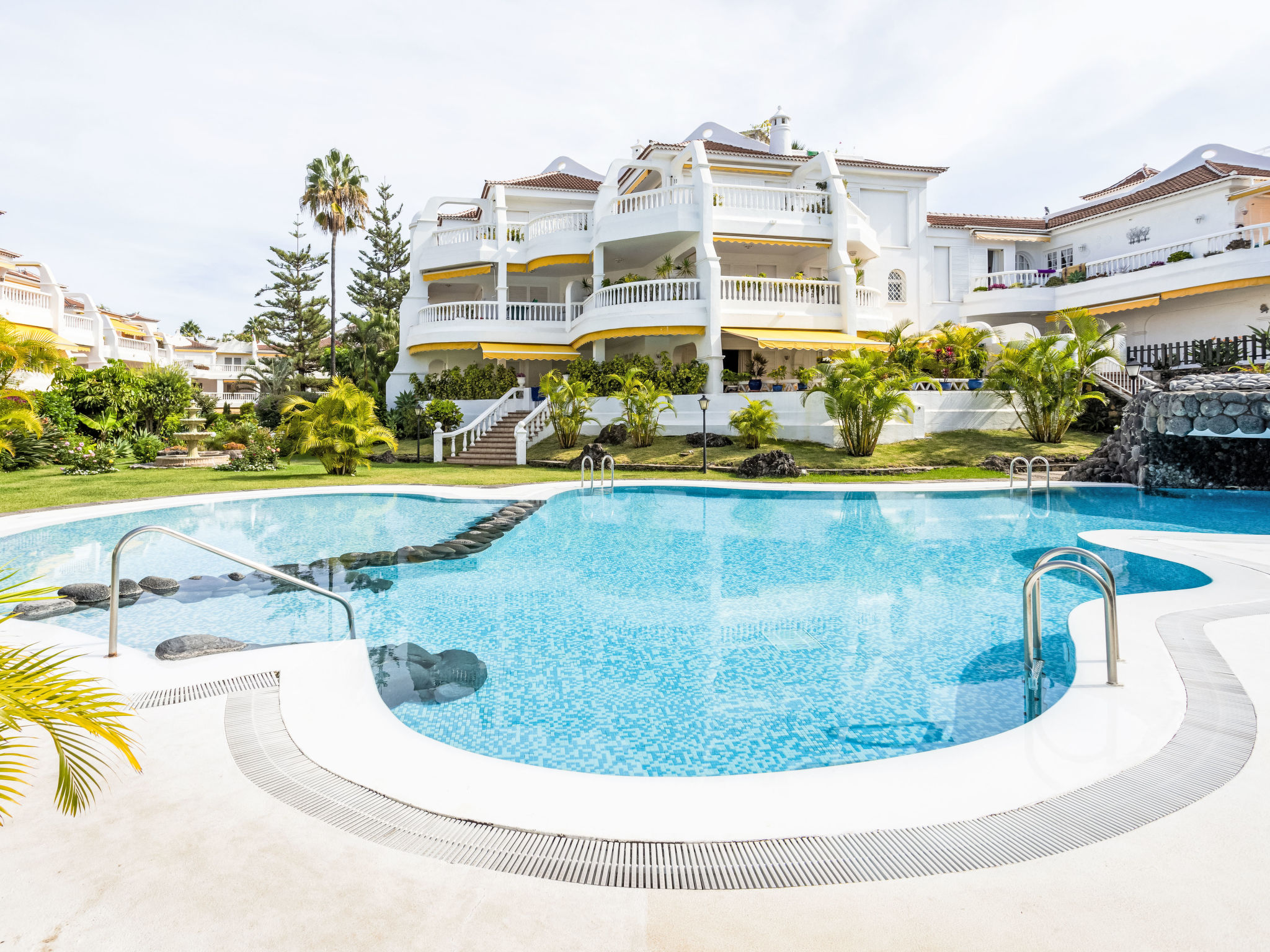
Puerto de la Cruz sits on Tenerife's northern coast, where green vegetation and clouds from the Atlantic create a genuinely different environment from the dry south. The town has actual history. It was a major port before Havana shifted Spanish trade routes. It still functions as a proper town rather than a tourism-only development. The trade-off is weather: you get more rain, fewer guaranteed sunny days, and afternoon cloud cover.
Why Stay in Puerto de la Cruz
- Real town character and functioning local economy. This isn't a beach resort designed for visitors. There's a working harbour, proper residential neighbourhoods, and locals who do things beyond serving tourists. The plazas are used by actual people, not just decorated for Instagram.
- Access to lush northern Tenerife. The north is dramatically greener than the south. Banana plantations, laurel forests, and terraced agriculture exist here. If you're seeking tropical rather than desert scenery, this is it. Day trips to Anaga mountains and coastal villages like Garachico are straightforward.
- Lago Martiánez and natural pools. These aren't beaches exactly, but constructed swimming facilities with Atlantic water, surrounded by landscaping and restaurants. They're appealing in a retro 1970s resort way and utterly functional. Entry is modest (around 5 euros), and they're local-friendly rather than tourist-packed.
- Botanical gardens and quieter attractions. Tenerife's botanical gardens are here, and they're genuinely interesting if you care about subtropical plants. Several small museums exist (car museum, Indigenous Guanche museum) that serve local interest rather than tourist expectations.
Things to Do in Puerto de la Cruz
The town itself is worth a morning's walk. The central plaza (Plaza de la Iglesia) is surrounded by cafés and restaurants, and it actually hosts locals having coffee, not just tourists taking photos. The harbour is still functional, and you can see fishing boats and supply ships, which gives the place genuine purpose.
The Loro Parque (parrot park) is the town's most famous attraction. It's a large zoo focused on birds and marine animals. It's expensive (around 40 euros for adult entry) and controversial among animal welfare advocates, though the facilities are extensive. Families with children often visit, but it's not essential to Puerto de la Cruz's appeal.
Garachico, 50 kilometres west, is Tenerife's most characterful coastal town. It has a functioning town centre with colonial architecture, and restaurants serve actual Canarian food, not tourist approximations. The black-sand beaches and natural pools are scenic. It's a proper day trip (90 minutes' drive each way) but rewarding if you're interested in how Tenerife existed before mass tourism.
The Orotava Valley sits inland and is renowned for its colonial towns and agricultural heritage. Orotava town itself has preserved architecture and genuine charm without feeling reconstructed. The village gardens (particularly in late spring) are spectacular. You can drive the valley loop in a few hours and stop at smaller villages (La Orotava, Icod de los Vinos) for lunch.
Hiking is stronger from Puerto de la Cruz than southern towns. The Anaga mountains offer trails through forests rather than volcanic rock. The difficulty ranges from gentle valley walks to serious mountain climbs. Access is straightforward from town. Taganana village, set in the northeast, is reachable by a scenic but narrow road and offers quiet beaches and local restaurants.