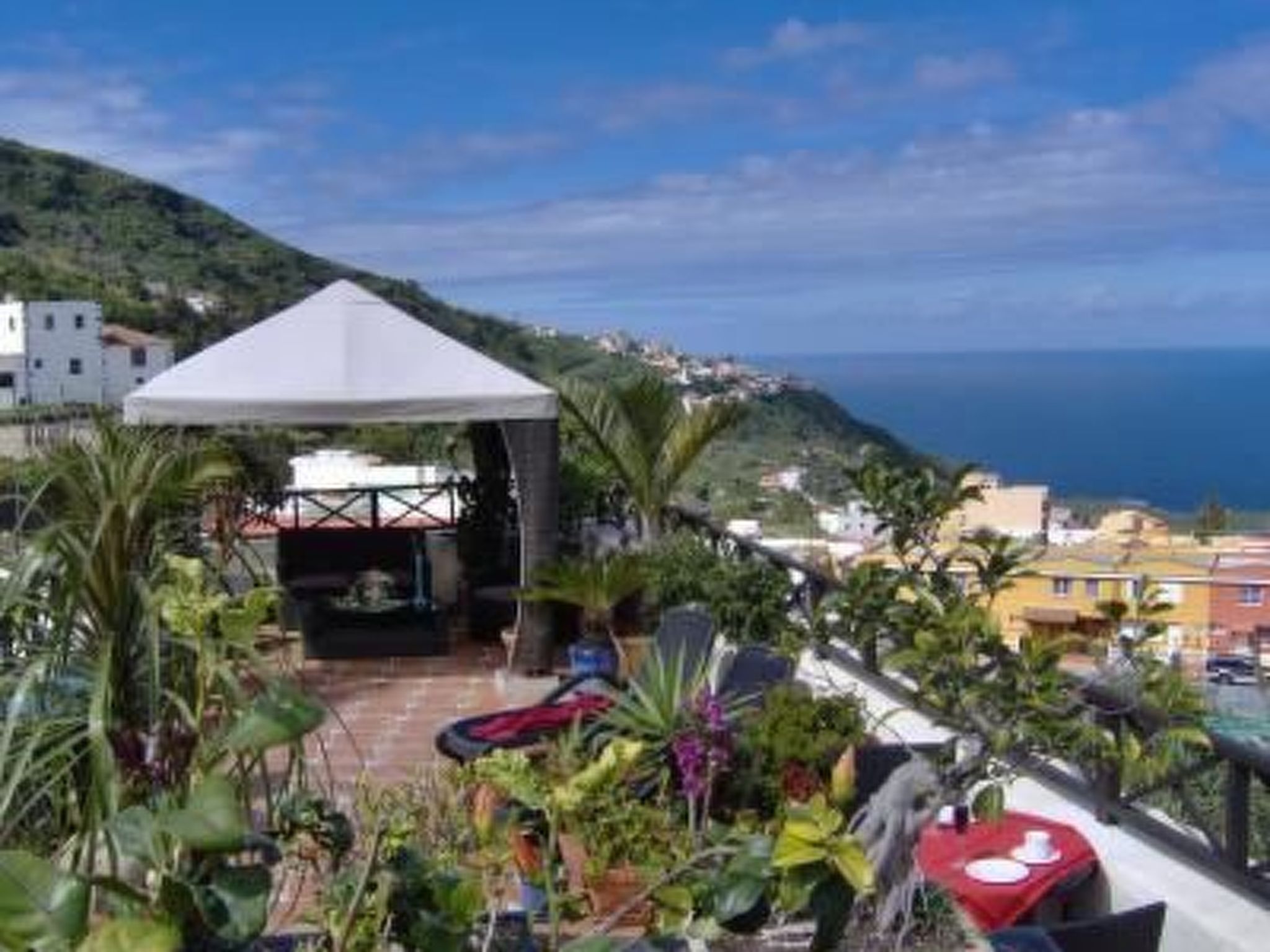
Why Stay in a Villa in Icod de los Vinos
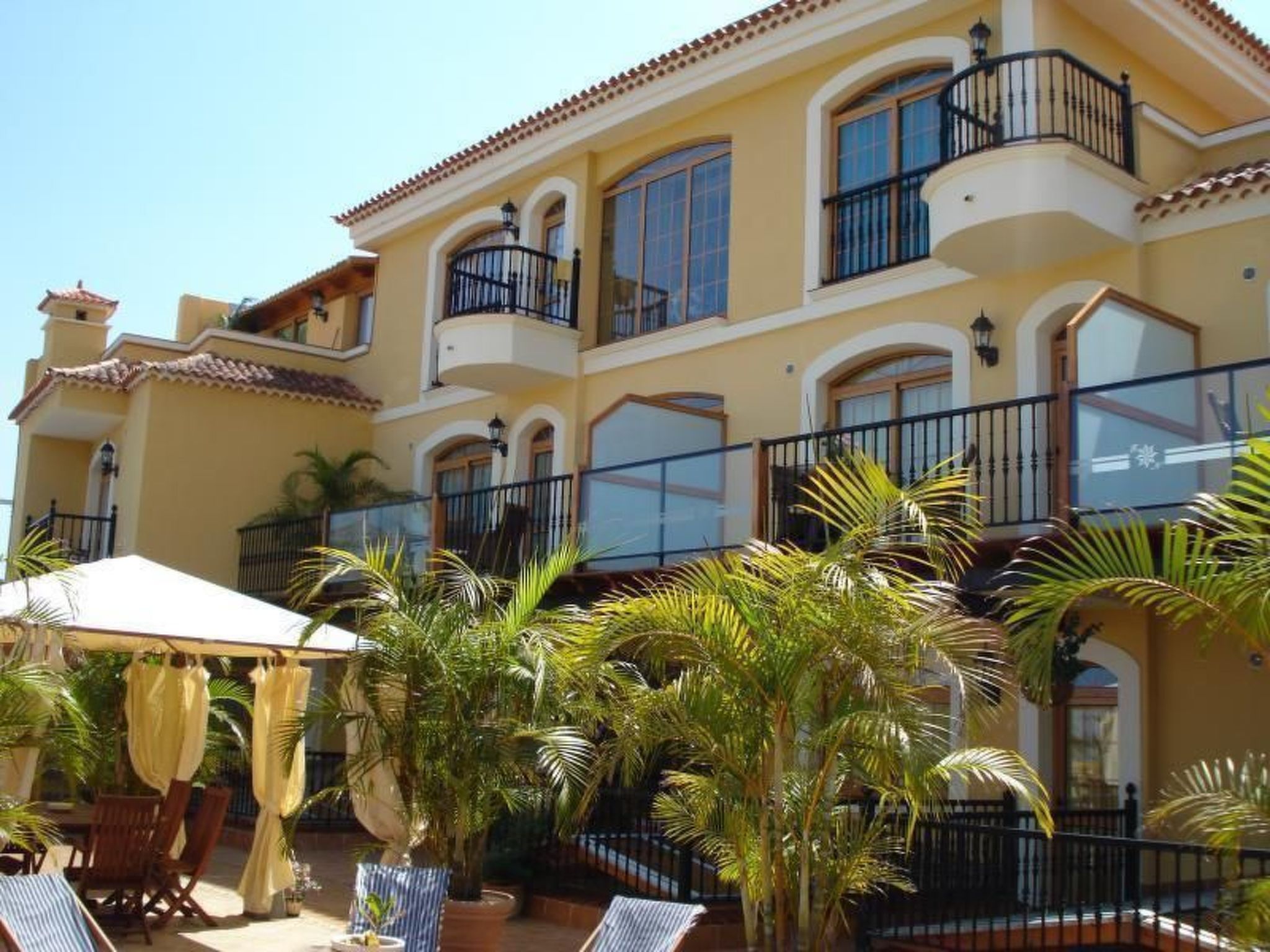
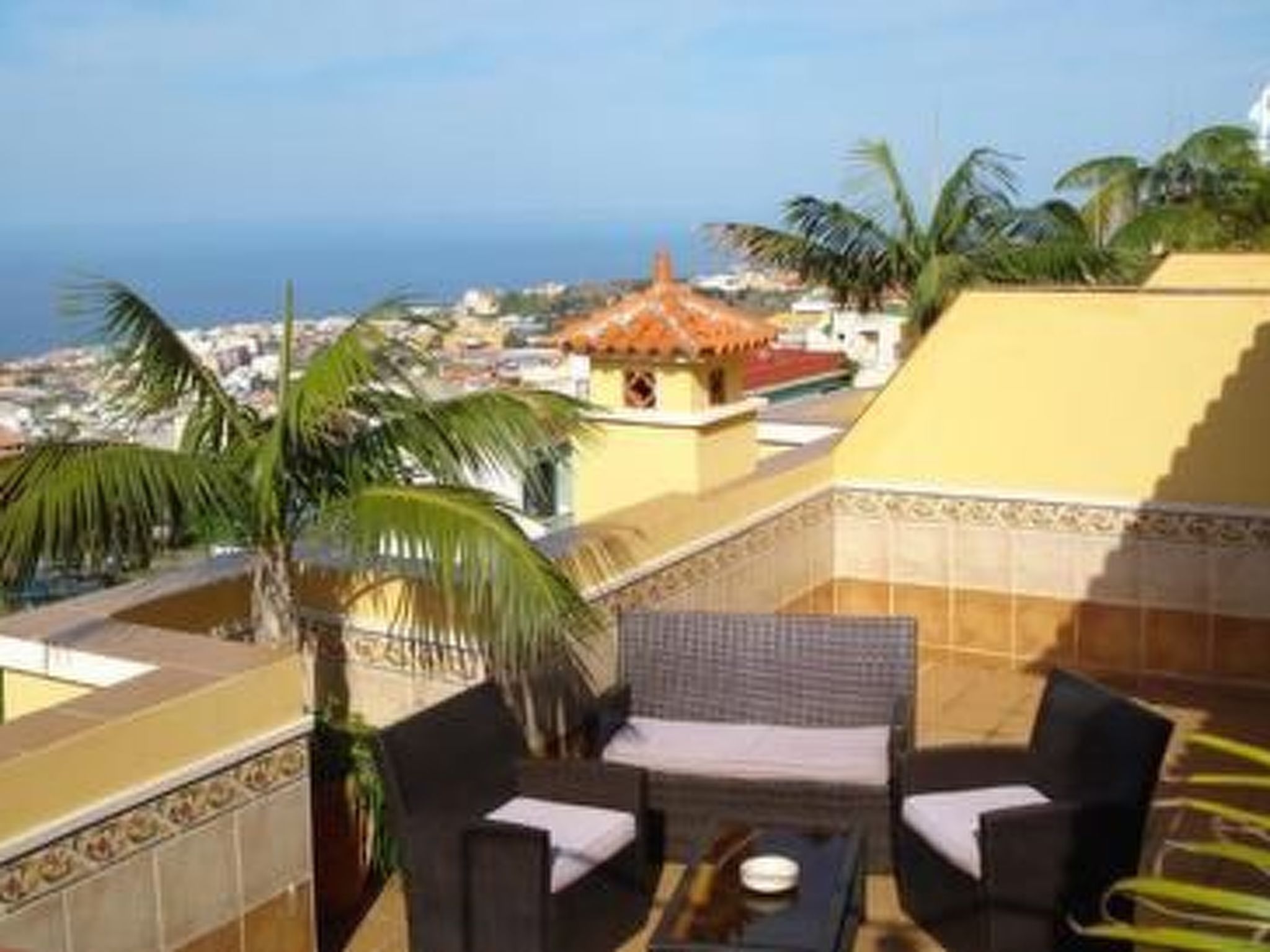
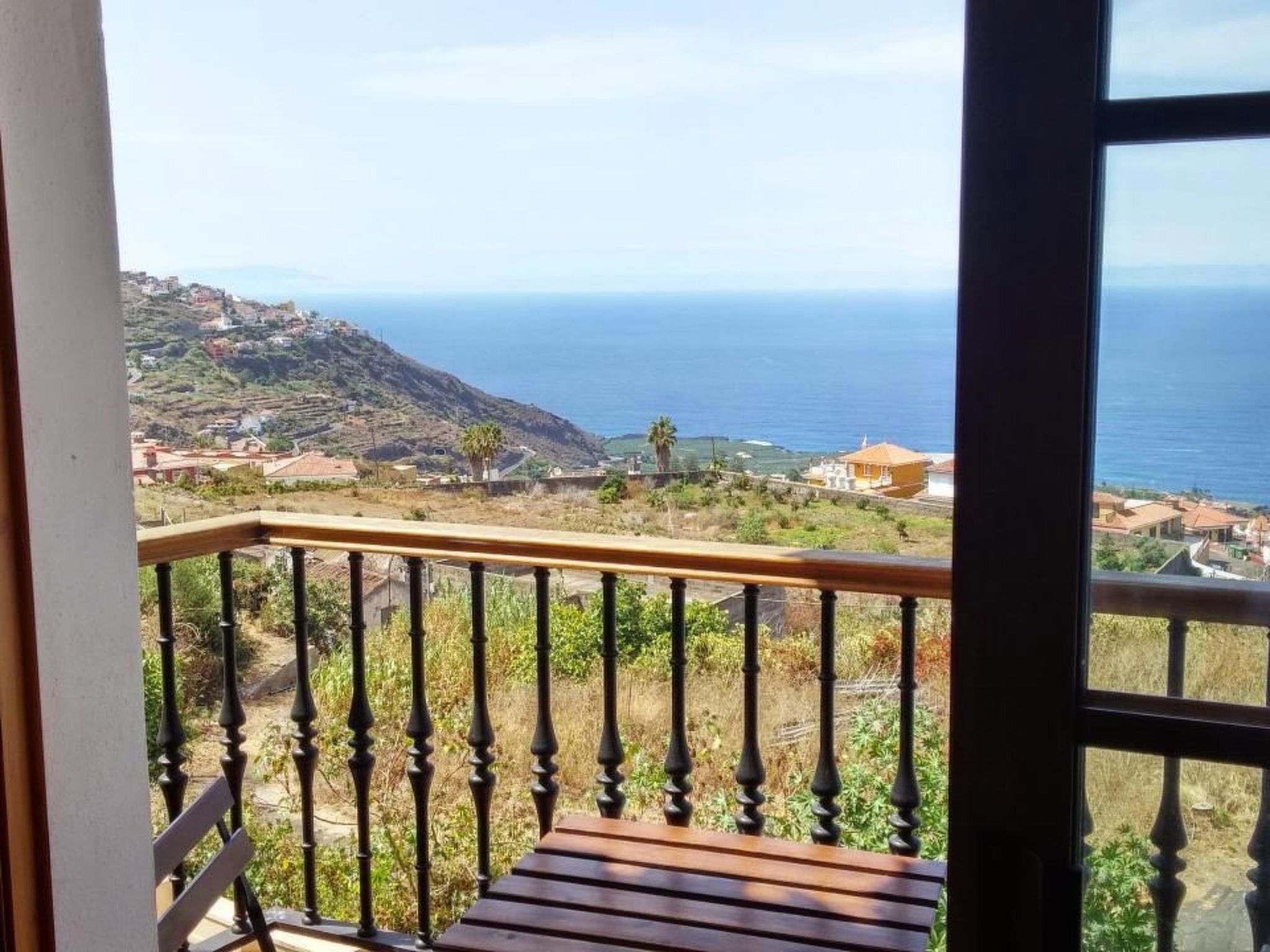
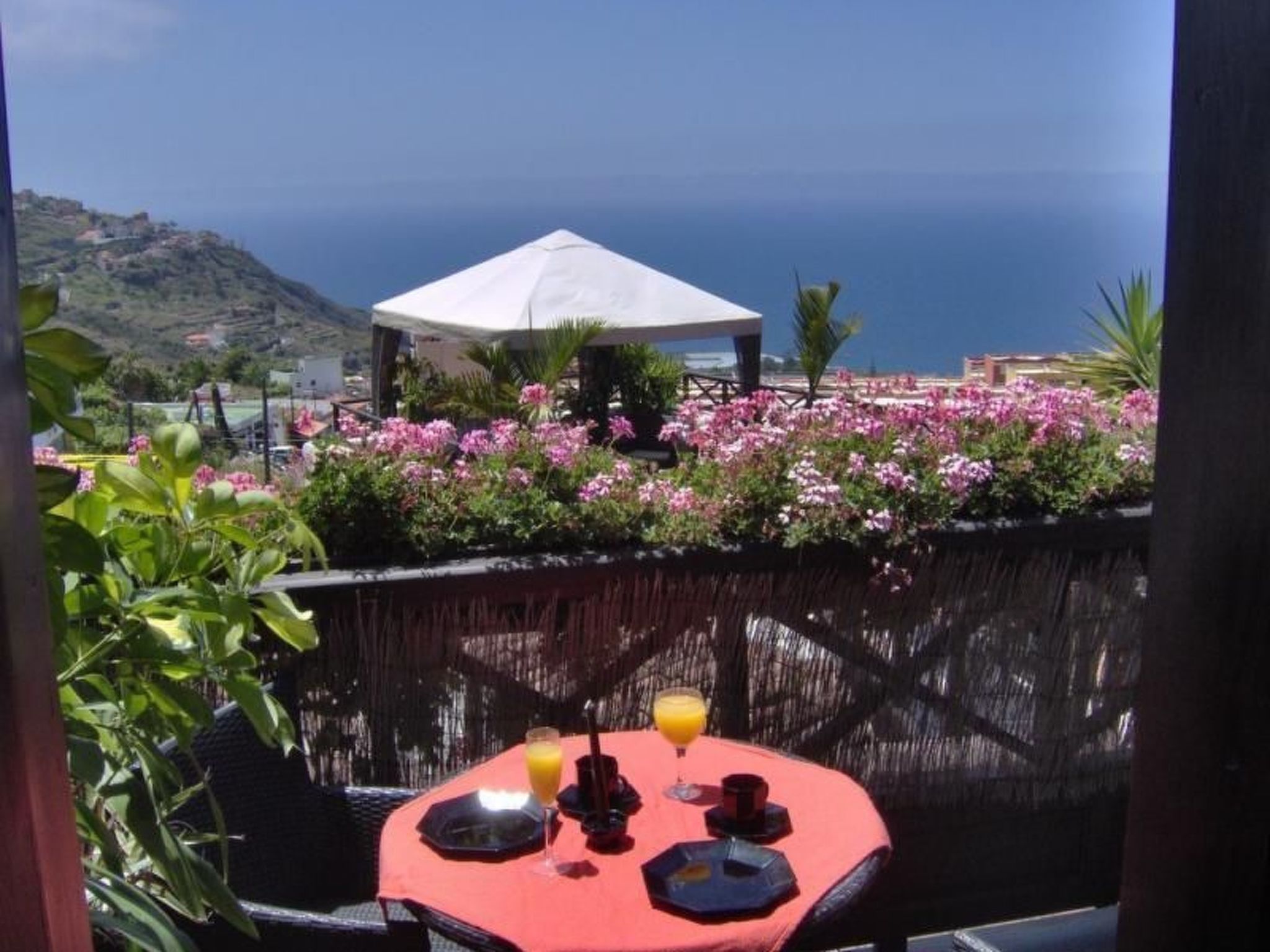
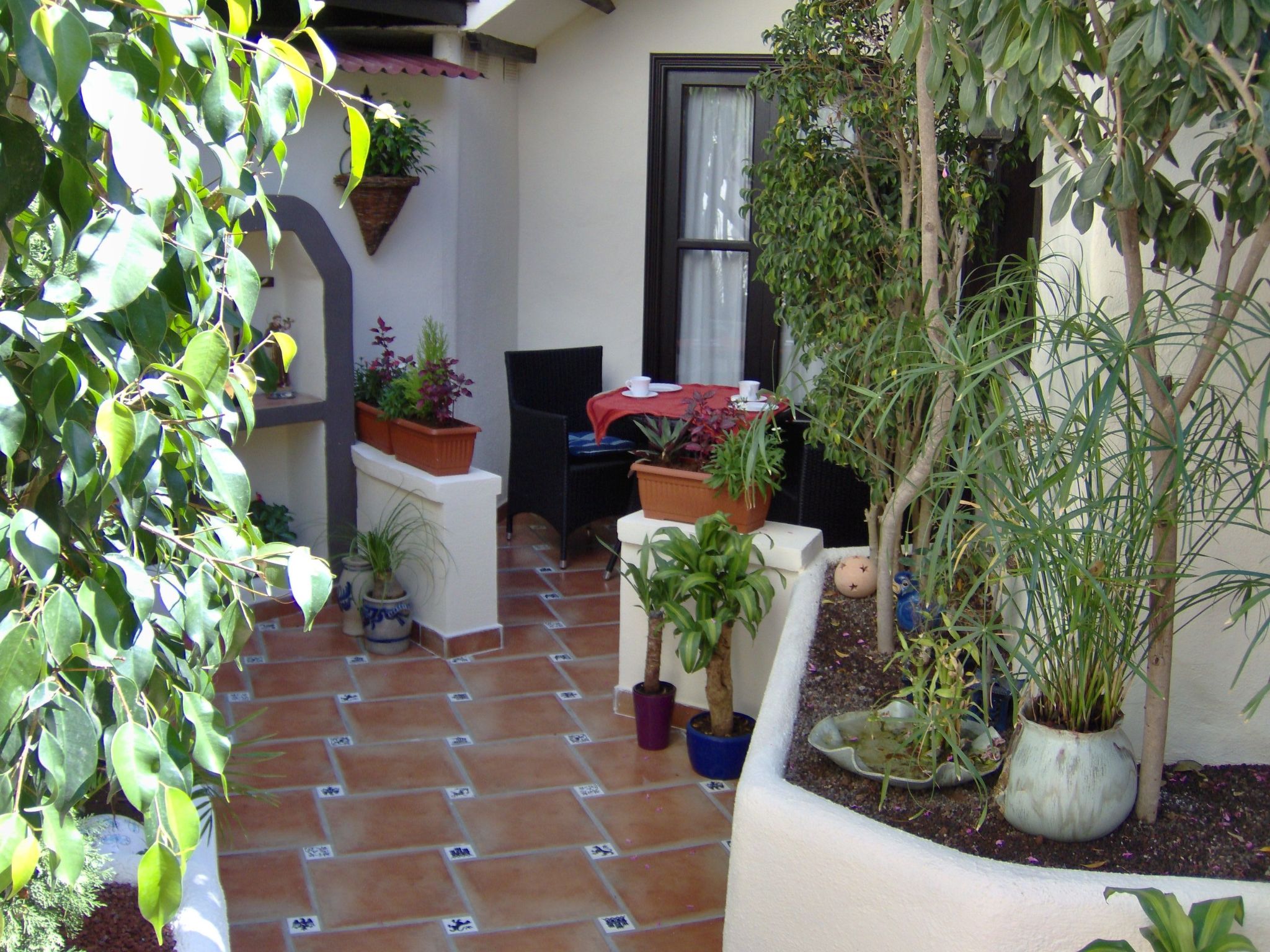
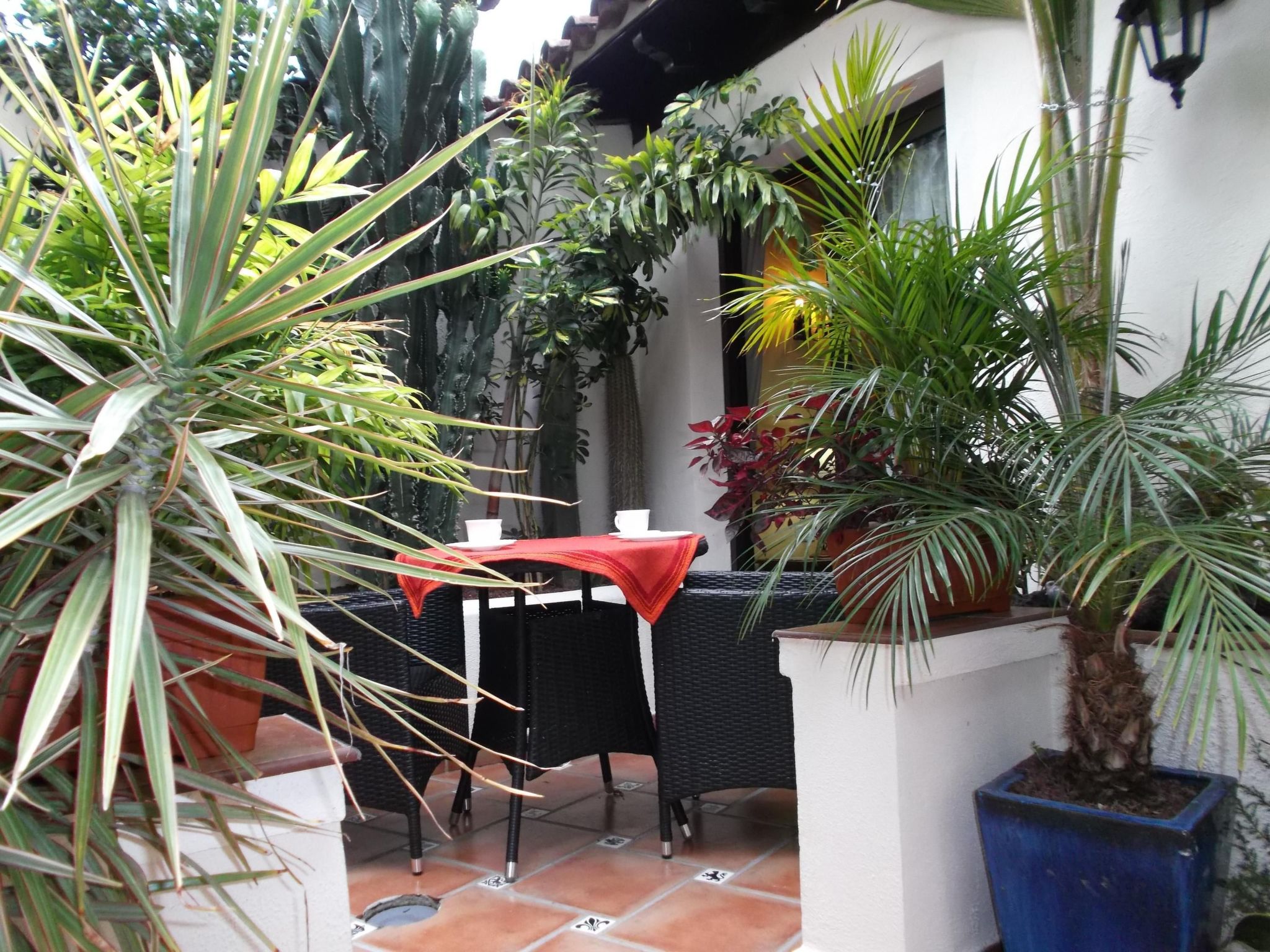
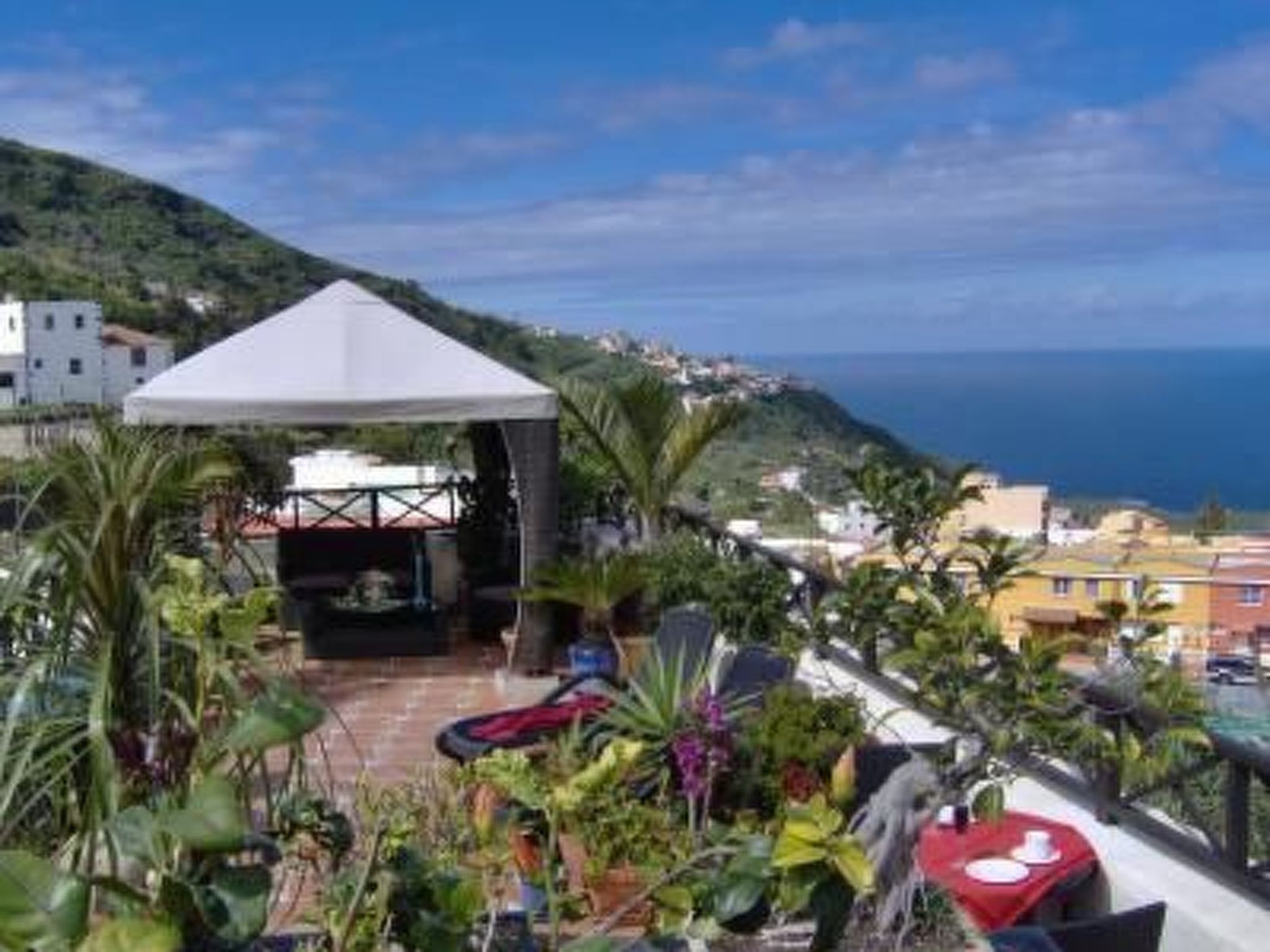
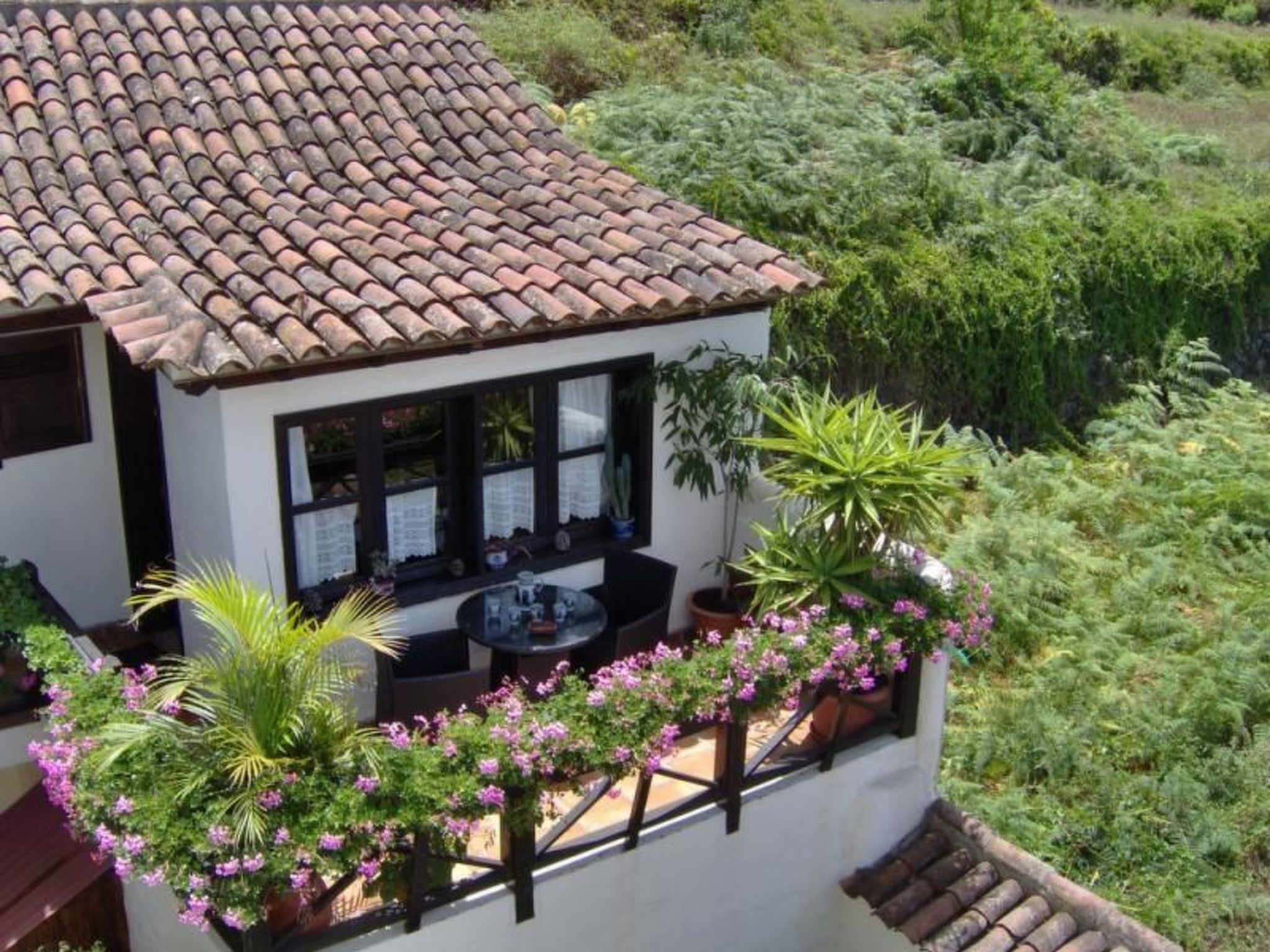
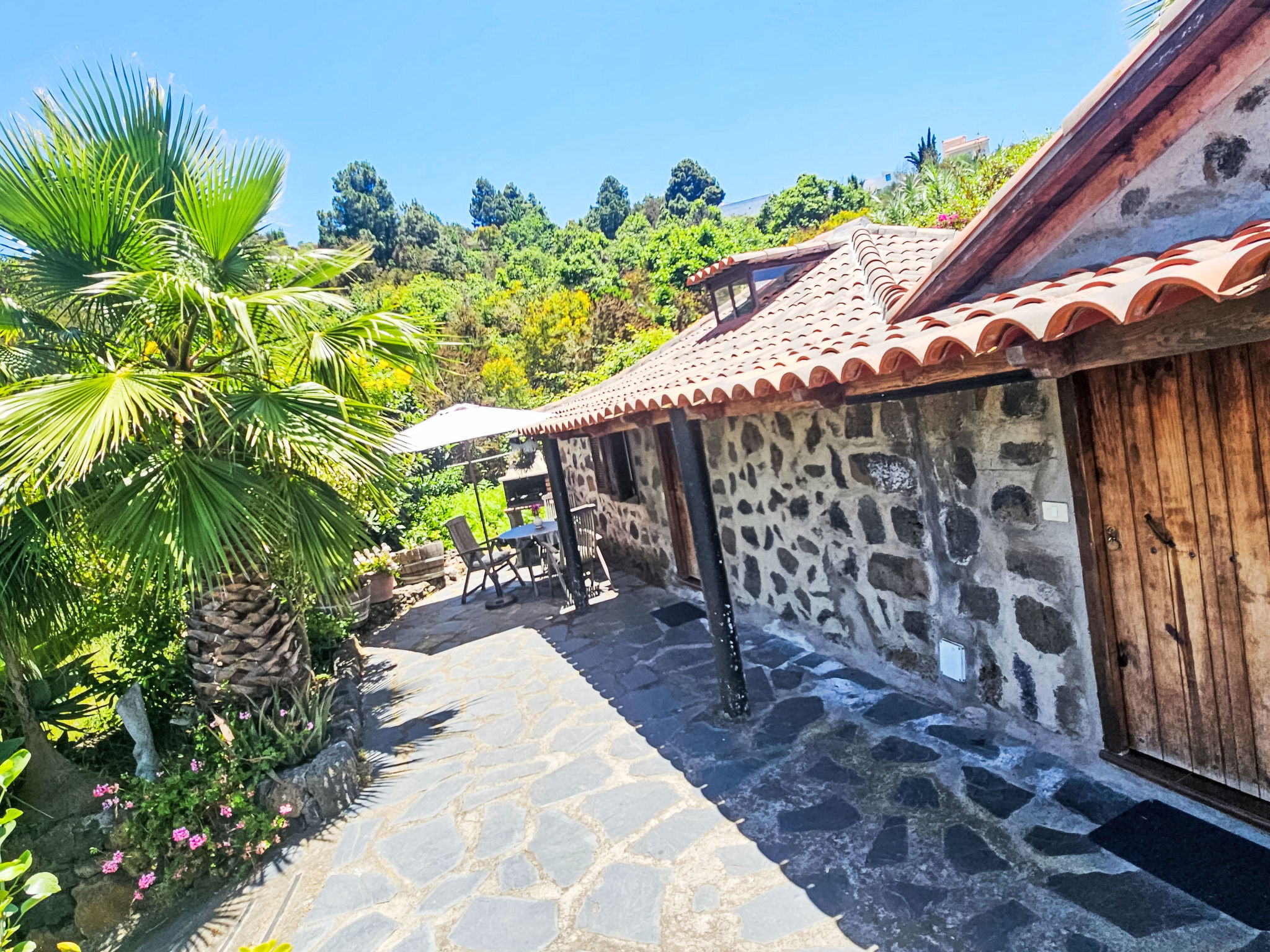
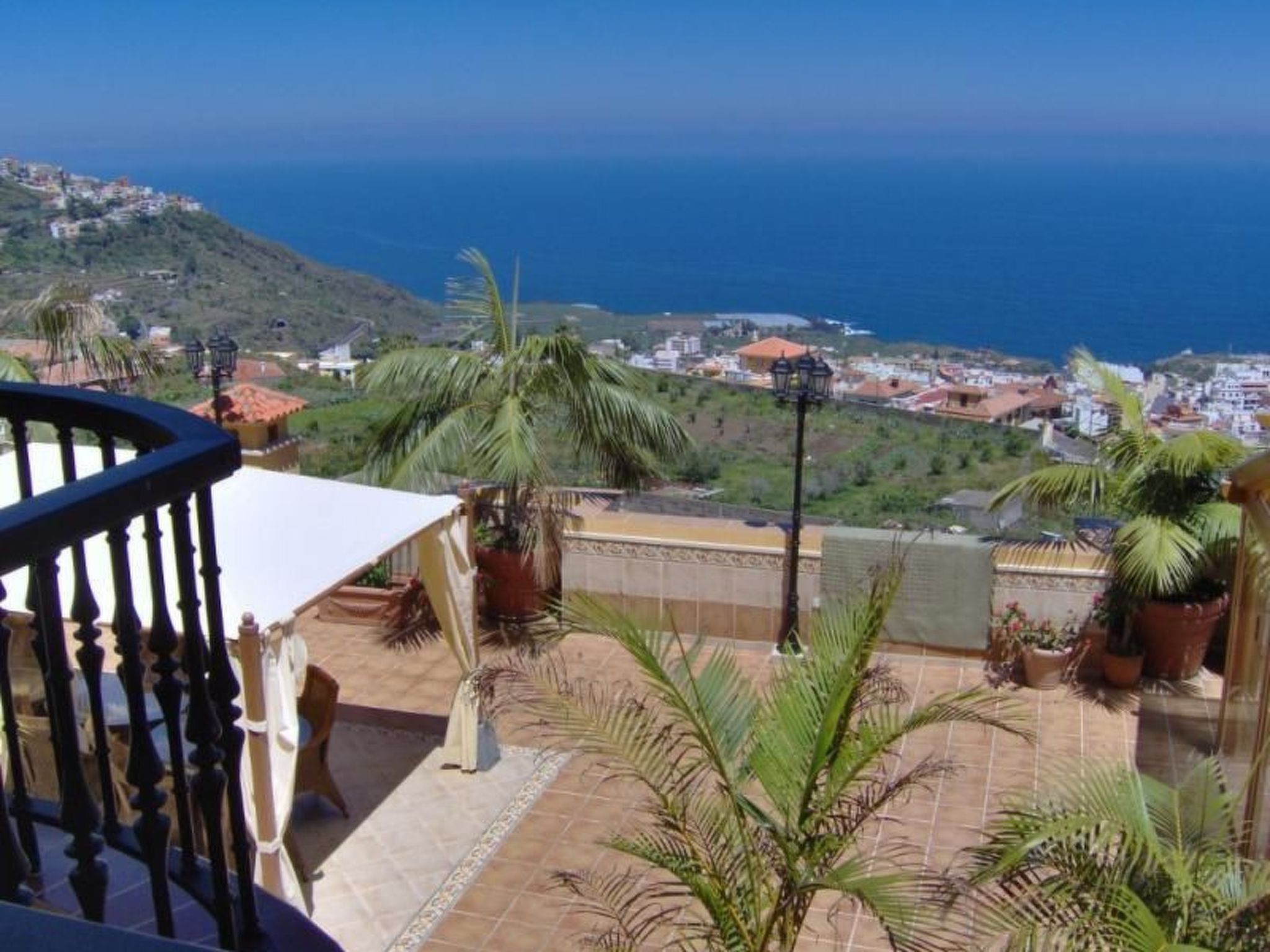
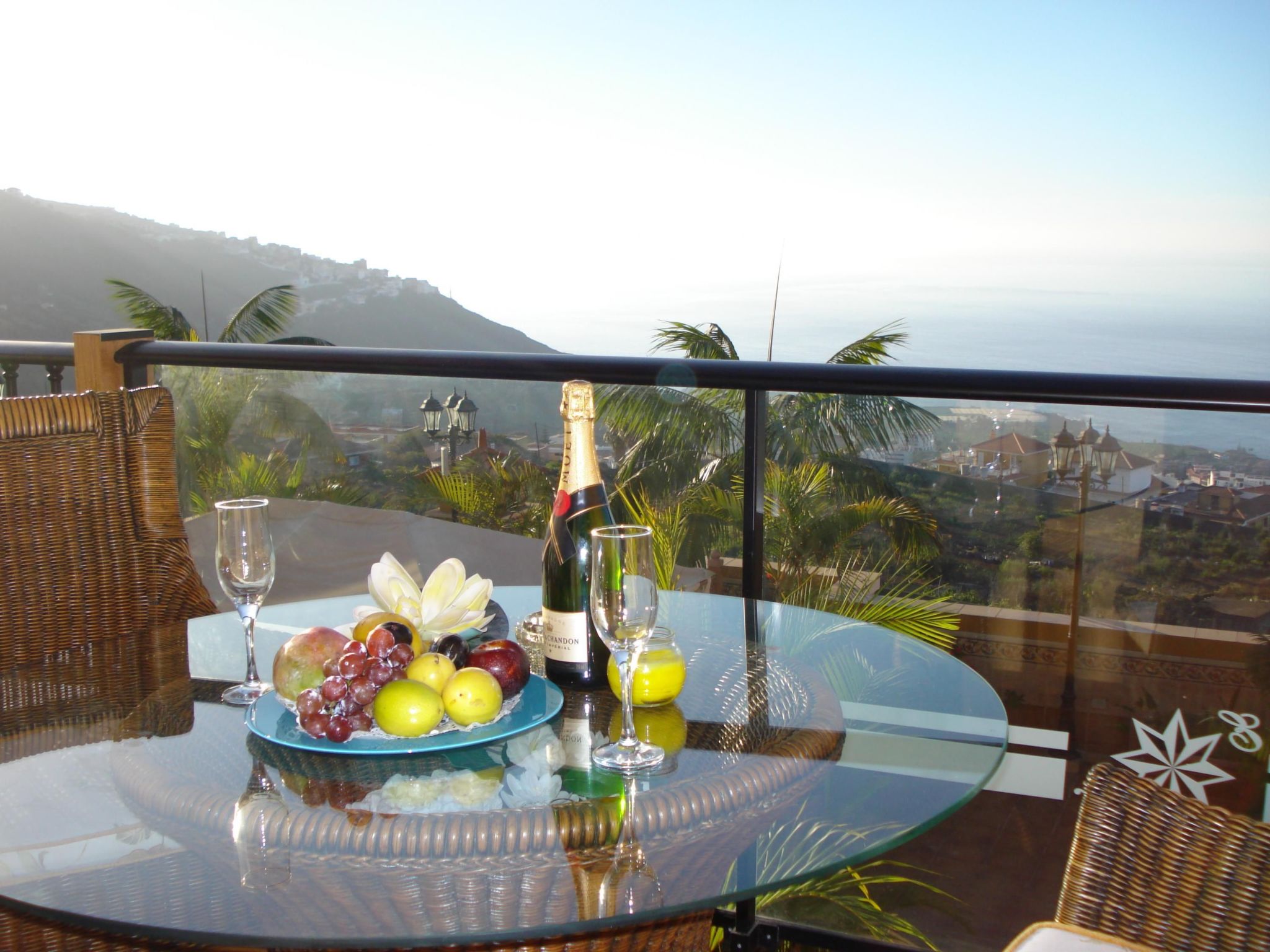
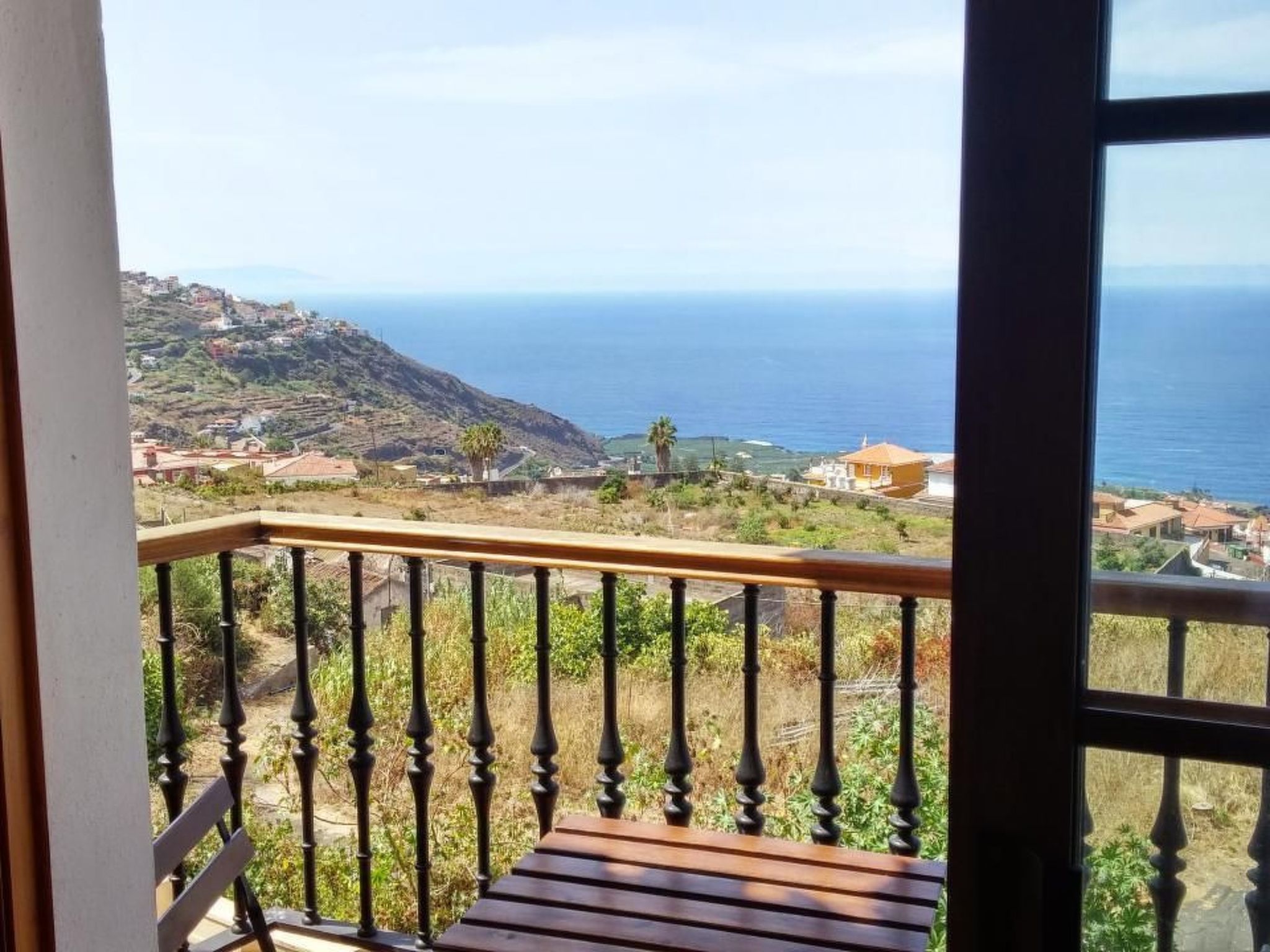
Icod offers a genuine north-coast Tenerife experience — green, historical, and unhurried. Villas in the area are typically traditional Canarian houses or rural properties surrounded by vineyards and banana plantations. The north coast is greener and more lush than the arid south, with a different landscape entirely. The trade-off is the weather: the north gets more cloud and rain than the south, and the sea can be rough. Swimming beaches are limited — the coast here is more about dramatic cliffs than sandy bays. For visitors interested in wine, walking, Canarian culture, and a cooler climate, Icod has distinct appeal.
Things to Do in Icod de los Vinos
The Drago Milenario (Millennial Dragon Tree) is the main attraction. an enormous Dracaena draco tree in a garden park with a visitor centre. Whether it's truly 1,000 years old is disputed, but it's an impressive specimen and the park is well-maintained. The old town has handsome colonial buildings and the church of San Marcos with its ornate silver cross. The Cueva del Viento (Wind Cave) nearby is one of the longest volcanic tubes in the world; guided visits explore part of the tube system and are well-organised, though not suitable for those with claustrophobia. Local bodegas offer wine tasting, particularly the Malvasia wines that this area is known for. The coast at San Marcos, below the town, has a small black-sand beach in a sheltered bay, one of the better swimming spots on the north coast. Garachico, about 10 minutes' drive west, has natural volcanic rock pools and an atmospheric old town that was partially destroyed by a volcanic eruption in 1706. The Teide National Park is accessible in about 40 minutes from the north side.
Practical Information
Tenerife North airport (TFN) is about 40 minutes' drive; Tenerife South (TFS) about 70 minutes. A hire car is essential for this part of the island. The town has supermarkets, pharmacies, and restaurants. The north coast road (TF-5) connects Icod to both Santa Cruz and the south via the motorway. Weather on the north coast is more variable. cloud builds during the day, particularly in summer, and rain is more common than in the south, especially in winter. Temperatures are mild year-round (18-26°C). The Cueva del Viento must be booked in advance as group sizes are limited.
Frequently Asked Questions
Is the Drago Milenario worth visiting?
If you're in the area, yes; it's genuinely impressive in scale. The park around it is pleasant, and the visitor centre provides context. It's not worth a long detour specifically to see a tree, but as part of a north-coast exploration it's a worthwhile stop.
What is the Cueva del Viento like?
A fascinating experience, walking through volcanic lava tubes formed thousands of years ago. The guided tour lasts about 2 hours including transport from the visitor centre. Wear closed shoes and warm layers as it's cool underground. Book ahead as places are limited.
Is the north coast too cloudy for a holiday?
It depends on your priorities. The north coast has more cloud than the south, but it's still a mild, pleasant climate. Mornings are often clear, with cloud building in the afternoon. The greener landscape and cooler temperatures are a positive for many visitors, particularly walkers. For guaranteed all-day sunshine, the south is a safer bet.
What about the local wines?
The Ycoden-Daute-Isora wine region produces notable Malvasia whites. aromatic, slightly sweet wines that pair well with local food. Several bodegas welcome visitors, usually by appointment. Wine has been produced here since the 16th century, and the volcanic soils give the wines a distinctive mineral character.