Los Llanos de Aridane, El Paso and Las Manchas (west)
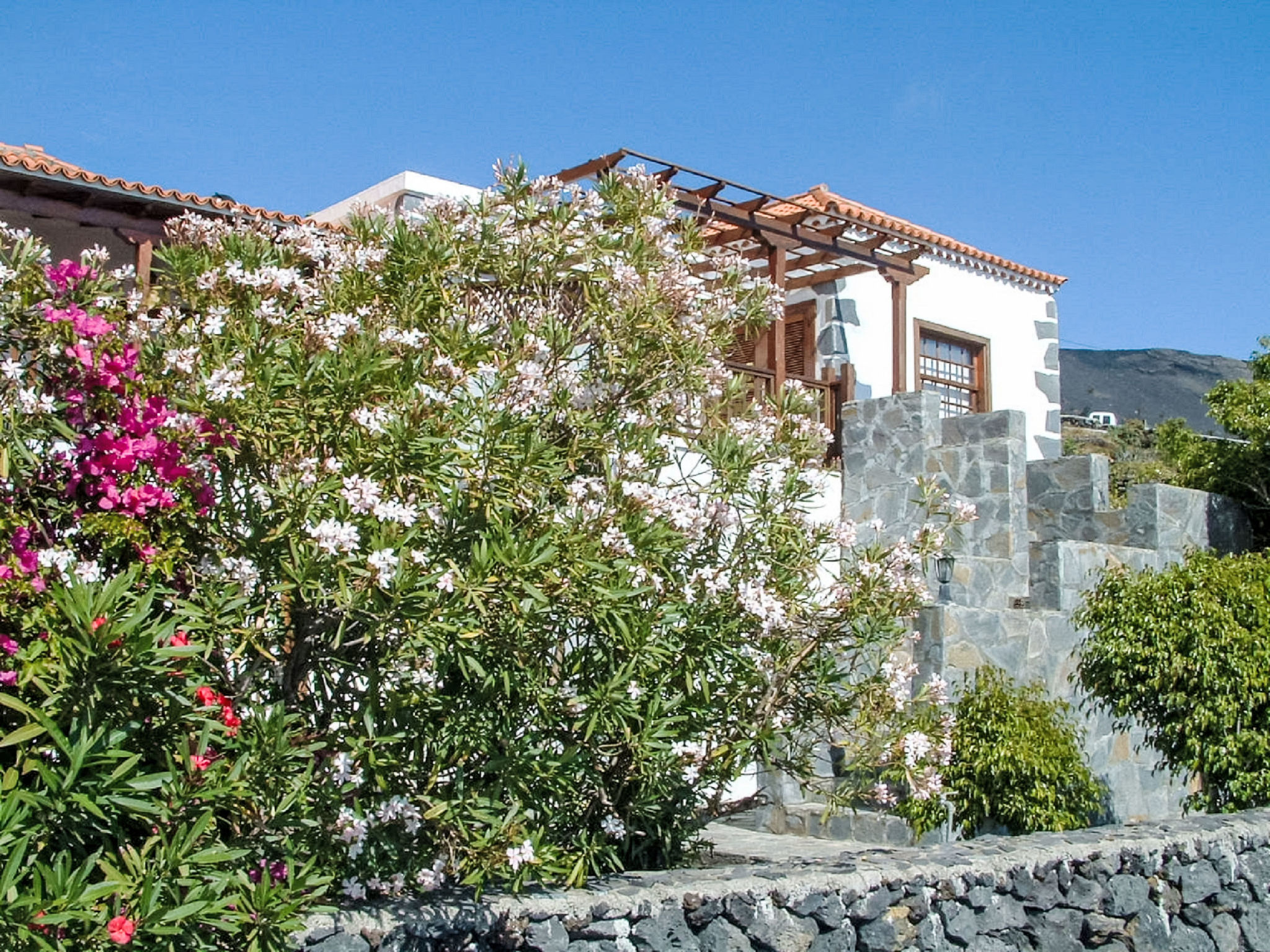
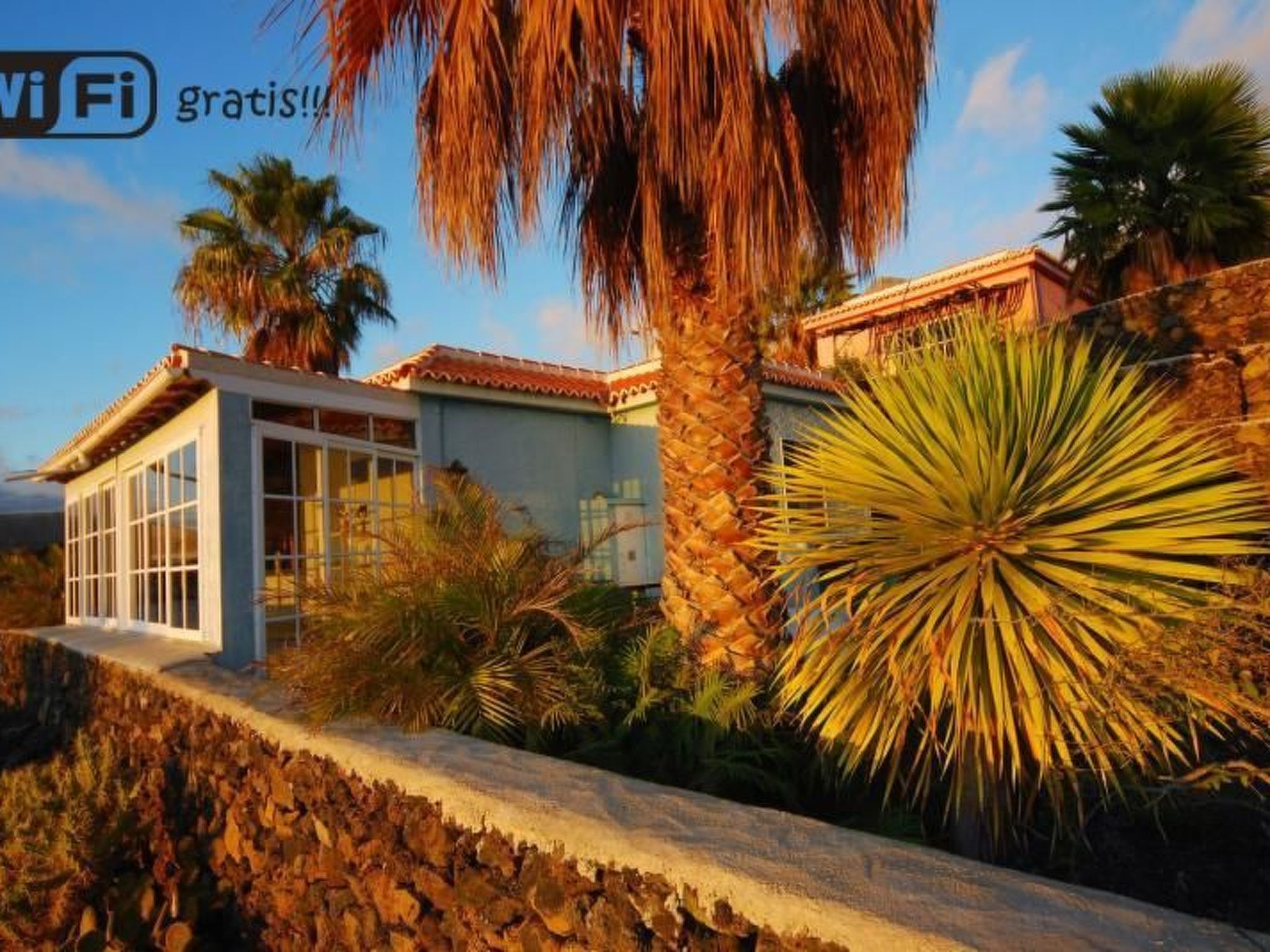
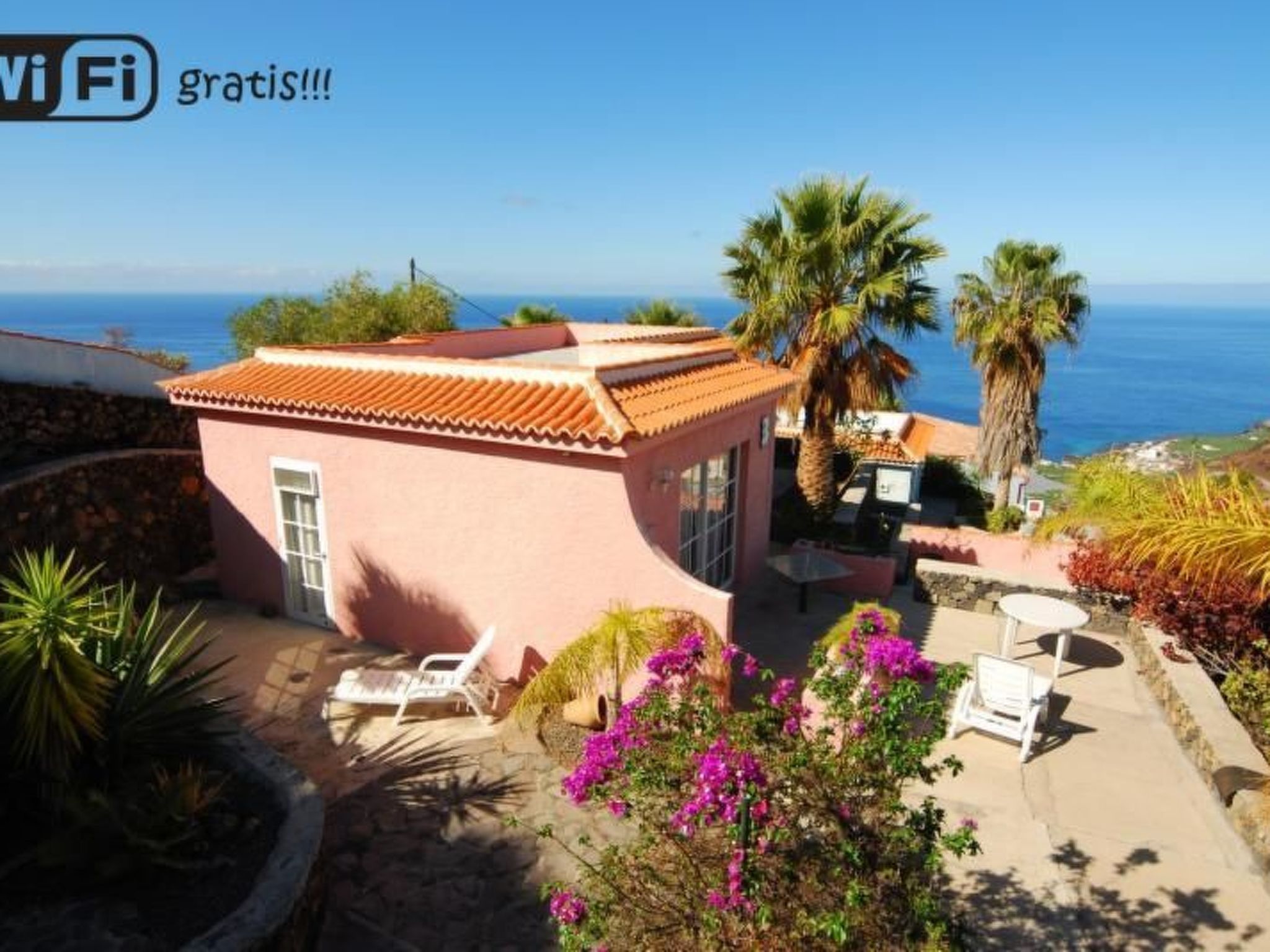
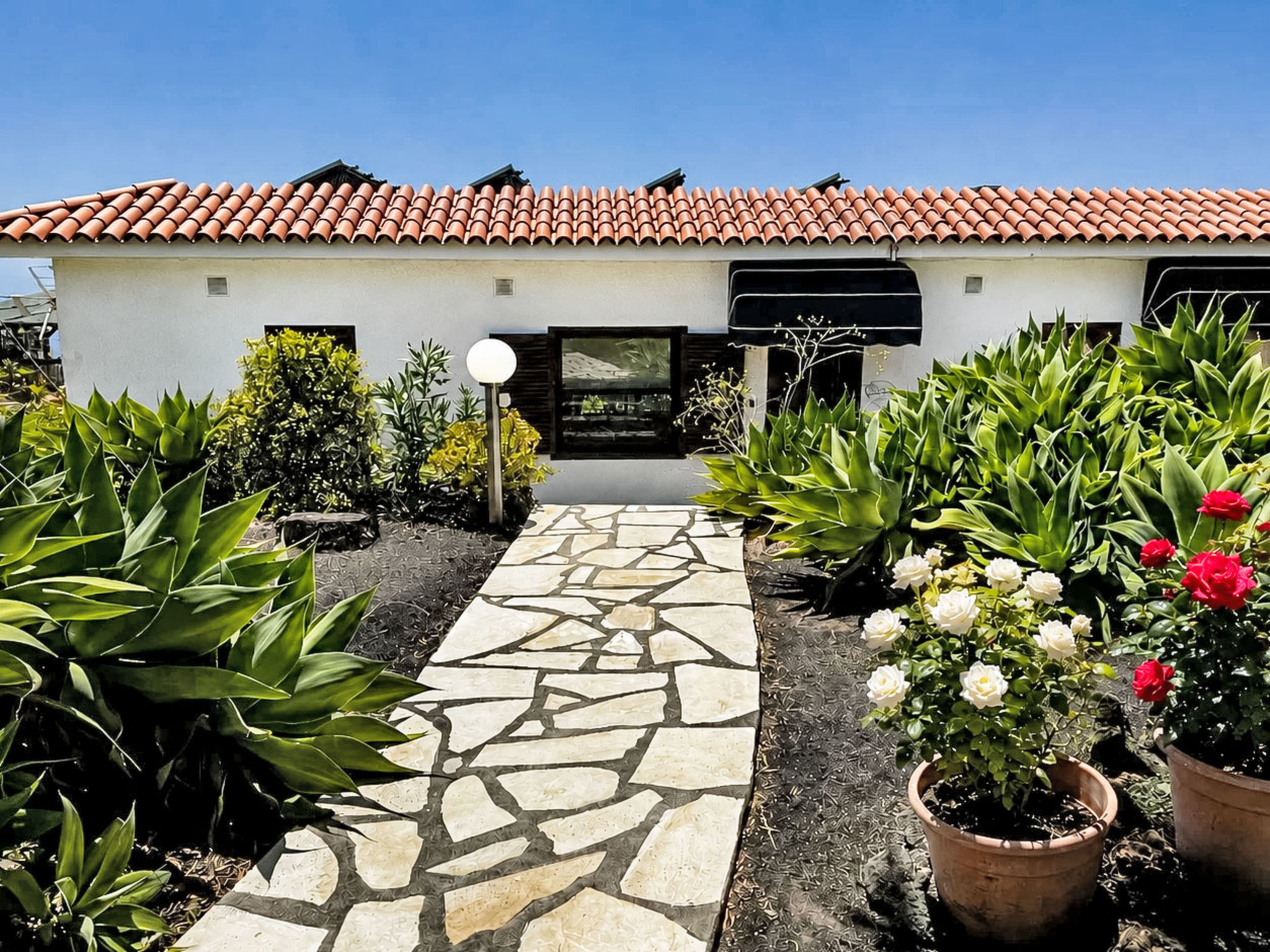
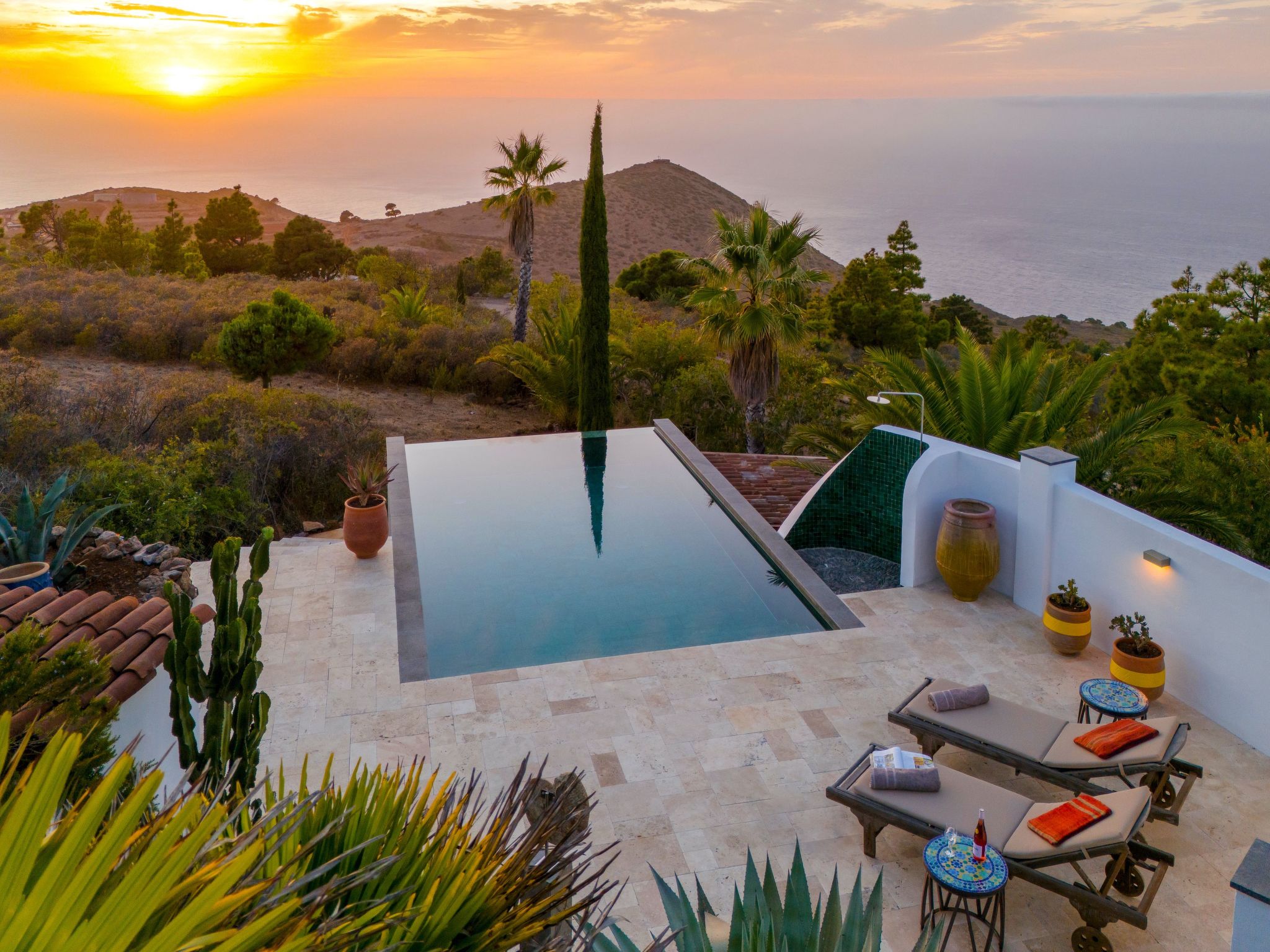
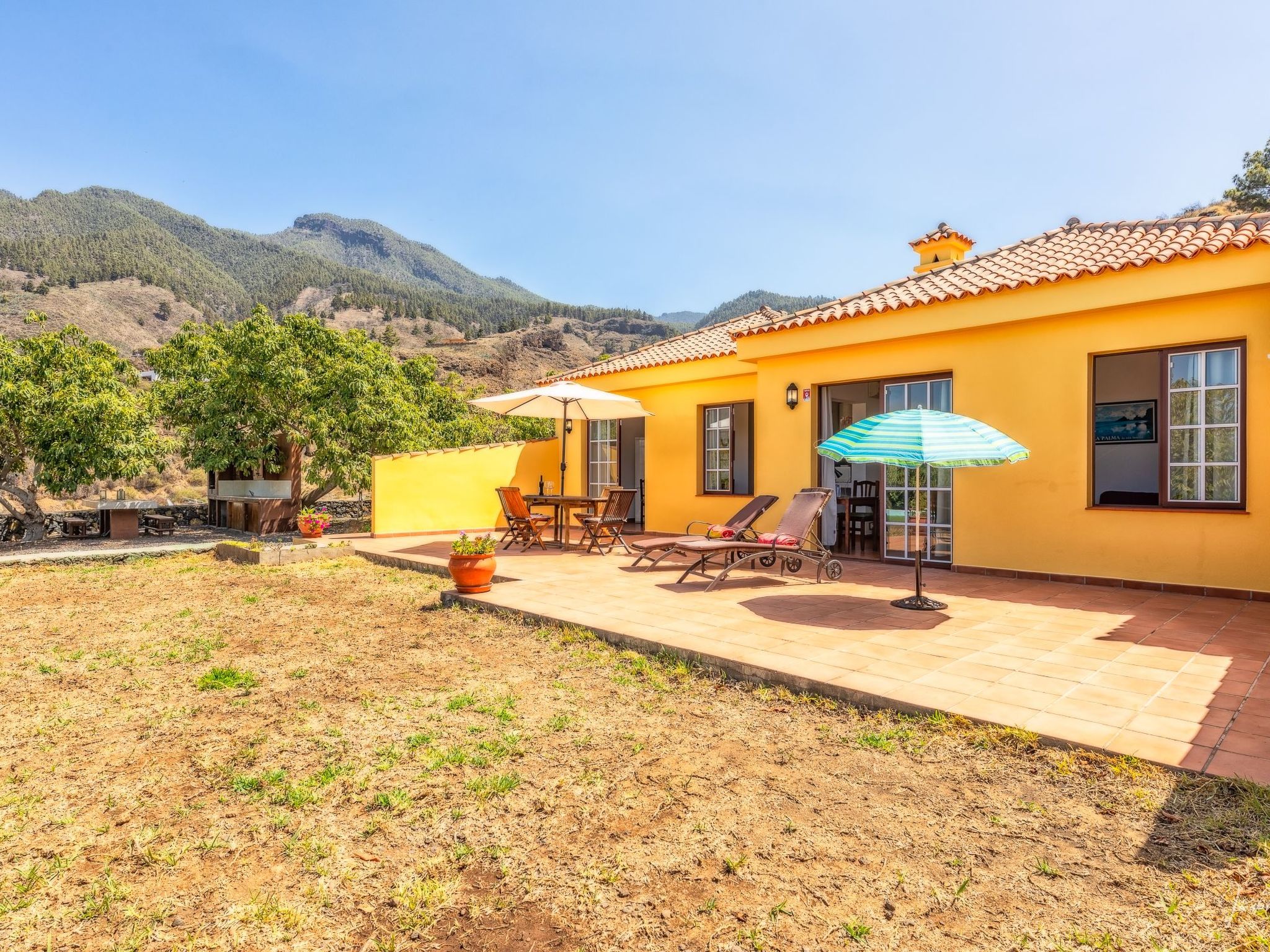
This side of the island has most of our villas and most of the sun. Los Llanos is the largest town on La Palma, with a pedestrian centre. El Paso has the visitor centre for the Caldera de Taburiente national park, a huge crater ringed by peaks. Las Manchas sits on the slopes near the Tajogaite volcano, which erupted for three months in 2021. The airport is around 45 minutes away through the tunnel under the Cumbre.
Best for: Sunshine, walking and an easy base for the Caldera de Taburiente
Not for you if: You would rather not see recent volcanic damage: the 2021 lava flows run through Las Manchas and Todoque.
Tazacorte and Puerto de Naos (west coast)
Tazacorte's port has a black-sand beach, fish restaurants and boat trips along the cliffs to look for dolphins and sea caves. Banana plantations fill the slopes between here and Los Llanos. Puerto de Naos has one of the island's biggest beaches. Volcanic gas kept it closed for more than two years after the eruption, and homes, bars and shops have been reopening in stages since. The airport is about 50 minutes away.
Best for: Black-sand beaches and the best chance of afternoon sun
Not for you if: You want a lively resort: both are small, and Puerto de Naos is still recovering from the eruption.
Tijarafe, Puntagorda and Garafía (north-west)
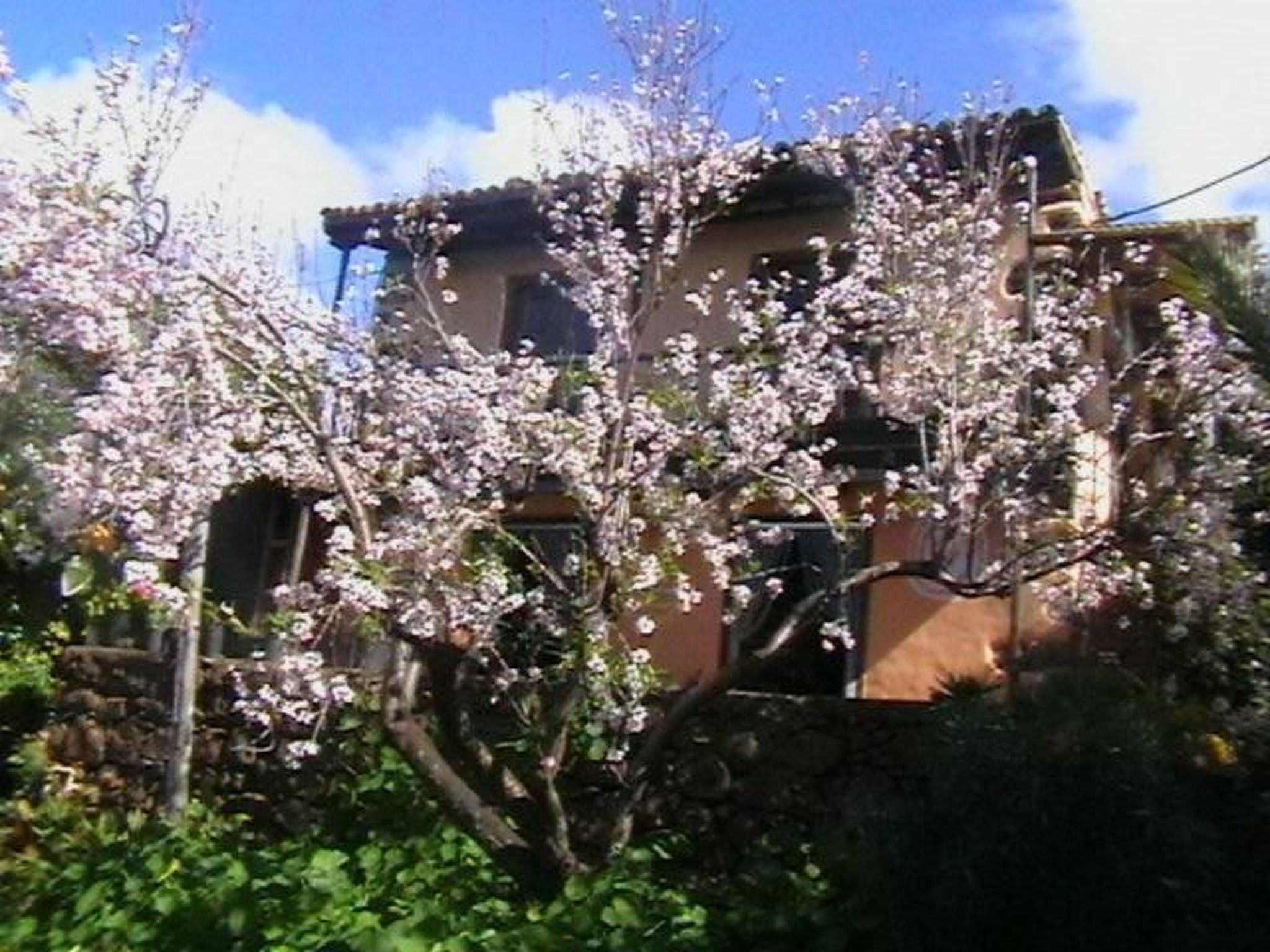
The north-west is the island's quietest corner, with scattered villages on a long slope of almond trees, vines and Canary pine. The almonds flower in January and February. Puntagorda has a farmers' market at weekends, and below Tijarafe is Porís de Candelaria, a cove where fishermen's huts are built into a sea cave. From Garafía, roads climb to the observatory on the Roque de los Muchachos. The airport is well over an hour away.
Best for: Quiet rural houses among almond groves and pine forest
Not for you if: You want a beach nearby: this coast is mostly cliffs, and Los Llanos is 30 to 45 minutes away.
Breña Alta, Breña Baja and Santa Cruz de la Palma (east)
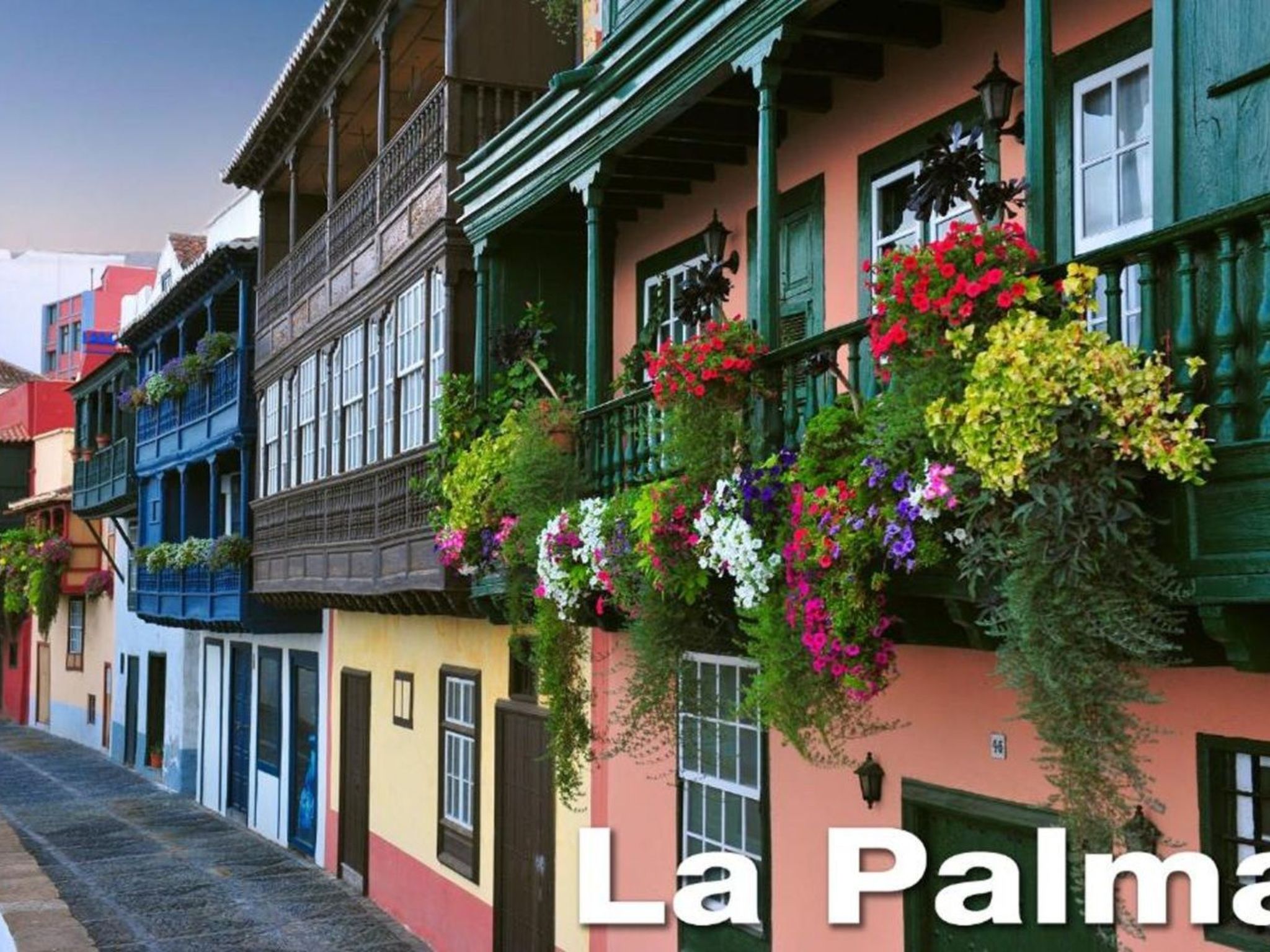
The east is greener and cloudier than the west, and the airport is only 10 to 15 minutes away. Santa Cruz de la Palma, the island's capital, has a seafront row of old townhouses with carved wooden balconies and a pedestrian main street behind. Los Cancajos in Breña Baja has a small black-sand beach sheltered by rocks, good for snorkelling. Breña Alta's houses sit higher up among gardens and pine woods.
Best for: Short airport transfers with the capital close by
Not for you if: You want reliable sunshine: trade-wind cloud often sits over the hills on this side.
Fuencaliente (south)
Fuencaliente sits among vineyards planted in black volcanic ash, where the island's Malvasía wine is made. A path from the visitor centre runs round the rim of the San Antonio volcano, with the Teneguía volcano, which erupted in 1971, below it. Down at the coast, the lighthouse stands beside working salt pans. The Ruta de los Volcanes, the walk along the island's spine, finishes here. The airport is about 30 minutes away.
Best for: Volcano walks, local wine and salt pans at the island's southern tip
Not for you if: You want shade and greenery: the south is dry, bare volcanic ground.