La Palma
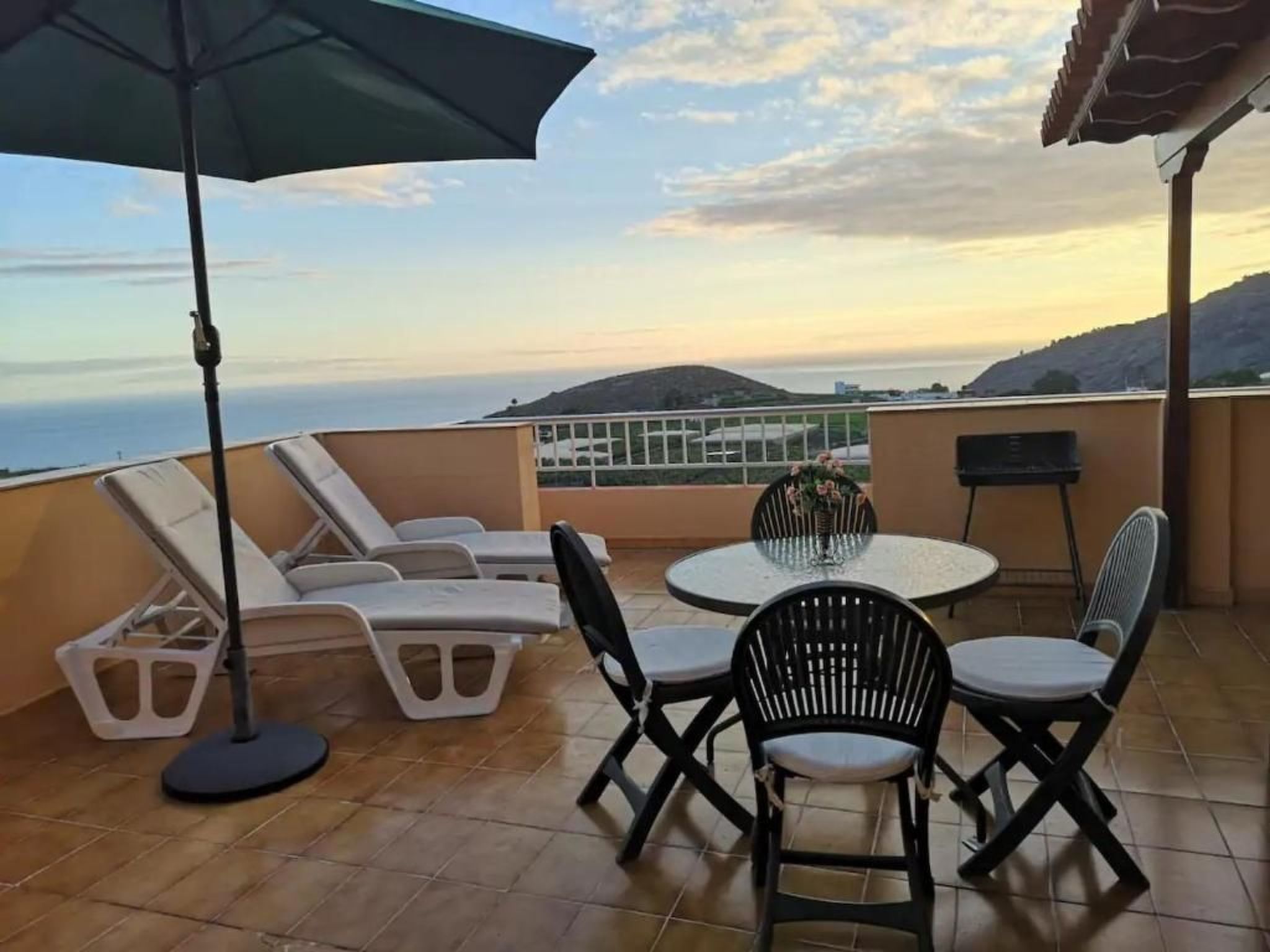
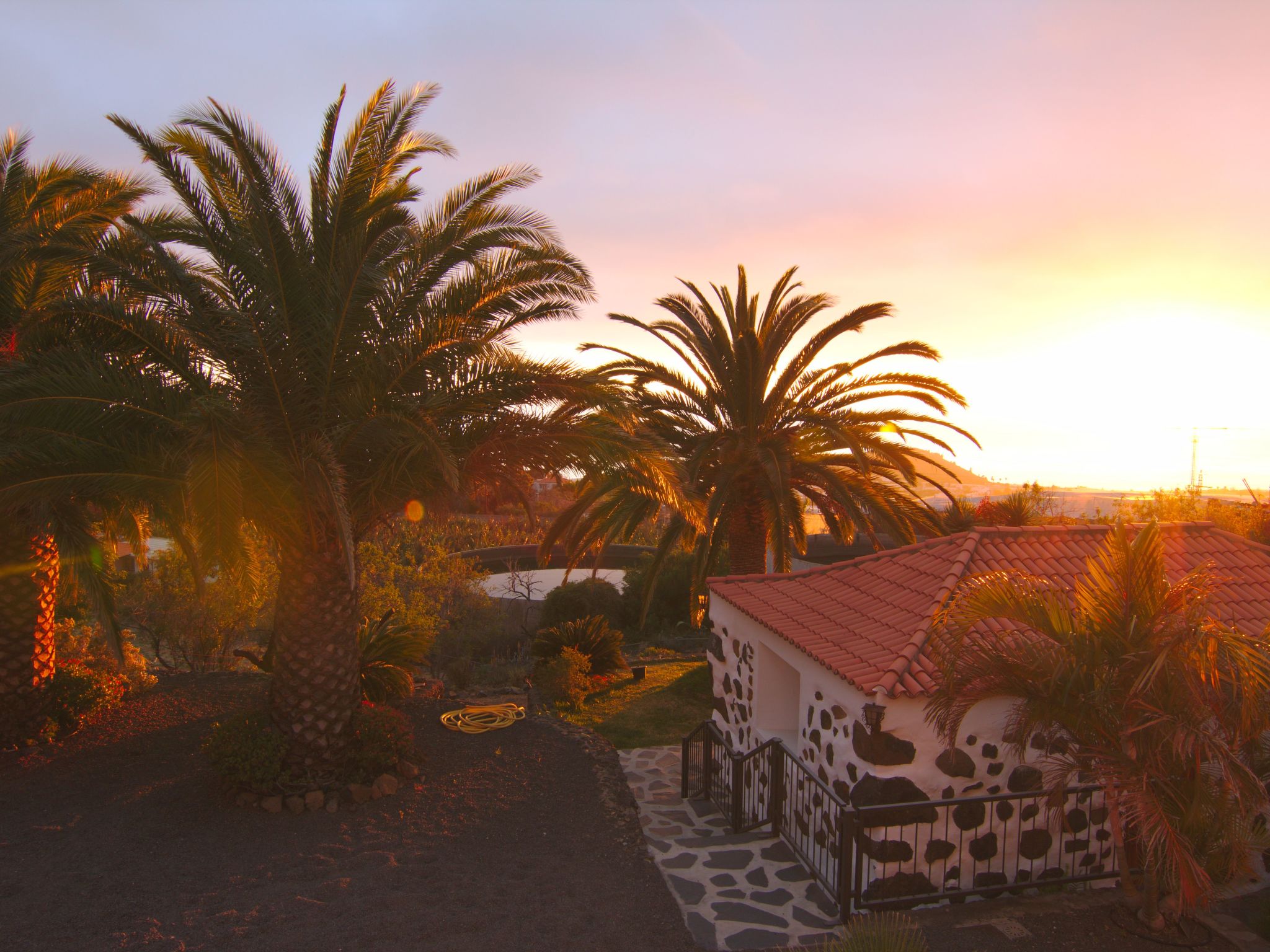
La Palma is the Canary Island everyone forgets, which is precisely why it's worth your time. Tenerife and Gran Canaria have the infrastructure, the resorts, and the package-holiday machinery. La Palma has forests that climb toward volcanic craters, dark-sand beaches that actually feel remote, and small towns where tourism is still novel rather than routine. The island is compact enough to cross in three hours—you can breakfast in a fishing village and dinner in mountain pine forest. Weather is reliably warm and windy (which appeals to surfers, frustrates others). Tourism infrastructure exists but doesn't overwhelm. The honest truth: it takes effort. Flights aren't as convenient as larger islands, road infrastructure is basic, and if you're seeking nightlife or restaurants with Michelin aspirations, go elsewhere. But if you want to understand what the Canaries were before they became an all-inclusive destination, La Palma still delivers that.
What Makes La Palma Special
- Landscape variety that feels impossible on such a small island. You'll move from subtropical beaches to cloud forest to high-altitude volcanic landscape without excessive driving. The vertical geography makes small distances feel like major journeys.
- Surfing and wind sports without the circus. Spots like Tazacorte and Puntagorda have genuine swells and reliable wind. You won't see crowds of influencers; you'll see people actually in the water working waves.
- Hiking that doesn't require technical equipment or group bookings. Trails to Caldera de Taburiente crater and through laurel forests are accessible from simple accommodation and manageable on foot.
- Food that comes from visible agriculture. Bananas are grown on steep hillsides you can see from restaurants. Fish is caught locally and eaten fresh. Coffee grows here. It matters.
- Actual quiet. Tourist masses haven't arrived. You can spend days without hearing English unless you seek it out.
Top Towns & Resorts in La Palma
Santa Cruz de La Palma
The capital is an actual working town—fishing boats dock here, families buy groceries, it functions independently of tourism. The waterfront has been developed but maintains character; old town alleys reward wandering. If you want infrastructure (restaurants, shops, ferry connections), Santa Cruz is the base. Downside: not a beach town. Swimming means driving elsewhere. Search villas in Santa Cruz de La Palma
Los Llanos de Aridane
The second town is larger, less atmospheric, more practical for supplies. Stay here if you want independence and access to everything; it's the service hub. Tourist appeal is limited. Character is in Santa Cruz and coastal villages. Search villas in Los Llanos
Tazacorte and Coastal Villages
Beach access and fishing-village atmosphere. Tazacorte has the most developed infrastructure of the coastal towns; smaller villages like Puntagorda are emptier. Wind is often strong (creating good surfing conditions), which can be frustrating if you're seeking sheltered lounging. Swimming is generally safe but can be cold compared to southern coasts. Search villas in Tazacorte
Fuencaliente
Southern coastal area with recent volcanic activity visible in the landscape. Less touristy than Tazacorte, but also with fewer services. This is where you come if you want genuine remoteness and don't mind limited restaurant options. Search villas in Fuencaliente
Mountain Towns (Garafia, Tijarafe)
Base yourself here if hiking and landscape are your priorities. Infrastructure is minimal; the nearest restaurant might require a 20-minute drive. Roads are narrow and require careful driving. Isolation appeals to some travelers completely. Search villas in mountain towns