Calpe and Benissa
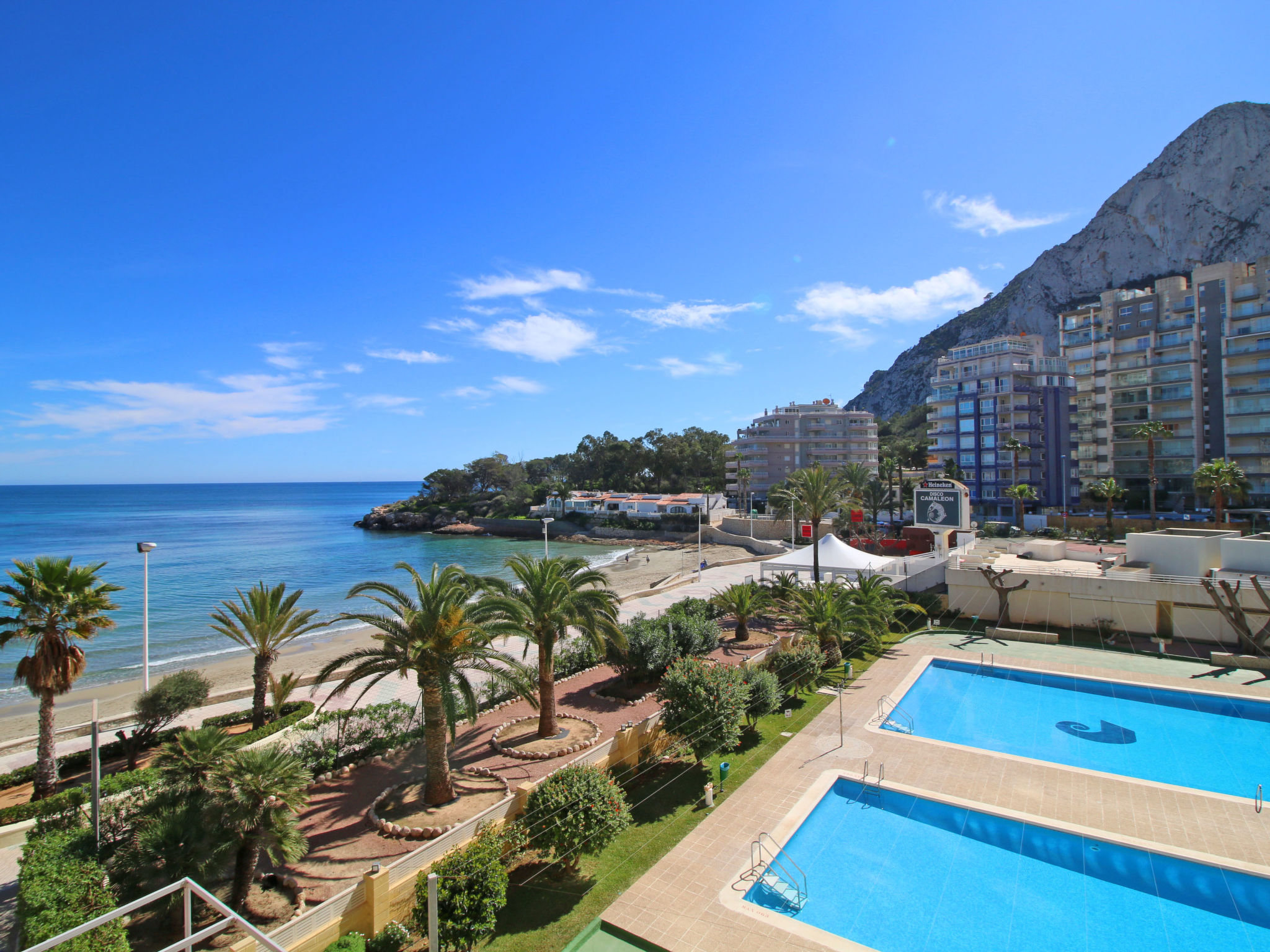
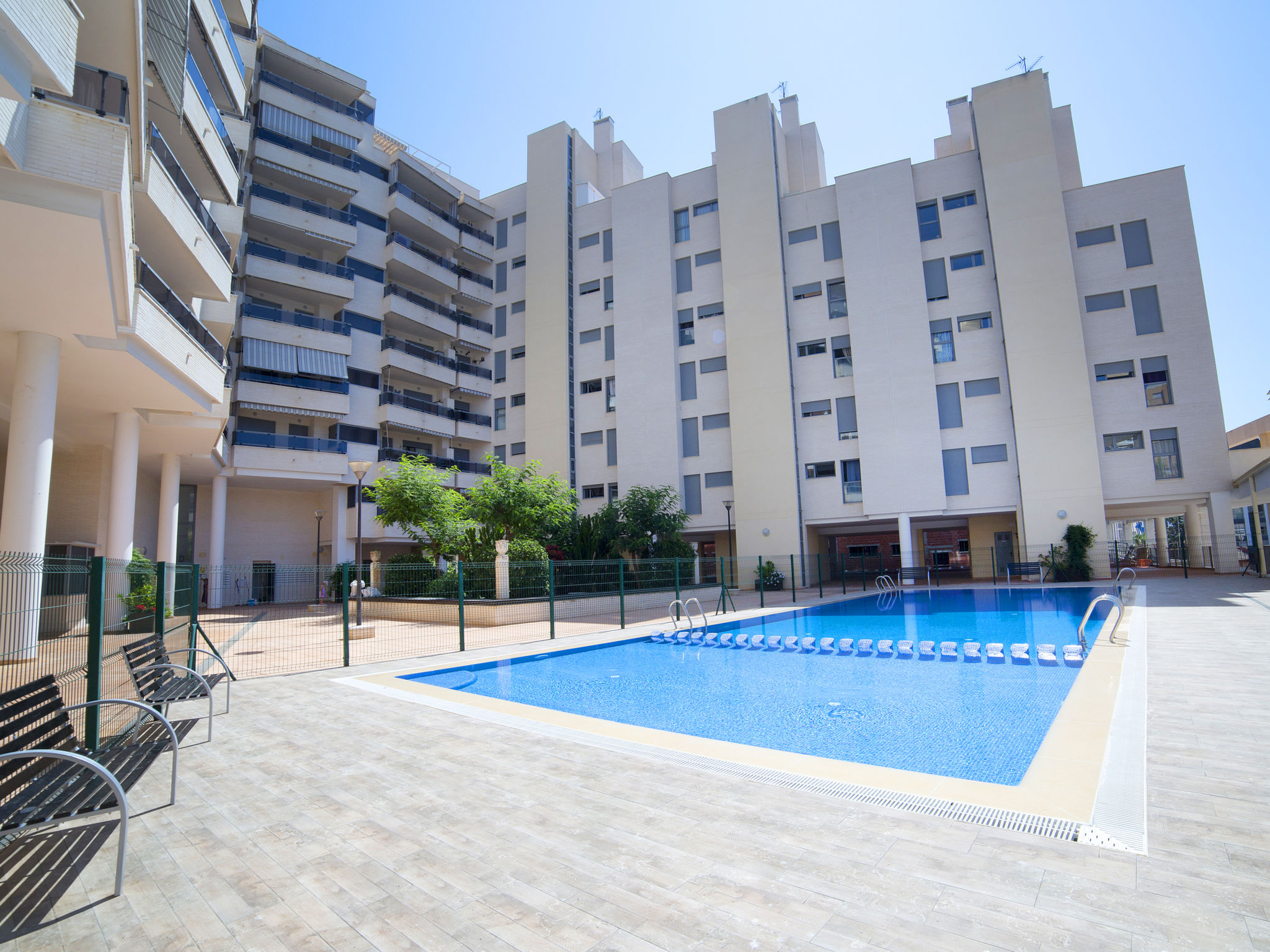
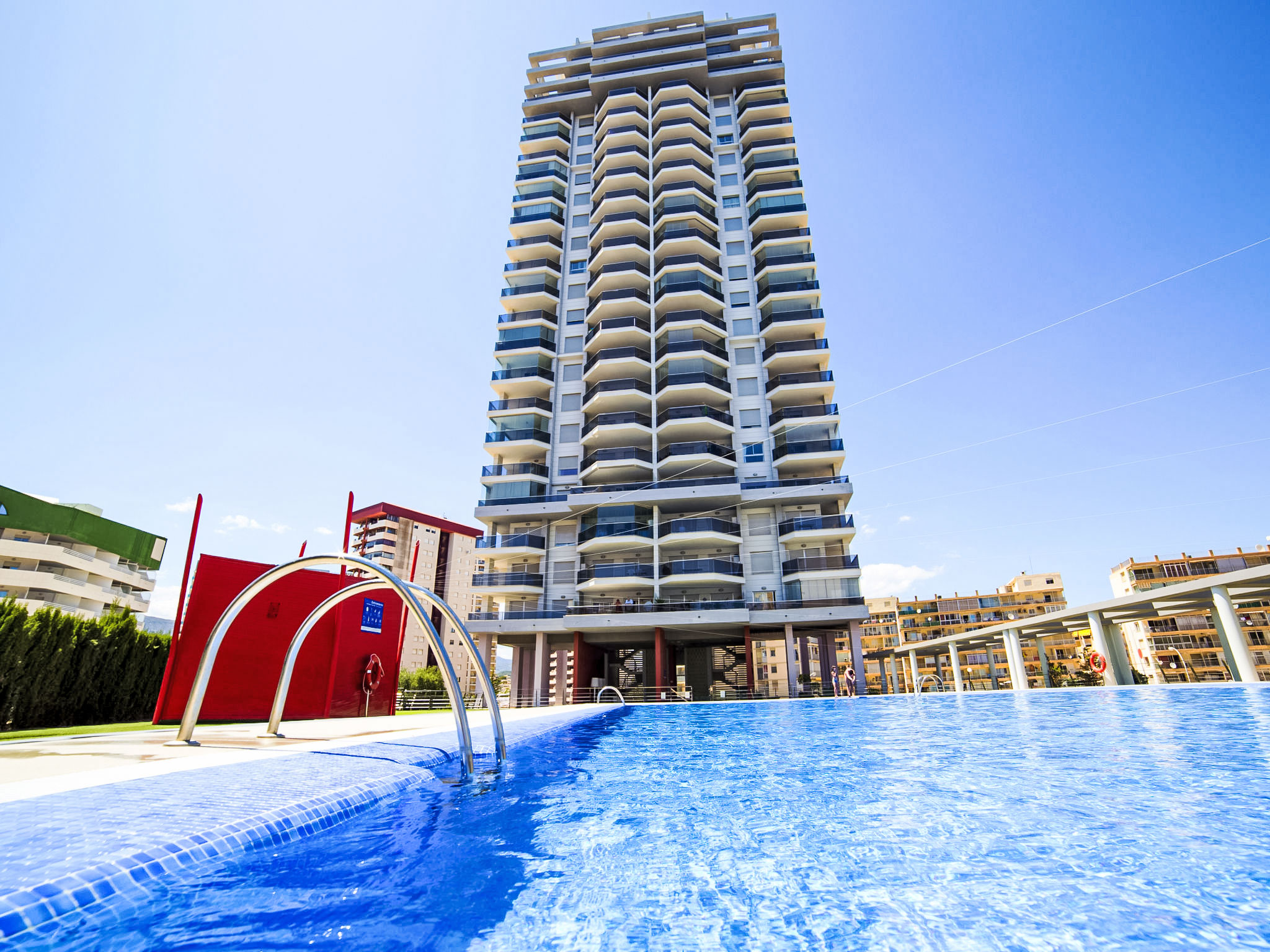
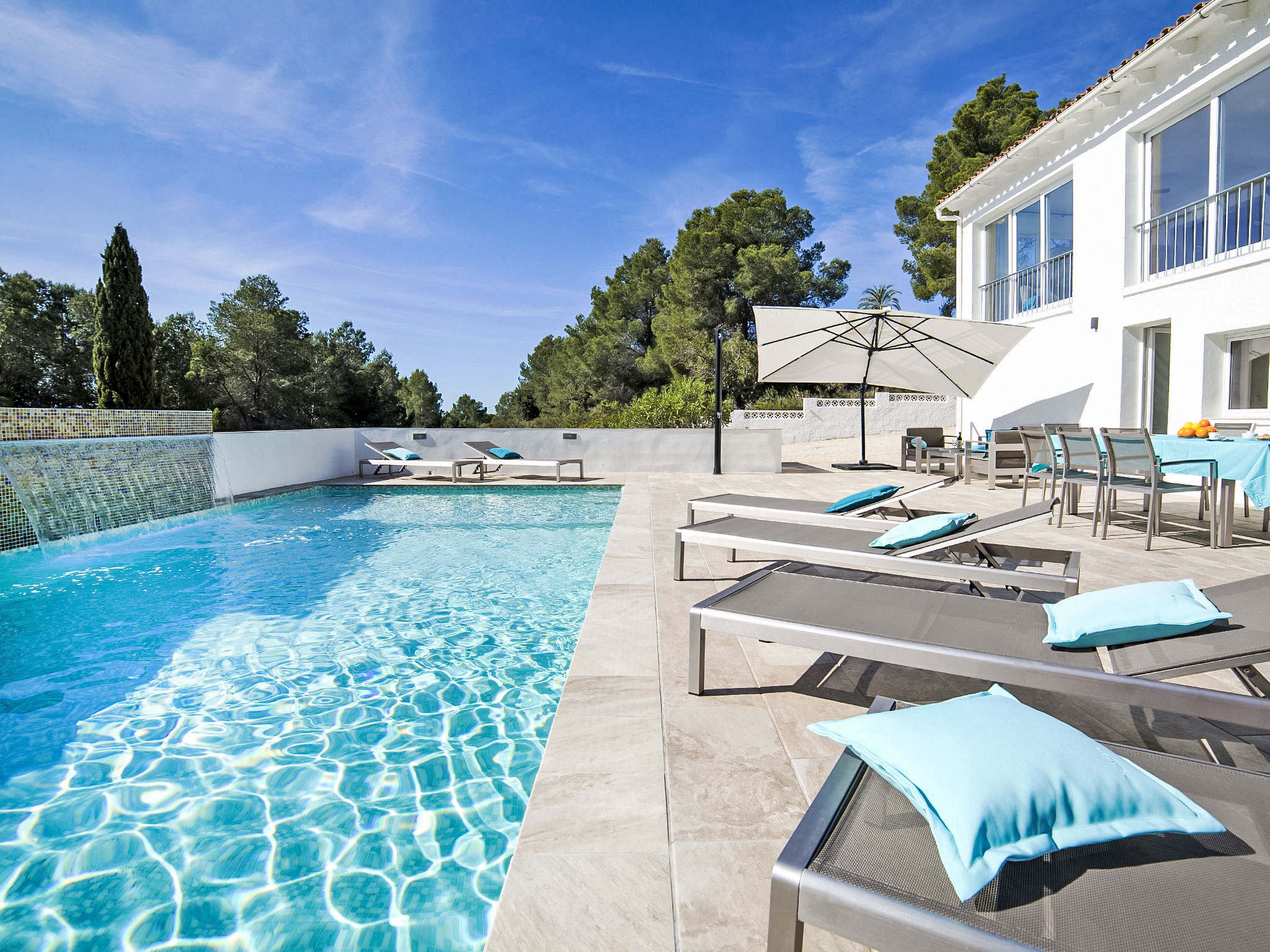
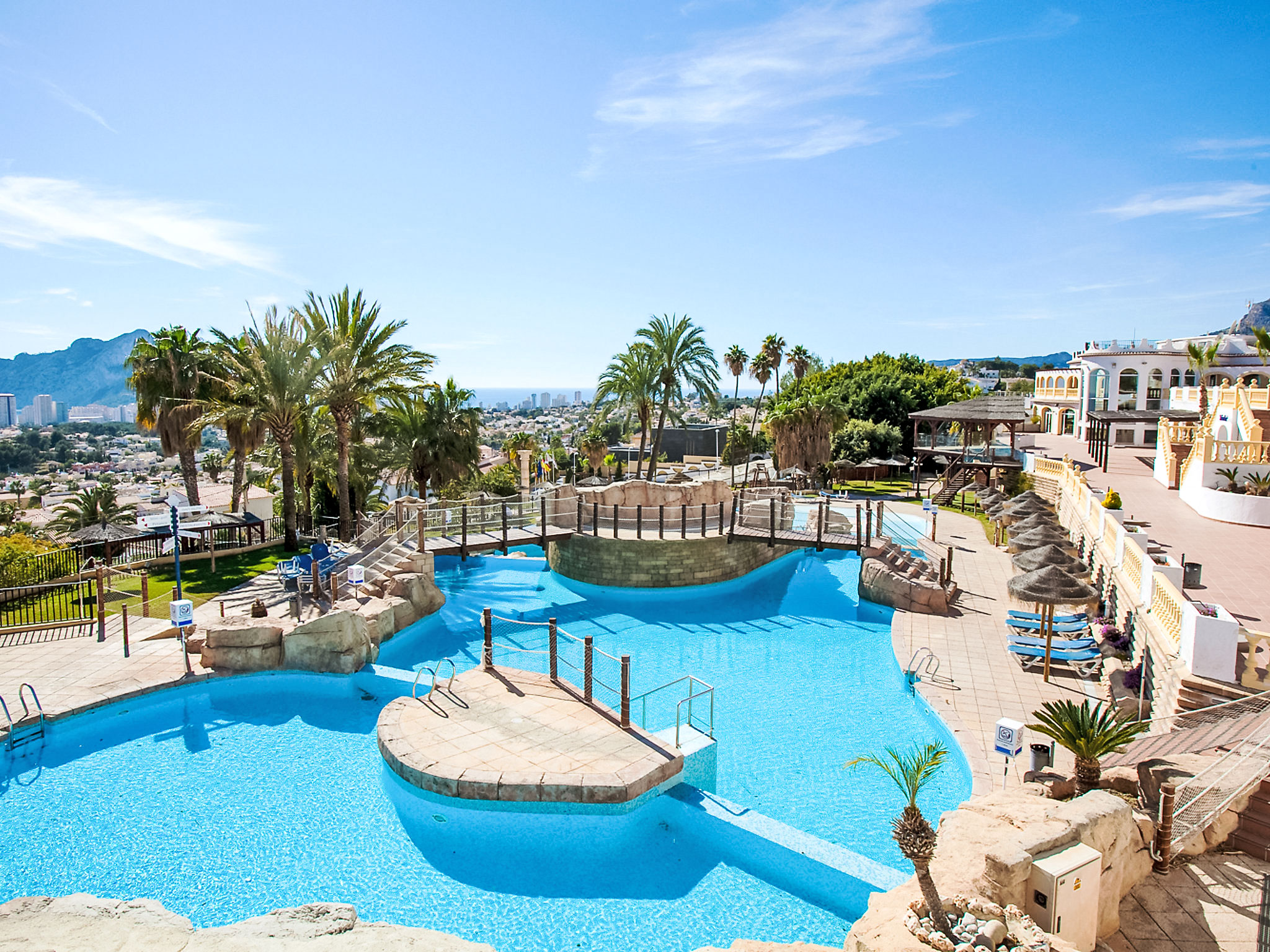
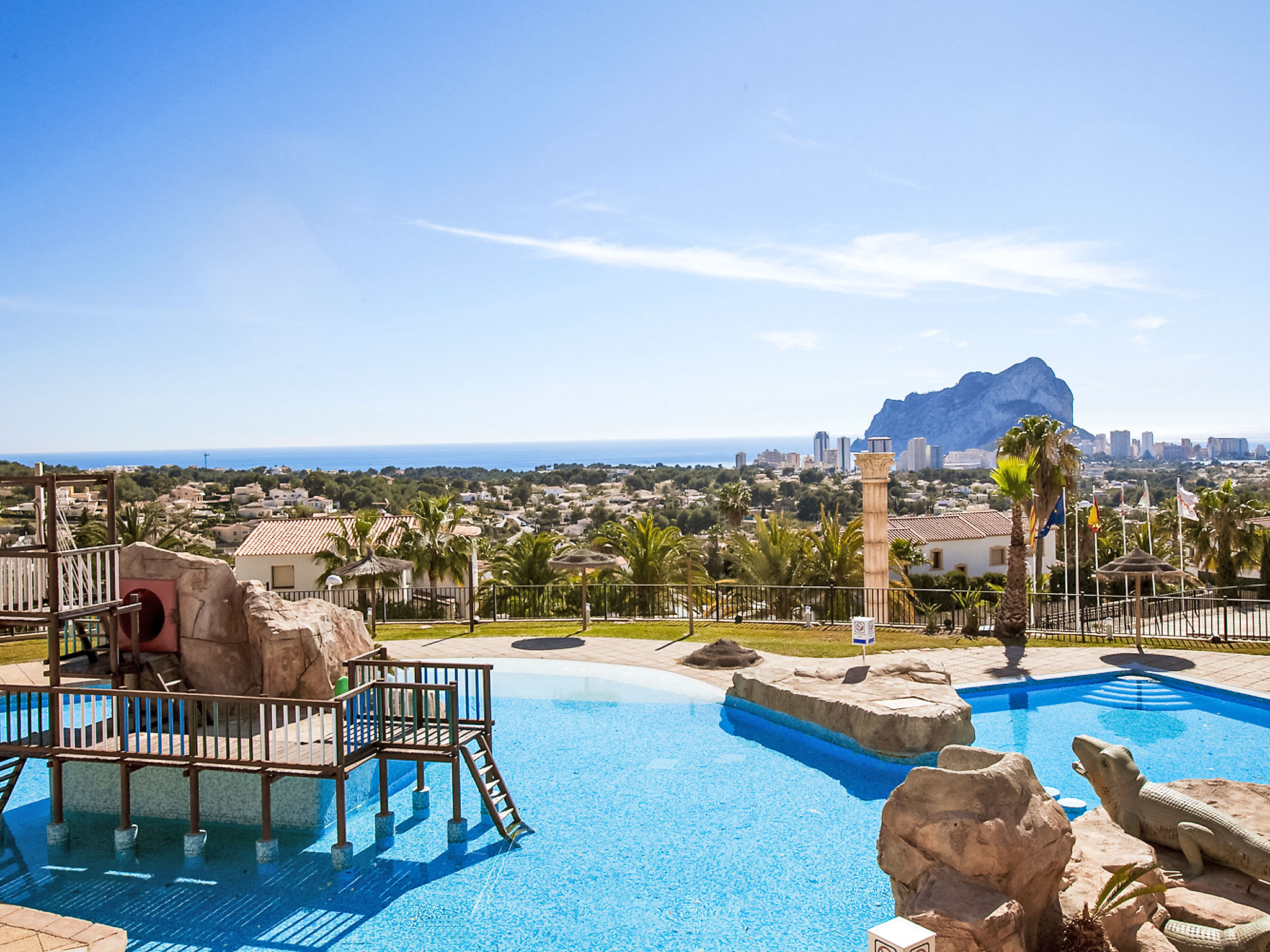
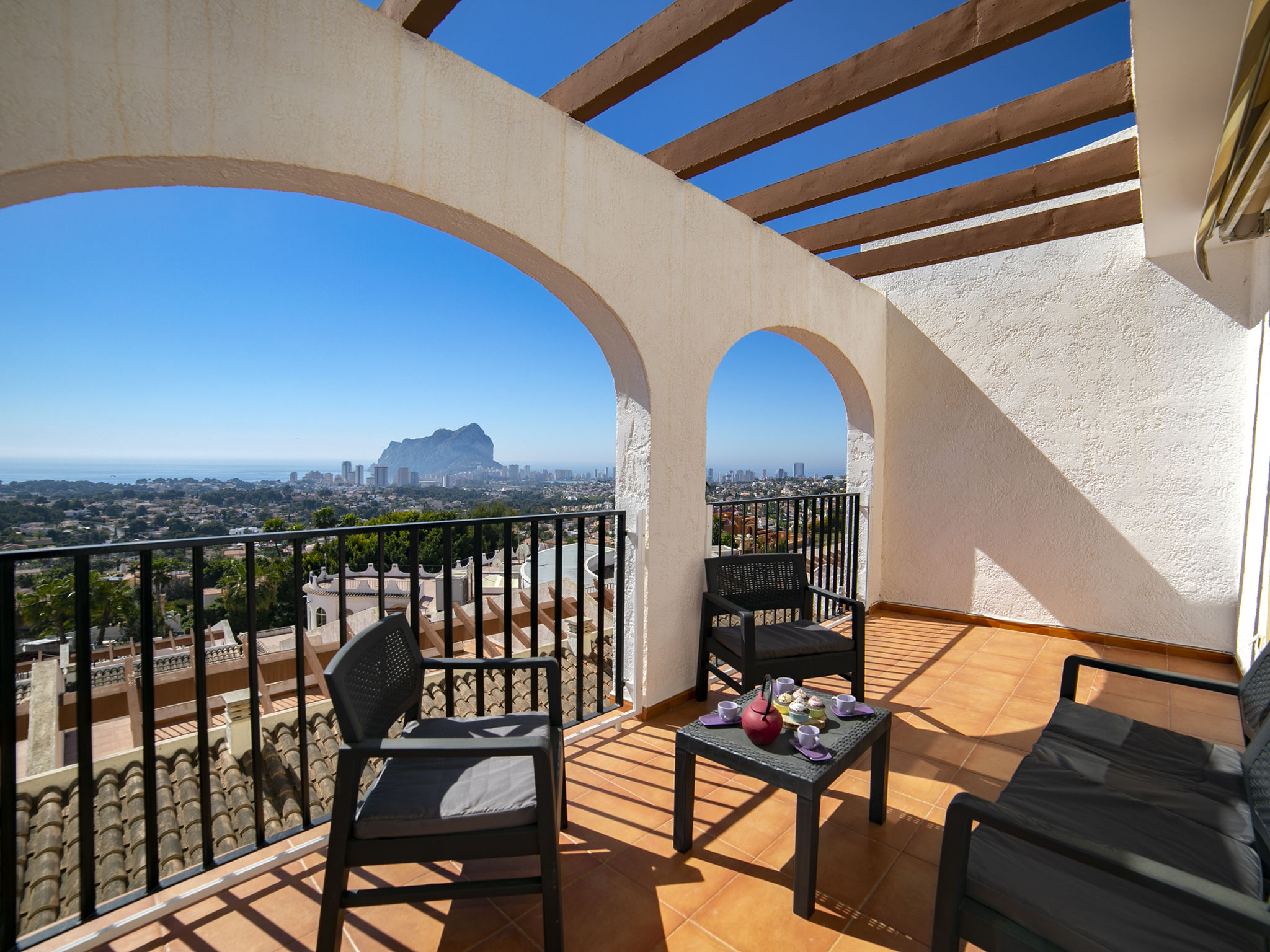
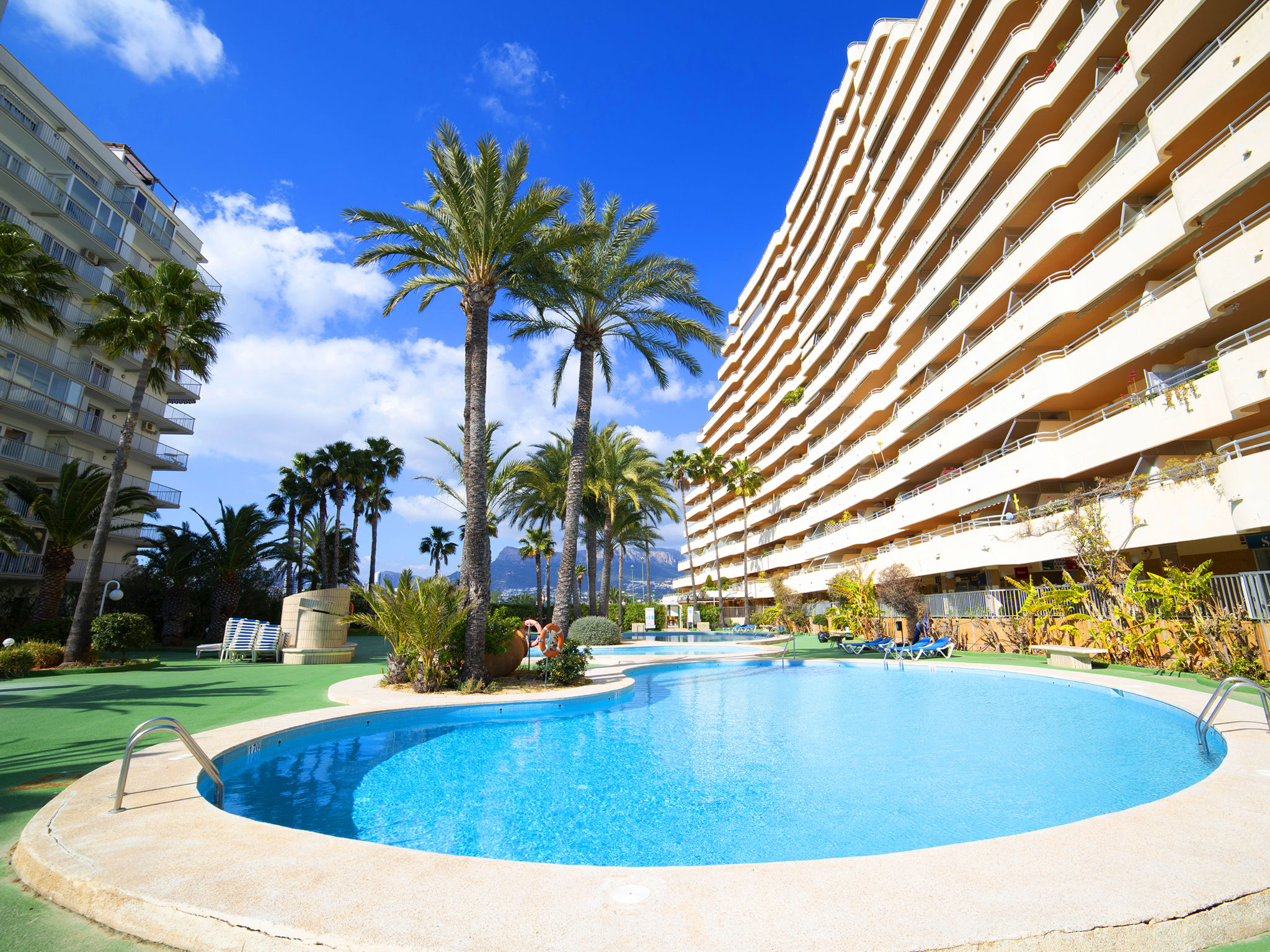
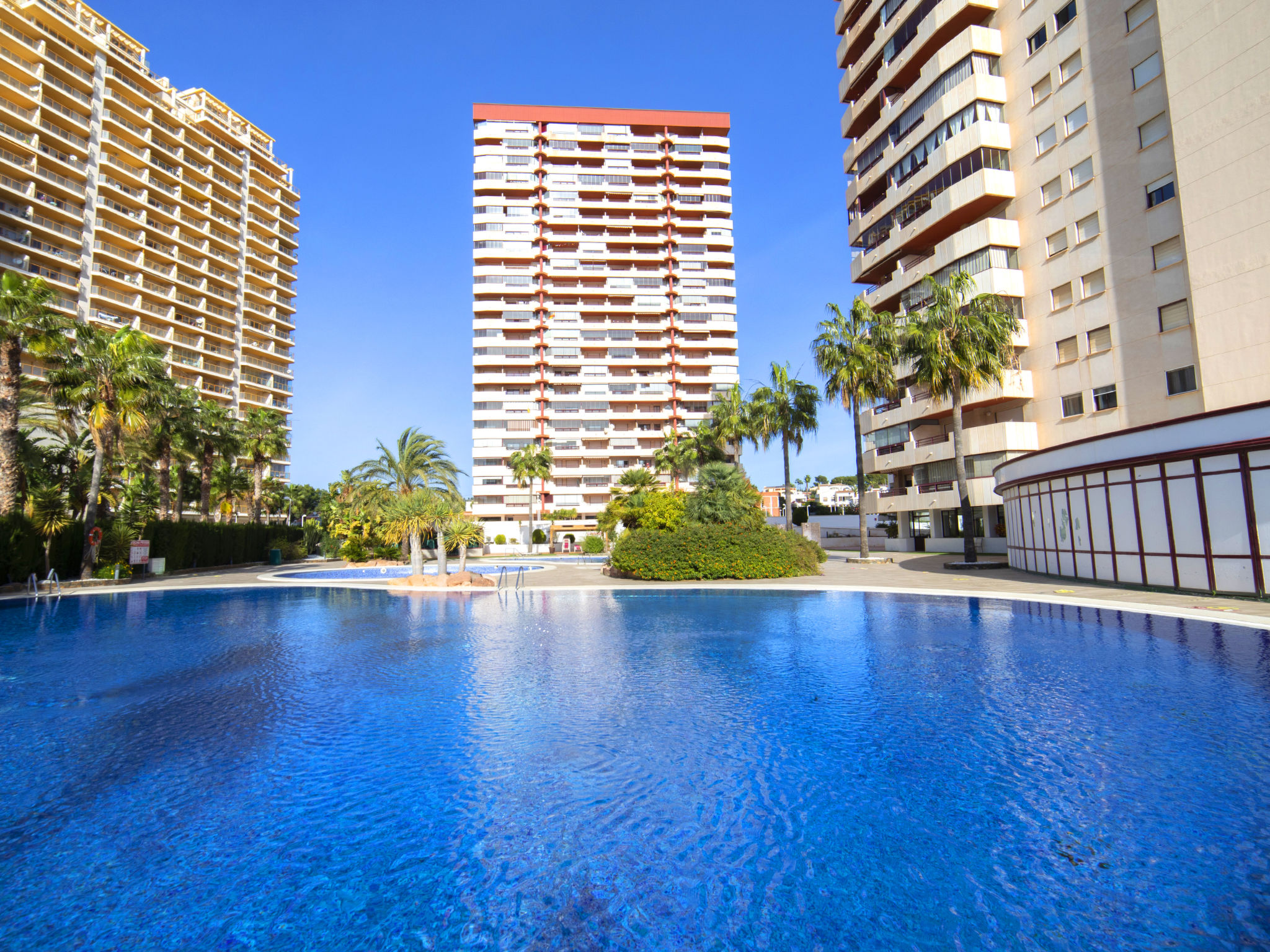
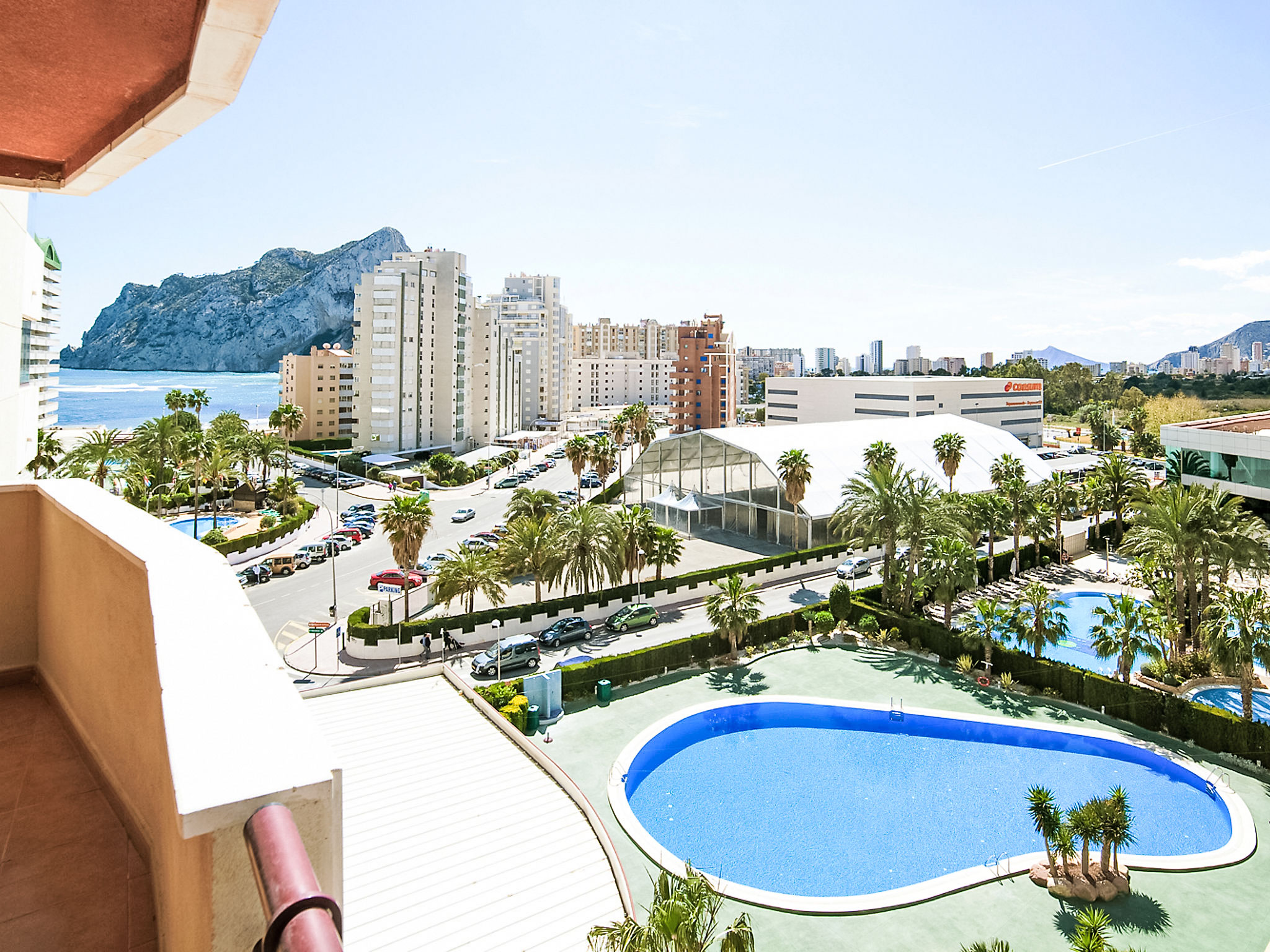
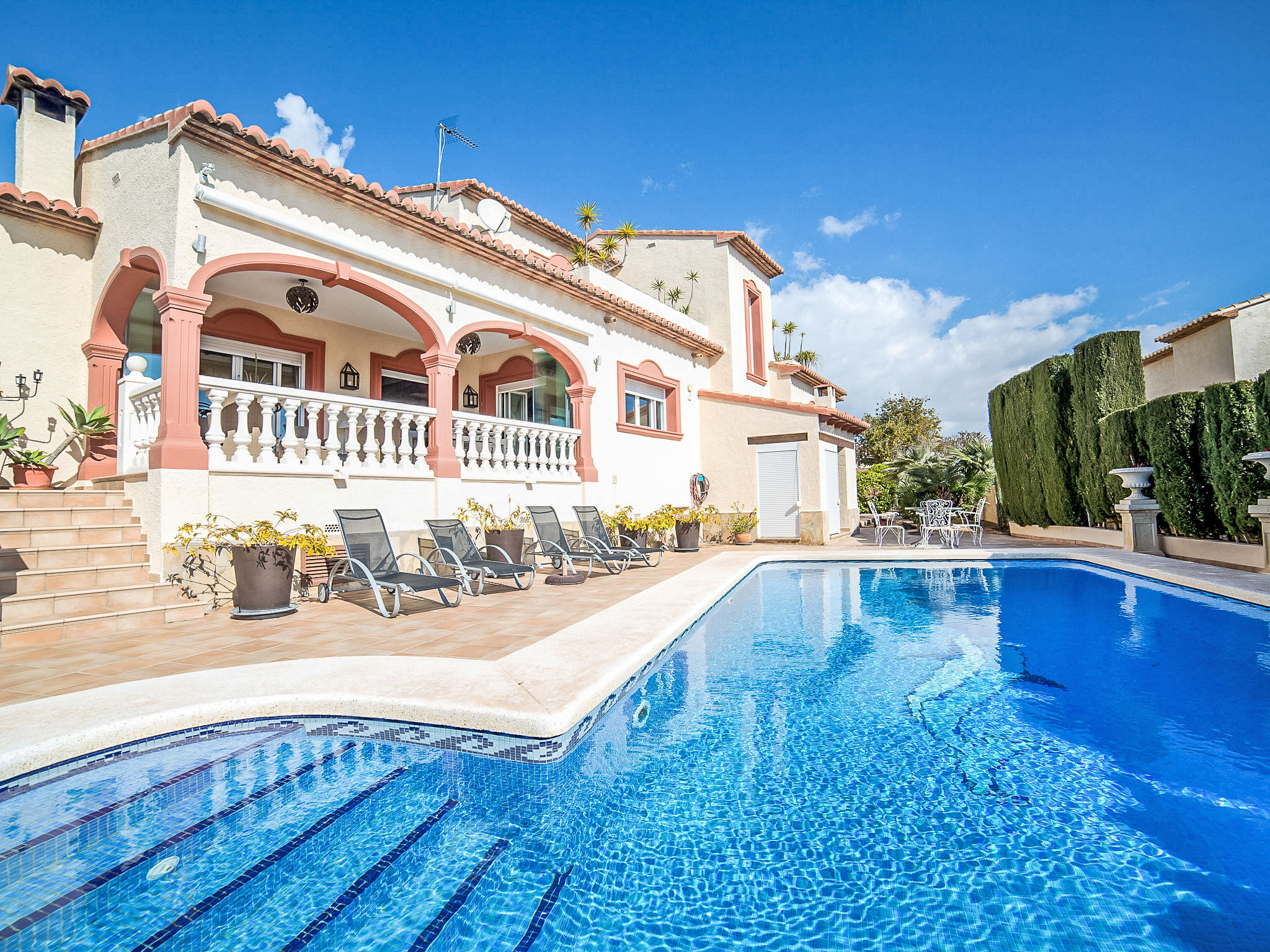
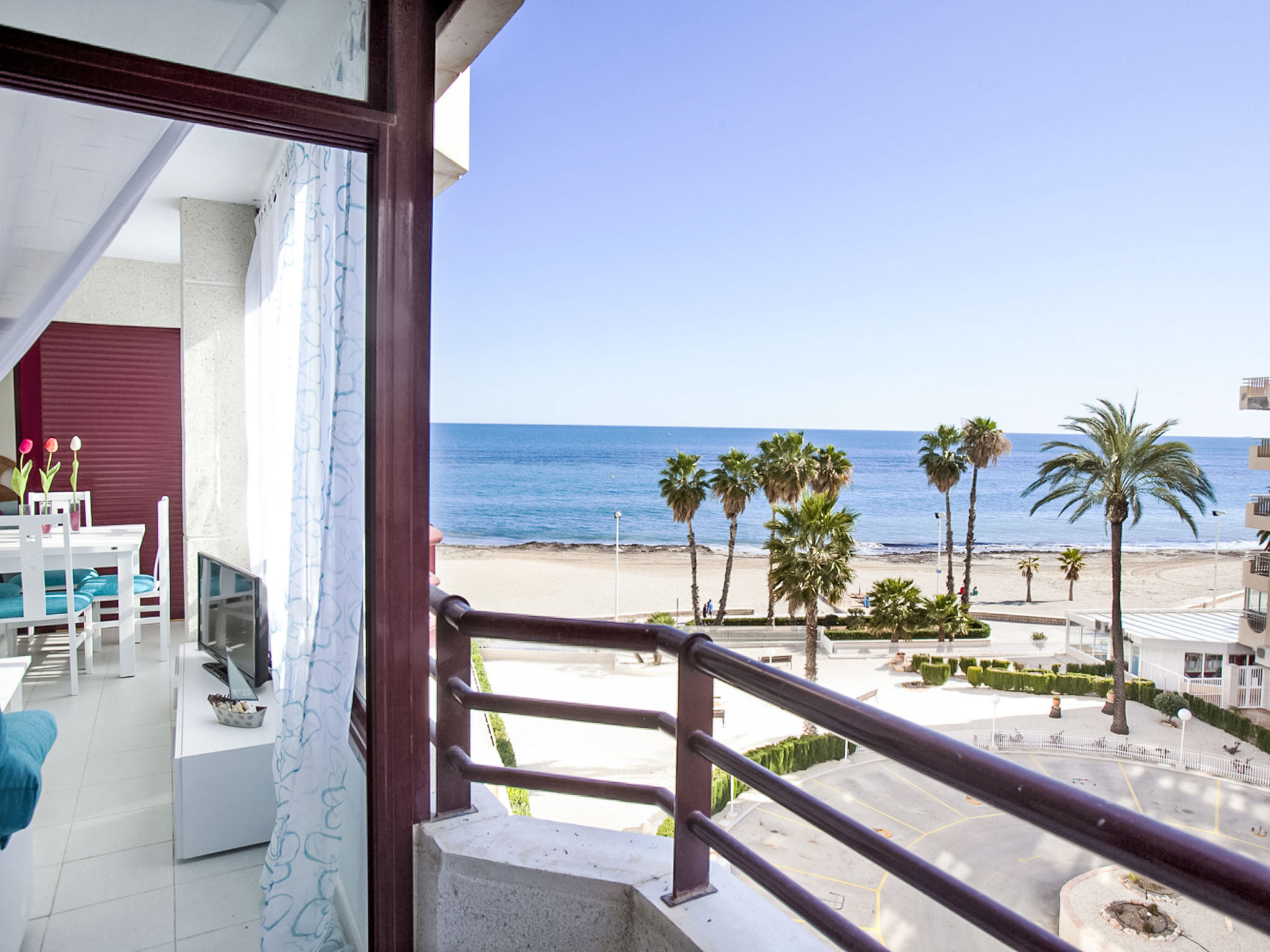
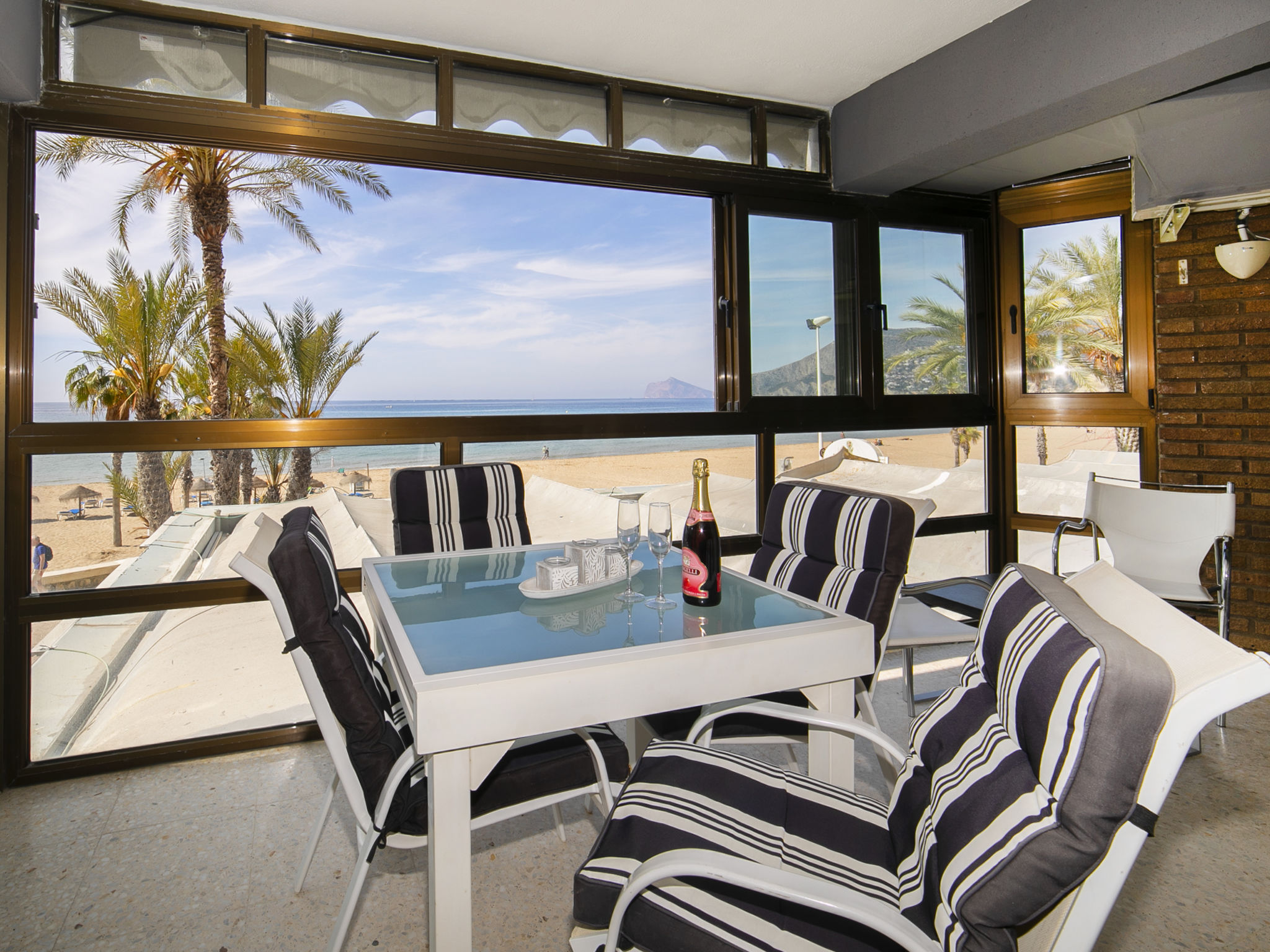
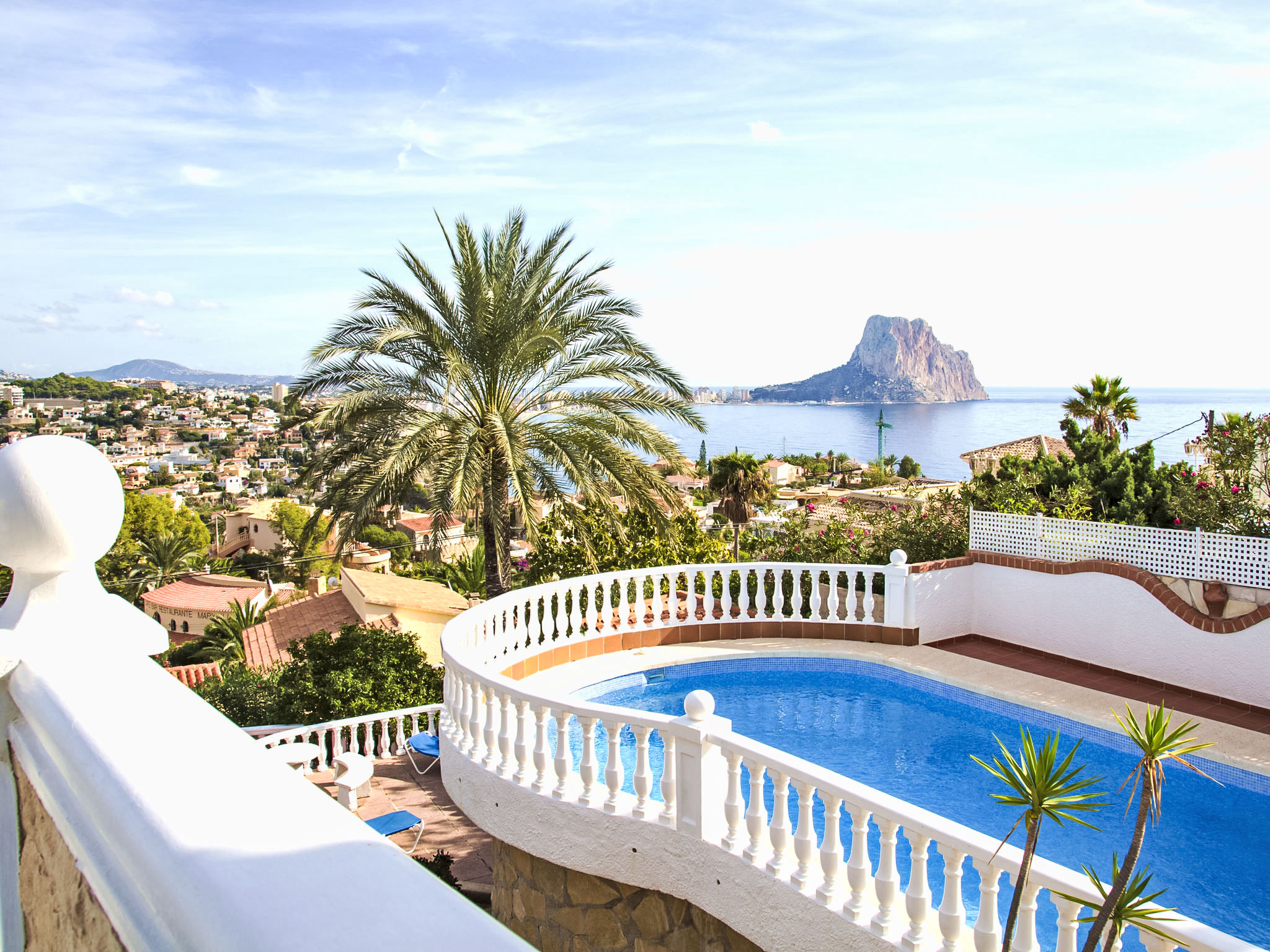
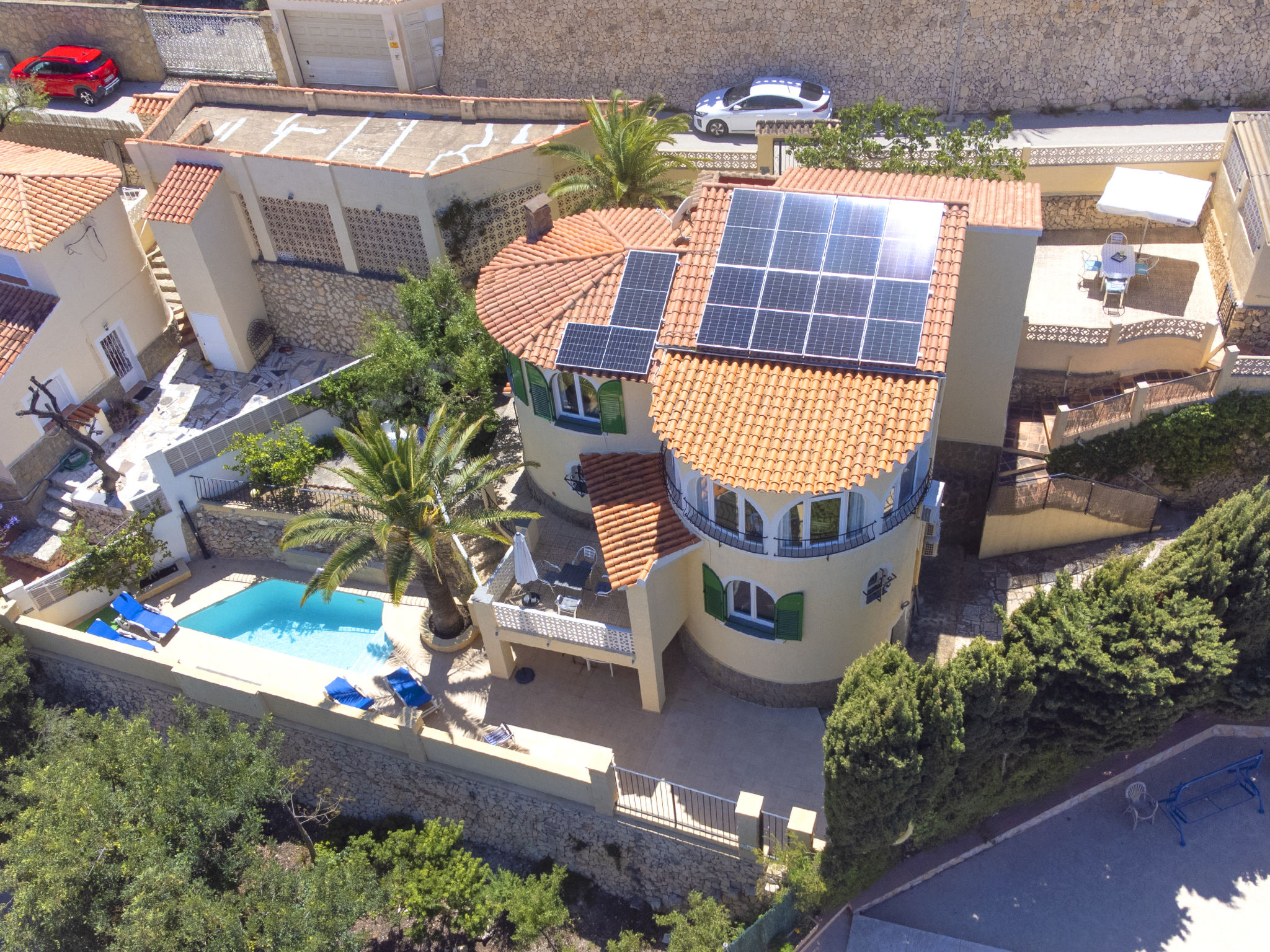
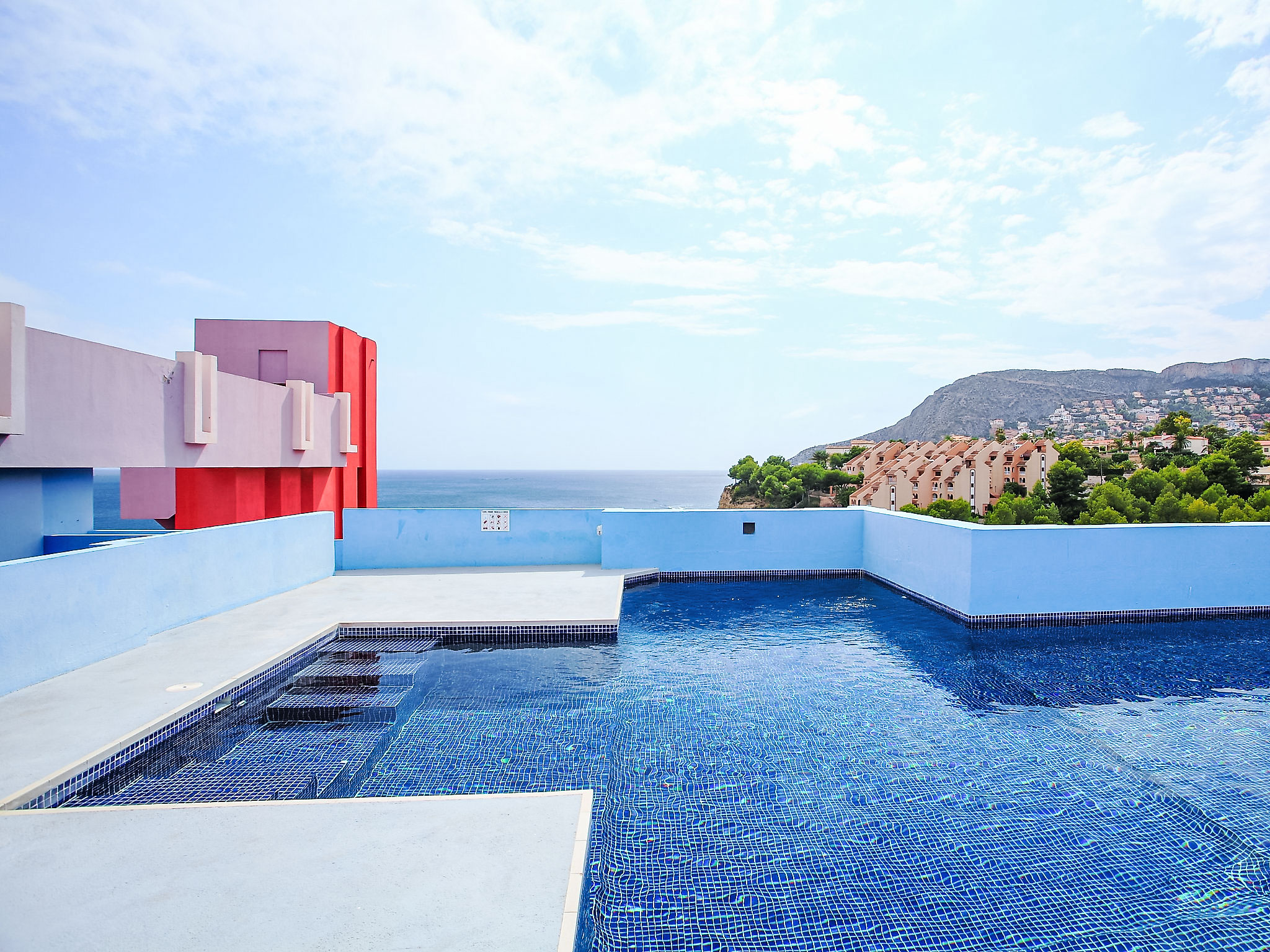
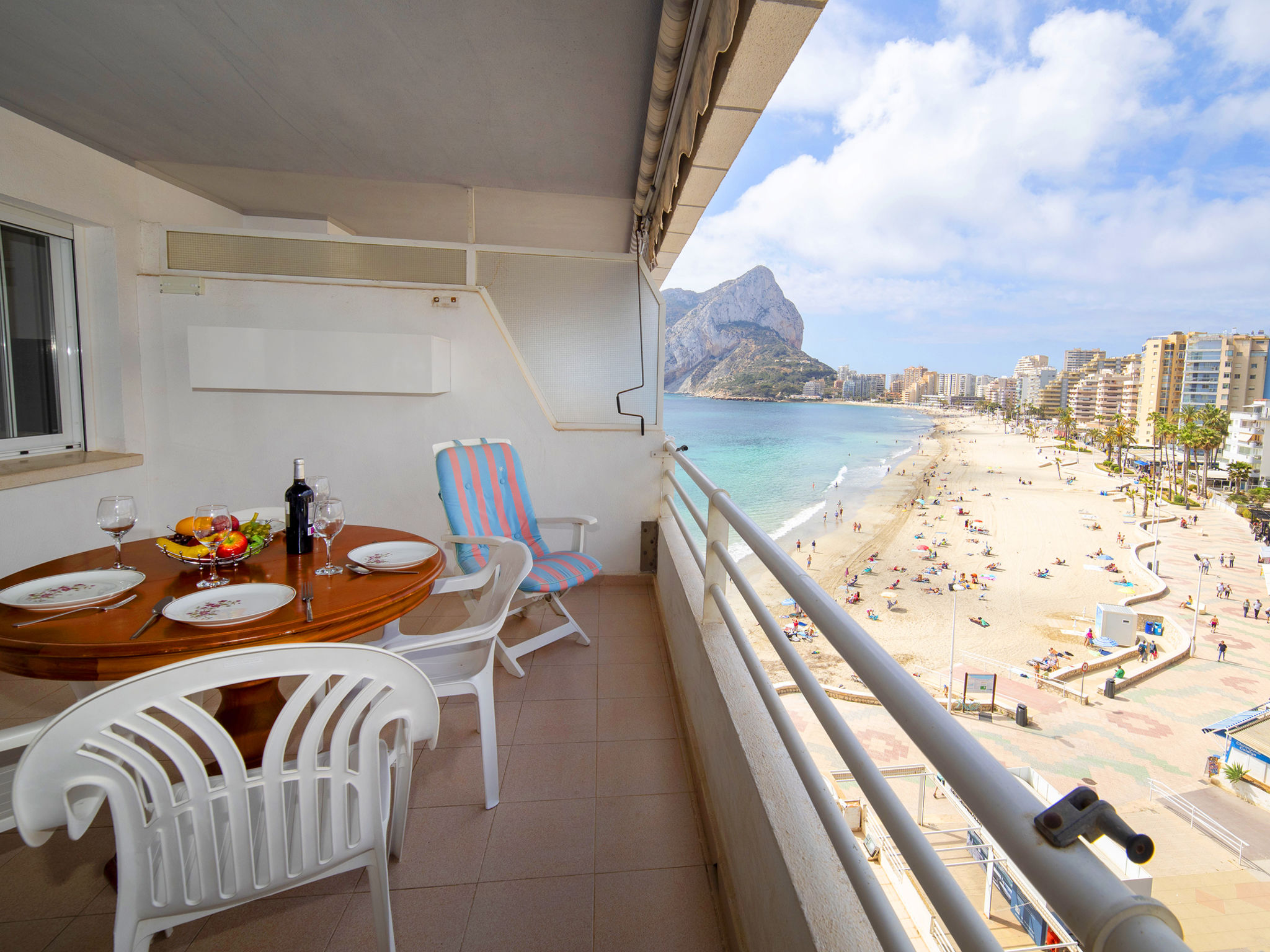
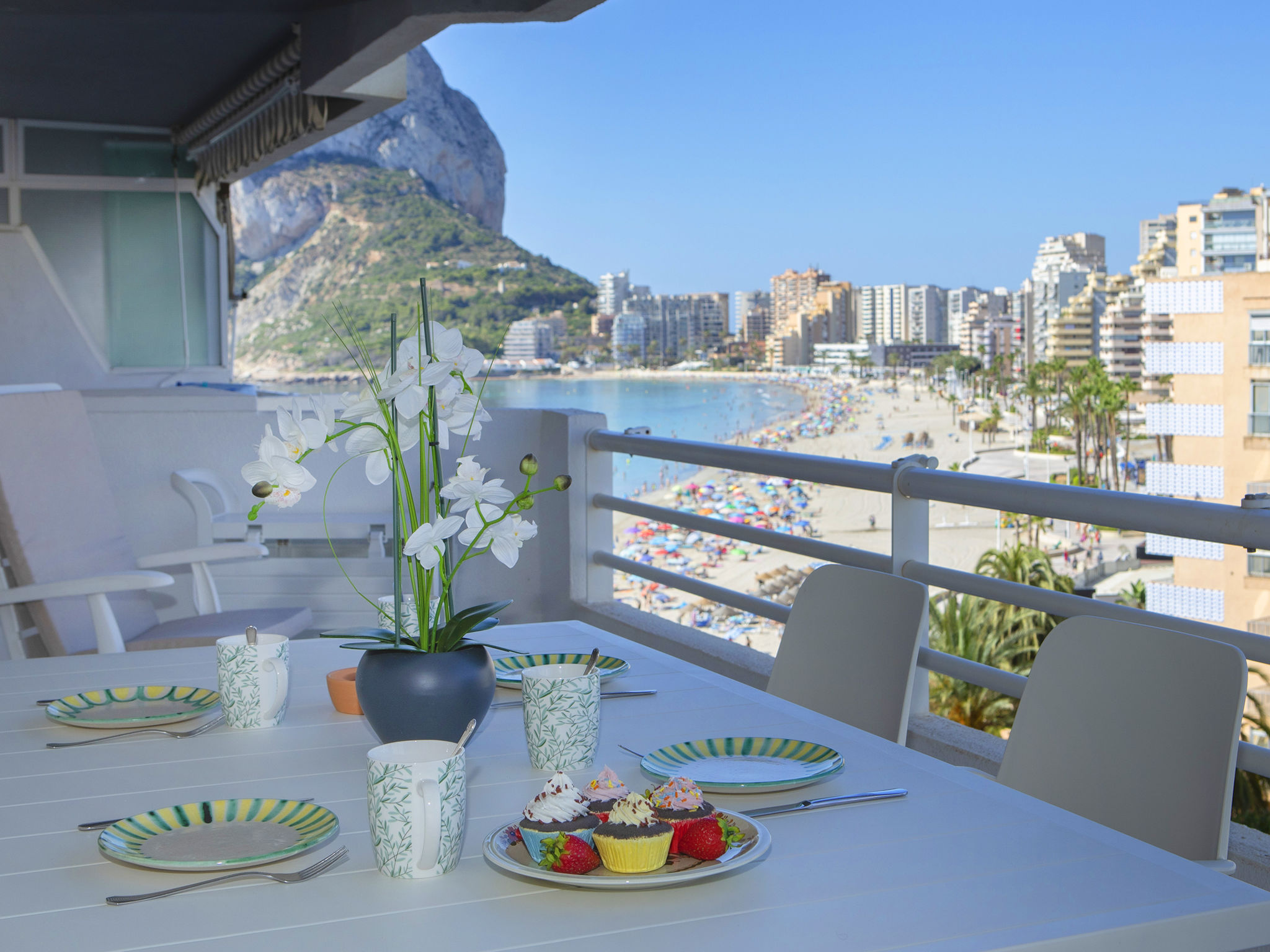
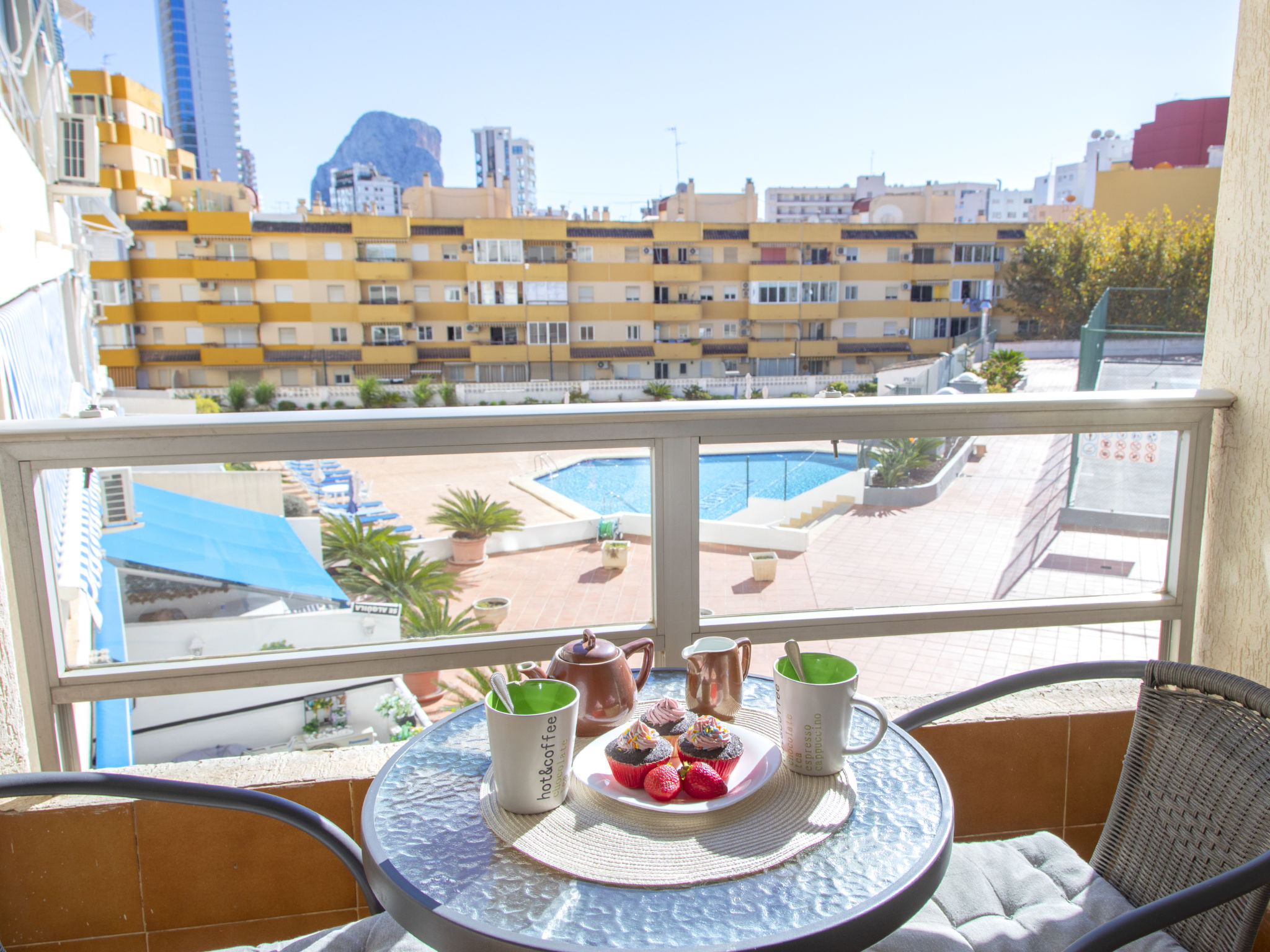
This is where most of our Costa Blanca villas are. Calpe is dominated by the Peñón de Ifach, a huge rock rising from the sea, with sandy beaches on either side and a salt lake where flamingos are often seen. The fishing port sells the day's catch. Benissa's coast is quieter, with small rocky coves. Alicante airport is around an hour away.
Best for: Families who want sandy beaches, a busy town and plenty of choice
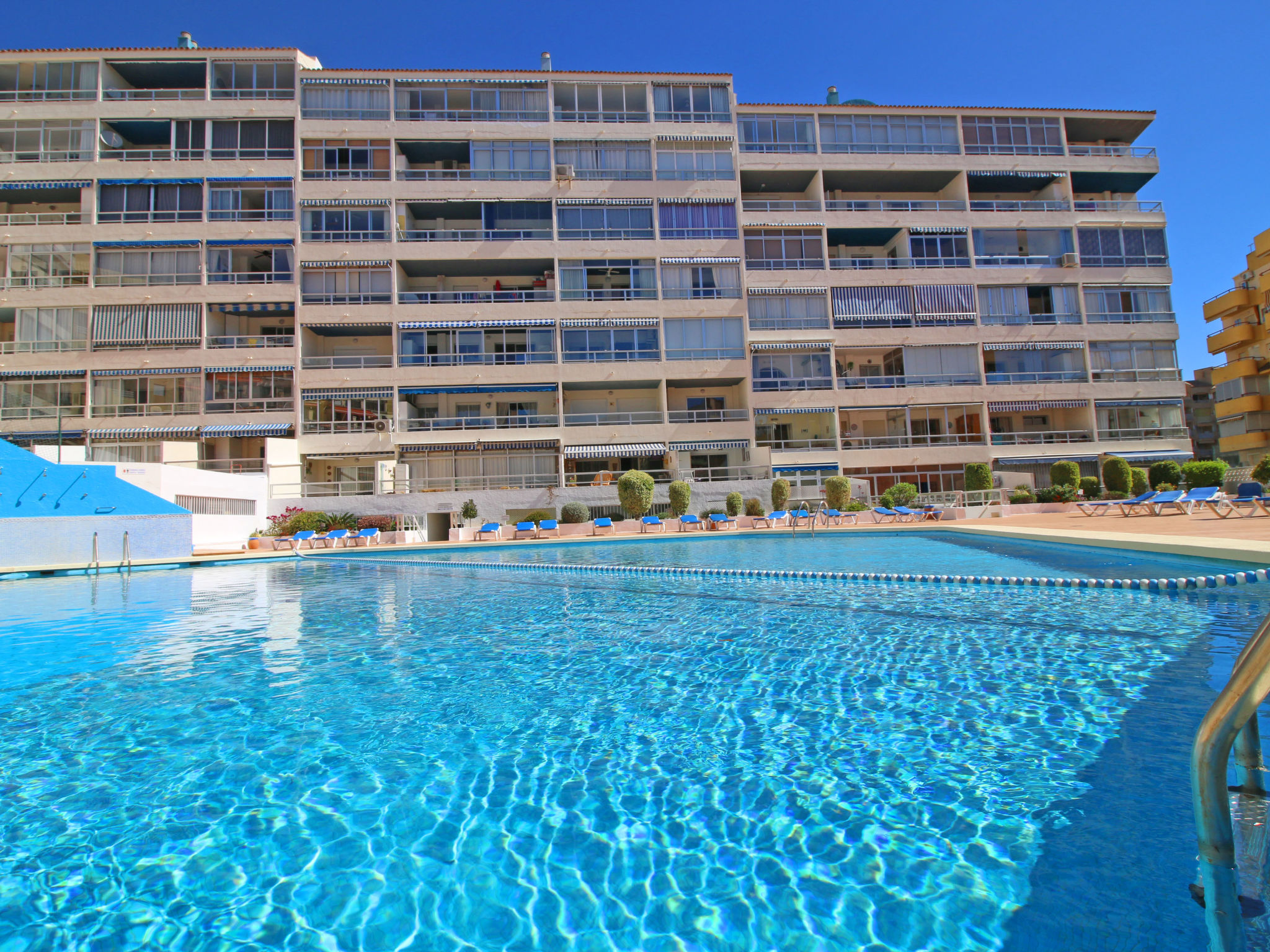
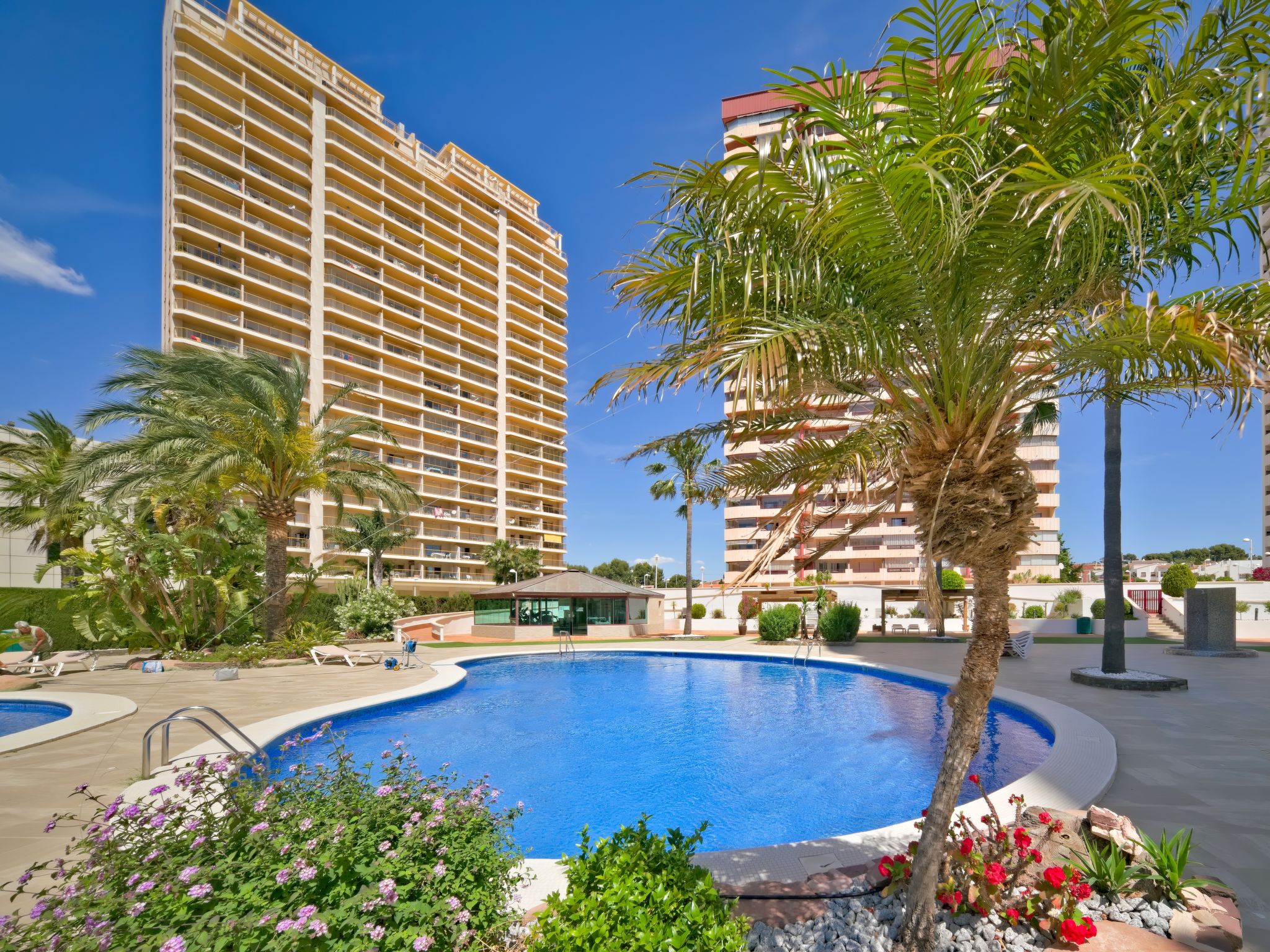
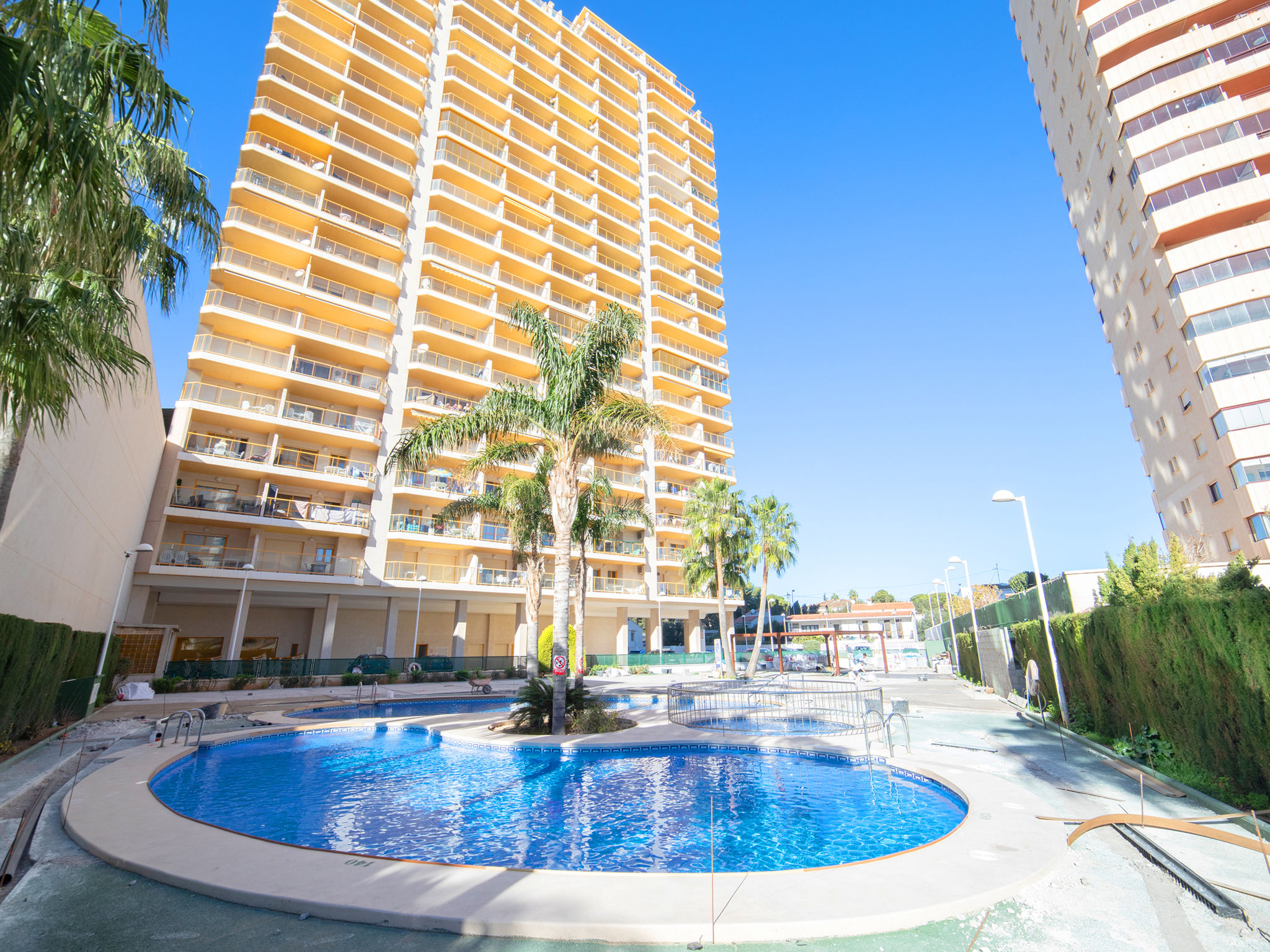
Not for you if: You want a quaint old village feel: Calpe's seafront is lined with high-rise apartments.
Jávea (Xàbia) and Benitachell
Jávea has three distinct parts: a historic old town, a working port and the Arenal, a sandy beach lined with restaurants. Rocky coves such as La Granadella and the Cap de la Nau headland are a short drive away. Benitachell sits on the cliffs to the south. Alicante and Valencia airports are each around an hour and a quarter away.
Best for: Families and couples who want a mix of sandy beach and coves
Not for you if: You want to walk everywhere: Jávea is spread out between the old town, the port and the Arenal.
Dénia, Els Poblets, Oliva and Pego
Dénia has a hilltop castle, a busy marina and good restaurants, with long sandy beaches running north through Els Poblets towards Oliva. To the south, Les Rotes is rockier and better for snorkelling. Ferries leave Dénia for Ibiza, Formentera and Mallorca. Pego sits inland near a protected marsh. Valencia airport is around an hour away, Alicante around an hour and a quarter.
Best for: Families who want long sandy beaches and a lively town
Not for you if: You want dramatic coves on the doorstep: north of Dénia the coast is mostly long, flat sandy beach.
Moraira
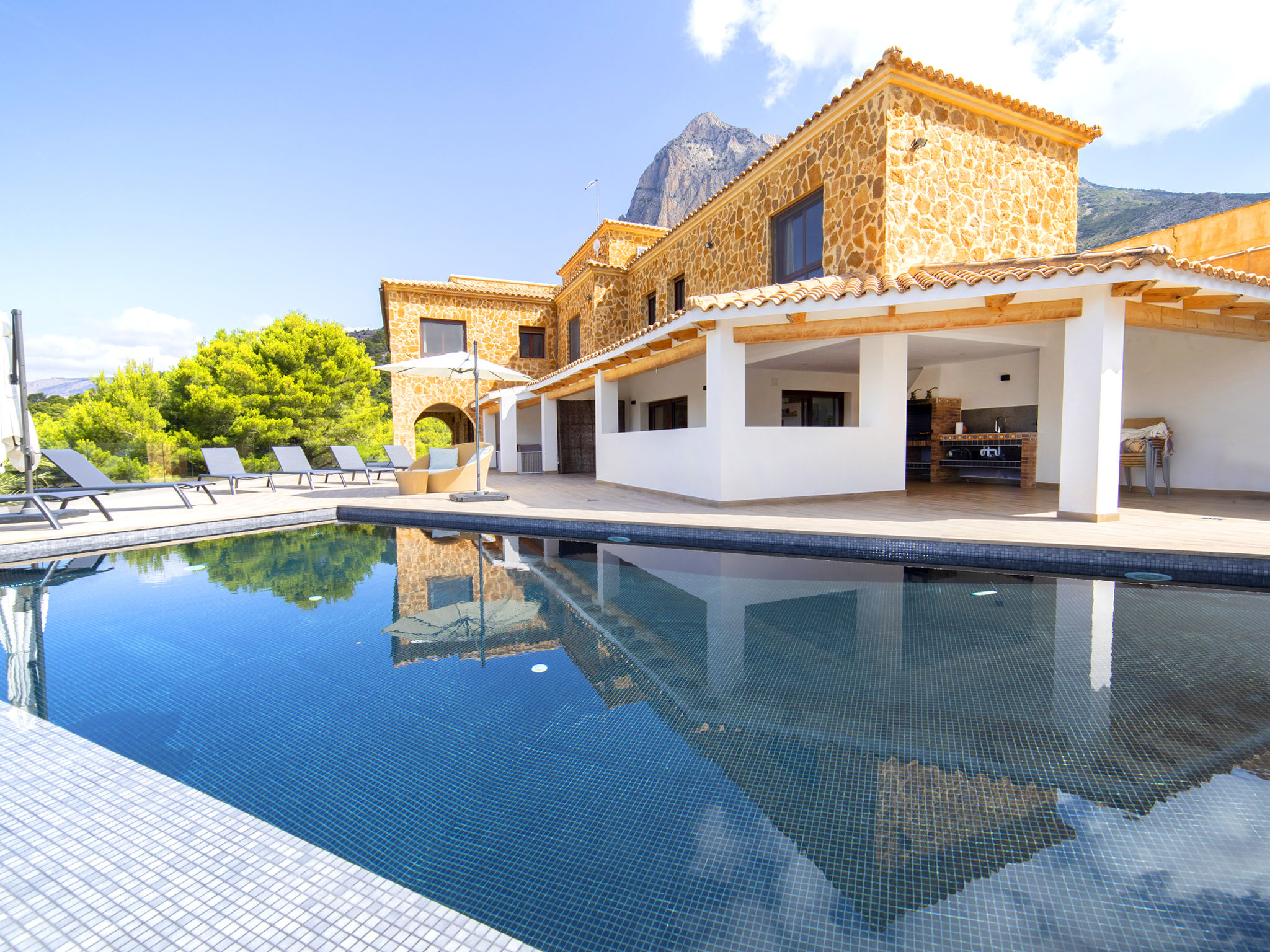
Moraira is a small, upmarket resort with a marina, a handful of sandy beaches such as El Portet and L'Ampolla, and rocky coves along the coast to Calpe. Villas are mostly on the hillsides around town, many with sea views. Restaurants are good, and evenings are relaxed. Alicante airport is around an hour and ten minutes away.
Best for: Couples and families who want a smaller, quieter resort
Not for you if: You want long sandy beaches: Moraira has small beaches and many rocky coves.
Altea, Albir and Benidorm
Altea's whitewashed old town climbs to a blue-domed church above the sea, while Albir has a pebble promenade and a walk to the Serra Gelada lighthouse. Benidorm has two long sandy beaches, plenty of restaurants and theme and water parks nearby. Villas are mostly in the hills behind, around La Nucia and Finestrat. Alicante airport is around 45 minutes away, and a tram runs along the coast to Alicante.
Best for: Families who want theme parks, beaches and a short transfer
Not for you if: You want somewhere quiet: Benidorm is one of Spain's busiest resorts, all year round.
Torrevieja, Orihuela Costa and the south
South of Alicante the coast is flatter, with sandy beaches at Guardamar del Segura and along Orihuela Costa, and the pink salt lakes beside Torrevieja. There are several golf courses inland, and Santa Pola has boat trips to the small island of Tabarca. Alicante airport is around 30 to 45 minutes away, and Murcia airport is a similar distance from the far south.
Best for: Families and golfers looking for value and an easy transfer
Not for you if: You want hills, coves and old towns: the south is flatter and mostly modern development.