Villas in Forte dei Marmi
Forte dei Marmi suits groups who want a smart beach town with the Apuan Alps behind it, boutiques and a weekly market. Few homes have a pool, but nearly all have air conditioning and a garden, and the homes sit close together near the town.
- Villas
- 34
- From, per week
- £490
About Forte dei Marmi
Forte dei Marmi is a seaside town of about 6,600 residents in the province of Lucca, a figure that swells in summer. It began as a marble depot around a fort built in 1788, and a pier once loaded marble onto ships. The beach is golden, backed by historic bathing establishments with coloured wooden cabins, and the seabed is shallow. The Apuan Alps rise just behind the town. Our homes lie within a kilometre or so of each other, near the centre, many sleeping six or more, and few have a pool. Shopping is a feature, with high-fashion boutiques and a weekly market with elegant stalls. Evenings bring well-known nightclubs and concerts at the Villa Bertelli theatre. In winter, antiques markets set up on weekends.
Is Forte dei Marmi right for you?
- Best for
- Groups wanting a smart, walkable beach town close to Pisa airport
- Not for you if
- You are watching your budget, because this is a boutique-and-fashion resort and costs follow.
Near Forte dei Marmi
Pietrasanta
Marble town nicknamed Little Athens, with open-air sculpture by Botero and Mitoraj around Piazza Duomo; Forte dei Marmi was part of it until 1914.
Marina di Pietrasanta
Seaside district of Pietrasanta, just a few kilometres from its historic centre, on the same stretch of coast.
Viareggio
Beach town further along the Versilia coast, host of one of Italy's most important Carnival celebrations.
Torre del Lago
Village on Lake Massaciuccoli where Giacomo Puccini lived and worked.
Terme della Versilia
Thermal baths a few kilometres from Forte dei Marmi.
Getting to Forte dei Marmi
Pisa airport is the practical choice, about 30 minutes by road. Trains run from Pisa Centrale to Pietrasanta, with a bus on to Forte dei Marmi, taking about an hour and a half. A car helps for the hills and for Pietrasanta.
When to go to Forte dei Marmi
Summer is the main season, and the population nearly triples then. The Sant'Ermete patron-saint festival brings stalls and fireworks from the pier. Winter is quieter, with antiques markets on weekends in Piazza Marconi and Vittoria Apuana. Check restaurant and beach-establishment opening dates before an off-season visit.
Villas in Forte dei Marmi

3-star property
Villa Gino
Forte dei Marmi, Versilia, Lunigiana and surroundings, Italy
9
5
0
Air ConBBQDishwasher+10 more
from£197
per night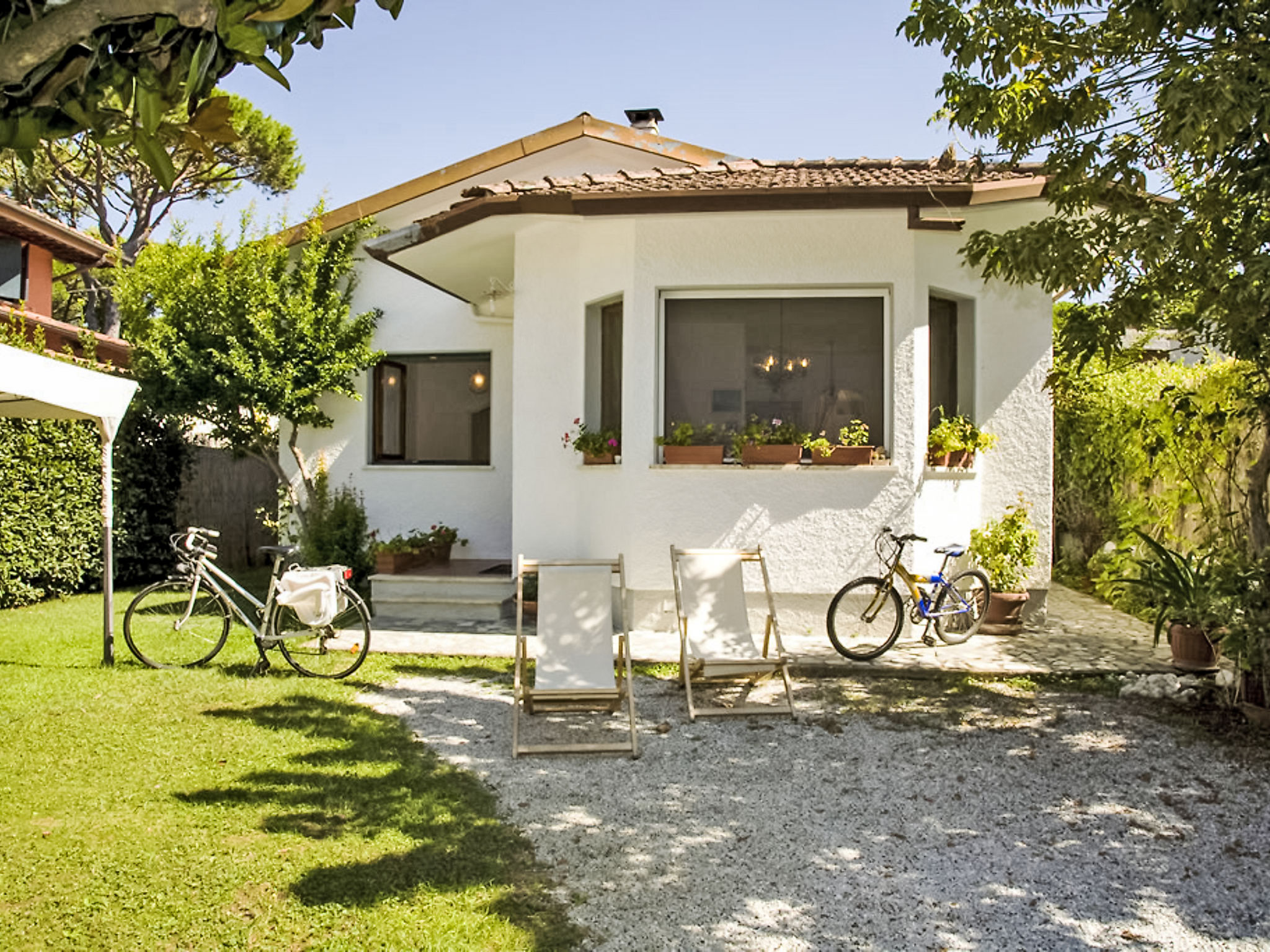
3-star property
Sandra
Forte dei Marmi, Versilia, Lunigiana and surroundings, Italy
6
3
0
Air ConDishwasherGarden+8 more
from£197
per night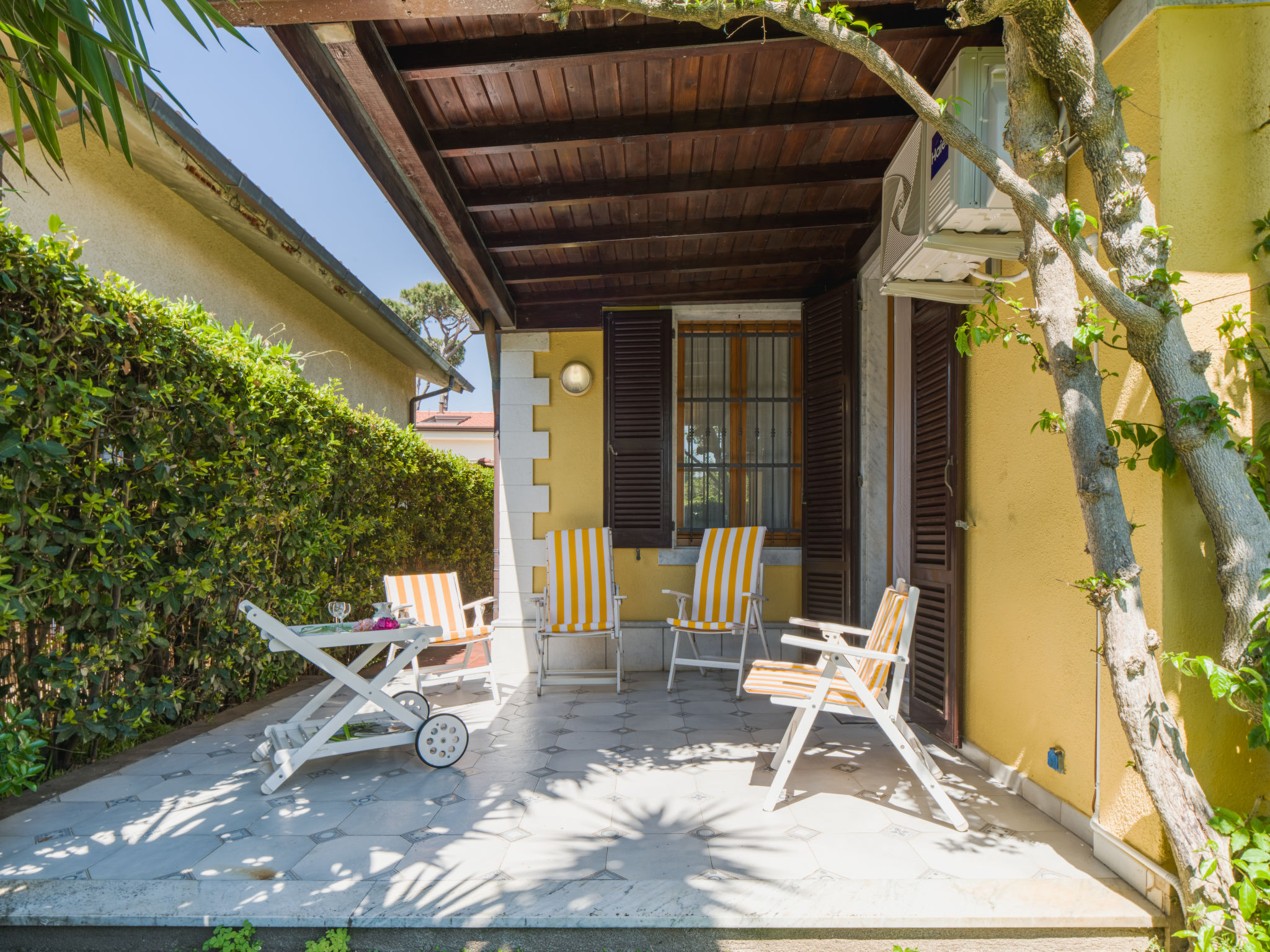
3-star property
Carlotta
Forte dei Marmi, Versilia, Lunigiana and surroundings, Italy
6
3
0
Air ConBBQDishwasher+8 more
from£181
per night
4-star property
Villa Poggiobello
Forte dei Marmi, Versilia, Lunigiana and surroundings, Italy
4
2
0
Air ConBBQDishwasher+12 more

4-star property
Delfina
Forte dei Marmi, Versilia, Lunigiana and surroundings, Italy
12
4
0
Air ConBBQDishwasher+12 more

3-star property
Marcella
Forte dei Marmi, Versilia, Lunigiana and surroundings, Italy
9
5
0
Air ConDishwasherGarden+9 more
3-star property
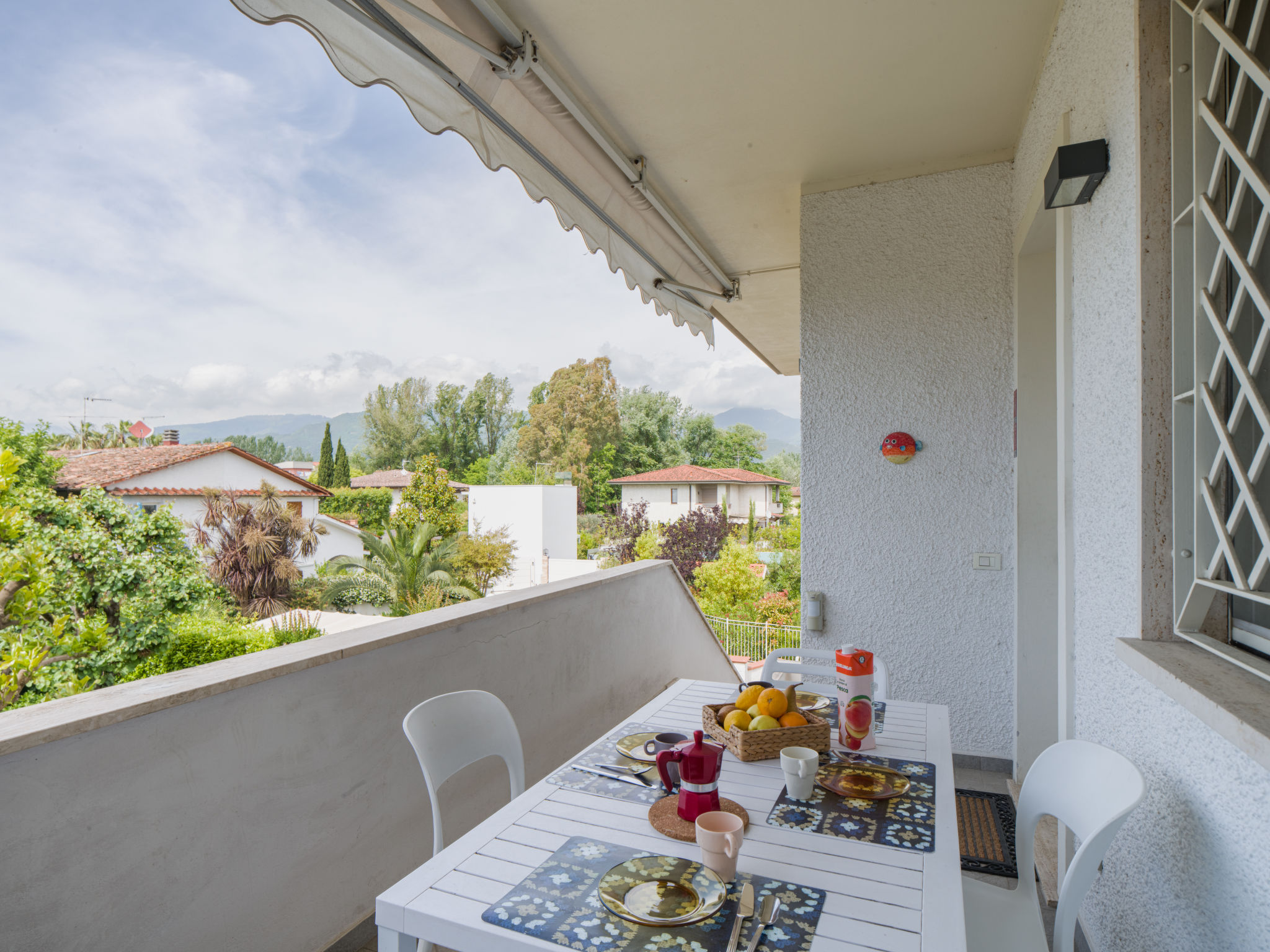
White Home
Forte dei Marmi, Versilia, Lunigiana and surroundings, Italy
6
2
0
Air ConBBQParking+10 more
from£109
per night
3-star property
Carla
Forte dei Marmi, Versilia, Lunigiana and surroundings, Italy
5
3
0
Air ConParkingDishwasher+7 more
3-star property
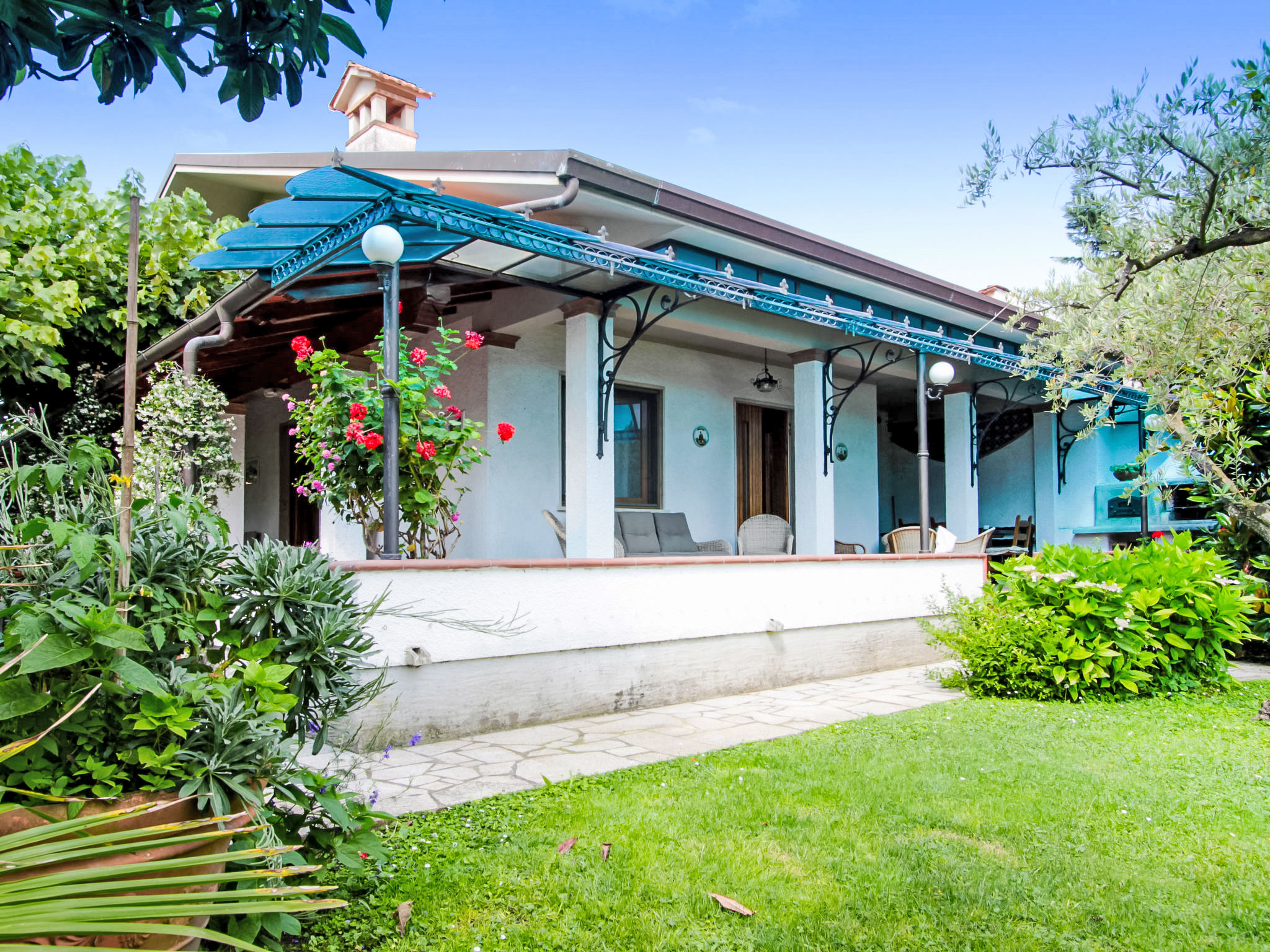
Lavinia
Forte dei Marmi, Versilia, Lunigiana and surroundings, Italy
9
5
0
Air ConBBQDishwasher+8 more
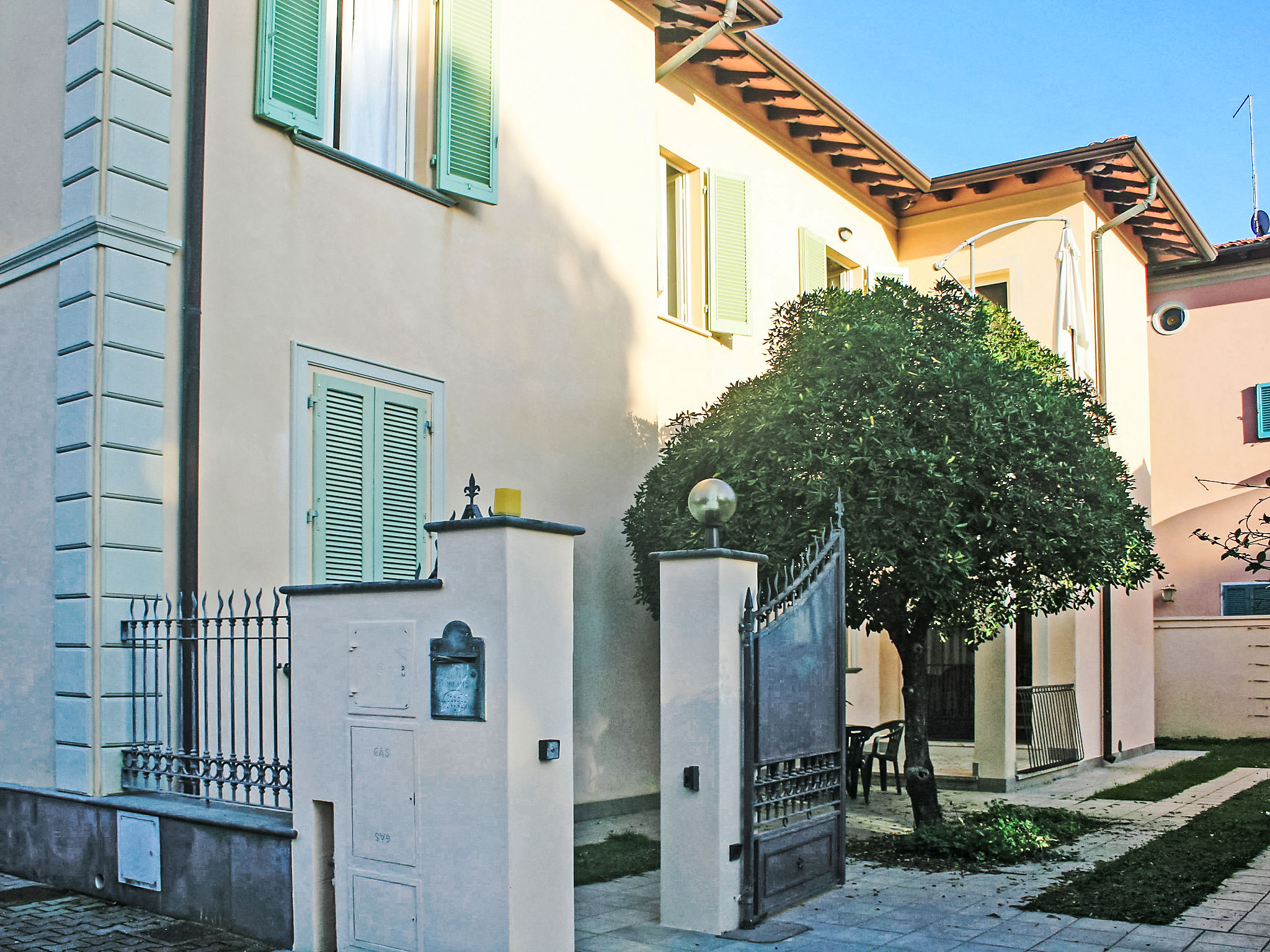
3-star property
Milano
Forte dei Marmi, Versilia, Lunigiana and surroundings, Italy
6
3
0
Air ConDishwasherGarden+9 more
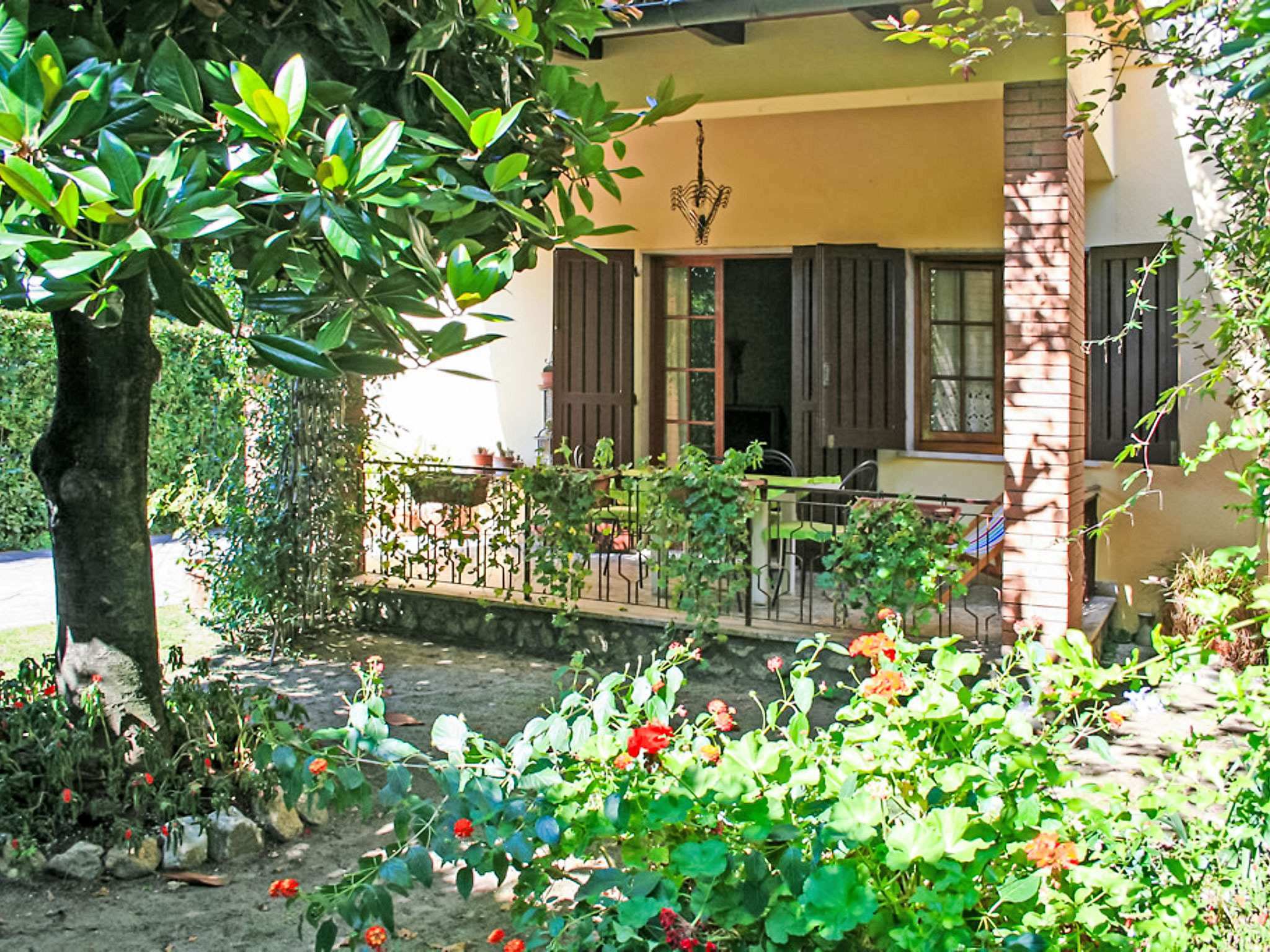
3-star property
Patrizia
Forte dei Marmi, Versilia, Lunigiana and surroundings, Italy
4
2
0
Air ConBBQDishwasher+9 more
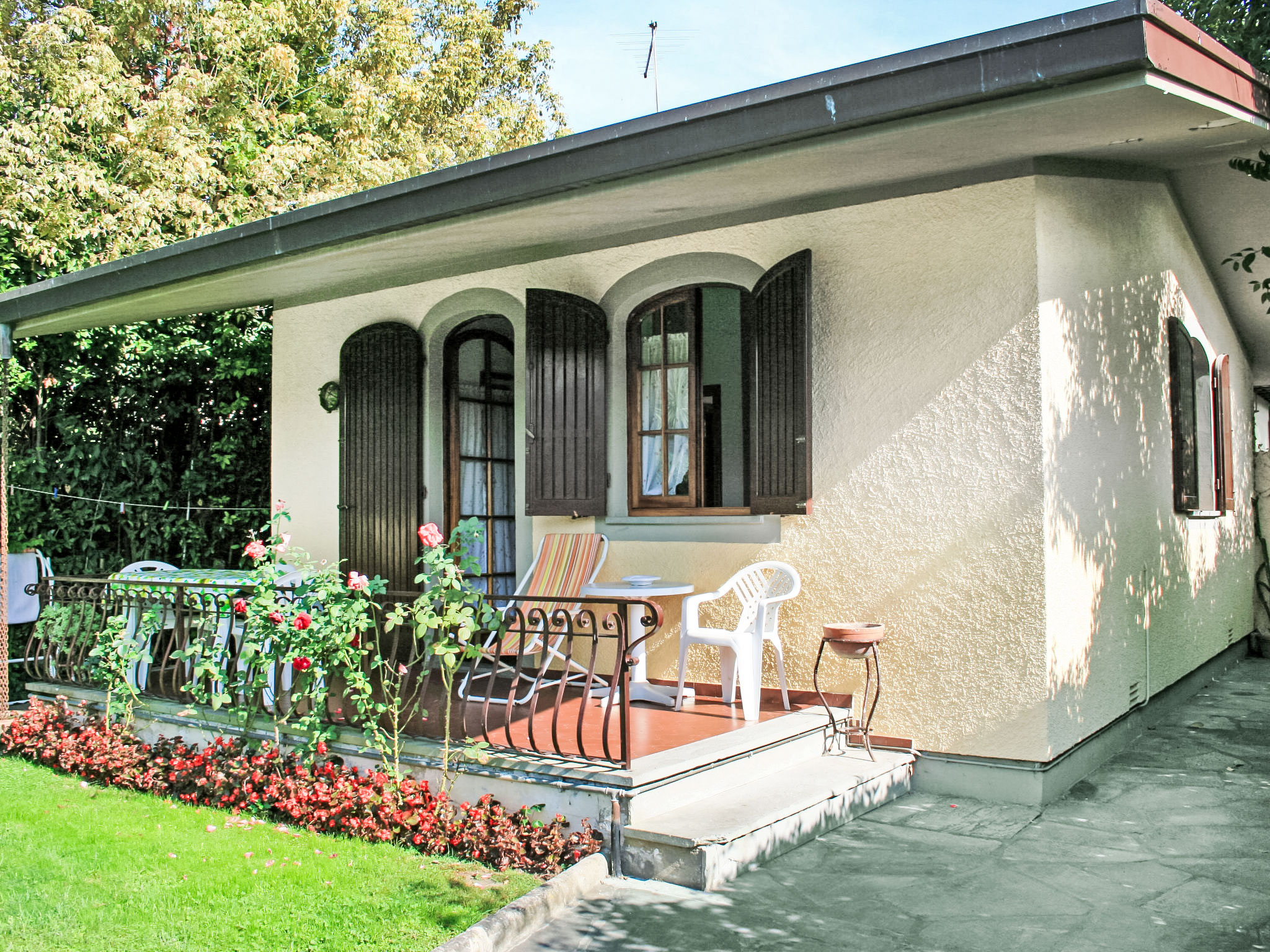
3-star property
Dea
Forte dei Marmi, Versilia, Lunigiana and surroundings, Italy
3
2
0
Air ConParkingDishwasher+8 more

3-star property
Niccolò
Forte dei Marmi, Versilia, Lunigiana and surroundings, Italy
2
1
0
Air ConDishwasherGarden+8 more
from£91
per night
3-star property
Villa Chiara
Forte dei Marmi, Versilia, Lunigiana and surroundings, Italy
4
2
0
Air ConDishwasherGarden+9 more

3-star property
Villa Glicine
Forte dei Marmi, Versilia, Lunigiana and surroundings, Italy
6
3
0
Air ConDishwasherGarden+8 more
from£214
per night
2-star property
Il Litorale
Forte dei Marmi, Versilia, Lunigiana and surroundings, Italy
6
2
0
Air ConDishwasherParking+6 more
from£70
per night
3-star property
Simonetta
Forte dei Marmi, Versilia, Lunigiana and surroundings, Italy
6
3
0
Air ConDishwasherGarden+8 more

3-star property
Silvia
Forte dei Marmi, Versilia, Lunigiana and surroundings, Italy
10
5
0
Air ConDishwasherGarden+8 more

4-star property
Villa Gabriele
Forte dei Marmi, Versilia, Lunigiana and surroundings, Italy
8
4
0
Air ConDishwasherGarden+7 more
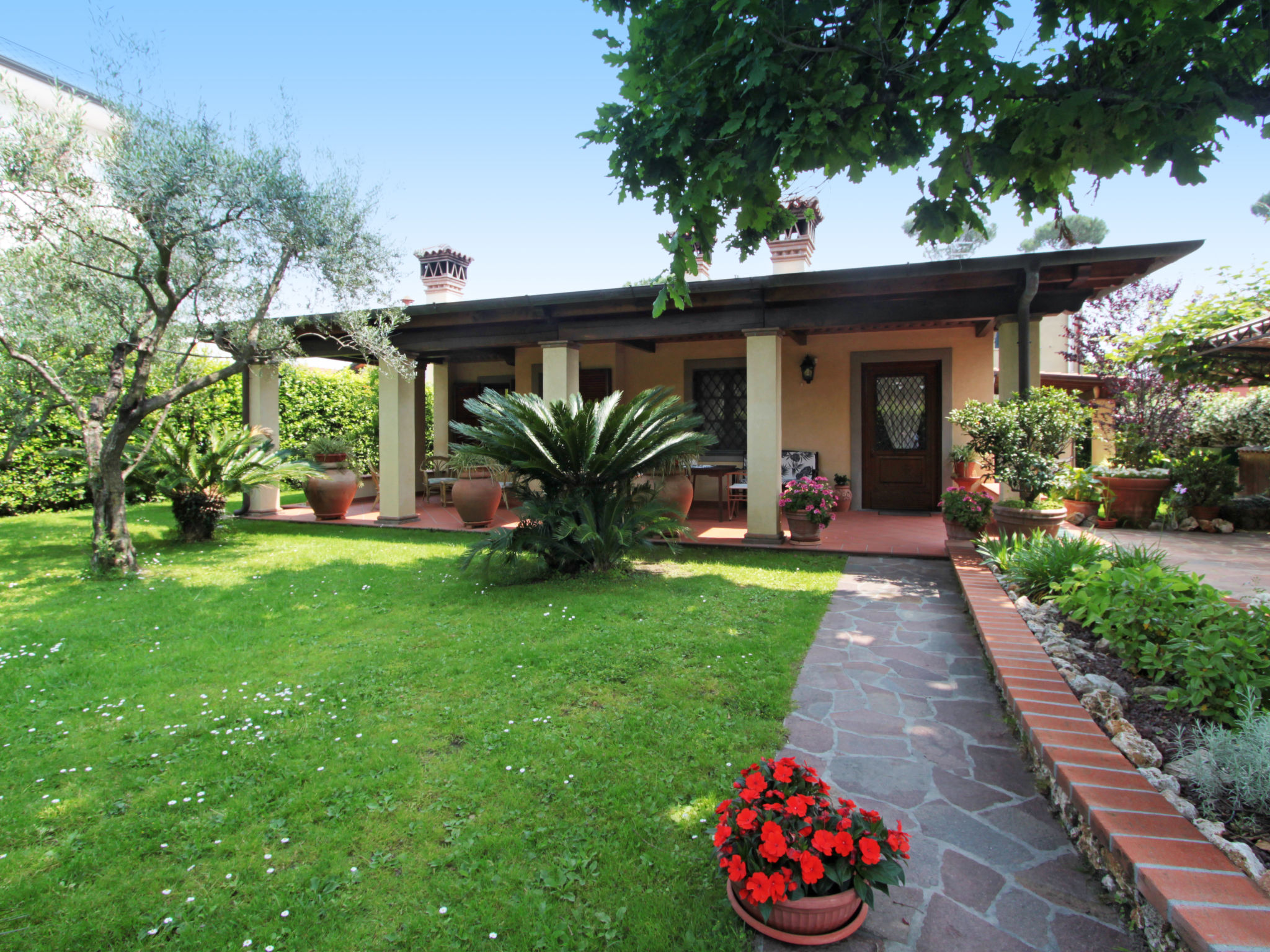
3-star property
Mario
Forte dei Marmi, Versilia, Lunigiana and surroundings, Italy
6
3
0
Air ConBBQDishwasher+8 more

3-star property
Nannini
Forte dei Marmi, Versilia, Lunigiana and surroundings, Italy
5
4
0
Air ConDishwasherGarden+8 more

4-star property
Stefano
Forte dei Marmi, Versilia, Lunigiana and surroundings, Italy
6
4
0
Air ConDishwasherGarden+8 more
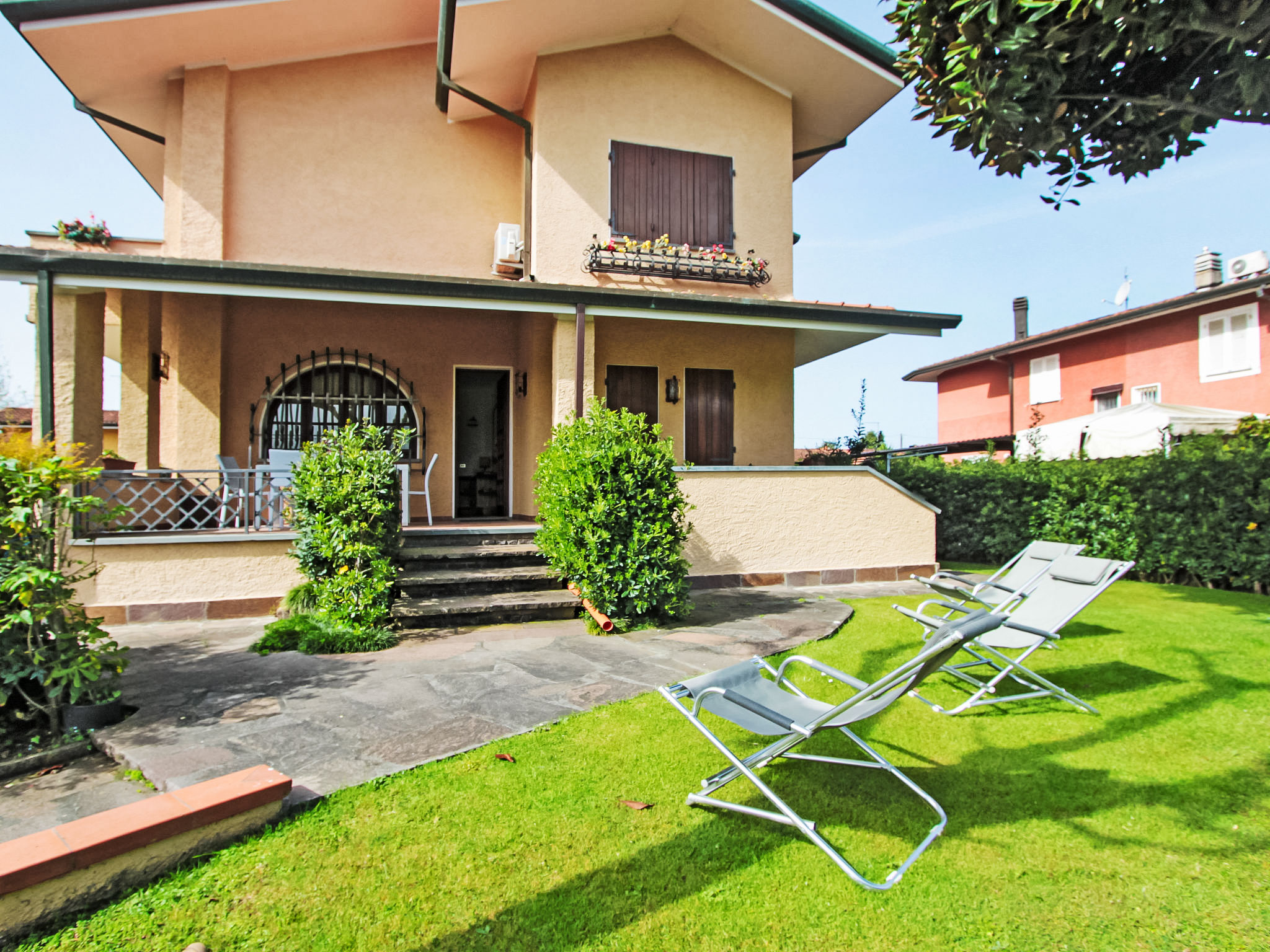
3-star property
Rita
Forte dei Marmi, Versilia, Lunigiana and surroundings, Italy
7
4
0
Air ConDishwasherGarden+9 more

4-star property
Roberto
Forte dei Marmi, Versilia, Lunigiana and surroundings, Italy
6
3
0
Air ConBBQDishwasher+11 more
Forte dei Marmi villa holidays: questions answered
Is the beach at Forte dei Marmi sandy?
Yes, it is golden sand with a shallow seabed, which suits children. Historic bathing establishments with coloured wooden cabins line the shore, and the sea has been awarded a Blue Flag. The Apuan Alps rise just behind the town.
Is there a market in Forte dei Marmi?
Yes, a weekly market with elegant stalls, and in winter antiques markets set up on weekends in Piazza Marconi and Vittoria Apuana. The town is also known for its boutiques and high-fashion shopping.
Why is it called Forte dei Marmi?
It is named after the fort built to guard marble shipments and defend against pirate raids. The Forte Lorense was completed in 1788, and the town grew around it from a marble depot into a seaside resort.
Forte dei Marmi or Viareggio?
Forte dei Marmi is a small, fashionable town of boutiques, a pier and bathing establishments. Viareggio lies further along the Versilia coast and hosts one of Italy's most important Carnival celebrations. Choose Forte for a smaller, fashionable base and Viareggio if the Carnival is the draw.
Is Forte dei Marmi busy in summer?
Yes. The resident population of about 6,600 nearly triples in summer, so expect beaches, shops and restaurants at full capacity. Book beach facilities and restaurants ahead.
Nearby towns to Forte dei Marmi
Written by the TrustedVillas team. Last reviewed October 2026.
Find Your Perfect Villa in Forte dei Marmi
Our villa experts are here to help you find the ideal property for your vacation. Contact us for personalized recommendations.