Villas in Zafferana Etnea
Zafferana Etnea suits walkers and food lovers who want to stay on Etna's eastern slopes, near the Valle del Bove and the summit routes. Most homes sleep four to six and few have a pool. This is a mountain base on a live volcano, and the sea means a drive down.
- Villas
- 7
- From, per week
- £282
About Zafferana Etnea
Zafferana Etnea is a town of about 9,500 people at 574 metres, around 20 km north of Catania, built on lava-stone terraces that step down towards the Ionian coast. Etna shapes everything here. The town sits at the upper end of the Valle del Bove, the steep-walled basin where lava from the eastern craters collects, and flows have destroyed it more than once; in 1992 lava was diverted to save it. The white facade of the Chiesa Madre stands out against its dark lava steps. The homes are in and around the town itself. Honey is the local speciality. Evenings are quiet, mountain-town quiet.
Is Zafferana Etnea right for you?
- Best for
- Etna hikers who want a town base
- Not for you if
- You want a beach within walking distance.
Near Zafferana Etnea
Valle del Bove
Vast lava-filled basin with very steep walls on Etna's eastern flank, where many eruptions poured in like rivers into a lake.
Rifugio Citelli
Mountain refuge at 1,741 metres, the end point of one of the routes that start from Zafferana.
Catania
The big city on the coast, about 20 km south, around half an hour by car.
Getting to Zafferana Etnea
Catania lies about 20 km to the south, and the drive up from the city takes around 30 minutes. Buses run every three hours and take about an hour and a quarter, so a hire car is far more practical, especially for reaching trailheads on the volcano.
When to go to Zafferana Etnea
Zafferana works as a base in both summer and winter, when expeditions head for Etna's summit. In October, every Sunday brings the Ottobrata, with stalls of honey, grapes, mushrooms, chestnuts and wine. In August the town celebrates its patron saint, the Madonna della Provvidenza.
Villas in Zafferana Etnea

2-Bedroom Home, Zafferana Etnea
Zafferana Etnea, Sicily, Italy
4
2
0
Air ConWashing MachineInternet+6 more

Open Horizon Kurzzeitmiete
Zafferana Etnea, Sicily, Italy
8
4
0
Air ConMicrowaveTerrace+7 more

Zafferana's Pool Rückzugsort
Zafferana Etnea, Sicily, Italy
5
2
0
Air ConParkingFireplace+9 more

5-star property
BellaVista
Zafferana Etnea, Sicily, Italy
4
3
0
Air ConTerraceWashing Machine+7 more
from£90
per night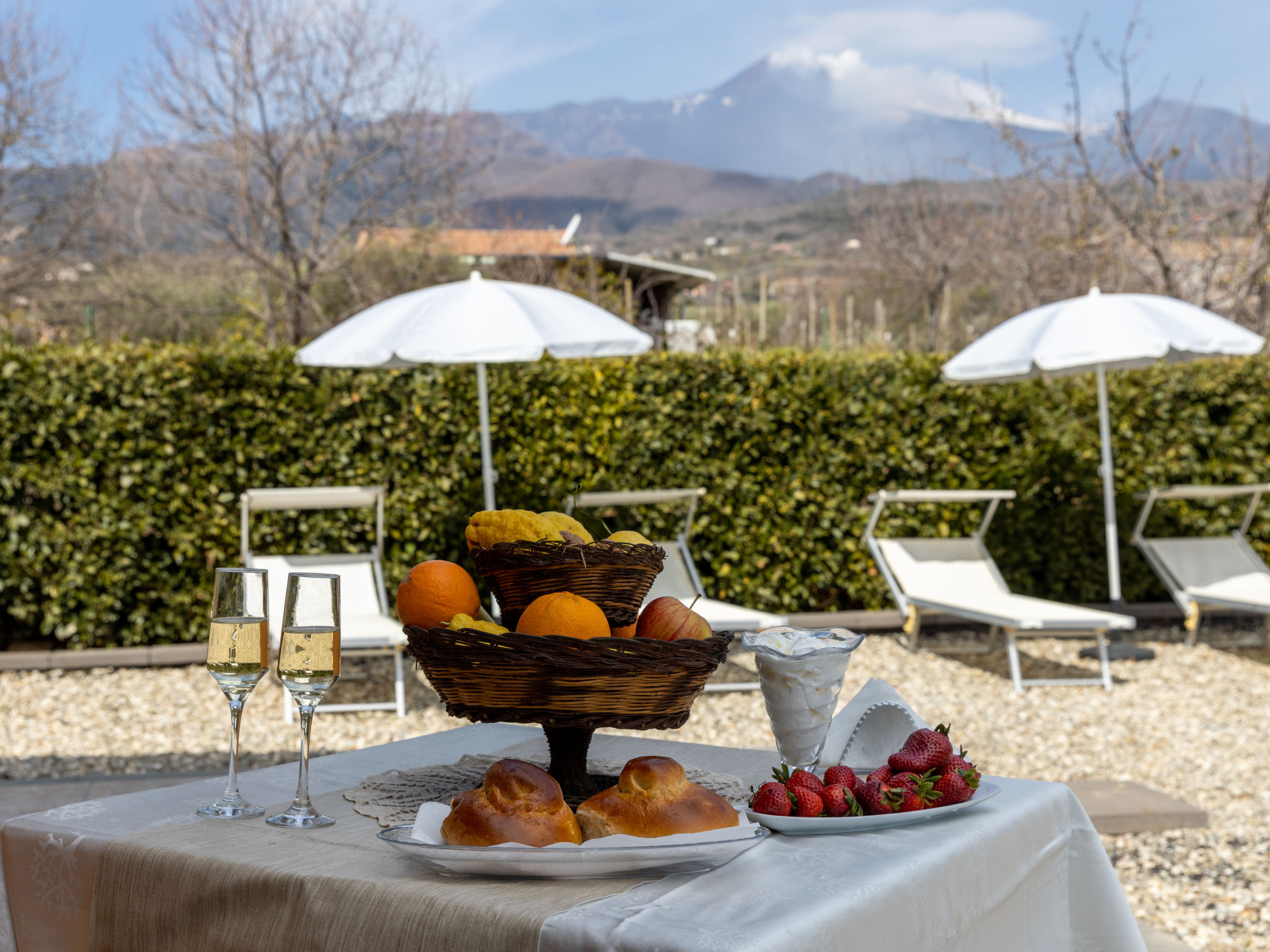
3-star property
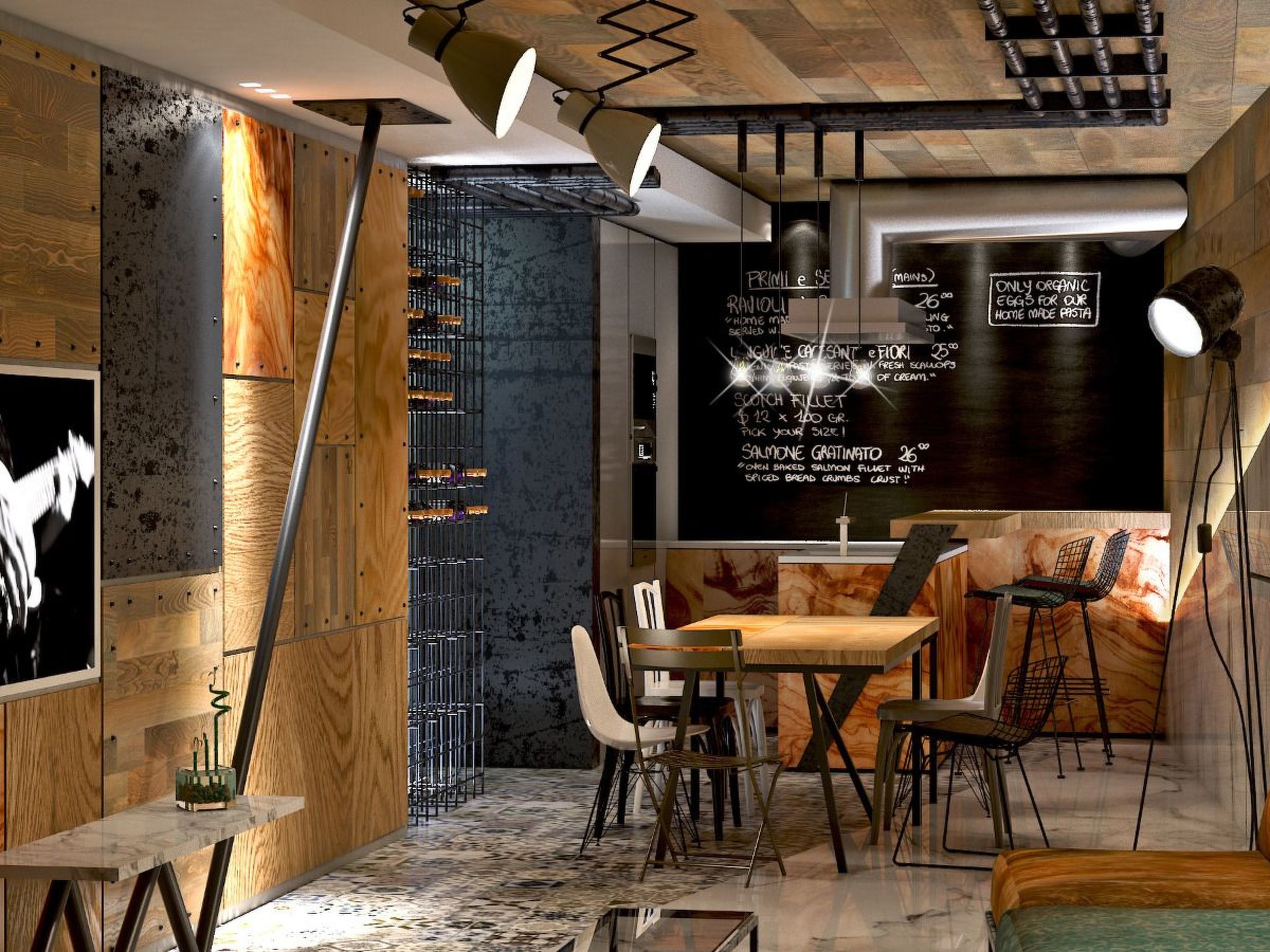
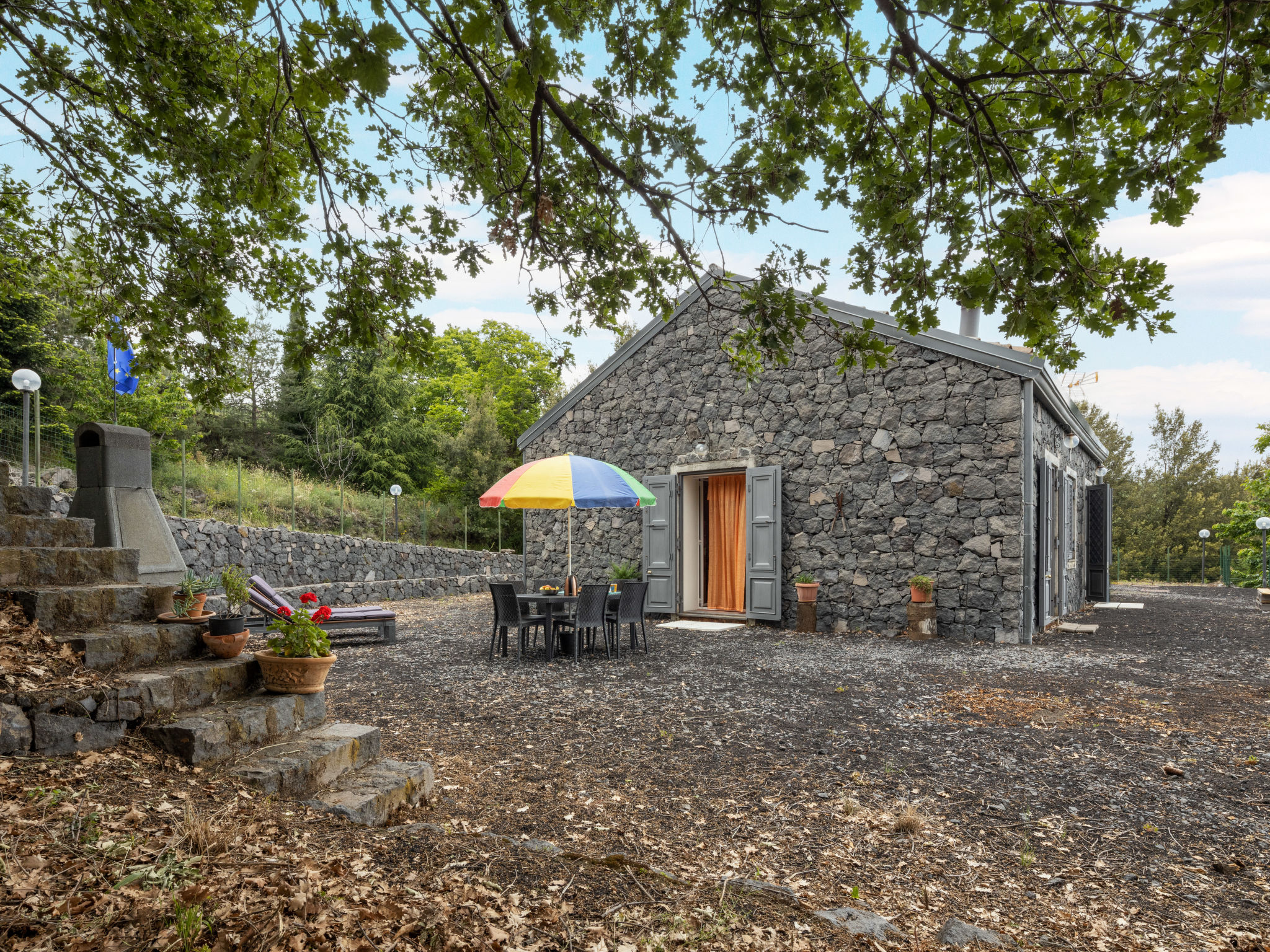
3-star property
Zafferana Etnea villa holidays: questions answered
When is the Ottobrata in Zafferana Etnea?
Every Sunday in October. The festival sells local produce such as honey, grapes, mushrooms, chestnuts and wine, alongside artisan goods, exhibitions and shows.
Can you climb Etna from Zafferana Etnea?
Yes. The town is one of the gateways to the volcano along the Etna provincial road, and several routes start from here, including one to the Citelli refuge at 1,741 metres. Summit expeditions set off from the town in both summer and winter.
Is Zafferana Etnea safe from lava?
Lava has destroyed the town several times, and it has always been rebuilt. During the 1991 to 1993 eruption flows threatened it again, until a 1992 operation used explosives and concrete blocks to divert the lava and saved the town.
What is Zafferana Etnea known for?
Honey, above all. The town is well known for it, and honey is among the local produce on sale at the October Ottobrata. Its name may come from saffron, which grows in the surrounding woods.
Nearby towns to Zafferana Etnea
Written by the TrustedVillas team. Last reviewed November 2026.
Find Your Perfect Villa in Zafferana Etnea
Our villa experts are here to help you find the ideal property for your vacation. Contact us for personalized recommendations.