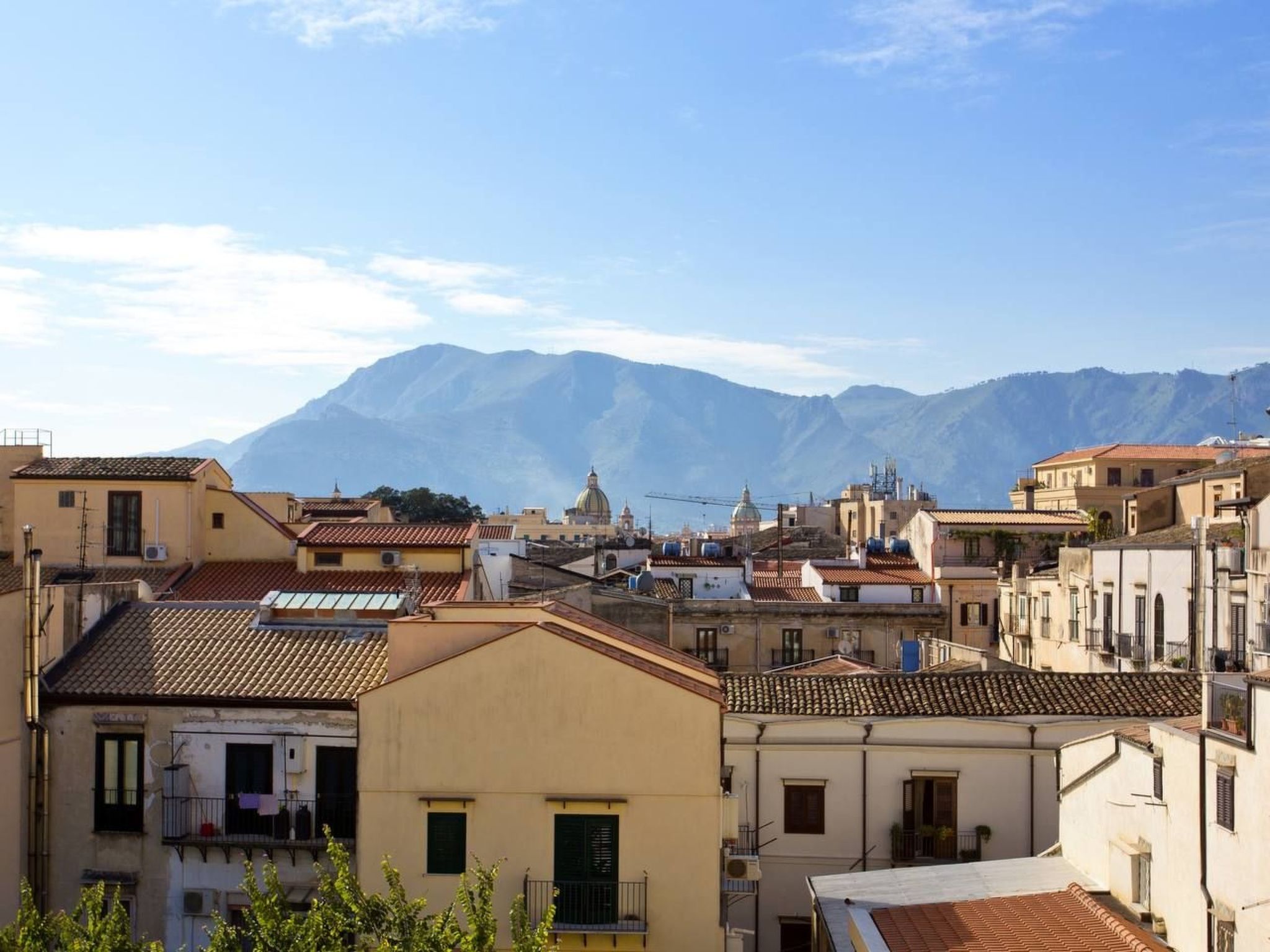
Palermo is loud, layered, and uncompromising — a city where Norman cathedrals sit next to Arab-style markets and baroque churches crumble beside street food stalls. It's Sicily's capital and its most complex city, shaped by Phoenician, Greek, Roman, Arab, Norman, and Spanish rule. The centro storico has been extensively restored in recent years, but Palermo hasn't been sanitised. Peeling facades, chaotic traffic, and occasional neglect are part of the picture. If you want polished Mediterranean beauty, look elsewhere. If you want the most culturally dense city in Sicily, this is it.
Why Stay in Palermo
- Markets: Ballarò, Vucciria, and Il Capo are historic street markets selling fish, produce, and street food. Ballarò is the most atmospheric and the most authentic. They're noisy, crowded, and not always clean — that's the point.
- Norman-Arab architecture: The Palatine Chapel (Cappella Palatina) has gold Byzantine mosaics that rival Ravenna. Monreale Cathedral (15 minutes outside the city) may be even better. The churches of San Giovanni degli Eremiti and La Martorana are also essential.
- Street food: Panelle (chickpea fritters), pane con la milza (spleen sandwich), sfincione (Sicilian pizza), and arancine. The markets are the best places to eat cheap and well.
- Opera and culture: Teatro Massimo is Italy's largest opera house. The puppet theatre tradition (Opera dei Pupi) is a UNESCO intangible heritage. Several museums cover archaeology, art, and the anti-Mafia movement.