Villas in Avola
Avola is a rebuilt Baroque town on Sicily's south-east coast, known for pizzuta almonds, Nero d'Avola wine and sandy beaches. Homes are mostly small, sleeping two to four, and nearly all have air conditioning. Few have a private pool, so check before booking.
- Villas
- 13
- From, per week
- £363
About Avola
The 1693 earthquake destroyed the old town, and Avola was refounded on a new coastal site to a geometric plan, so the centre is a grid of straight streets crossing at Piazza Umberto I. The churches are late Baroque, and the Garibaldi Theatre is built in honey-coloured Hyblean stone. It is a working town of over 30,000 people, with Marina di Avola and Lido di Avola on the shore. The sea here is shallow over a golden seabed, with equipped beaches and free stretches, and small restaurants serve fresh fish. Homes lie fairly close to town rather than scattered across the district.
Is Avola right for you?
- Best for
- Sandy-beach holidays with Baroque towns and day trips nearby
- Not for you if
- You want a private pool, as few homes here have one.
Near Avola
Cavagrande del Cassibile
A nature reserve of river canyons between Avola, Noto and Syracuse, with waterfalls and lakes to cool off in. Only three trails are regularly accessible.
Syracuse
Avola sits halfway between Syracuse and Portopalo di Capo Passero, which puts the city within easy reach for a day out.
Marzamemi and Vendicari
The old tuna fisheries (tonnare) at Marzamemi and Vendicari are among the sites near Avola on this stretch of coast.
Getting to Avola
Catania airport is about an hour away by car, and a bus takes a little longer. A car is the practical way to reach the beaches, the Cavagrande reserve and the nearby Baroque towns.
Villas in Avola
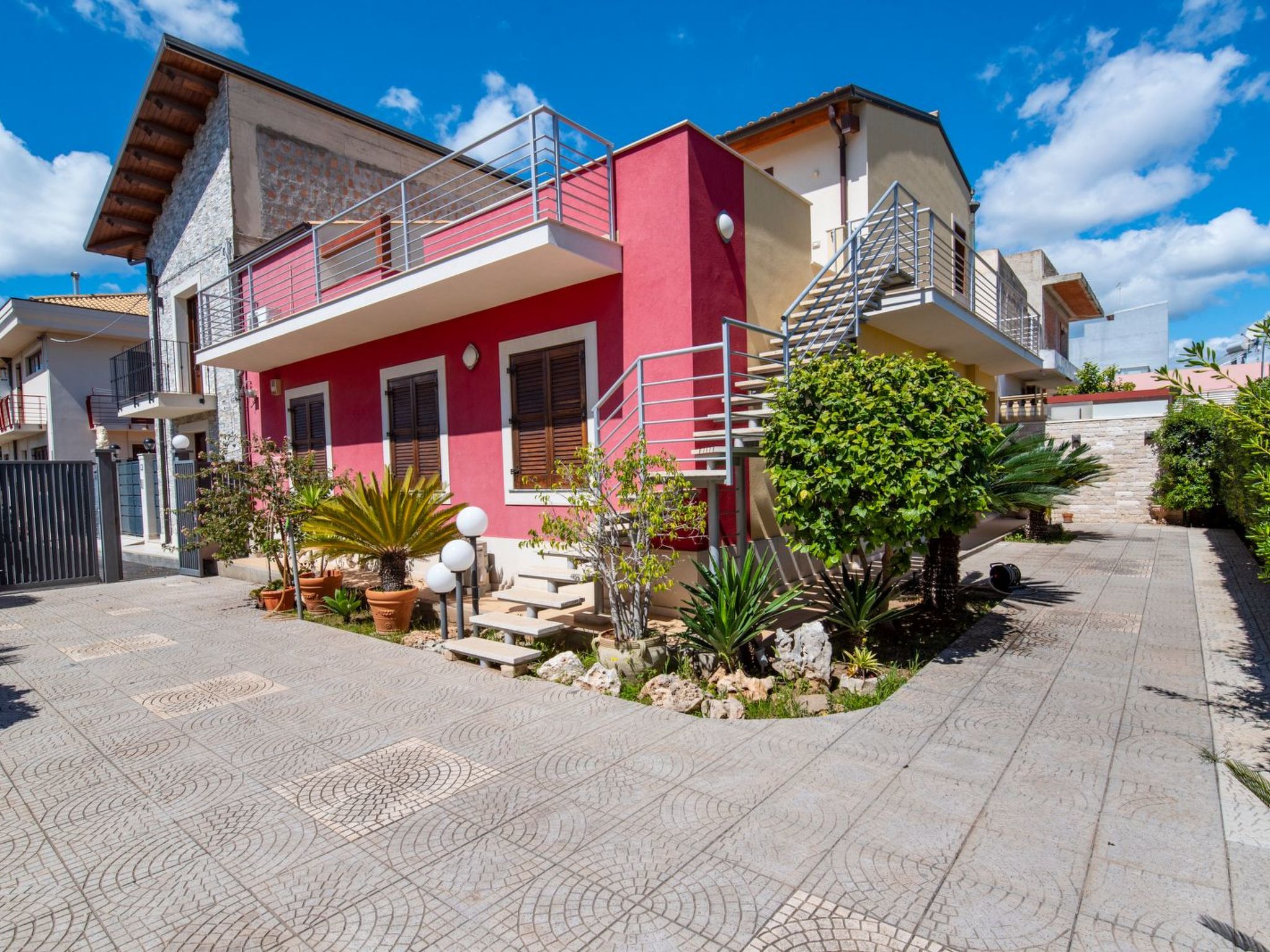

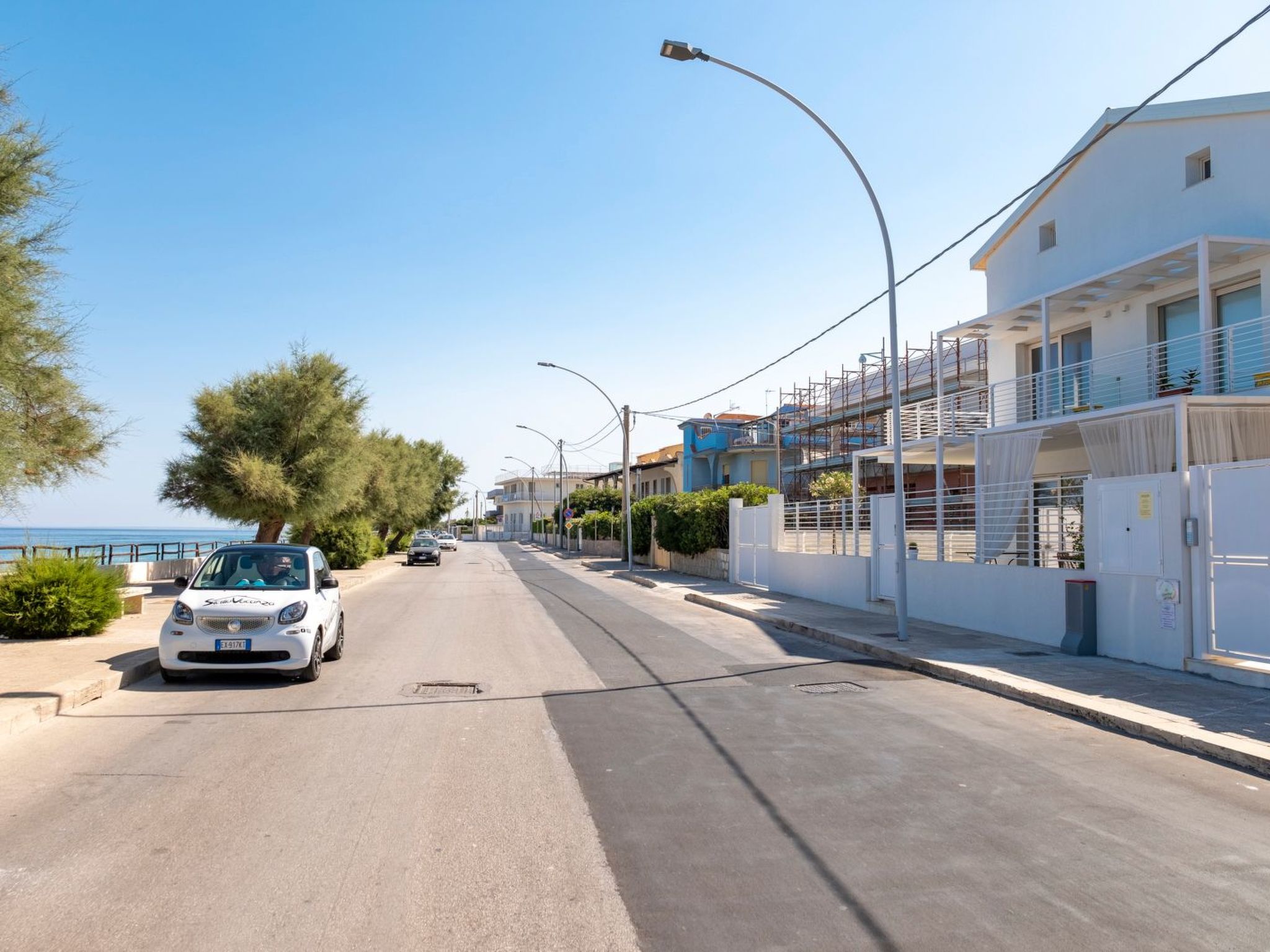
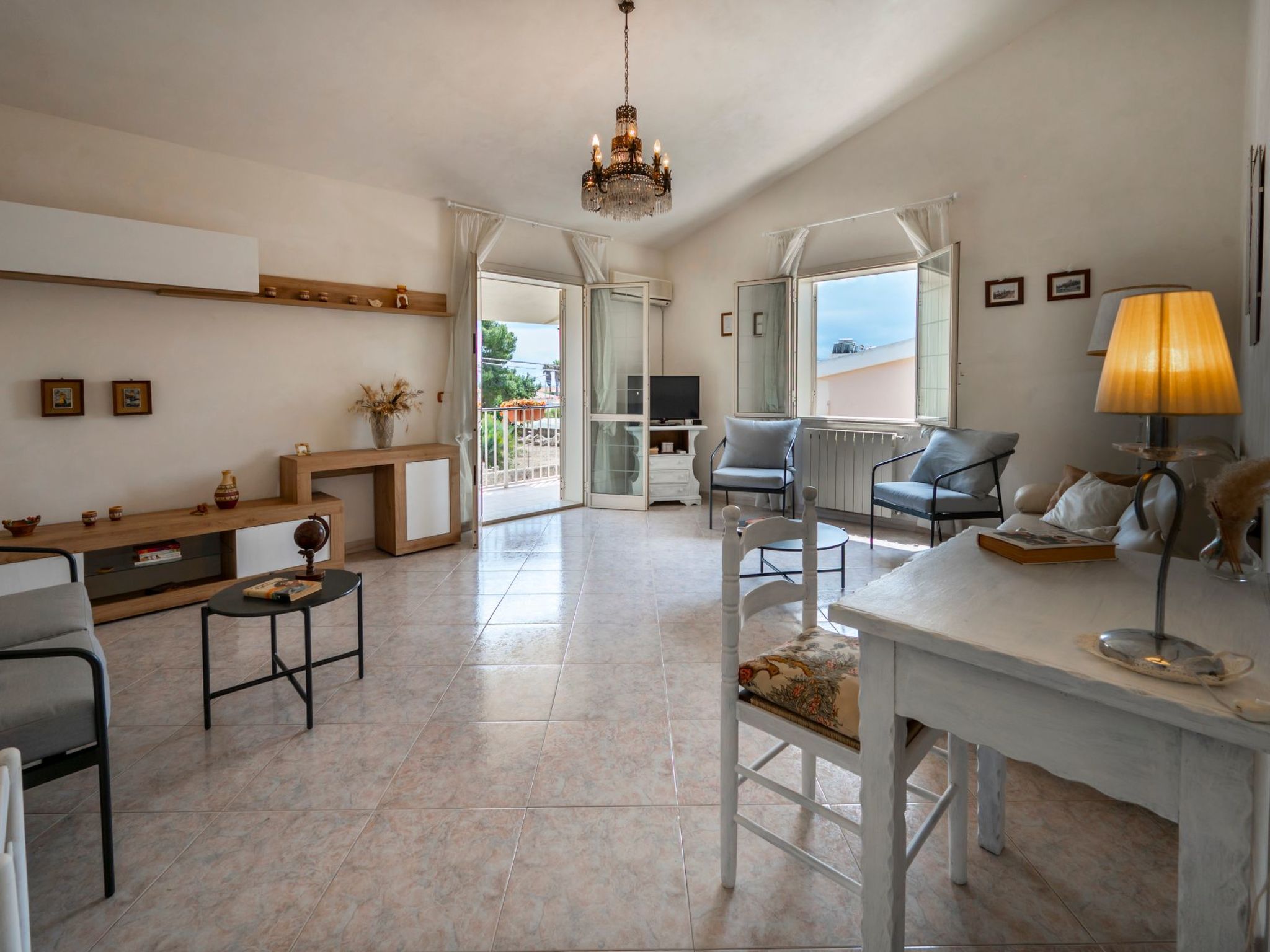
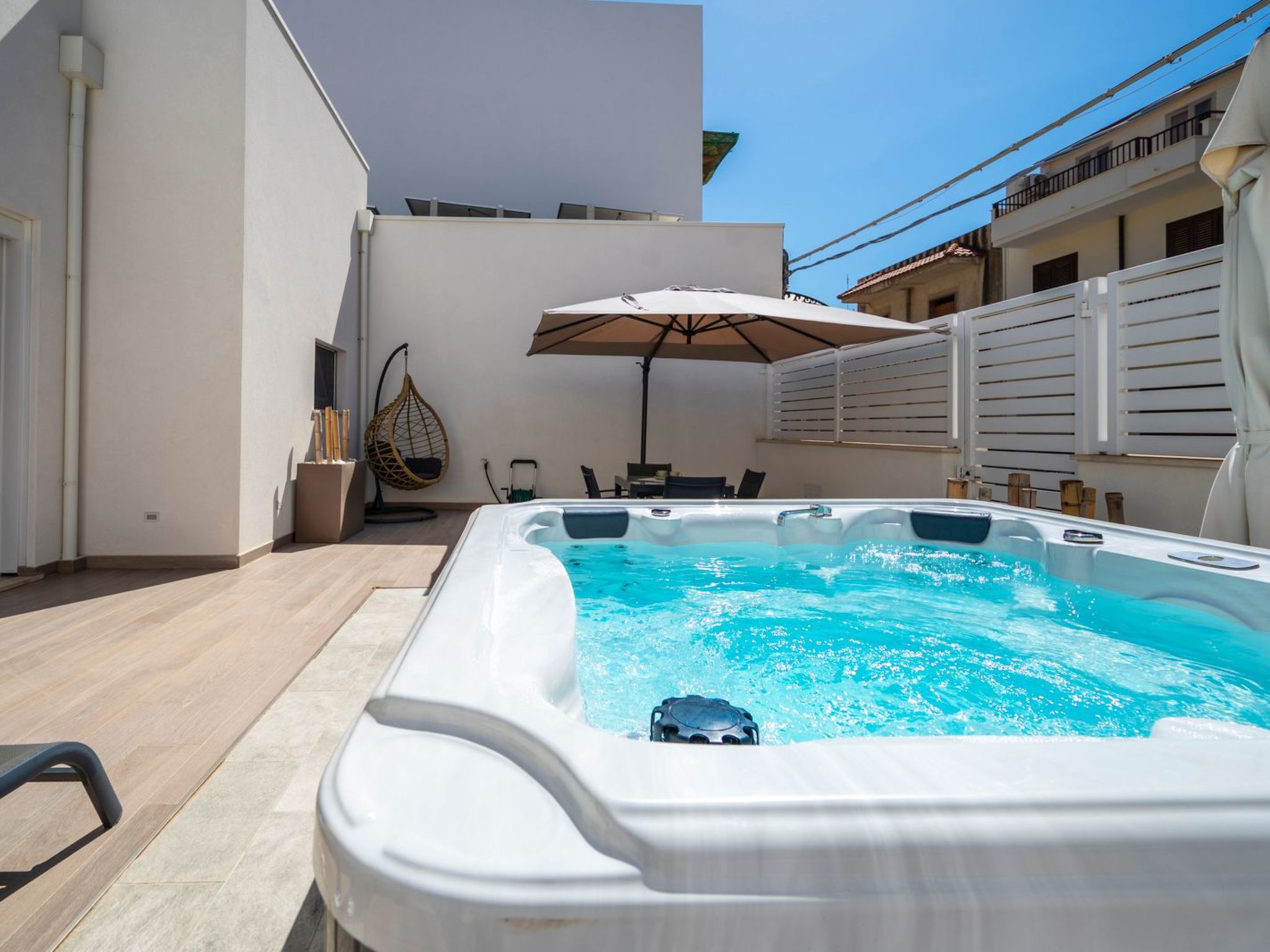


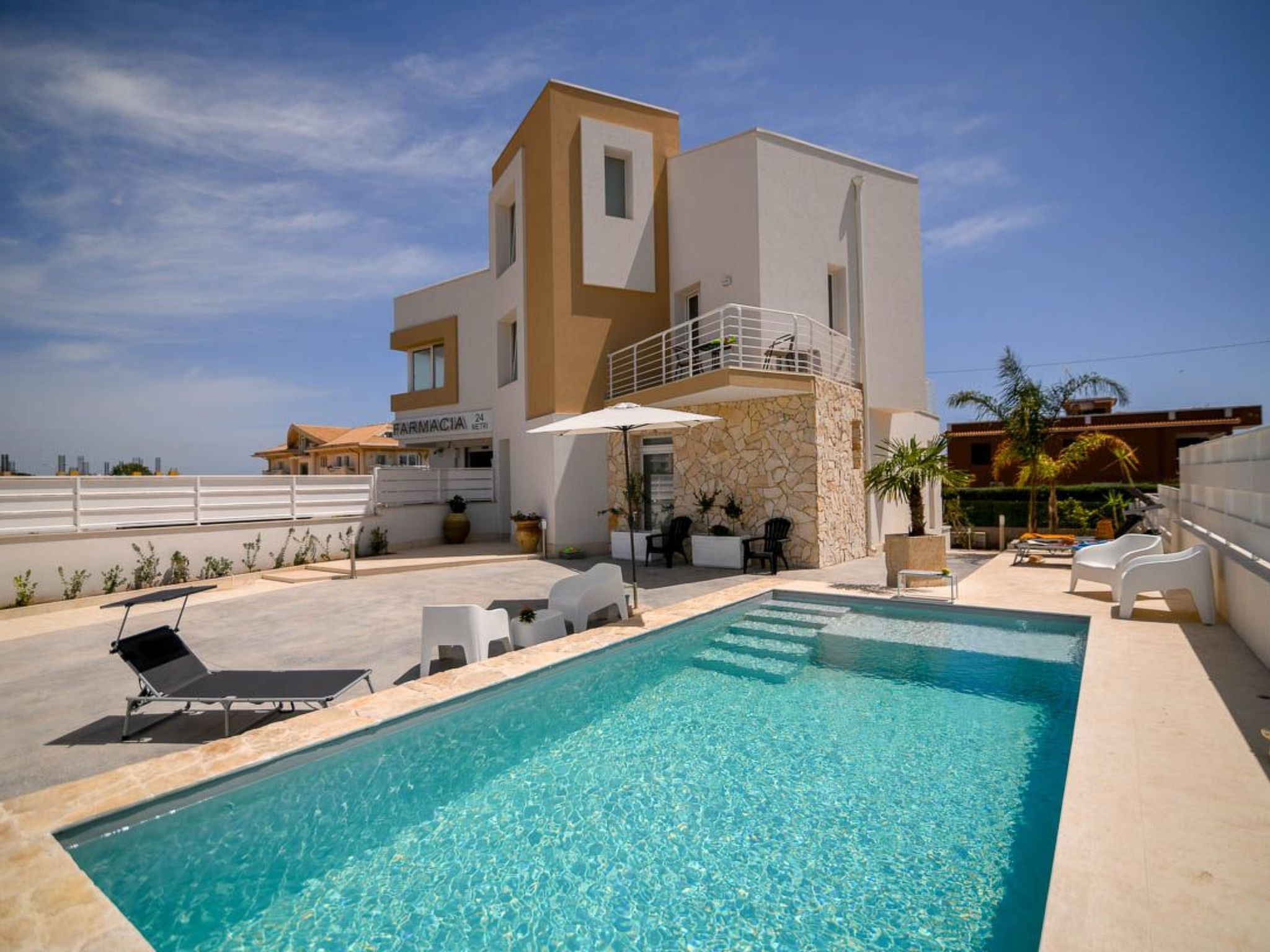

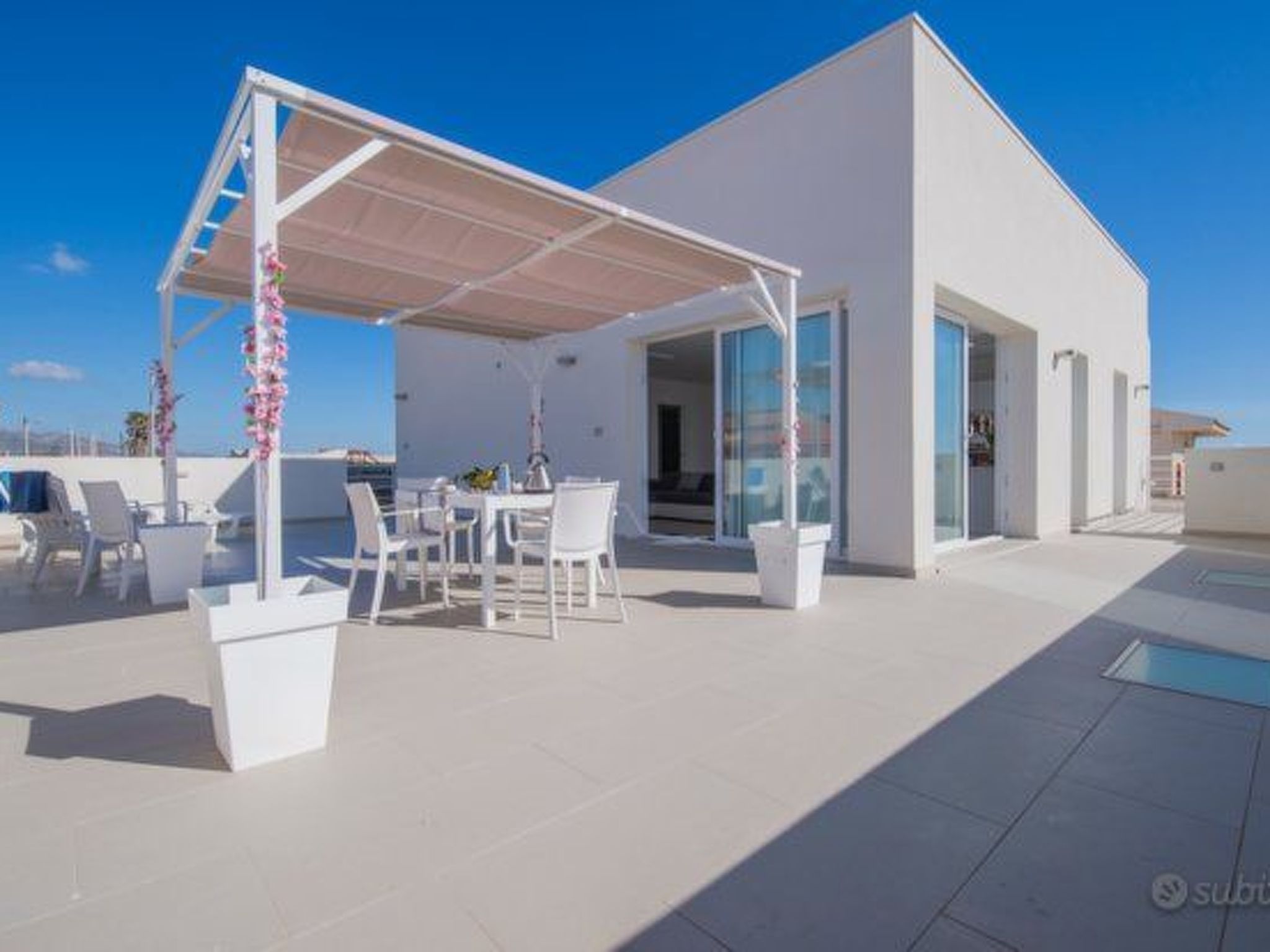

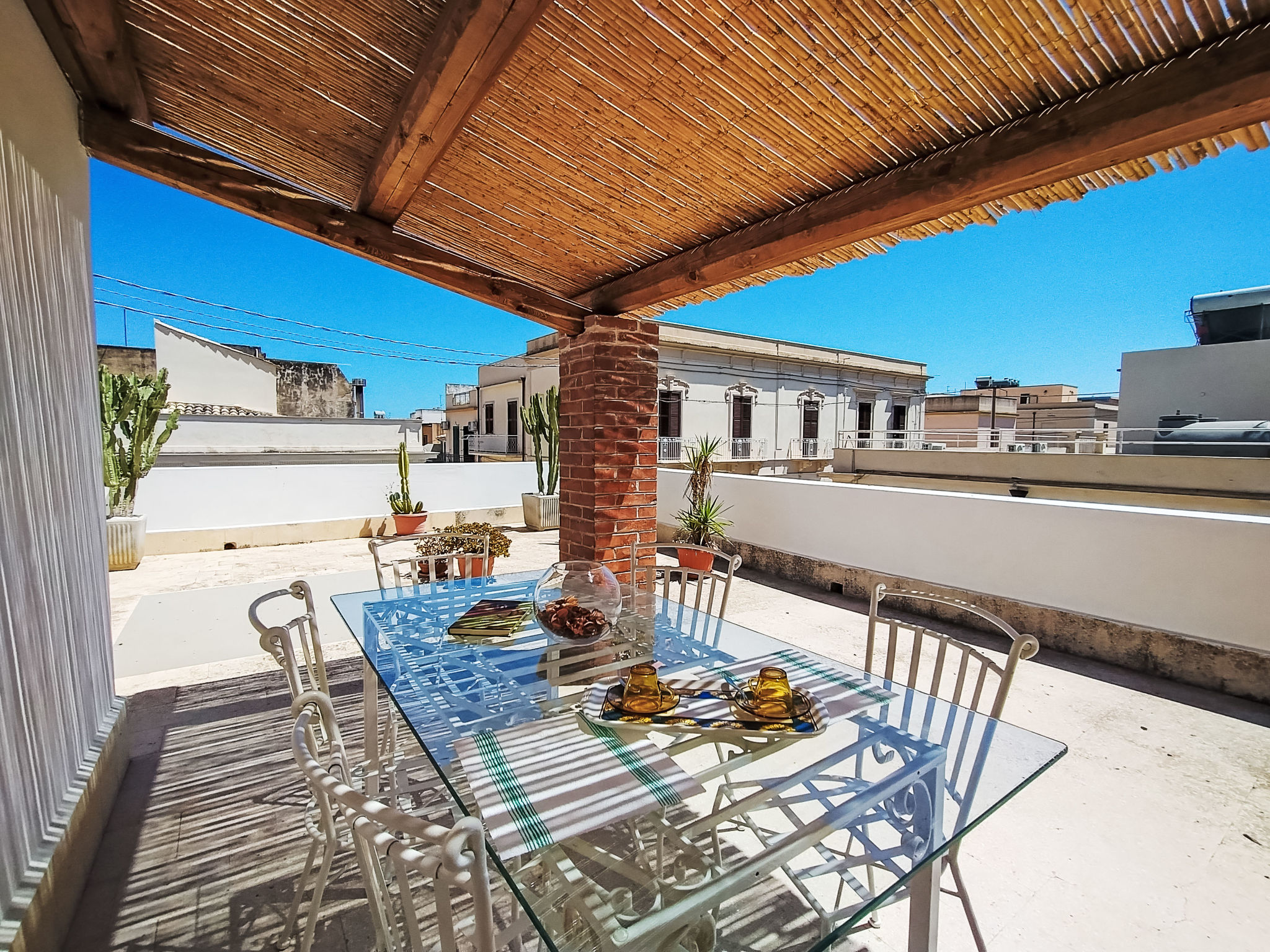
3-star property
Dimora Avola Centro
Avola, Sicily, Italy
2
1
0
Air ConDishwasherMicrowave+7 more
from£52
per nightAvola villa holidays: questions answered
Does Avola have sandy beaches?
Yes. The coast has a shallow, golden seabed and emerald water, with both equipped beaches and free public stretches. Lido di Avola is among the sandy beaches picked out as suitable for children.
What is Avola known for?
Almonds and wine. The prized pizzuta almond, used mainly for sugared almonds, has an Almond Museum in town to go with it, and the red Nero d'Avola wine takes its name from the city, where the vine was first grafted.
Can you visit Cavagrande del Cassibile from Avola?
Yes. The reserve lies between Avola, Noto and Syracuse, and the Scala Cruci and Carrubella trails start from the Avola to Manghisi road. Carrubella is a circular walk of about 6 km with around 180 m of climb between plateau and valley floor.
Why is the centre of Avola laid out on a grid?
The 1693 earthquake destroyed the old town, which was refounded on a new coastal site under the friar architect Angelo Italia with a regular, geometric plan. Corso Vittorio Emanuele and Corso Garibaldi cross at Piazza Umberto I.
Nearby towns to Avola
Written by the TrustedVillas team. Last reviewed October 2026.
Find Your Perfect Villa in Avola
Our villa experts are here to help you find the ideal property for your vacation. Contact us for personalized recommendations.