Villas in Calasetta
Calasetta suits a quiet stay on Sant'Antioco island, in a small town of about 3,000 that runs down a hill to its port. The north-east coast is sandy, the west coast is cliffs, and private pools are rare among the homes.
- Villas
- 9
- From, per week
- £538
About Calasetta
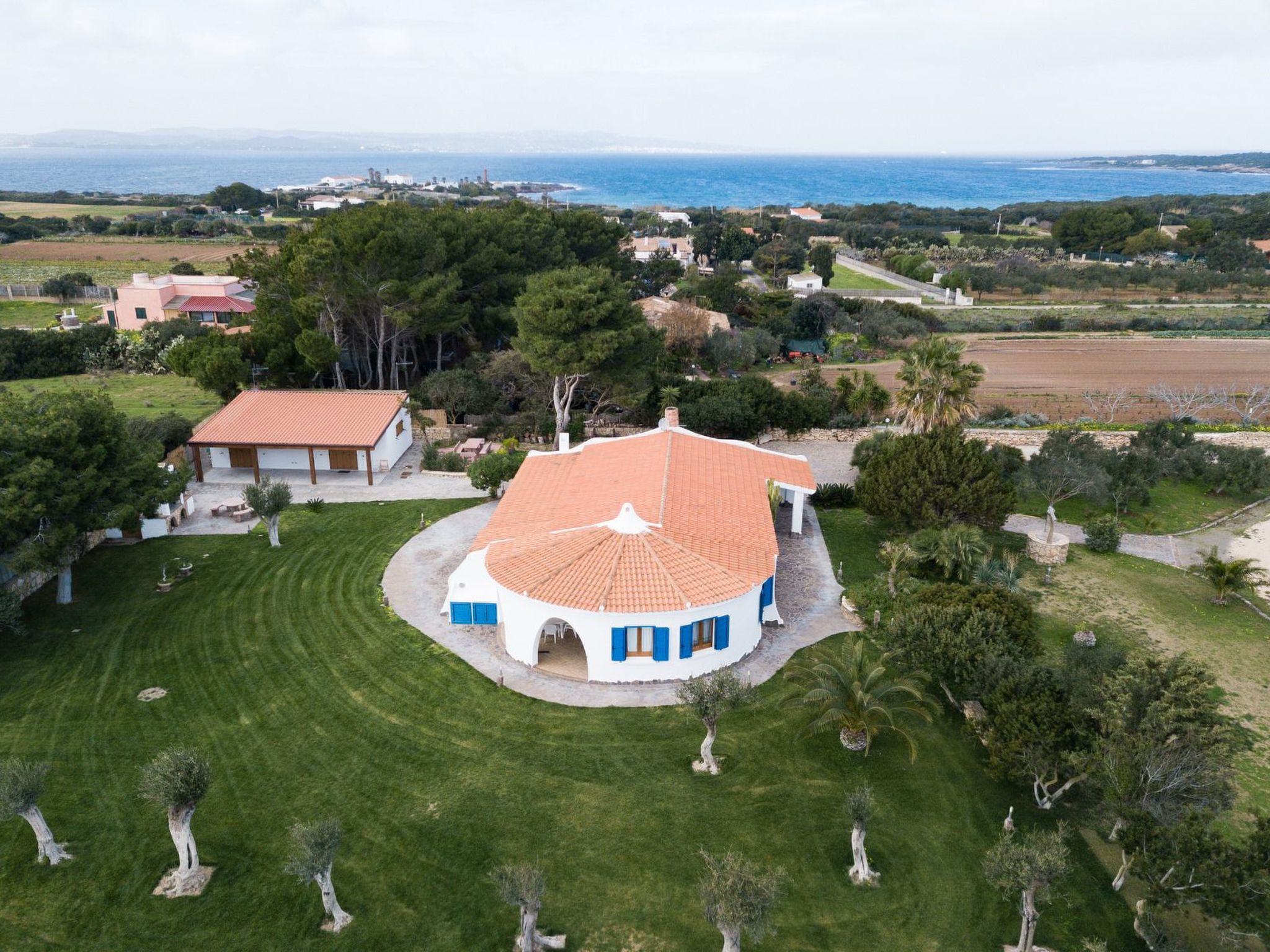
Calasetta is the second-largest town of the Sulcis archipelago after Sant'Antioco, with a regular, ordered layout that runs down a hill to the port. Tabarkan fishermen settled it in 1769, and Ligurian traits, including the language, have survived. The north-east coast is low and sandy, with the Grande, Sottotorre and Le Saline beaches, the last with dunes and a pond that attracts birds. The west coast is cliffed. A Savoy-era tower stands in the town centre. The homes are grouped close to town and are often larger, with many sleeping six or more, a garden and air conditioning.
Is Calasetta right for you?
- Best for
- Quiet sea-focused stays in a small island town
- Not for you if
- You want a private pool, as pools are rare among the homes here.
Near Calasetta
Sant'Antioco
The archipelago's largest town, sharing its name with the island that Calasetta also stands on.
Island of San Pietro
Lies opposite Calasetta, and Tabarkan settlers founded Carloforte there before they settled Calasetta.
Cala Lunga
An emerald-green fjord on the cliffed west coast of the island.
Mangiabarche
A cliff on the west coast whose name means boat eater, with a lighthouse watching over it.
Getting to Calasetta
Cagliari airport is the one to use, around an hour and a half by car. A bus runs from Cagliari's ARST bus station to Calasetta port, so from the airport you would first need to reach that station. A car is the practical way to get between the beaches.
Villas in Calasetta
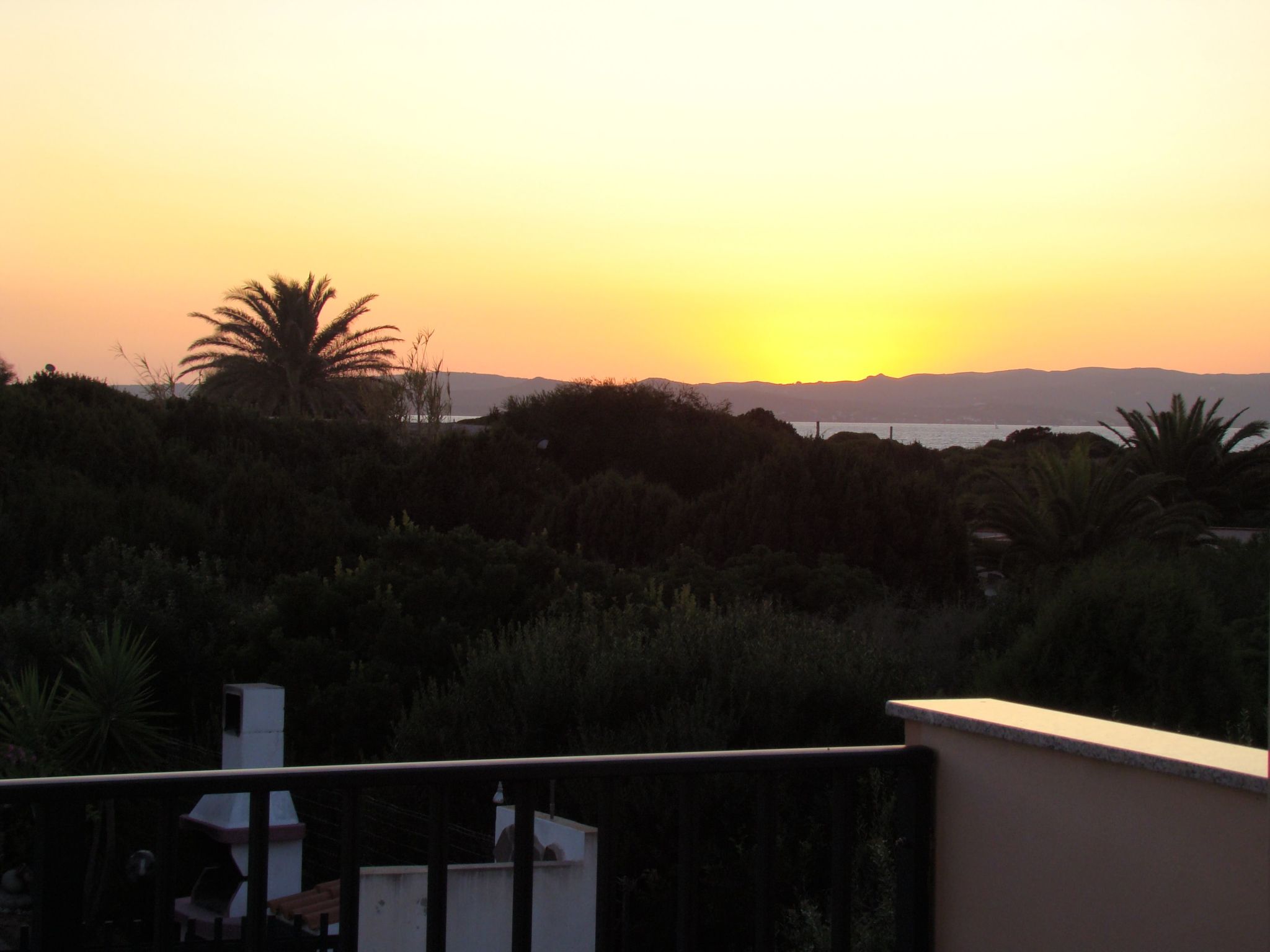
3-star property
2-Bedroom Home, Calasetta
Calasetta, Sardinia, Italy
3
2
0
Air ConMicrowaveTerrace+2 more
from£77
per night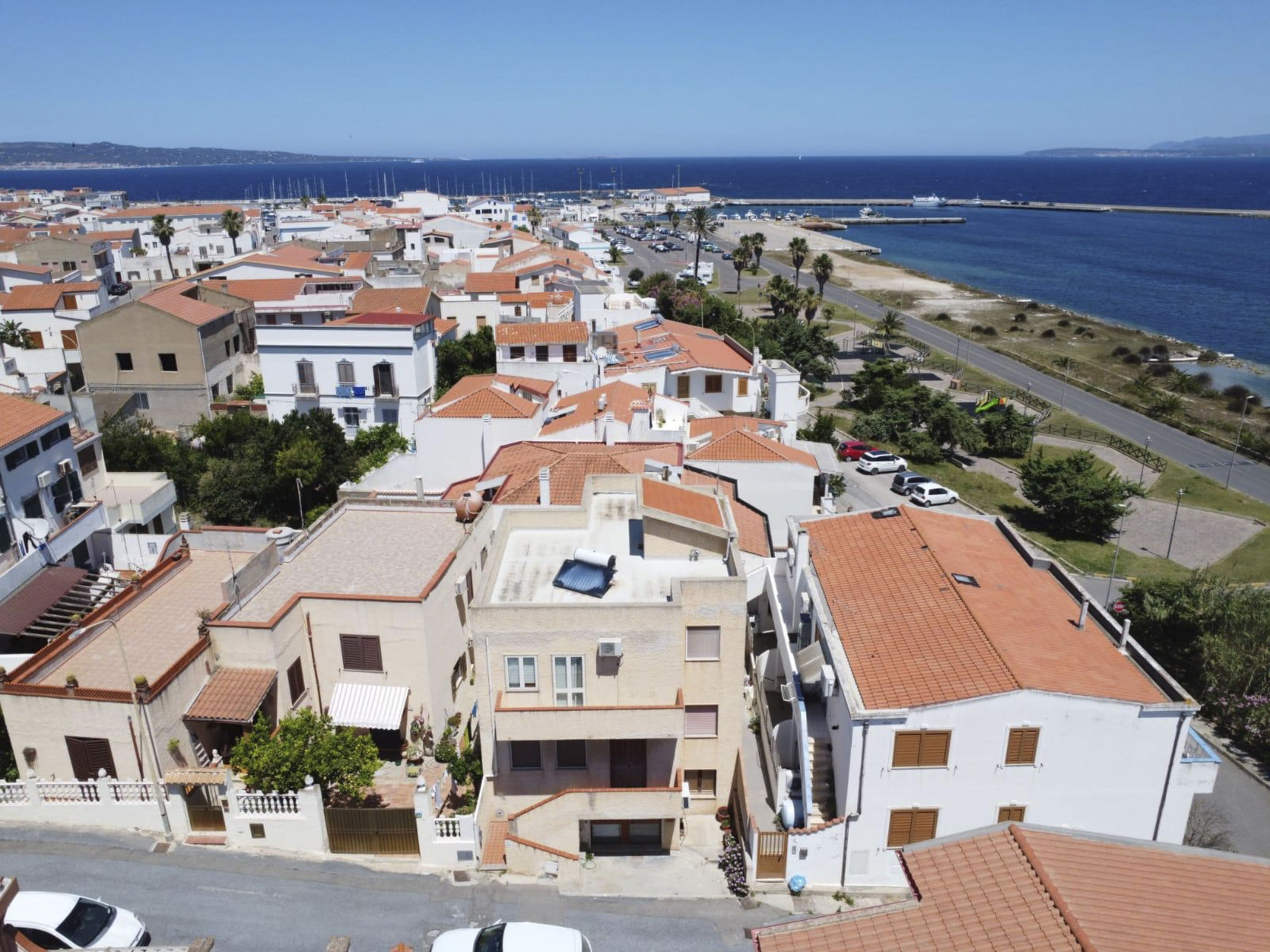
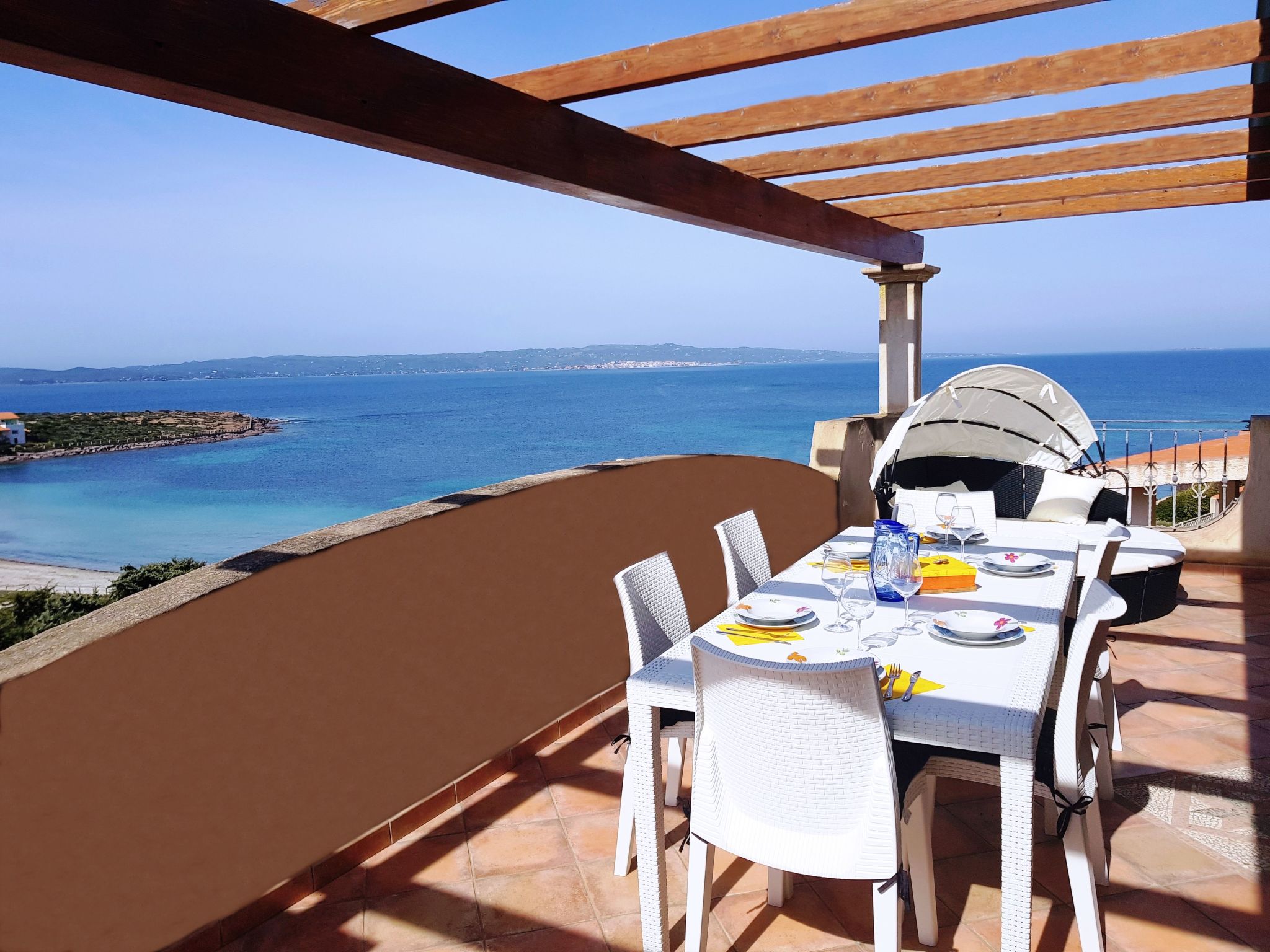
2-Bedroom Home, Calasetta
Calasetta, Sardinia, Italy
4
2
0
Air ConTerraceWashing Machine+5 more
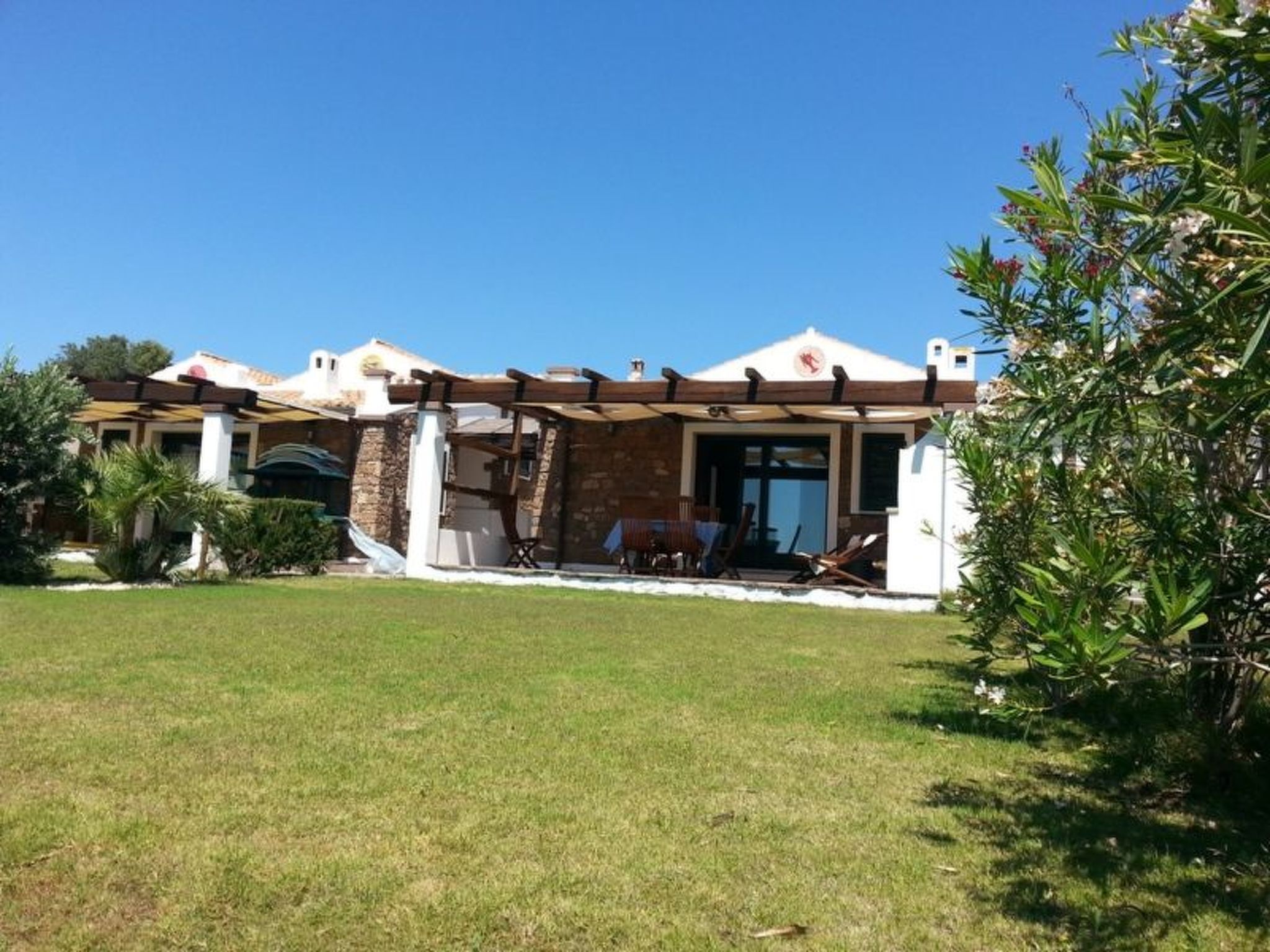
5-star property
5-star property
Calasetta villa holidays: questions answered
Does Calasetta have sandy beaches?
Yes, on the north-east coast, which is low and sandy, with the Grande, Sottotorre and Le Saline beaches. The west coast is cliffed instead, with Cala Lunga, an emerald-green fjord, and Cala Tuffi, a rock pool reached by boat or on foot.
Is Calasetta on an island?
Yes. It sits on Sant'Antioco, the largest island of the Sulcis archipelago in the far south-west of Sardinia, and it is the archipelago's second-largest town after Sant'Antioco itself.
How do you get from Cagliari airport to Calasetta?
By car it takes around an hour and a half. By bus, line 802 runs from Cagliari's ARST bus station to Calasetta port, so you need to get from the airport to that station first.
What is there to see in Calasetta town?
A Savoy-era tower in the centre, a Museum of Contemporary Art (MACC) with 1960s and 70s European works, and nearby prehistoric sites such as the Domu de Janas of Tupei and nuraghes.
Nearby towns to Calasetta
Written by the TrustedVillas team. Last reviewed October 2026.
Find Your Perfect Villa in Calasetta
Our villa experts are here to help you find the ideal property for your vacation. Contact us for personalized recommendations.