Villas in Villasimius
Villasimius suits beach people who spend days on Porto Giunco, Punta Molentis and the other coves of the Capo Carbonara reserve. Few homes have a pool, and Cagliari airport is an hour's drive.
- Villas
- 77
- From, per week
- £305
About Villasimius
Villasimius has fewer than 4,000 residents in winter and several tens of thousands in summer, so it changes character between seasons. The coast around it is a marine reserve running from Capo Boi to the islands of Serpentara and Cavoli, with named beaches including Porto Giunco, Campulongu, Simius and Punta Molentis. Porto Giunco has soft light sand, shallow water and dunes of juniper, and a path from the village leads to it. Our homes are tightly grouped around the village, mostly two-bedroom places for around five, with air conditioning common and a private pool in only a small minority. The Stagno di Notteri behind the sand holds flamingos, and a 17th-century Spanish tower stands on the headland. Evenings in summer include torch-lit aperitifs on Porto Giunco. Outside summer expect a much quieter village.
Is Villasimius right for you?
- Best for
- Beach-led holidays on a protected coast
- Not for you if
- You need a private pool at every villa or a big town centre.
Near Villasimius
Punta Molentis
Fine white sand in several granite-edged coves, shallow water, about 13 minutes by car along the road to Castiadas and Costa Rei.
Costa Rei
Further along the panoramic road past Punta Molentis, around 17 minutes by car or 39 minutes on the ARST bus, which runs four times a day.
Stagno di Notteri
Marsh behind Porto Giunco where pink flamingos and other migratory birds gather; the walking track to the beach runs alongside it.
Tower of Porto Giunco
Nine-metre Spanish tower of the 17th century on the south-west headland, reached on foot with views over the bay.
Getting to Villasimius
Cagliari Elmas is the airport, about 61 km and an hour by road, with Ryanair from Stansted all year and British Airways from Gatwick seasonally. A bus takes nearly three hours with a change in Cagliari, so hire a car for the coves.
When to go to Villasimius
Summer is peak, when the population multiplies and the beaches have their bathing establishments and torch-lit evenings. The Festa della Madonna del Naufrago takes place in late July, with a procession to the water's edge. In winter fewer than 4,000 people live here, so expect the village to be much quieter and check which services remain open.
Villas in Villasimius
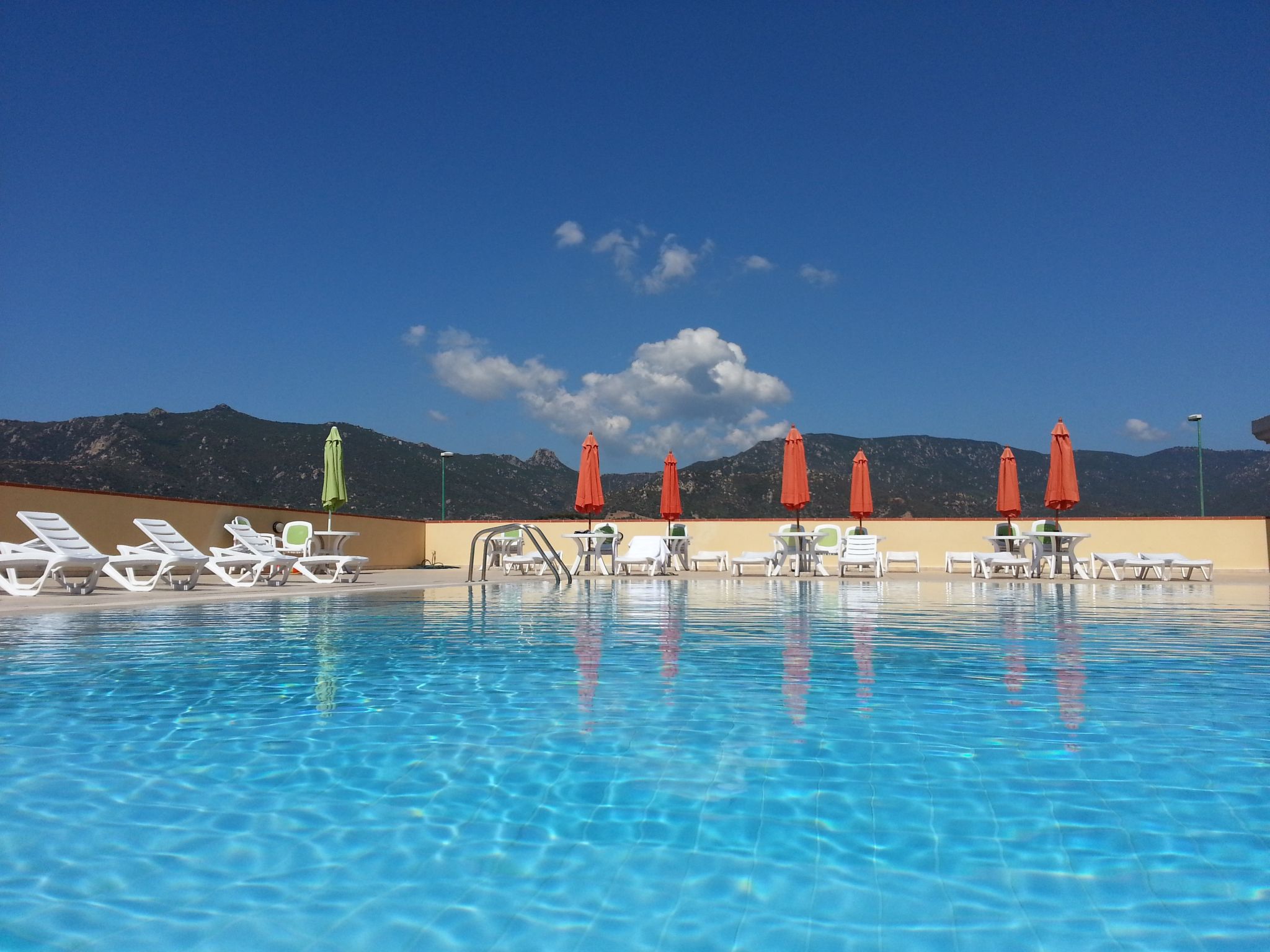
3-star property
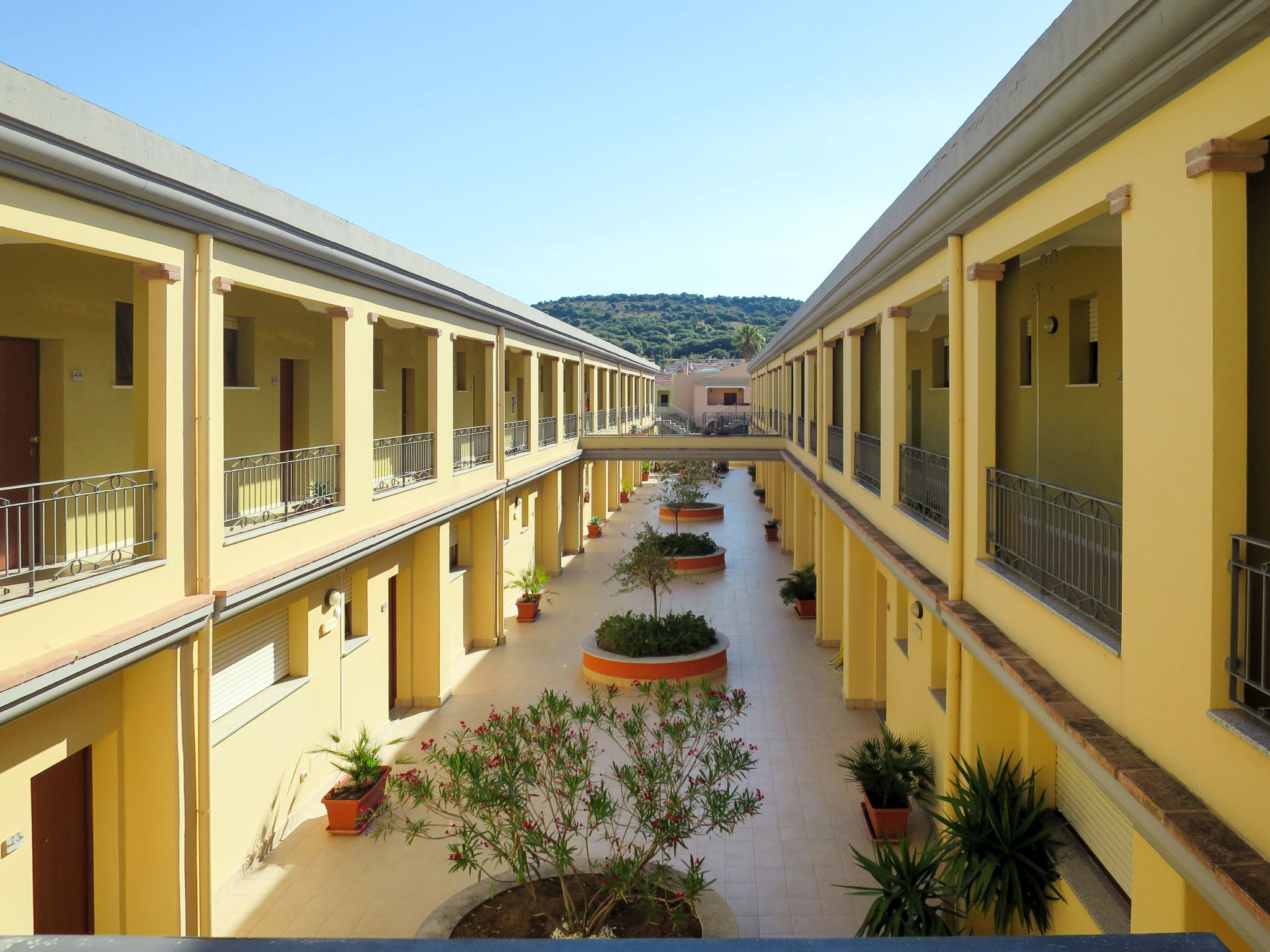
3-star property

3-star property

4-star property
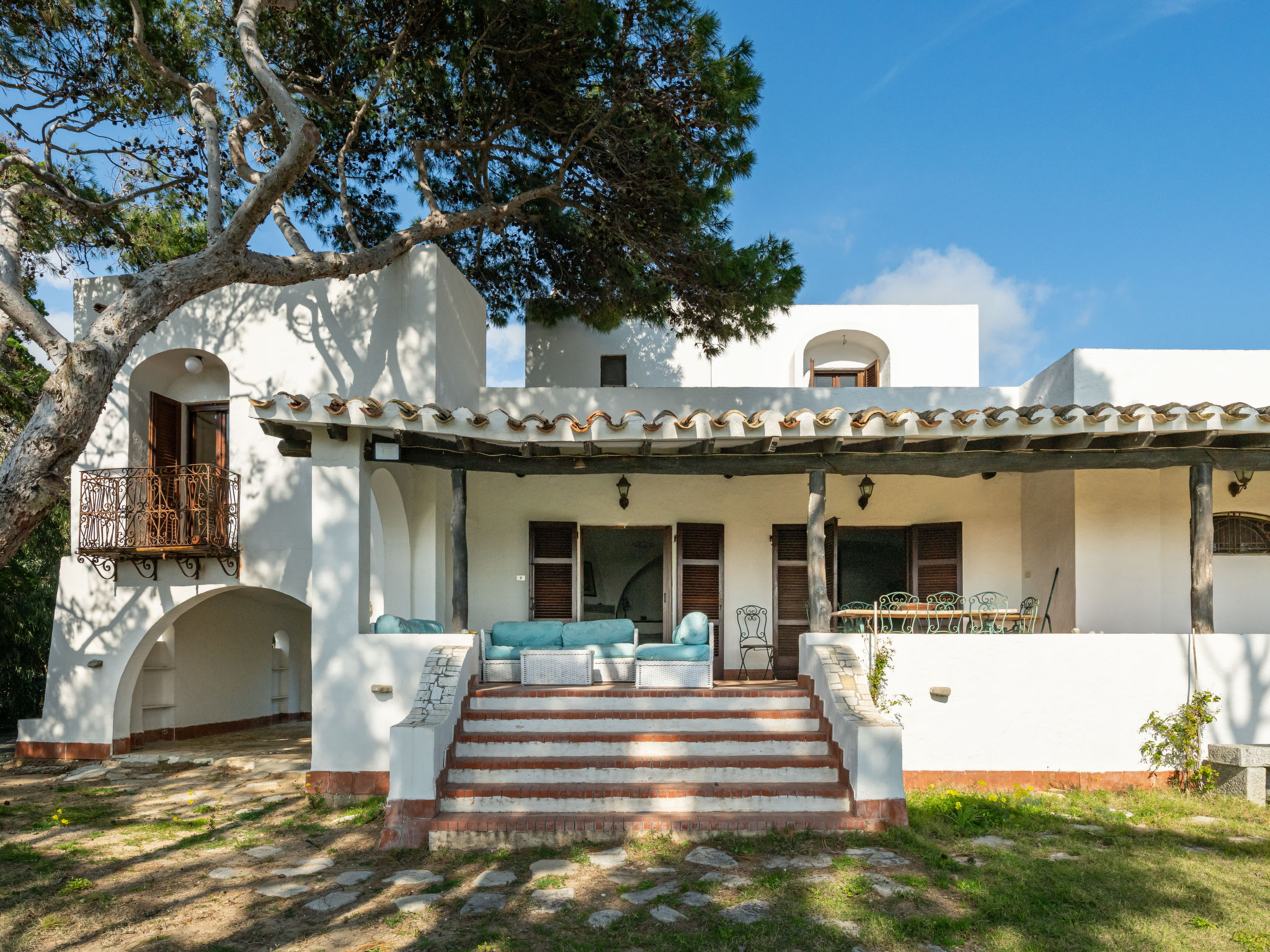
4-star property
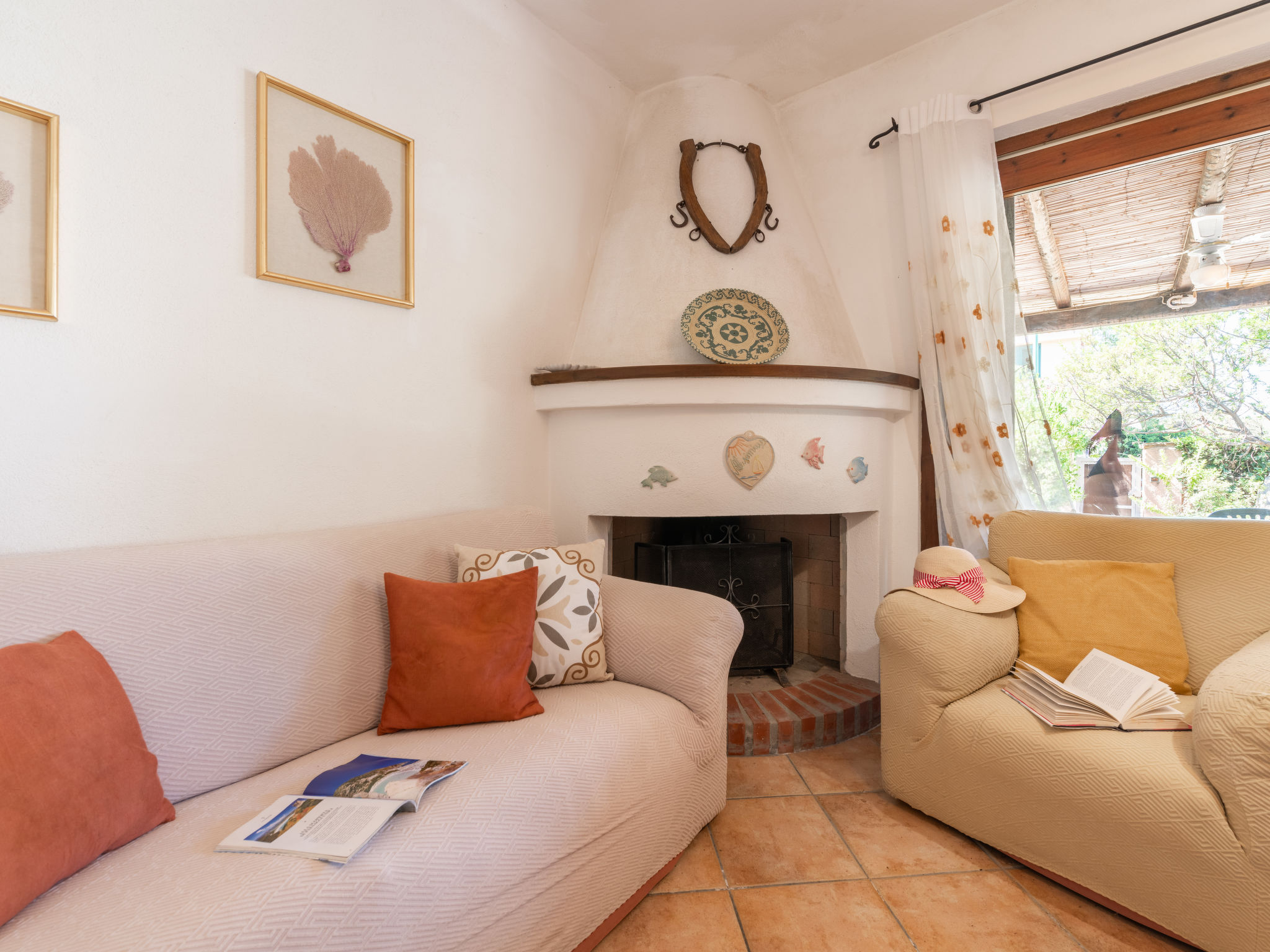
3-star property

4-star property

3-star property

3-star property
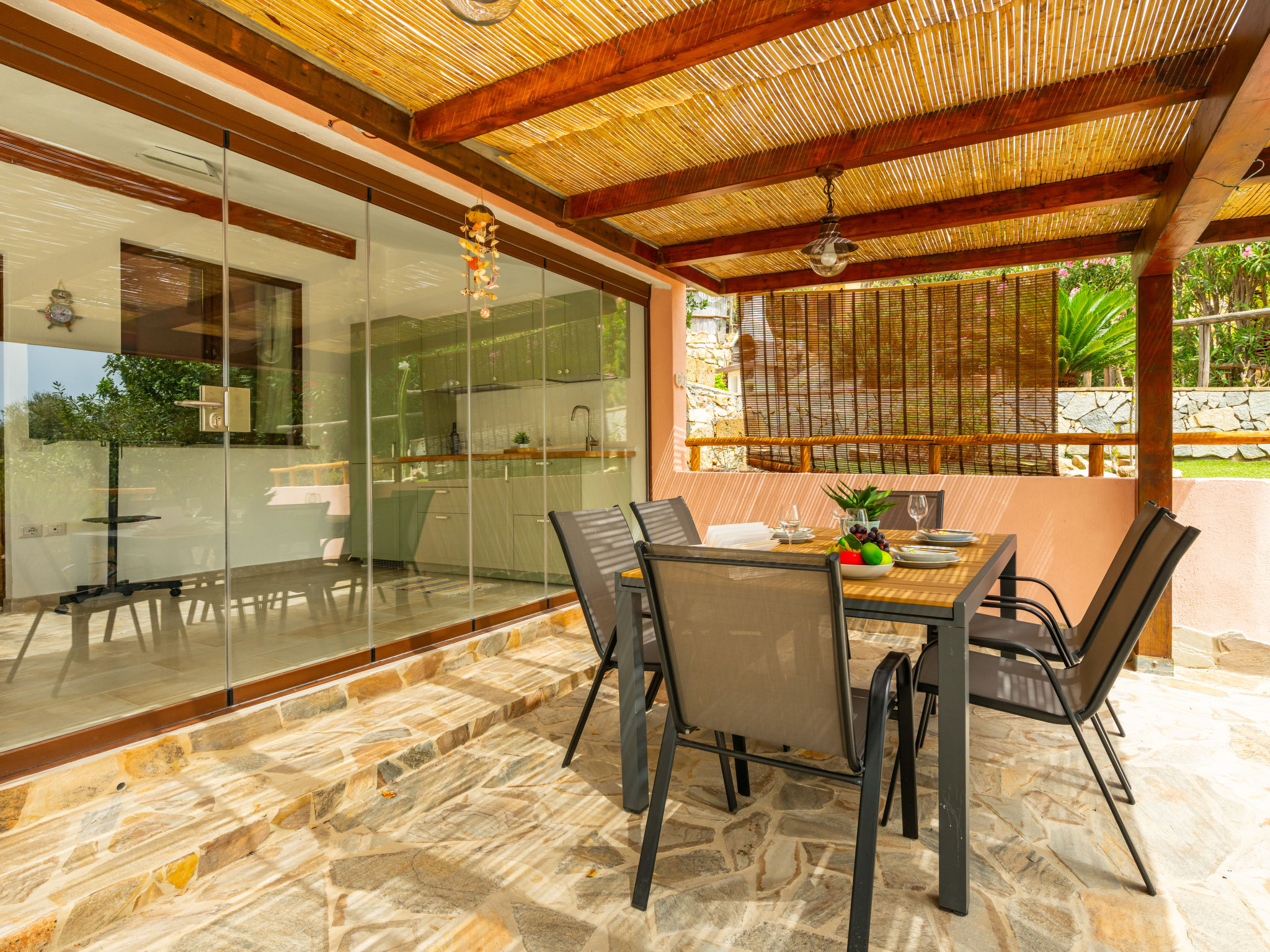
3-star property
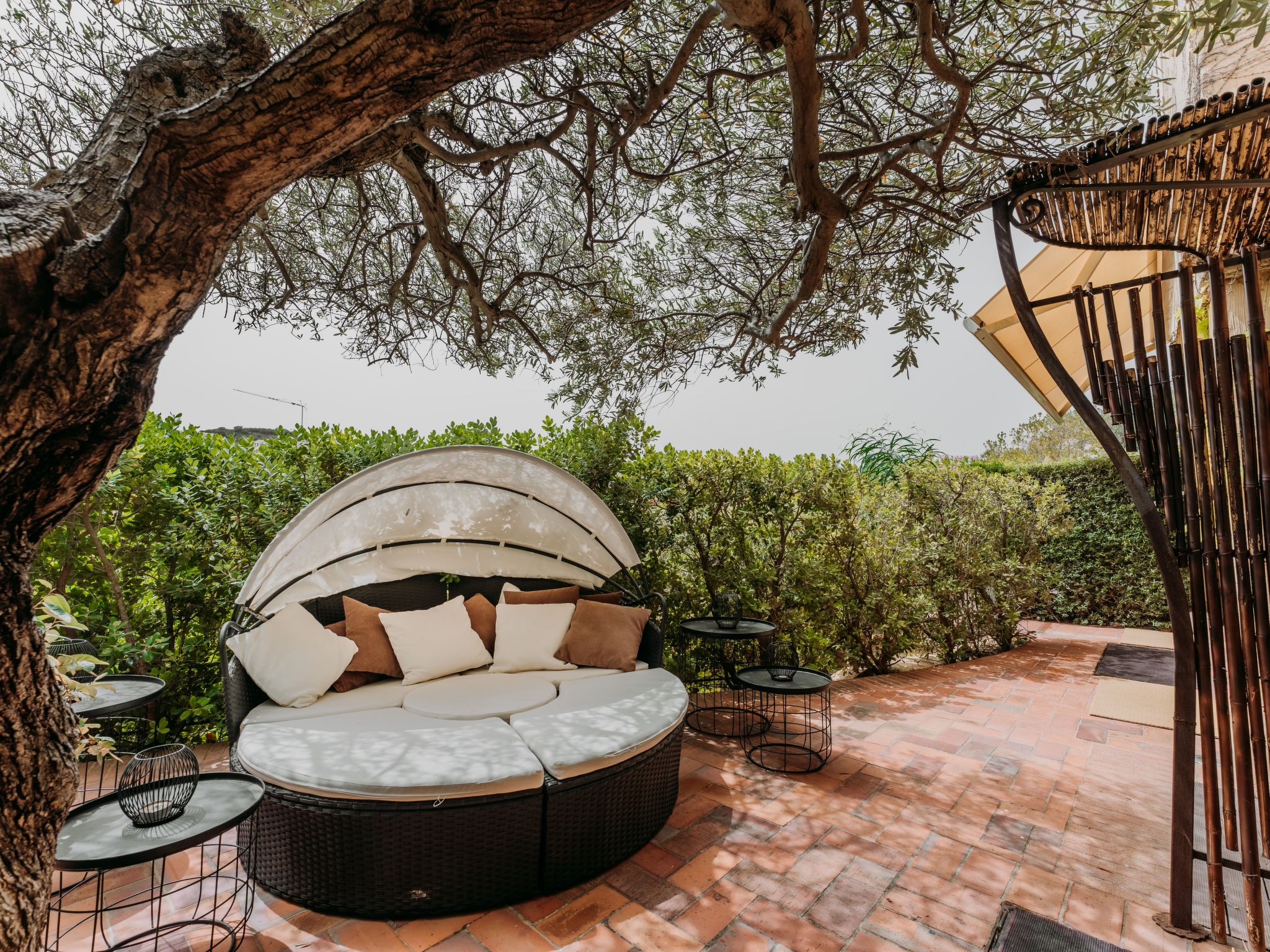
3-Bedroom Home, Villasimius
Villasimius, Sardinia, Italy
4
3
0
Air ConParkingDishwasher+8 more
from£381
per night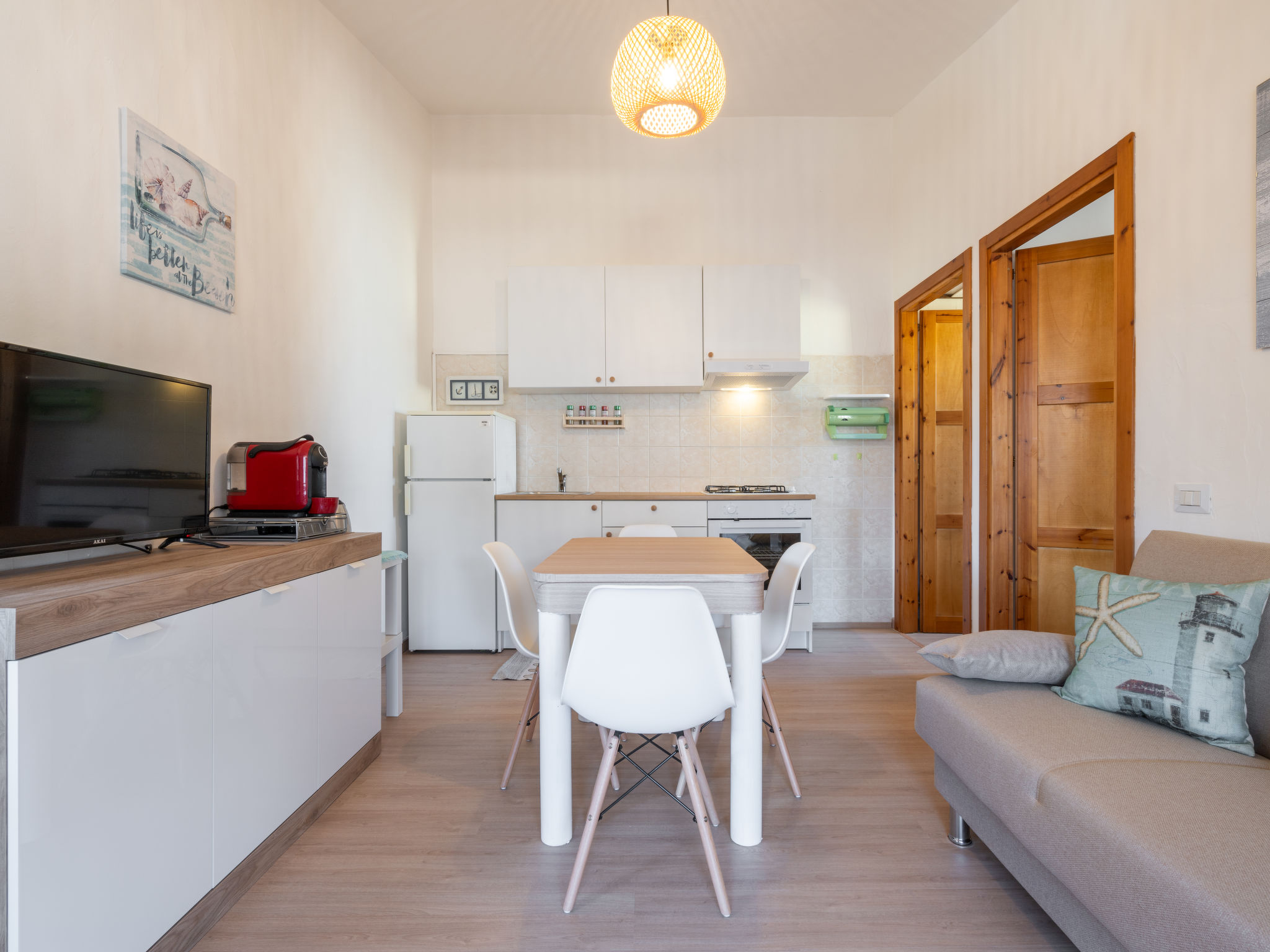
3-star property
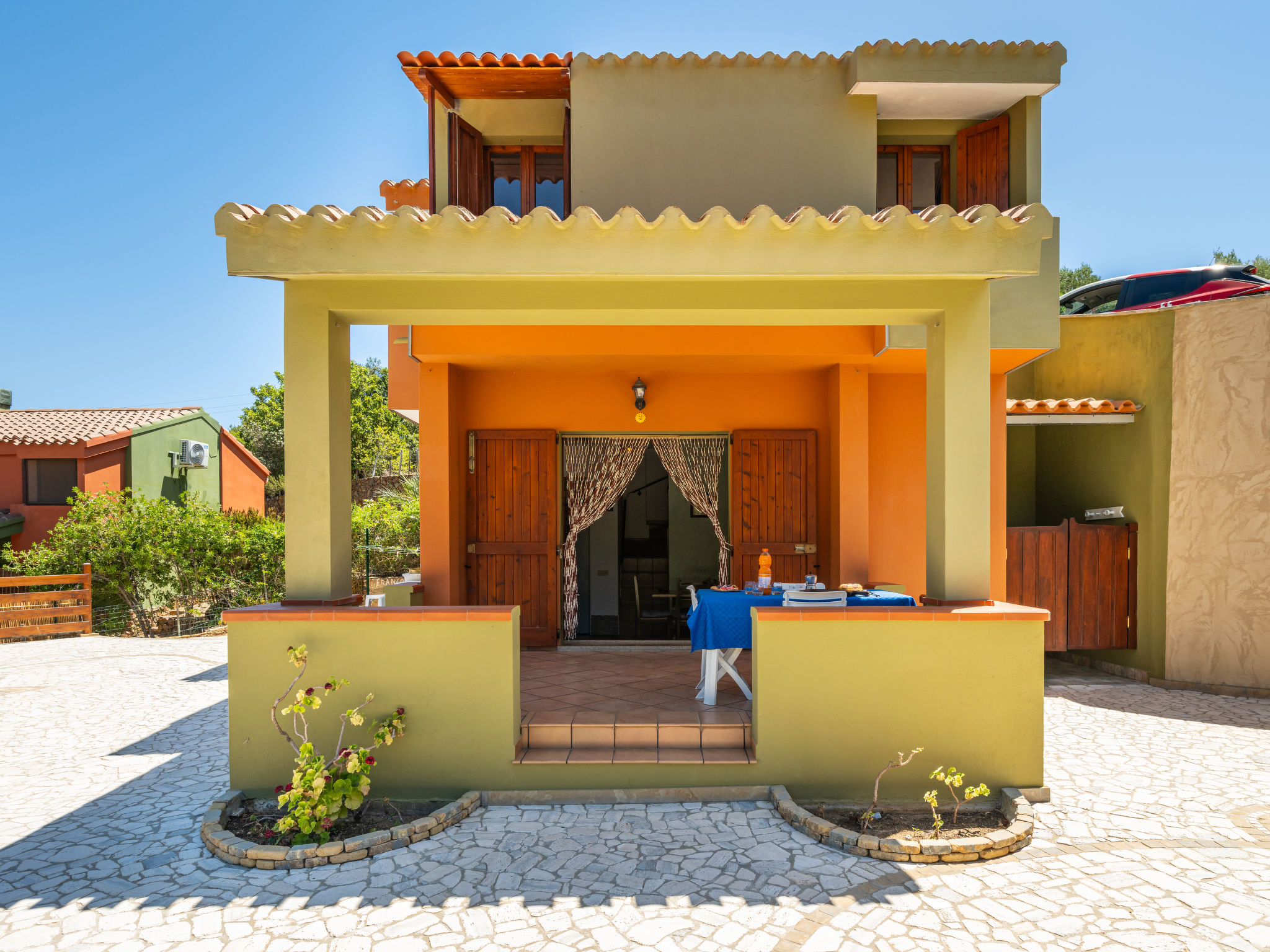
3-star property
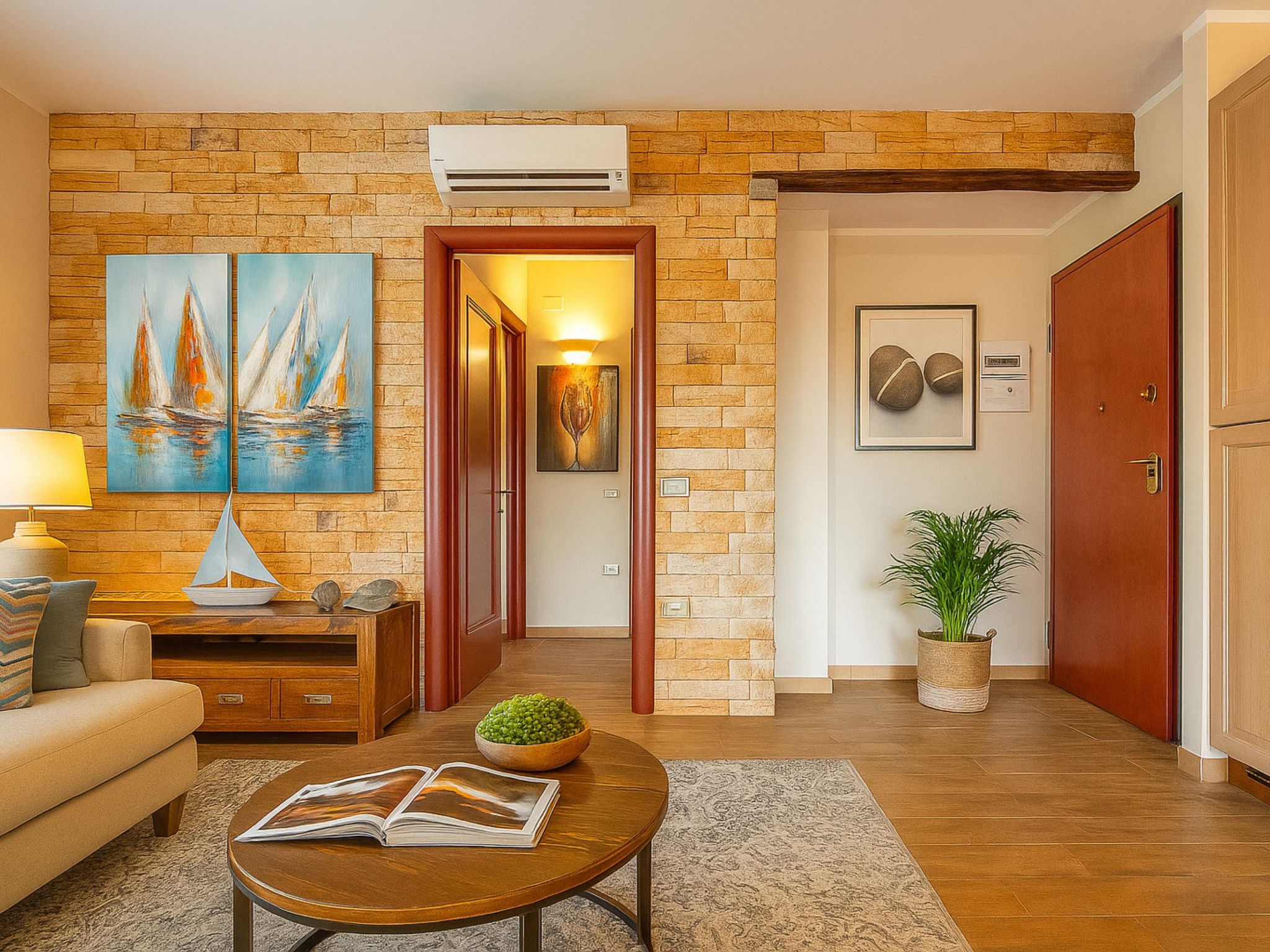
3-star property
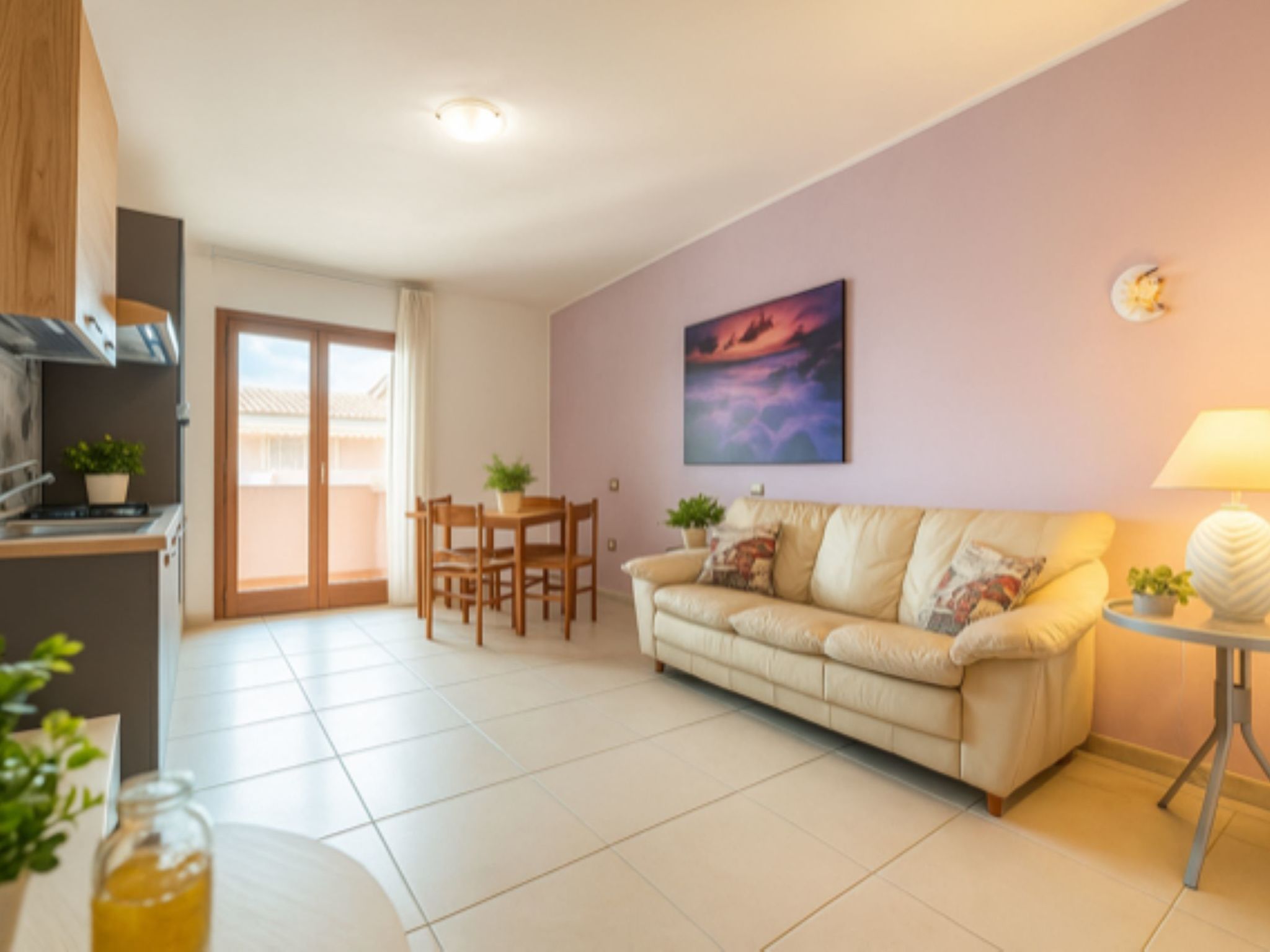
3-star property
La Dimora Del Piccolo Principe
Villasimius, Sardinia, Italy
3
1
0
Air ConDishwasherMicrowave+7 more
from£125
per night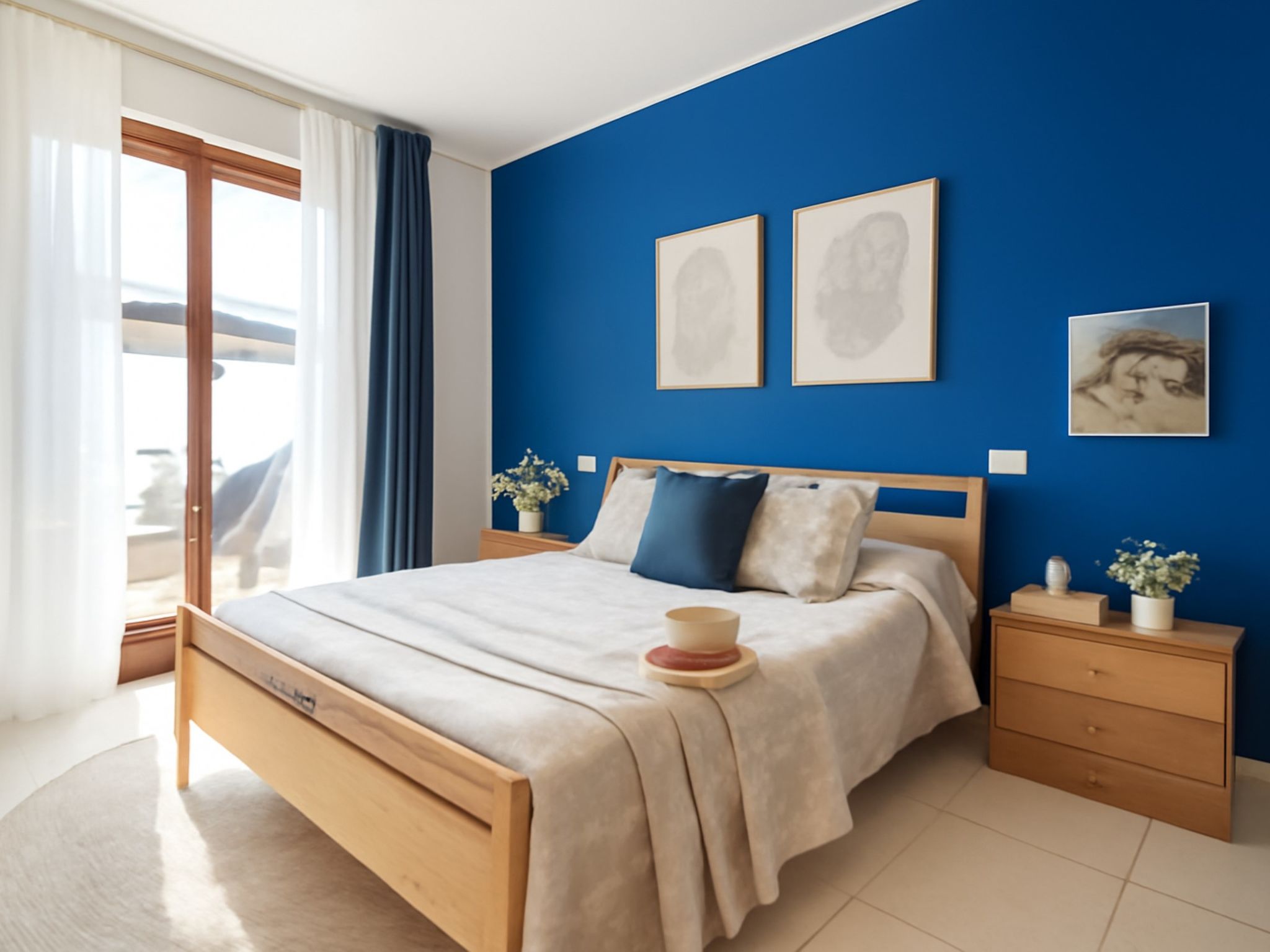
3-star property

3-star property
Pentagramma
Villasimius, Sardinia, Italy
2
1
0
ParkingWashing MachineFridge+5 more
from£55
per night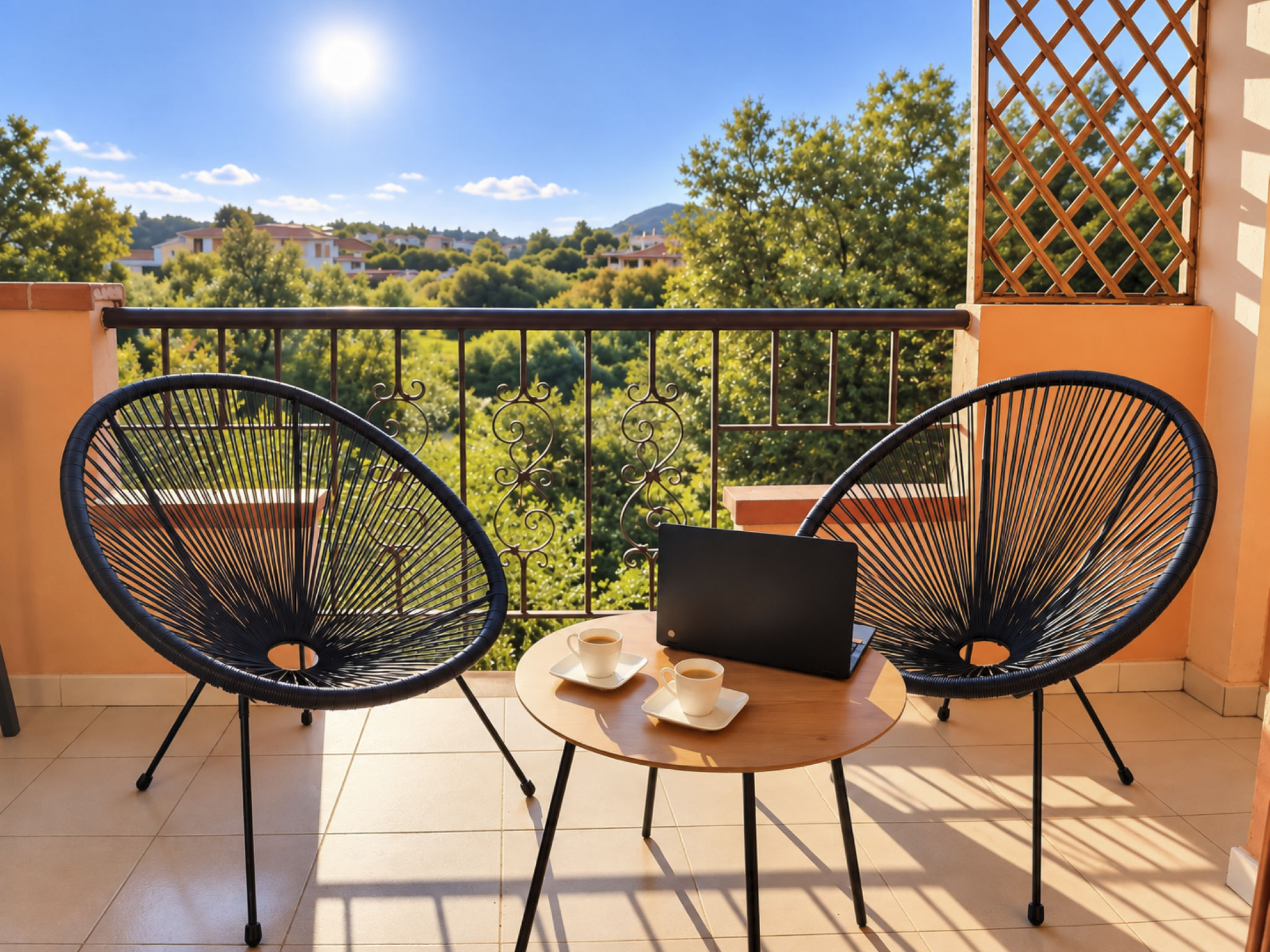
3-star property
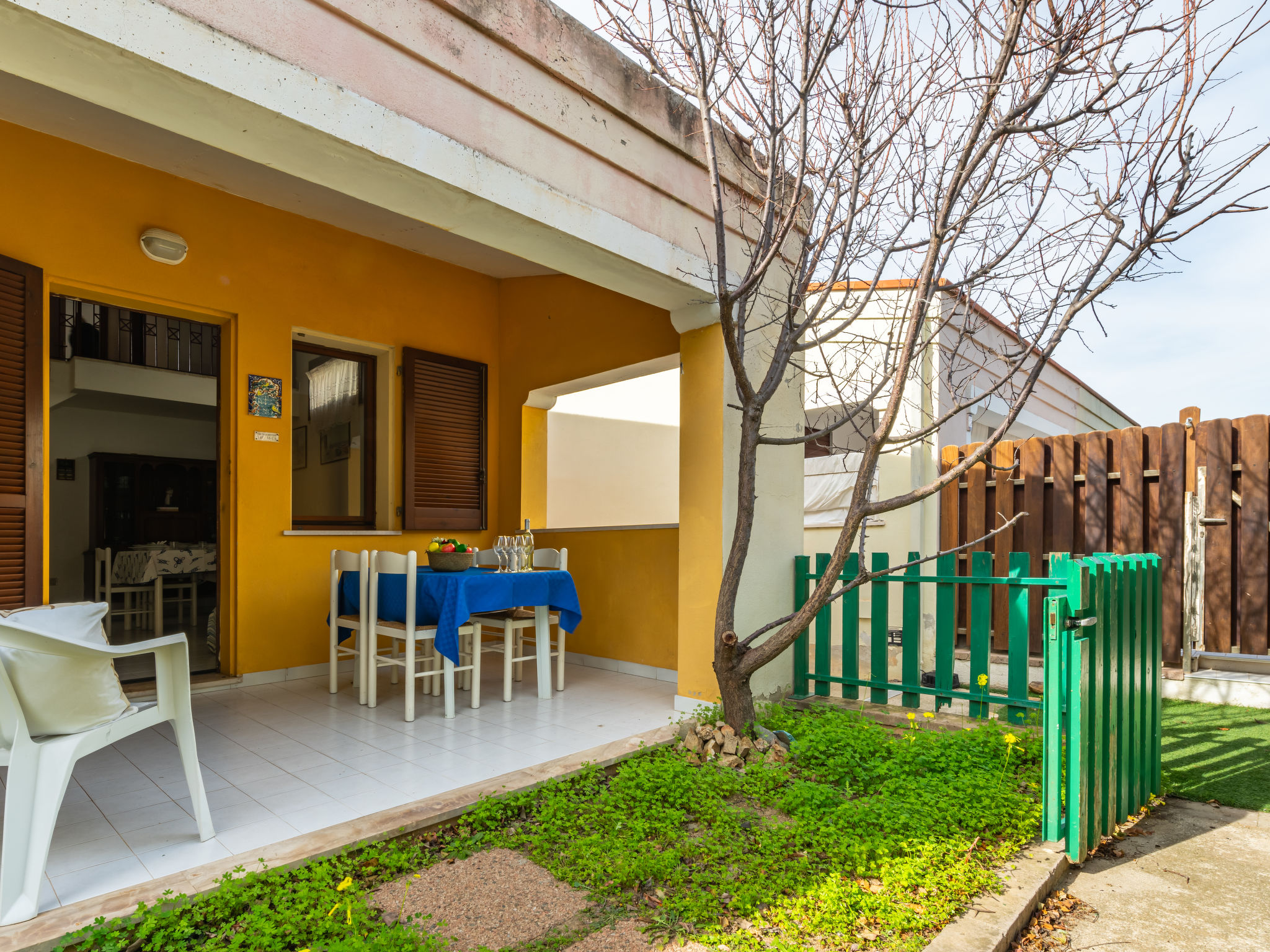
Harmony - holiday and workation
Villasimius, Sardinia, Italy
3
1
0
Air ConDishwasherMicrowave+7 more
from£73
per night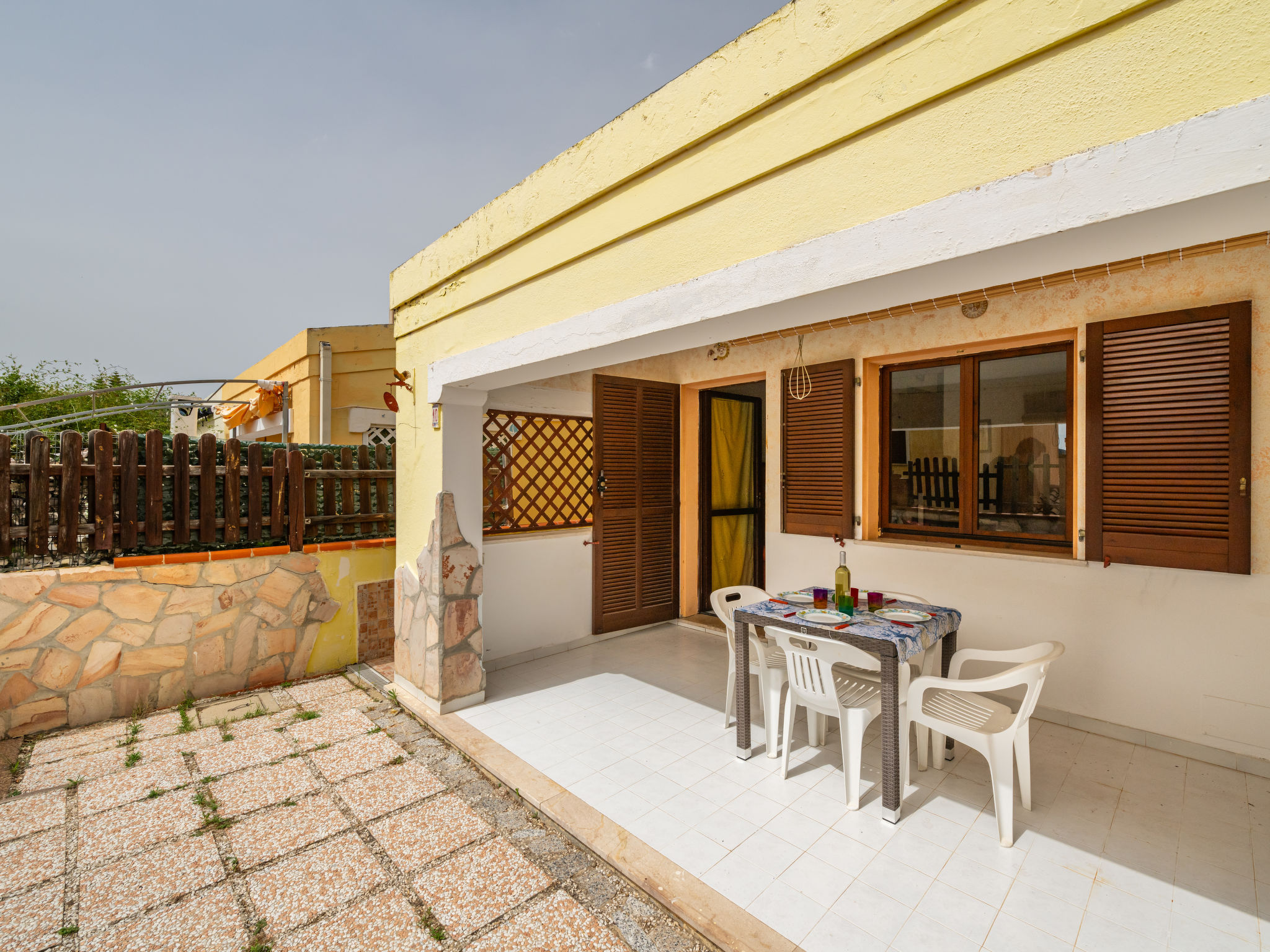
3-star property
3-star property
3-star property
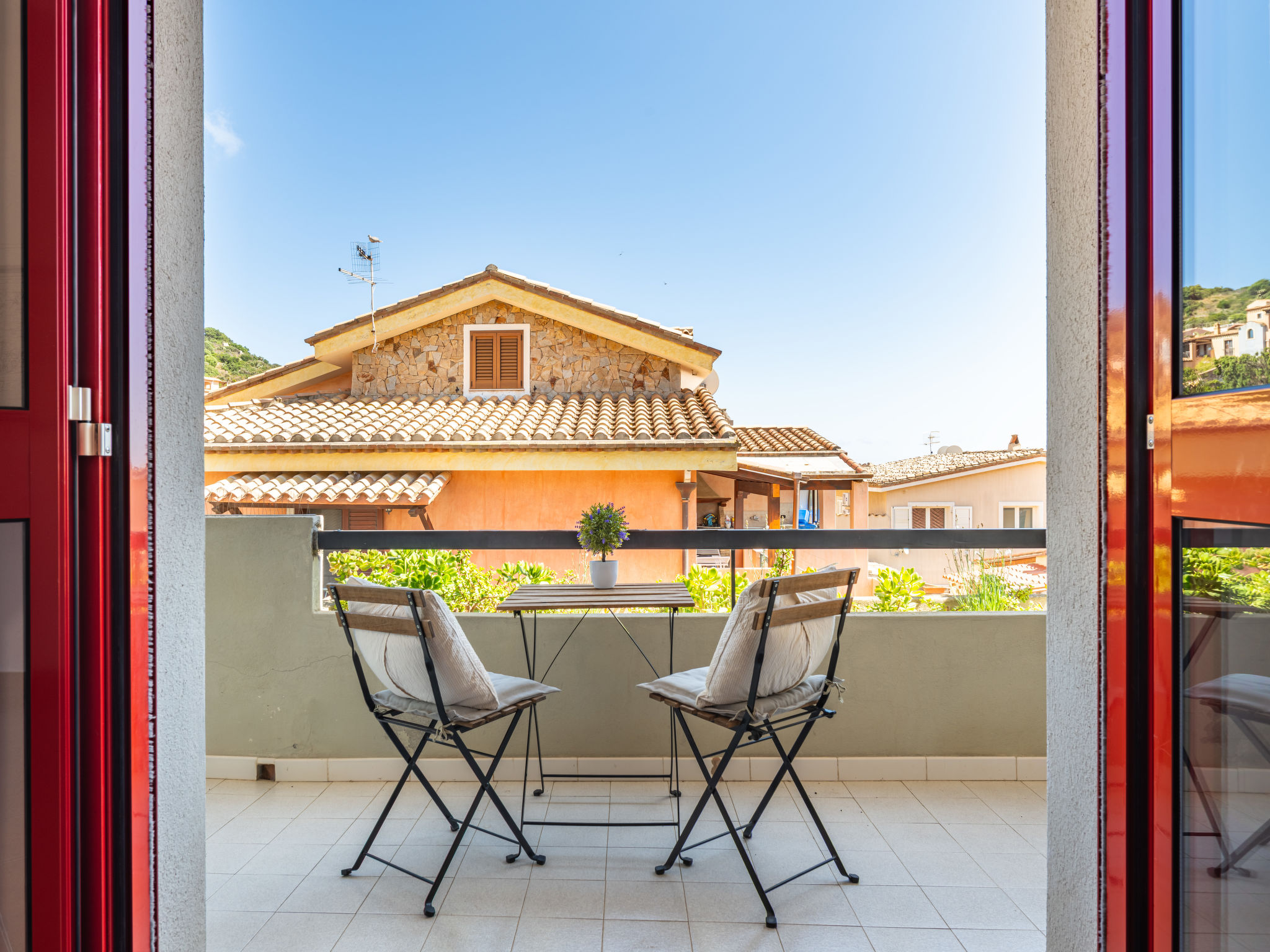
Appartamento Sala
Villasimius, Sardinia, Italy
4
1
0
Air ConDishwasherMicrowave+5 more
from£66
per night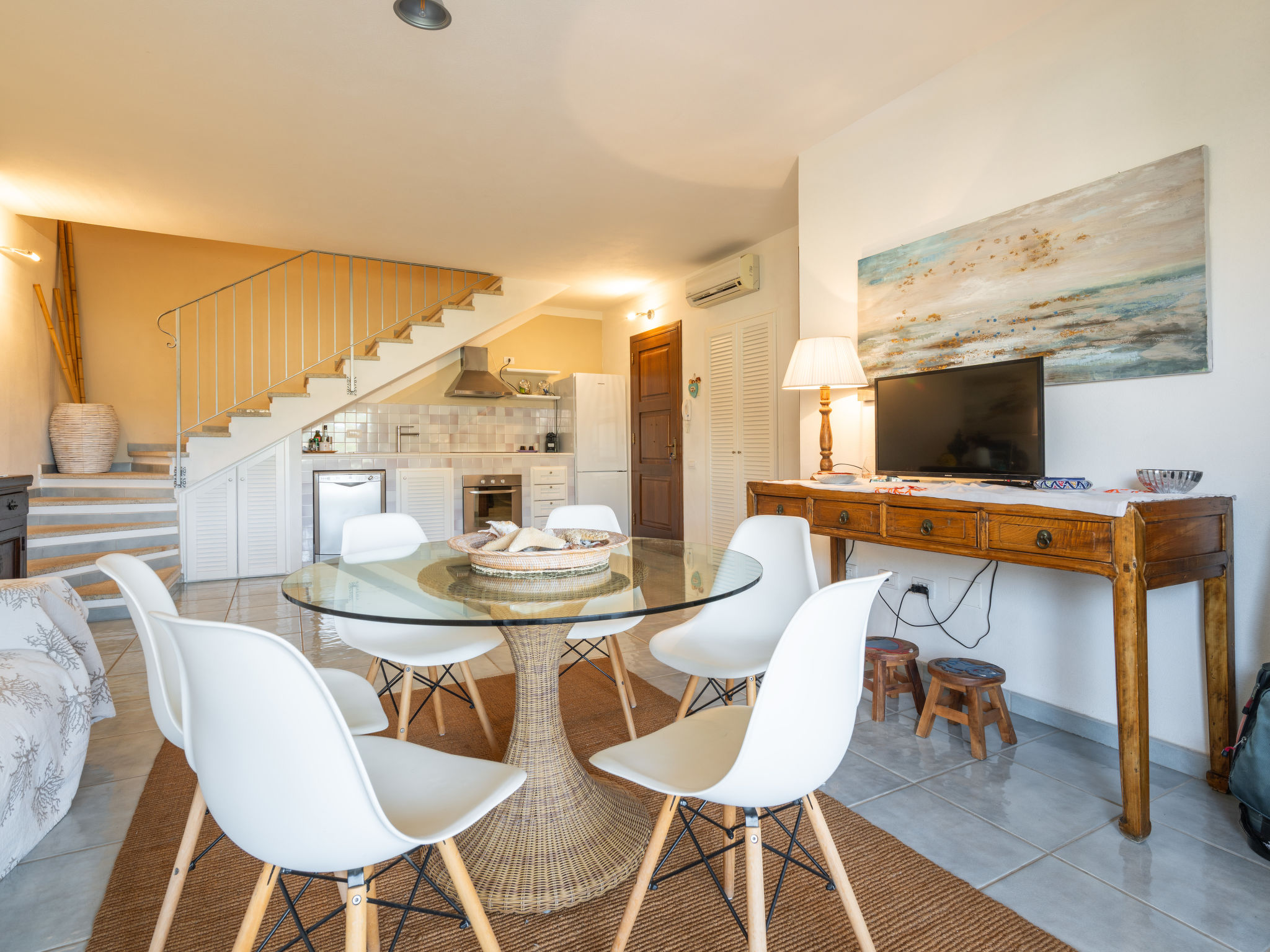
4-star property
Golf Apartment
Villasimius, Sardinia, Italy
4
2
0
Air ConParkingWashing Machine+5 more
from£97
per night
3-star property
3-star property
Villasimius villa holidays: questions answered
Is the beach at Villasimius sand or pebble?
Sand. Porto Giunco is soft, light, pinkish sand with a shallow sandy seabed, and Punta Molentis is fine white sand in shallow coves. Both are part of the Capo Carbonara marine reserve.
Can you walk to the beach from Villasimius?
To Porto Giunco, yes. It is a walk of only a few minutes from the village centre, with a track through a eucalyptus grove from the main car park. Punta Molentis is further, about 13 minutes by car.
Villasimius or Costa Rei for a villa stay?
Villasimius puts Porto Giunco and Campulongu close to the village and has the Capo Carbonara reserve on its doorstep. Costa Rei is about 17 minutes away by car on the road that passes Punta Molentis, so it works as a day trip.
Is Villasimius good for snorkelling and diving?
Yes. Porto Giunco is popular for surfing, snorkelling and diving, and the Capo Carbonara reserve has shipwrecks and seagrass meadows. Punta Molentis is also described as well suited to diving.
Is Villasimius quiet out of season?
Yes. Fewer than 4,000 people live here in winter, against several tens of thousands in summer. Check opening hours before you travel.
Nearby towns to Villasimius
Written by the TrustedVillas team. Last reviewed October 2026.
Find Your Perfect Villa in Villasimius
Our villa experts are here to help you find the ideal property for your vacation. Contact us for personalized recommendations.