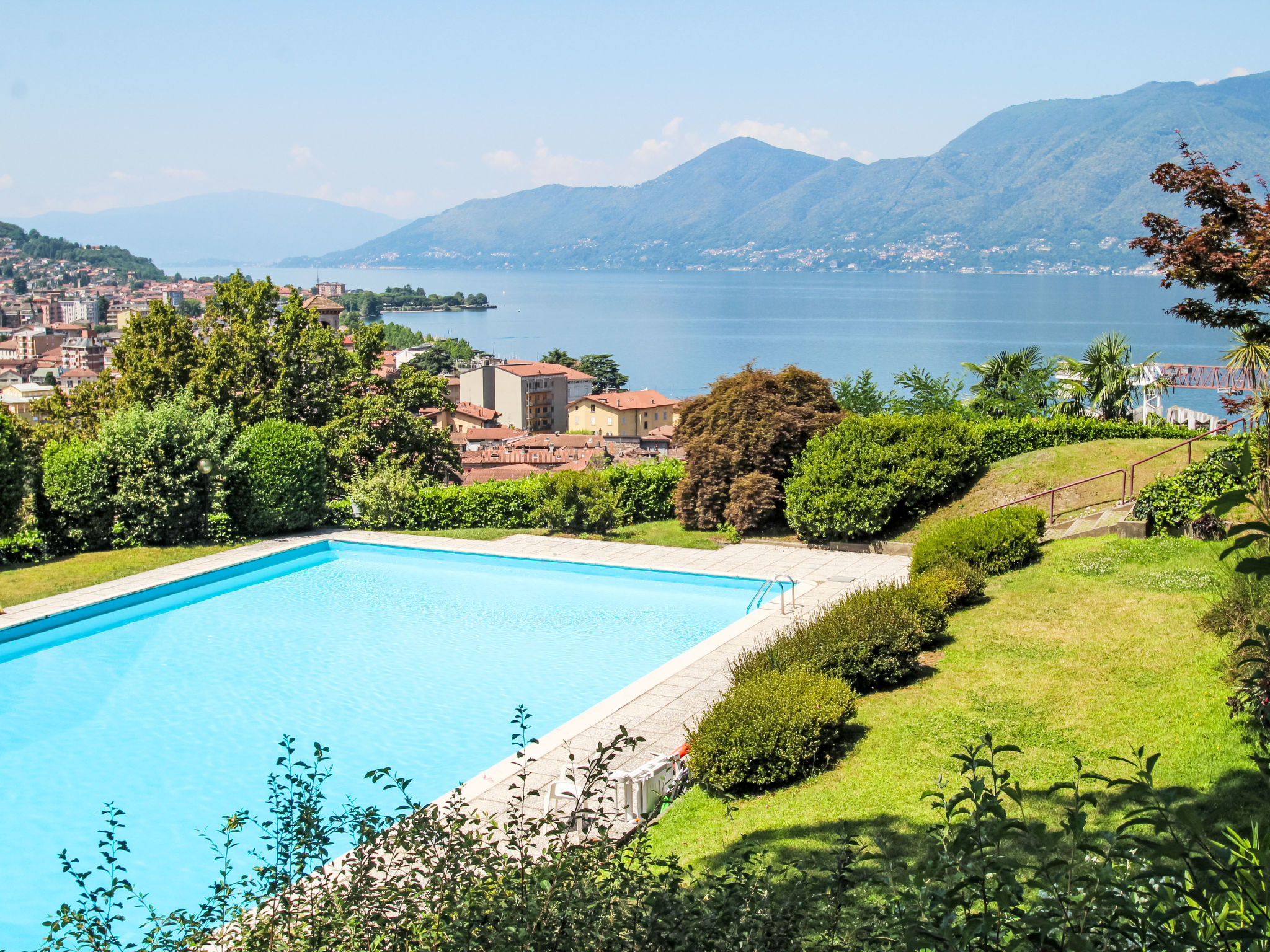
Lake Maggiore feels like the overlooked sibling in Italy's lake family. While Garda swarms with holidaymakers and Como caters to the designer-bag crowd, this second-largest Italian lake maintains a more contemplative character. The water runs deeper and colder here, the mountains press closer, and the towns along its shores have a refined, residential feel that rewards slow exploration. We find ourselves returning to Maggiore for the botanical richness, the quiet ferries that connect waterfront villages, and the way afternoon light hits the Alpine backdrop. It's less about ticking boxes and more about settling in.
What Makes Lake Maggiore Special
- The Borromean Islands are genuinely worth the ferry trip. Isola Bella's 17th-century palazzo and manicured gardens justify the hype, and Isola Madre offers a quieter, botanically obsessed alternative. The islands shift the lake's whole dynamic—suddenly you're island-hopping rather than just lakeshore lounging.
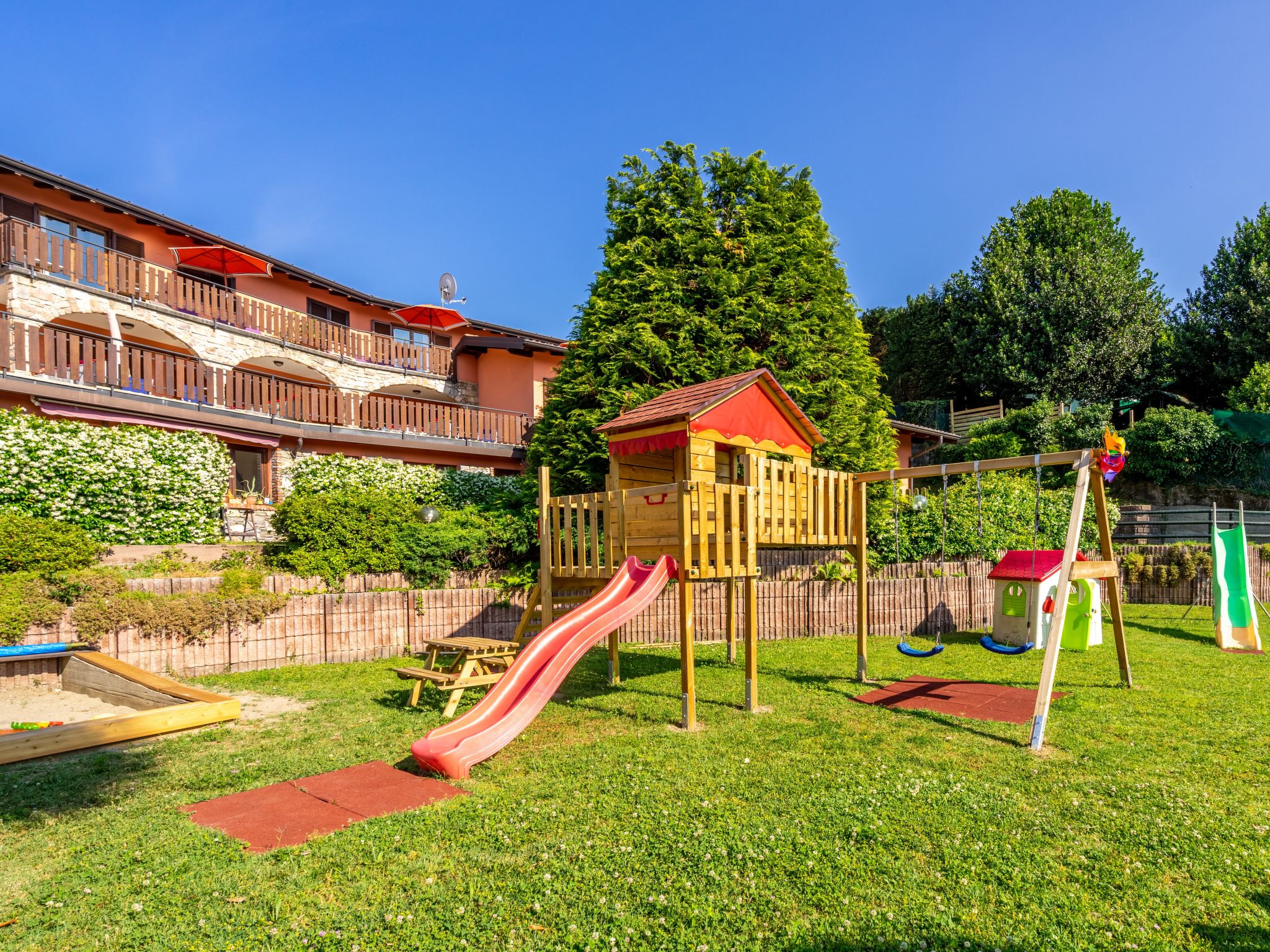
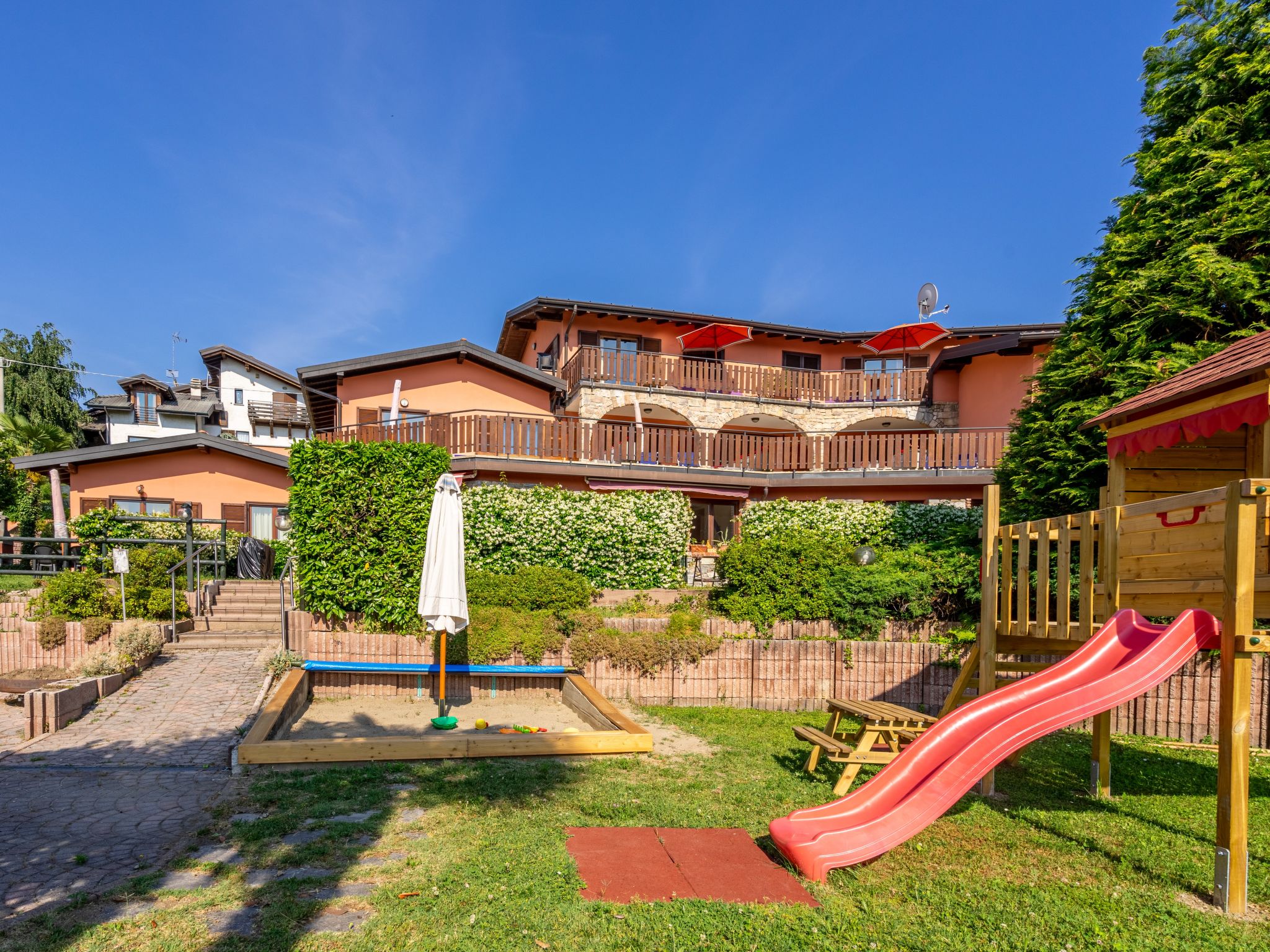
- More grown-up vibes than Garda. You'll spot far fewer supervised children in inflatable pools and significantly more couples on terraces with wine glasses. The resorts here cater to people who've visited lakes before and know what they want.
- Serious botanical gardens dot the shoreline. Villa Taranto (Verbania) and Villa Pallavicino (Stresa) aren't afterthoughts—they're reasons to extend your stay by days. Spring and early summer transform them into colour riots.
- The mountains give it weather drama. Afternoon rainstorms, cloud inversions, sudden clarity. the landscape shifts hourly. This unpredictability deters package tourists but rewards flexible travelers.
- It's genuinely binational. The northern tip crosses into Switzerland, so a simple ferry journey can put you in a different country. The shift in architecture and attitude happens gradually, which makes it more interesting than a hard border.
Top Towns & Resorts in Lake Maggiore
Stresa
Stresa is the lake's social hub. Belle Époque villas line the waterfront, the promenade buzzes with gelato shops, and the ferry dock connects you to the Borromean Islands in five minutes. It's accessible enough that everyone knows about it, which means the waterfront restaurants price accordingly. The town itself sits on a compact hill, so there's genuine walking involved if you venture away from the main drag. The upside: it's the easiest base for exploring both the lake and the Alpine towns beyond.
Verbania
Verbania spans across two districts (Pallanza and Intra) and feels more like a working town than a resort. It's notably longer and less attractive than Stresa, which is either a drawback or the entire appeal depending on your temperament. The key draw is Villa Taranto, one of northern Italy's finest botanical gardens. on a rainy day, which they get regularly here, it transforms from manicured to moody and photogenic. Accommodation tends toward guesthouses and smaller hotels rather than grand lakeside estates, so expect a more local experience.
Baveno & Cannobio
Baveno sits halfway between Stresa and the northern towns, close enough to the Borromean Islands but quieter and less geared toward tourism infrastructure. It's where you go if Stresa feels busy. Cannobio, further north, is genuinely small. its waterfront piazza holds perhaps a dozen tables, and the whole place empties by October. The onward road toward Switzerland climbs dramatically, so Cannobio works well as an evening dinner stop rather than a multi-day base, unless you're comfortable with minimal nightlife and a strong sense of seasonal rhythm.
Arona
Arona sits at the southern tip and is distinctly less lakeside-resort than its northern neighbours. it's a proper working town with a medieval quarter climbing away from the water. That said, its position makes it the closest major town to Milan (30 minutes), so it works as either a lake base or a Milan escape. The waterfront is pleasant rather than destination-defining. Colossal statue of San Borromeo watches over the lakefront with the kind of surreal charm only oversized religious monuments can manage.