Villas in Dronningmølle
Dronningmølle suits families wanting a wide, gently shelving sand beach on North Zealand, about 45 km north of Copenhagen. It is a small resort town, so evenings are quiet, and most homes have a fireplace but few have a sauna and none a pool.
- Villas
- 14
About Dronningmølle
Dronningmølle is a small seaside resort of around 1,500 people between Hornbæk and Gilleleje, grown together with Hornbæk since 2010. The beach is a wide stretch of sand with low dunes, the water deepens slowly and shallow pools often form, and lifeguard posts operate in the season. Holiday homes spread up to two kilometres inland from the shore, and the homes here sit close together in one area. Just south of town is the Rudolph Tegner Museum, in a bunker-like building the sculptor designed himself. A station on the Hornbæk Line serves the town.
Is Dronningmølle right for you?
- Best for
- Families with young children wanting a shallow sandy beach
- Not for you if
- You want a pool, a sauna in every home or restaurants and nightlife on the doorstep.
Near Dronningmølle
Hornbæk
Four km east, with large sandy beaches, a marina and a big area of summer houses; it has grown together with Dronningmølle into one urban area.
Gilleleje
Six km west, the northernmost point of Zealand, with sandy beaches and a working fishing harbour.
Rudolph Tegner Museum
Just south of Dronningmølle, a museum dedicated to the sculptor Rudolph Tegner, housed in a bunker-like Modernist building he designed himself.
Getting to Dronningmølle
Copenhagen is about 45 km south of the beach, and Coast Line trains run from the city to Helsingør. From there the Hornbæk Line runs towards Gilleleje and stops at Dronningmølle station. A car is useful for moving between the beaches and reaching nearby towns.
Villas in Dronningmølle
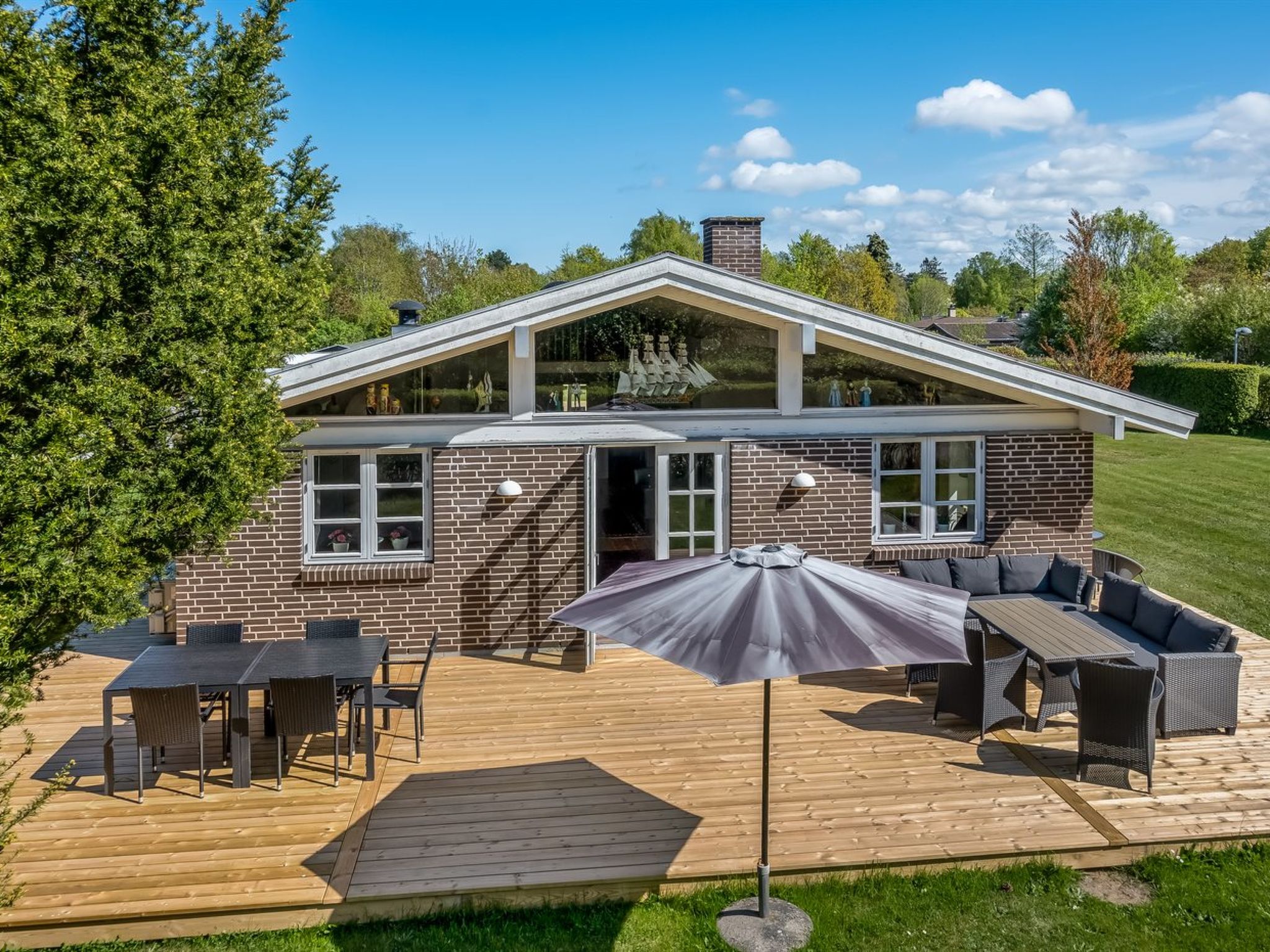
3-star property
"Melle" - 350m from the sea
Dronningmølle, Sealand, Denmark
7
3
0
BBQDishwasherFireplace+8 more
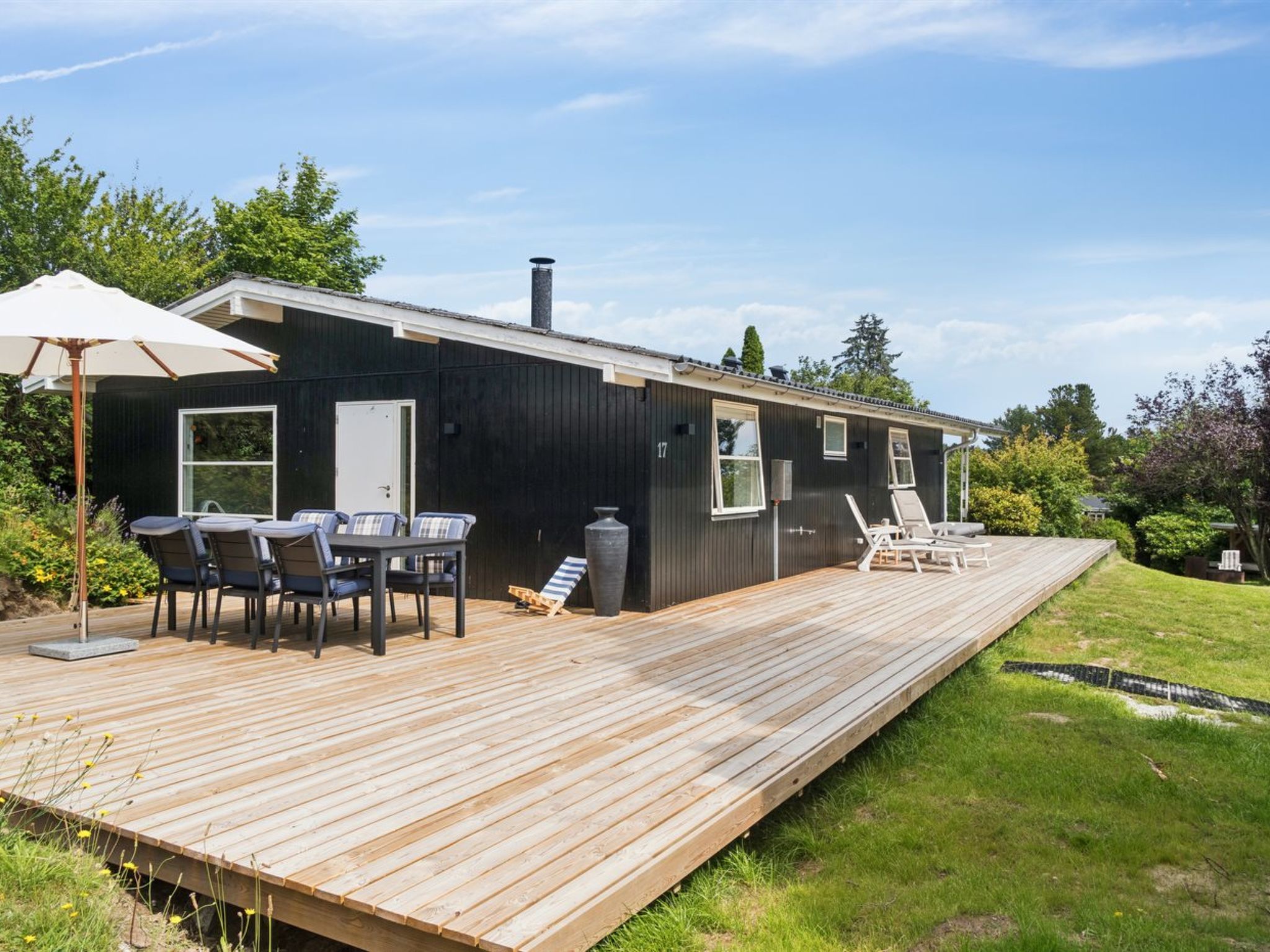
4-star property
"Donco" - 600m from the sea
Dronningmølle, Sealand, Denmark
8
4
0
BBQDishwasherFireplace+8 more
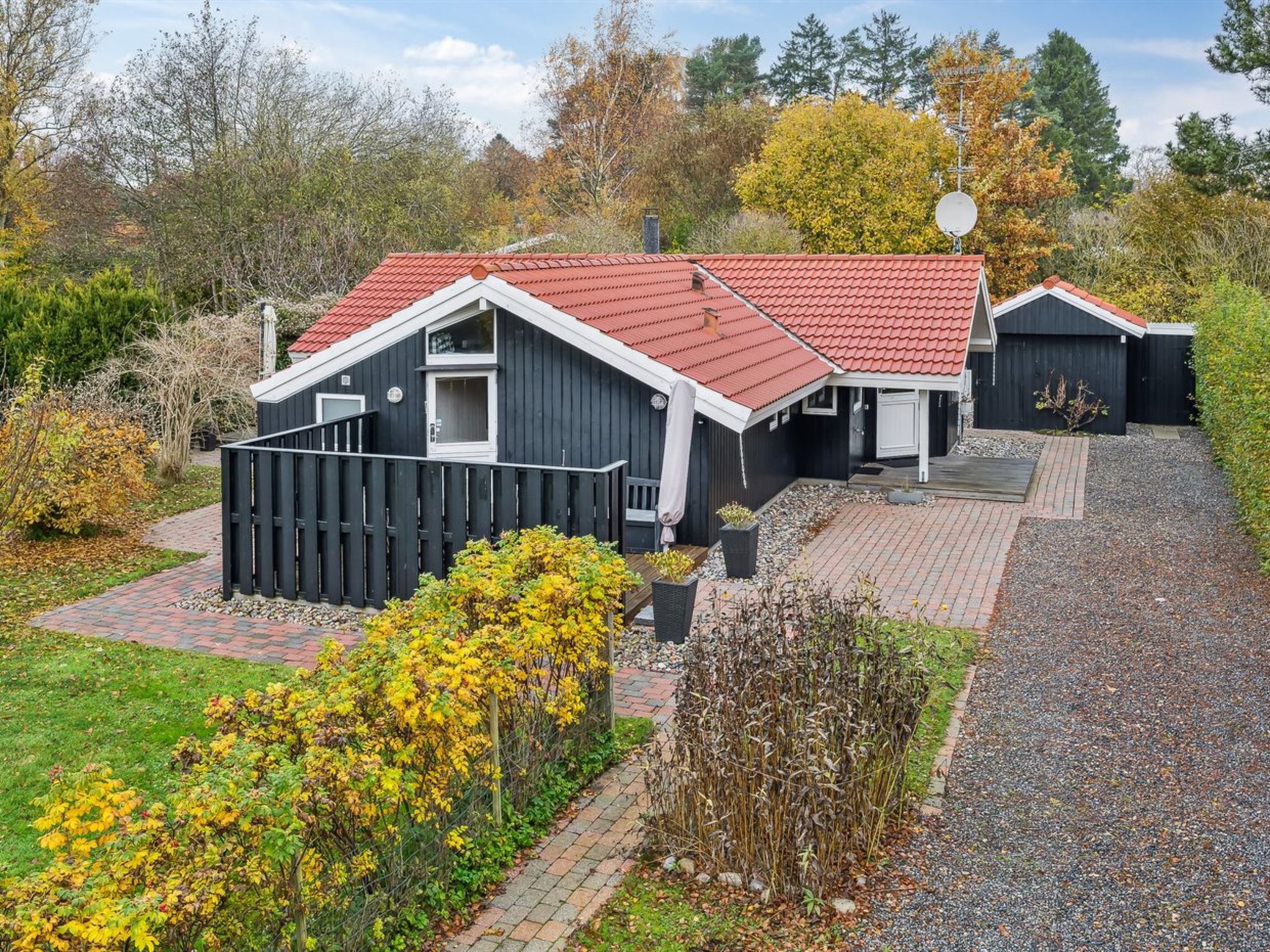
4-star property
"Gyda" - 840m from the sea
Dronningmølle, Sealand, Denmark
6
3
0
BBQDishwasherFireplace+9 more
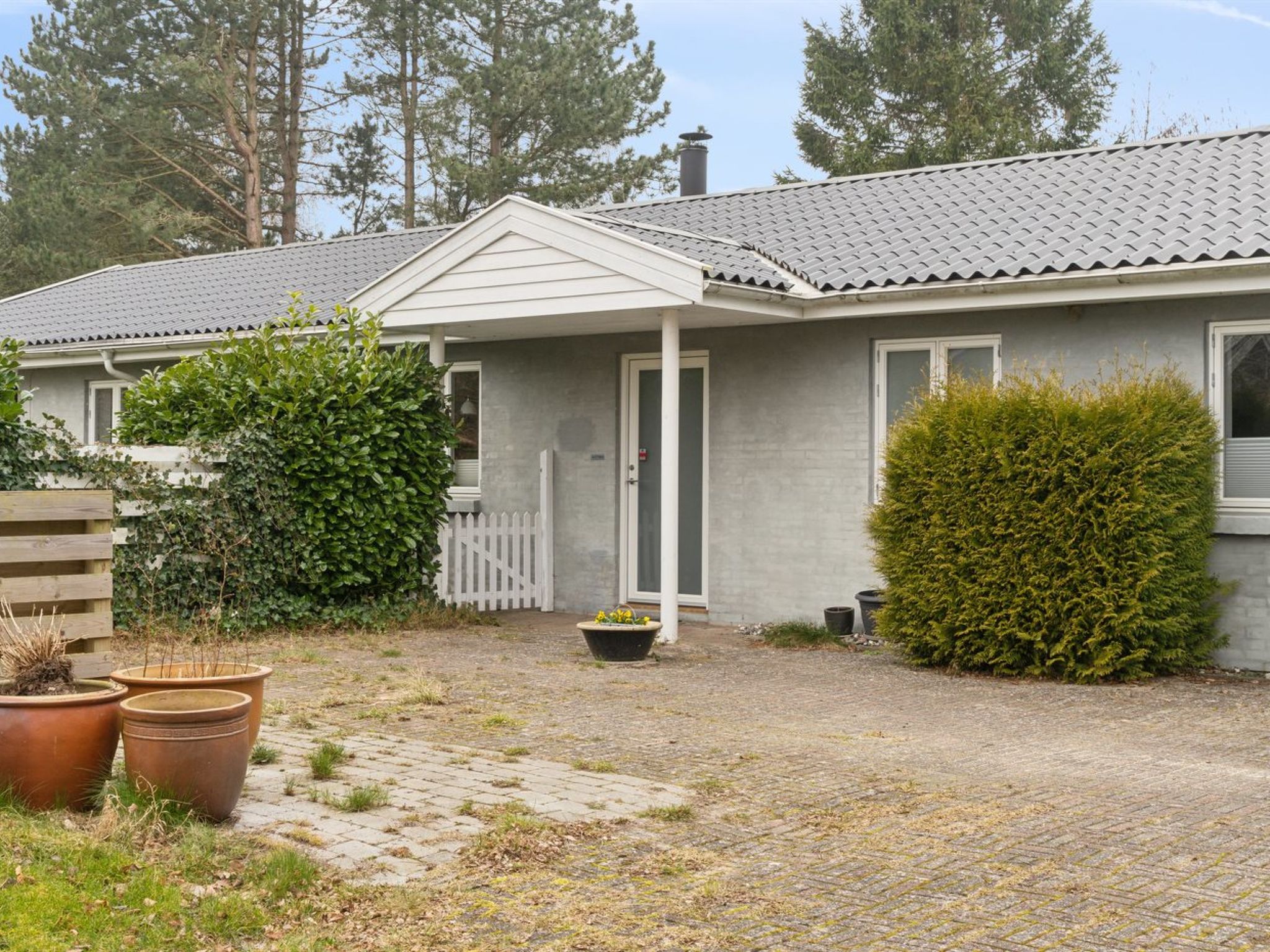
3-star property
"Jenvold" - 950m from the sea
Dronningmølle, Sealand, Denmark
6
3
0
BBQDishwasherFireplace+7 more
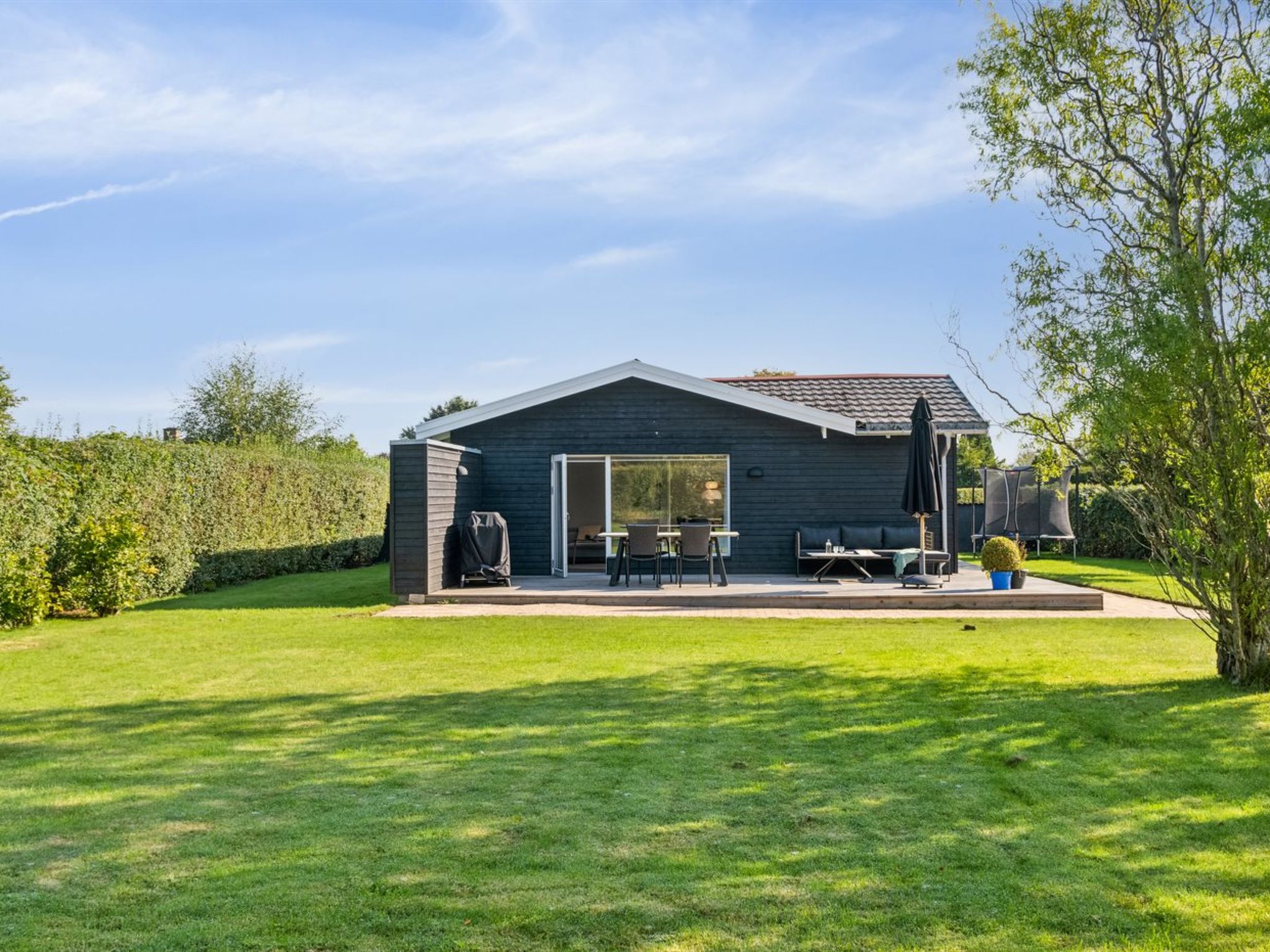
3-star property
"Frede" - 1km from the sea
Dronningmølle, Sealand, Denmark
6
3
0
BBQDishwasherMicrowave+7 more
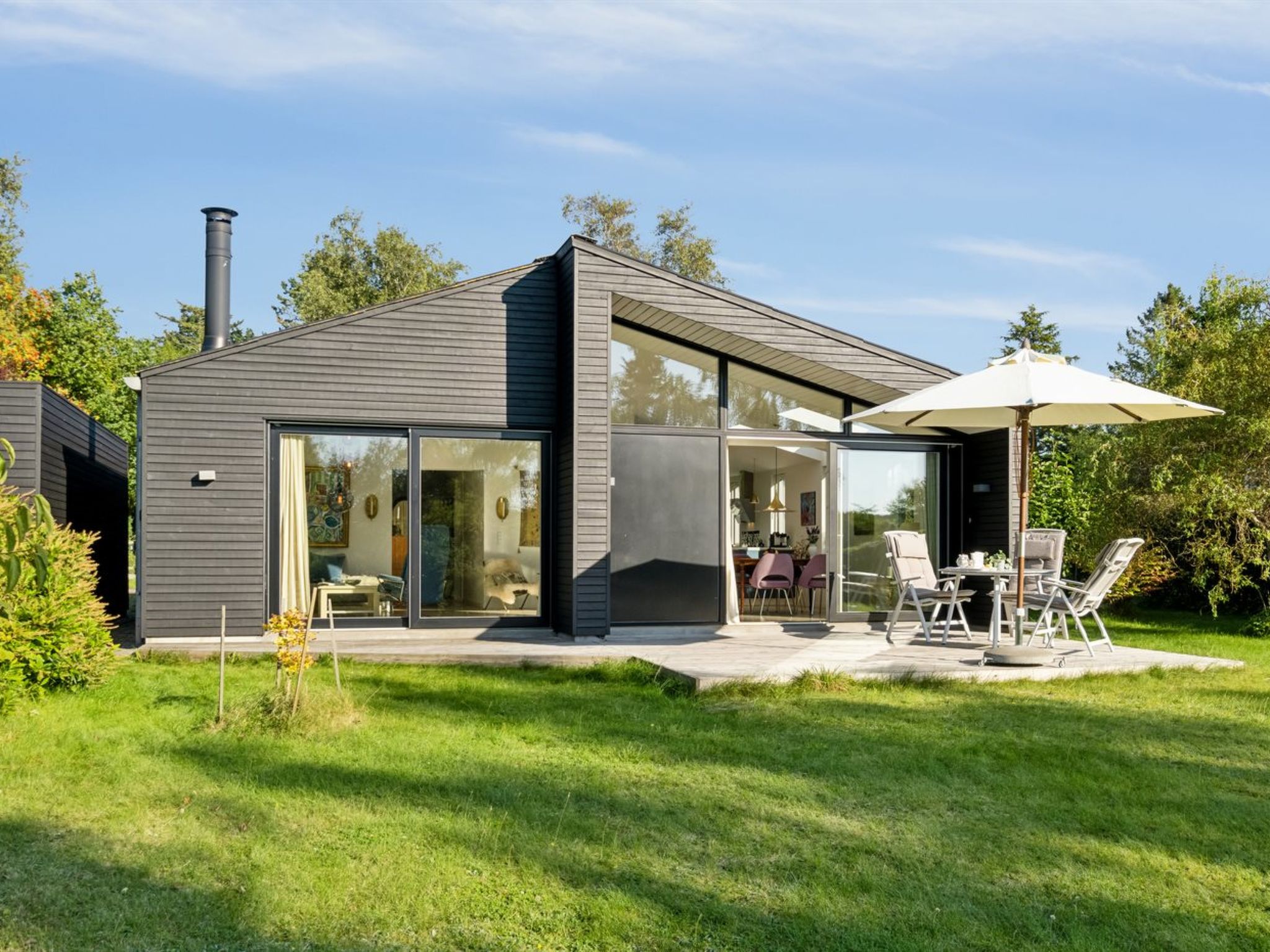
5-star property
"Annlisa" - 750m from the sea
Dronningmølle, Sealand, Denmark
4
2
0
BBQDishwasherFireplace+7 more
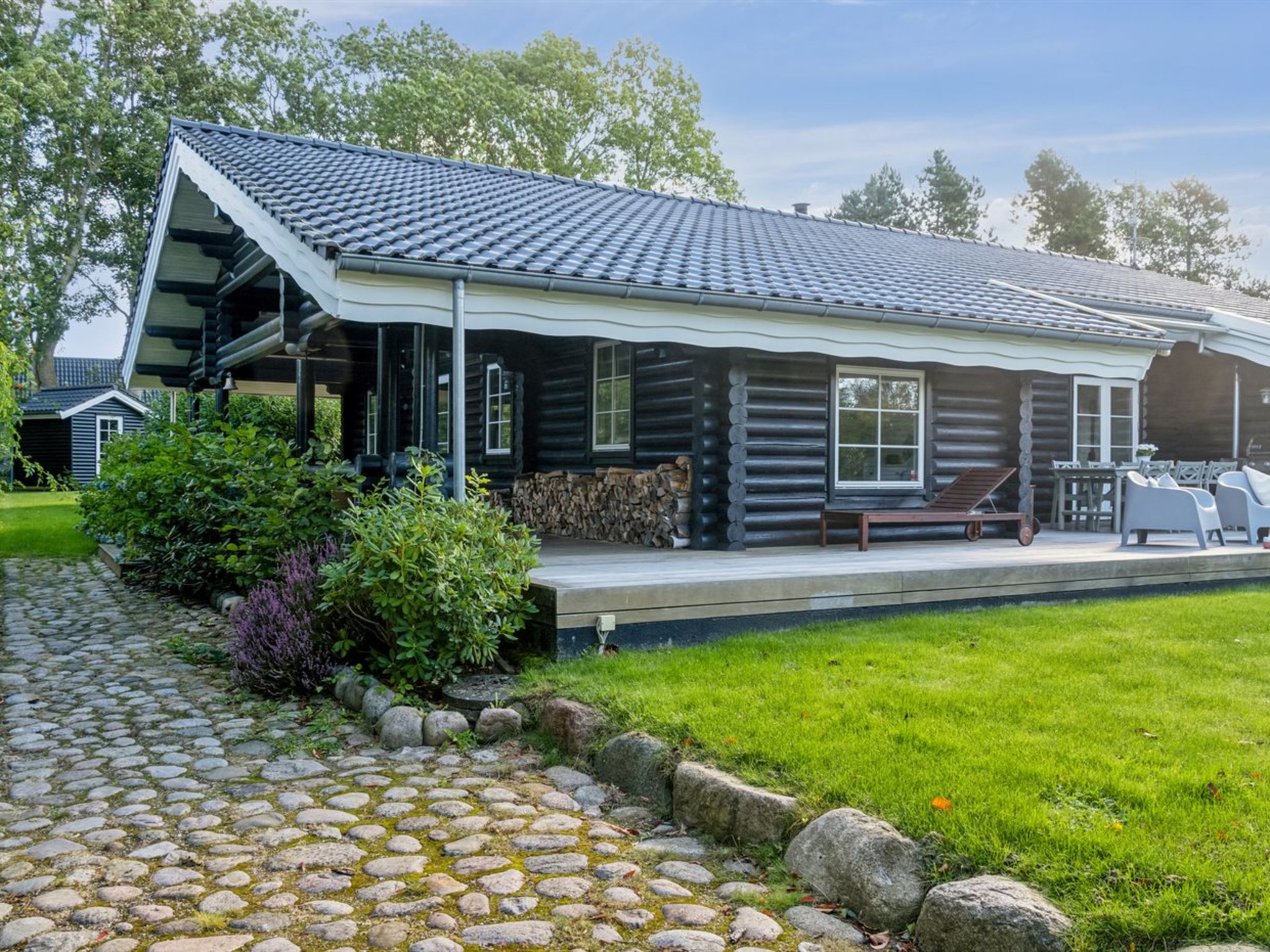
5-star property
"Sighfrith" - 1.4km from the sea
Dronningmølle, Sealand, Denmark
8
4
0
BBQDishwasherParking+6 more
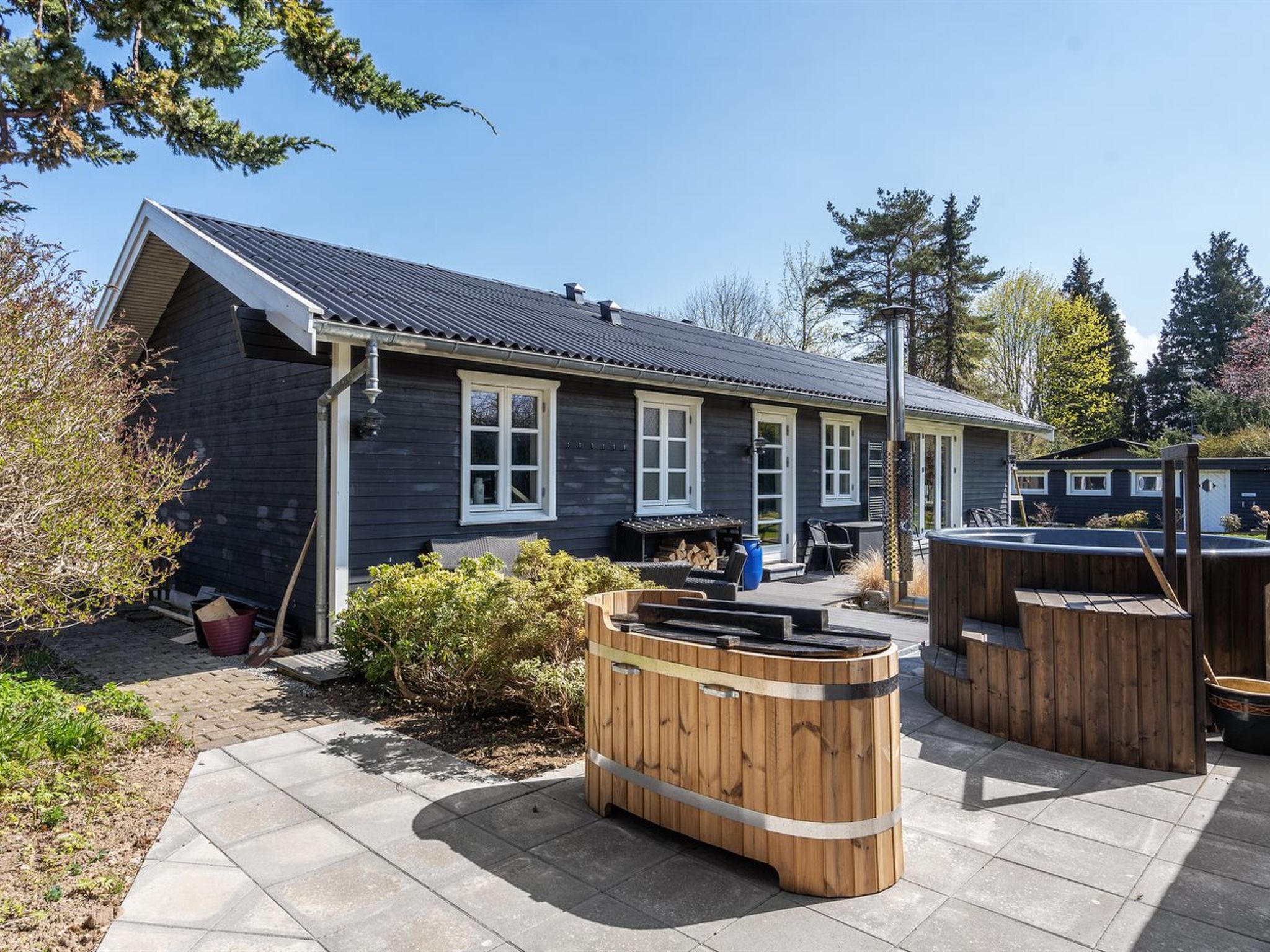
4-star property
"Øllegaard" - 1km from the sea
Dronningmølle, Sealand, Denmark
5
3
0
DishwasherMicrowaveParking+7 more

3-star property
"Jeppe" - 500m from the sea
Dronningmølle, Sealand, Denmark
5
3
0
BBQFireplaceMicrowave+6 more

4-star property
"Bena" - 150m from the sea
Dronningmølle, Sealand, Denmark
6
3
0
DishwasherMicrowaveParking+7 more
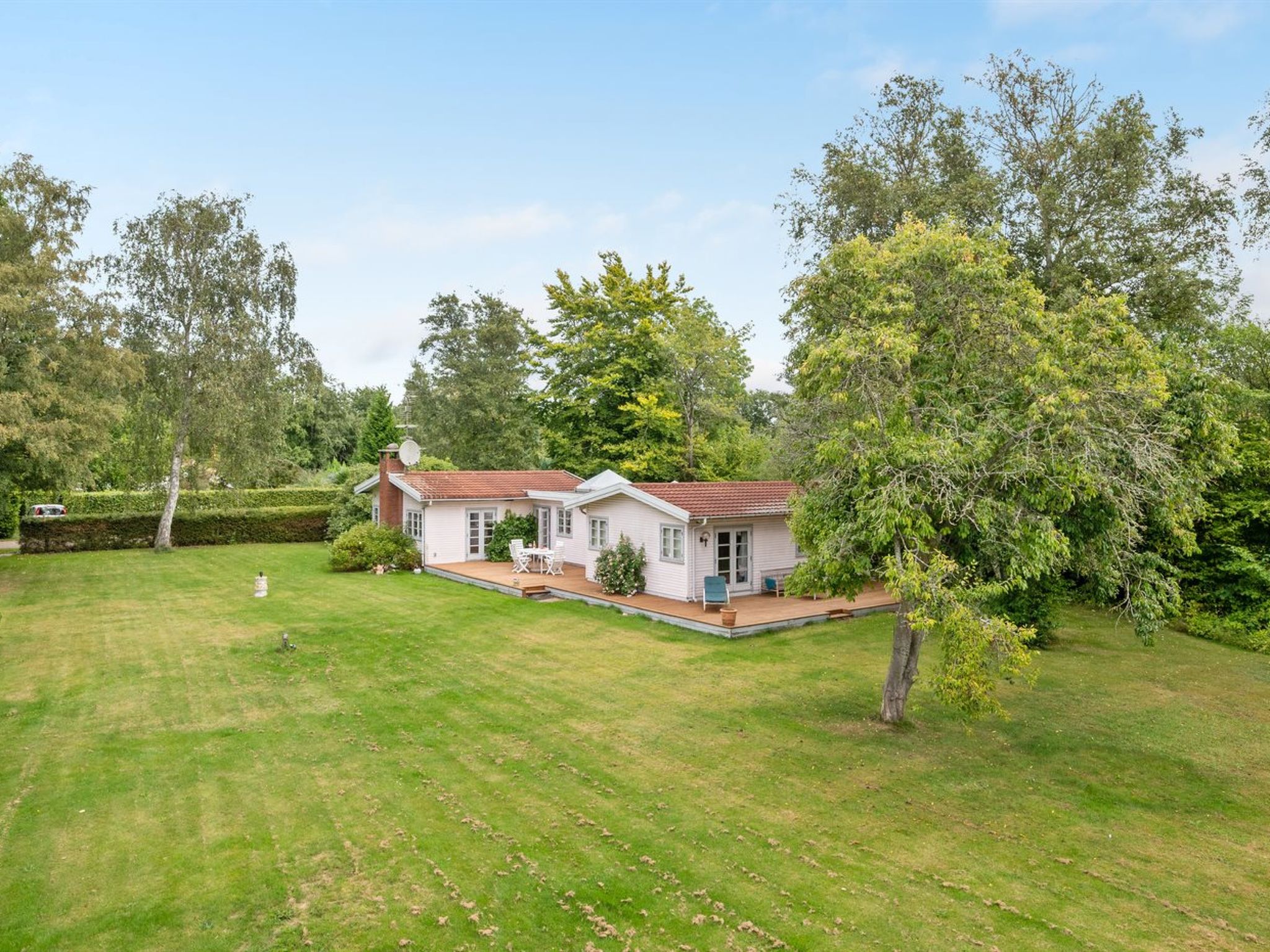
4-star property
"Åsemarie" - 600m from the sea
Dronningmølle, Sealand, Denmark
4
2
0
BBQDishwasherFireplace+8 more
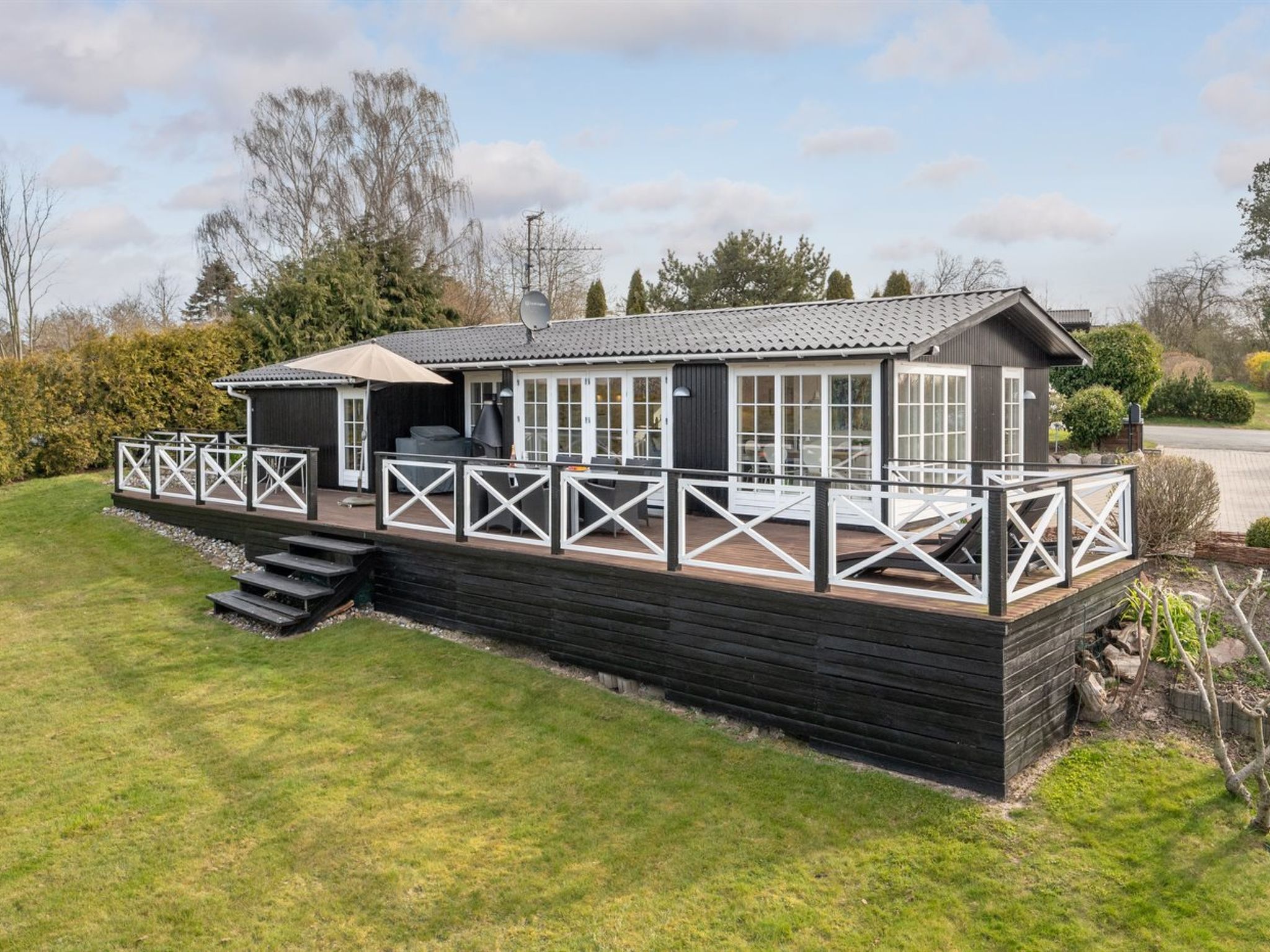
4-star property
"Ylermi" - 1.5km from the sea
Dronningmølle, Sealand, Denmark
6
3
0
DishwasherFireplaceMicrowave+7 more

4-star property
"Hjort" - 100m from the sea
Dronningmølle, Sealand, Denmark
6
3
0
BBQDishwasherFireplace+7 more

3-star property
Dronningmølle villa holidays: questions answered
Is the beach at Dronningmølle good for small children?
Yes, because the water gets deep slowly and shallow pools often form along the shore. The sand is wide and the dunes are low, and two lifeguard posts, at Dronningmølle and Villingebæk, are staffed in the season.
Dronningmølle or Hornbæk for a holiday home?
Hornbæk is bigger, with a marina, cafés and large sandy beaches, while Dronningmølle is the smaller place, 4 km to the west. The two have grown together since 2010, so staying in one puts the other close at hand.
How far is Dronningmølle from Copenhagen?
The beach is about 45 km north of Copenhagen. Coast Line trains run from the capital to Helsingør, with services up to every ten minutes, and the Hornbæk Line continues from Helsingør to Dronningmølle.
Where does the name Dronningmølle come from?
It means queen's mill. Monks from Esrum Abbey built the first water mill here, and in 1588 Frederick II commissioned a new one named after his wife, Queen Sophie. The sandy beach has drawn visitors since the early 1900s.
Nearby towns to Dronningmølle
Written by the TrustedVillas team. Last reviewed October 2026.
Find Your Perfect Villa in Dronningmølle
Our villa experts are here to help you find the ideal property for your vacation. Contact us for personalized recommendations.