Villas in Pula/Galižana
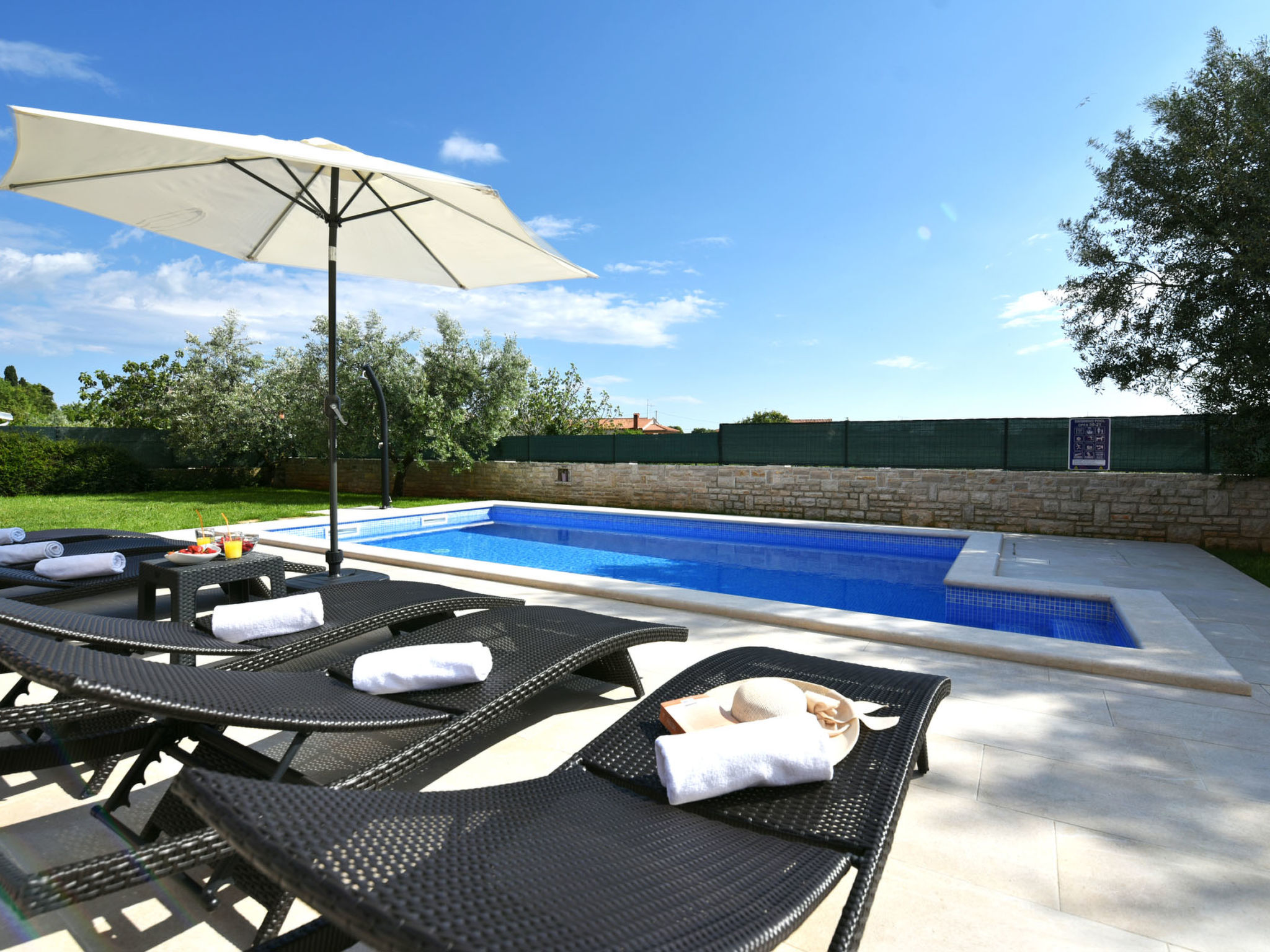
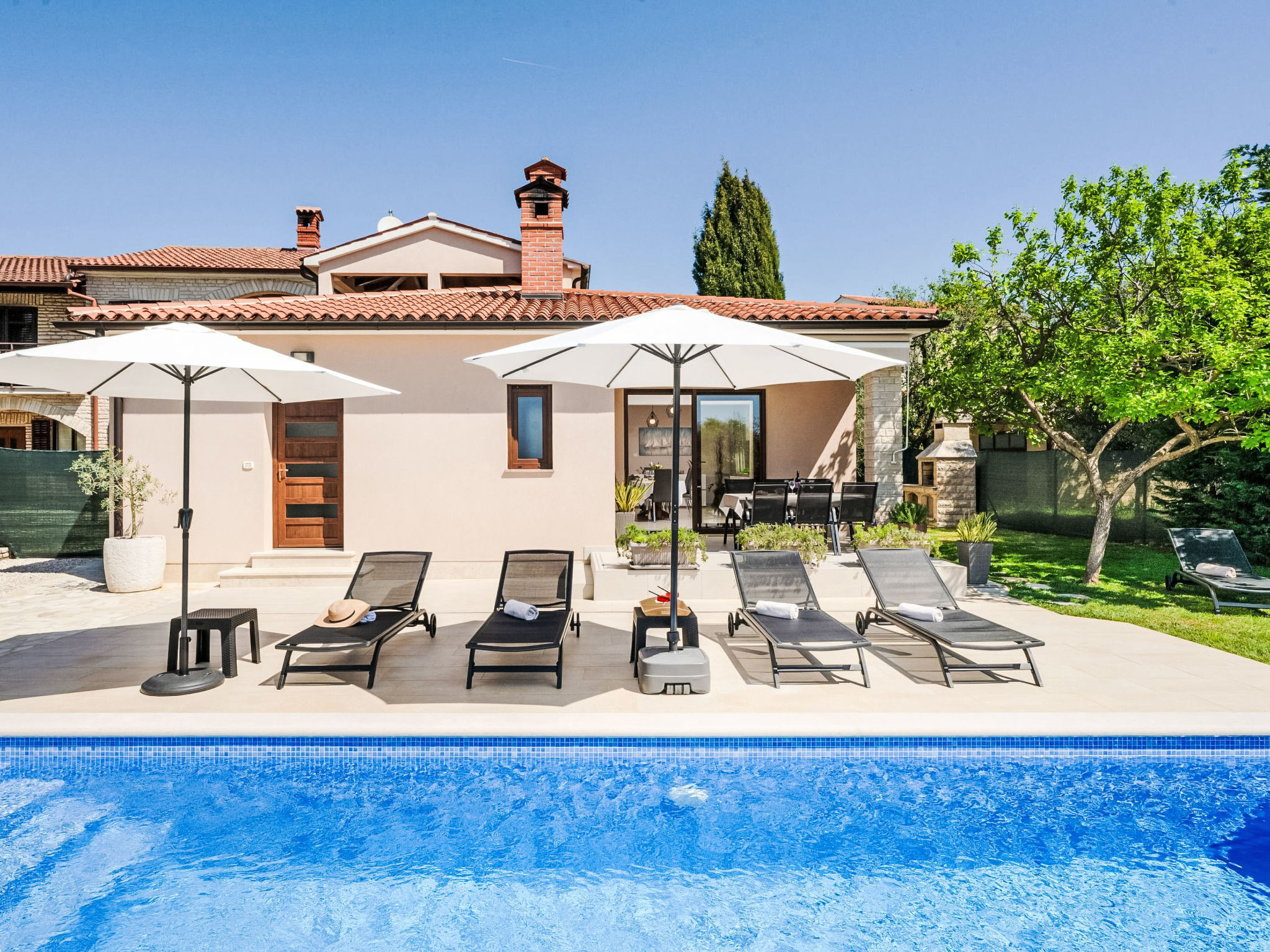
Galižana suits groups wanting a village base near Pula and Vodnjan, with air conditioning in nearly all homes. The sea is not at the door, so expect to drive to swim.
- Villas
- 43
- From, per week
- £918
About Pula/Galižana
Galižana, called Gallesano in Italian, is a village of around 1,600 people in the Vodnjan area of south-west Istria. Olive growing and tourism are its mainstays, and the Pula to Trieste railway runs through it. The parish church of St Roch dates from 1613. Our homes sit close together, mostly sleeping around six, and about a quarter have a private pool. Vodnjan, around 12 km from Pula, has stone kažuni, murals and a sacral art collection in the church of St Blaise. In Pula, the Roman arena stages concerts, opera and a film festival. The municipality's beaches are at Barbariga.
Is Pula/Galižana right for you?
- Best for
- Groups wanting olive country and Pula within reach
- Not for you if
- You want a beach within walking distance, as swimming here means a drive.
Near Pula/Galižana
Vodnjan
Small town around 12 km from Pula, known for stone buildings, murals and a sacral art collection.
Pula
The largest cultural and economic centre of Istria, with a Roman amphitheatre that hosts concerts, opera and a film festival.
Barbariga
The beaches of the Vodnjan municipality.
Brijuni National Park
Islands you can see from the coast, a national park where historic monuments sit within a cultivated landscape.
Medulin
A bay with a small archipelago, about 10 km south of Pula.
Getting to Pula/Galižana
Fly to Pula. Vodnjan, whose district includes Galižana, is about 12 km from the city. The Pula to Trieste railway passes through Galižana, but the beaches, Pula and the villages are far easier to reach with a car.
When to go to Pula/Galižana
Summer is the season for the beaches at Barbariga and the clear water around Medulin, and for Pula's arena programme, so check dates before booking. Outside summer, the draw is the olive country and the streets of Vodnjan. Check opening times for sights and restaurants before an off-season visit.
Villas in Pula/Galižana


4-star property

5-star property

5-star property

4-star property

5-star property

5-star property


4-star property

1-star property

4-star property

1-star property

4-star property



Pula/Galižana villa holidays: questions answered
Is Galižana near the sea?
Not directly. Galižana is an olive-growing village in the Vodnjan area, and the municipality's beaches are at Barbariga, so swimming means a drive. Check the distance from your own home.
How far is Galižana from Pula?
Close enough for day trips. Galižana is part of the Vodnjan area, and Vodnjan is about 12 km from Pula.
Is Vodnjan worth a visit from Galižana?
Yes. It has a commercial street, a sacral art collection in the church of St Blaise, murals and stone kažuni, and the town grew prosperous on olive growing and winegrowing.
Is the Pula arena worth a trip from Galižana?
Yes. It keeps its entire circular wall, dates to the Roman period and now hosts concerts, opera, ballet and a film festival.
Do homes in Galižana have air conditioning?
Nearly all do, and about a quarter have a private pool, which helps when the beach is a drive away.
Nearby towns to Pula/Galižana
Written by the TrustedVillas team. Last reviewed October 2026.
Find Your Perfect Villa in Pula/Galižana
Our villa experts are here to help you find the ideal property for your vacation. Contact us for personalized recommendations.