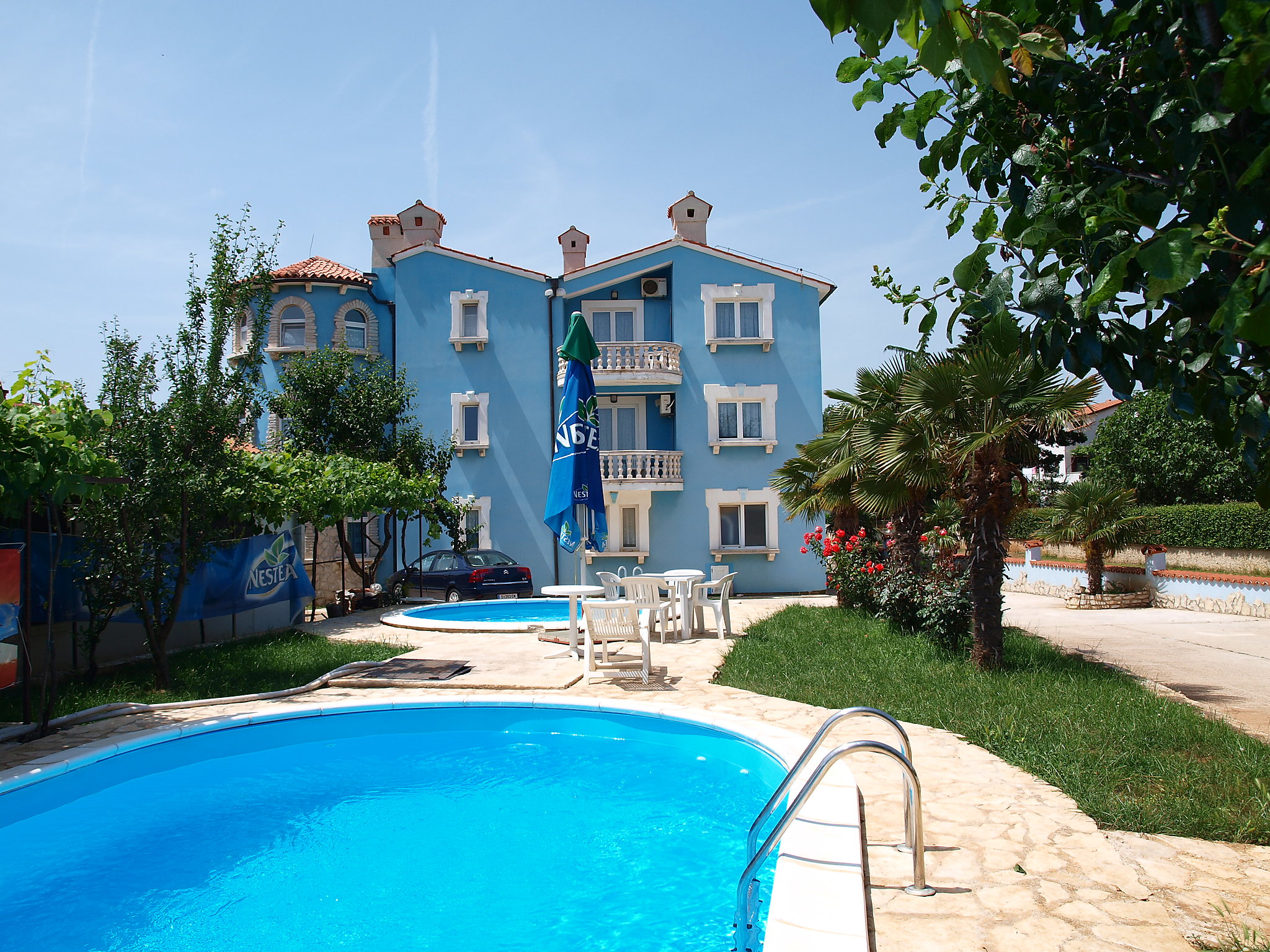
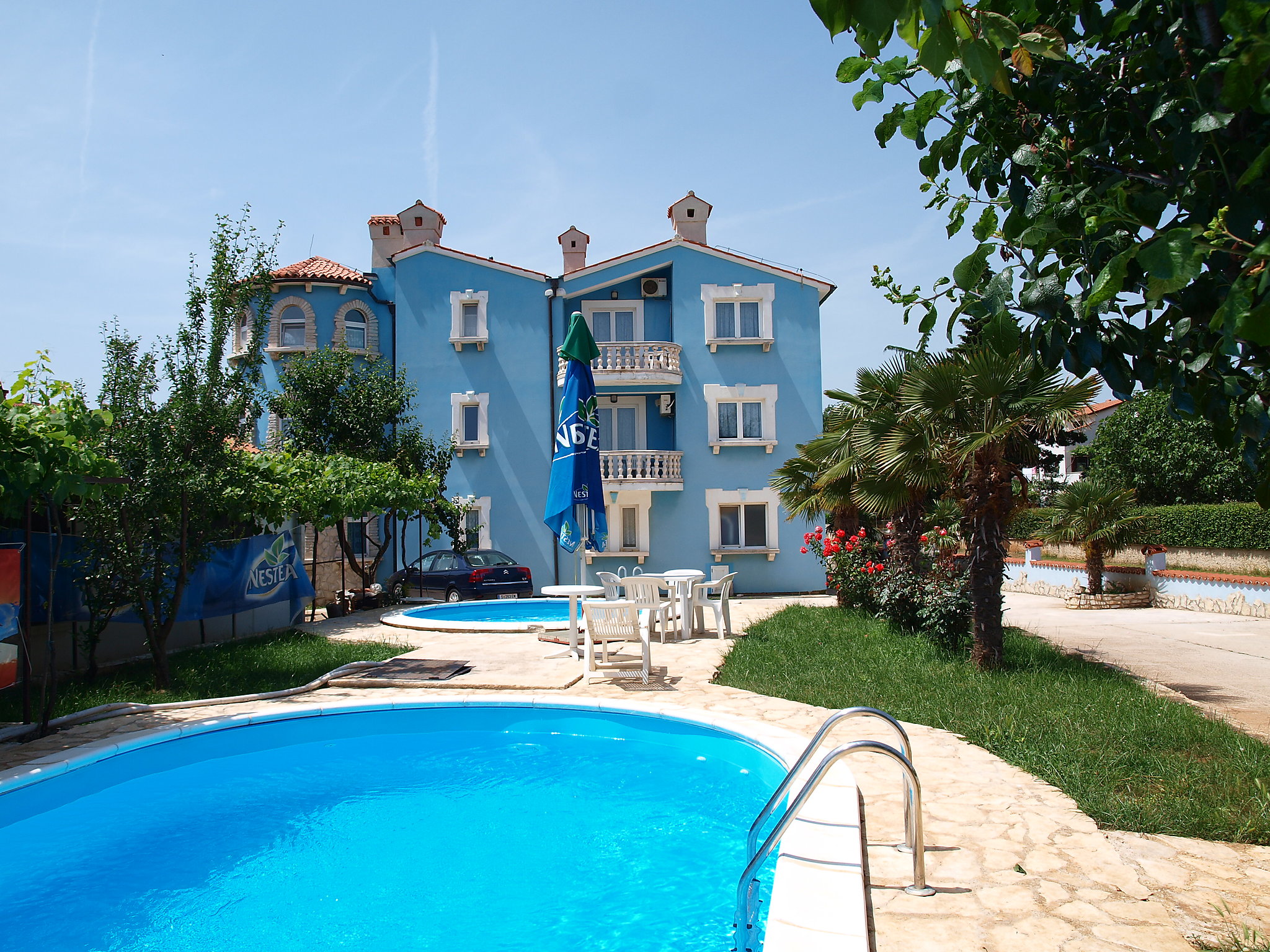
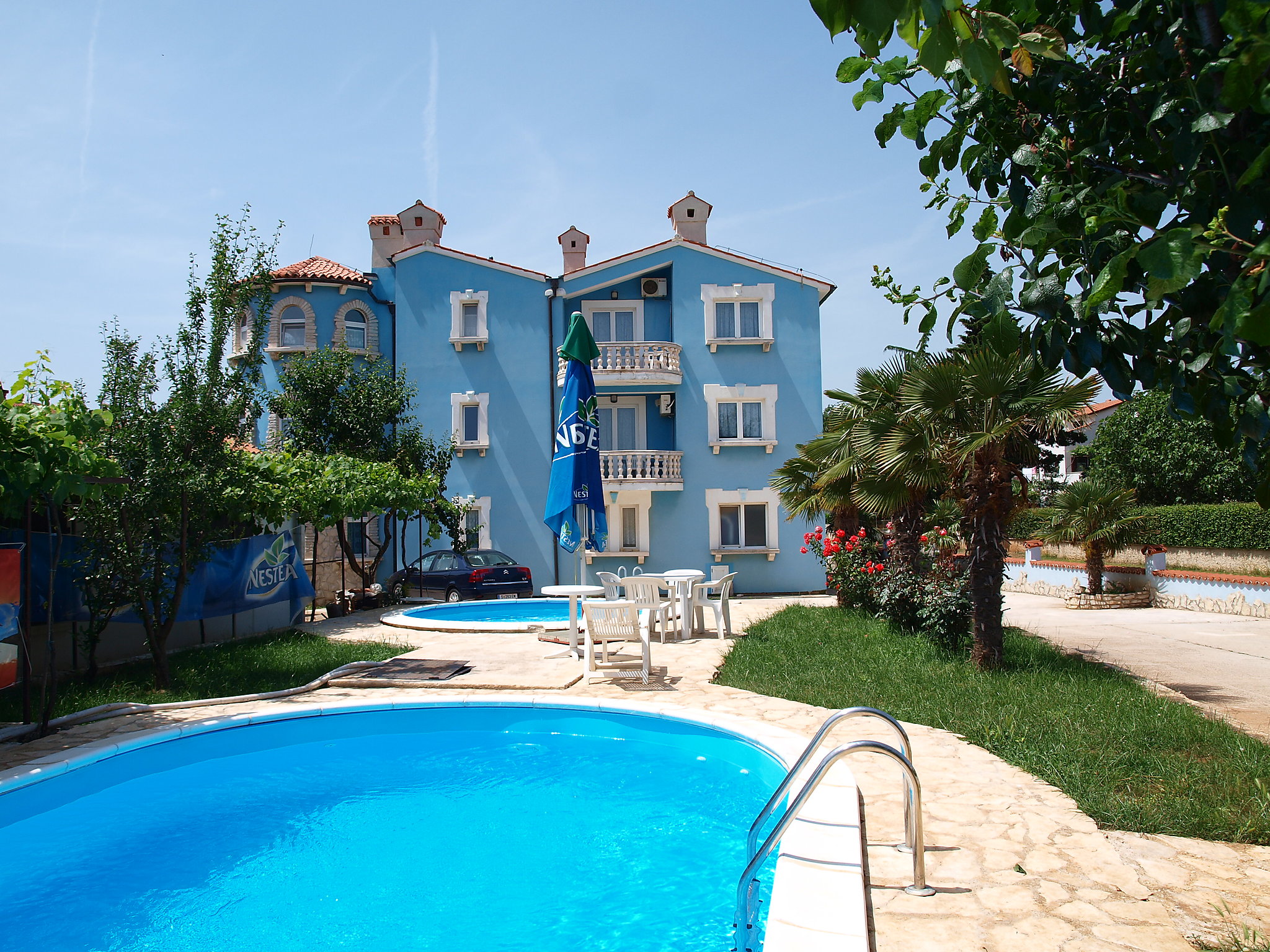
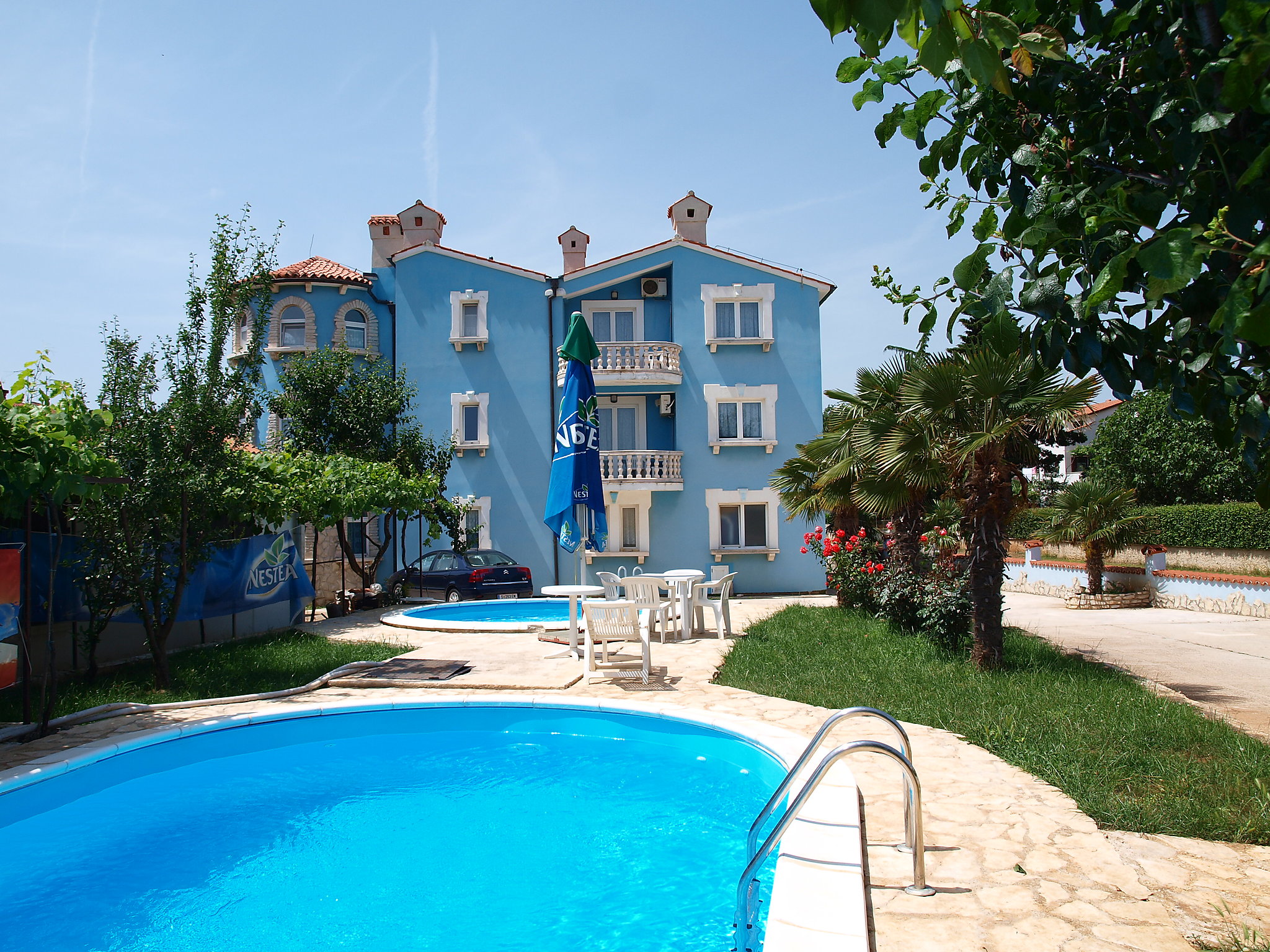
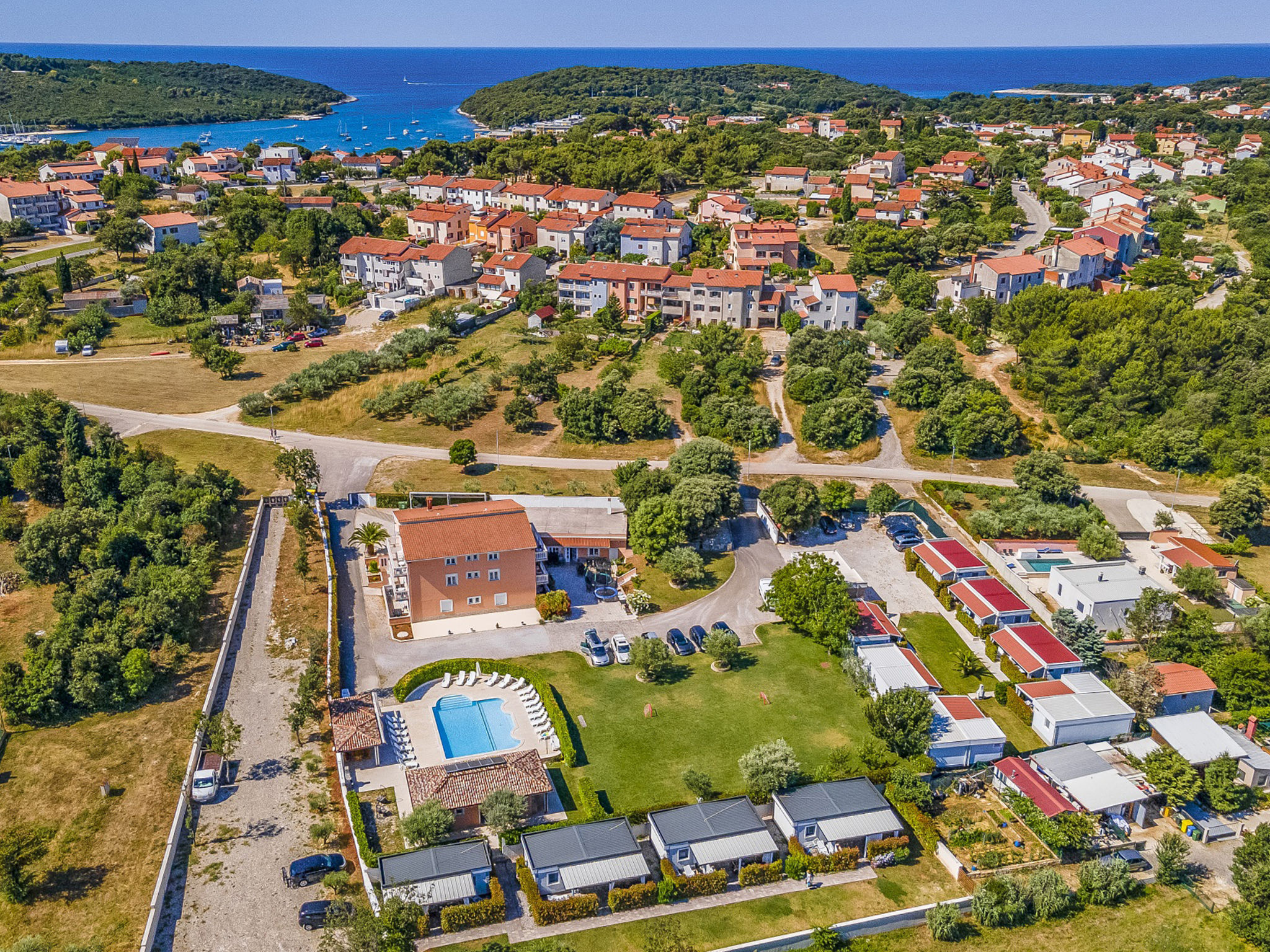
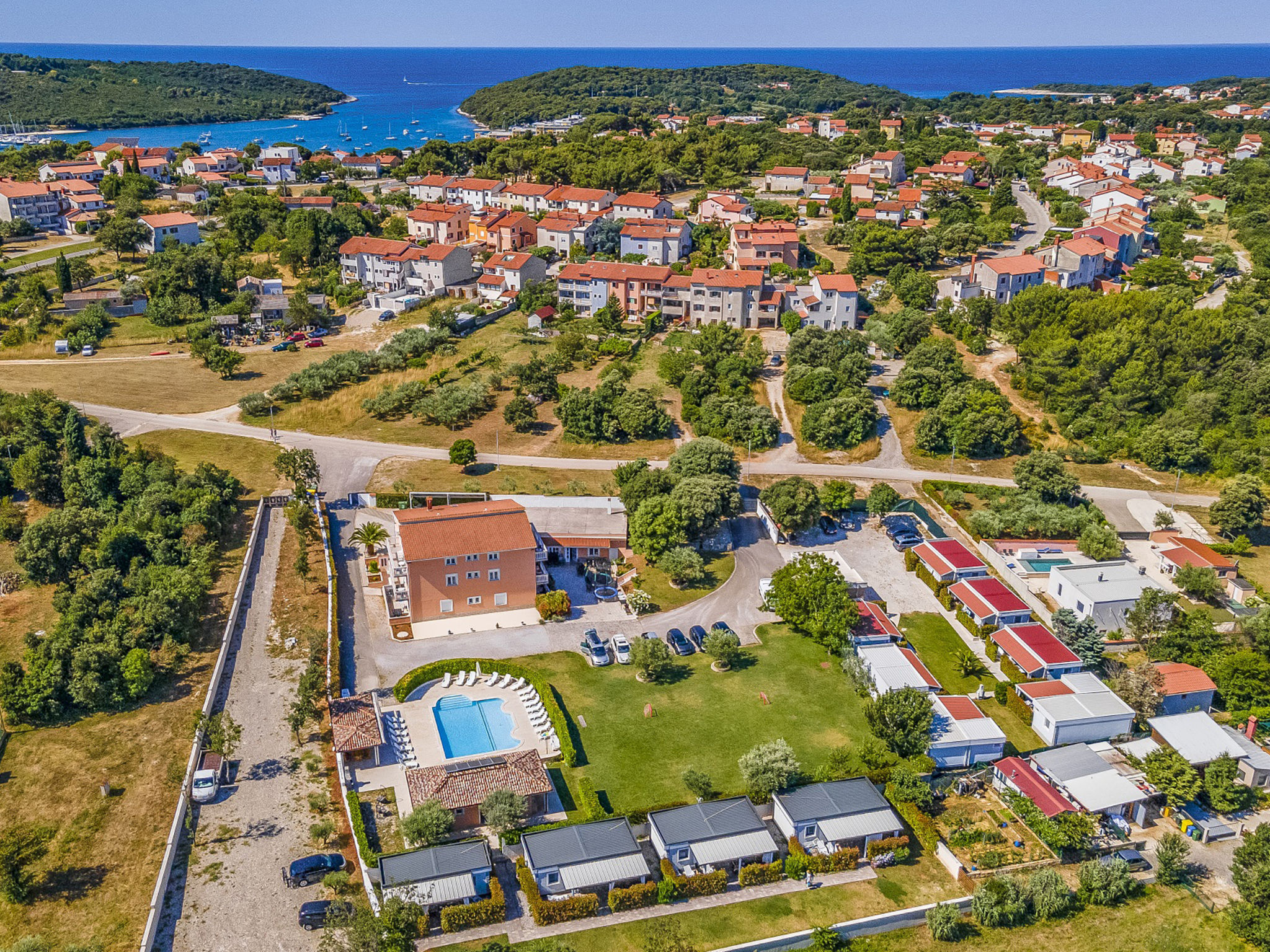
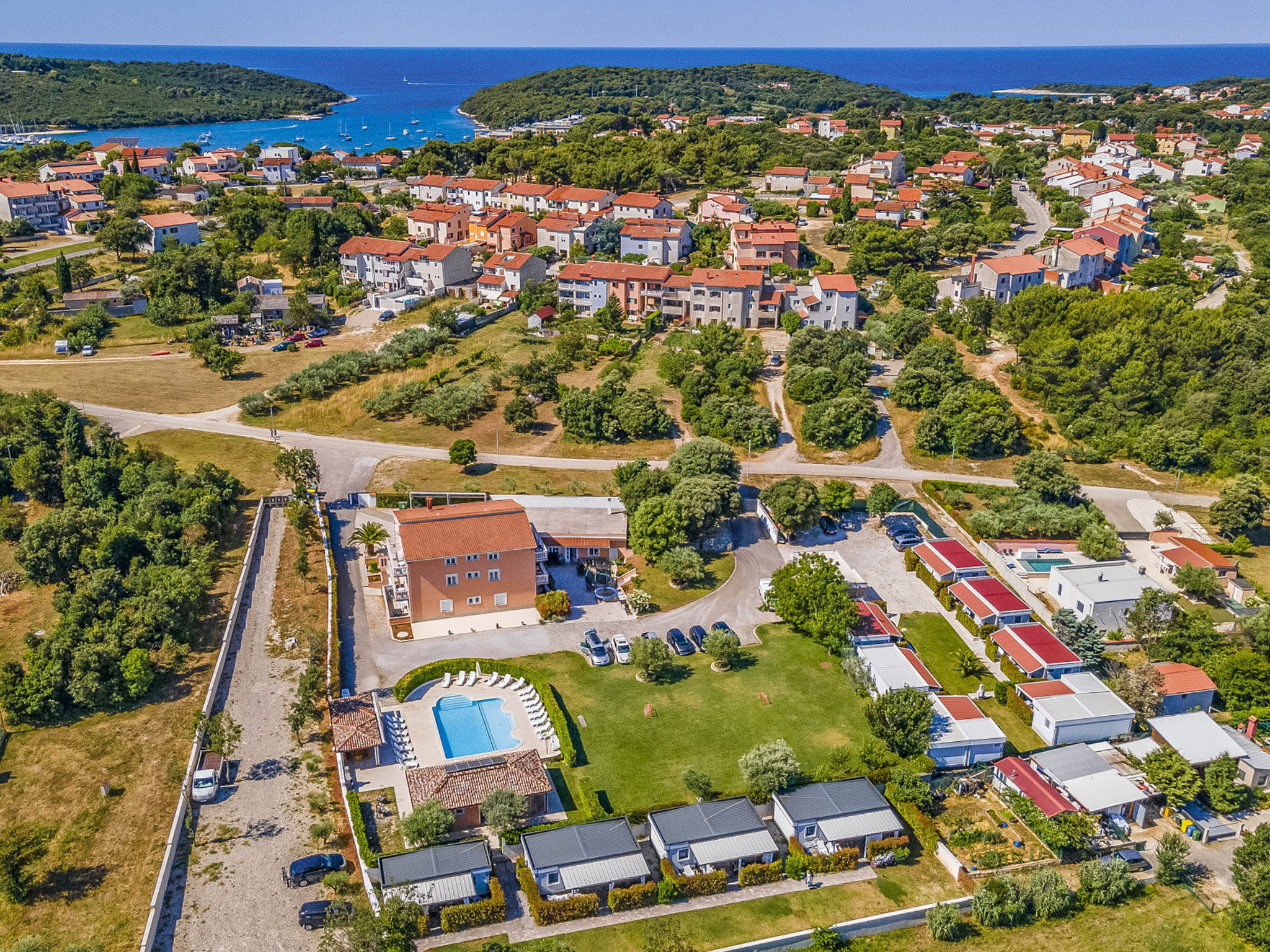
Medulin, Premantura and Ližnjan (south tip)
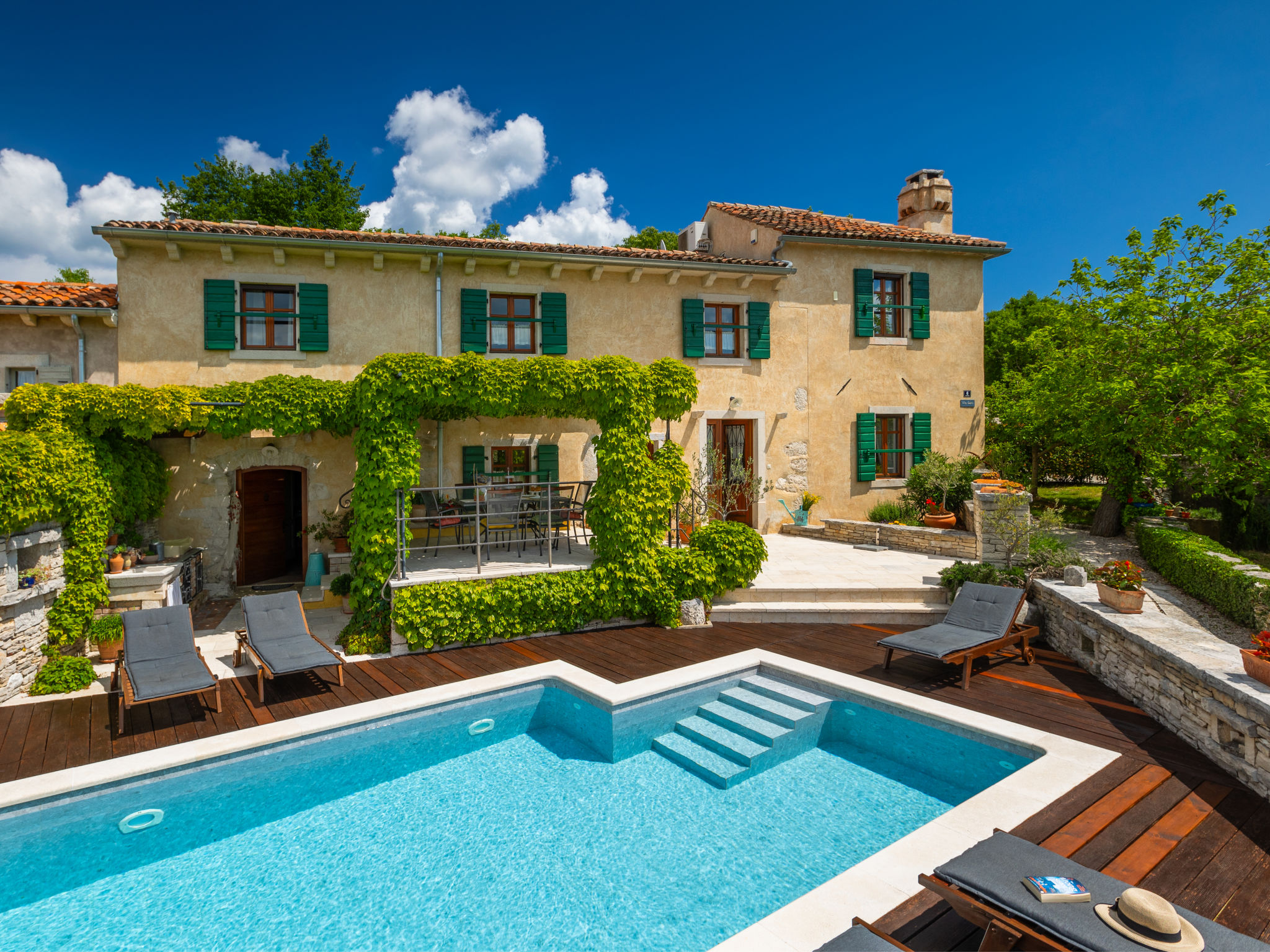
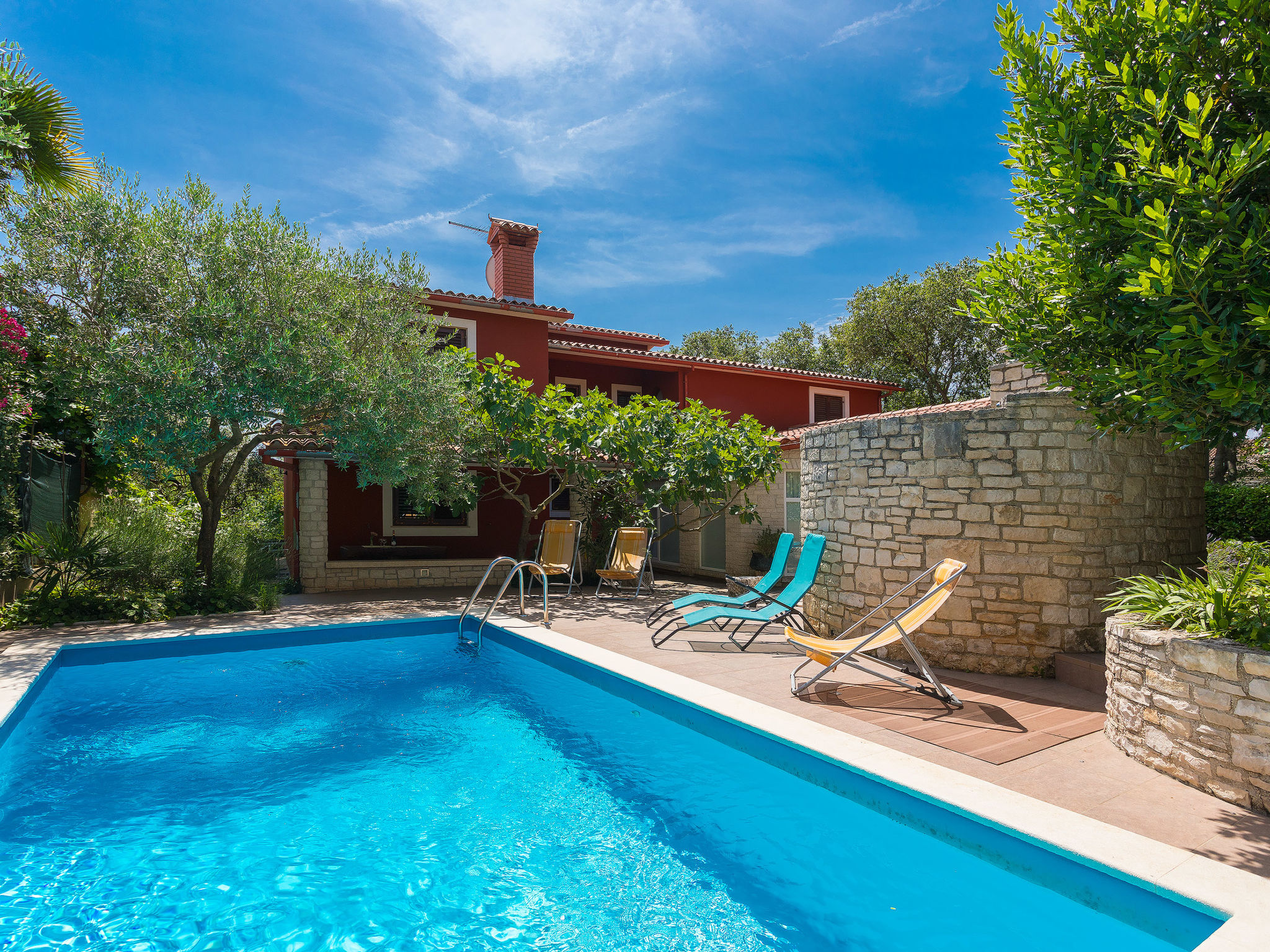
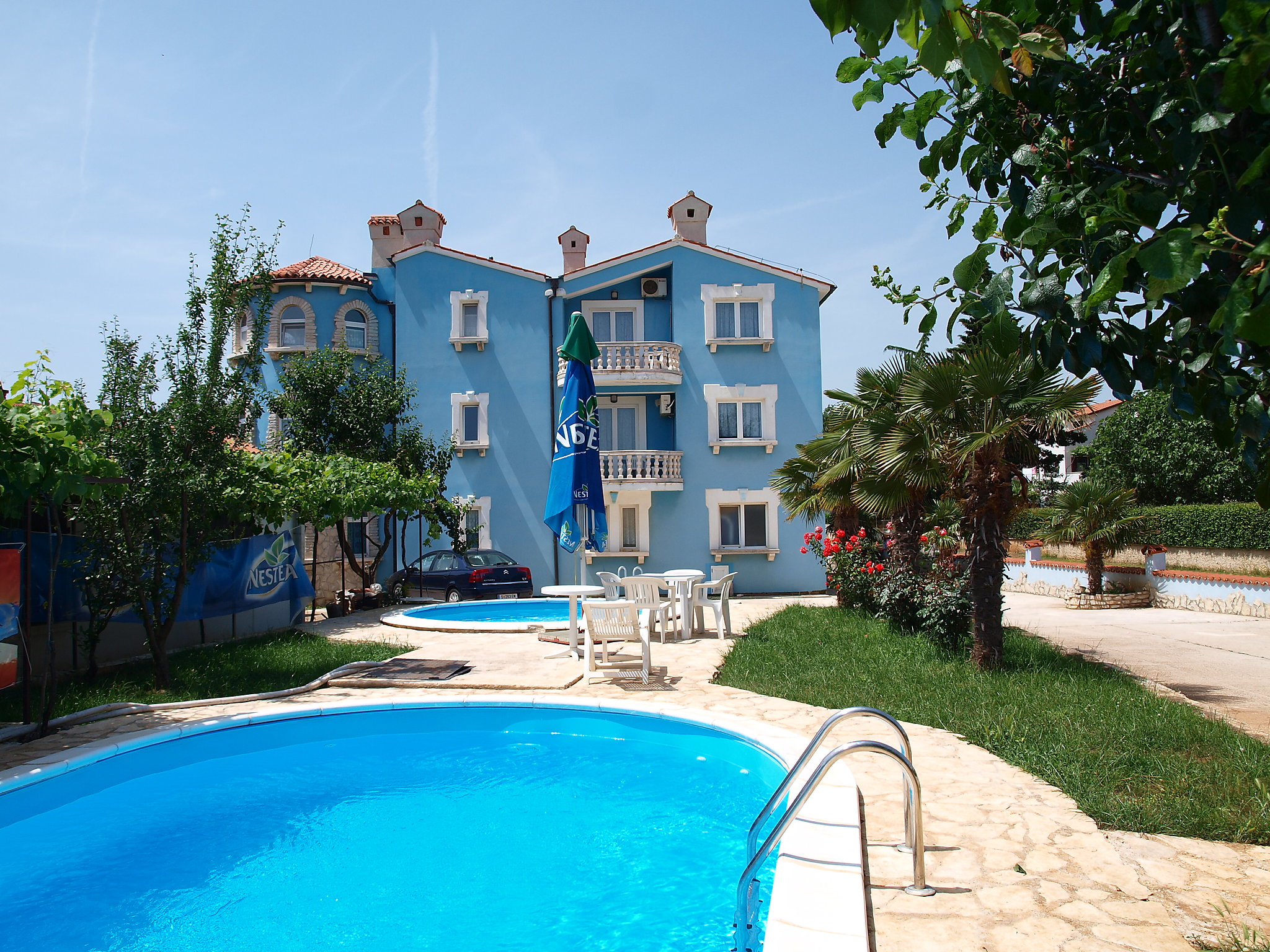
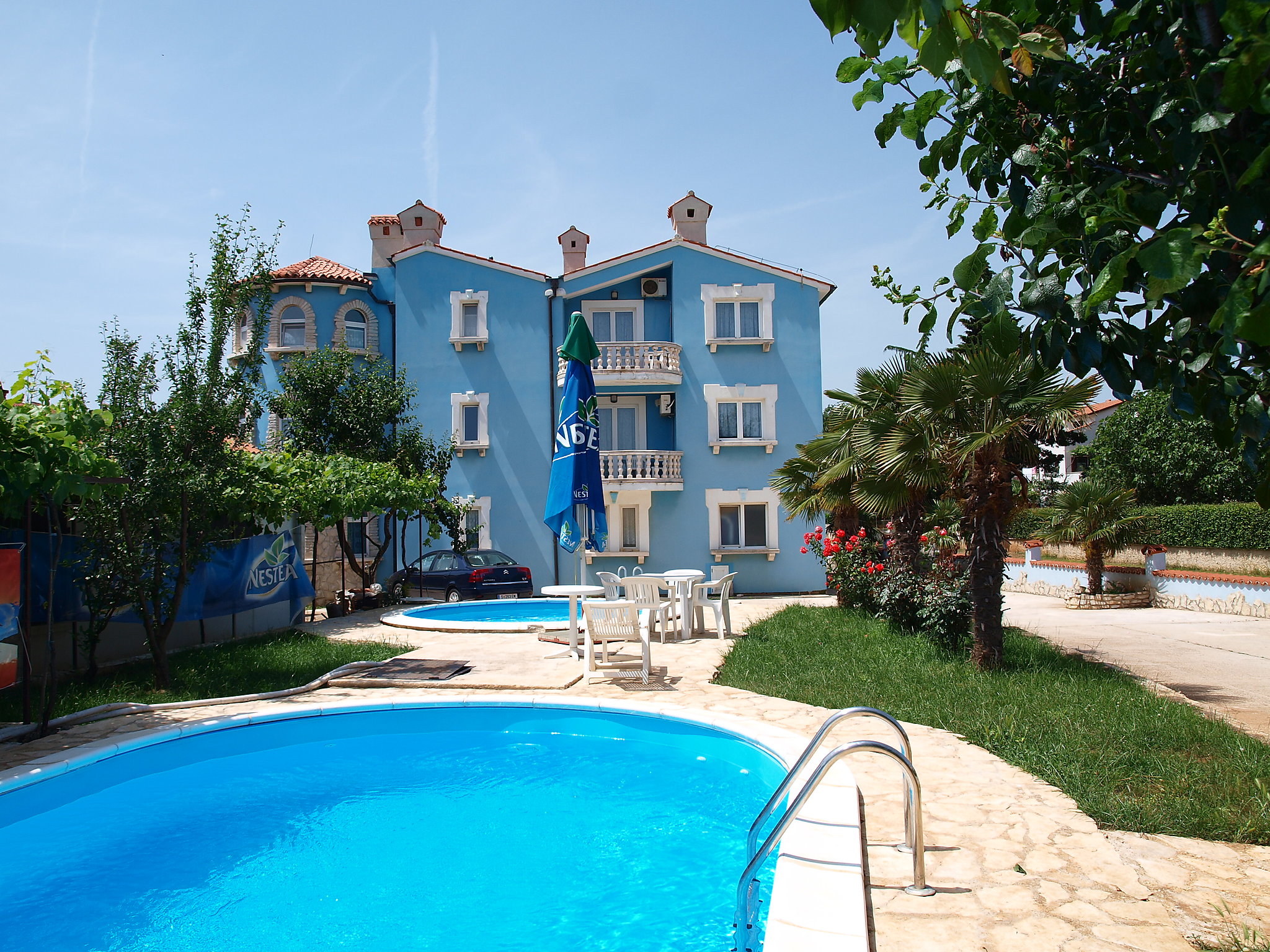
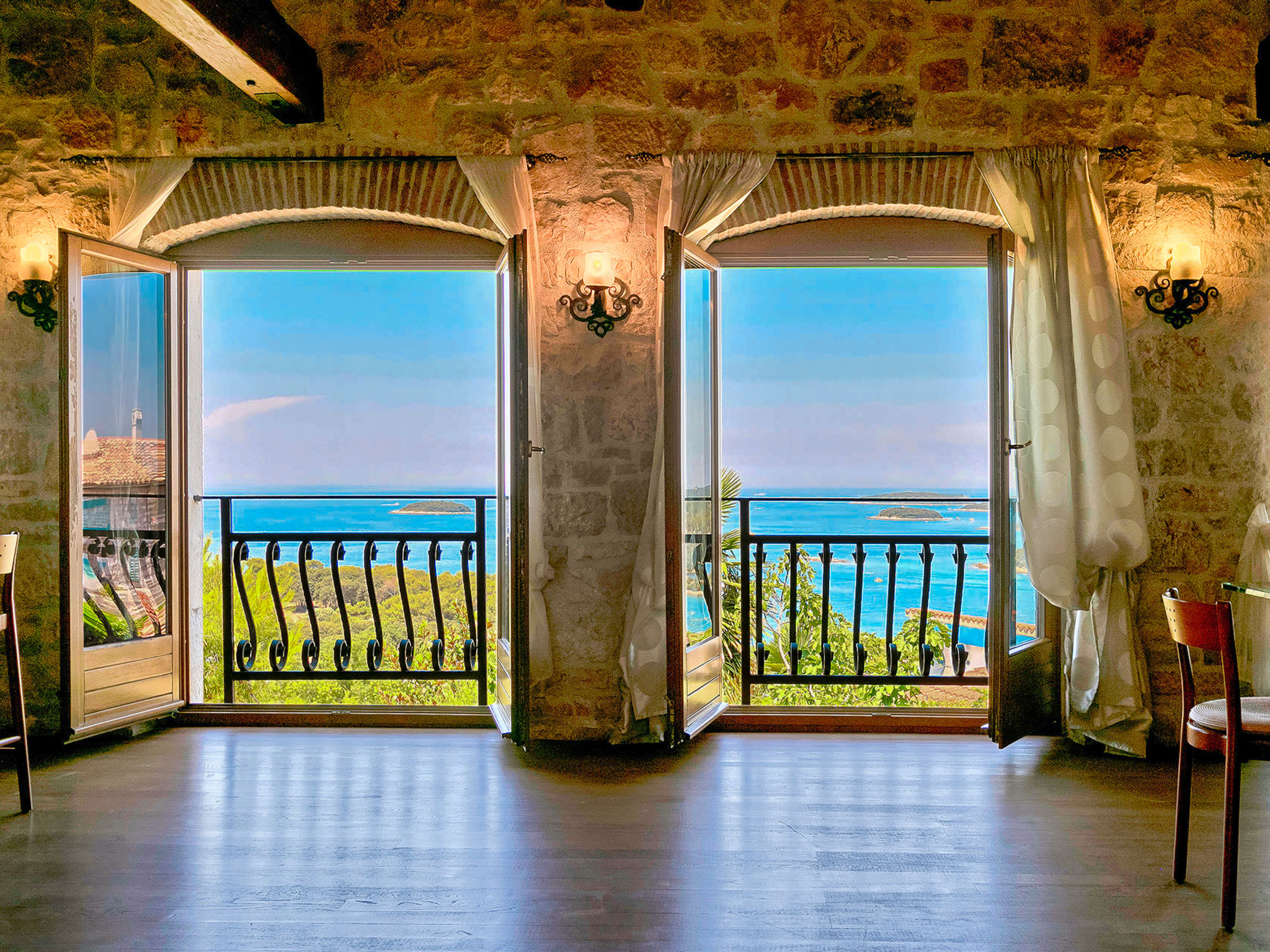
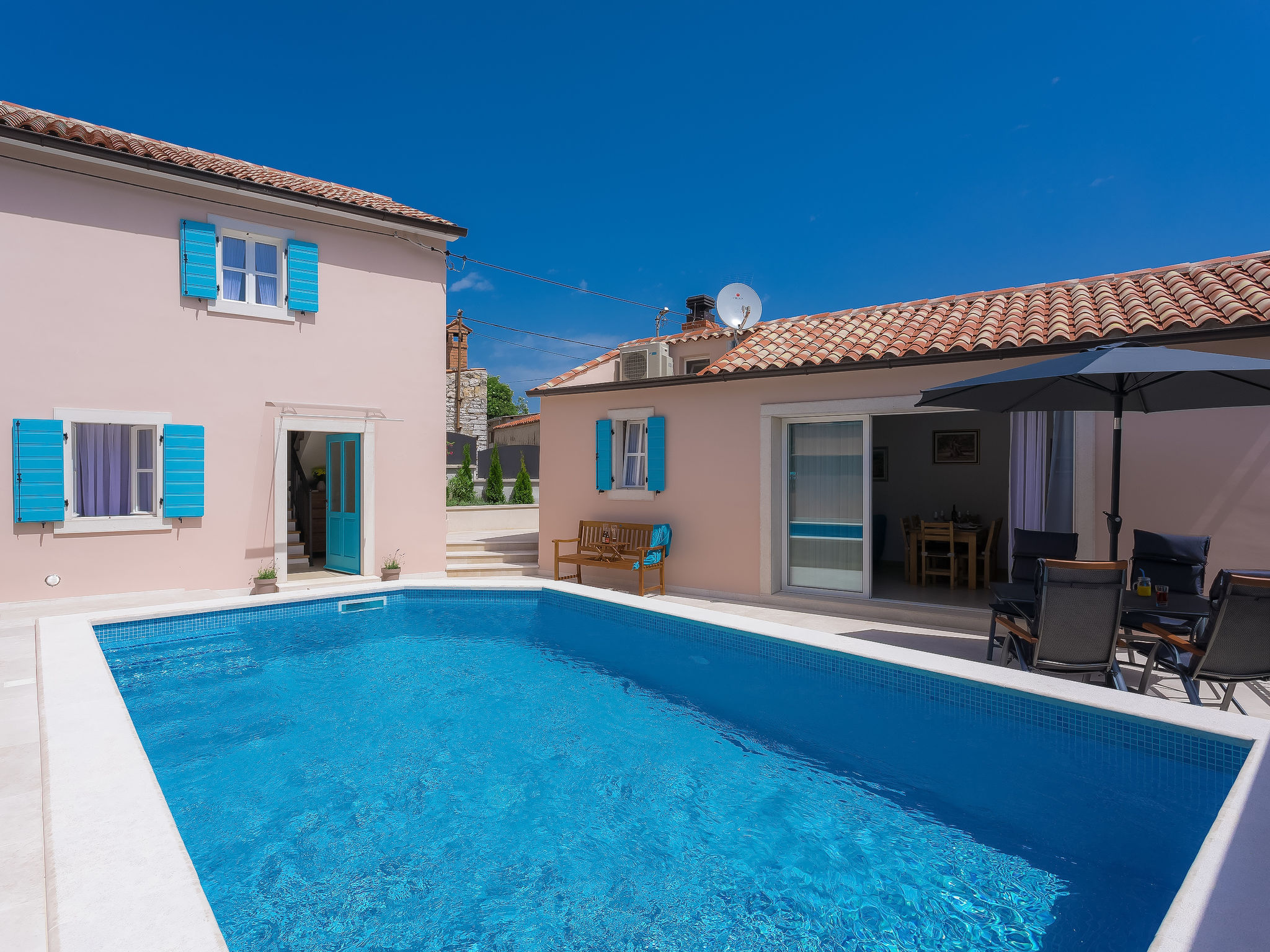
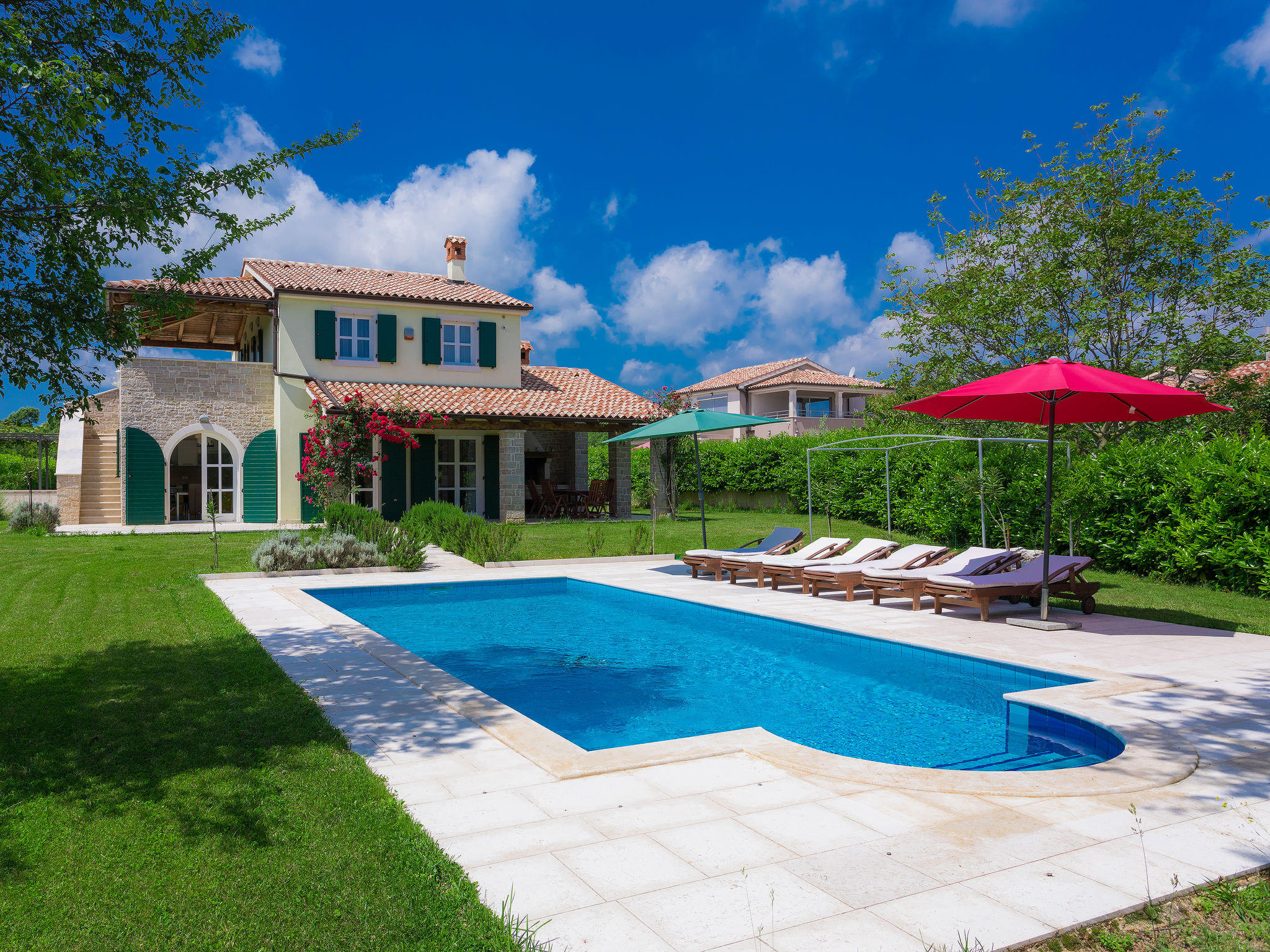
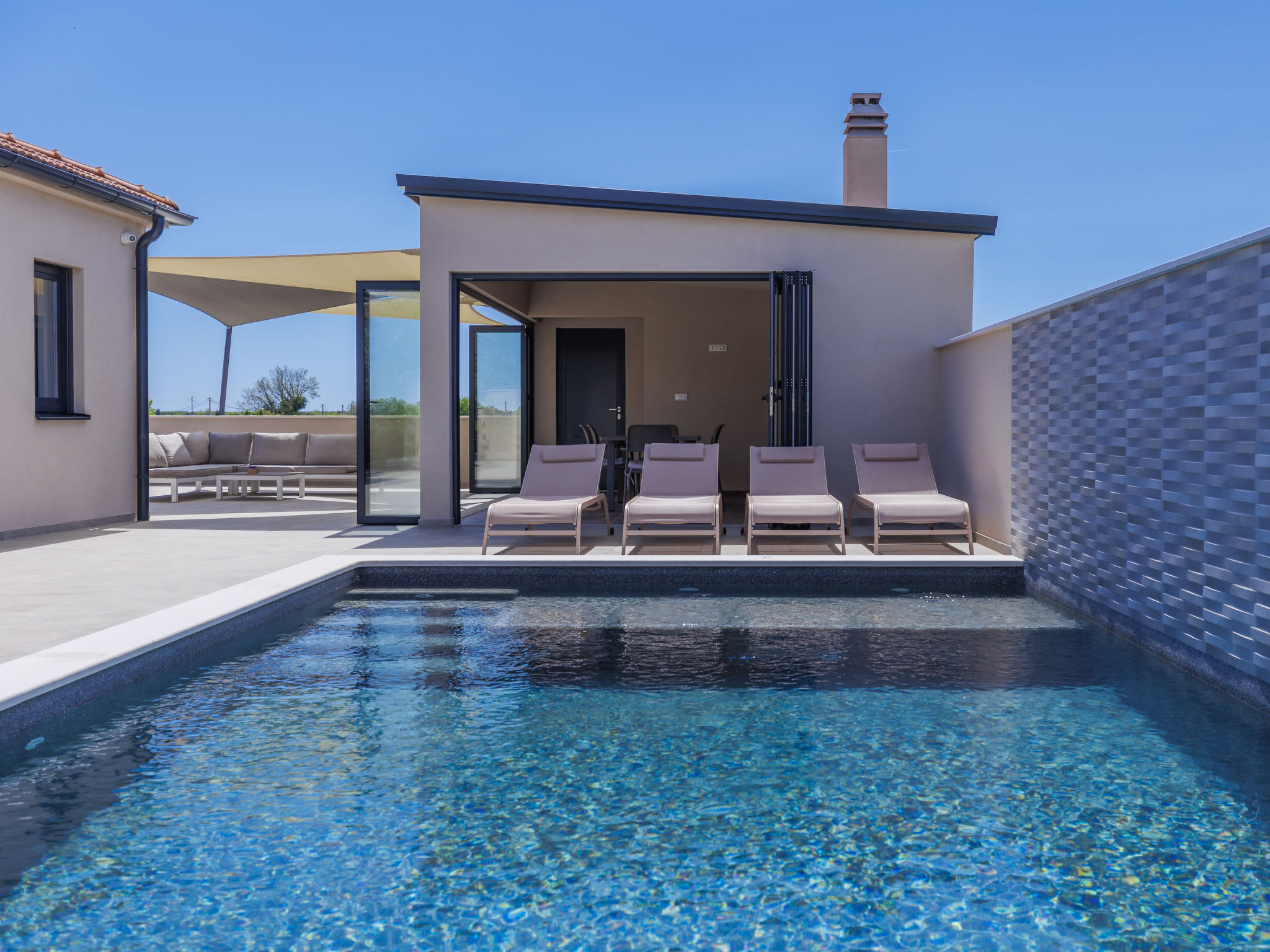
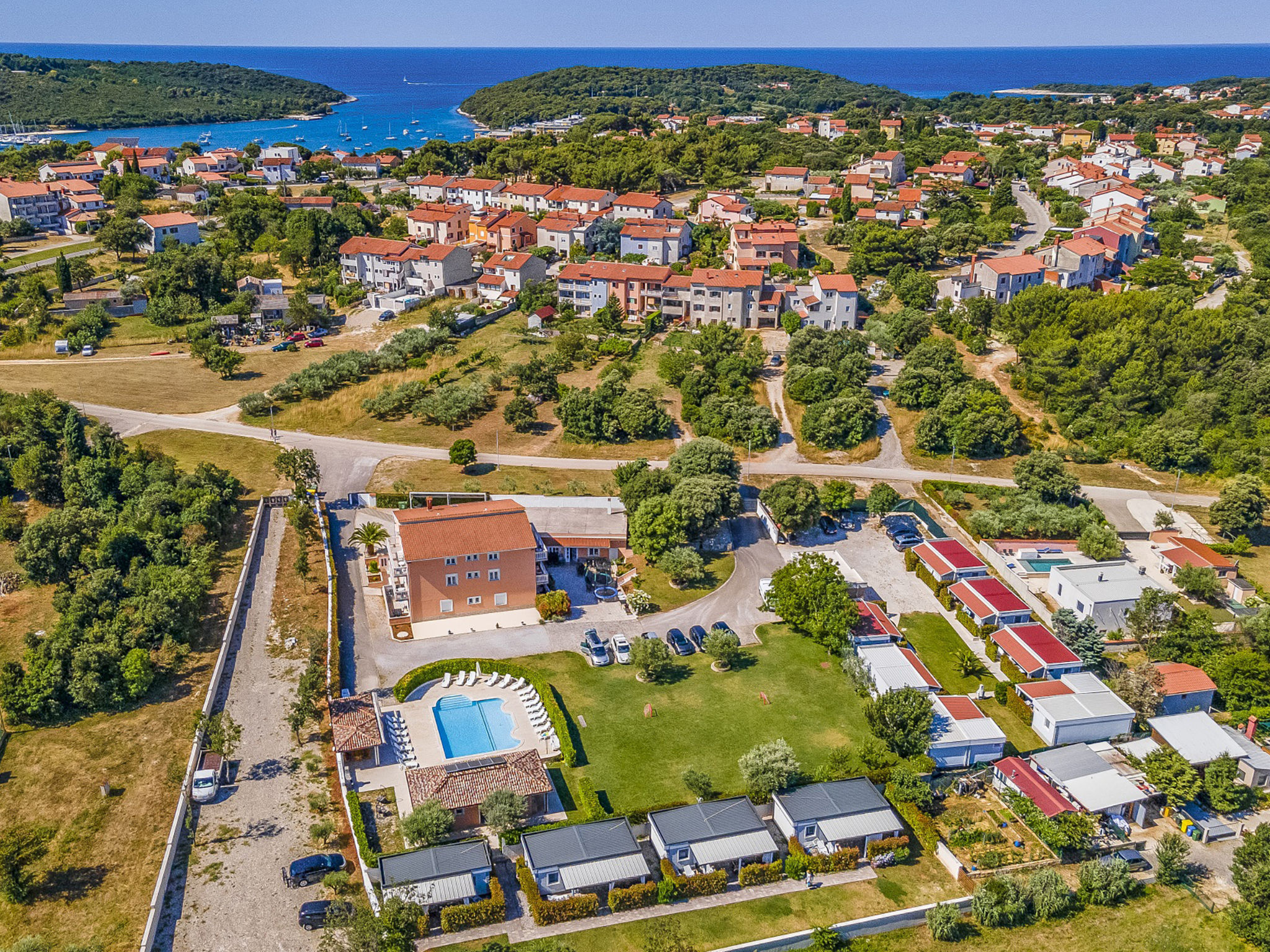
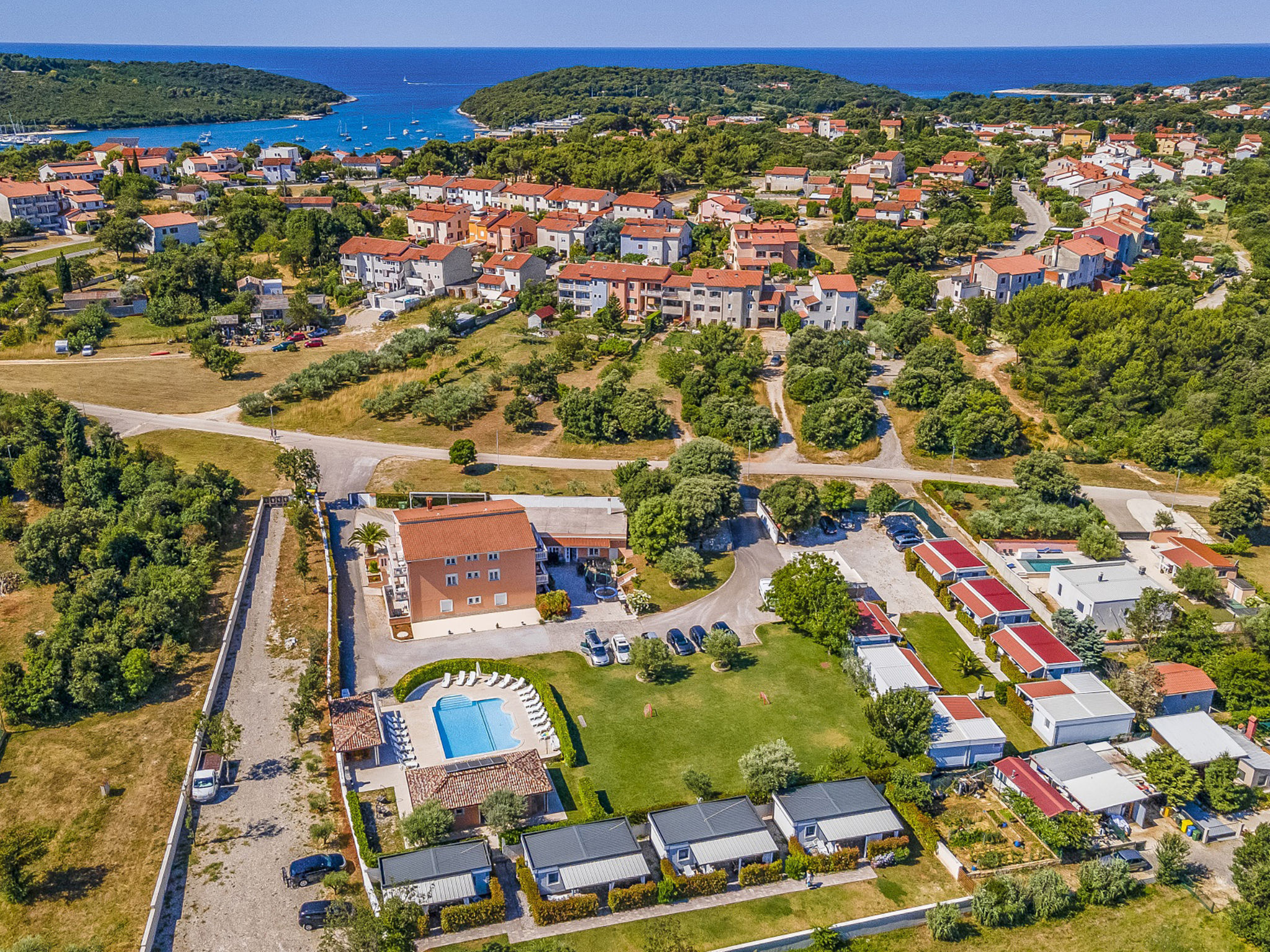
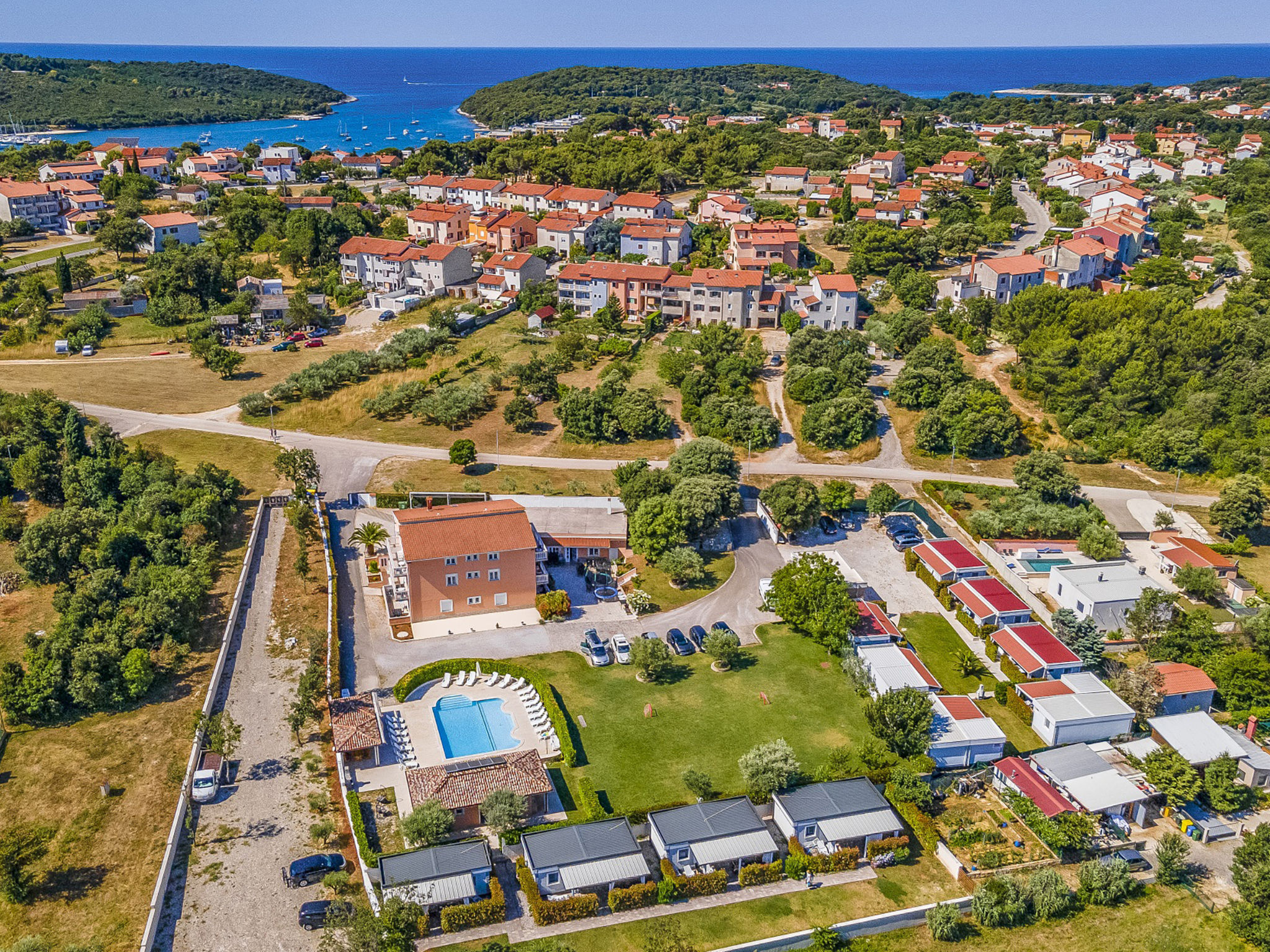
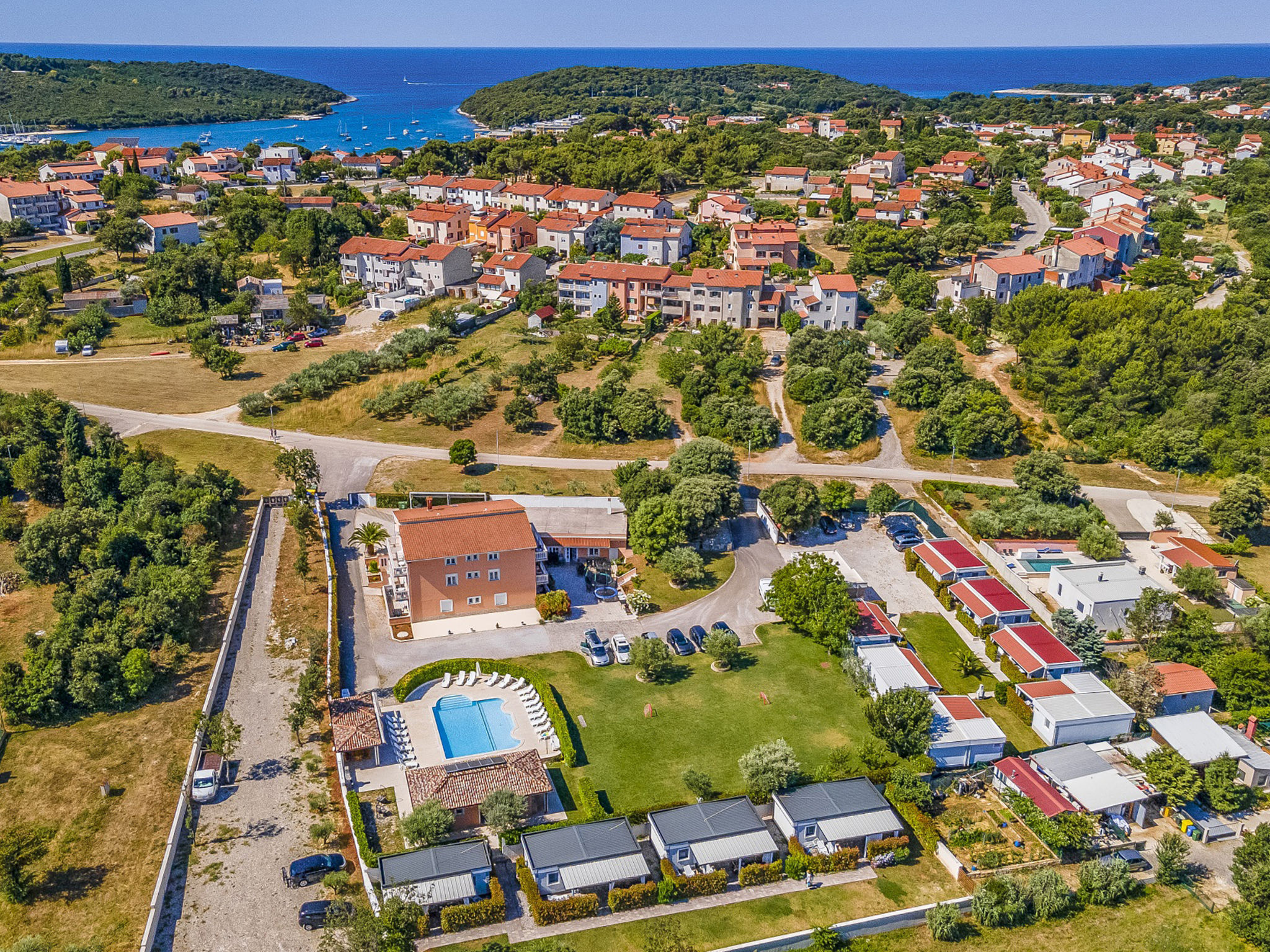
This is where most of our Istrian villas are. Medulin's Bijeca beach is around a kilometre of sand with a gentle slope into the sea, which is rare in Istria. Just south, the Kamenjak nature reserve at Premantura has wild coves, cliffs and rocky swimming spots, with a daily charge to drive in. Pula airport is around 15 to 20 minutes away.
Best for: Families who want shallow, sandy-bottomed bays close to Pula airport
Not for you if: You want a historic old town on the doorstep: Medulin is a modern resort rather than a medieval town.
Pula, Banjole and the villages around Vodnjan
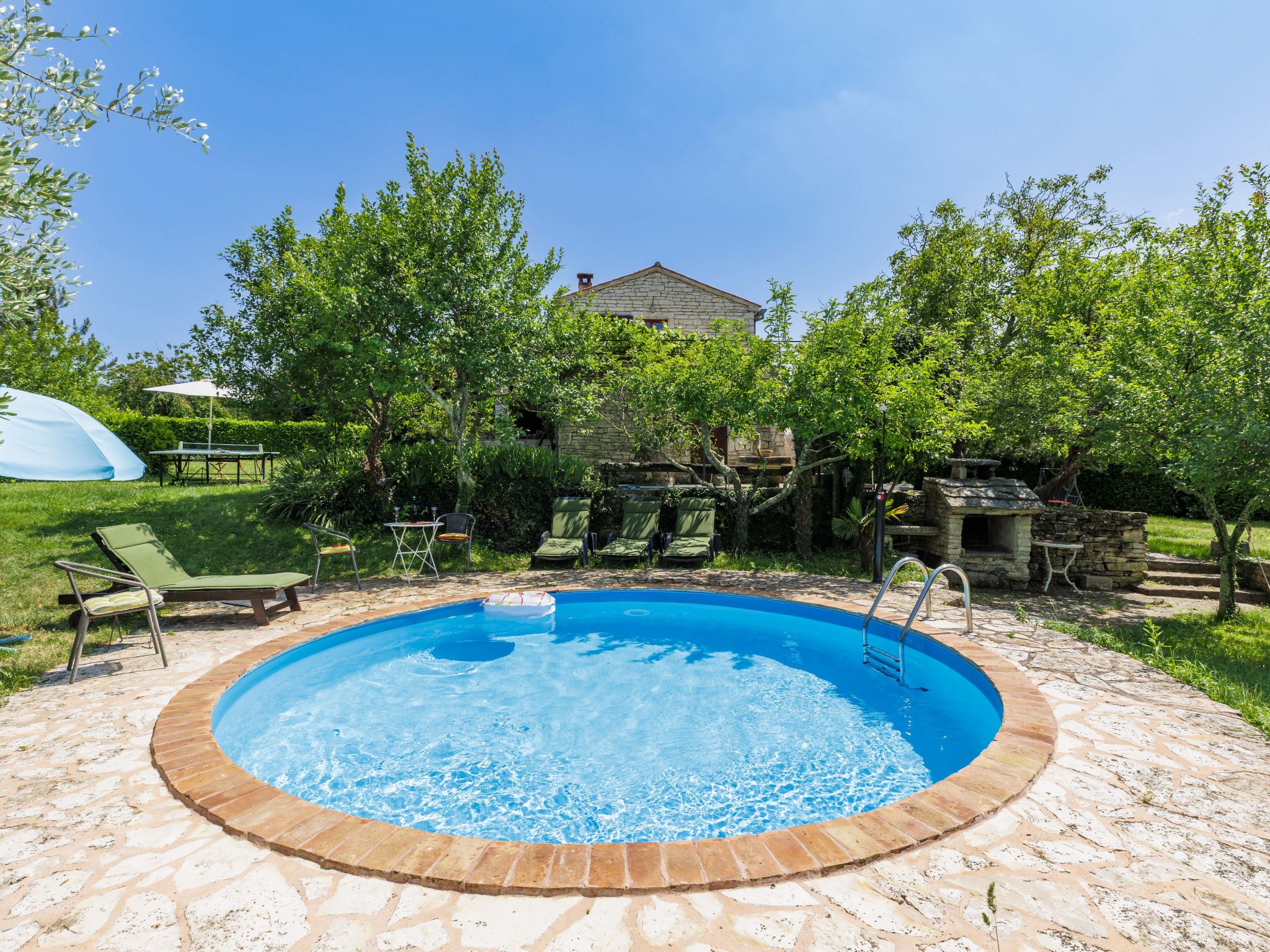
Pula has the Roman amphitheatre, a busy market and plenty of restaurants. Banjole, just south of the city, has small bays and boat moorings, while villages such as Vodnjan, Galižana, Marčana and Krnica offer stone houses, olive groves and more space for the money. Most are within 20 to 30 minutes of Pula airport.
Best for: Sightseeing, restaurants and the shortest airport transfer
Not for you if: You want a beach right outside the door: many inland village villas are a short drive from the sea.
Fažana and Barbariga (west coast near Brijuni)
Fažana is a small harbour village with a waterfront of fish restaurants and the boat to the Brijuni National Park, a crossing of around 15 minutes. Barbariga, a little further north, is a spread-out area of villas near rocky shoreline and pine woods. Both are around 20 to 30 minutes from Pula airport, with Rovinj within easy reach.
Best for: Families who want a small harbour village and an easy day trip
Not for you if: You want lively nightlife: Fažana is a quiet fishing village after dark.
Rovinj and Kanfanar
Rovinj's old town rises on a small peninsula to the church of St Euphemia, with harbour restaurants and lanes full of galleries. Pebble and rock beaches line the wooded coast south of town. Villas around Kanfanar, inland, are quieter and give easy access to hill towns such as Motovun. Pula airport is around 45 minutes away.
Best for: Couples who want Istria's prettiest old town
Not for you if: You dislike crowds: Rovinj's old town is very busy in July and August.
Poreč, Funtana and Tar (central west coast)
Poreč has a compact old town and the Euphrasian Basilica, a UNESCO World Heritage Site known for its mosaics. Funtana and Tar sit along the coast either side, with rocky and pebble beaches, campsites and marinas, while villages like Kaštelir are a short drive inland among vineyards. Pula airport is around an hour away.
Best for: Families who want resort facilities and a historic town
Not for you if: You want somewhere undeveloped: this is one of Istria's busiest holiday coasts.
Novigrad, Umag and Savudrija (north-west)
Novigrad is a small harbour town with an old walled centre; Umag is larger, with a long seafront and marinas; Savudrija, near the Slovenian border, has a quiet rocky shore and pine woods. Buje and its hill villages are just inland. Pula airport is around an hour to an hour and a quarter away, and Trieste in Italy is a similar distance.
Best for: Drivers from the north and anyone flying into Trieste
Not for you if: You are flying into Pula and want a short transfer: allow over an hour.
Rabac and Labin (east coast)
Rabac is a former fishing village with pebble beaches such as Girandella, backed by steep wooded hills. Labin, around 5 km uphill, is a pretty old town of narrow streets and views over the Kvarner Gulf. Pula airport is around 45 minutes to an hour away.
Best for: Clear water, pebble beaches and a hilltop old town
Not for you if: You want flat, easy walks: Labin sits on a hill and Rabac is built on steep slopes.