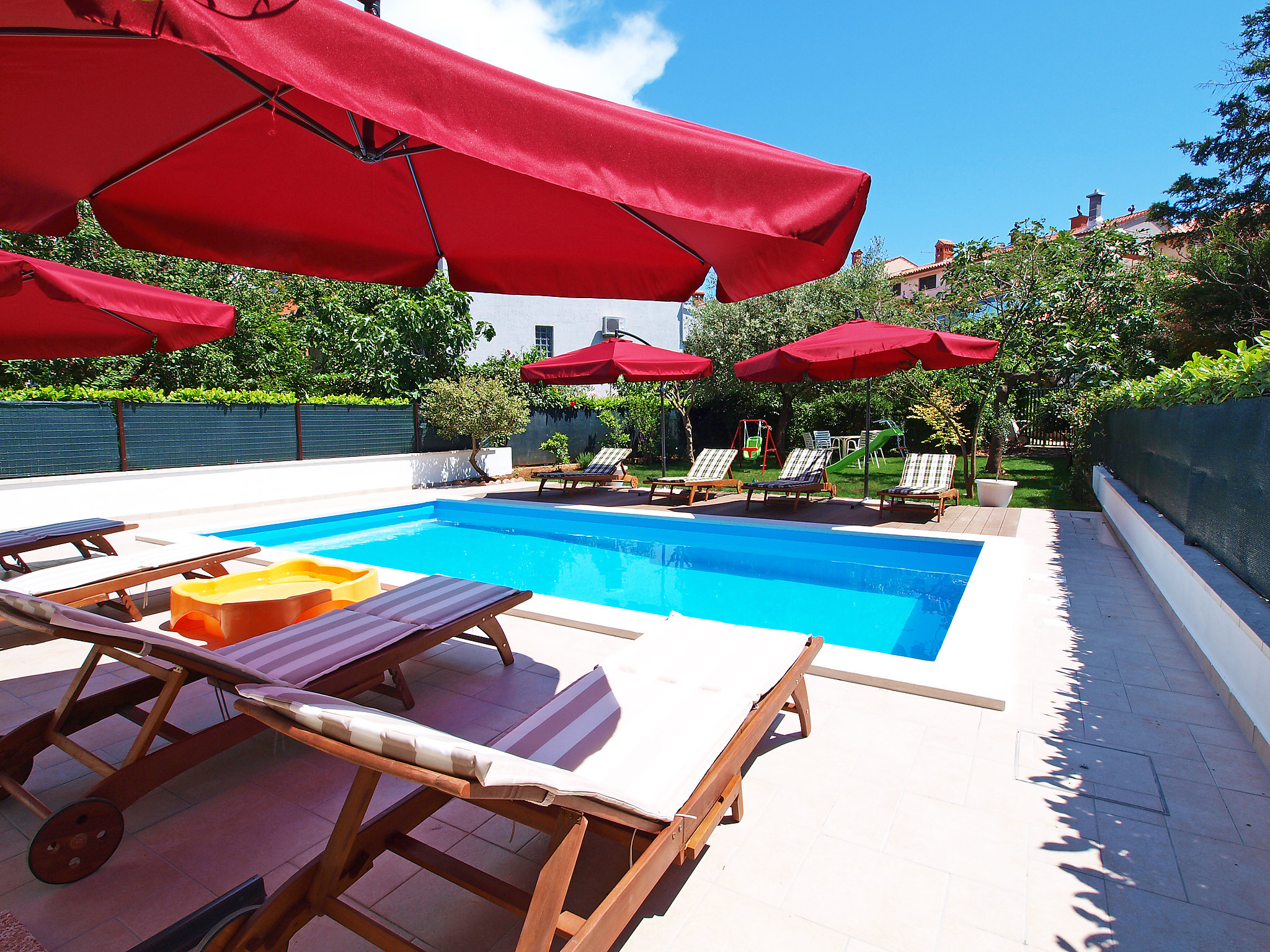
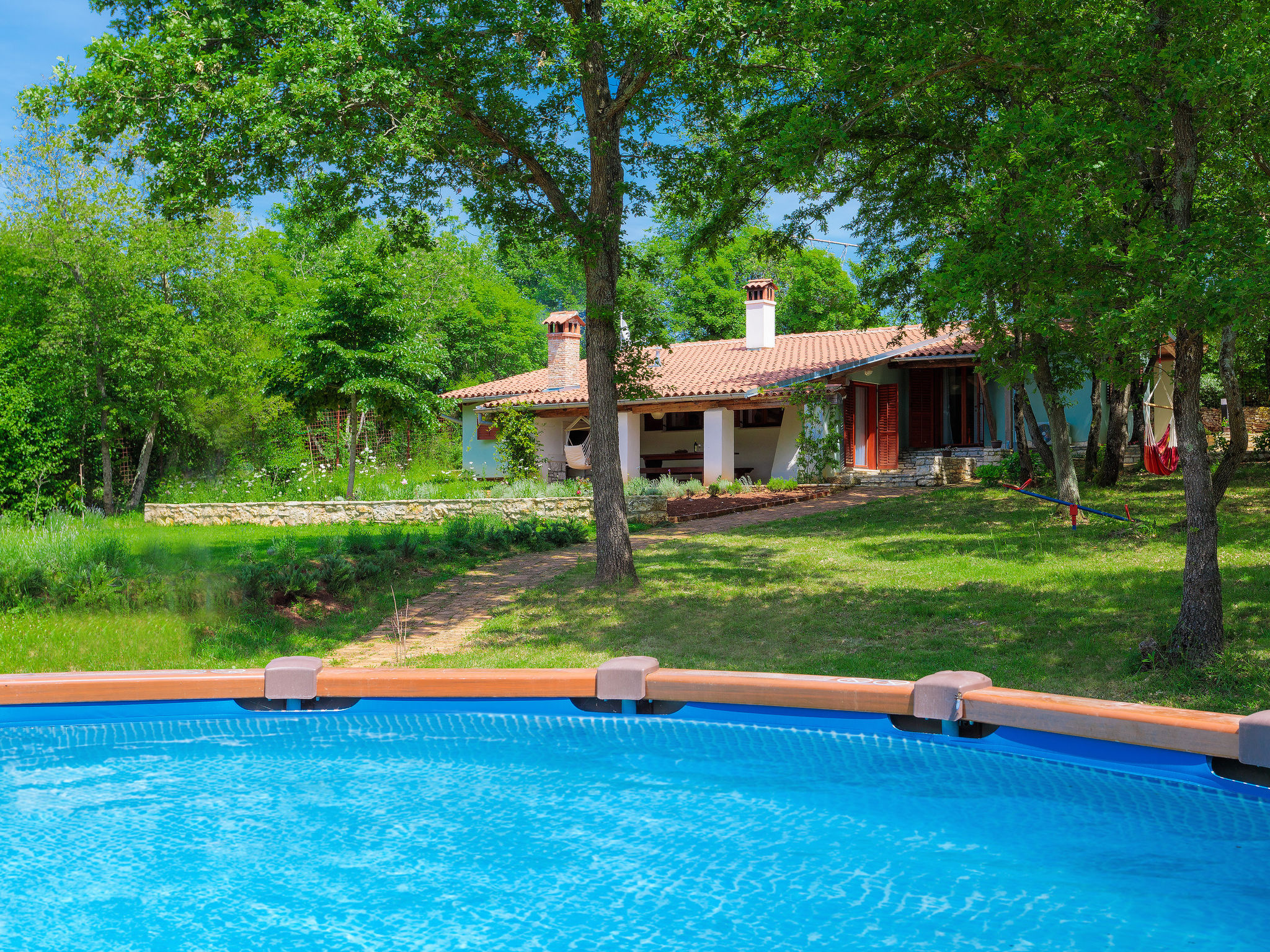
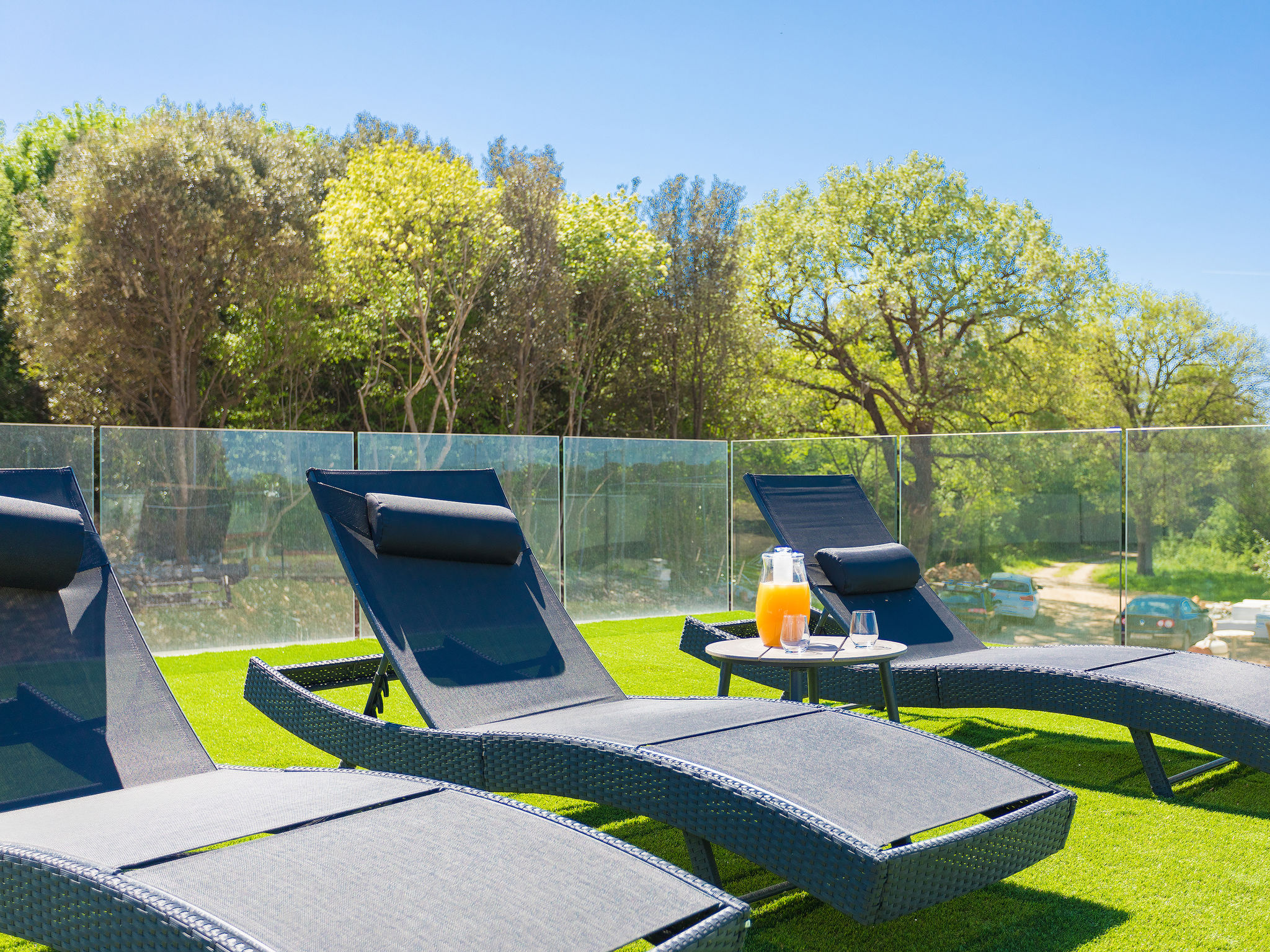
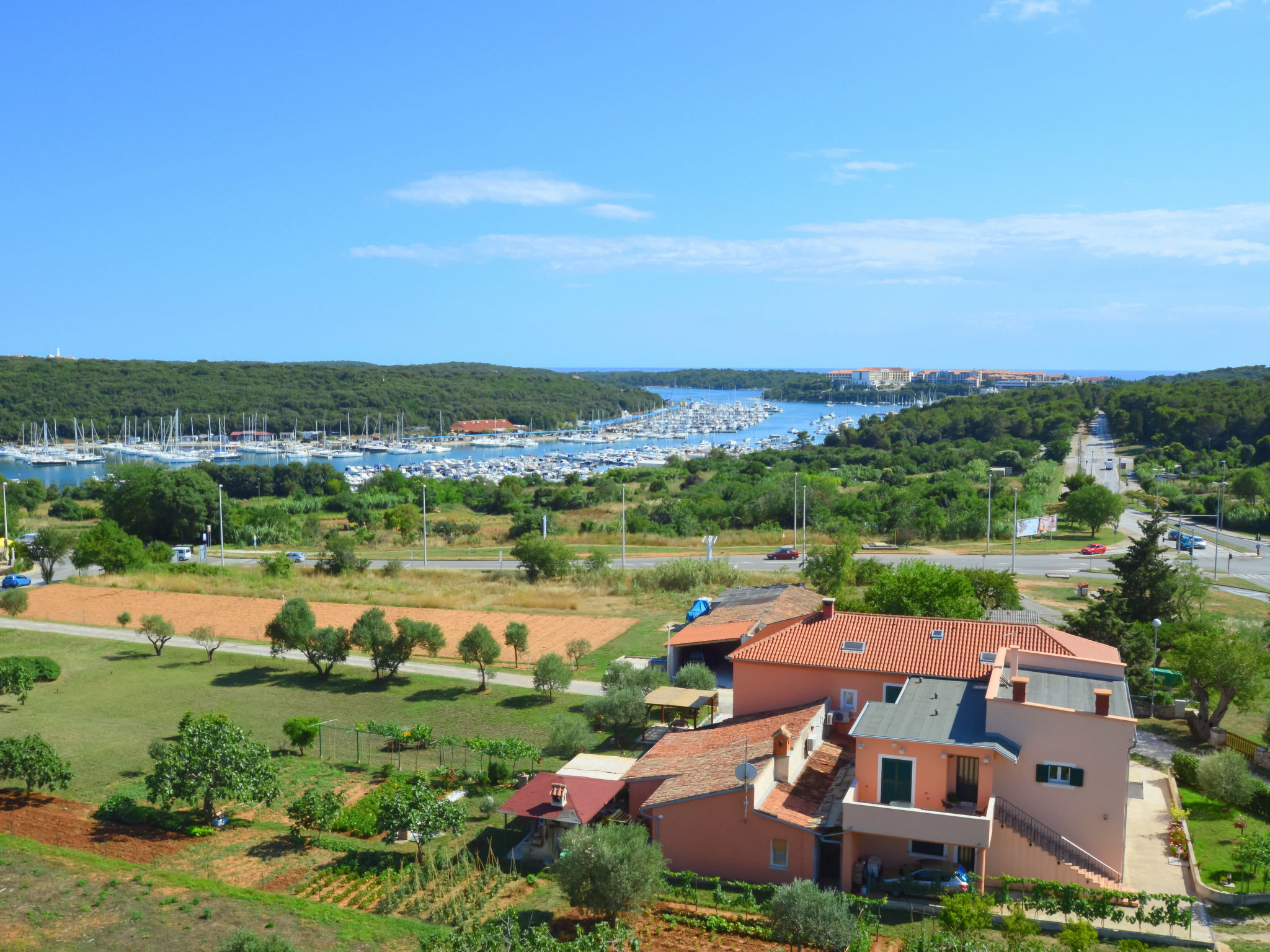
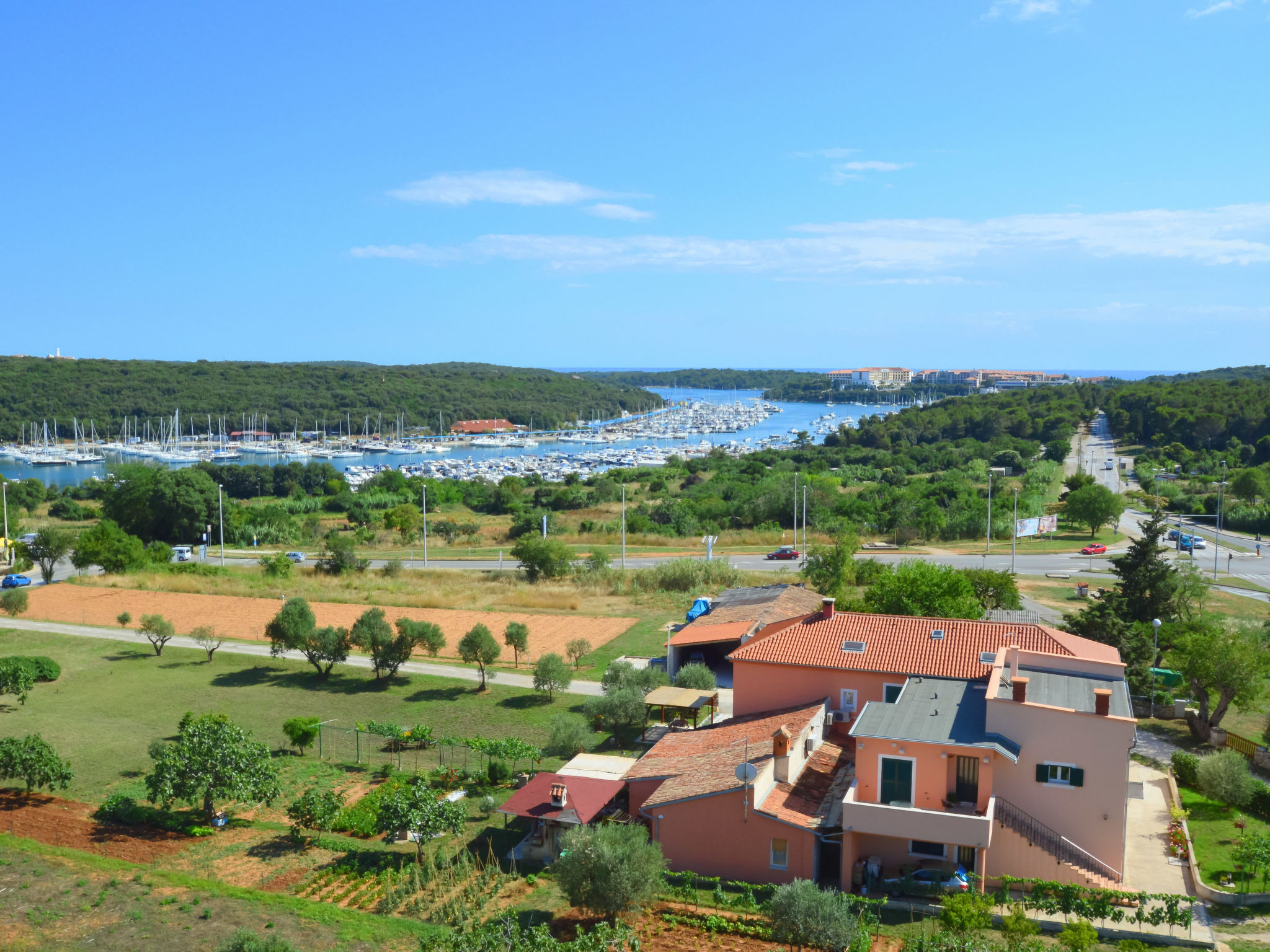
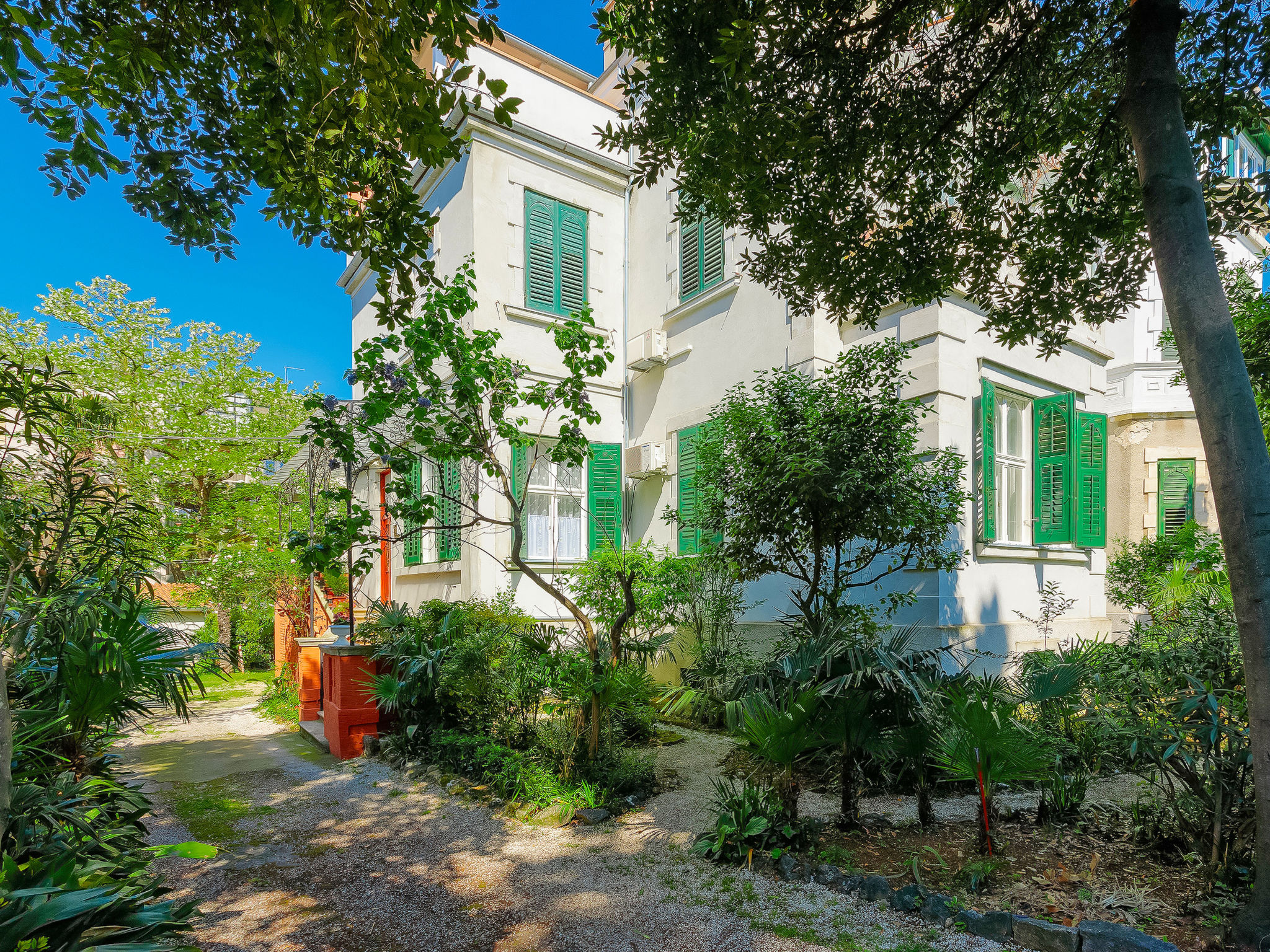
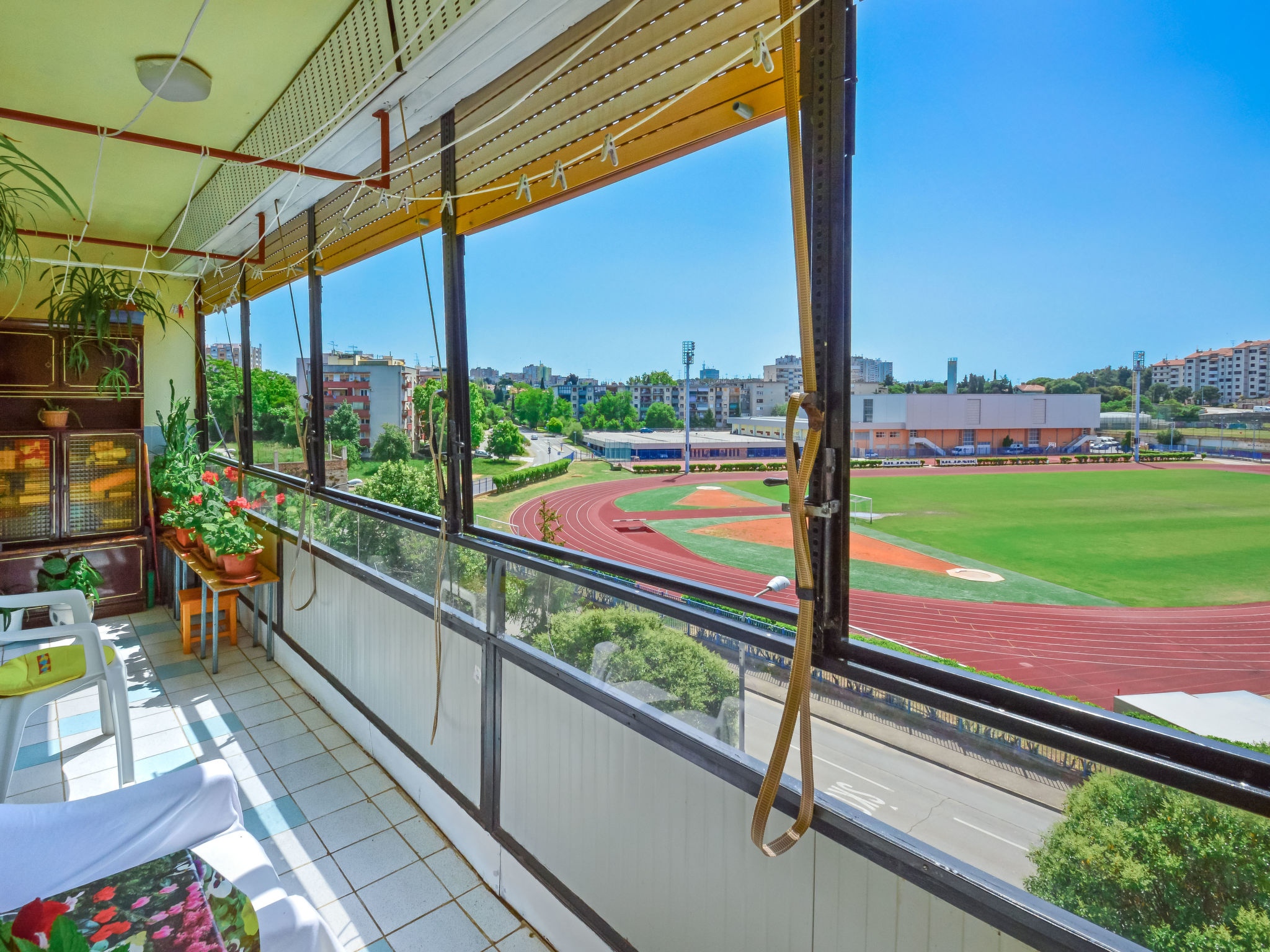
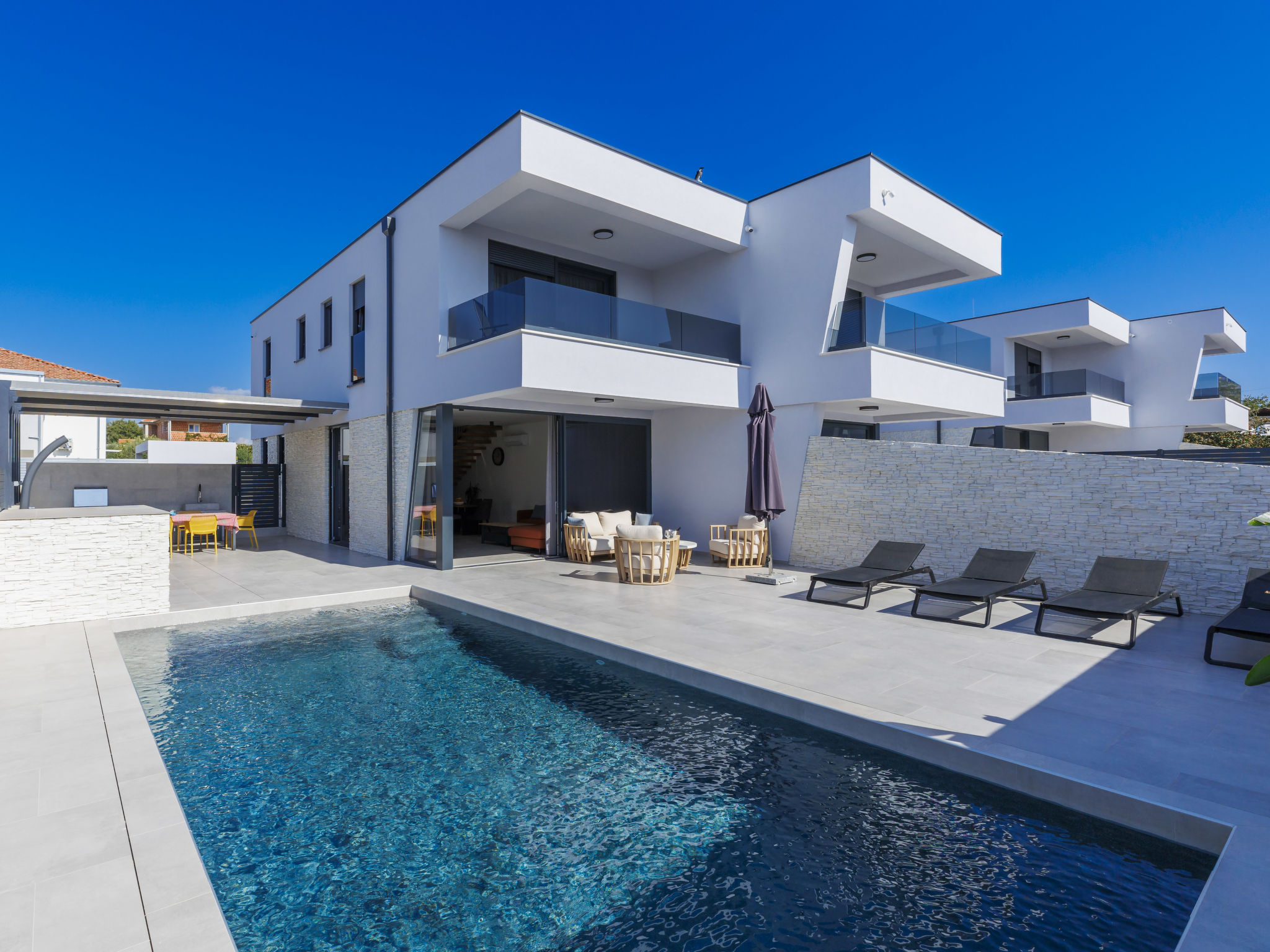
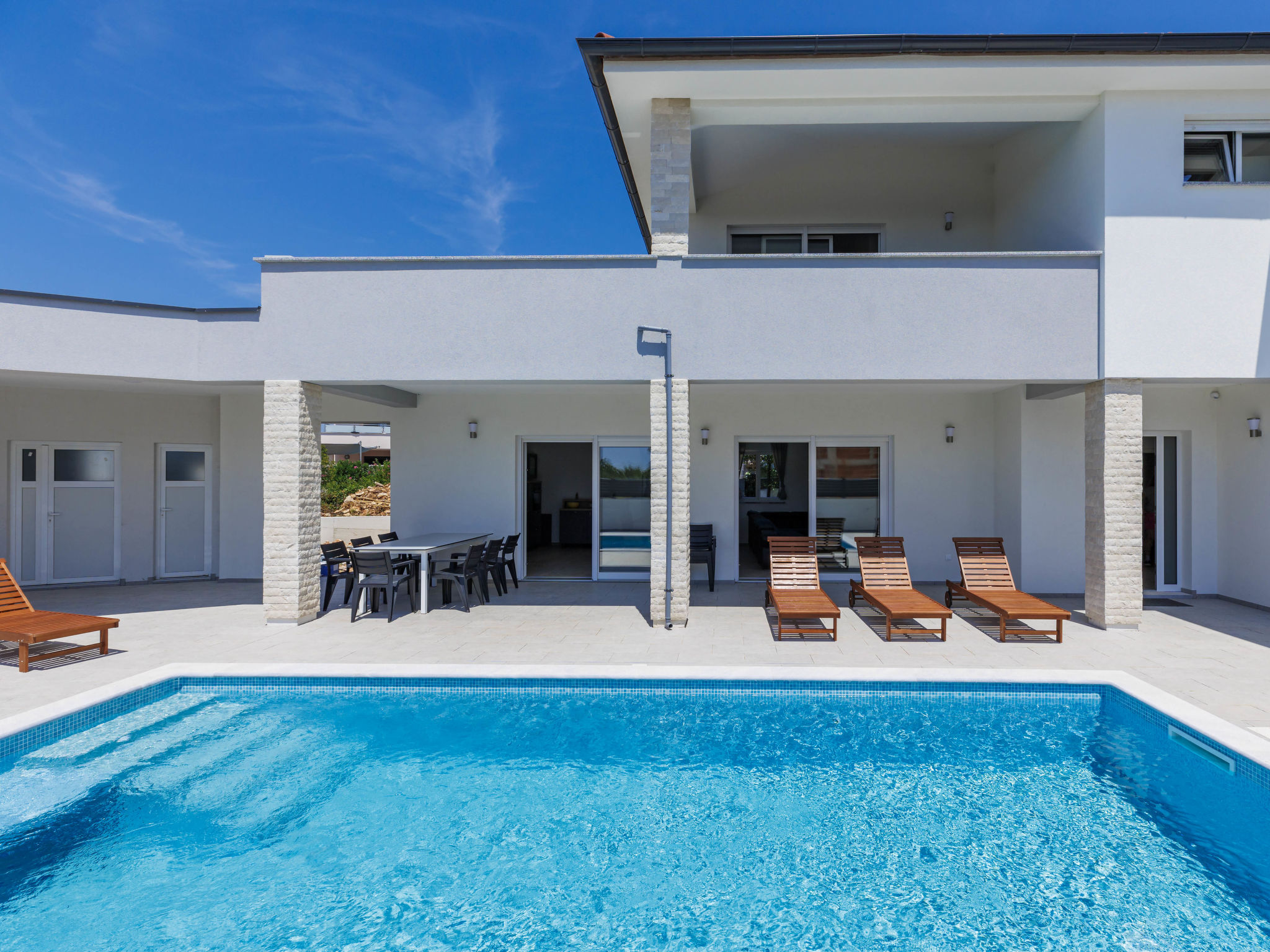
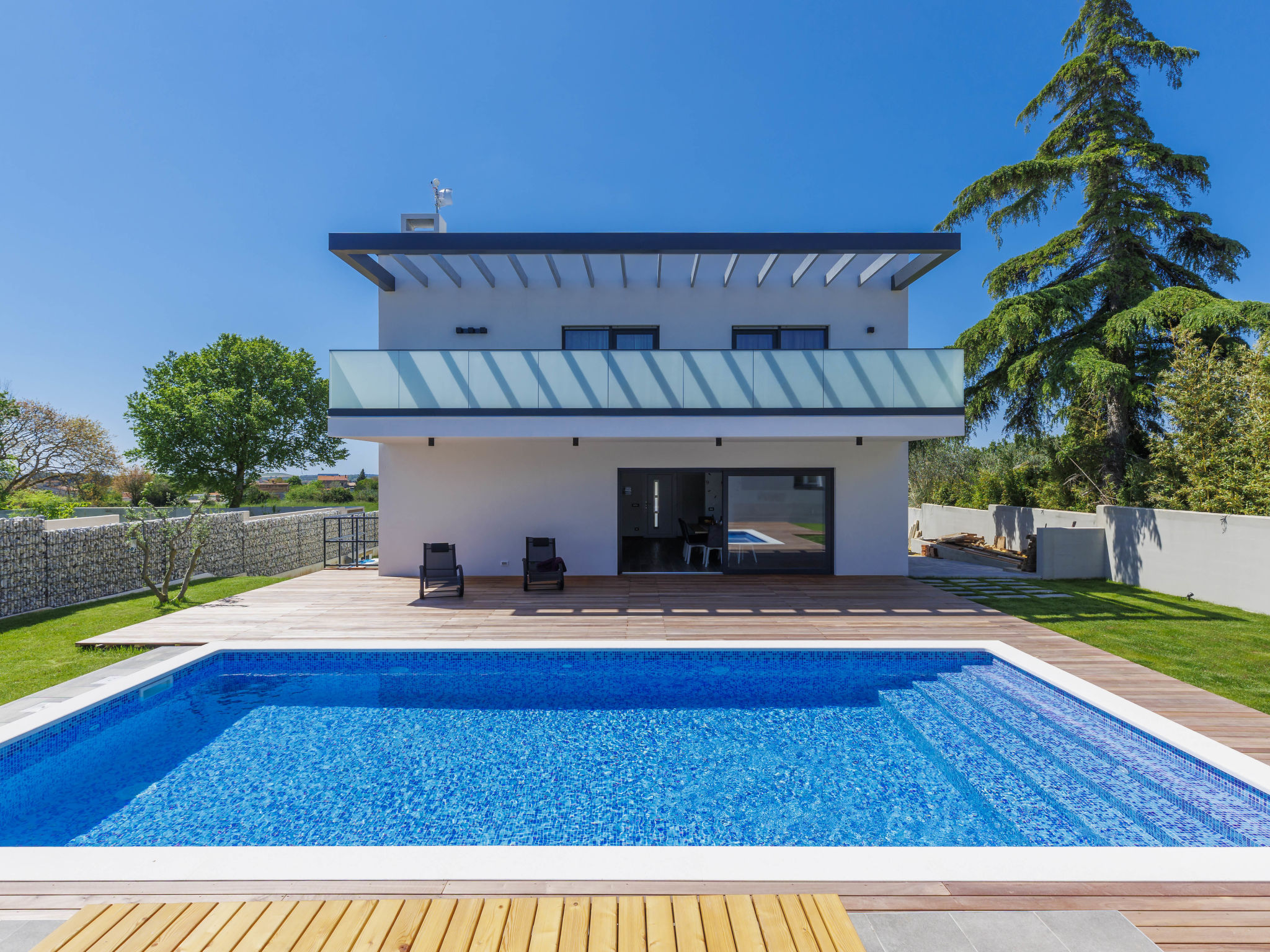
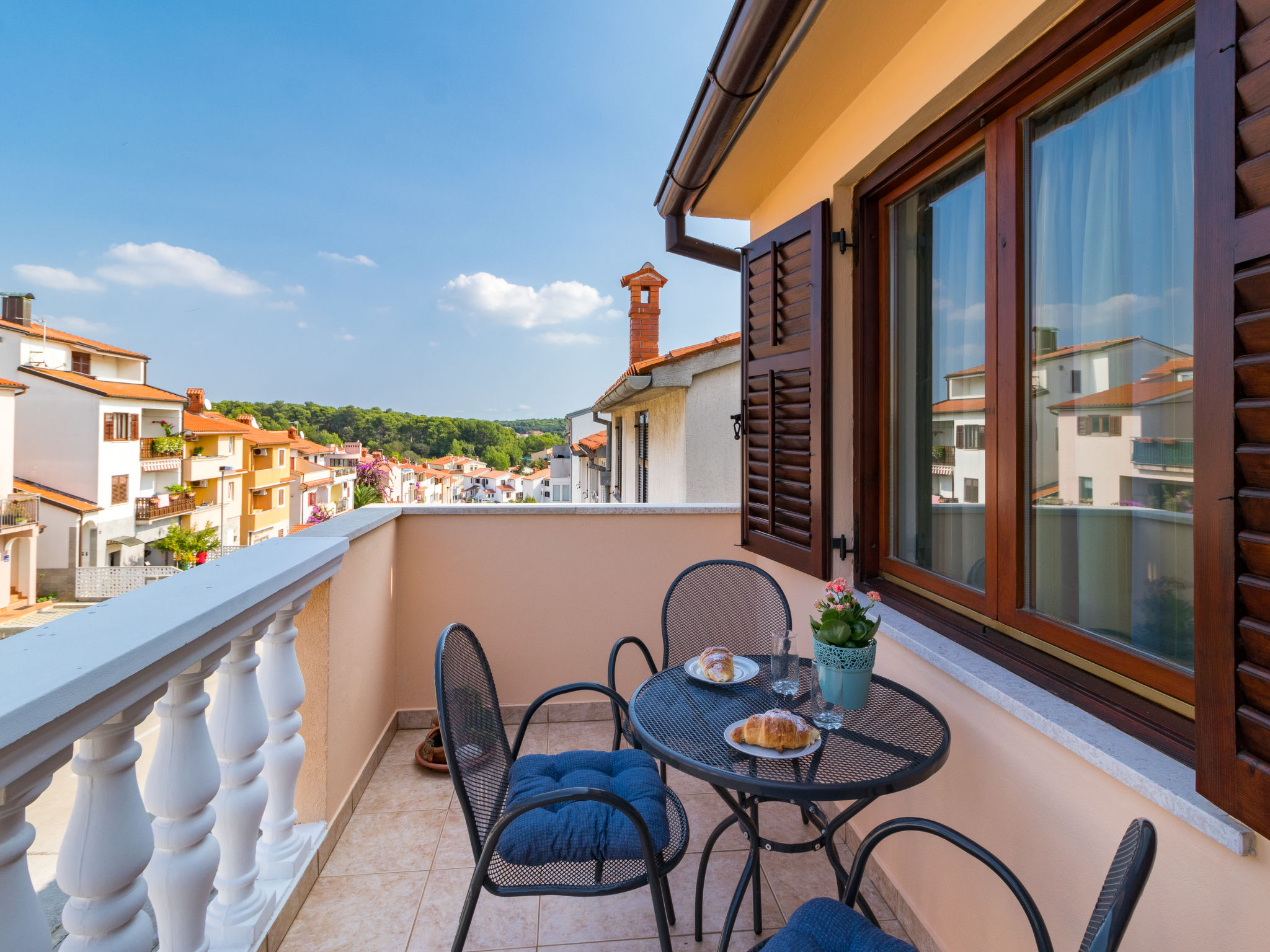
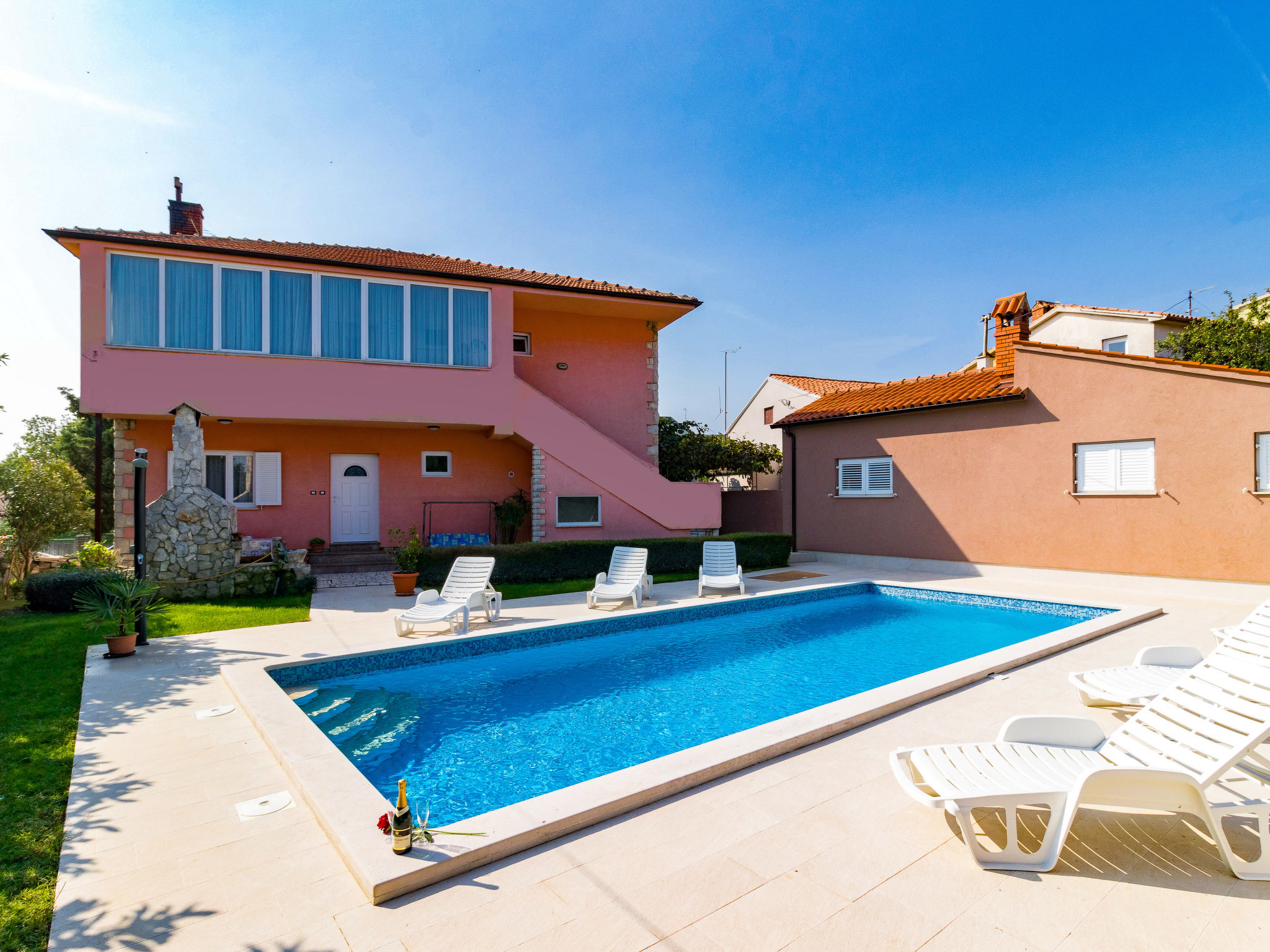
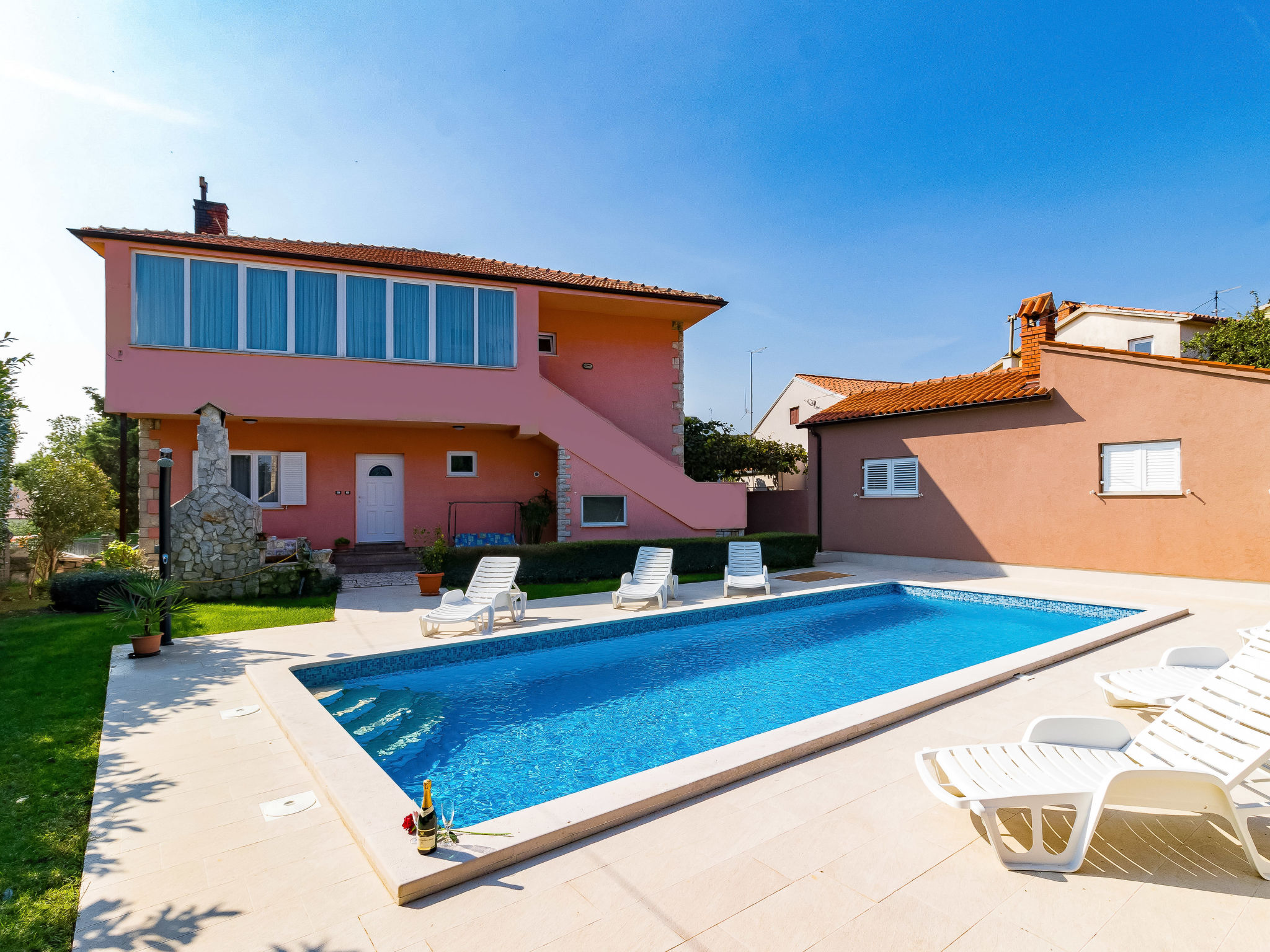
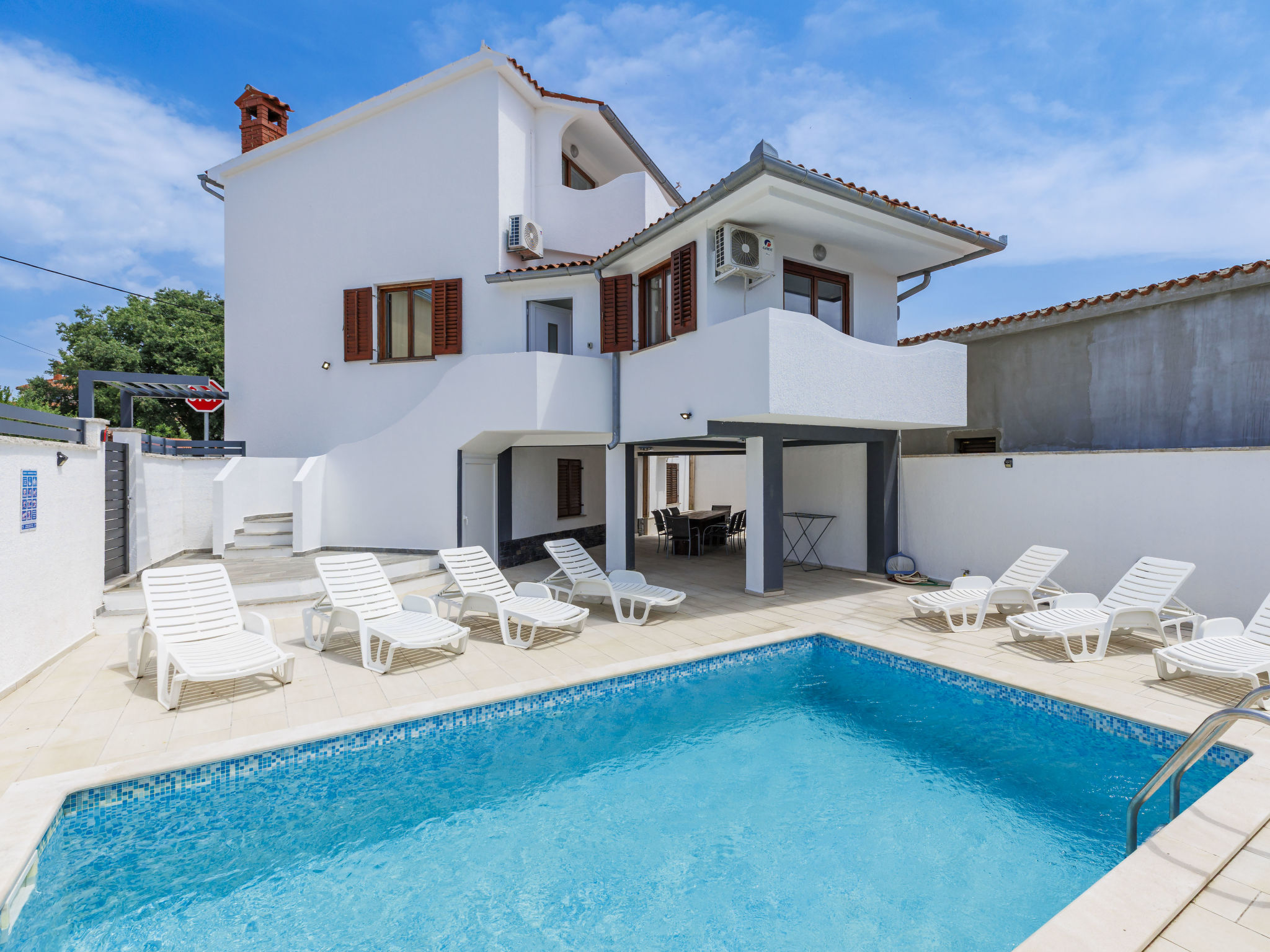
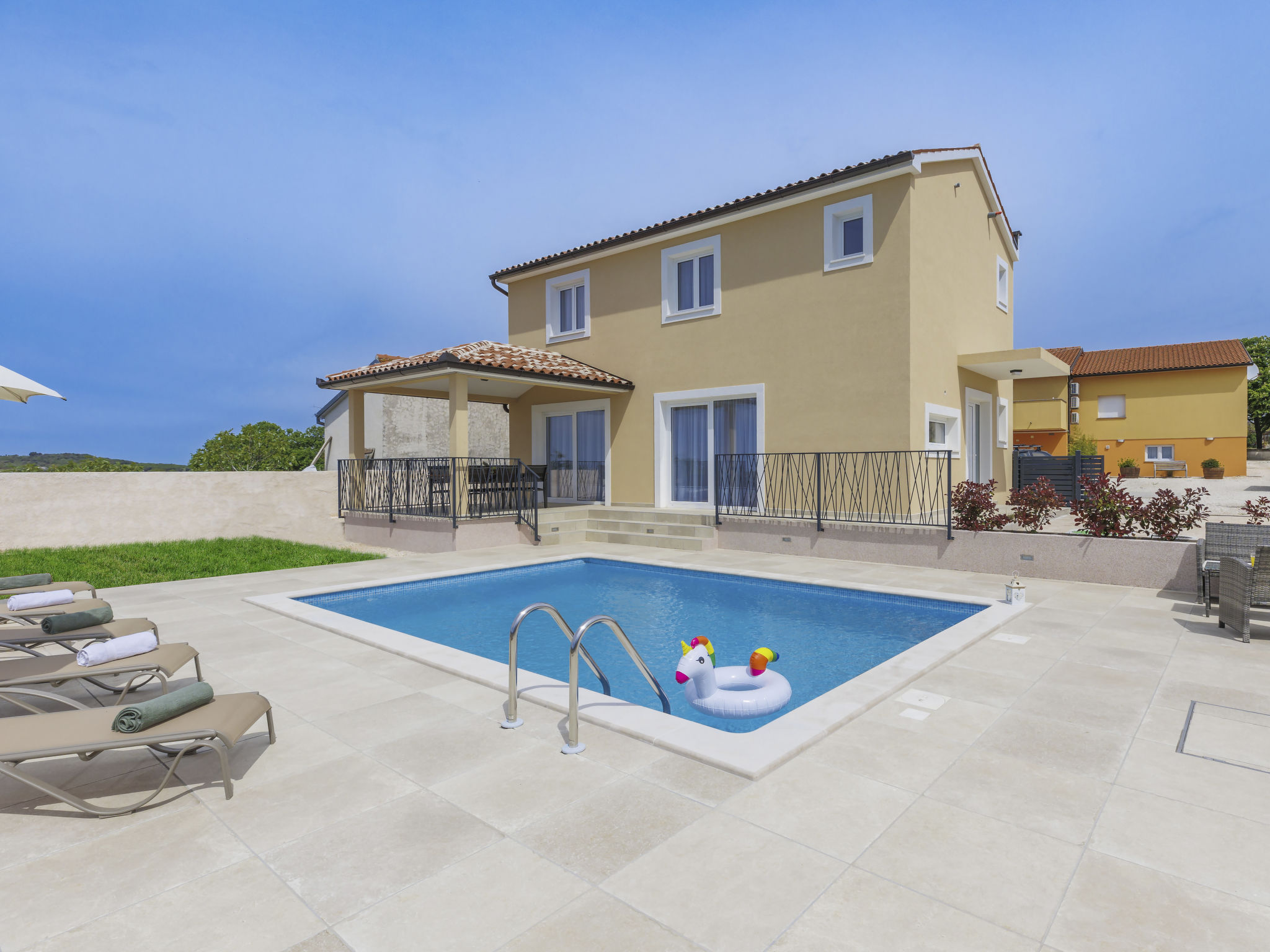
Pula is Istria's working port and oldest city – Roman mosaics under car parks, 2,000 years of layer cake history, and a harbour still busy with working vessels. Unlike the marble-clad coastal towns to the north, Pula has grit and character. The amphitheatre dominates the skyline (genuinely impressive, built for 20,000 spectators), but what we prefer is stumbling into the backstreets where you find Roman temples embedded in living buildings and locals playing cards in the shade.
Why Stay in Pula
- Real history you can touch. Most coastal towns have a castle or a church. Pula has a functioning Roman amphitheatre and architectural layers that make sense of 2,000 years. Walking the streets is an archaeology lesson without the boring museum bits.
- A proper city with infrastructure. Unlike smaller villages, Pula has good restaurants across price points, efficient supermarkets, reliable transport, and ATMs that work. You can live here comfortably, not just vacation.
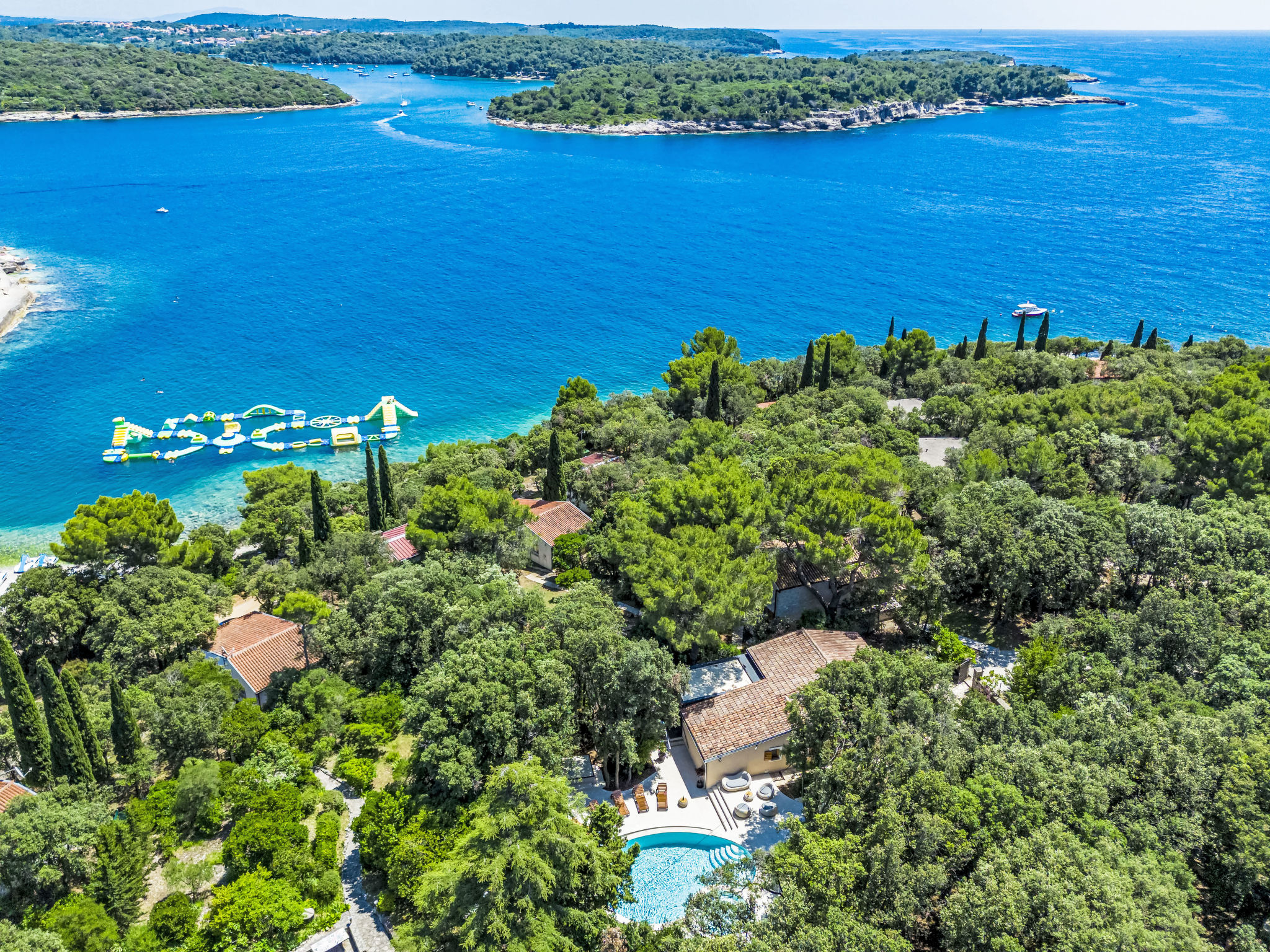
- Access to wild coastline. The Verudela Peninsula (15 minutes south) has pebble and rocky beaches, diving sites, and pine forest walks. The beaches are small and uncrowded compared to the resort-heavy northern coast.
- Good value. Accommodation and food cost less than the northern Istrian towns. A decent seafood dinner is €12-18 per person. Beer and wine are proper cheap.
- The caveat: summers are hot and the beach situation is limited. The city itself has no big sandy beach (it's pebbles), and the Adriatic water is cold until July. If you're after guaranteed beach laziness, the shallower northern beaches are better suited.
Things to Do in Pula
Start with the Amphitheatre. Yes, every visitor does. But it's genuinely moving – walk to the top tier and you get the sheer scale of Roman engineering. Entry is €10, and it's worth it. Allow two hours if you're reading the plaques. Summer concerts happen here (check the tourist board), which is a surreal experience.
The archaeological museum sits next to the amphitheatre. Skip the Roman glass and go straight to the Winged Victory sculpture and the sea-going vessels section. Roman trade routes and the actual boats used are more interesting than jewellery. Two hours maximum needed.
Cape Kamenjak, 15 minutes south, is a protected peninsula with walks through Mediterranean scrub, small pebbly coves, and swimming spots. The water is clearer than the main harbour. There's a small entrance fee (€5) and a couple of basic beach bars. It's where locals actually swim, not where tourists take photos.
The Old Town backstreets deserve an hour just wandering. The Cathedral, Temple of Augustus, and random Roman stones embedded in 18th-century buildings aren't in a neat circuit – you'll stumble on them. That's exactly the point. Get lost. Bring water (it's steep and there's minimal shade).
Rovinj, 35 minutes north, is the postcard version of Istrian coast – Venetian harbor, steep stone lanes, tourists everywhere. We'd suggest a day trip rather than staying there, since Pula has the same architecture without the chaos. Parking is brutal in Rovinj; take the bus or drive early.
Viškovo, inland (45 minutes), offers a completely different Istria – hilltop village, truffle territory, wine country, zero tourists. It's a proper day out if you want to escape seaside rhythm. Lunch at a local konoba (family restaurant) should cost €10-12.