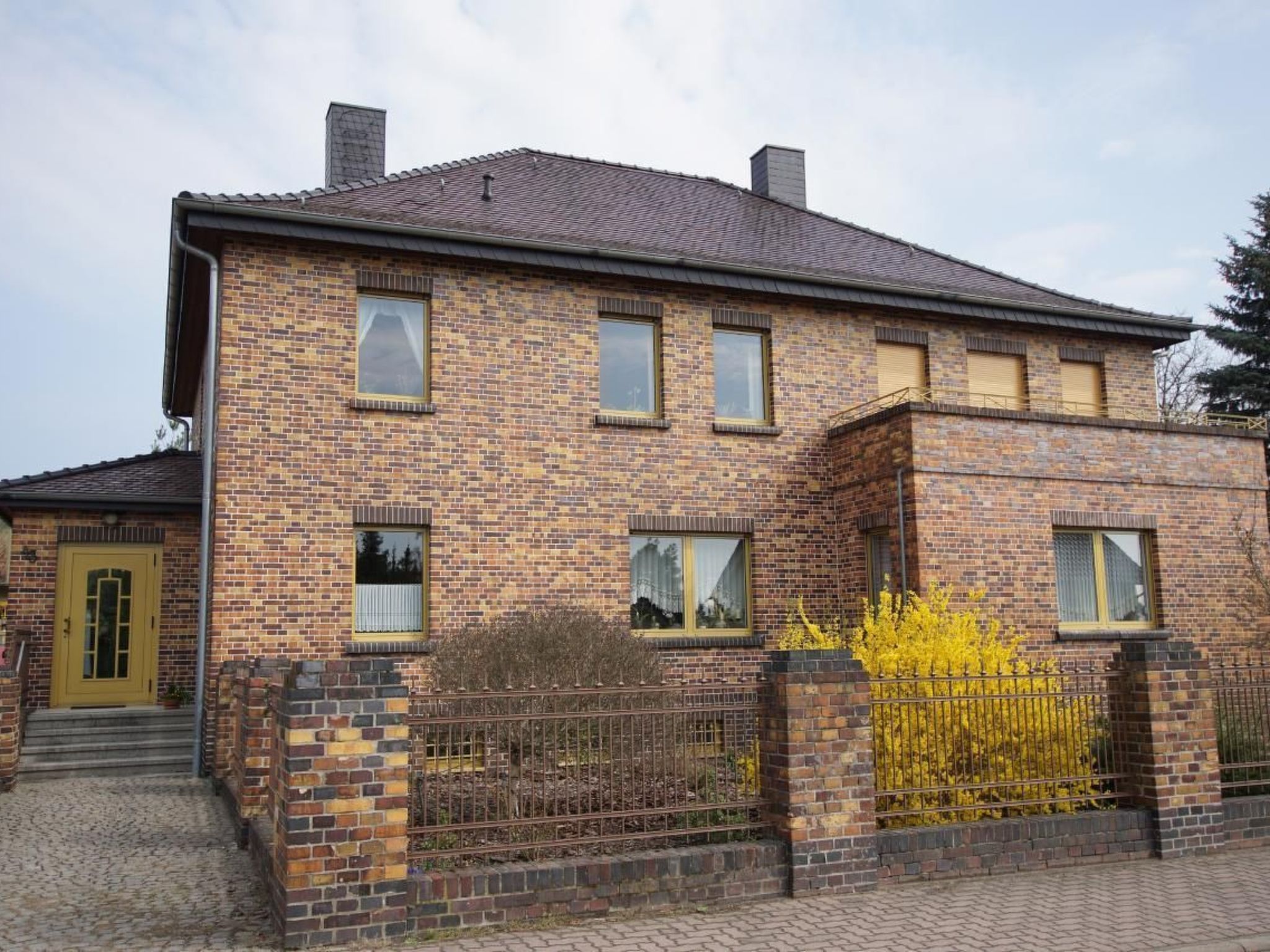
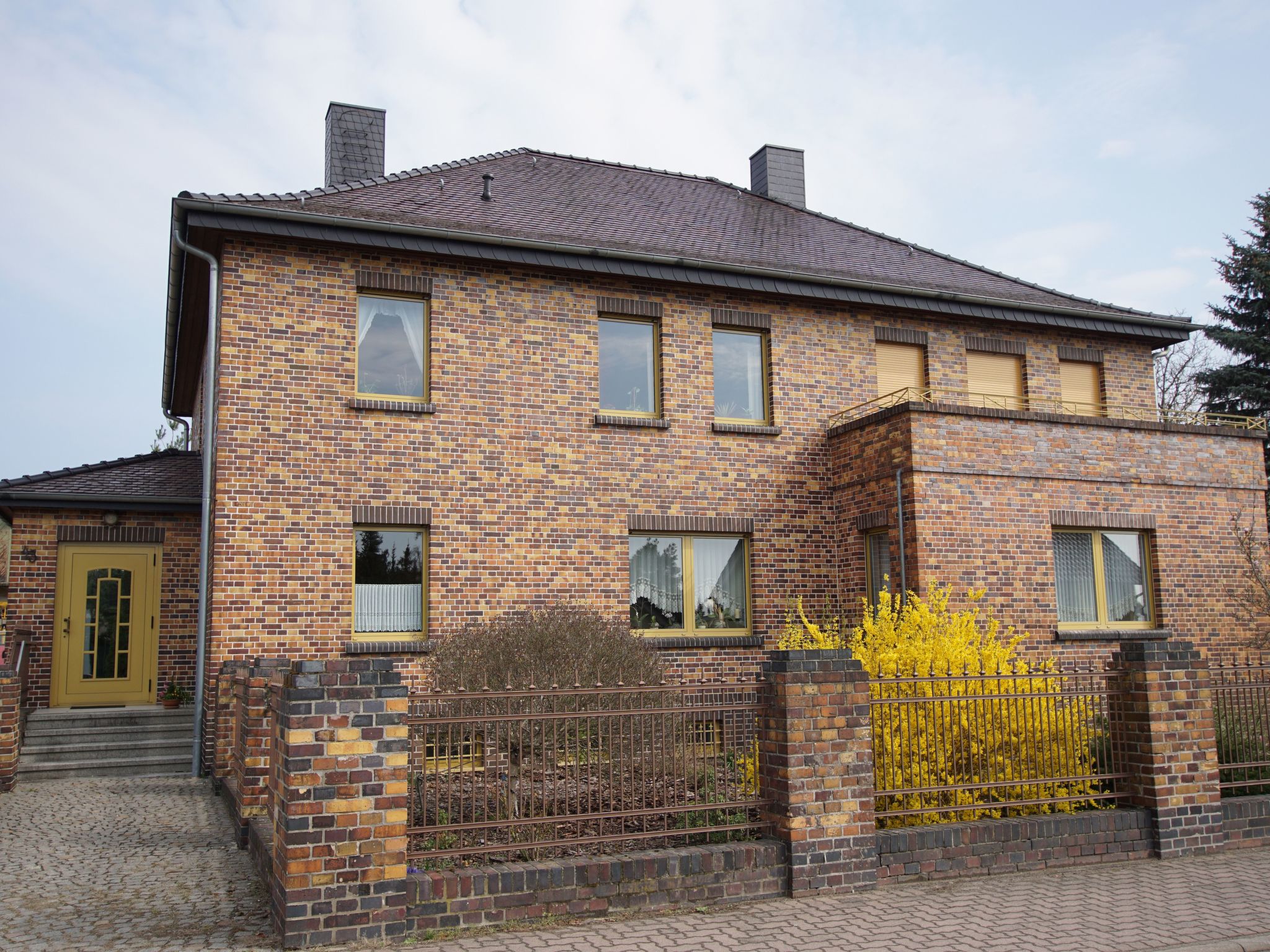
The Goitzsche lake (Pouch, Bitterfeld, Zschornewitz)
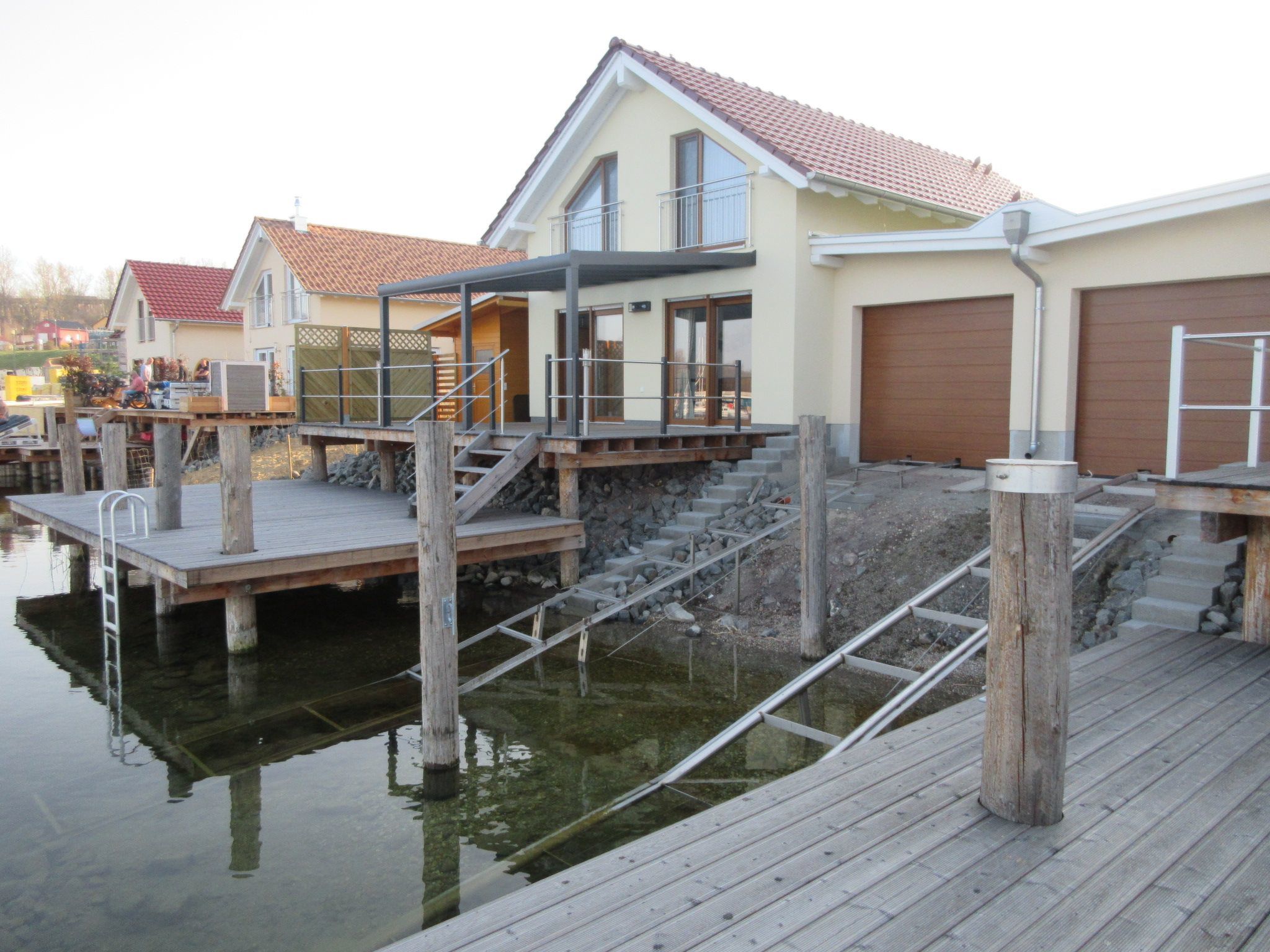
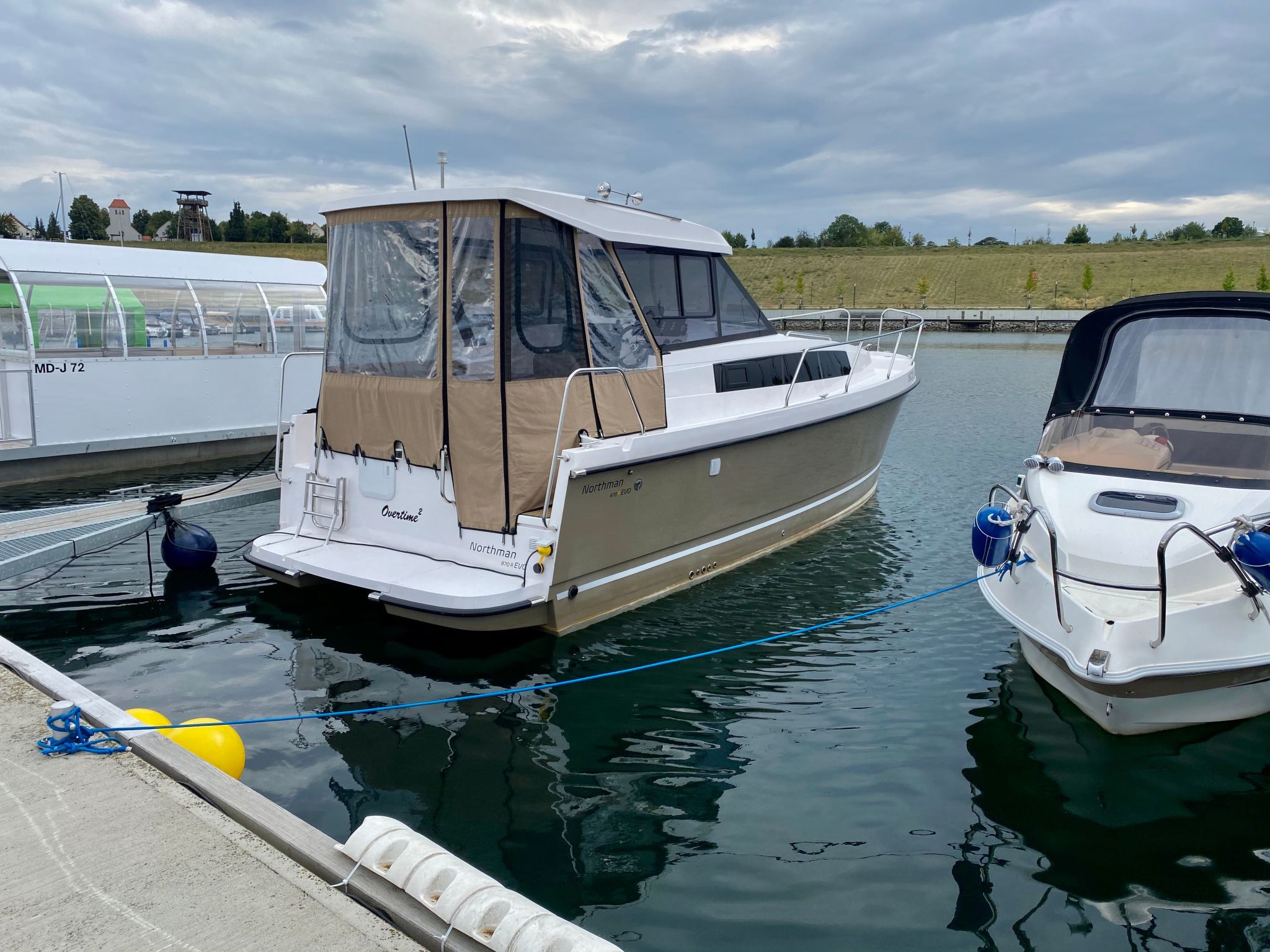
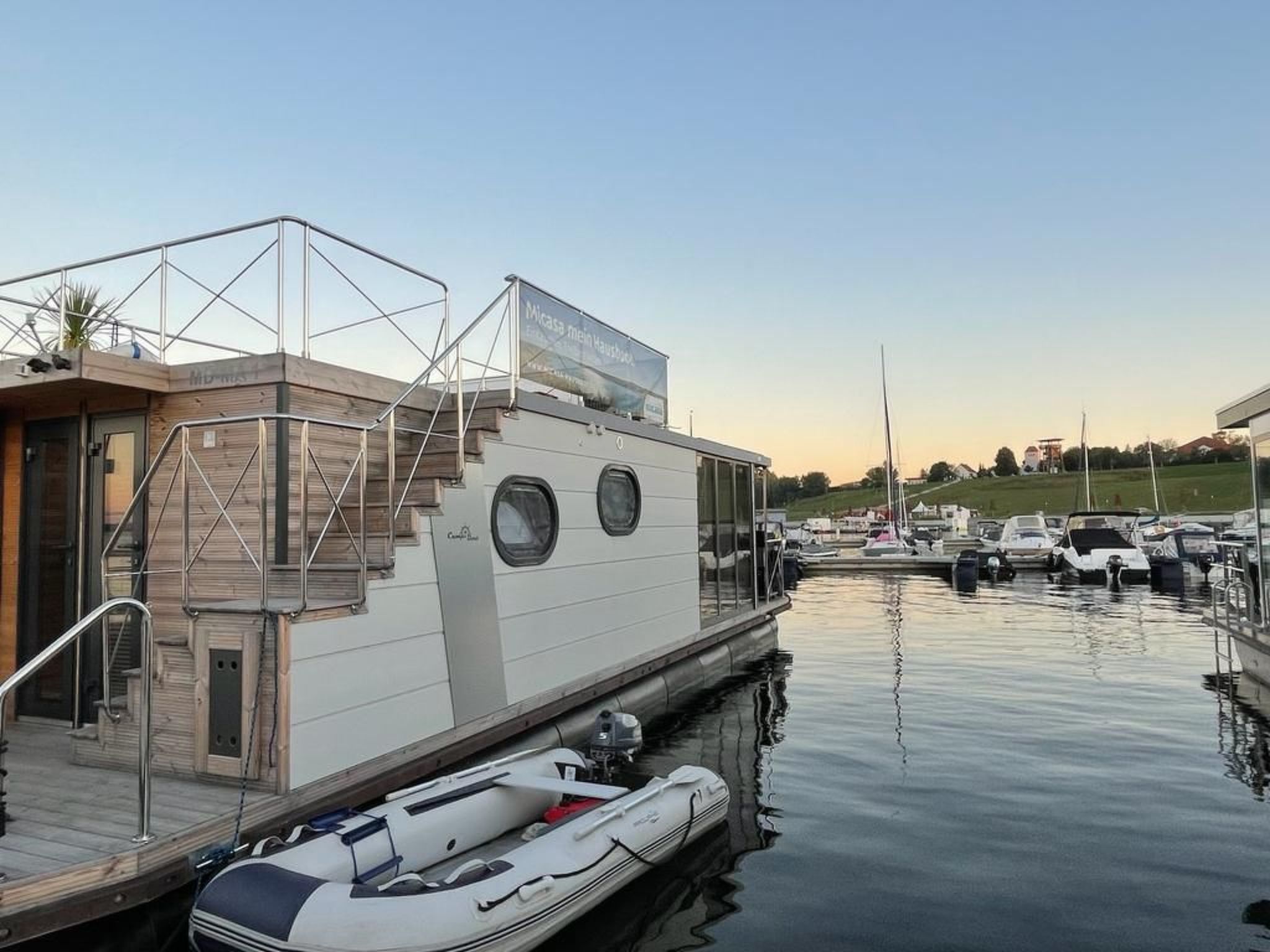
Most of our homes in the state are around the Goitzsche, a large lake that flooded a former open-cast lignite mine next to Bitterfeld. Pouch sits on its shore, with a marina and beaches, and a cycle path runs round the water. Near Zschornewitz, Ferropolis keeps giant mining excavators on a peninsula as an open-air museum and concert venue. Leipzig/Halle airport is around 40 minutes away.
Best for: Swimming, sailing and cycling round a lake made from an old mine
Not for you if: You want old villages and woods: this is reclaimed industrial land and still looks young.
Dessau, Wörlitz and Bad Schmiedeberg (Törten, Bad Schmiedeberg)
Törten is the Dessau suburb where Walter Gropius built a Bauhaus housing estate in the 1920s, a few minutes from the Bauhaus building itself. The Wörlitz gardens, an 18th-century English-style park with lakes and small chain ferries, are about 20 minutes east. Bad Schmiedeberg is a small spa town on the edge of the Dübener Heide forest, around half an hour from Wittenberg, where the Reformation began. Leipzig/Halle airport is about 45 minutes from Dessau.
Best for: Bauhaus architecture, landscape gardens and Luther's Wittenberg
Not for you if: You want hills: this is flat country along the Elbe and Mulde.
The Geiseltal and the Saale-Unstrut wine country (Mücheln, Braunsbedra, Naumburg, Kirchscheidungen)
The Geiseltalsee, between Mücheln and Braunsbedra, is the largest artificial lake in Germany, another flooded lignite mine, with beaches, a marina and vines on the old mine slopes. To the south, the Saale and Unstrut valleys are Germany's northernmost wine region. Naumburg's cathedral, with its 13th-century stone figures, is a UNESCO site, and Kirchscheidungen is a village on the Unstrut near Freyburg's sparkling wine cellars. Leipzig/Halle airport is around 45 minutes away.
Best for: Lake beaches, riverside cycling and wine villages
Not for you if: You want a postcard lakeside village: Mücheln and Braunsbedra are plain small towns.
Mansfeld country (Seeburg, Sangerhausen)
Seeburg is a village on the Süßer See, a natural lake with a castle on its shore, about ten minutes from Eisleben, where Martin Luther was born and died; both houses are now museums. Sangerhausen, further west, has the Europa-Rosarium, one of the largest rose collections in the world, at its best in June. Leipzig/Halle airport is around 45 minutes from Seeburg.
Best for: Luther's birthplace, a rose garden and a quiet lake
Not for you if: You want a choice of homes: we have only a few here.
The Altmark and the Elbe (Arendsee, Havelberg)
Arendsee is a small town on a round, deep lake, with a beach, the ruins of a medieval convent and boat trips in summer. The Altmark around it is farmland, forest and brick churches, with very little traffic. Havelberg, around an hour east, is an island town on the Havel with a cathedral on the hill above, close to where the Havel joins the Elbe. Berlin Brandenburg airport is around two hours from Havelberg.
Best for: A clear swimming lake and cycling through empty countryside
Not for you if: You want an airport close by: this is the far north, two hours or more from Berlin or Hamburg.
Magdeburg and Bernburg
Magdeburg, the state capital on the Elbe, has a Gothic cathedral, Hundertwasser's colourful Green Citadel, and a canal bridge just north of the city that carries barges over the Elbe. Bernburg, about 40 minutes south, has a Renaissance castle above the Saale. Trains from Magdeburg reach Berlin in under two hours, and Leipzig/Halle airport is around an hour and a quarter by car.
Best for: A city base with a cathedral, river walks and rail links
Not for you if: You want countryside on the doorstep: these are working towns.