Villas in Ramosch
Ramosch suits couples who want a quiet Romansh-speaking village in the Lower Engadine, with a ruined castle and gorge walks nearby. Most homes are small, one-bedroom places for two, with the odd larger one. It is remote: reaching it by train means a change to the bus at Scuol.
- Villas
- 7
- From, per week
- £449
About Ramosch
Ramosch is a small village at 1,236 metres on the left bank of the Inn, merged with Tschlin in 2013 to form the municipality of Valsot. Romansh is still the main language. Traditional Engadine houses stand in a terraced landscape along a former Roman road, and people have lived here for some 3,500 years. The ruins of Tschanüff Castle are visible from the village, and the Romanesque church of St. Florinus is a listed monument. The former municipality also took in the village of Vnà. Our homes are grouped together in the village. Evenings are very quiet, so bring supplies and a book.
Is Ramosch right for you?
- Best for
- Couples who walk, read and like a village that speaks Romansh
- Not for you if
- You want shops and restaurants within walking distance every night.
Near Ramosch
Val Sinestra
A simple 4.9 km hike from Ramosch follows the deep Brancla gorge to Sinestra, where a PostAuto bus runs back to Scuol.
Sur En
Start of a 4 km winter trail to Ramosch that passes a 60.5 metre wooden bridge over the Inn, the longest drivable one left in Graubünden.
Scuol
Its Scuol-Tarasp station is served hourly by the Rhaetian Railway, and PostAuto buses continue from there to Ramosch.
Getting to Ramosch
Rhaetian Railway trains run hourly to Scuol-Tarasp, and a PostAuto bus continues from there to Ramosch. Drivers arrive via the Vereina car train or the Flüela Pass, or from Landeck in Austria on the H27. There is paid parking in the village.
When to go to Ramosch
Outside winter, the terraced country between Val d'Assa and Val Sinestra is laced with hiking and biking routes. In winter a 4 km winter walking trail runs from Sur En to Ramosch beside the cross-country tracks; spikes help when the path ices over.
Villas in Ramosch
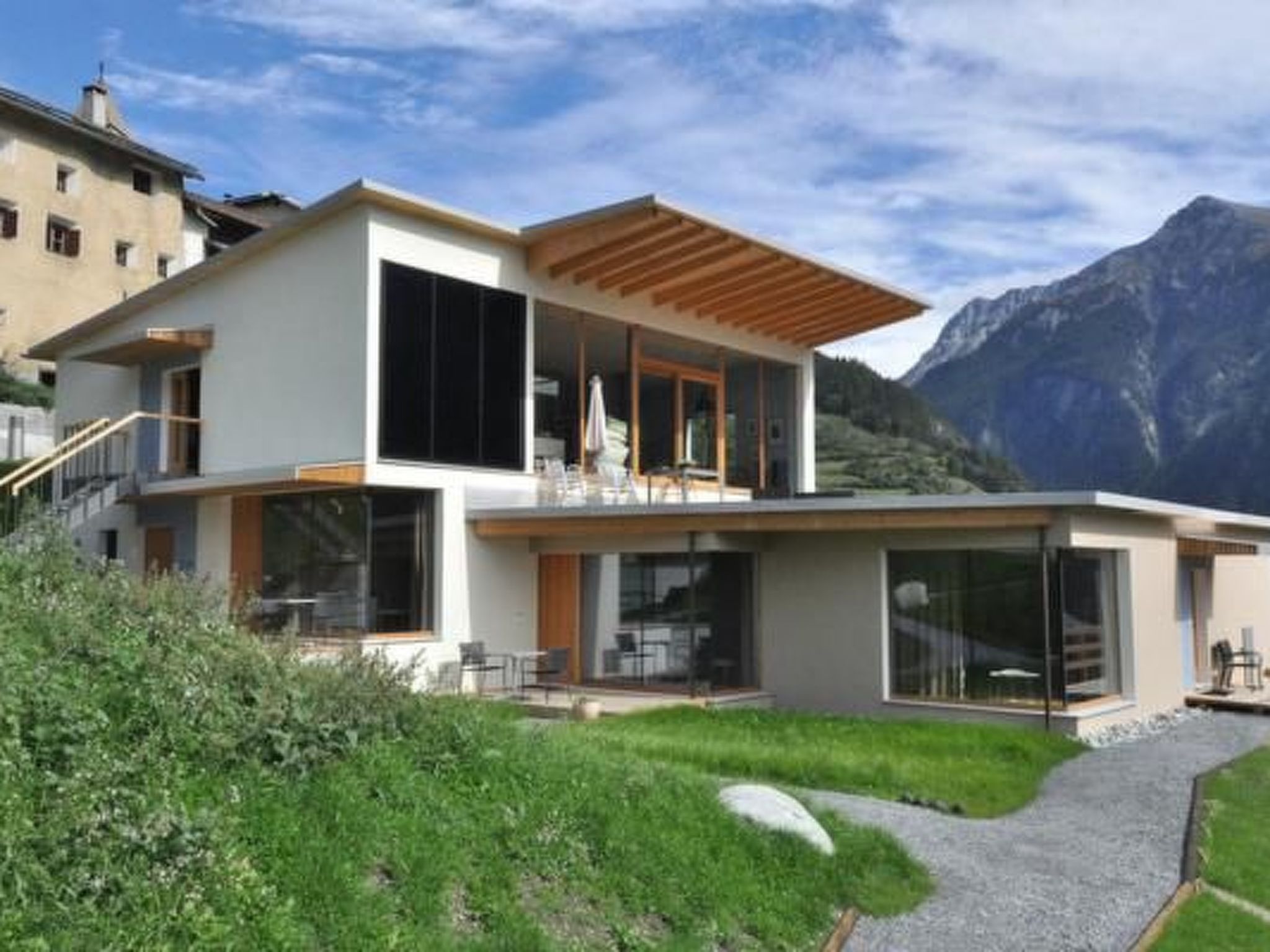
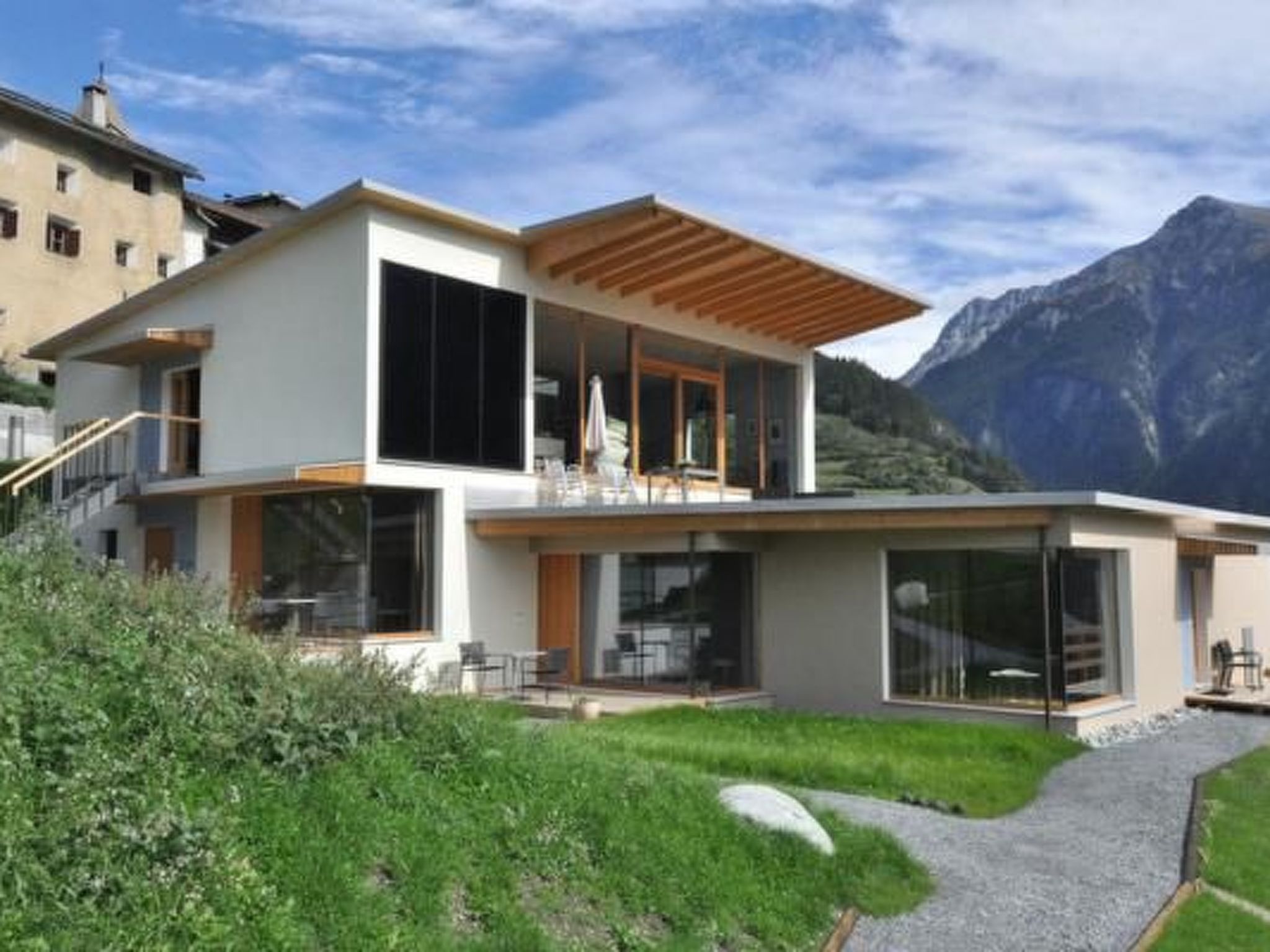
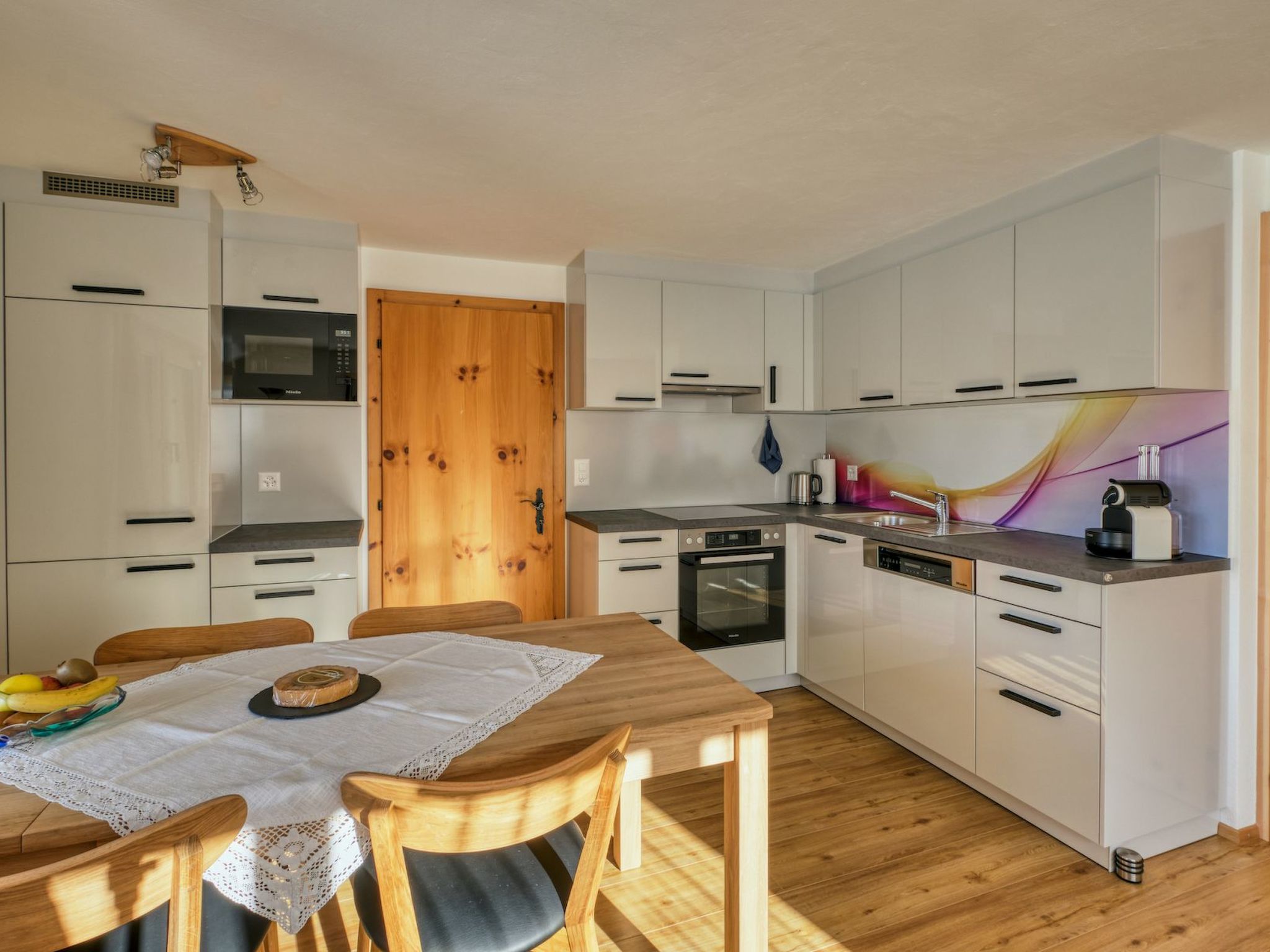
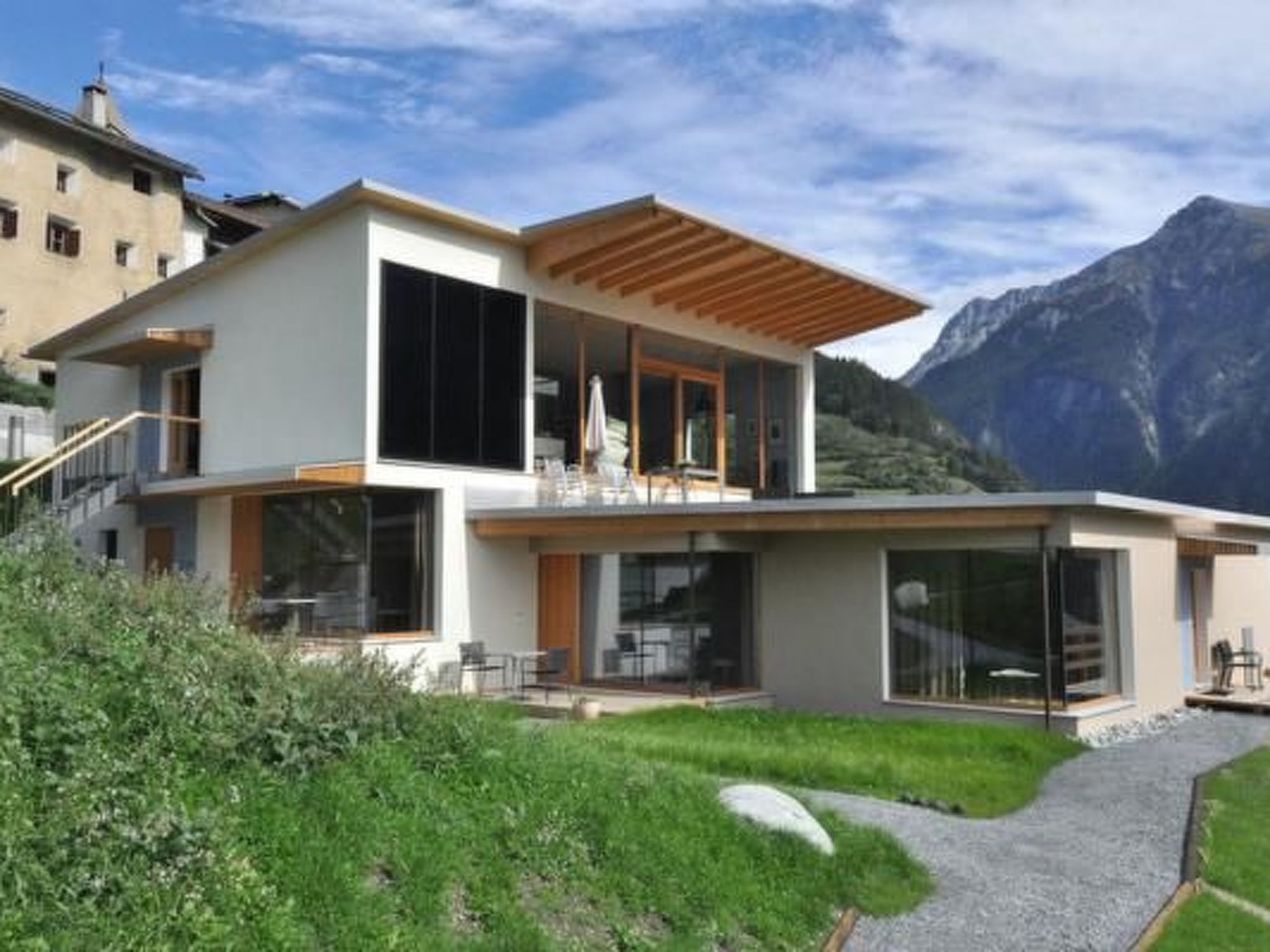
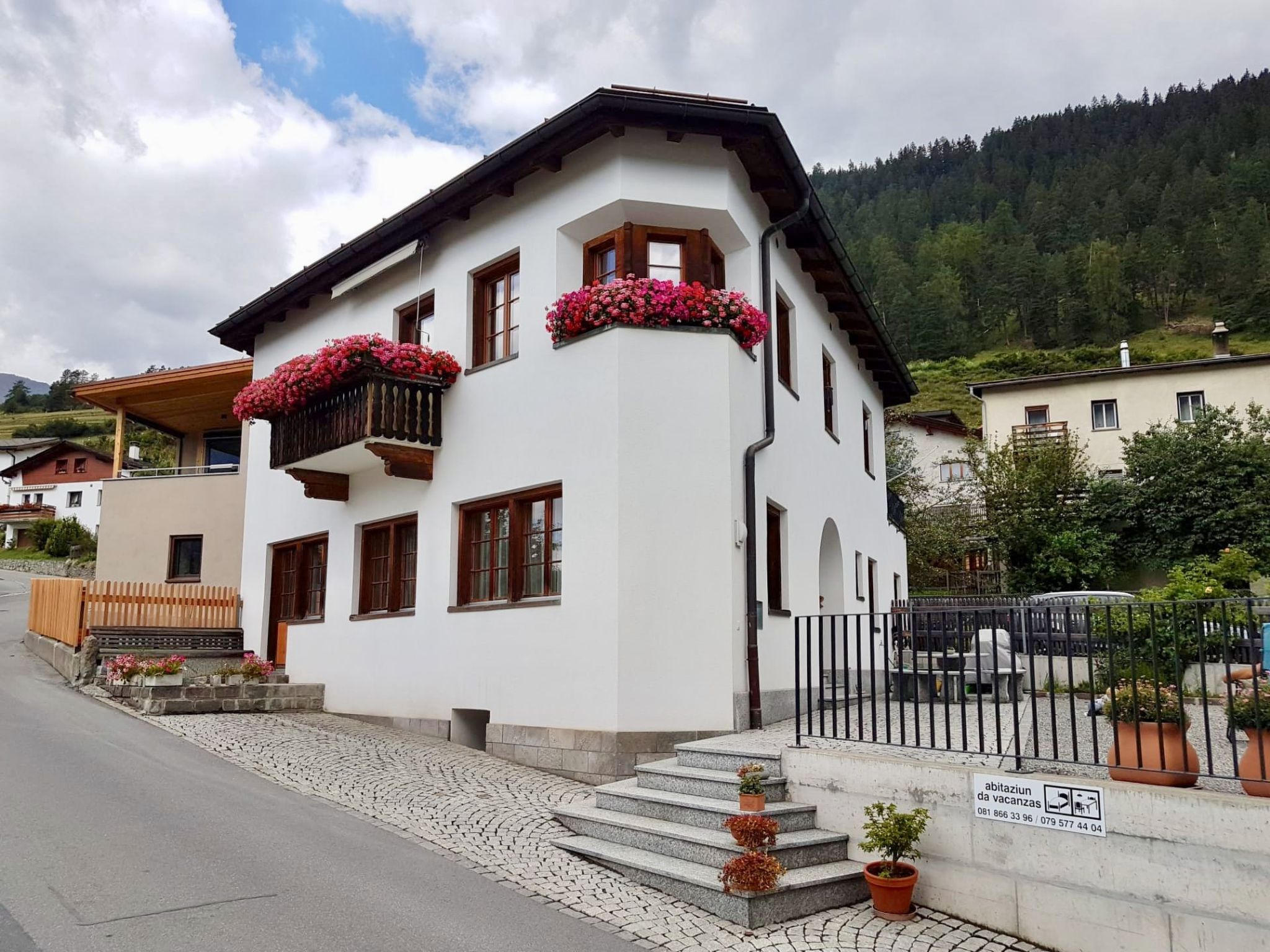
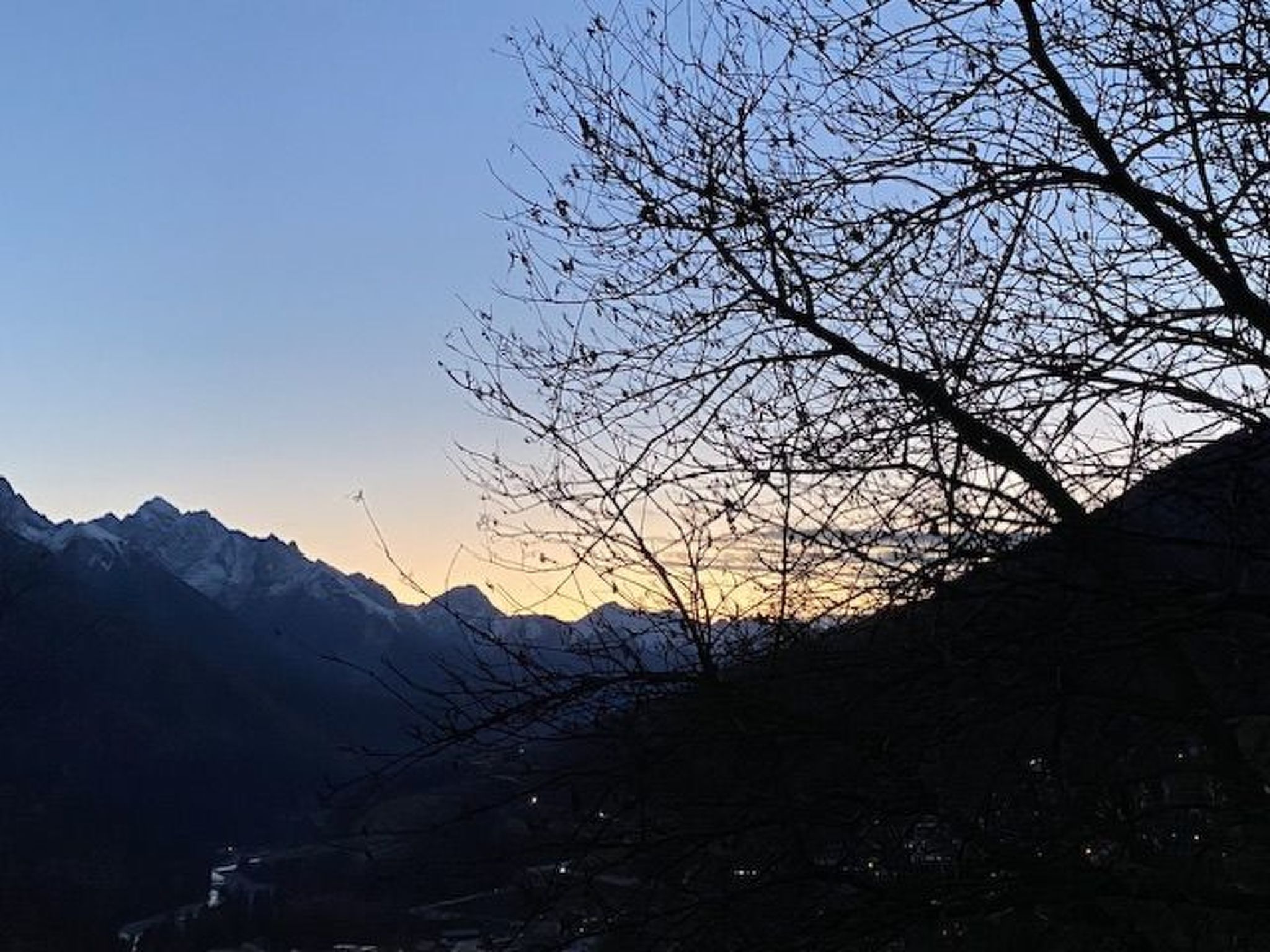
Leitner, (Ramosch)
Ramosch, Engadine, Switzerland
2
1
0
DishwasherWashing MachineFridge+5 more
from£64
per night
Schilana 80
Ramosch, Engadine, Switzerland
12
6
0
BBQParkingDishwasher+11 more
from£619
per nightRamosch villa holidays: questions answered
How do you get to Ramosch by public transport?
Take the Rhaetian Railway, which runs hourly to Scuol-Tarasp. From there a PostAuto bus goes to Ramosch, with a change at the Fermada stop if you are heading for the village square.
Is Ramosch good for walking?
Very much so. The walk from Ramosch to Sinestra is rated simple, covers 4.9 km in about an hour and three quarters, and looks down into the Brancla gorge the whole way, with a bus back from the end.
What language do people speak in Ramosch?
Mostly Romansh. It remains the first language for most residents, with German the second language.
Can you visit Tschanüff Castle from Ramosch?
Yes. The ruined castle stands within sight of the village and is a heritage site of national significance; guided village tours include the ruins along with the old Roman road and local excavations.
Nearby towns to Ramosch
Written by the TrustedVillas team. Last reviewed October 2026.
Find Your Perfect Villa in Ramosch
Our villa experts are here to help you find the ideal property for your vacation. Contact us for personalized recommendations.