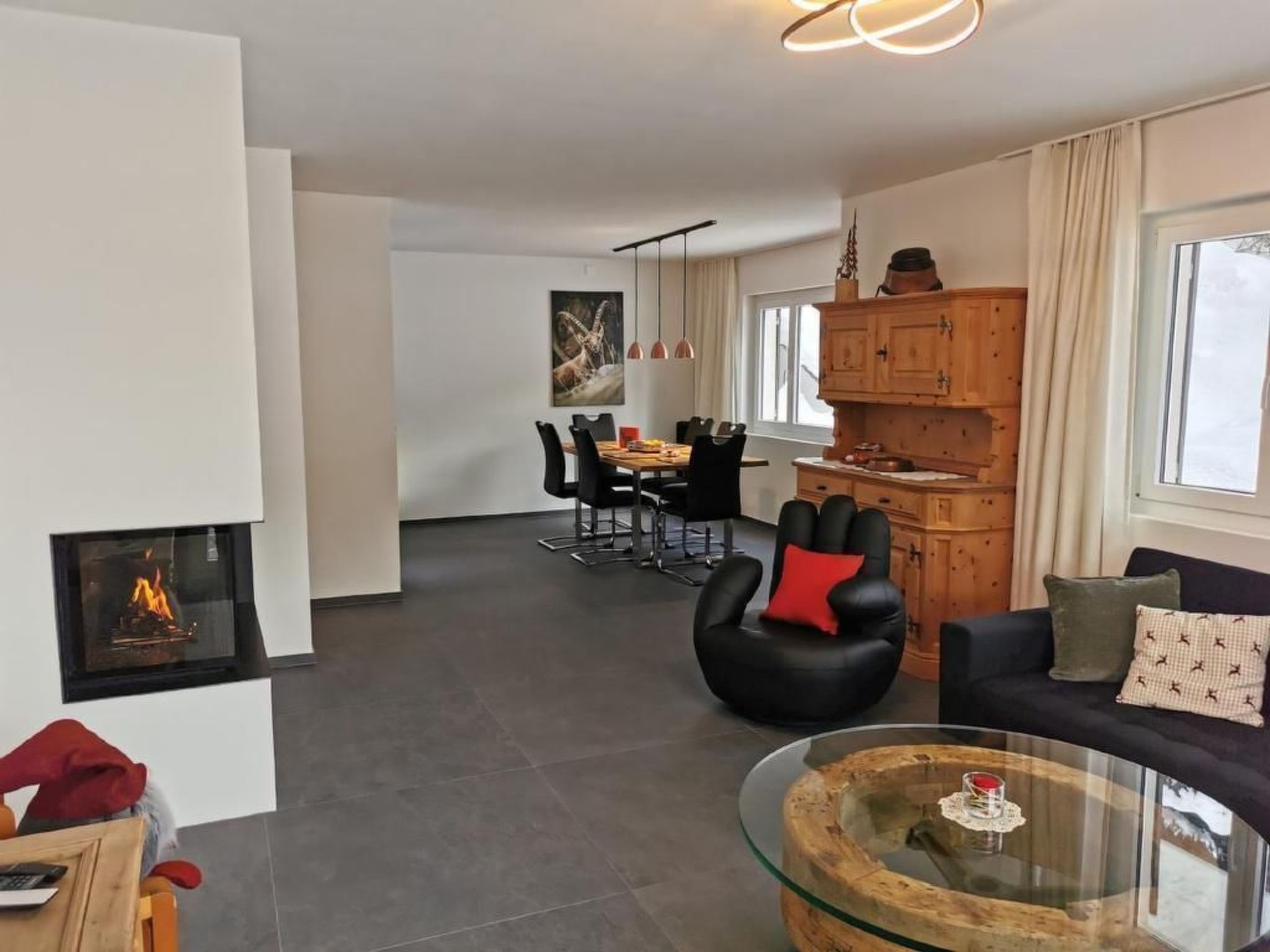
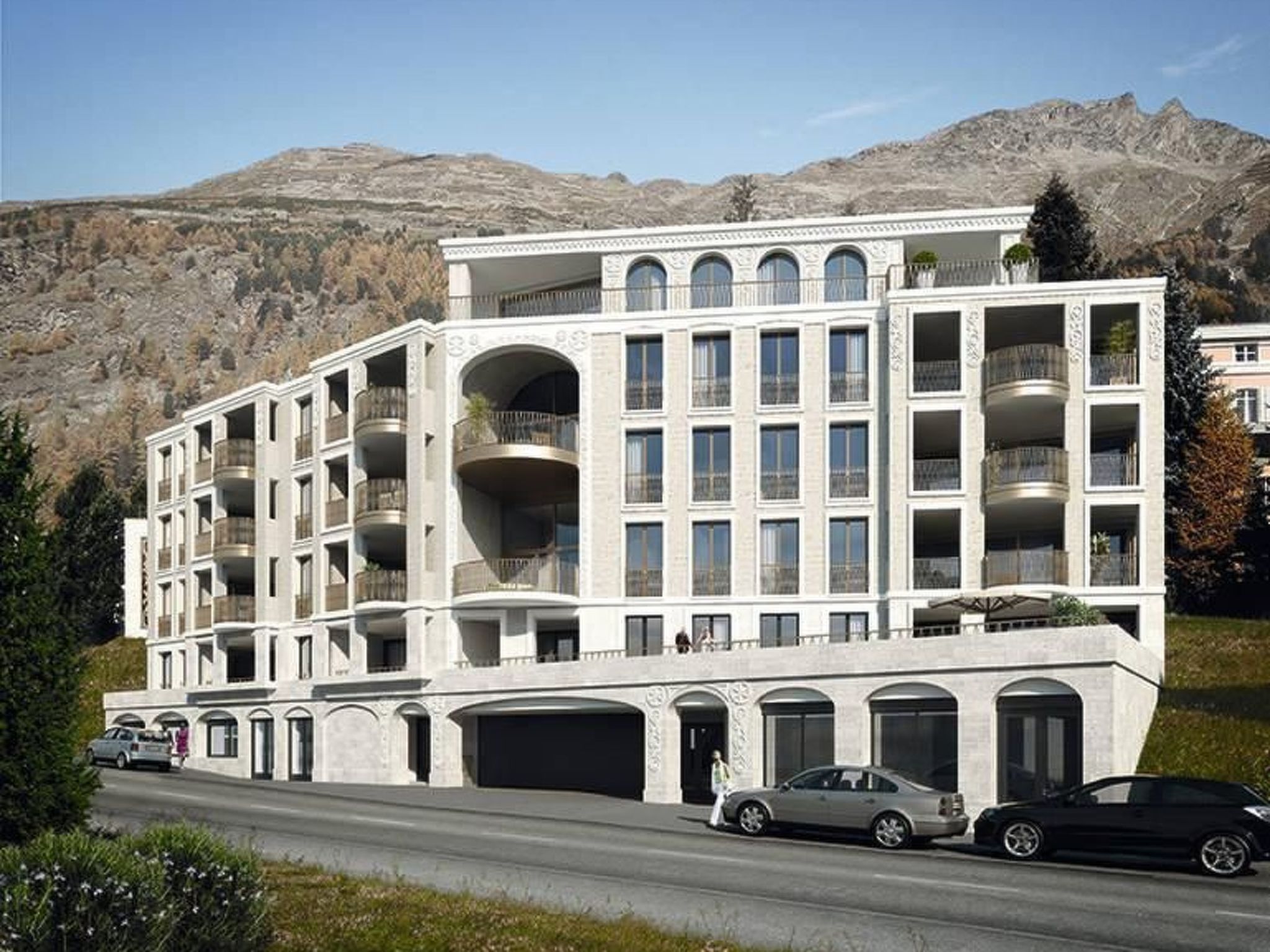
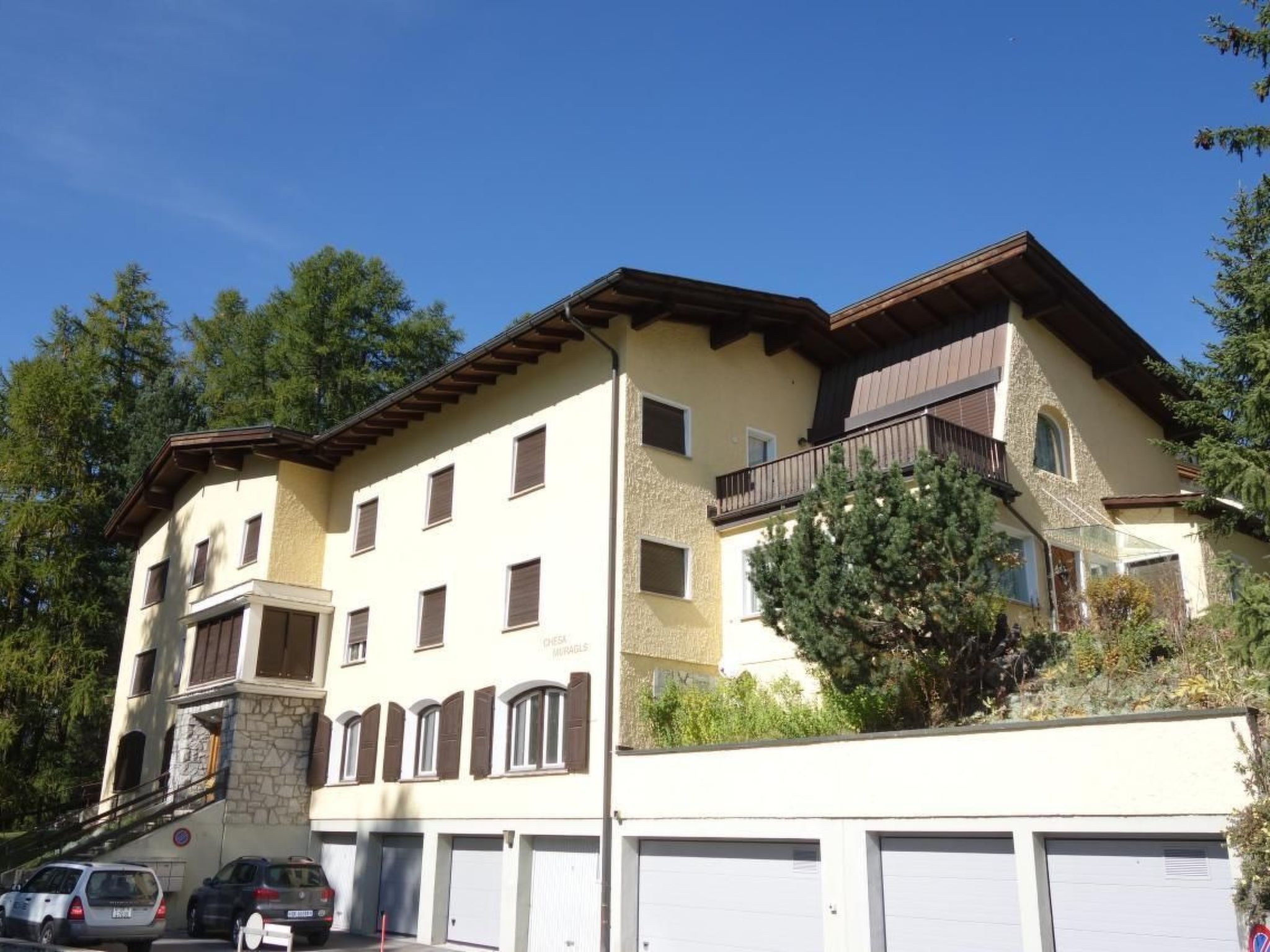
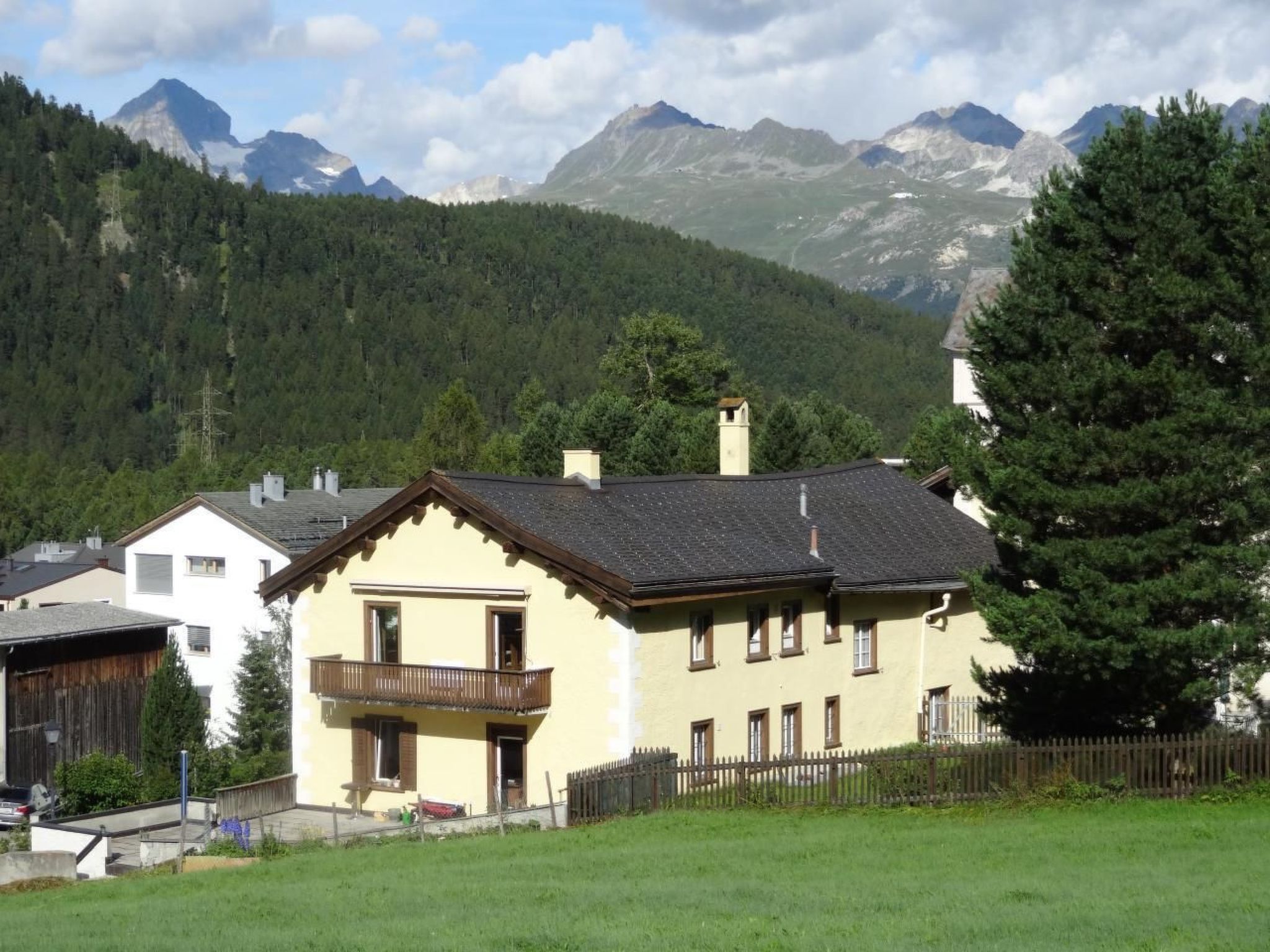
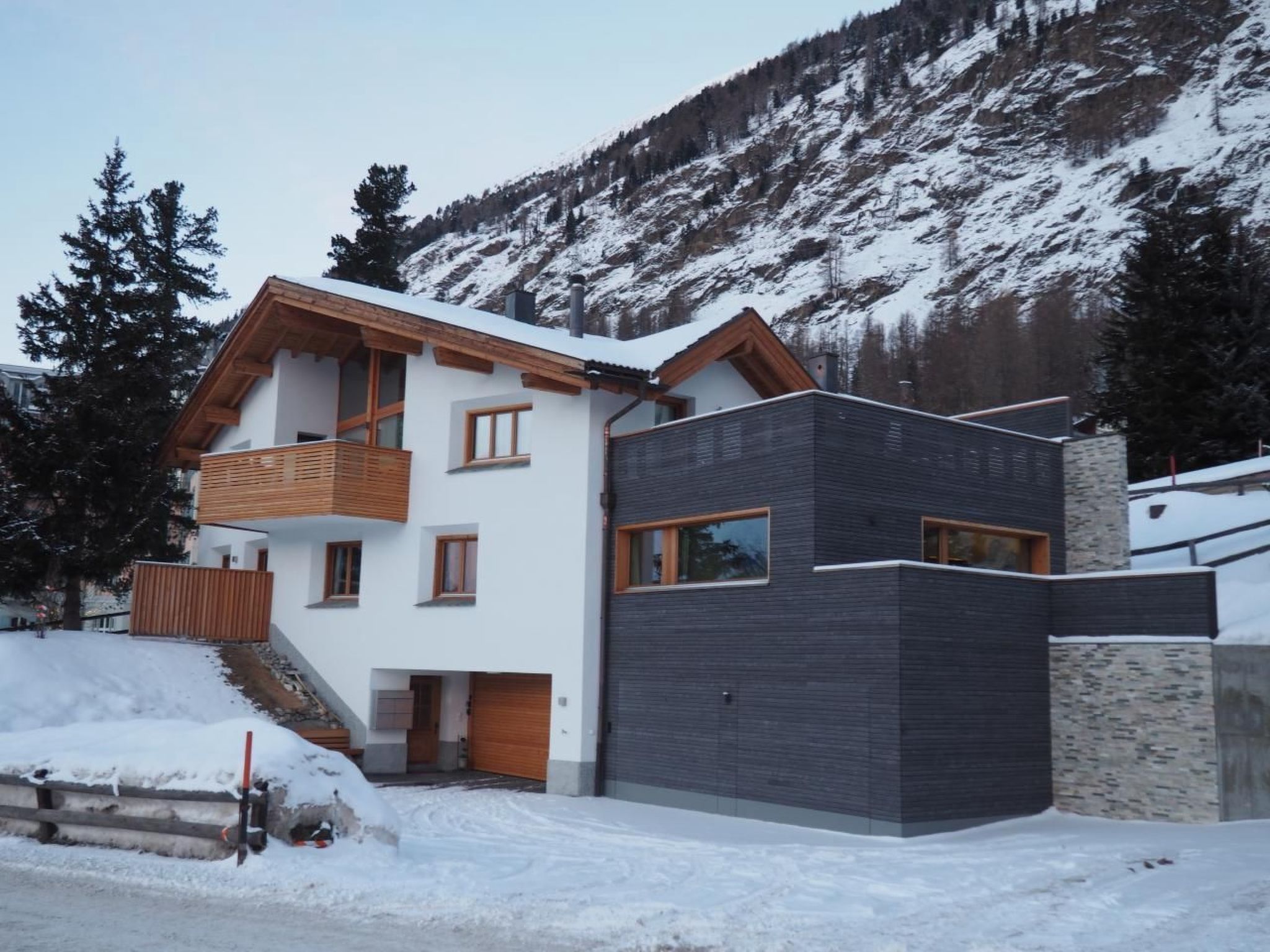
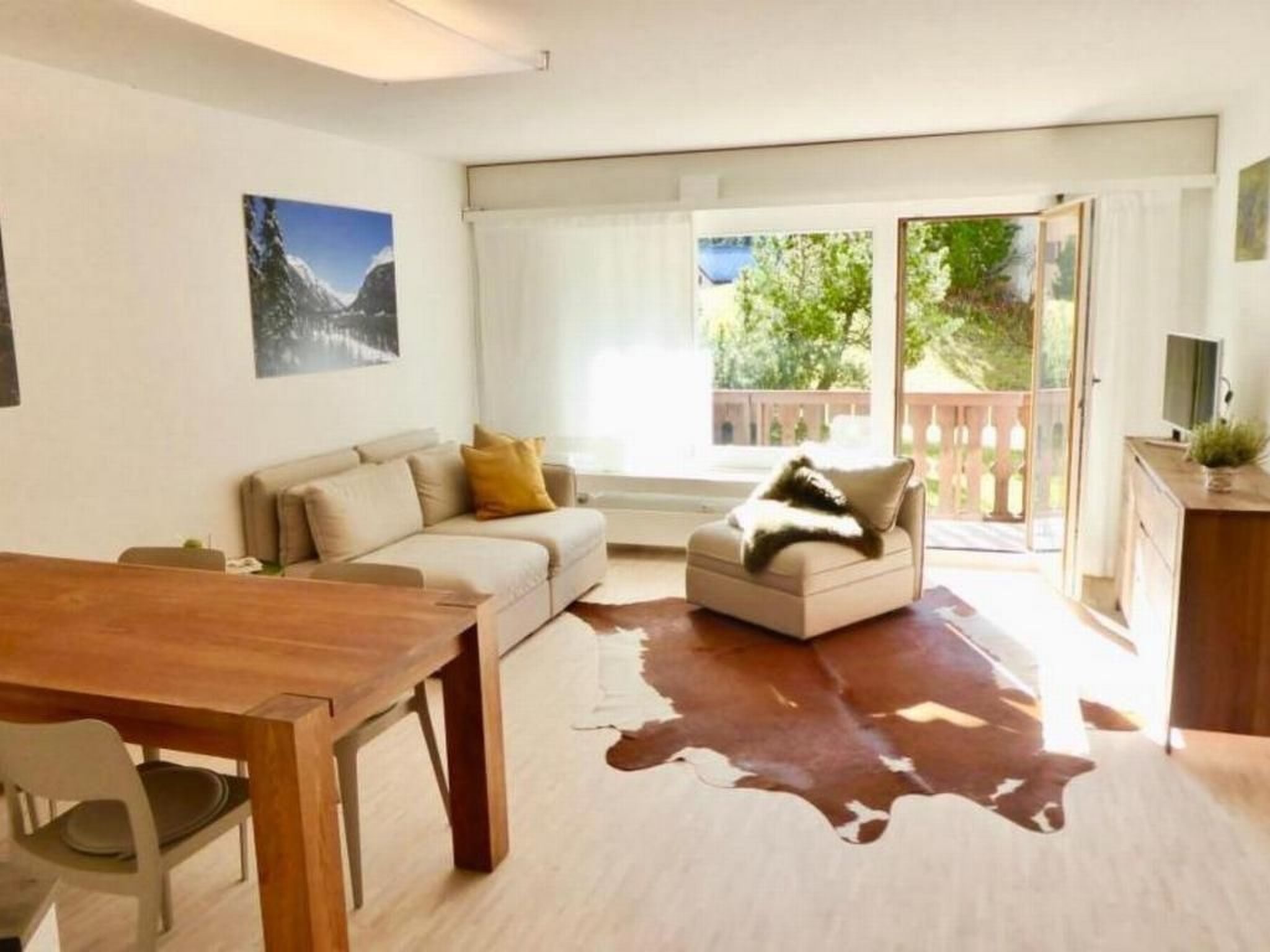
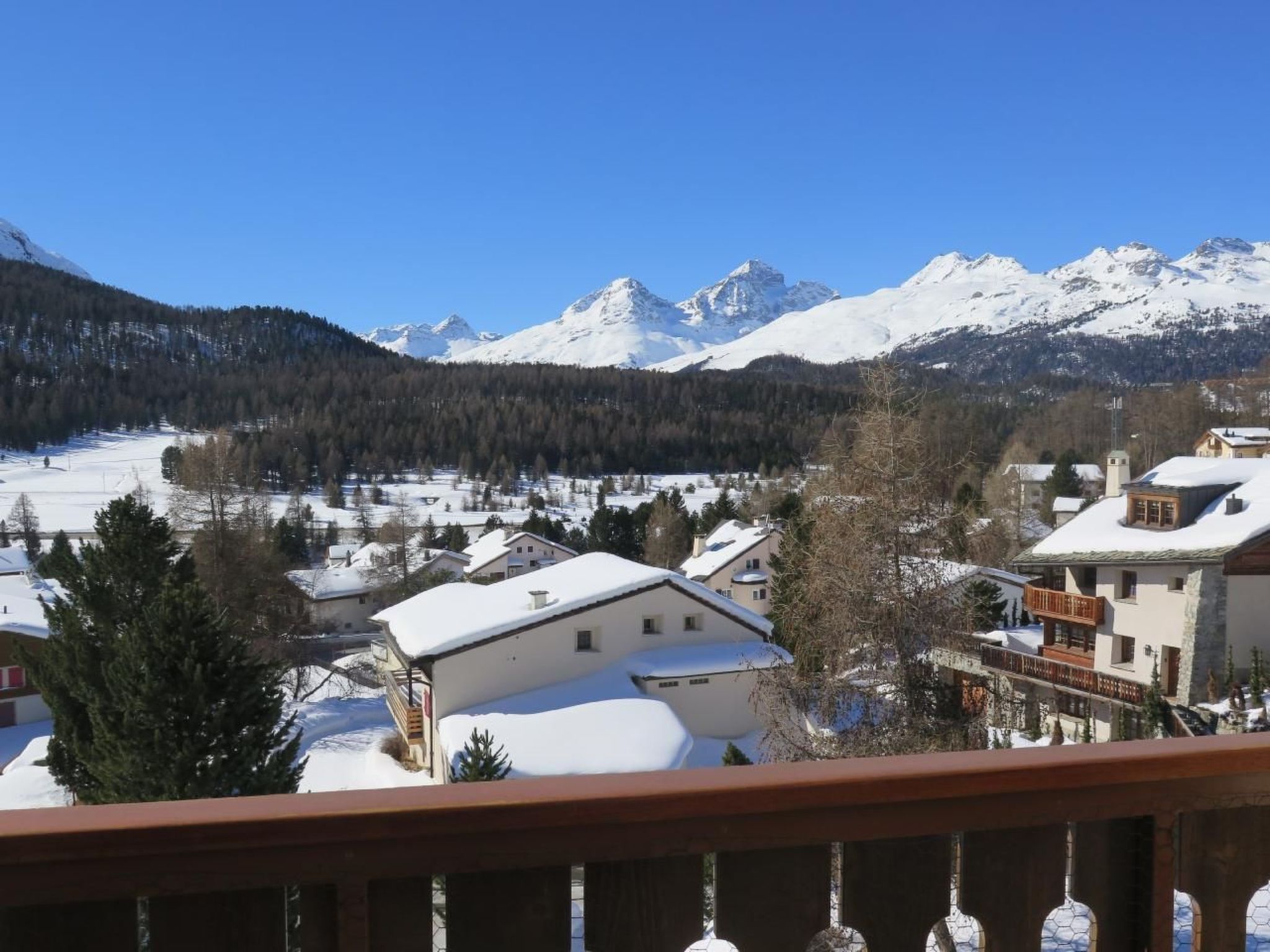
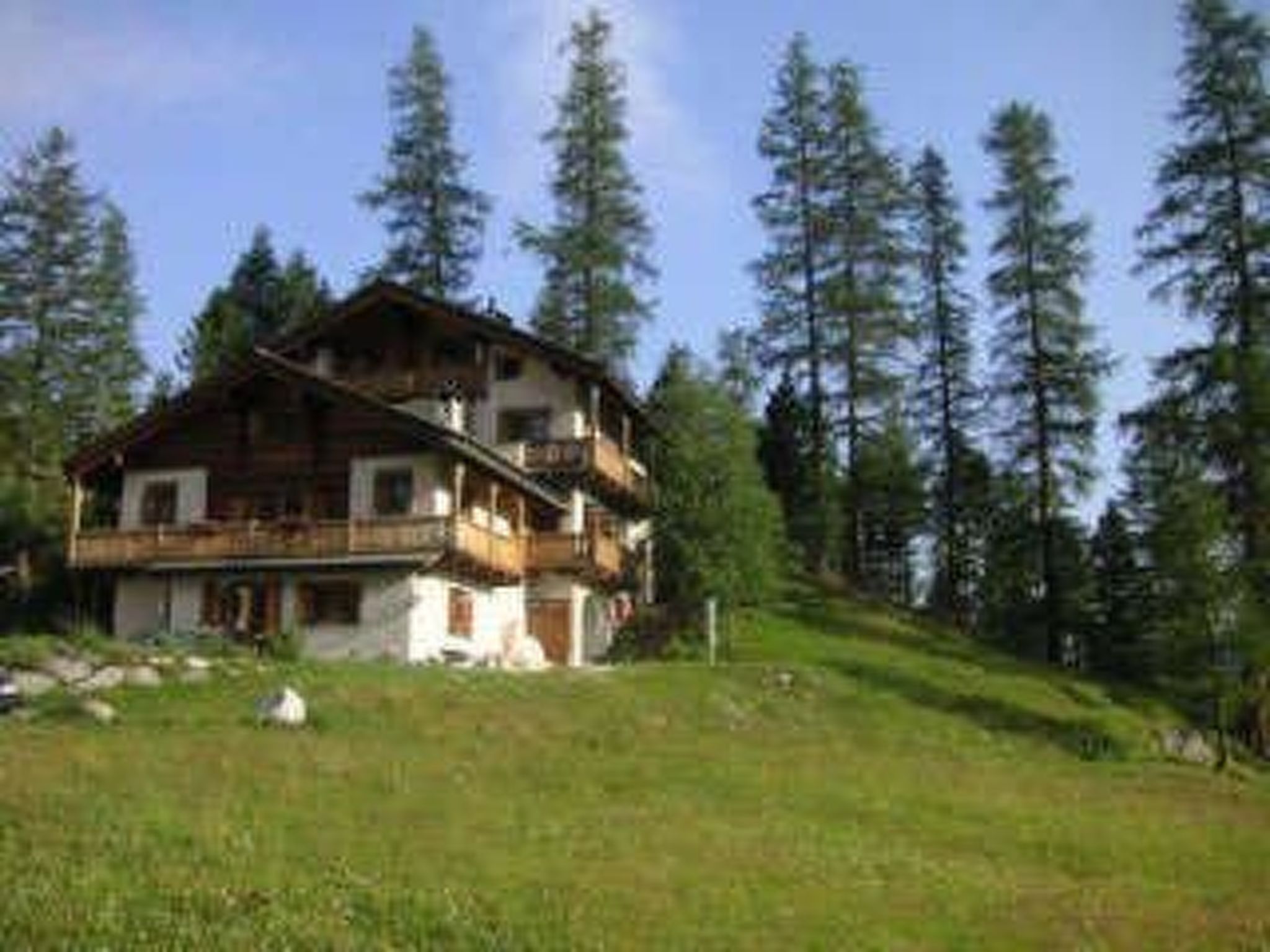
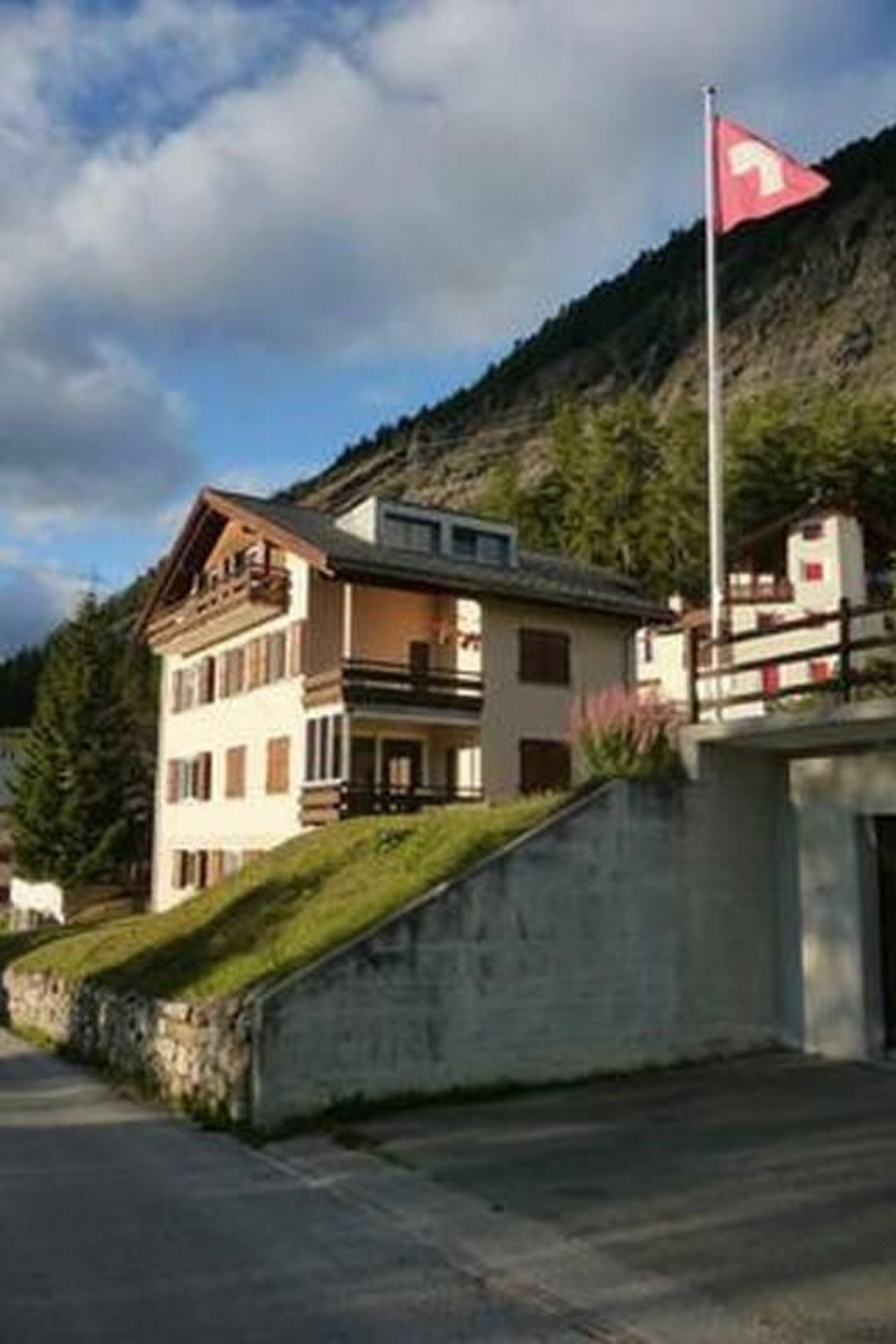
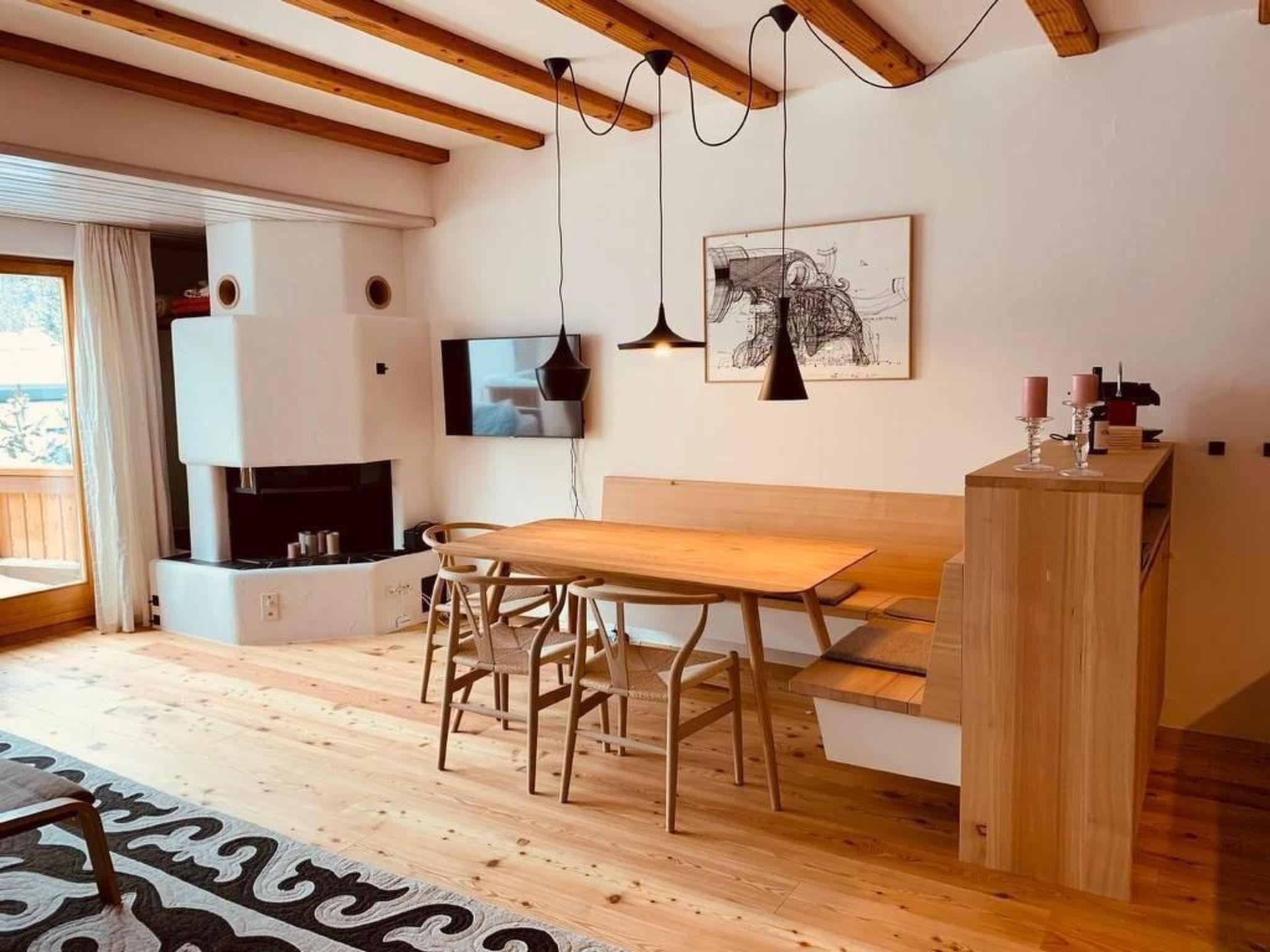
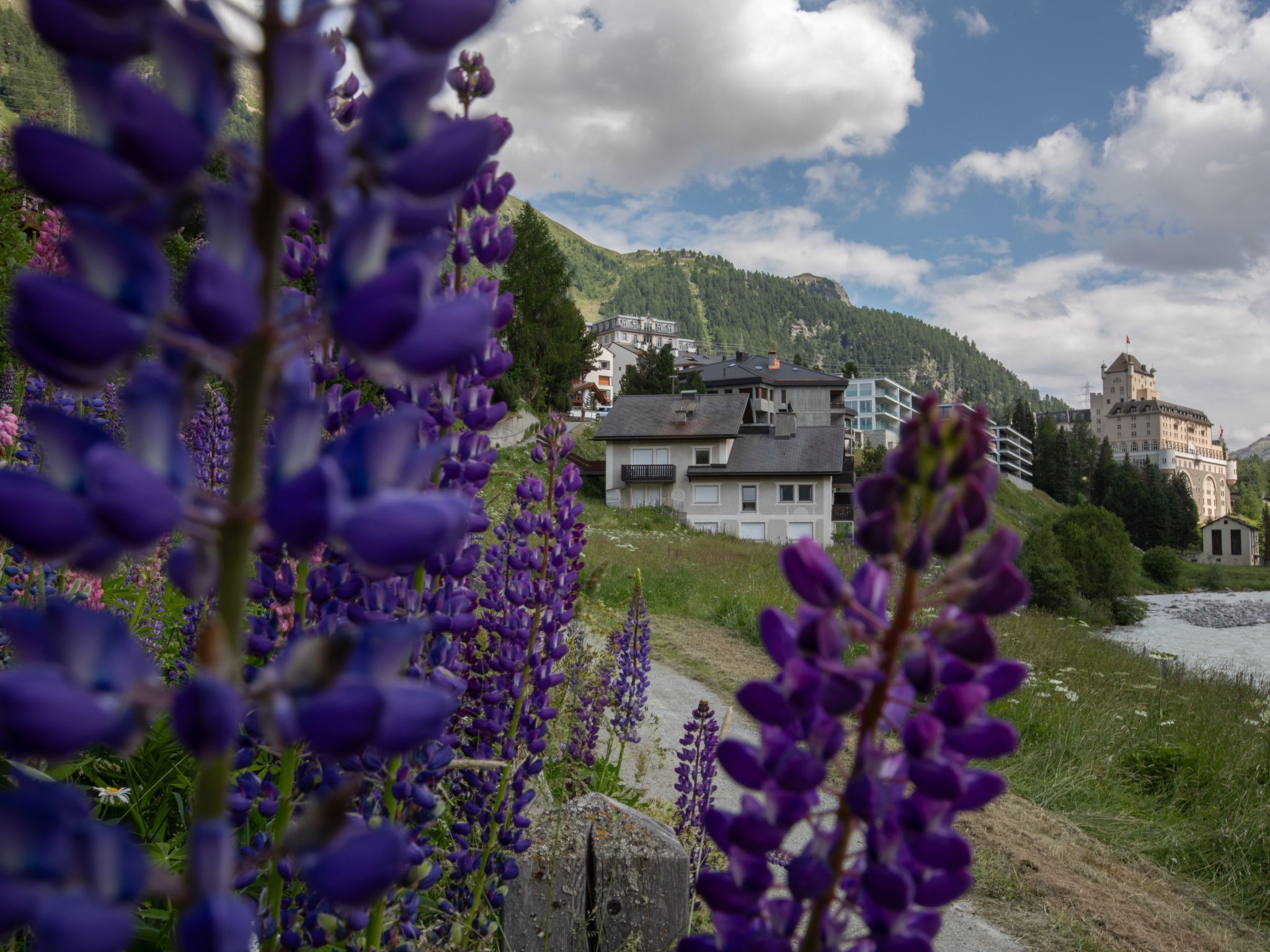
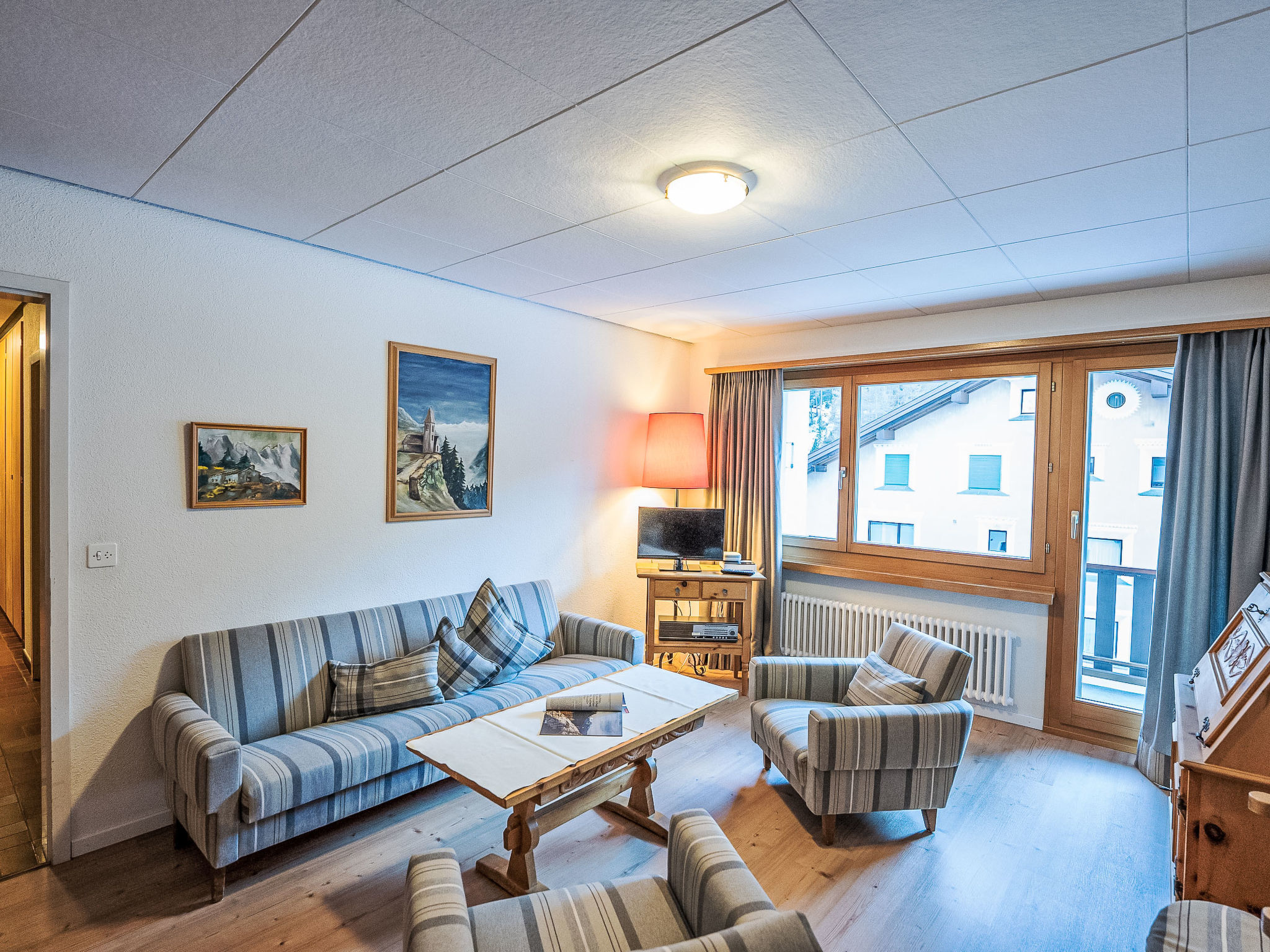
Engadine is where Switzerland stops broadcasting itself so aggressively. This long, high valley in the southeast maintains a quieter character than Valais or Bernese Oberland, despite harbouring St. Moritz, a resort name that carries global recognition. We visit Engadine when we want mountains with space to breathe. Villages like Guarda and Ardez have cultivated their appearance deliberately; traditional architecture coexists with contemporary life without compromise. The valley floor sits around 1,800 metres elevation, which means the light quality is noticeably different from lower regions: clearer, more expansive. Early spring light here exceeds most locations. Winter snow arrives reliably at valley elevations, which is unusual for Switzerland. The River Inn runs the valley's length, creating a defining landscape that shifts from open meadows to tight gorges as you travel. The overall experience feels more like authentic mountain living, less like performing tourism.
What Makes Engadine Special
- The high valley elevation (1,800 metres) means climate advantages and disadvantages exist simultaneously. Summer temperatures run 2–3°C cooler than lower regions, but winter snow reliability exceeds most Swiss valleys. Spring and autumn light is exceptional.
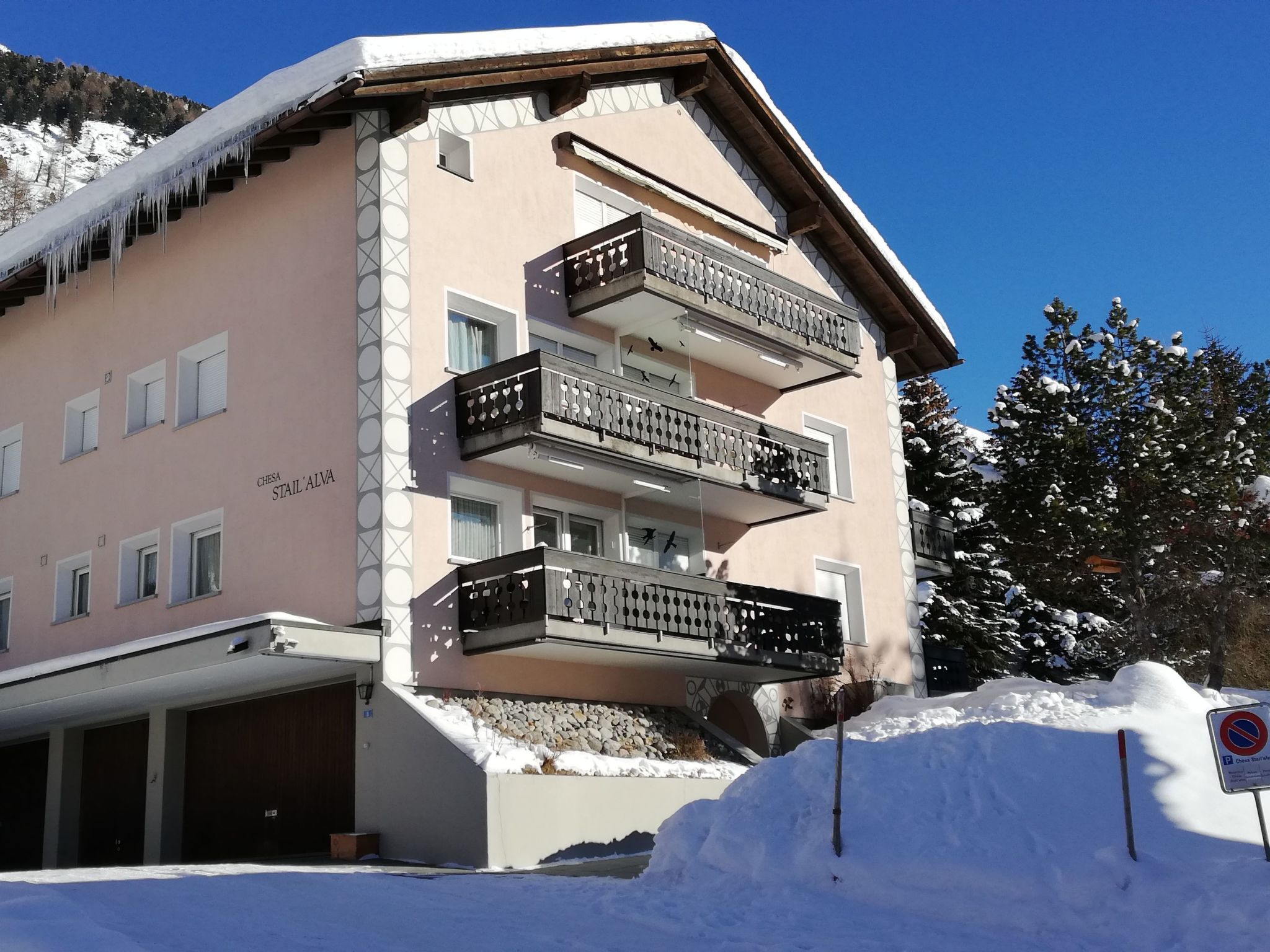
- Traditional architecture remains genuinely functional. Villages haven't been preserved like museums but rather live with their heritage integrated practically. Buildings feature original stonework, decorative sgraffito (wall incisions), and architectural details that reflect centuries of mountain living.
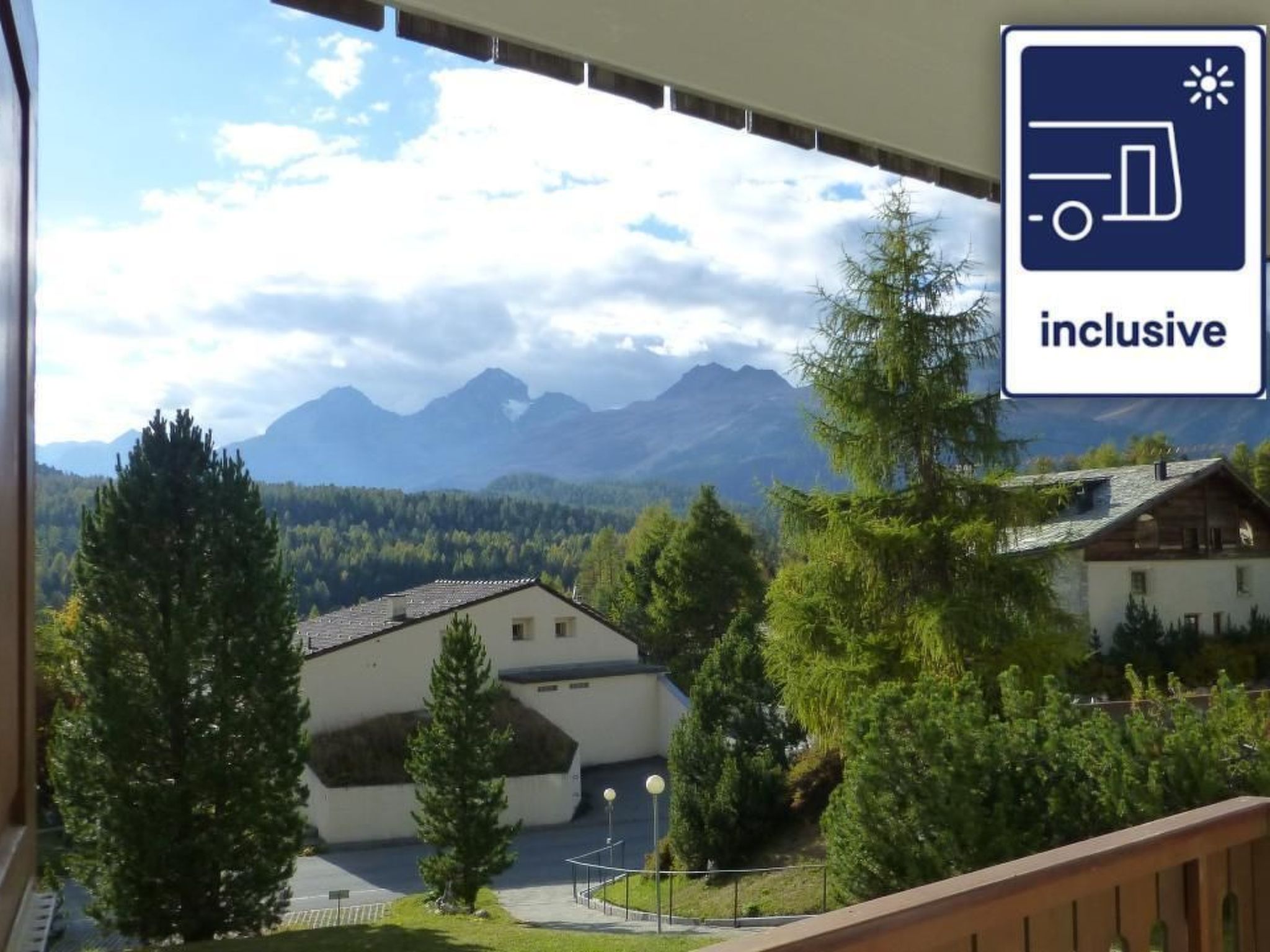
- The landscape's openness feels distinctly different. Peaks surround the valley, but the wide valley floor creates a sense of space absent from enclosed valleys. This openness combined with high elevation creates moods that shift throughout the day.
- St. Moritz brings infrastructure and restaurants without overwhelming quieter villages nearby. You can access world-class dining and culture within 30–50 minutes, then return to villages where local life continues regardless of tourism.
- The valley's length allows exploration without repetition. Rivers, gorges, meadows, and villages create varied terrain. A single valley delivers landscape diversity that usually requires travel between regions.
Top Towns & Resorts in Engadine
St. Moritz
St. Moritz wears its fame with confidence bordering on defiance. Yes, it's expensive. Yes, it attracts international wealth and the accompanying pretension. But the location genuinely justifies the attention: a high lake reflecting dramatic peaks, reliable sun exposure, and altitude sufficient for reliable winter snow. The resort culture here operates at a genuinely sophisticated level: restaurants, shops, and galleries service serious clientele. Summer brings culture and hiking alongside the famous people. Winter skiing and the famous bobsleigh run operate reliably. The main caveat: you're not experiencing authentic mountain living here; you're experiencing alpine luxury at global scale. Villas in St. Moritz command premium pricing (often double other Engadine locations) but deliver uncompromised amenities and views. Spring and autumn visits reduce crowds significantly while maintaining good weather.
Celerina & Corviglia
Celerina sits directly adjacent to St. Moritz but maintains distinctly separate character. You're close enough for restaurants and culture; far enough to avoid the resort atmosphere. Corviglia sits even higher (around 2,000 metres) on a mountain shelf above Celerina. Both locations benefit from exceptional sun exposure and views across the valley and toward the Bernina Pass peaks. Villas positioned here cost 30–40% less than St. Moritz equivalents while maintaining comparable views and often superior quietness. Summer hiking branches in all directions; winter skiing integrates with the region's network. Celerina feels like a genuine village; Corviglia feels like a high mountain hamlet. Both deliver authenticity St. Moritz struggles to maintain.
Find Villas in Celerina & Corviglia →
Guarda
Guarda sits roughly 30 minutes south of St. Moritz and exists in a different universe emotionally. The village consists almost entirely of traditional buildings featuring elaborate sgraffito: exterior wall art created by incising plaster to reveal layers beneath. The result is a village that feels both genuinely historical and livelyly contemporary. Population here remains small; shops and restaurants operate modestly. The surrounding landscape offers hiking ranging from valley walks to high alpine traverses. Spring snow melt creates dramatic waterfall displays. The main consideration: Guarda is genuinely quiet. If you're seeking restaurants and nightlife, St. Moritz is 30 minutes away; if you're seeking solitude, you've found it. Summer brings cultural tourists appreciating the architecture; winter brings skiers accessing nearby terrain. Villas positioned in Guarda deliver exceptional value and character.
Ardez & Scuol
Ardez mirrors Guarda's architectural focus with similarly elaborate sgraffito traditions. The village clusters compactly; a five-minute walk reaches open countryside. Scuol sits downstream (south) from Ardez and functions as a small resort with thermal baths (natural hot springs attracting spa-focused visitors). The landscape here opens slightly; the valley widens as you head south. Wines from the lower Engadine region appear in local restaurants with increasing frequency. Both villages maintain working-village character; they're not performance pieces. The main drawback: they're more remote from St. Moritz's amenities. Roughly 45–60 minutes south puts them in a different Engadine experience (wilder, quieter, less developed). This suits those prioritising valley character over resort convenience.
Find Villas in Ardez & Scuol →
Upper Engadine (Sils, Silvaplana)
The upper valley above St. Moritz contains lakes (Sils lake, Silvaplana lake) and villages that blend water and mountains seamlessly. Sils and Silvaplana sit on opposite sides of Sils lake, each offering distinct character. Summer brings hikers and mountain bikers; the landscape opens into meadows surrounded by rock peaks. Winter brings reliable snow and hiking across frozen lakes (ice hiking is permitted in good conditions). The towns are smaller than St. Moritz but larger than southern villages: a middle ground for those wanting quietness without complete remoteness. Villas here often feature lake views or lake access; property costs run considerably below St. Moritz despite comparable locations.