Villas in Lavin
Lavin suits walkers and train travellers who want a small Lower Engadine village with its own station and a spacious, piazza-like square. A cheese dairy and a bakery lie on the way to the square. With only a little over 200 residents, it is a place for early nights rather than a night out.
- Villas
- 5
- From, per week
- £893
About Lavin
Lavin is a linear village of a little over 200 people at 1,412 metres on the left bank of the Inn, in the Lower Engadine. Since 2015 it has been part of the municipality of Zernez. Rebuilt after a great fire in 1869, it took on an Italian character, and its palazzo-like houses earn it the name Italianità Engiadinaisa. A cheese dairy and a bakery sit on the way to the spacious village square, and there is a hotel terrace. Most people speak Romansh in its Vallader form. The homes are grouped together in the village, most sleeping about four, though a few take bigger groups.
Is Lavin right for you?
- Best for
- Car-free hiking holidays in a Romansh village on the railway
- Not for you if
- You want a resort with a choice of restaurants and some evening life.
Near Lavin
Chamonna dal Linard
A hut serviced in the summer months, on a difficult eight-hour circuit from Lavin station with Piz Linard, the highest peak of the Silvretta, in view.
Lais da Macun
A hike in the Swiss National Park, and one of the better known outings for walkers based in Lavin.
Gonda
An abandoned village first mentioned around 1160, deserted by the 17th century, restored in 1983 and now a Swiss heritage site of national significance.
Getting to Lavin
Rhaetian Railway trains run hourly to Lavin from Chur, the Prättigau and the Upper Engadine, and by road the village is about two minutes from the Vereina tunnel's south portal. From Zurich main station the train takes around three and a quarter hours via Landquart; the drive is around two hours. You can manage without a car.
Villas in Lavin

5-star property
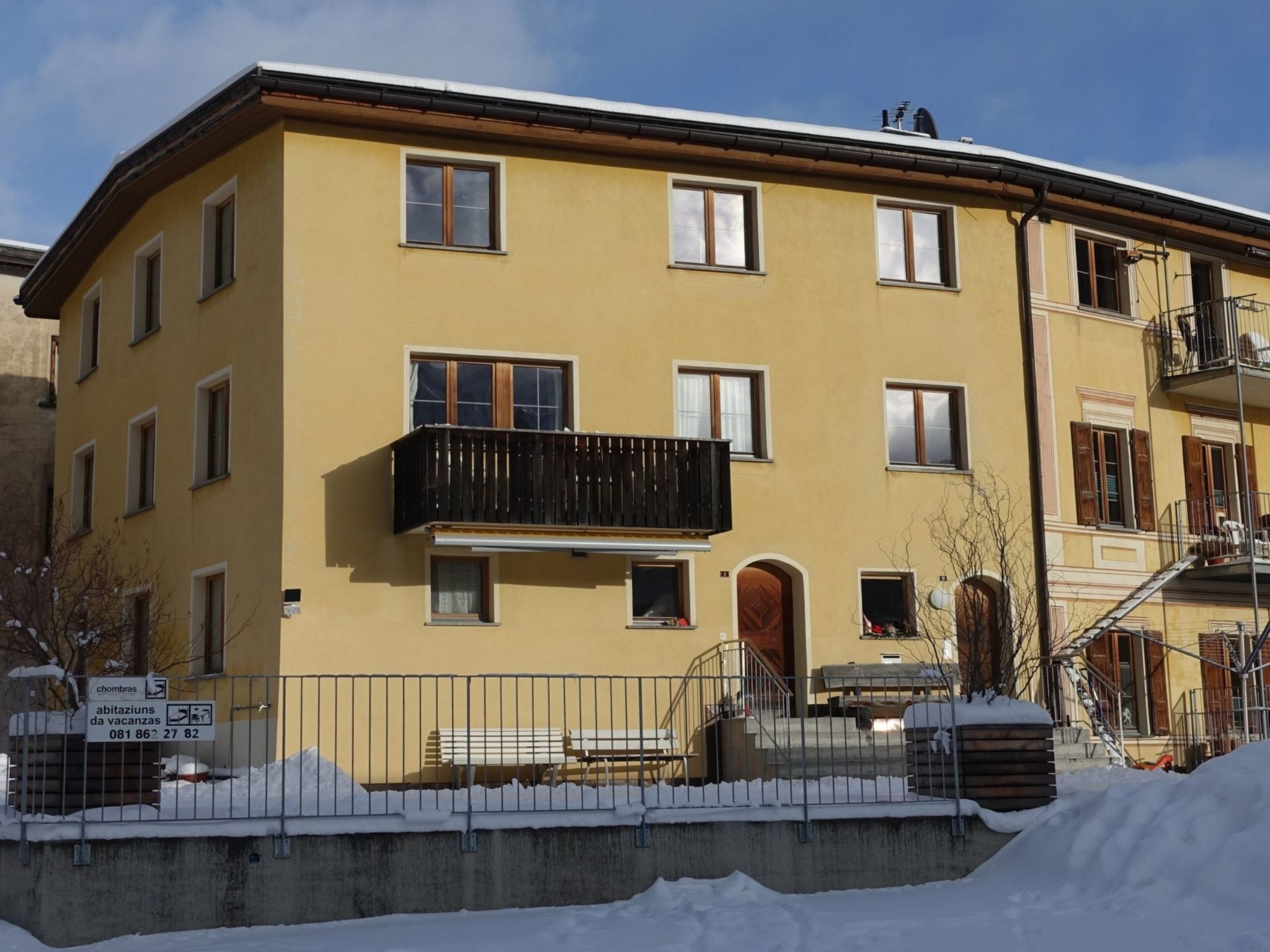
3-Bedroom Home, Lavin
Lavin, Engadine, Switzerland
4
3
0
BBQParkingDishwasher+9 more
from£128
per night
5-star property
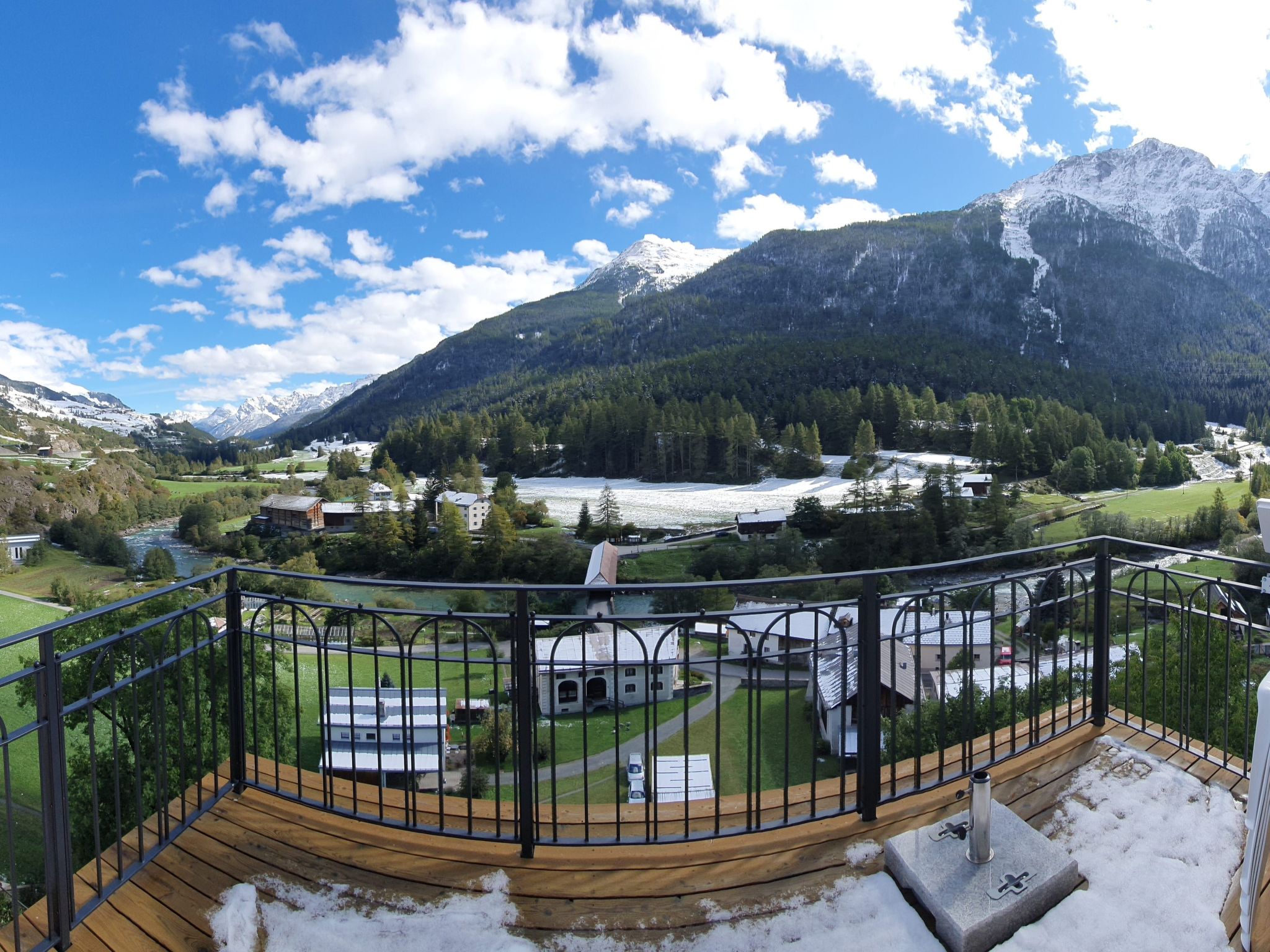
1-Bedroom Home, Lavin
Lavin, Engadine, Switzerland
5
1
0
DishwasherFireplaceTerrace+7 more
from£128
per night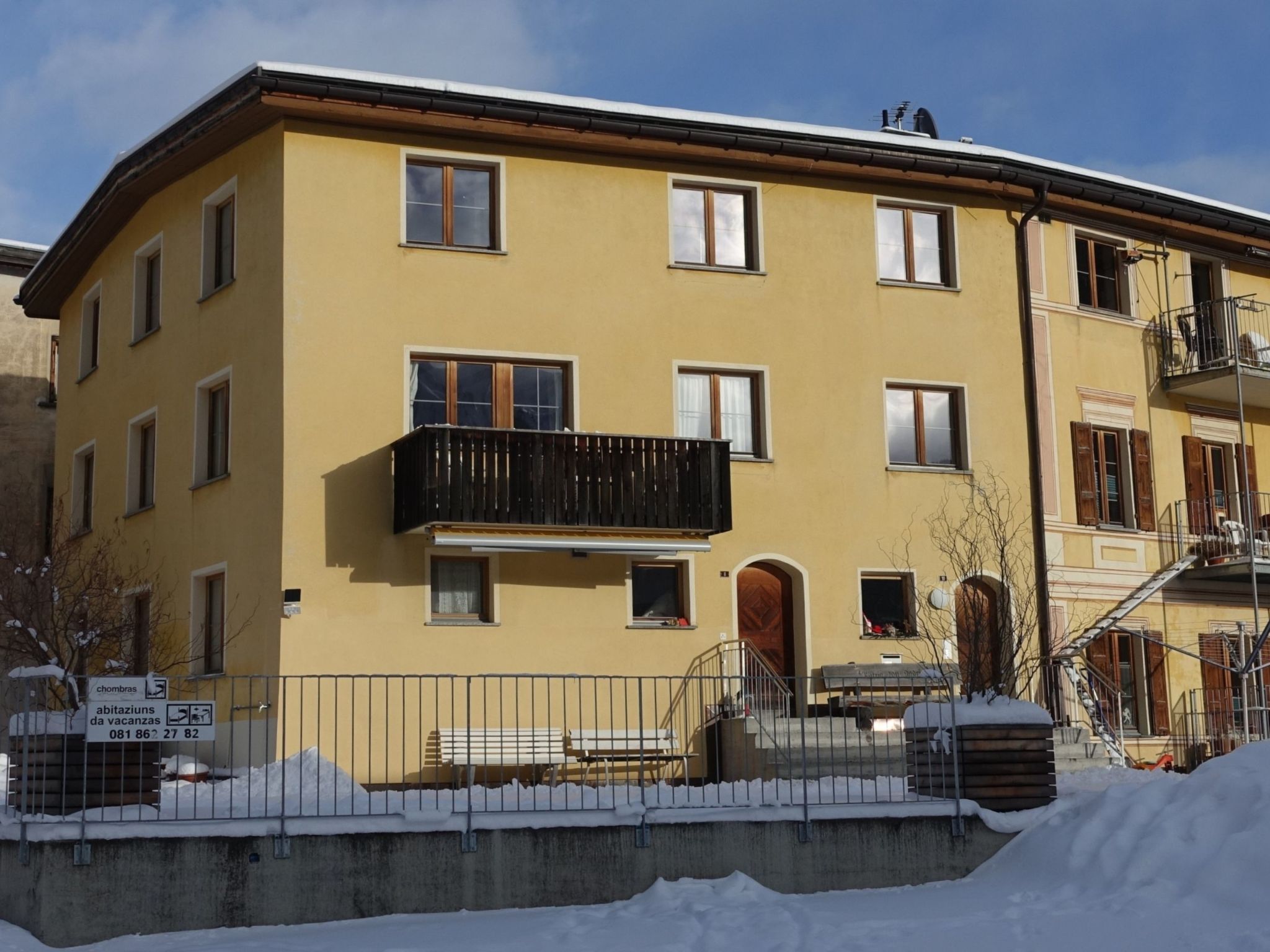
Lavin villa holidays: questions answered
Can you get to Lavin by train?
Yes. Lavin has its own Rhaetian Railway station with hourly trains from Chur, the Prättigau and the Upper Engadine, so a car-free stay works well here.
Why does Lavin look Italian?
Because of how it was rebuilt. After a great fire in 1869 the village took on an Italian character, and arriving visitors are reminded of a piazza in old Milan by its spacious square.
Is Lavin good for hiking?
Very much so. A difficult 16 km circuit past the Chamonna dal Linard hut starts from the station and takes about eight hours, and the Lais da Macun hike in the National Park is another option.
What language do people speak in Lavin?
Mostly Romansh. About three quarters of residents spoke it in 2000, in the Vallader dialect, and German was the second language for most of the rest.
Nearby towns to Lavin
Written by the TrustedVillas team. Last reviewed November 2026.
Find Your Perfect Villa in Lavin
Our villa experts are here to help you find the ideal property for your vacation. Contact us for personalized recommendations.