Villas in Ardez
Ardez suits walkers and families who want a small Romansh village of painted houses in the Lower Engadine, with a station and a castle ruin. Homes sleep up to ten. It is a long way from Zurich, nearly four hours by train, and quiet in the evenings.
- Villas
- 6
- From, per week
- £620
About Ardez
Ardez sits on a terrace above the Inn at about 1,460 metres, on the left bank of the river in the Lower Engadine. It has belonged to Scuol since 2015 and had just over 400 residents before the merger. The village is known for keeping the Romansh language and way of life, and for its many protected houses with painted facades and sgraffito work; it was one of four Swiss model villages for European Monument Preservation Year in 1975. Above it stands Steinsberg Castle, the Chastè, a site with prehistoric, medieval and church remains. The homes are grouped together in the village, most sleep around five, and some take eight or more.
Is Ardez right for you?
- Best for
- Walkers and lovers of old Engadin villages
- Not for you if
- You want ski lifts or nightlife on the doorstep, because Ardez is a small village of a few hundred people.
Near Ardez
Guarda
A village on a sunny terrace above the Inn, linked to Ardez by a simple 4.8 km walk of about an hour and a half via the hamlet of Bos-cha.
Scuol
The village that gives its name to the municipality Ardez joined in 2015, with hotels and rafting trips nearby.
Getting to Ardez
Fly to Zurich. The train takes about 3 hours 45 minutes, changing at Landquart and Klosters Platz for Ardez station, which has served the village since 1913. Driving takes around 2 hours 25 minutes. A car helps for trips beyond the railway.
Villas in Ardez

5-star property
Trais Fluors
Ardez, Engadine, Switzerland
2
1
0
ParkingFireplaceWashing Machine+7 more
from£89
per night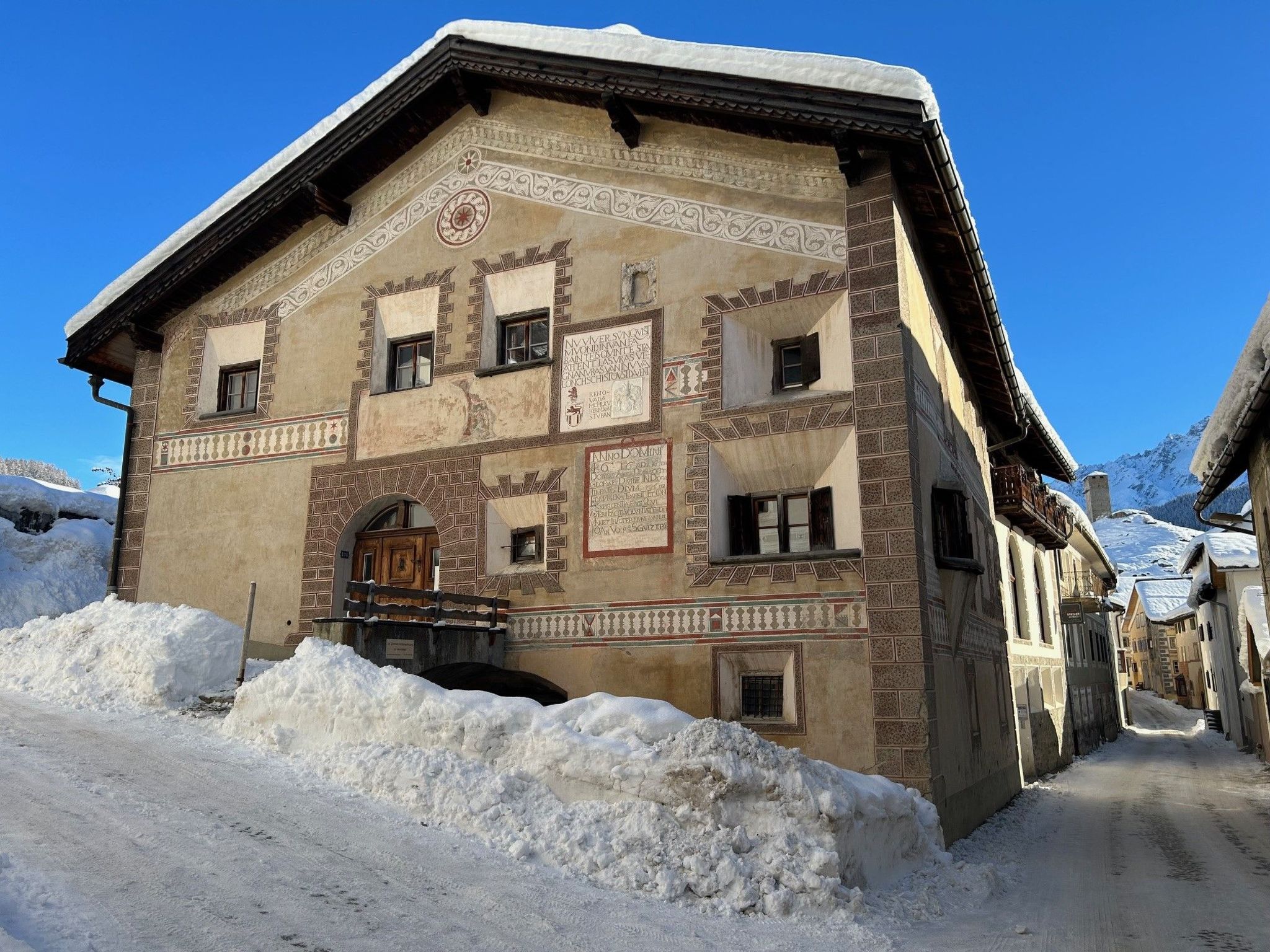
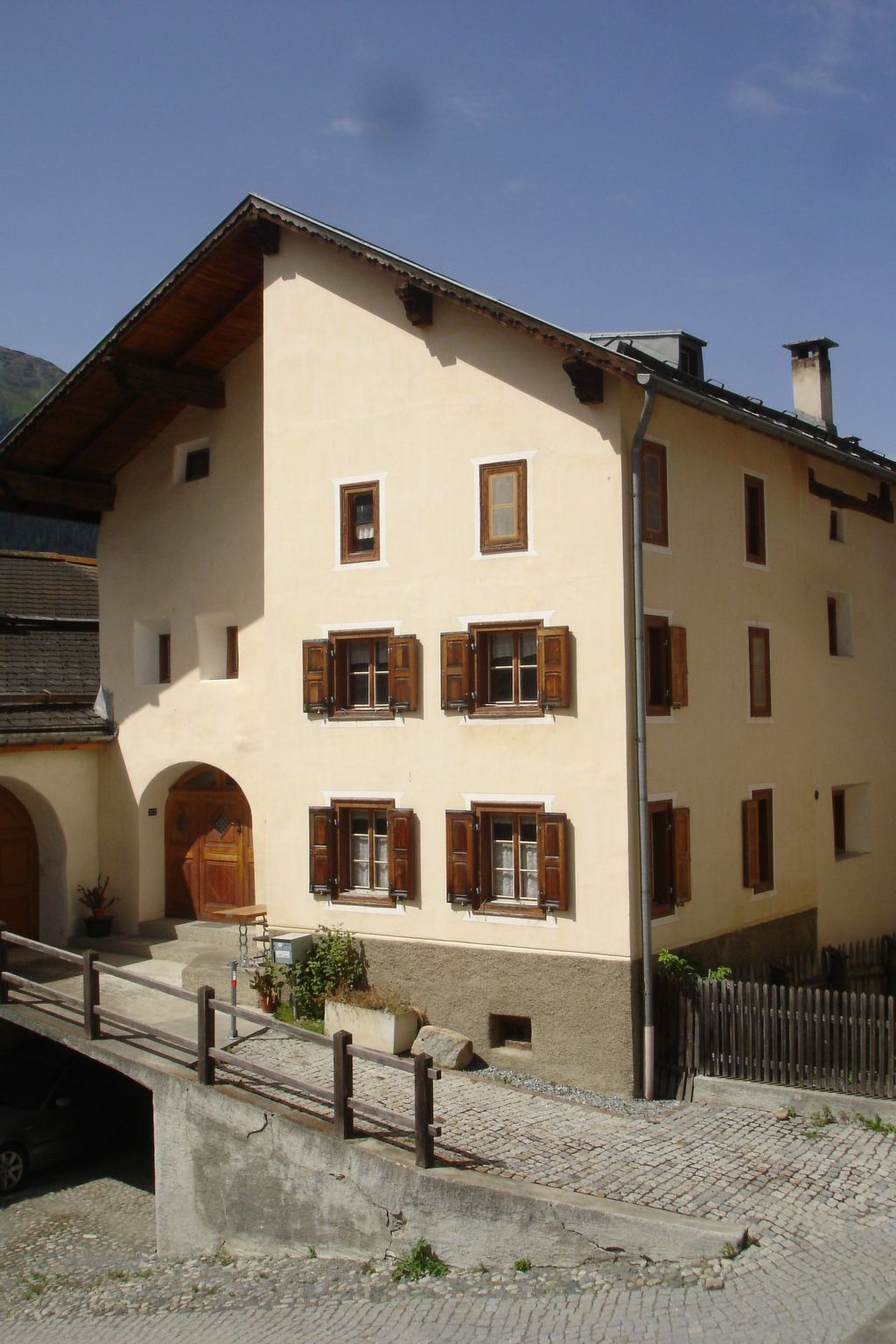
Chasa Stupan 1. Obergeschoss, (Ardez)
Ardez, Engadine, Switzerland
3
3
0
DishwasherTerraceWashing Machine+6 more

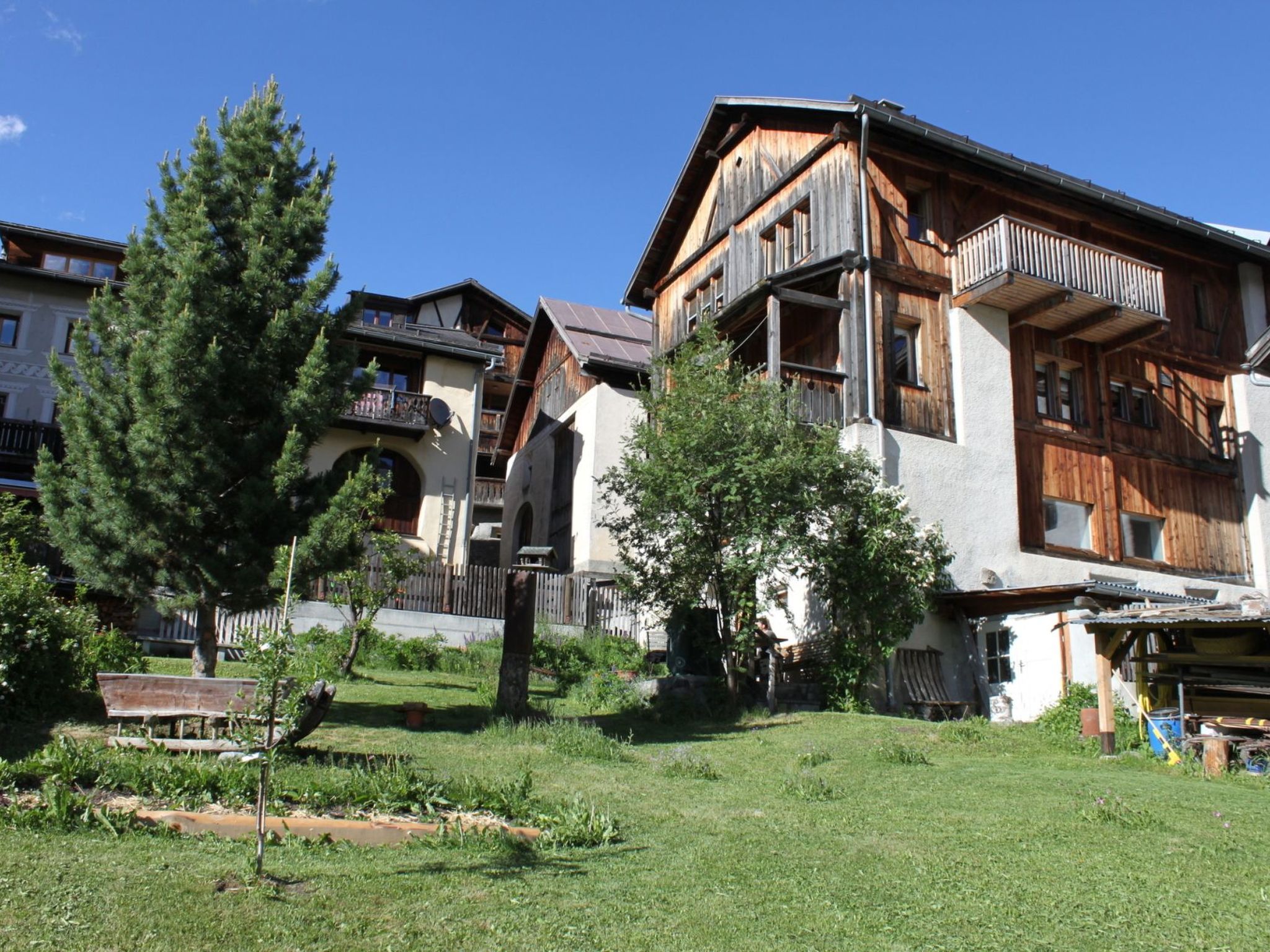
5-Bedroom Home, Ardez
Ardez, Engadine, Switzerland
10
5
0
DishwasherTerraceWashing Machine+6 more
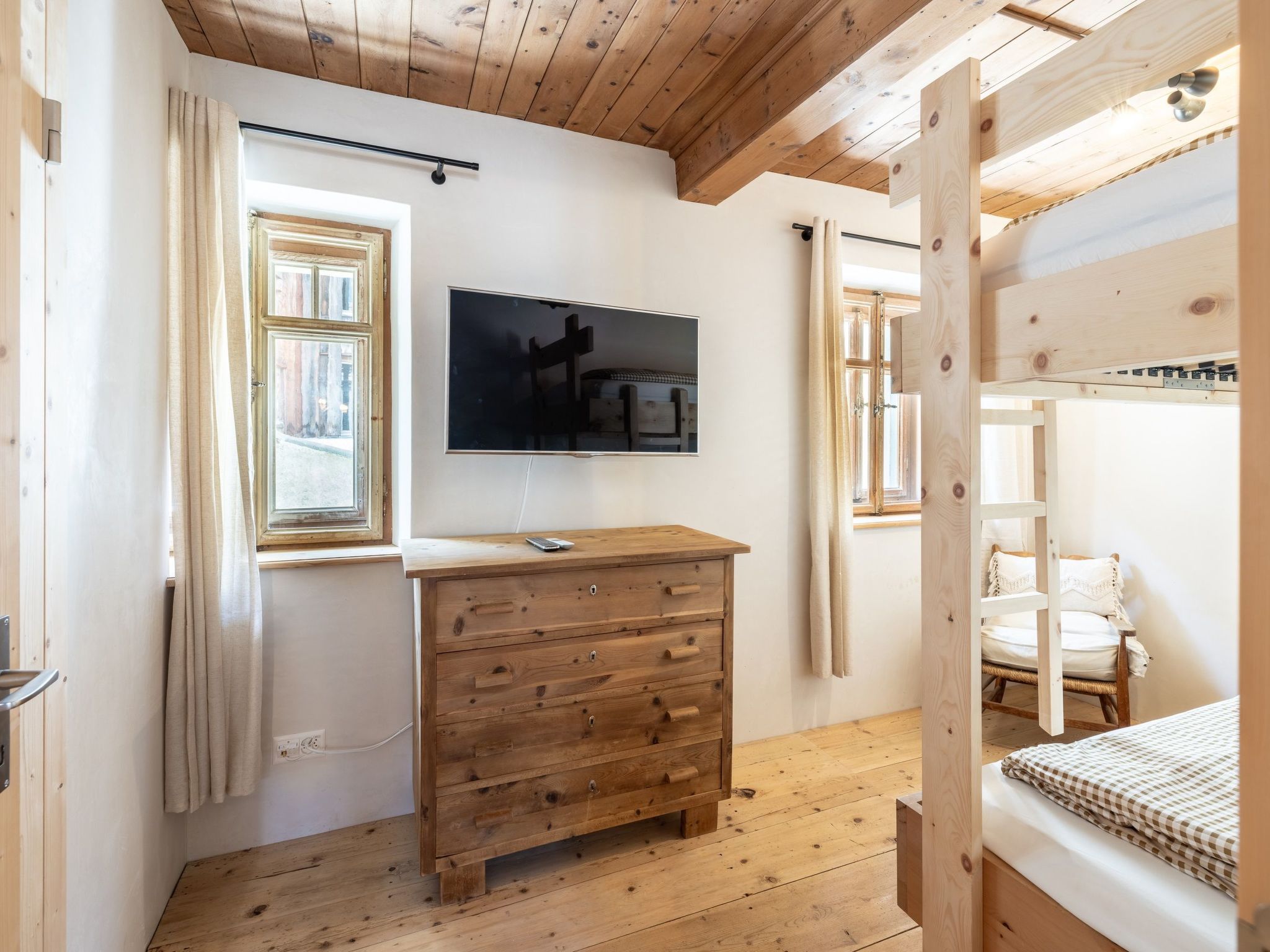
Ustarea Spluga, (Ardez)
Ardez, Engadine, Switzerland
6
3
0
DishwasherFridgeInternet+3 more
from£202
per nightArdez villa holidays: questions answered
What is Ardez known for?
Its houses. Ardez is a model of Romansh village life, and many of its homes are protected, with painted facades and sgraffito decoration. After 1975, when it was one of four Swiss model villages for European Monument Preservation Year, many were restored.
Can you walk from Ardez to Guarda?
Yes, it is an easy one. The walk between Guarda and Ardez is about 4.8 km, rated simple and taking around 1 hour 30 minutes, on a mostly flat small road through Bos-cha past sgraffito houses and village fountains.
How do you get to Ardez from Zurich airport?
By train in about 3 hours 45 minutes, with changes at Landquart and Klosters Platz. Driving is quicker, at around 2 hours 25 minutes, but the train drops you at Ardez station in the village.
What is the castle above Ardez?
Steinsberg Castle, called the Chastè locally. Bought by the bishop of Chur before 1209 and destroyed with the village in 1499, it sits on a site with Bronze Age, Iron Age and Roman finds and is a Swiss heritage site of national significance.
Nearby towns to Ardez
Written by the TrustedVillas team. Last reviewed November 2026.
Find Your Perfect Villa in Ardez
Our villa experts are here to help you find the ideal property for your vacation. Contact us for personalized recommendations.