Villas in Palamós
Palamós suits couples and small families who want a working fishing port, its prawns and sandy town beaches on the Costa Brava. Homes here are on the smaller side, and fewer than half have a pool. It is a real town with a busy harbour rather than a quiet cove, and the beaches fill up in summer.
- Villas
- 7
- From, per week
- £492
About Palamós
Palamós grew up around its fishing port, which sits beside the old centre, and the boats still come in every day. The fish market auctions the catch, and the Fishing Museum explains the trade. The homes are grouped fairly close to town. The town beach is the Gran Playa; La Fosca, a neighbourhood at the northern end of a large bay, has a big rock in the middle of its sand and a ruined castle just east. Smaller coves such as Cala S'Alguer and Cala Margarida have clear water over rocky bottoms, well suited to diving. Evenings revolve around the marina and promenade restaurants. La Fosca has very few people living there all year, so outside summer it is very quiet.
Is Palamós right for you?
- Best for
- Seafood lovers and couples who like a working harbour town
- Not for you if
- You want a secluded villa away from traffic, crowds and a port.
Near Palamós
Calella de Palafrugell
The GR 92 coastal path runs north from La Fosca past S'Alguer and through pine and cork oak woods to this seaside village.
Castell-Platja d'Aro
About 7 km south of La Fosca, and one of the places on this coast with the widest choice of accommodation.
Pals
An inland village of medieval streets; the ruins of Begur's 15th-century castle make a good stop on the way.
Palafrugell
About 8.5 km north of La Fosca, with the Cap Roig castle botanic gardens and the Josep Pla Foundation.
Getting to Palamós
Fly to Girona: the drive to Palamós takes about 37 minutes. Buses also run from the airport to the town's bus station, but the trip takes about 1 hour 40 minutes. The C31 road links the town with Girona. A car makes the coves and inland villages far easier.
When to go to Palamós
La Fosca's population grows quickly in summer, when the town beaches are at their fullest. June and September are calmer for swimming and walking the coastal path. In winter the fishing port keeps the town working, though the beach neighbourhood is very quiet, so check restaurant openings.
Villas in Palamós

3-star property

4-star property
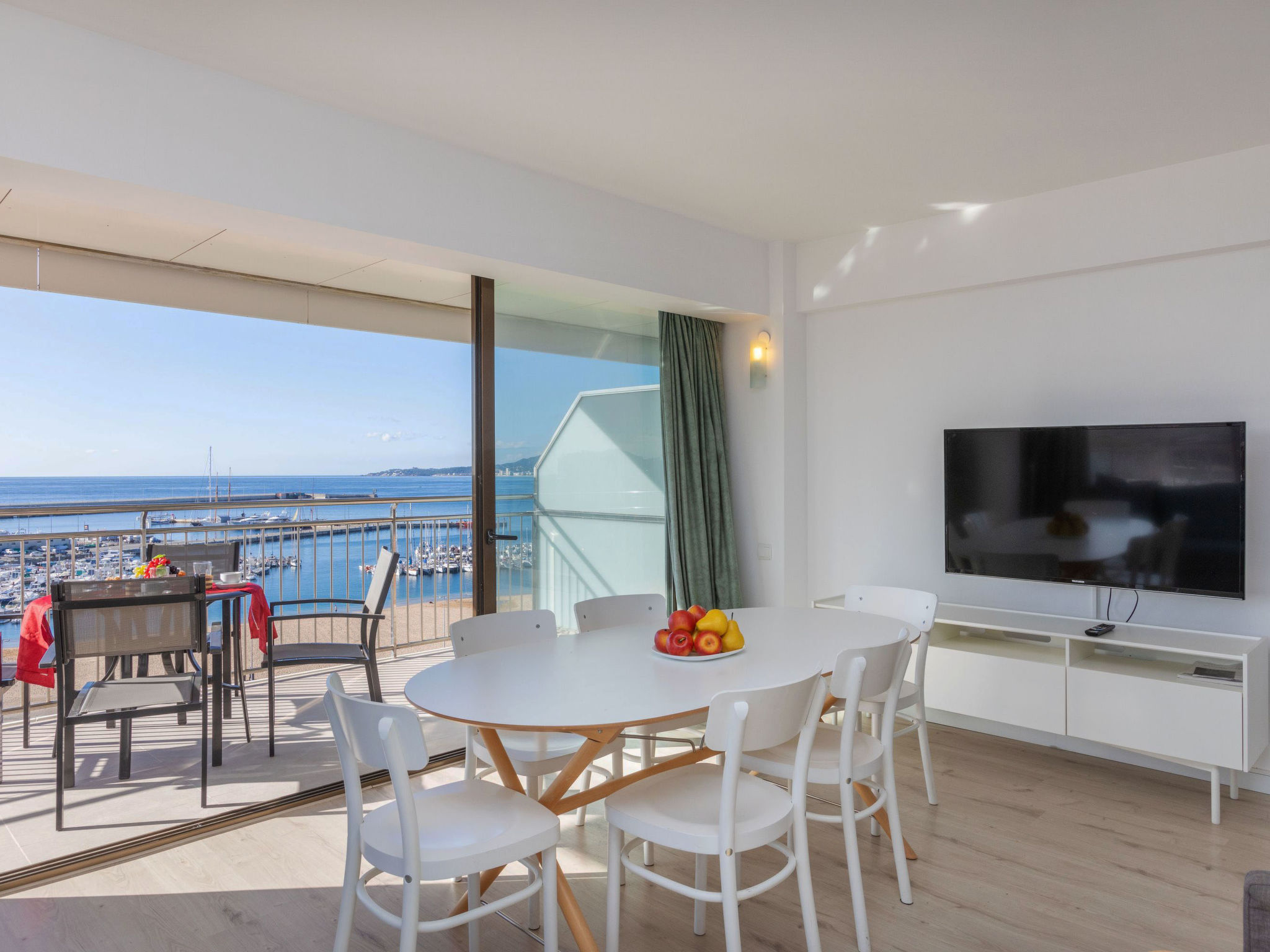
3-star property

3-star property

3-star property

WELCS APARTAMENTO 267 PDA cerca de la playa
Palamós, Costa Brava, Spain
4
1
0
DishwasherMicrowavePool+4 more
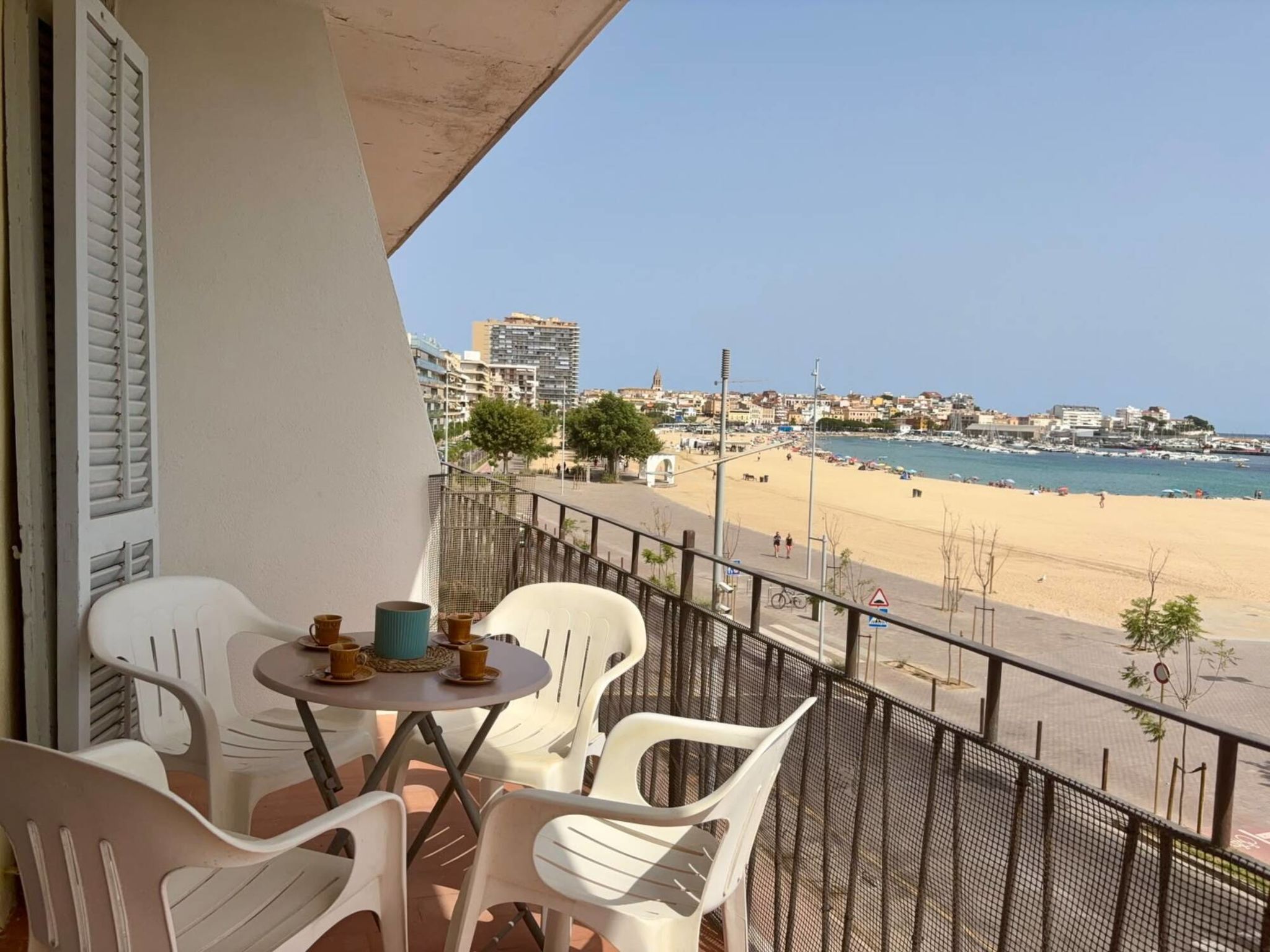
3-star property
Palamós villa holidays: questions answered
What is Palamós known for?
Prawns, above all. The fishing fleet lands its catch daily at the port beside the old centre, the fish market auctions it, and local menus serve the prawns grilled, boiled or in stews.
Is La Fosca beach in Palamós good for swimming?
Yes. La Fosca lies at the northern end of a large bay that is popular for swimming, sailing and windsurfing, with a big rock in the middle of the beach and a ruined castle nearby.
Can you visit the fish auction in Palamós?
You can. Fish auction visits are run from the Fishing Museum's Espai del Peix, which also explains how the town's fishing trade works.
Are there quieter coves near Palamós?
Several. Cala S'Alguer, Cala Margarida and Cala Canyers have clear water over rocky bottoms that divers like, and the coves further from town are backed by pine woods.
Nearby towns to Palamós
Written by the TrustedVillas team. Last reviewed November 2026.
Find Your Perfect Villa in Palamós
Our villa experts are here to help you find the ideal property for your vacation. Contact us for personalized recommendations.