Villas in Lloret de Mar
Lloret de Mar suits groups and families after a villa with a private pool, a big town beach and Girona airport about 30 km away. It is a resort of around 43,000 residents, so expect July and August to be crowded.
- Villas
- 66
- From, per week
- £277
About Lloret de Mar
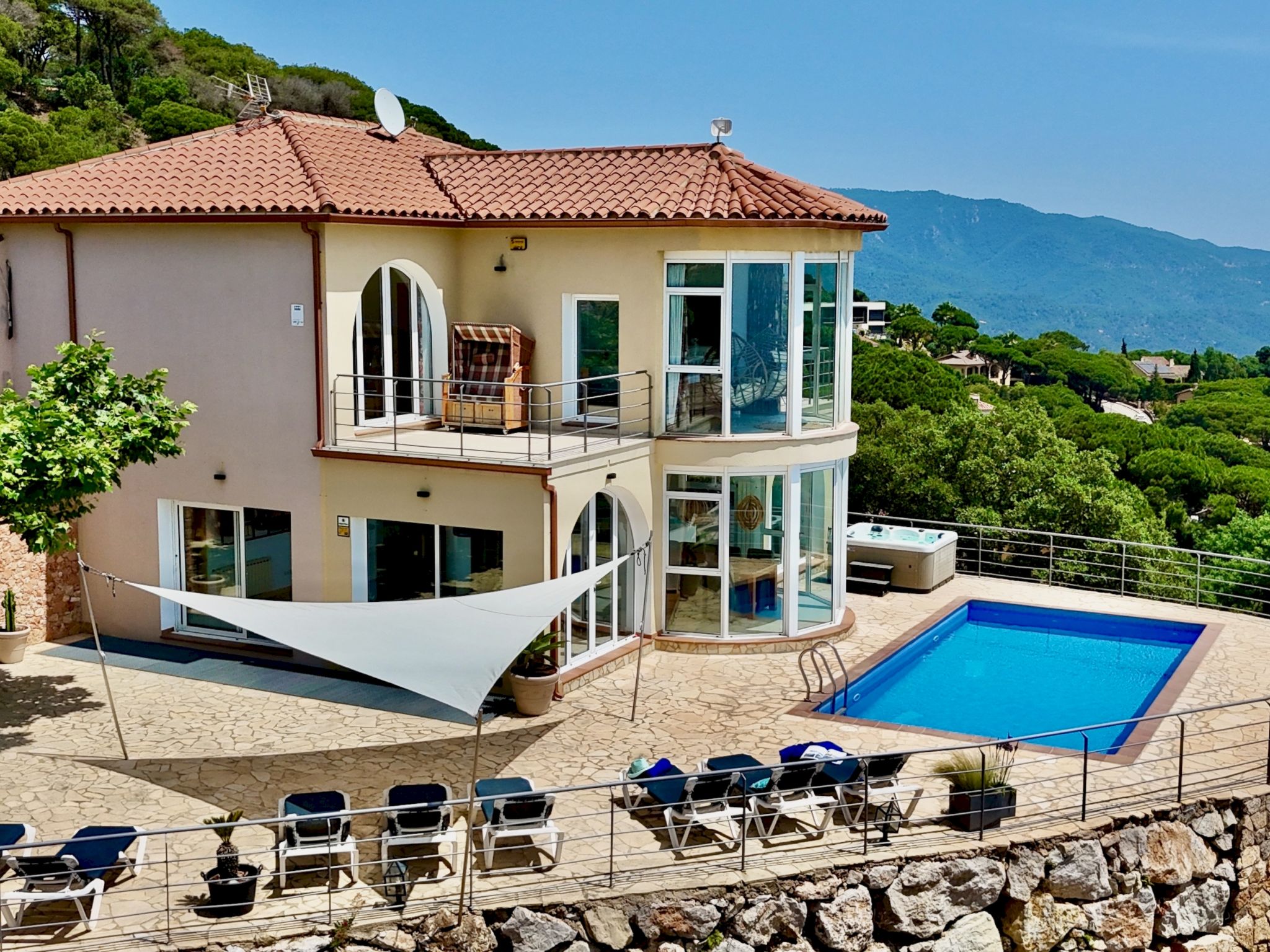
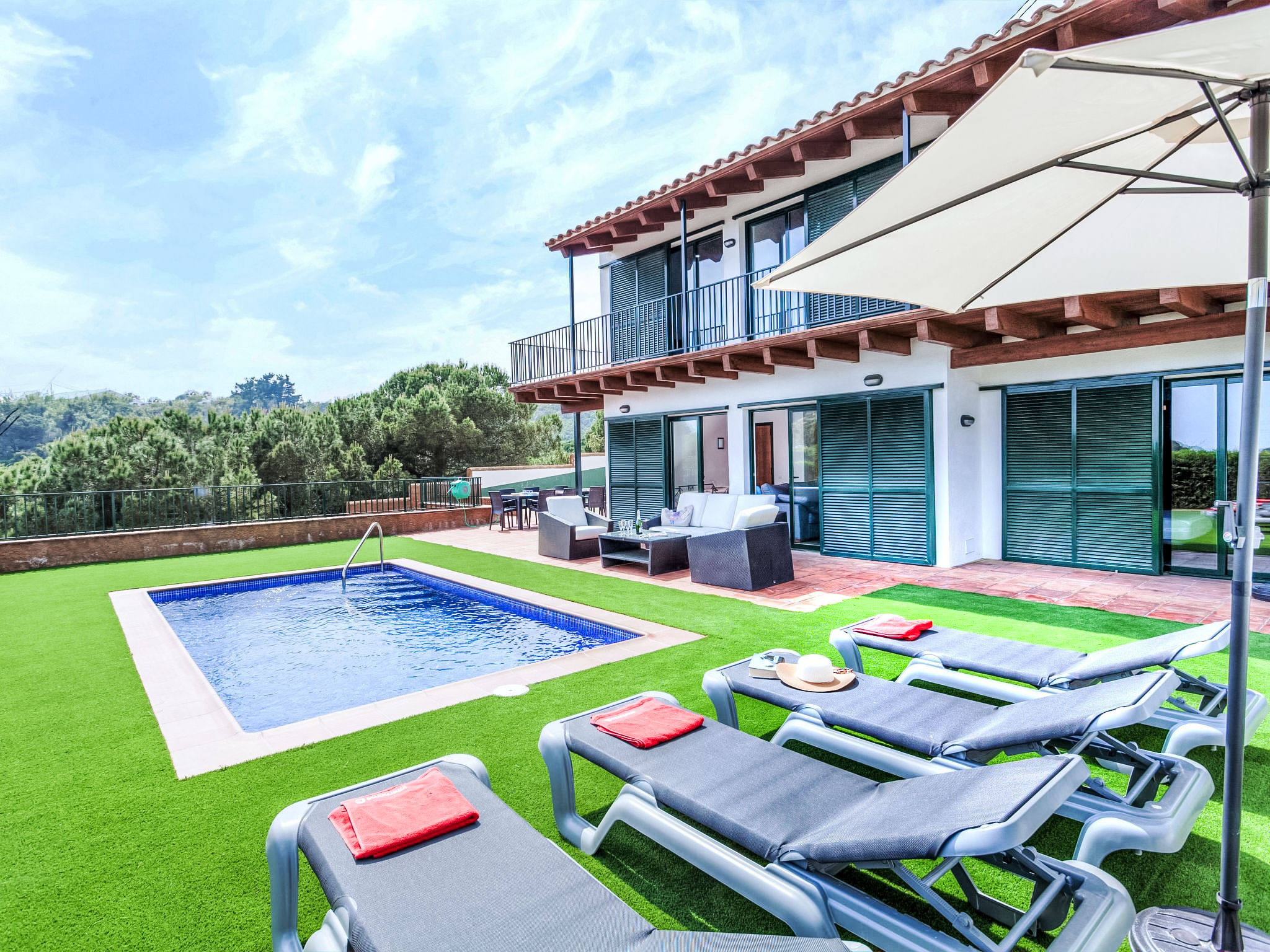
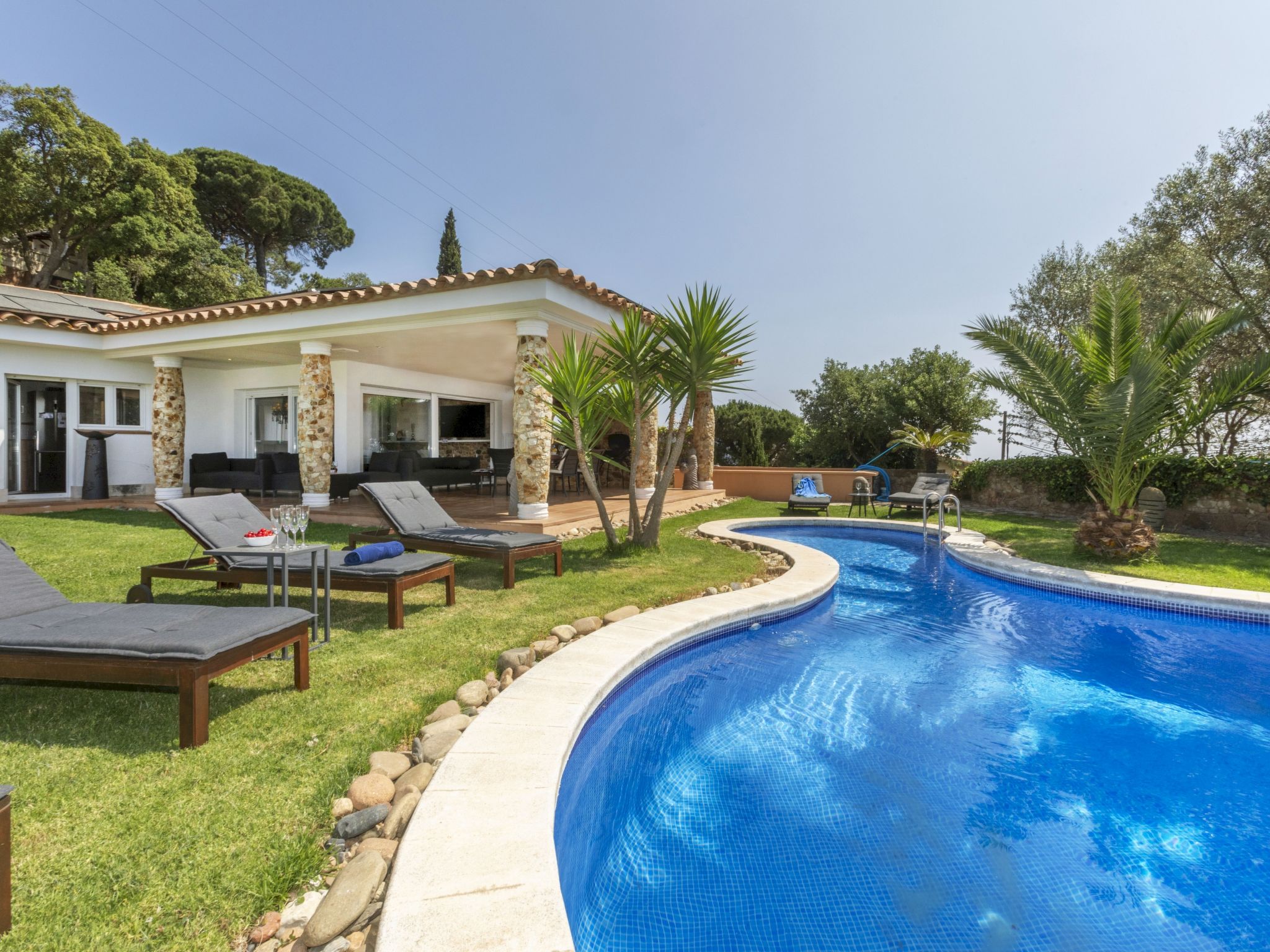
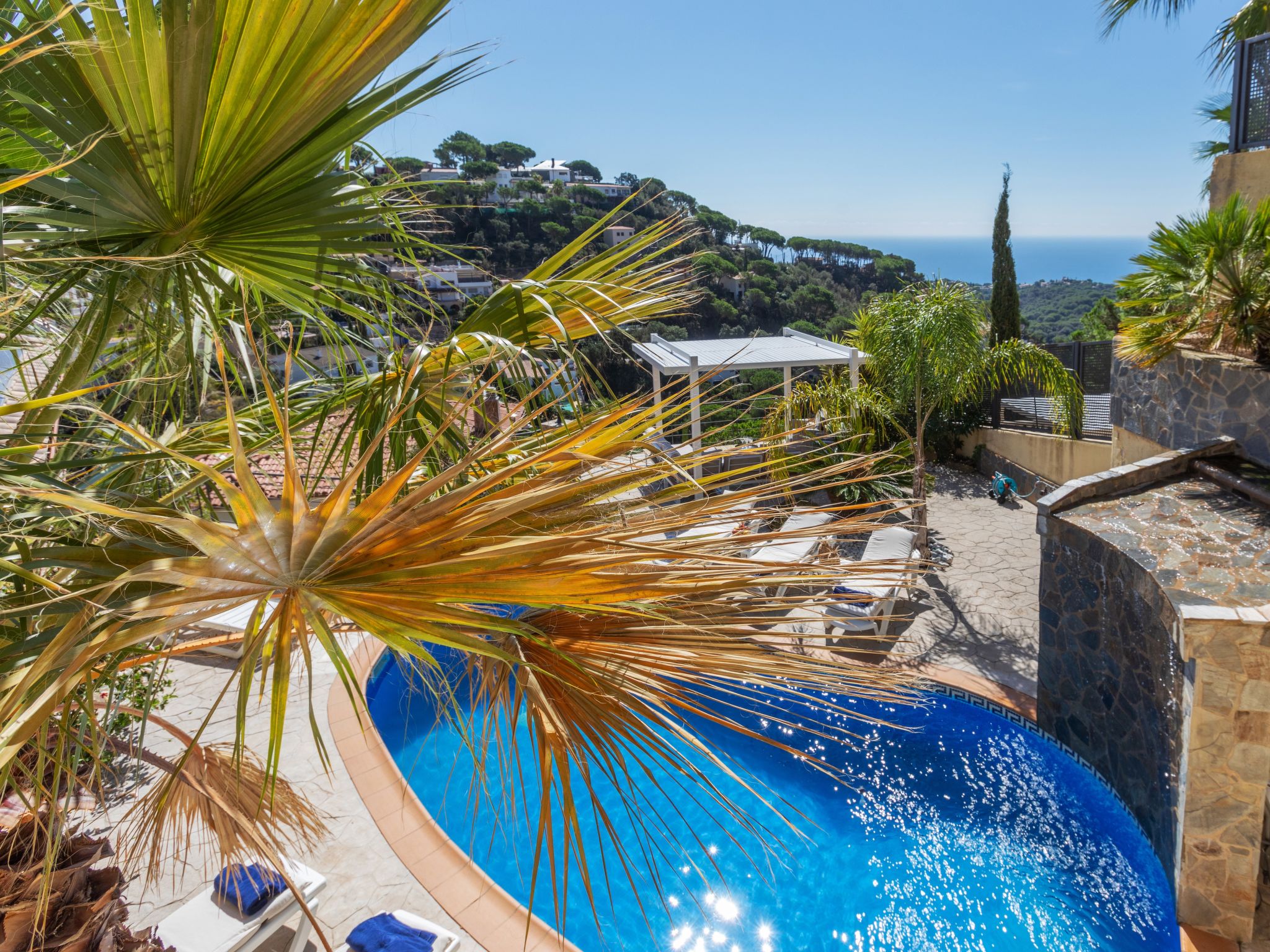
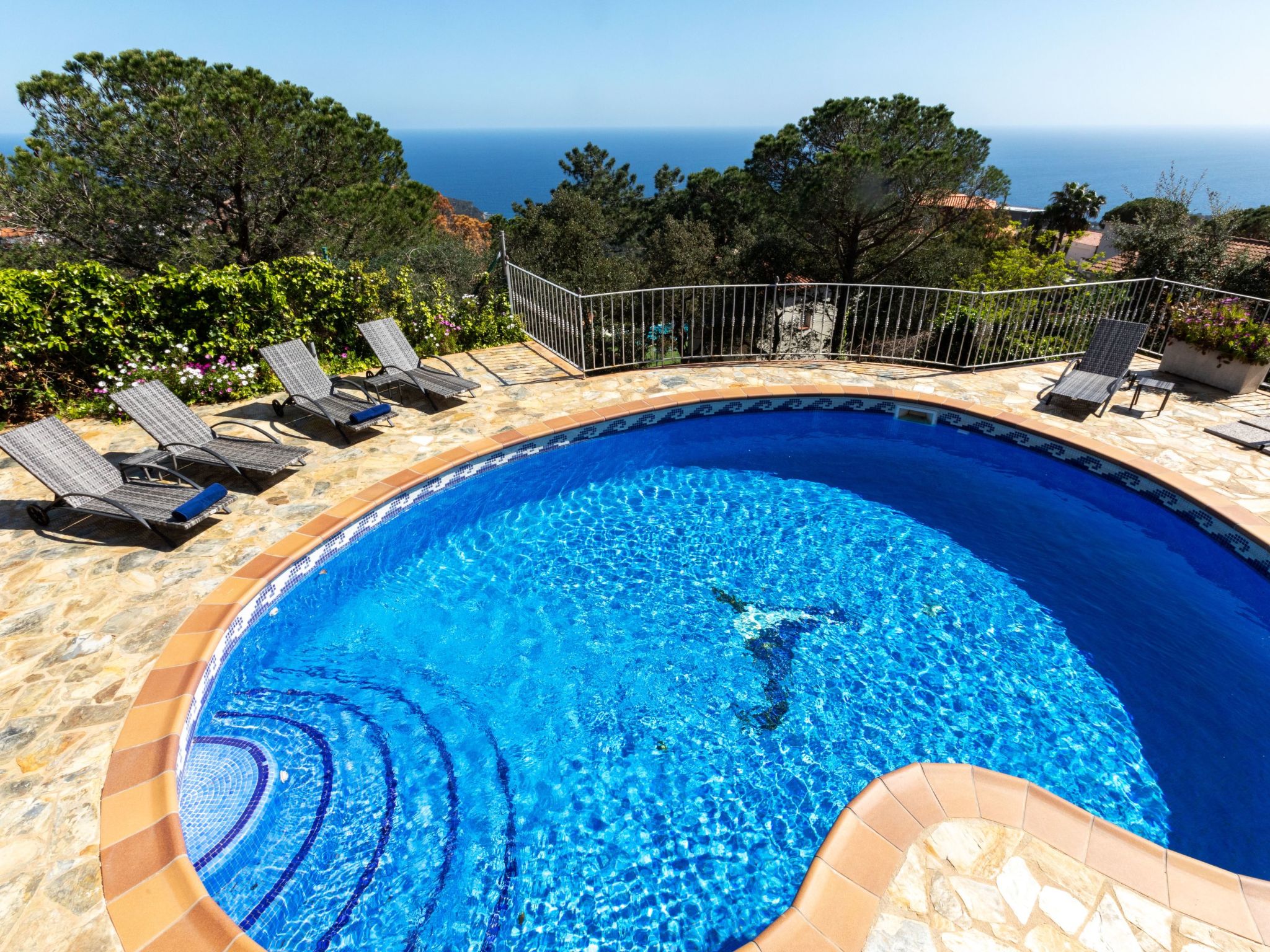
Lloret is a large resort town rather than a village, with more than 120 hotels and roughly 30,000 hotel beds. The main beach is about 1,630 m long and covered in small, gravel-like stones rather than soft sand, holds a Blue Flag and is split into three named sections. Santa Cristina is a fine-sand beach of about 450 m between Punta de Llevant and the Es Canó rocks, with a path to its chapel. Around the headlands are small coves such as Sa Caleta, Cala dels Frares and Cala d'en Trons, with rocky sections, coarse sand and clear water. Nearly all the homes here have a private pool and many sleep eight or more. They are spread around the town over several kilometres, so check the map. Santa Clotilde gardens sit on a clifftop above Sa Boadella cove.
Is Lloret de Mar right for you?
- Best for
- Groups wanting a private pool and a big beach nearby
- Not for you if
- You want a small village feel, because Lloret is a large, visitor-driven resort.
Near Lloret de Mar
Tossa de Mar
The neighbouring town to the north, about 14 km away on the GR 92 coastal path, with its walled medieval old town, the Vila Vella.
Blanes
The neighbouring town to the south, with the nearest railway station; a shuttle bus runs there from Lloret every 30 minutes.
Cala Sa Boadella
A cove of pale sand with large rocks and pine trees, split into two small beaches, below the Santa Clotilde gardens.
Girona
The city is about 40 km north, and its airport lies about 12 km southwest of it.
Getting to Lloret de Mar
Girona-Costa Brava airport is about 30 km away, and Barcelona airport about 75 km. The Costa Brava and Maresme bus line from Girona airport stops at Lloret de Mar. There is no railway station in town. With villas spread around the town, a car is the easier way to reach beaches, shops and the coves.
When to go to Lloret de Mar
Visitor numbers and overnight stays peak in July and August, when the main beach is at its busiest and a private pool earns its keep. Outside summer the town is quieter, and the coves are easier to enjoy; the Costa Brava tourist board picks out Sa Boadella and Sa Caleta among its coves for the off season. The coastal path to Tossa de Mar starts at Sa Caleta.
Villas in Lloret de Mar

3-star property
Fleming
Lloret de Mar, Costa Brava, Spain
4
1
0
ParkingDishwasherMicrowave+7 more
from£58
per night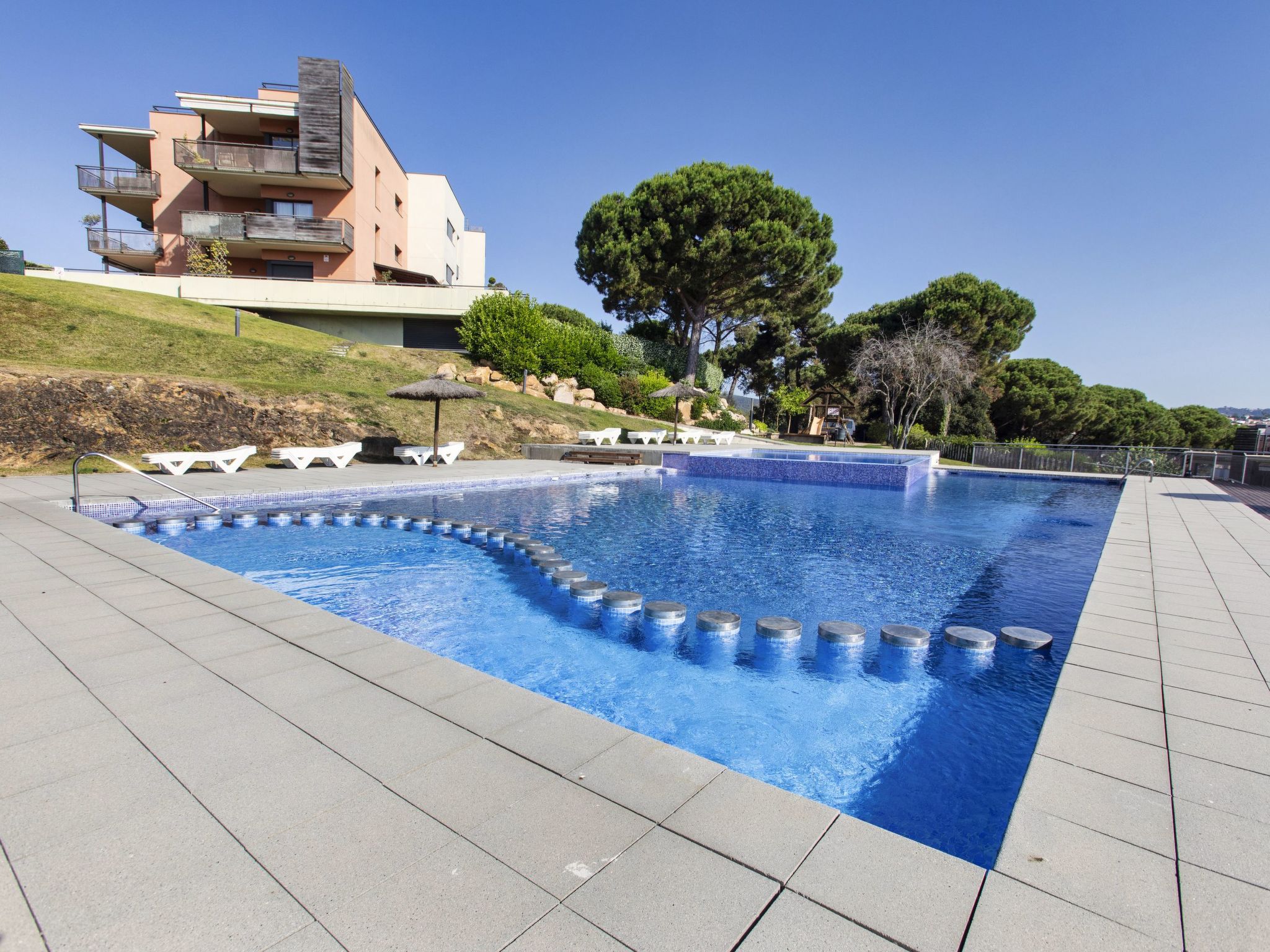
3-star property
Jardins Sa Boadella
Lloret de Mar, Costa Brava, Spain
4
2
0
Air ConParkingDishwasher+8 more
from£74
per night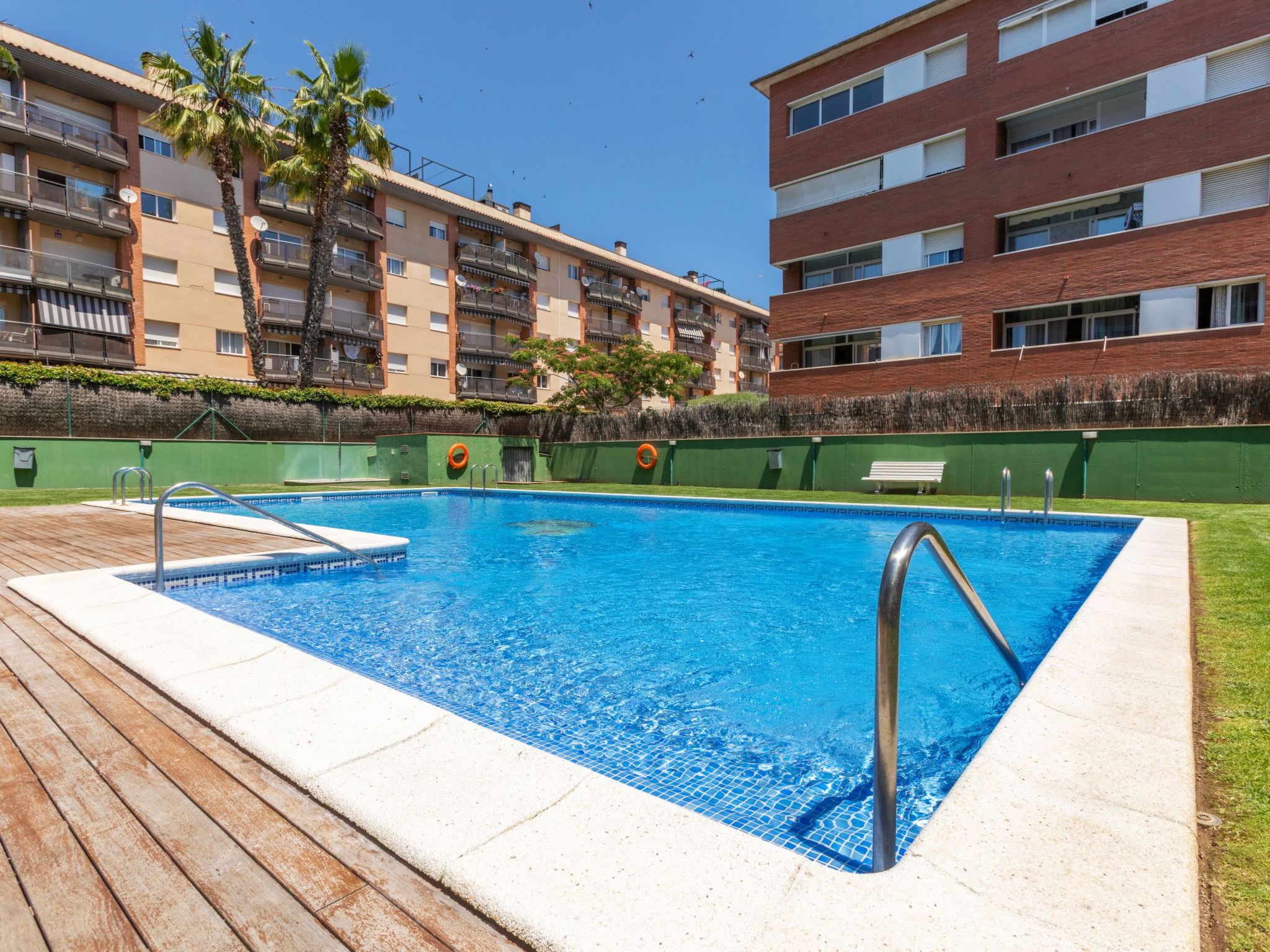
3-star property
Tramuntana
Lloret de Mar, Costa Brava, Spain
4
2
0
Air ConDishwasherMicrowave+9 more
from£62
per night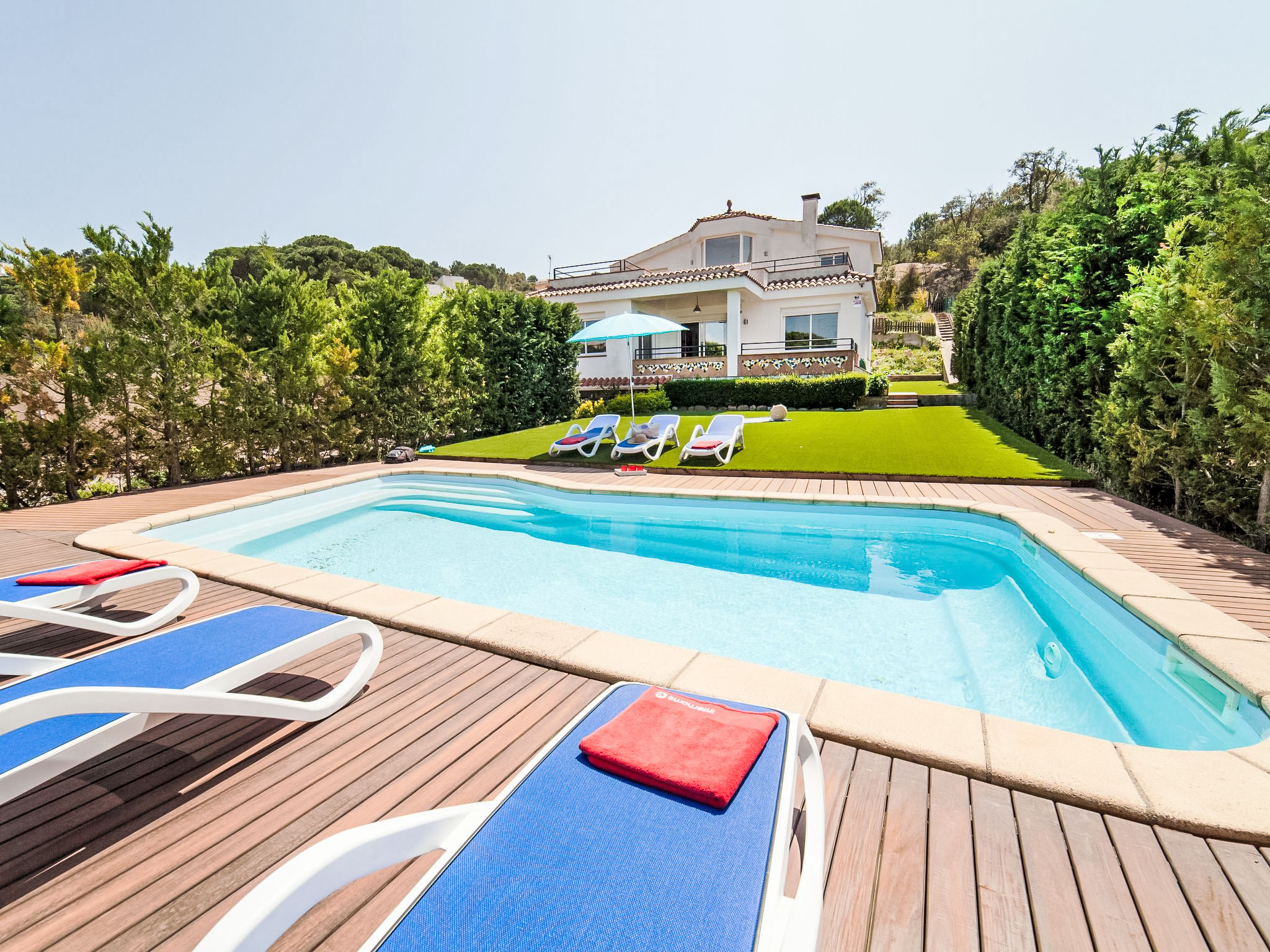
4-star property
3-star property
3-star property
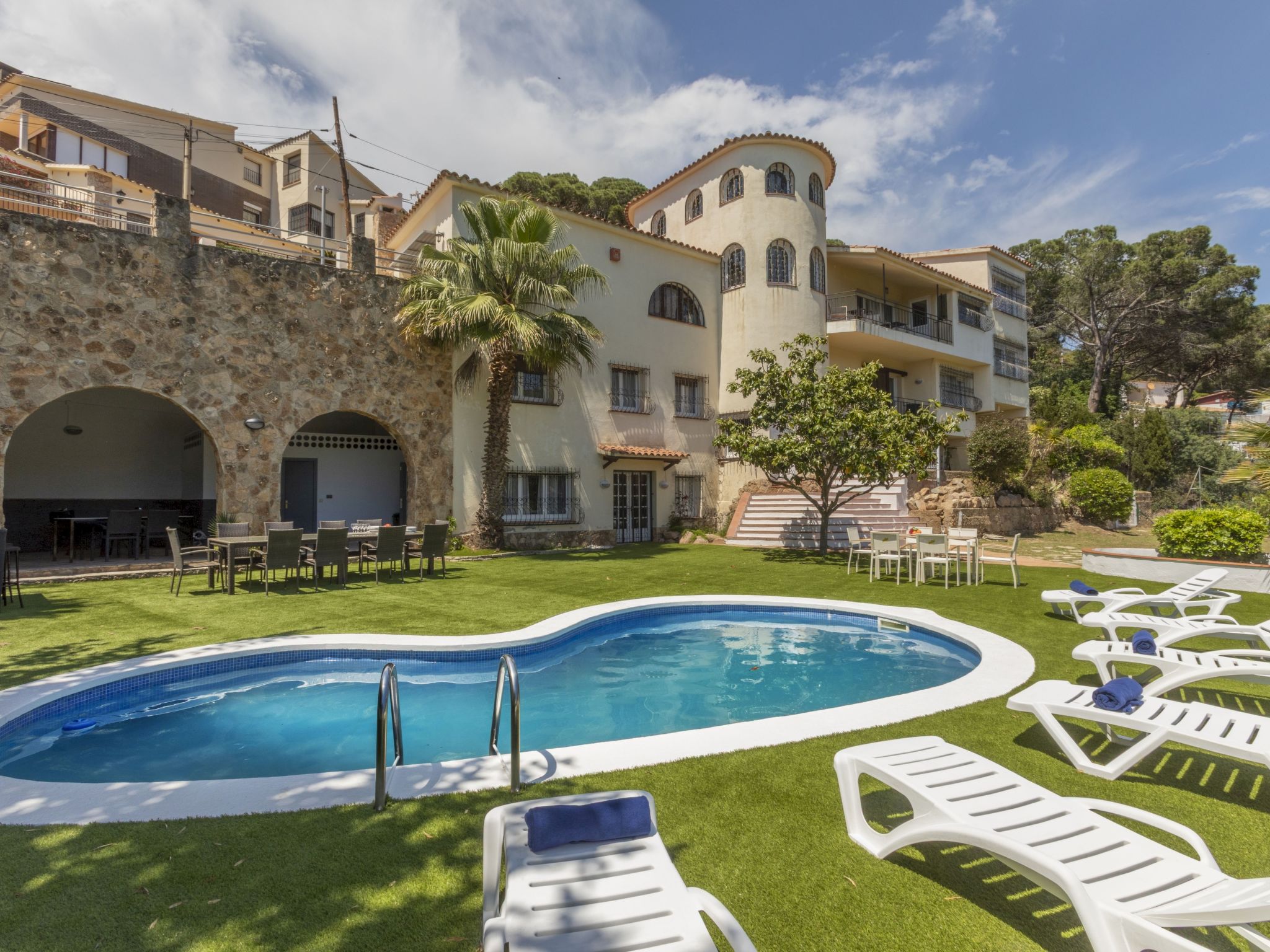
Castellet
Lloret de Mar, Costa Brava, Spain
16
8
0
BBQParkingDishwasher+10 more
from£760
per night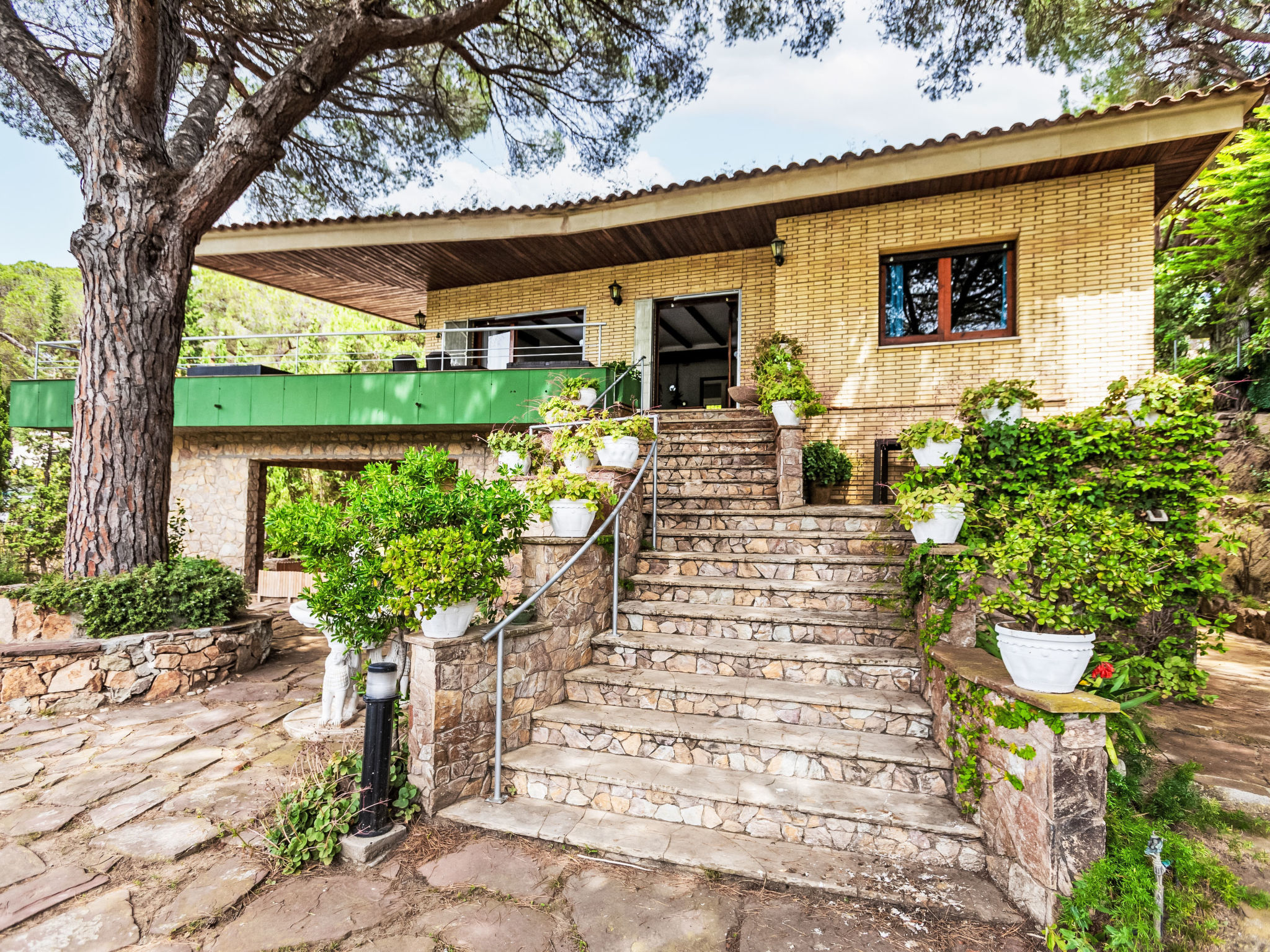
3-star property
4-star property
4-star property
4-star property
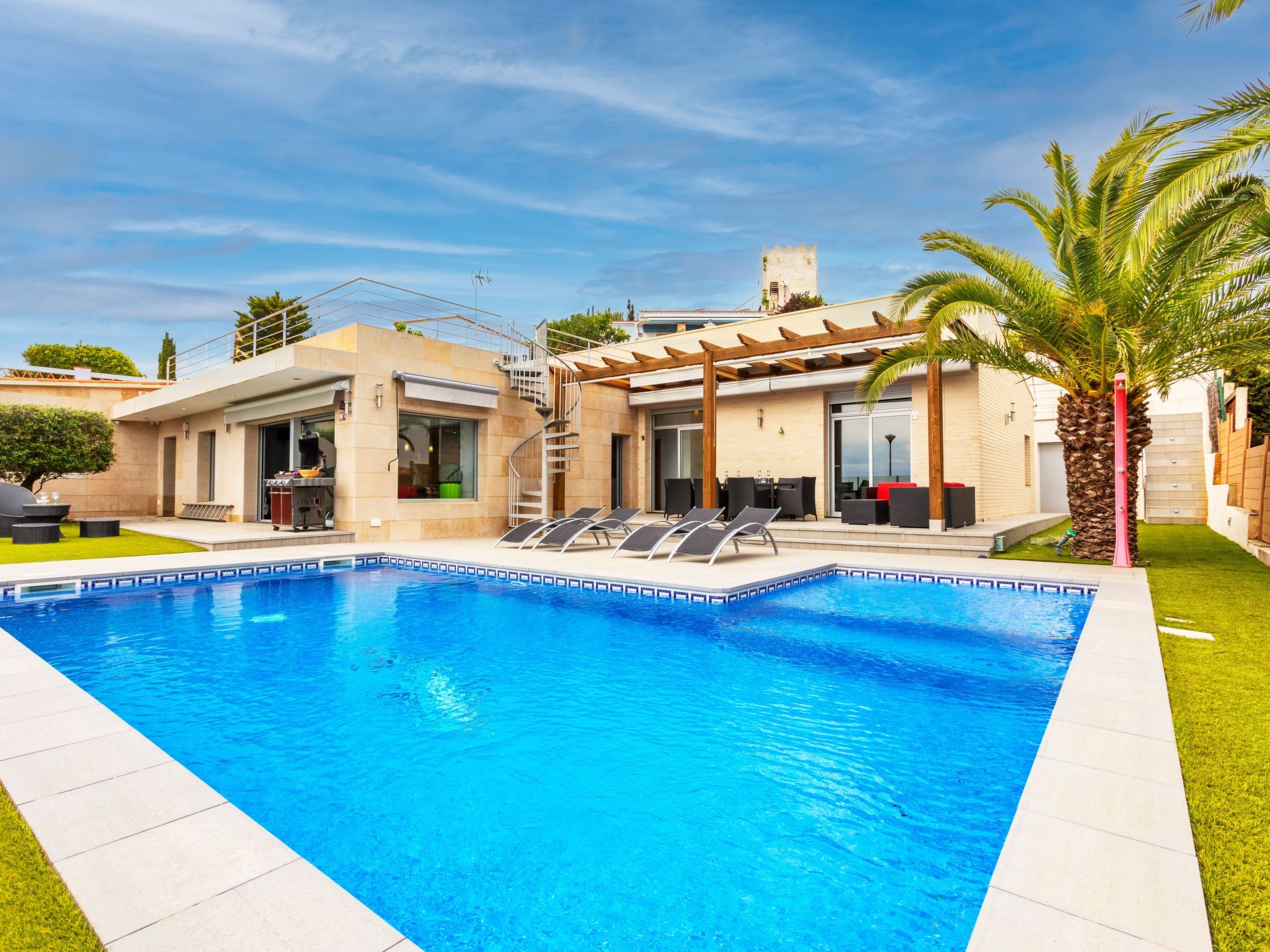
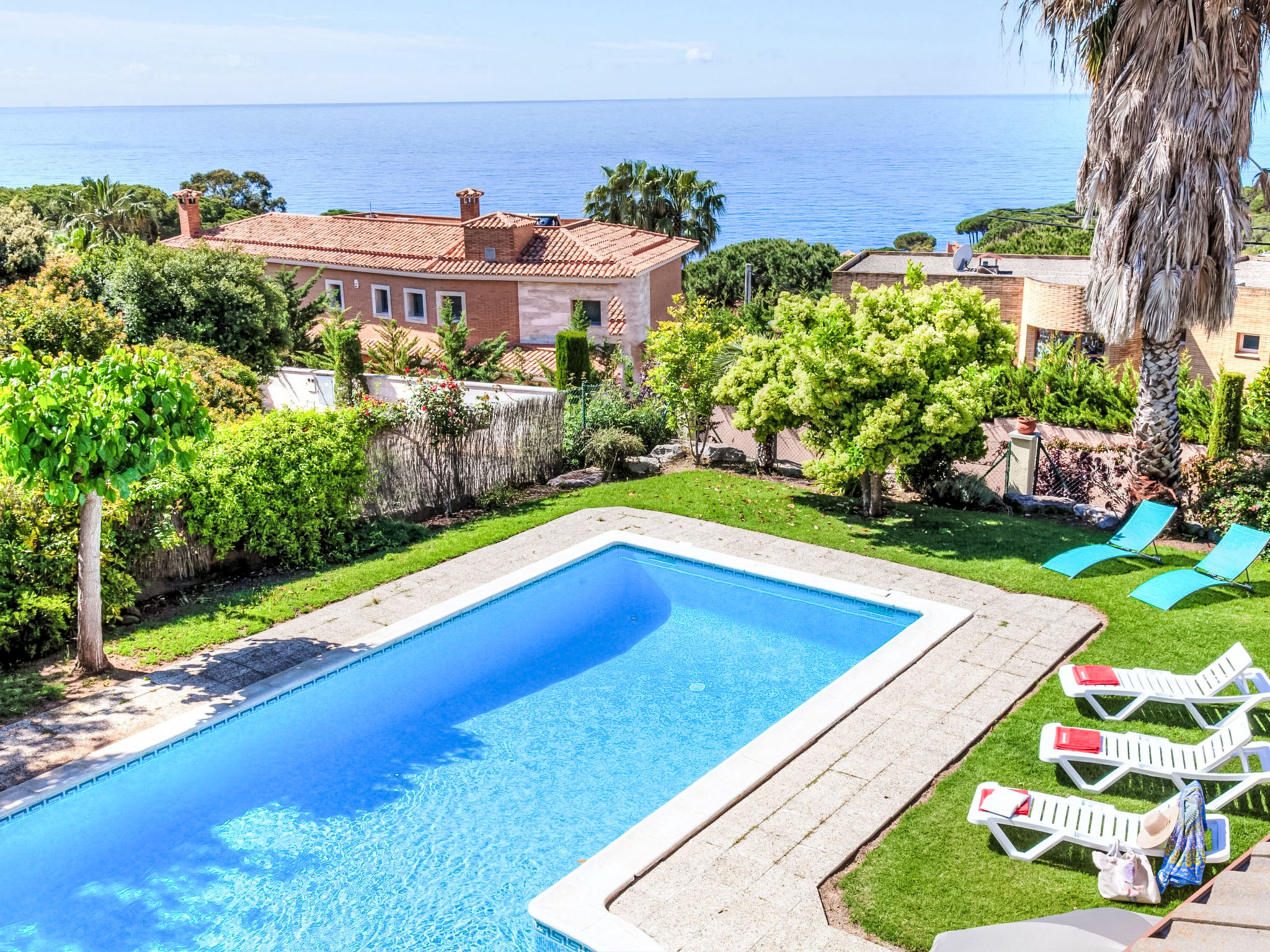
Macedonia
Lloret de Mar, Costa Brava, Spain
12
6
0
BBQDishwasherMicrowave+10 more
from£498
per night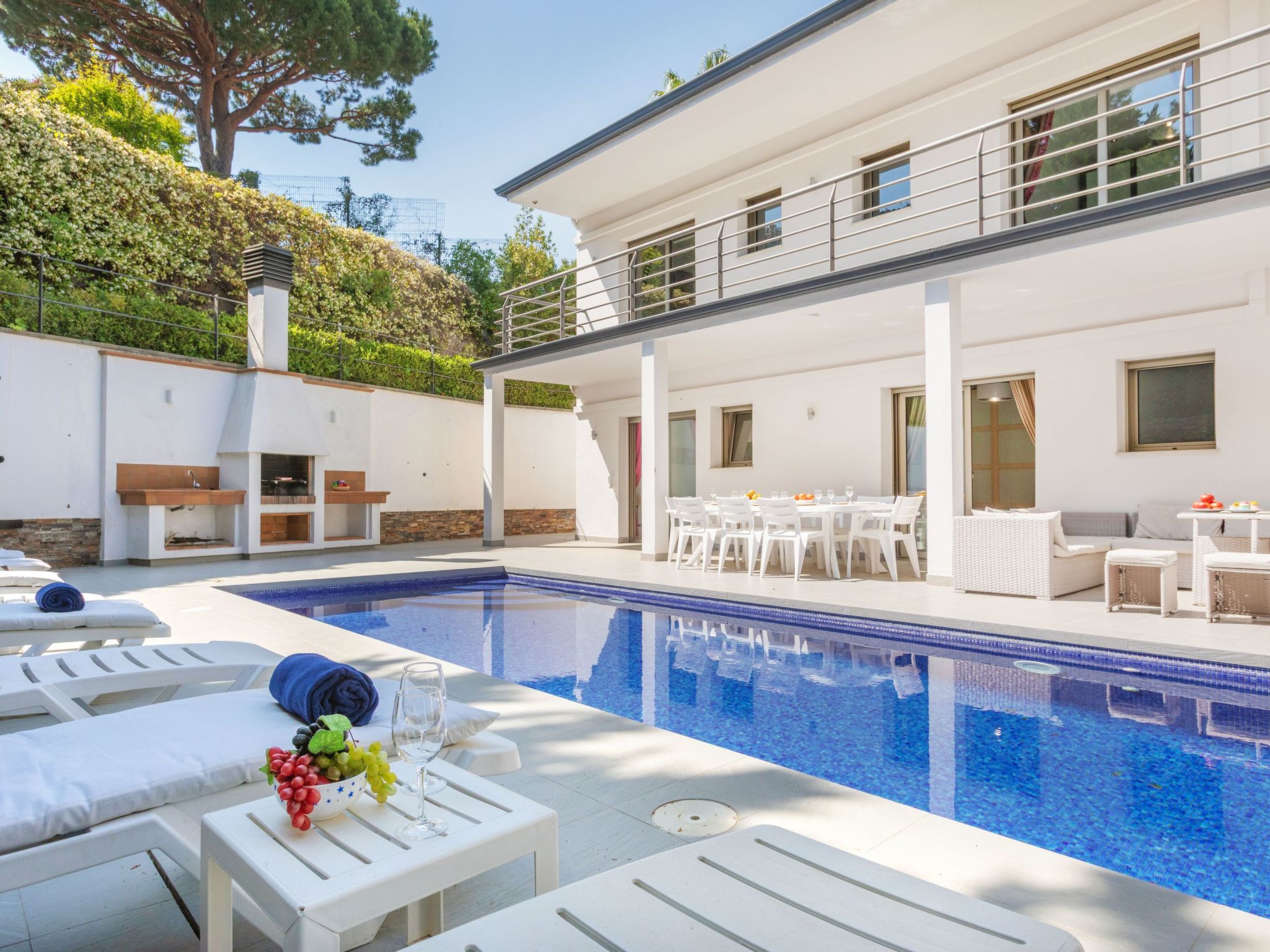
4-star property
3-star property
3-star property
Buganvilla
Lloret de Mar, Costa Brava, Spain
3
1
0
Air ConMicrowaveParking+8 more
from£84
per night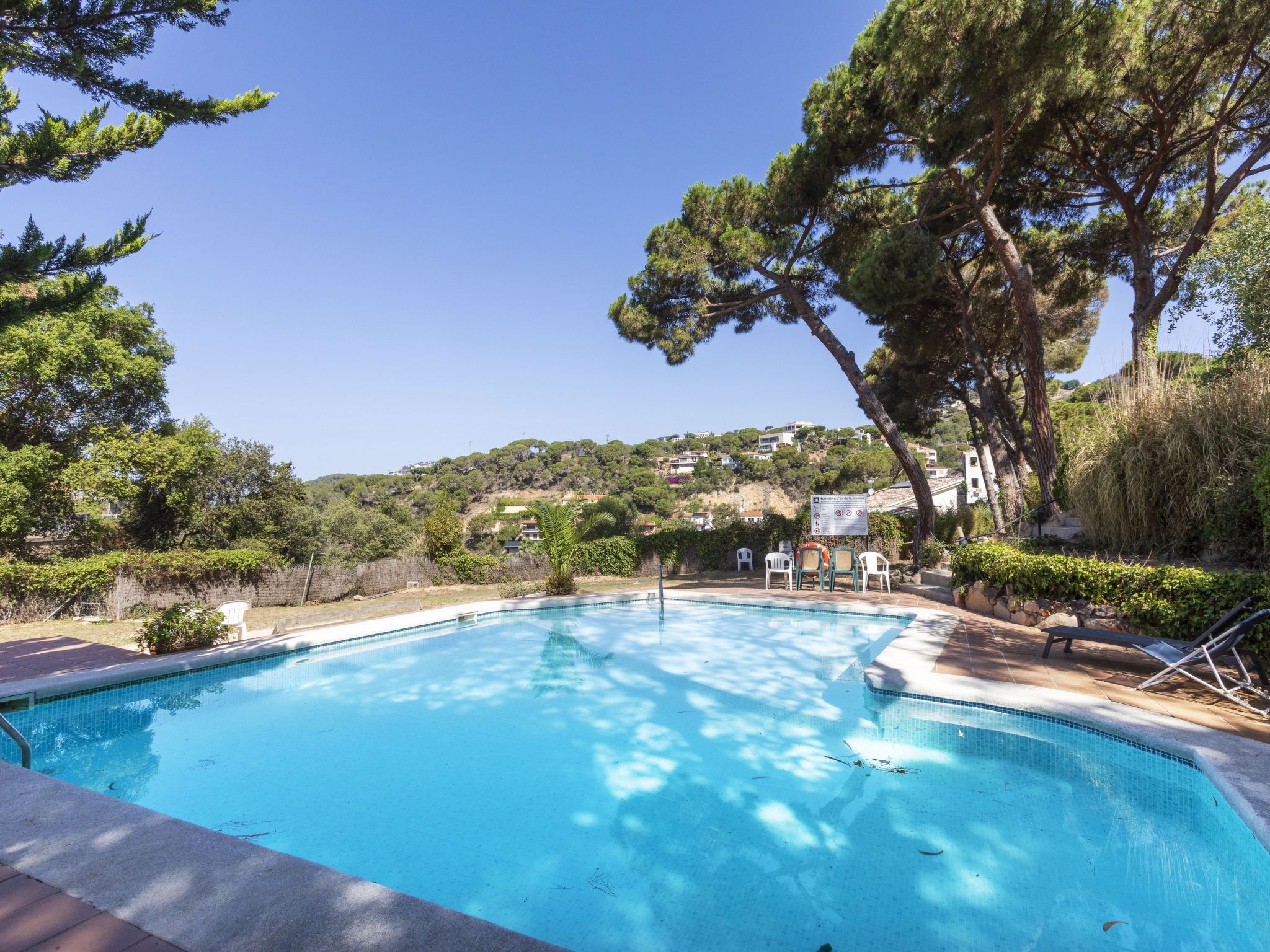
3-star property
4-star property
3-star property
3-star property
4-star property
4-star property
3-star property
3-star property
3-star property
Panorama
Lloret de Mar, Costa Brava, Spain
12
6
0
BBQParkingDishwasher+9 more
from£471
per night
3-star property
3-star property
Jessmart
Lloret de Mar, Costa Brava, Spain
5
3
0
Air ConParkingDishwasher+9 more
from£86
per nightLloret de Mar villa holidays: questions answered
Is the beach in Lloret de Mar sand or pebble?
Neither soft sand nor pebbles: the main beach is small, gravel-like stones, about 1,630 m long and 45 m wide, with a Blue Flag. Santa Cristina, a short way along, has fine sand over about 450 m, with a path up to its chapel.
Is Lloret de Mar good for a villa with a pool?
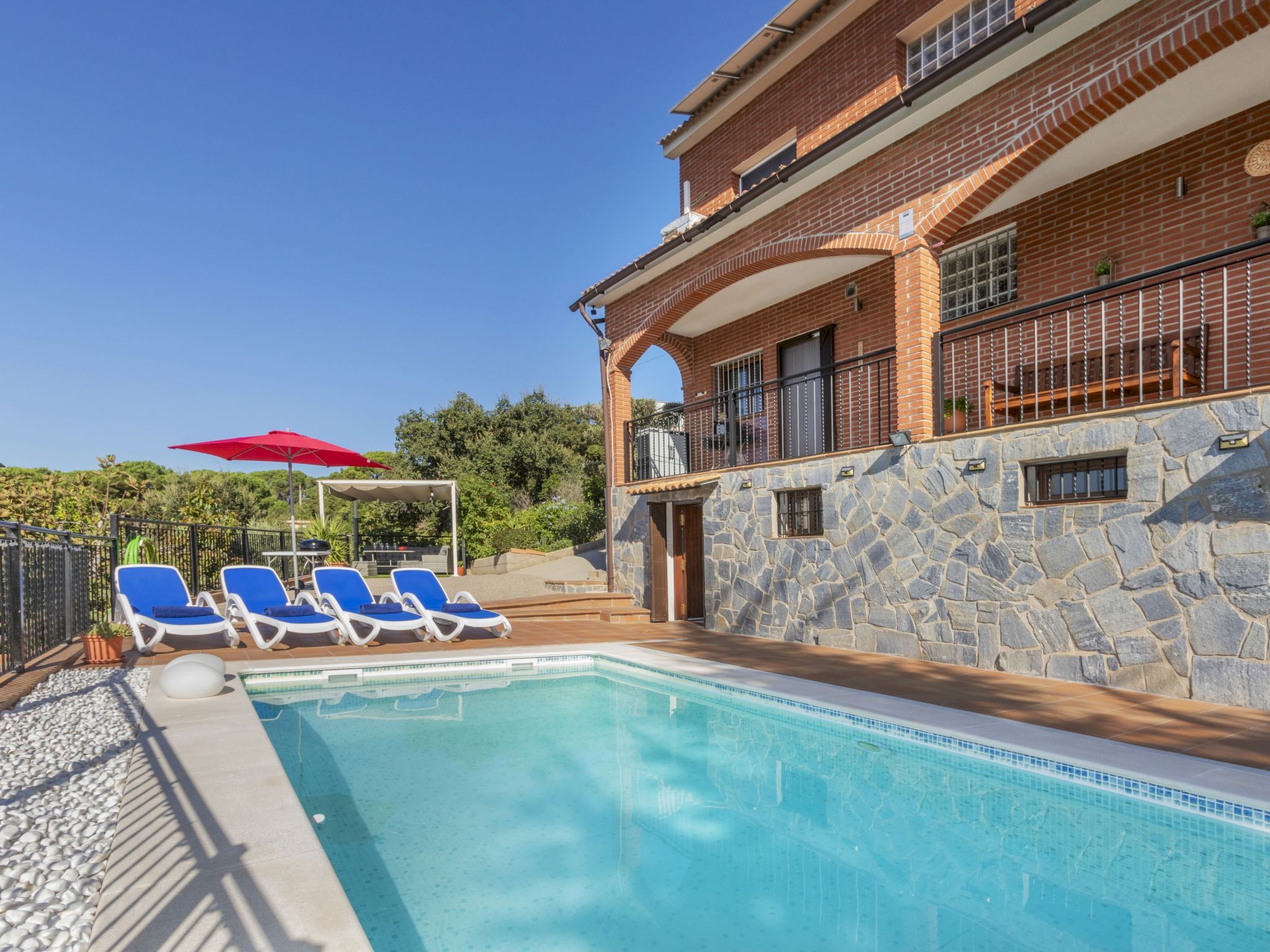
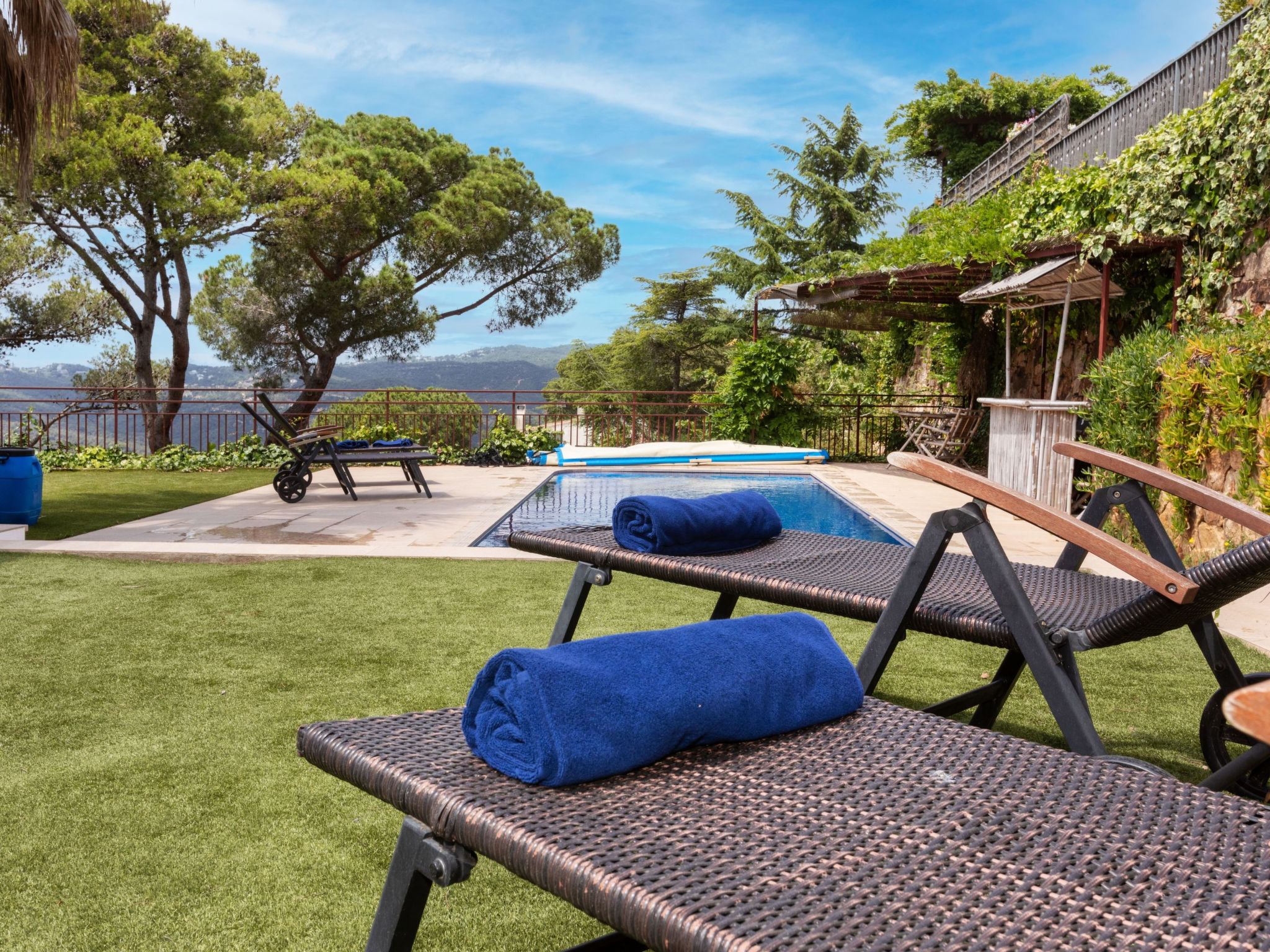
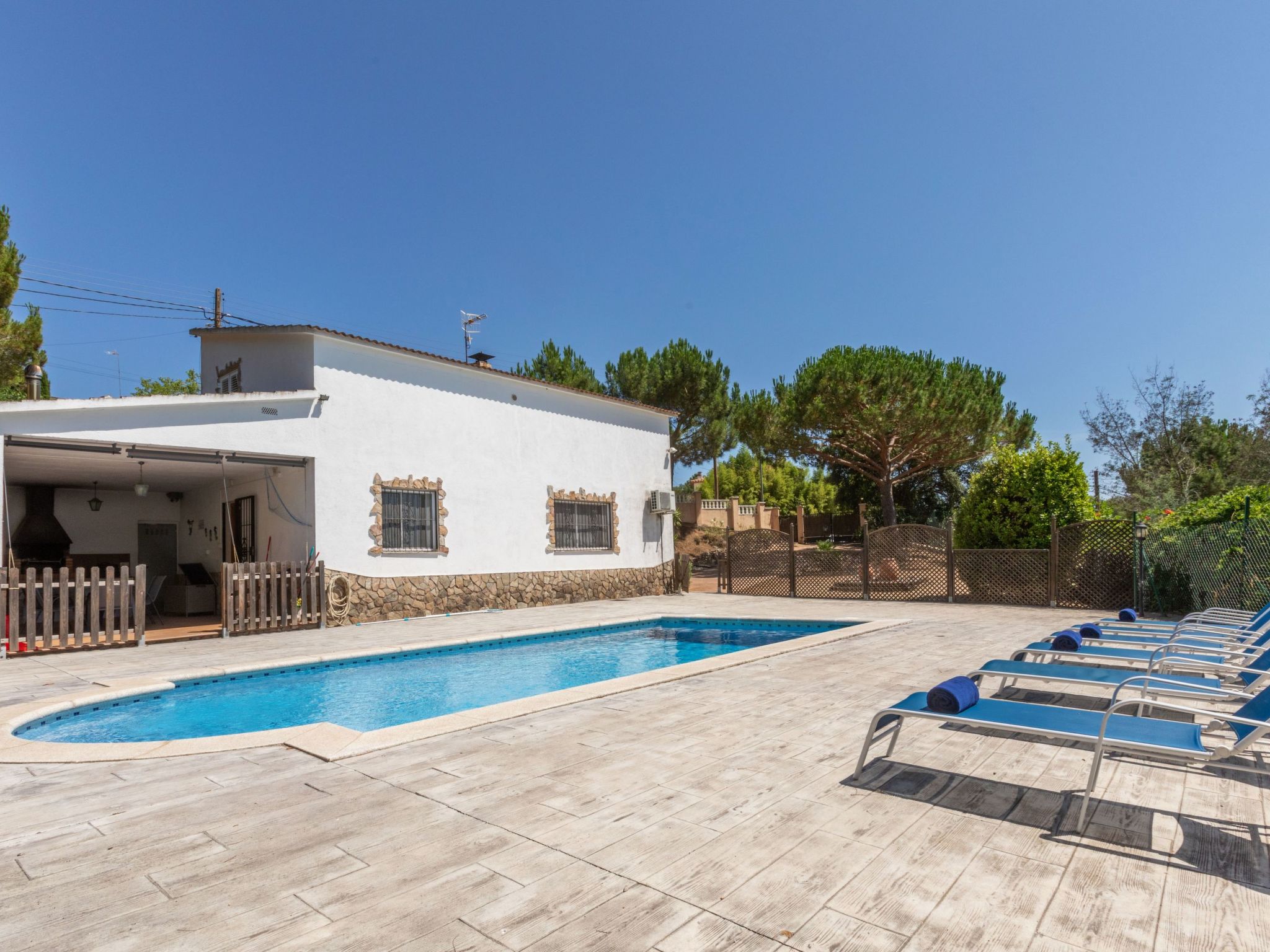
Very much so. Nearly all of our homes in Lloret have a private pool, and many sleep eight or more, which suits larger groups. The catch is that they are spread over several kilometres, so the beach is rarely a short walk.
Lloret de Mar or Tossa de Mar?
Lloret is the much larger town, around 43,000 residents, with one long beach. Tossa has about 6,300 residents, a walled medieval old town and a main beach of roughly 380 m. Pick Tossa for scale and history, Lloret for size and choice.
Which coves are near Lloret de Mar?
Sa Caleta, Cala dels Frares and Cala d'en Trons lie on a circular walk from the Majorca viewpoint, with rocky sections and coarse sand. Sa Boadella is a pale-sand cove in the pines, and Cala Morisca is a narrow rocky one reached by steep steps.
What are the Santa Clotilde gardens in Lloret de Mar?
Clifftop gardens above Sa Boadella cove, laid out in the noucentisme style and commissioned by the Marquis of Roviralta in 1919. They are known for a wide variety of plants and an absence of flowers, so go for the layout and the sea view.
Nearby towns to Lloret de Mar
Written by the TrustedVillas team. Last reviewed October 2026.
Find Your Perfect Villa in Lloret de Mar
Our villa experts are here to help you find the ideal property for your vacation. Contact us for personalized recommendations.