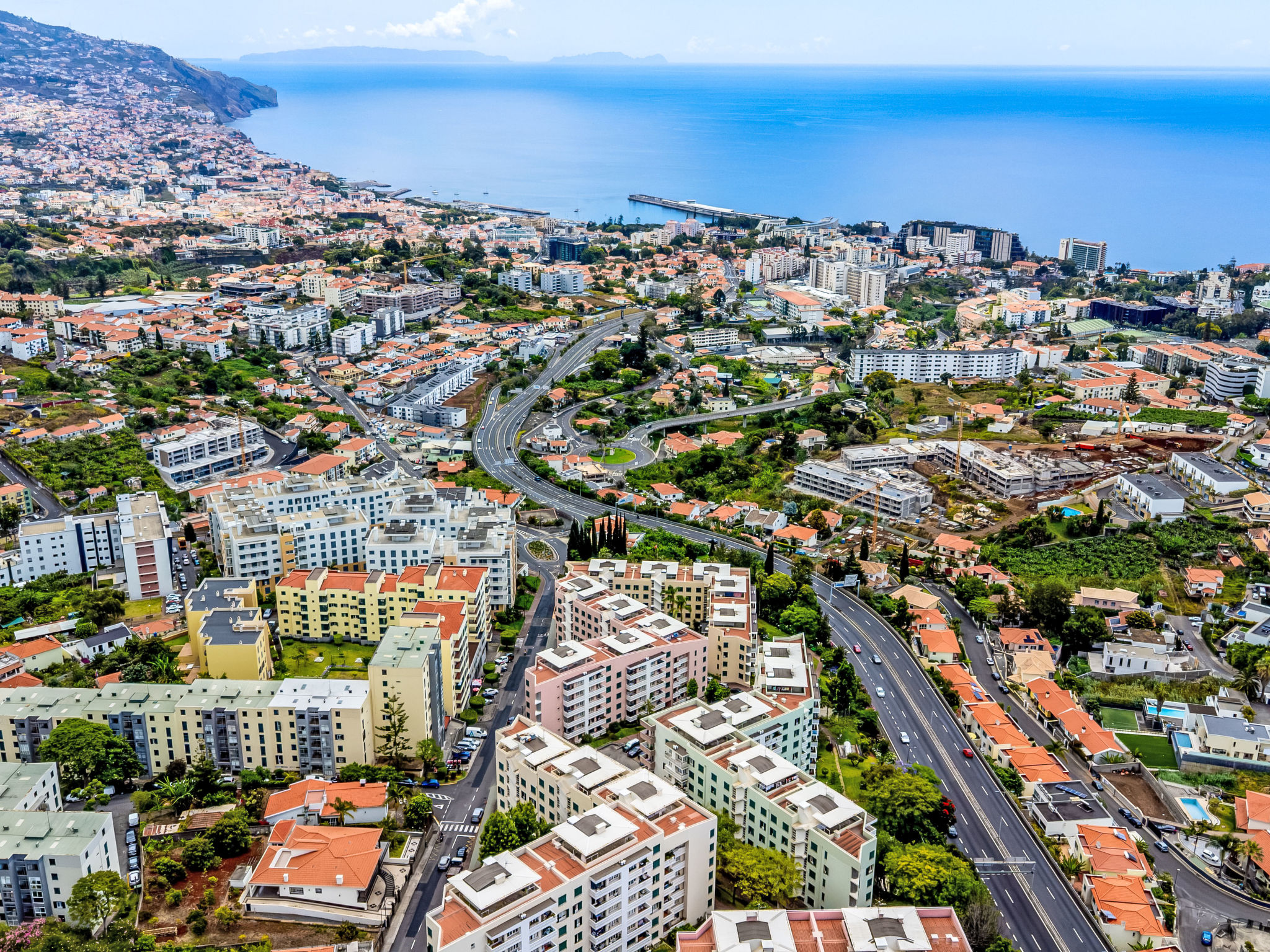
Madeira: Where Mountains Drop into the Atlantic
Madeira sits 520 miles off the coast of Africa, giving it a climate all its own. We find ourselves drawn here less for nightlife and more for landscape: levada walks through laurel forests, volcanic peaks poking through clouds, and the kind of garden-fresh produce that makes even supermarket vegetables seem ordinary. The island's reputation for year-round warmth is earned, though "tropical" doesn't mean "predictable" up on the higher altitudes where afternoon rain is common. It's not a beach destination in the Caribbean sense; the coast is rocky and dramatic, the water cool. That suits us fine. We come to hike, eat fish stew, and recover from February's British weather.
What Makes Madeira Special
- Levada walks. These 16th-century irrigation channels trace cliff edges and forest floors and are unlike anything else in Europe. Some are genuinely exposed; bring proper footwear and a head for heights.
- Subtropical microclimates within 22 miles. The north coast gets hammered with rain and Atlantic wind. The south bakes. The peaks are chilly. Pack layers and expect to use all of them.
- Funchal has lost some edge. It's smart and wealthy now, heavy with cruise-ship tourism by mid-morning. The side streets (Travessa do Tumbeiro and the surrounding alleys) have more substance.
- No crowds in the mountains. Once you're on a levada or at 1,861 meters, you'll see mostly locals. The payoff is real isolation mixed with infrastructure that works.
Top Towns & Resorts in Madeira
Funchal
Madeira's capital sits in a natural amphitheater, with low hills rising directly from the harbor. The food is genuinely skilled—we're talking swordfish and scabbardfish prepared with confidence, vintage Madeira wines that taste nothing like the fortified stuff your aunt keeps. The Old Town (Zona Velha) has museums, bars, and a 15th-century cathedral. The Botanical Garden overlooks the city. Tourist season peaks December through March, and cruise ships clog the waterfront on good-weather days. Parking is nightmarish; take the funicular up the hill if you're driving.
Câmara de Lobos
This fishing village 10 km west of Funchal feels caught between tourism and authenticity. The harbor is still working: boats land catch each afternoon. The fishermen's houses are painted in yellows and blues. There's a decent esplanade with fish restaurants that charge less than Funchal. The road down into the village is steep and narrow; park at the top and walk. October through April can bring serious Atlantic swells that aren't great for swimming, and the beaches are pebble not sand.
Search villas in Câmara de Lobos
Pico do Arieiro & Levada Walks
The levada system is the draw here. The Levada do Caldeirão Verde walk (about 6 km) follows a channel through moss-draped laurel forest to a waterfall. It's wet, green, and genuinely otherworldly. Levada da Ponta do Pargo on the west coast combines levada walking with ocean views. These aren't casual strolls: wear proper hiking boots with grip, bring rain gear, and be comfortable with exposed sections. The Arieiro peak itself (1,860m) is accessible by road and foot; the views extend to Tenerife on clear days. Afternoon cloud cover is frequent, so start early.
Search properties near Pico do Arieiro
Santana
The island's north coast is greener, wetter, and quieter. Santana sits beneath stacked mountains where the A-frame houses (casas típicas) come in traditional colors. It's small but the walk to the Sete Piscinas (seven natural pools in the valley) is genuinely rewarding. The drive over from the south takes 45 minutes and involves one very tight mountain road. The north coast weather is less predictable; rain can arrive suddenly even in summer, and Atlantic swells make coastal swimming risky except in July and August.
Search properties in Santana