Updated March 2026 | By TrustedVillas Portugal Specialist Team
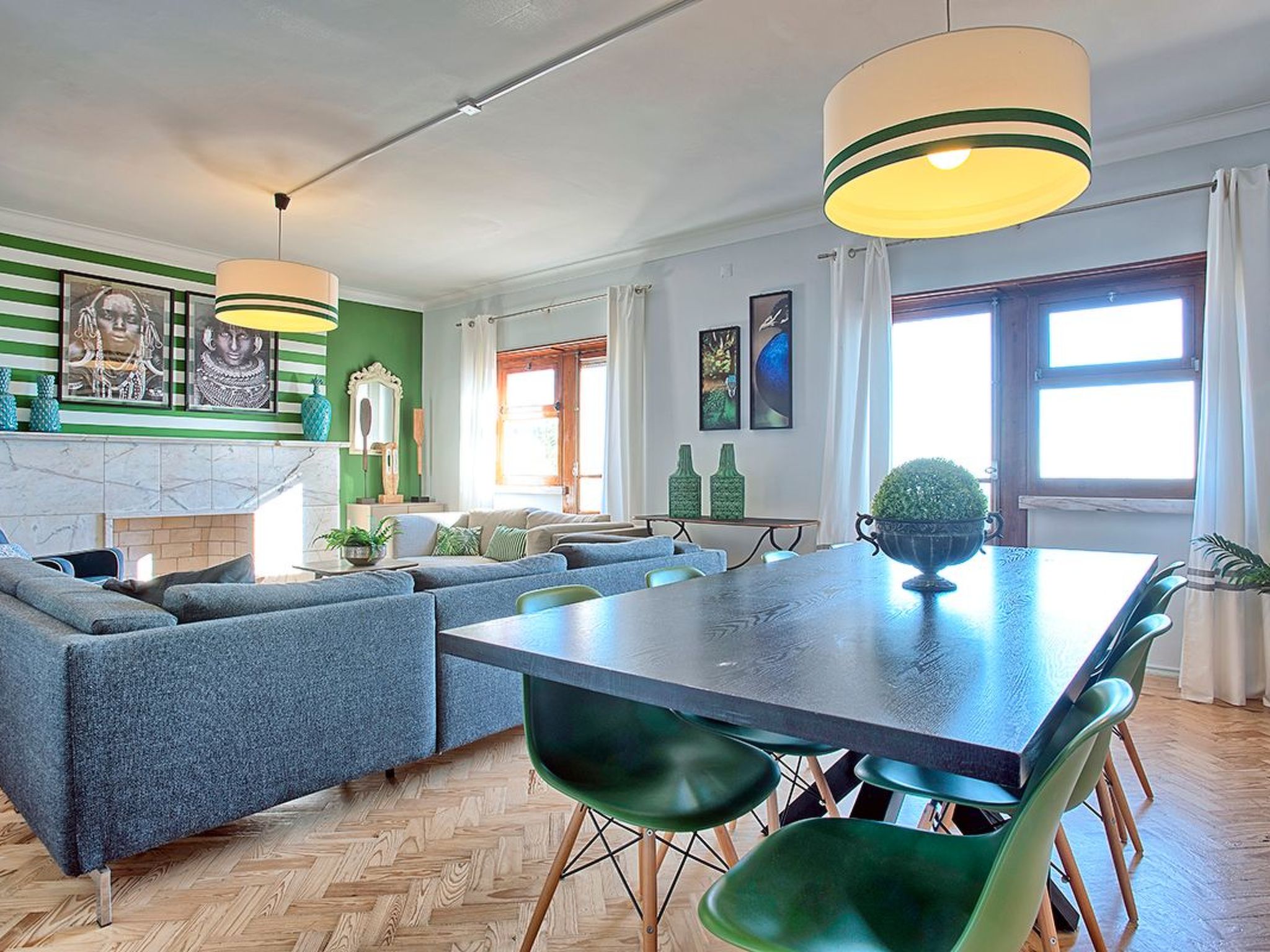
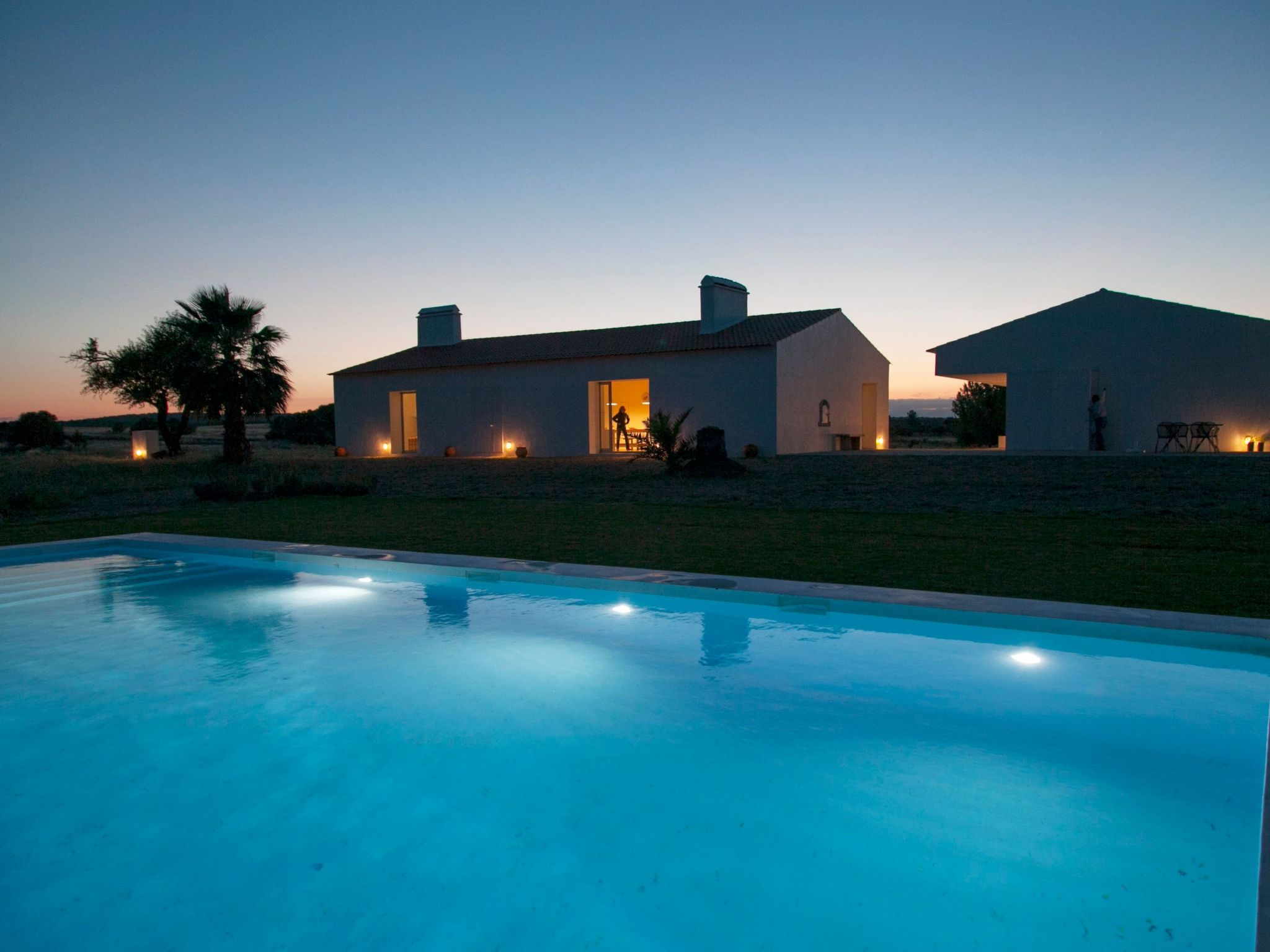
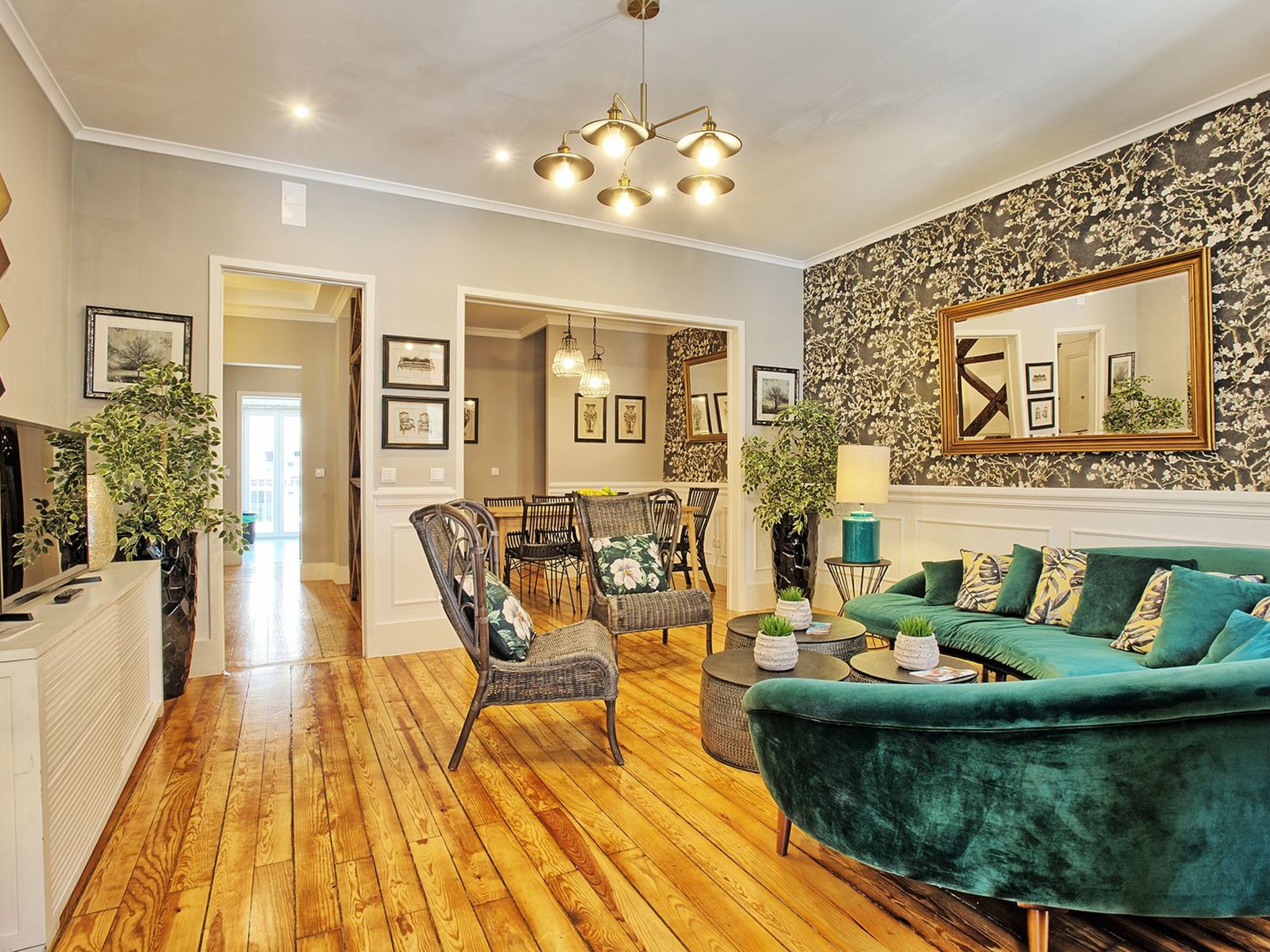
Portugal has quietly become one of Europe's most accessible villa destinations for UK travellers: short flights, affordable year-round, and a climate that shifts from Atlantic drama in the north to near-Mediterranean warmth in the south and islands. We've noticed a shift in recent years. Portugal's no longer the overlooked neighbour to Spain. Families are discovering that villas here offer the same space and privacy as Spanish equivalents, but with more welcoming locals, better-value wines, and a slower pace that actually feels restorative rather than rushed. You get neighbourhoods where people still know each other, restaurants where fish was caught that morning, and accommodation that doesn't require second mortgages.
Why Choose Luxury Holiday Villas in Portugal?
- Notable value compared to Western Europe. Villas with pools, gardens, and genuine local character cost 20-40% less than equivalent properties in Spain or France, without sacrificing quality or location appeal.
- Reliable sun and diverse coastlines. The southern coast (Algarve) gets 300+ sunshine days; northern coastal regions (Costa Brava) offer colder swims but compelling Atlantic drama and uncrowded beaches; western Atlantic coast has wild energy.
- World-class wine regions without pretension. Douro Valley and Alentejo produce exceptional wines sold locally at prices that won't shock, with easy villa access to wineries, vineyard stays, and family-run tasting rooms offering genuine education.
- Islands offering genuine remoteness. Madeira and the Azores offer sub-tropical climates, world-class hiking, and a sense of removal that doesn't require 12-hour flights or complicated logistics.
- Authentic food culture remains genuinely intact. Fresh seafood, vegetable markets functioning for locals (not tourists), and family restaurants where you won't find tourists from ten countries already seated. Portuguese cooking is honest, unpretentious, and exceptional.
Top Regions for Villa Holidays in Portugal
The Algarve
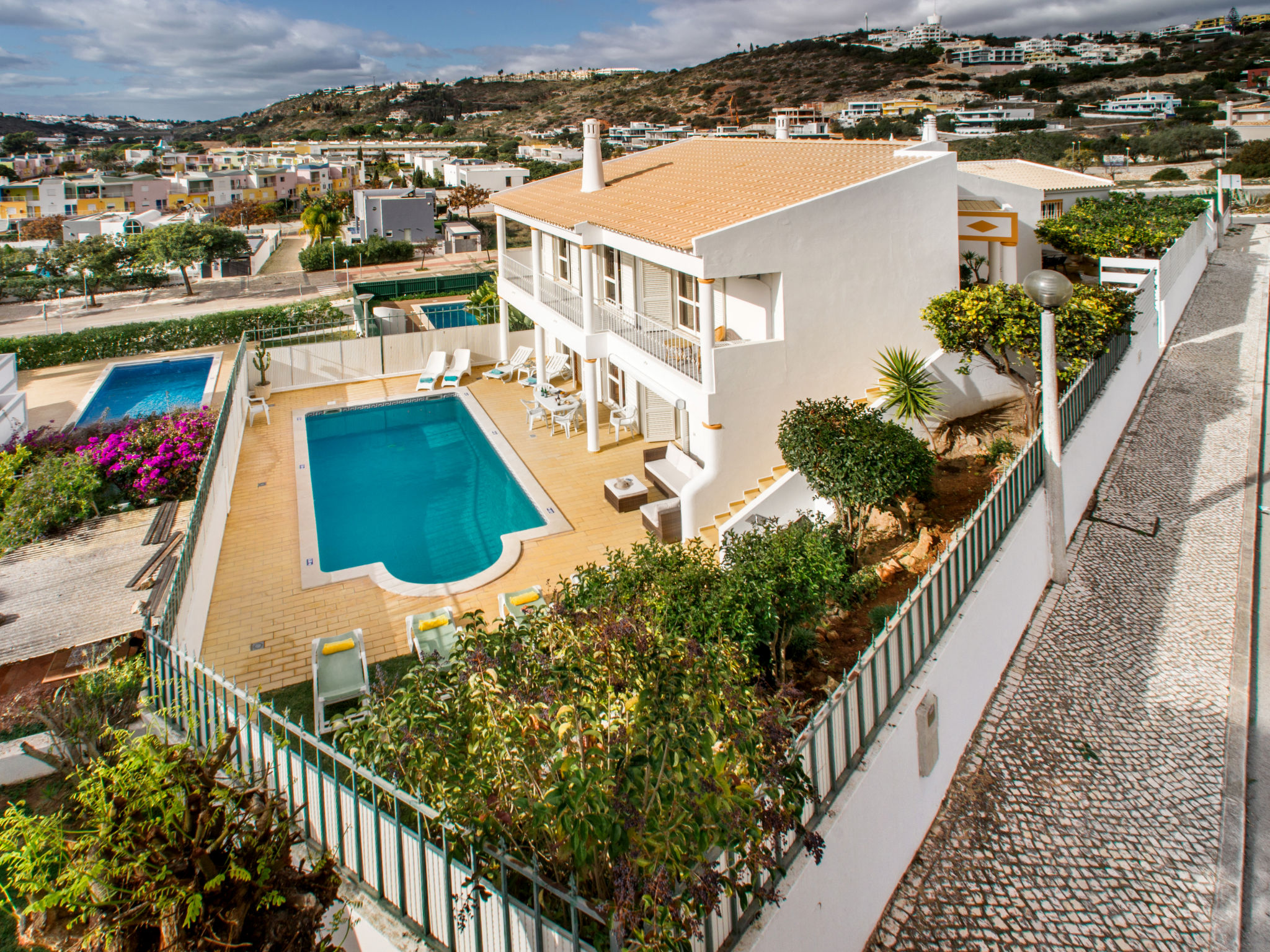
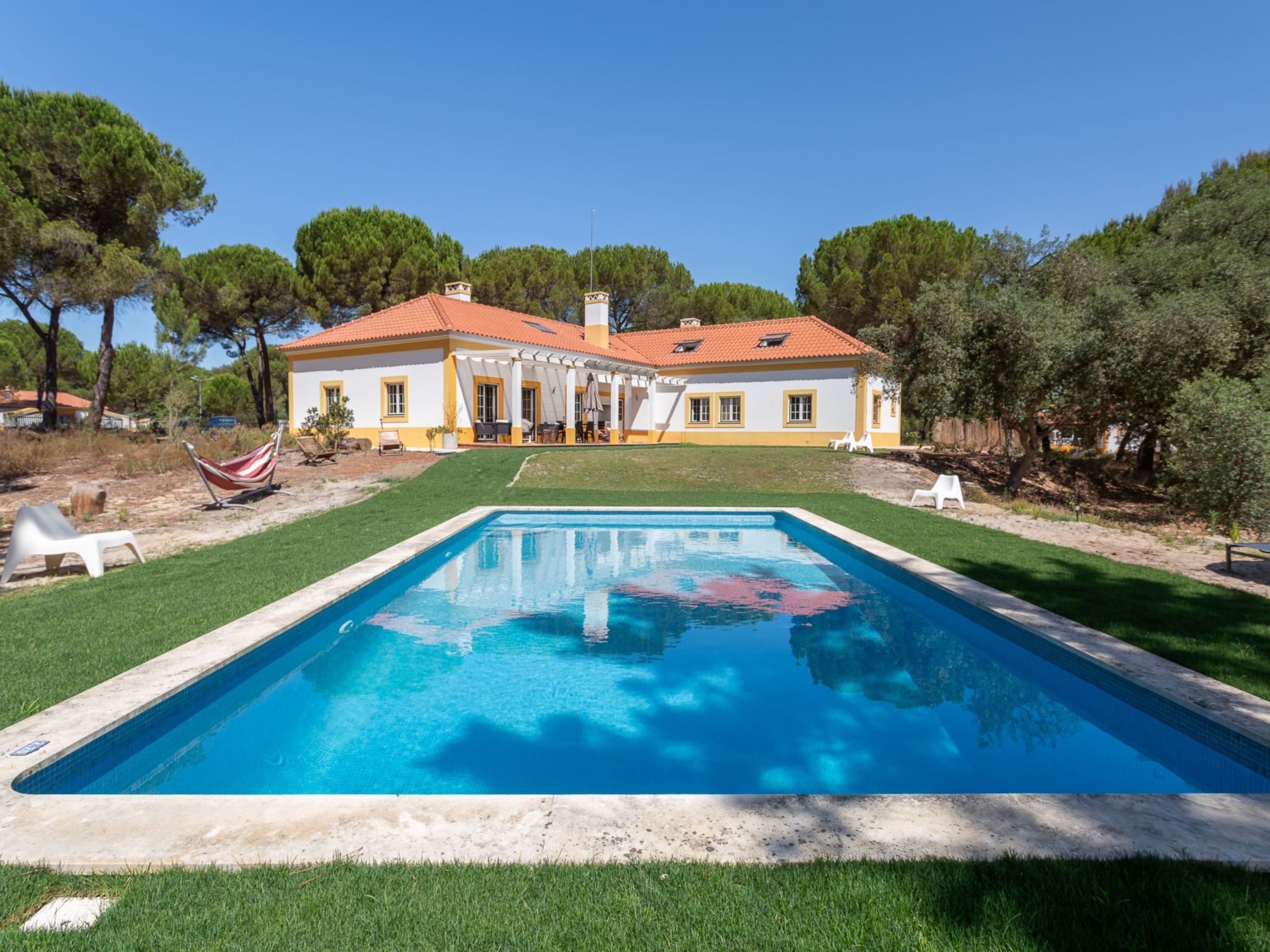
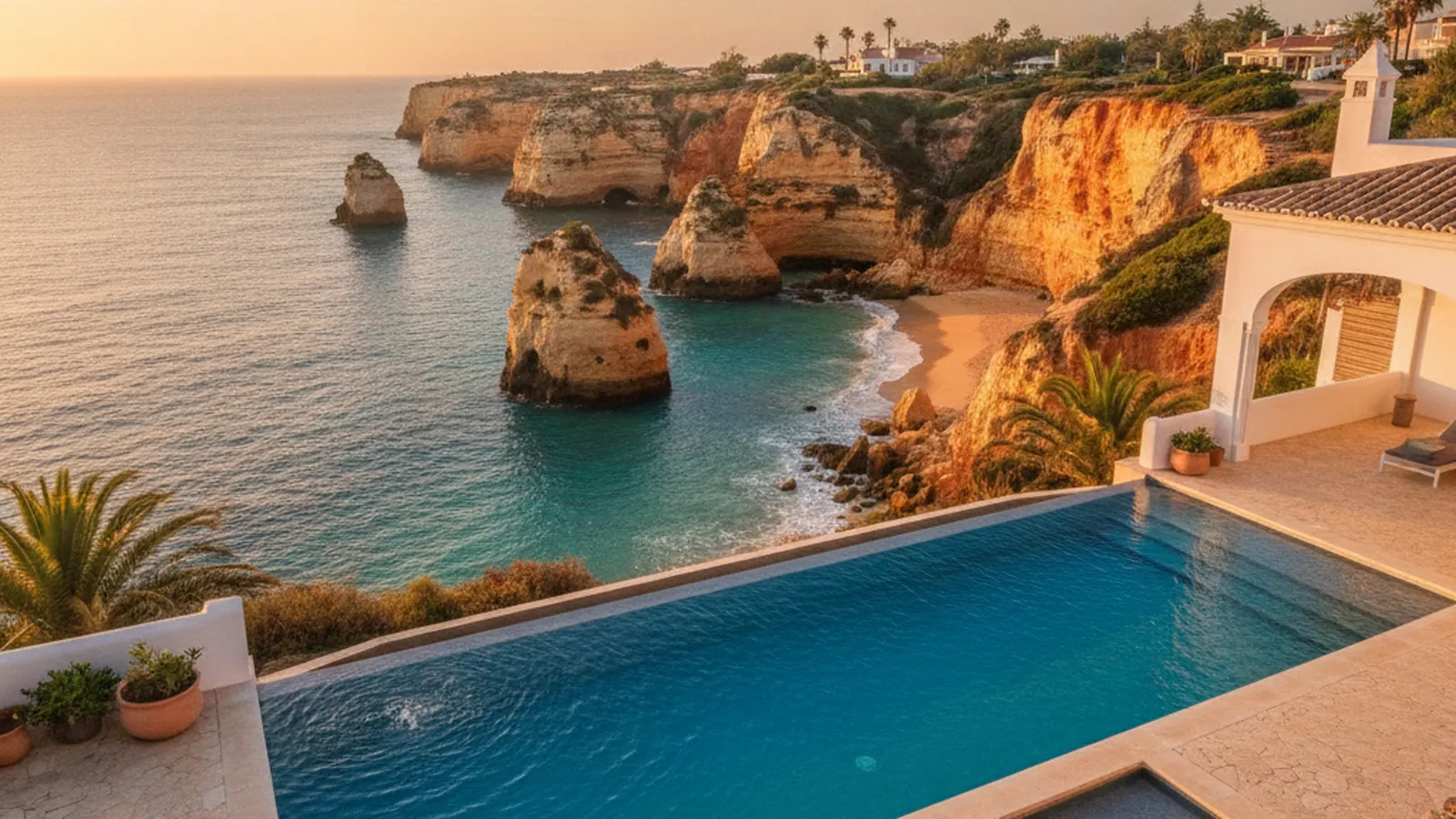
The Algarve is Portugal's warmest region and gets competitive during summer holidays when families with school constraints flock here. Beaches near Albufeira and Lagos can feel like package-tour destinations, especially in August. That said, east of Faro the coast remains considerably quieter, and if you move inland to wine villages and cork forests, crowds evaporate entirely. The region gets reliably hot (28-32°C in summer) and water temperatures are swimmable June through October. Villas here range from functional beachside apartments to sprawling farmhouses inland with pools and countryside views. The trade-off: drive times to cultural attractions can be 2+ hours, and the region lacks the architectural interest of northern coastal towns. But if guaranteed heat and beach access matter most, the Algarve delivers comprehensively.
Explore Luxury Villas in the Algarve →
Central Coast (Ericeira and Peniche)
Portugal's central coast, particularly around Covilhã, Ericeira, and Peniche, attracts surfers and travellers seeking Atlantic energy rather than Mediterranean calm. Waters are colder (16-18°C even in summer) and weather less predictable than the Algarve, but the beaches are genuinely wild, uncrowded even in peak season, and surrounded by dramatic cliffs and fishing villages. This region works best April-October and appeals to families comfortable with wetter weather and rougher seas. Lisbon is within driving distance, so you can combine coast time with city exploration. Accommodation is less developed than the Algarve, meaning better value and more authentic local neighbourhood feeling. Fishing traditions remain active; restaurants reflect this with good seafood prepared simply.
Explore Luxury Villas on the Central Coast →
Madeira Island
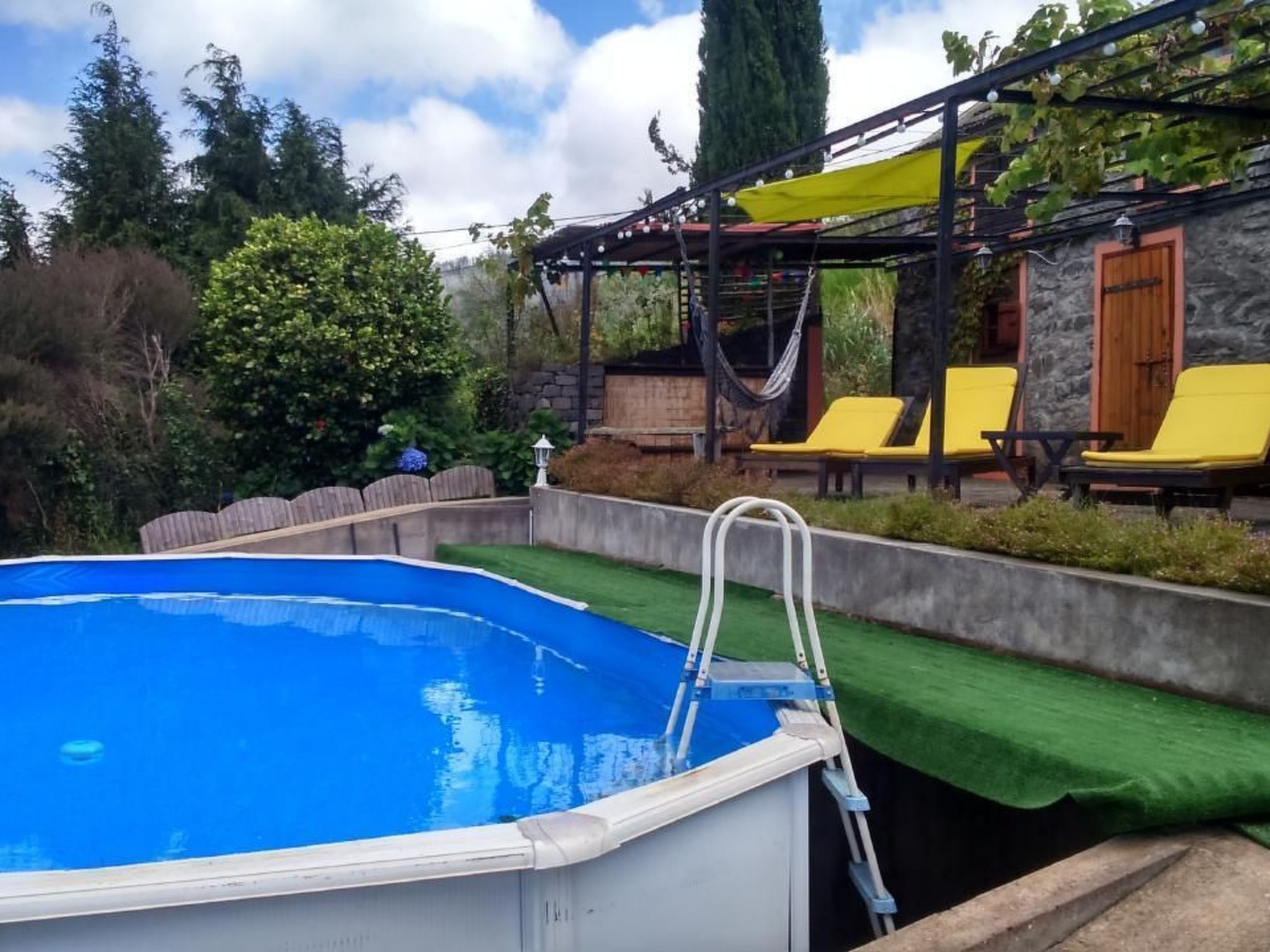
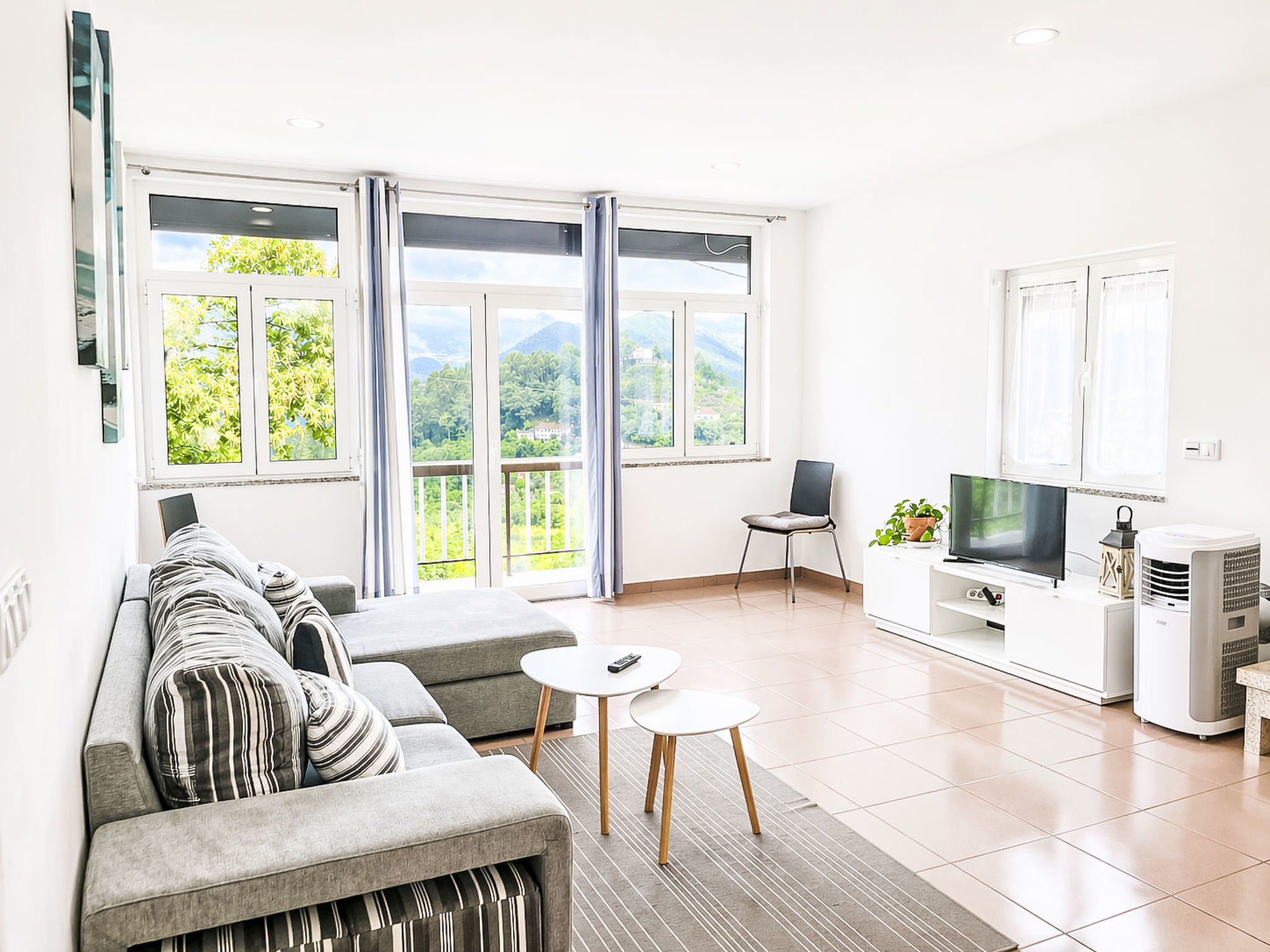
Madeira is Portugal's Atlantic island, a 4-hour flight from the UK but without the jetlag of more distant islands. The climate is subtropical year-round (20-22°C in winter, 25-27°C in summer), making it reliable for autumn and winter sun-seeking. The landscape is dramatically compelling: steep cliffs, endemic plants found nowhere else, and hiking trails through cloud forests with waterfalls. Accommodation tends toward resort-style hotels rather than villas, though we've sourced some villa properties with views over Funchal or quieter locations in smaller towns like Câmara de Lobos. Winter is genuinely wet, so plan indoor activities alongside hiking. The island's small enough that you won't need a car for most explorations, though one gives you options beyond the main tourist circuit and tourist restaurants.
Explore Luxury Villas in Madeira →
Douro Valley Wine Region
The Douro Valley, inland from Porto in the north, is Portugal's premier wine region and increasingly popular with villa travellers seeking cultural immersion rather than beach days. The landscape is steeply terraced vineyards tumbling down to a river in UNESCO-protected formations—genuinely beautiful, though accessing villages often means winding roads that aren't well suited to nervous drivers. Summer temperatures can exceed 30°C; spring and autumn are optimal for exploring without heat. Villas here are often converted quintas (wine estates) with pools, wine cellars, and direct access to vineyard tours and tastings. The region has fewer beaches but compensates with markets, fishing villages, and Michelin-starred restaurants. It's slower-paced than coastal areas and requires spending 5-7 days minimum to justify the driving logistics.
Explore Luxury Villas in Douro Valley →
Why Portugal Stands Out Among Villa Destinations
Portugal succeeds where other Mediterranean destinations have become overcrowded or commercialized. The language barrier (fewer English speakers than Spain) naturally deters mass tourism. The infrastructure works well without feeling overdeveloped. The food culture remains grounded in local agriculture and fishing rather than tourist-menu standardization. Accommodation pricing reflects lower development costs rather than inflated demand. Families discover neighborhoods where locals outnumber visitors even in peak season. Wine production remains genuinely affordable, with local bottles costing what British supermarkets charge for basic alternatives. Food markets operate primarily for residents. Restaurants close for family holidays. It's genuinely slower-paced than Spain, less touristy than Greece, and considerably more affordable than Southern France. For travellers seeking European villa experiences without feeling like participants in mass tourism, Portugal delivers comprehensively and authentically.
Seasonal Considerations and Regional Weather Patterns
Portugal's regional weather variation requires understanding before booking. Southern Algarve is reliably warm (28°C+) June-September and mild (15-17°C) October-April. Central coast is cooler year-round with Atlantic influence: June-September means 18-22°C water and coastal winds; October-April becomes damp and grey. Northern regions (Douro Valley, Porto area) have distinct seasons: warm dry summers (25°C), cold damp winters (5-8°C). Madeira is subtropical year-round (20-25°C) but west-facing and wet (significant rain December-March). Choose regional destinations based on weather preferences, not just activities. Families wanting guaranteed beach swimming choose Algarve May-October. Those comfortable with cooler water and rougher conditions prefer central coast May-October. Cultural travellers choose shoulder seasons (April-May, October-November) everywhere for best experience-to-weather balance.