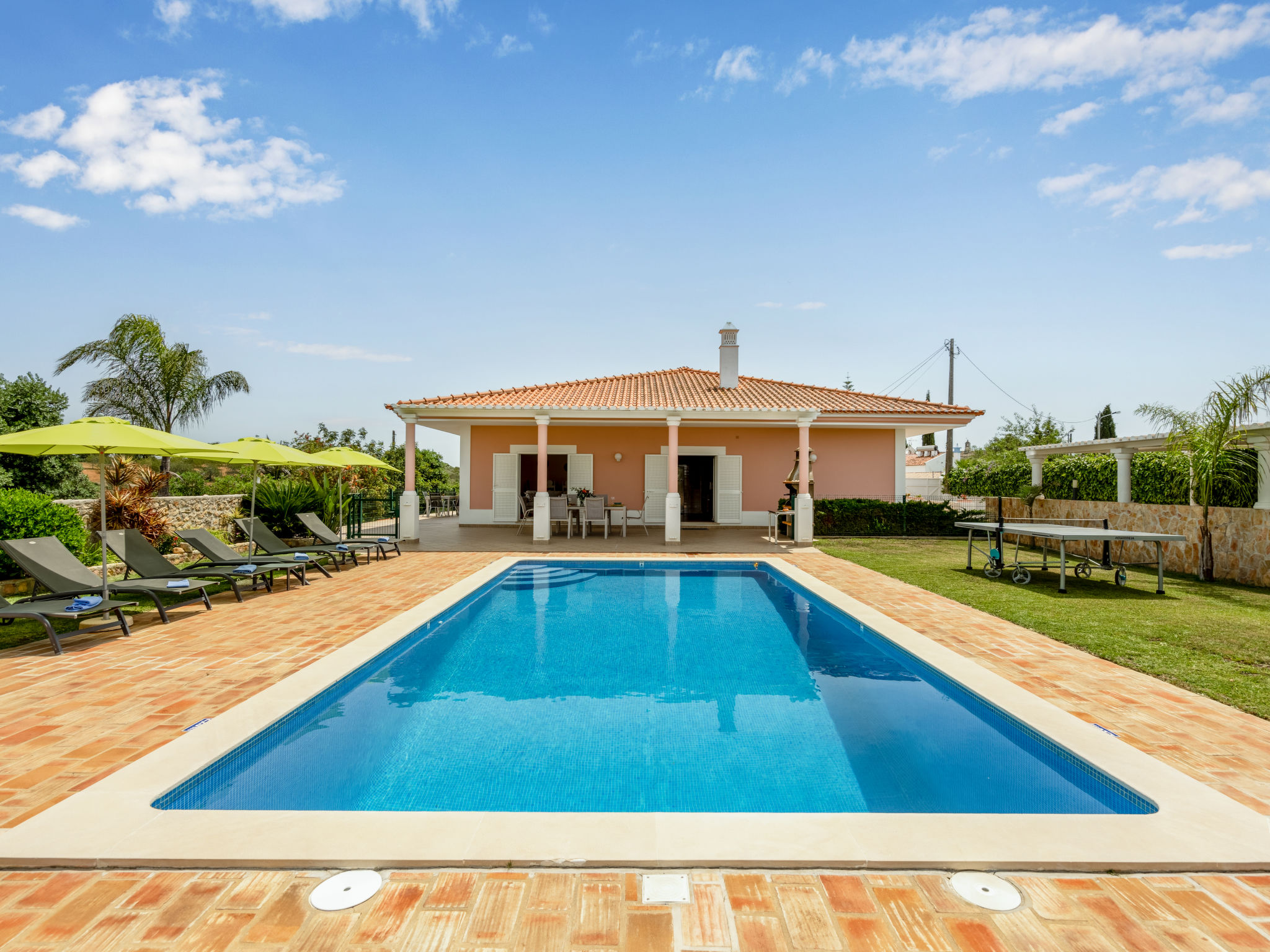
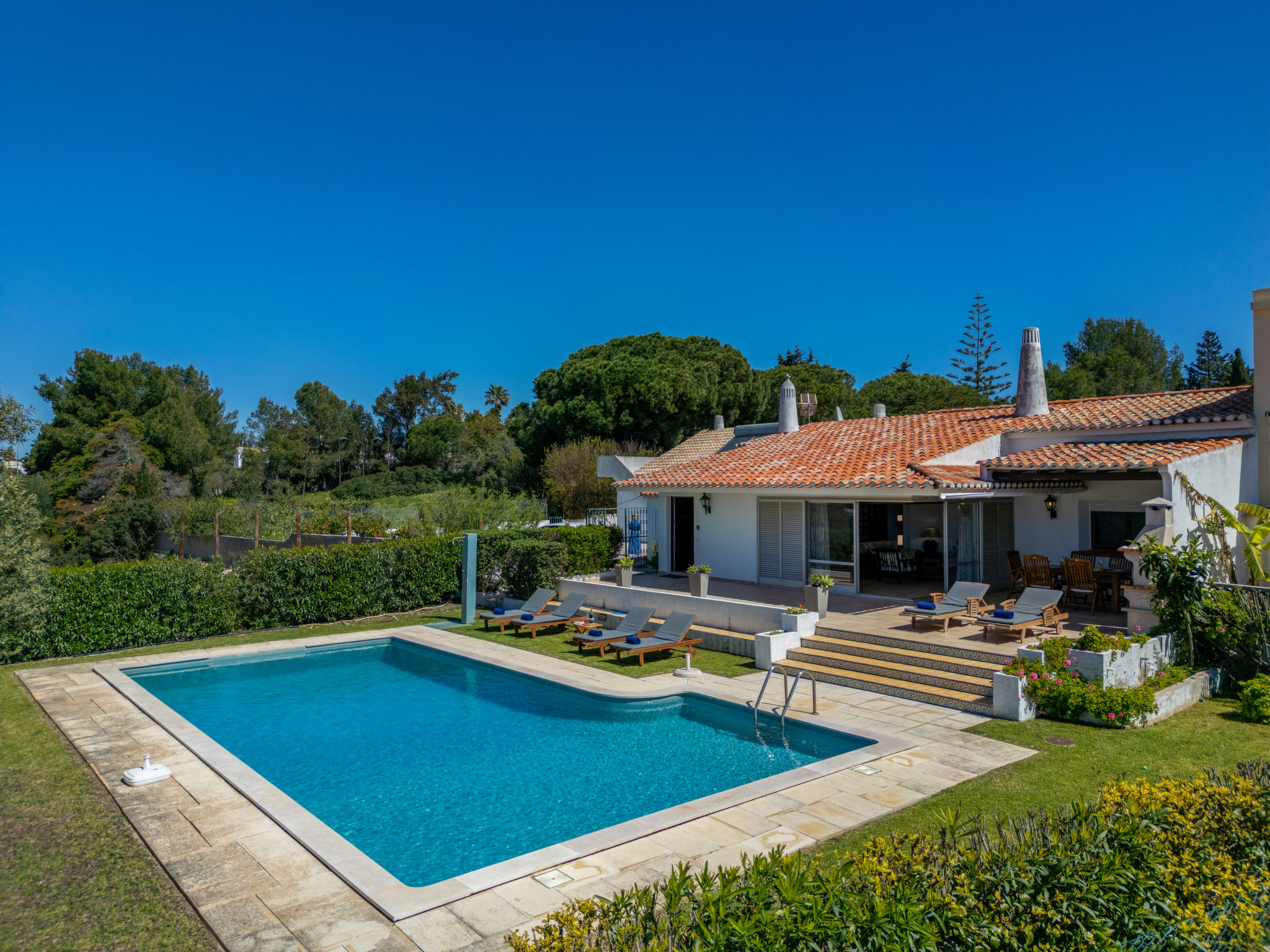
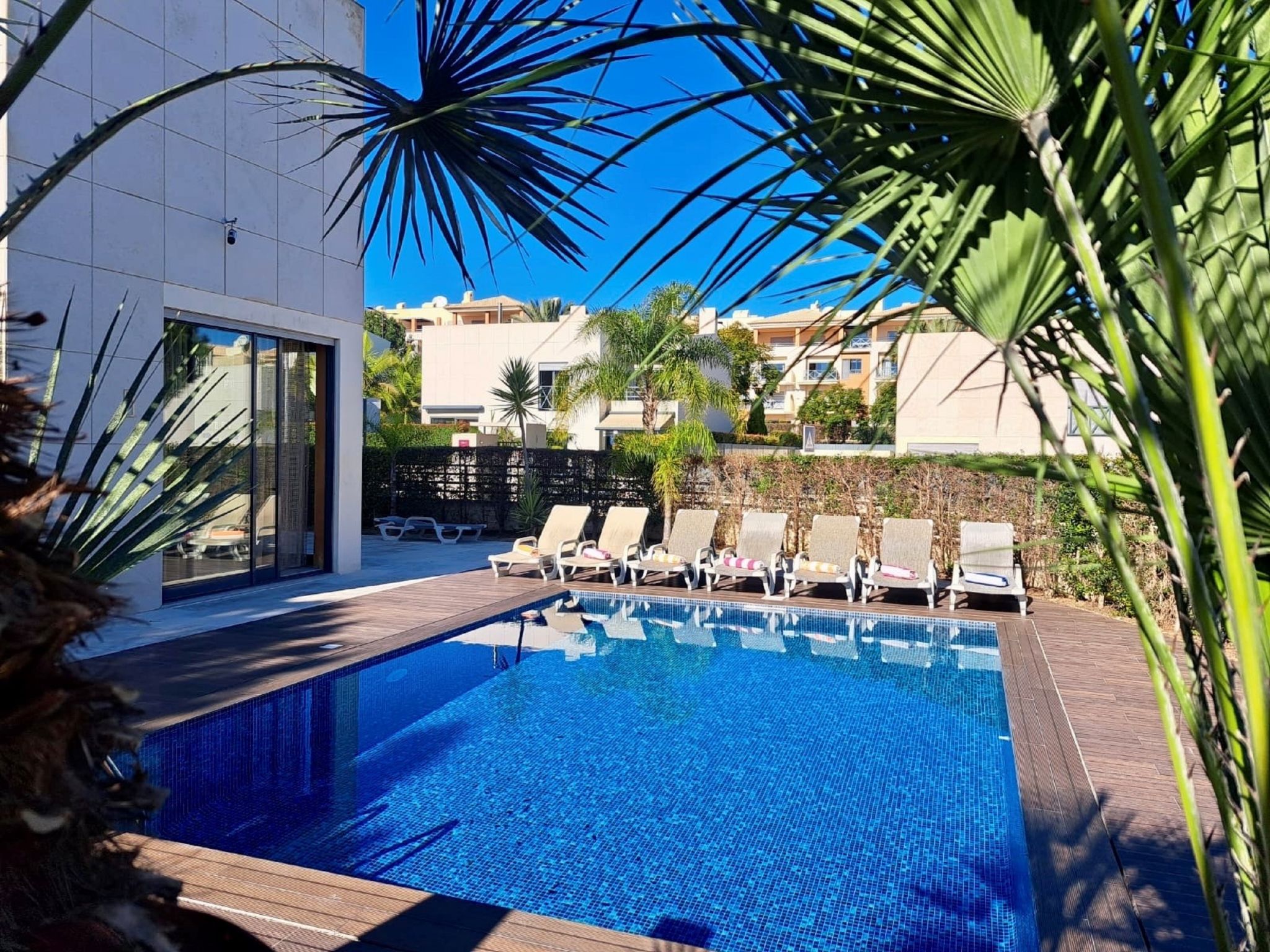
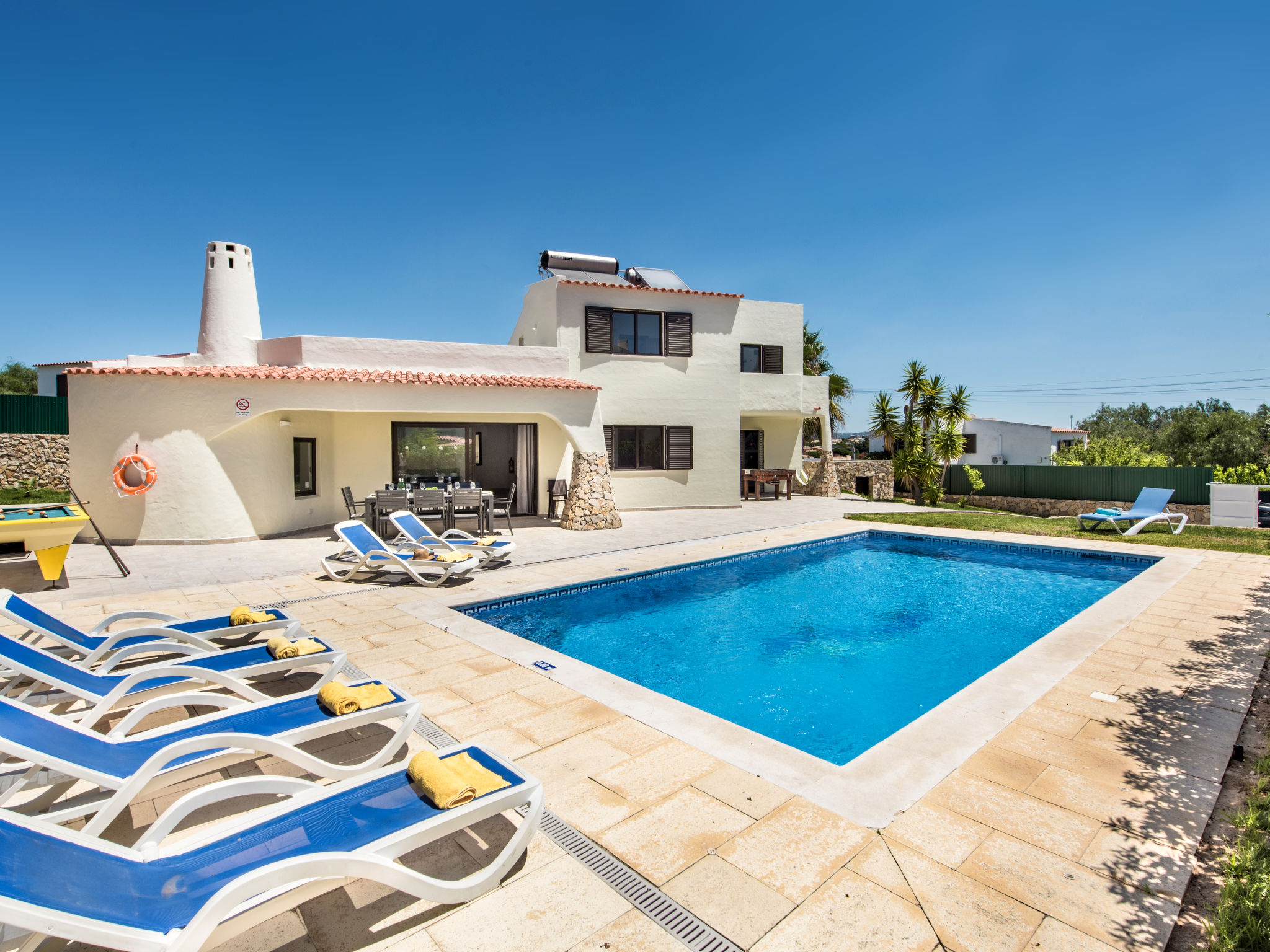
Albufeira, Guia, Gale and Paderne (central Algarve)
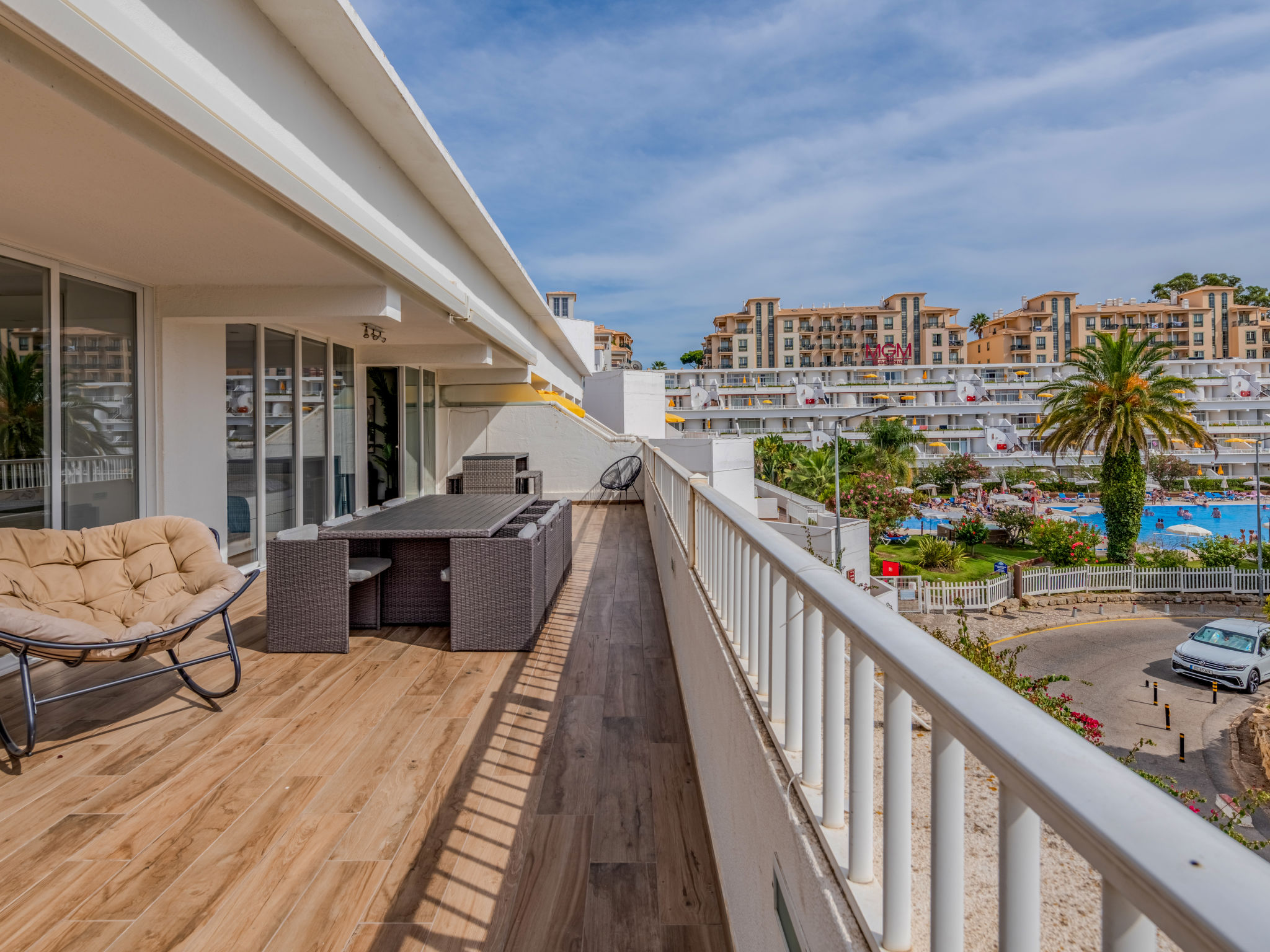
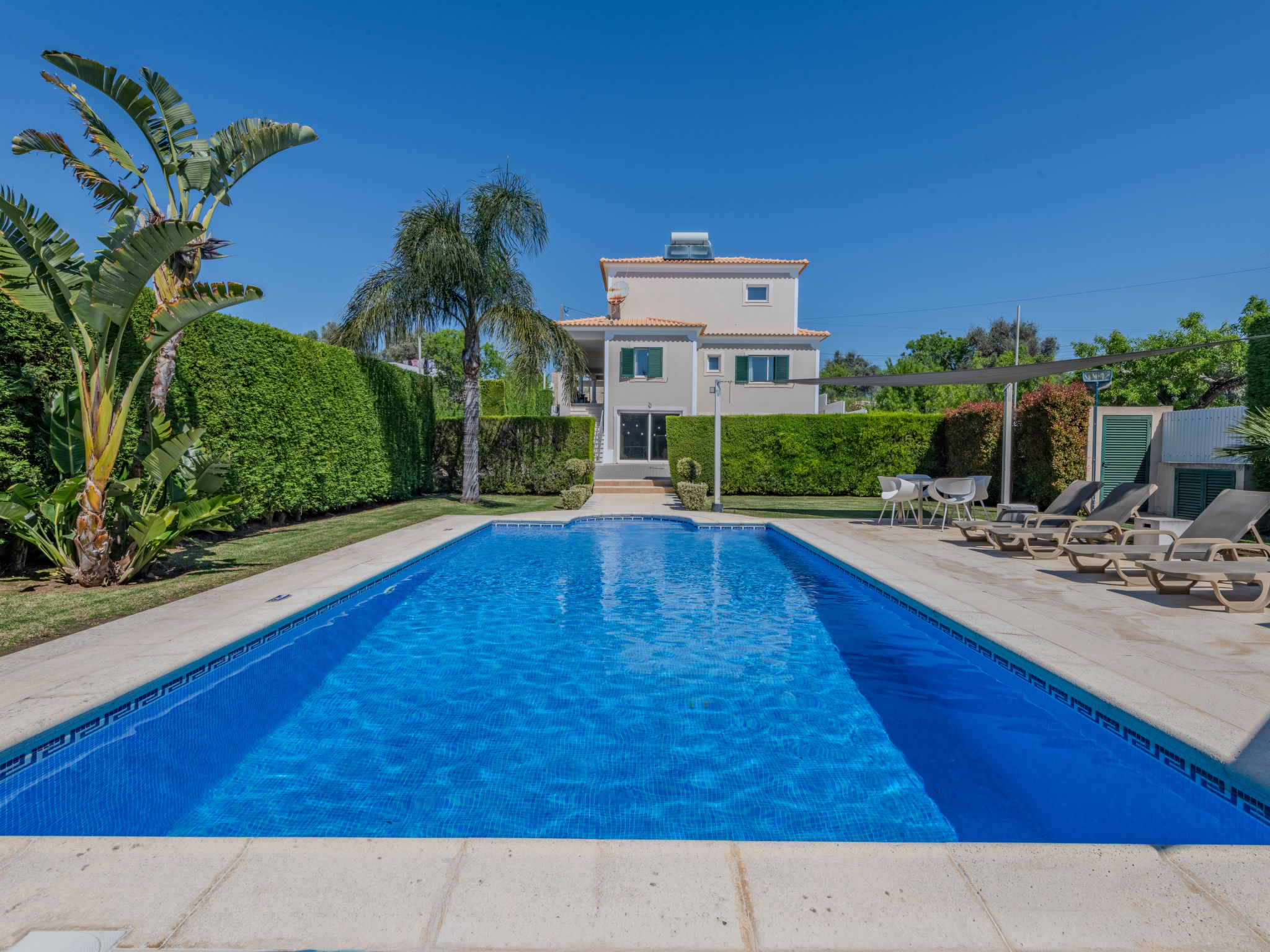
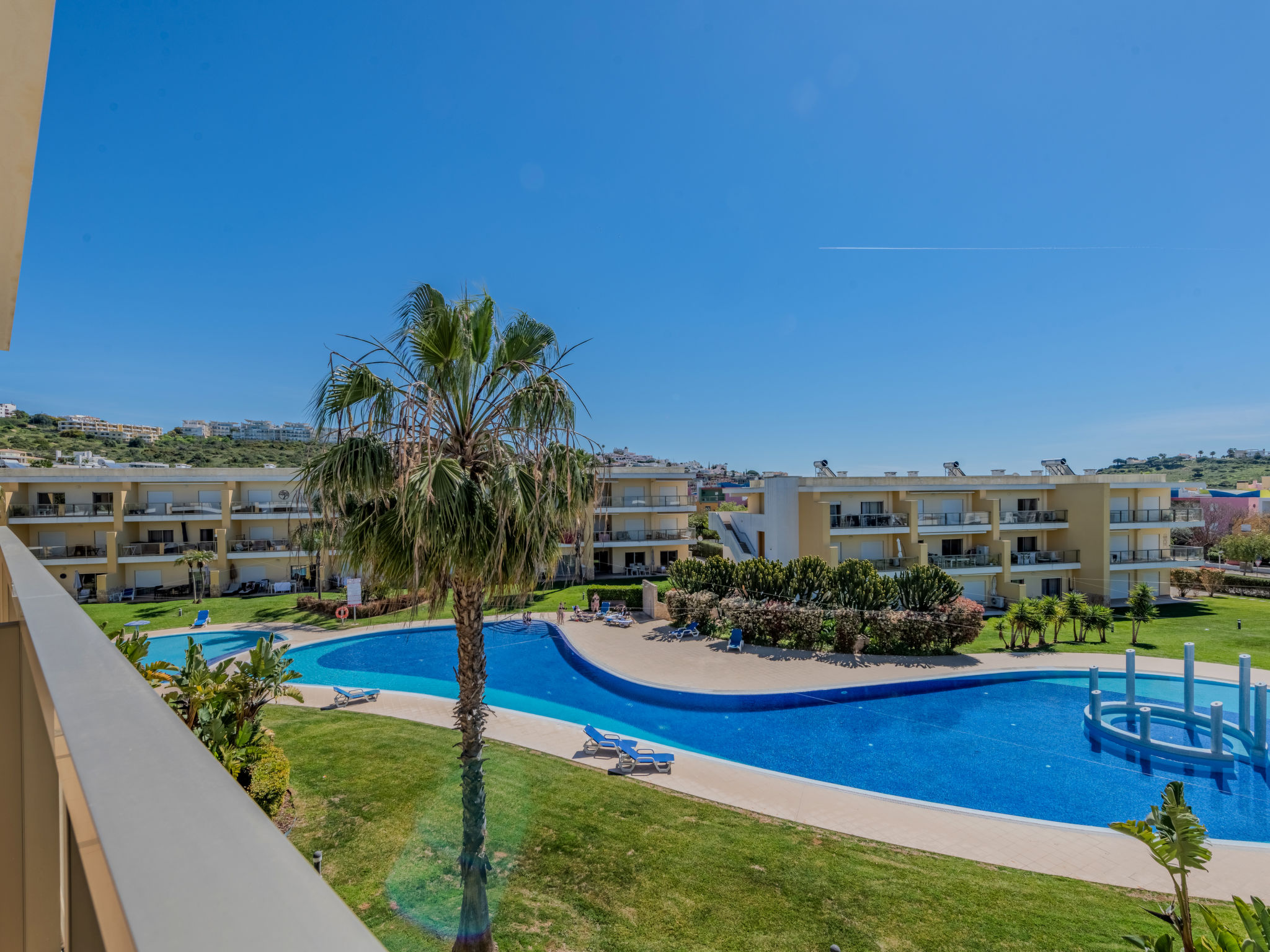
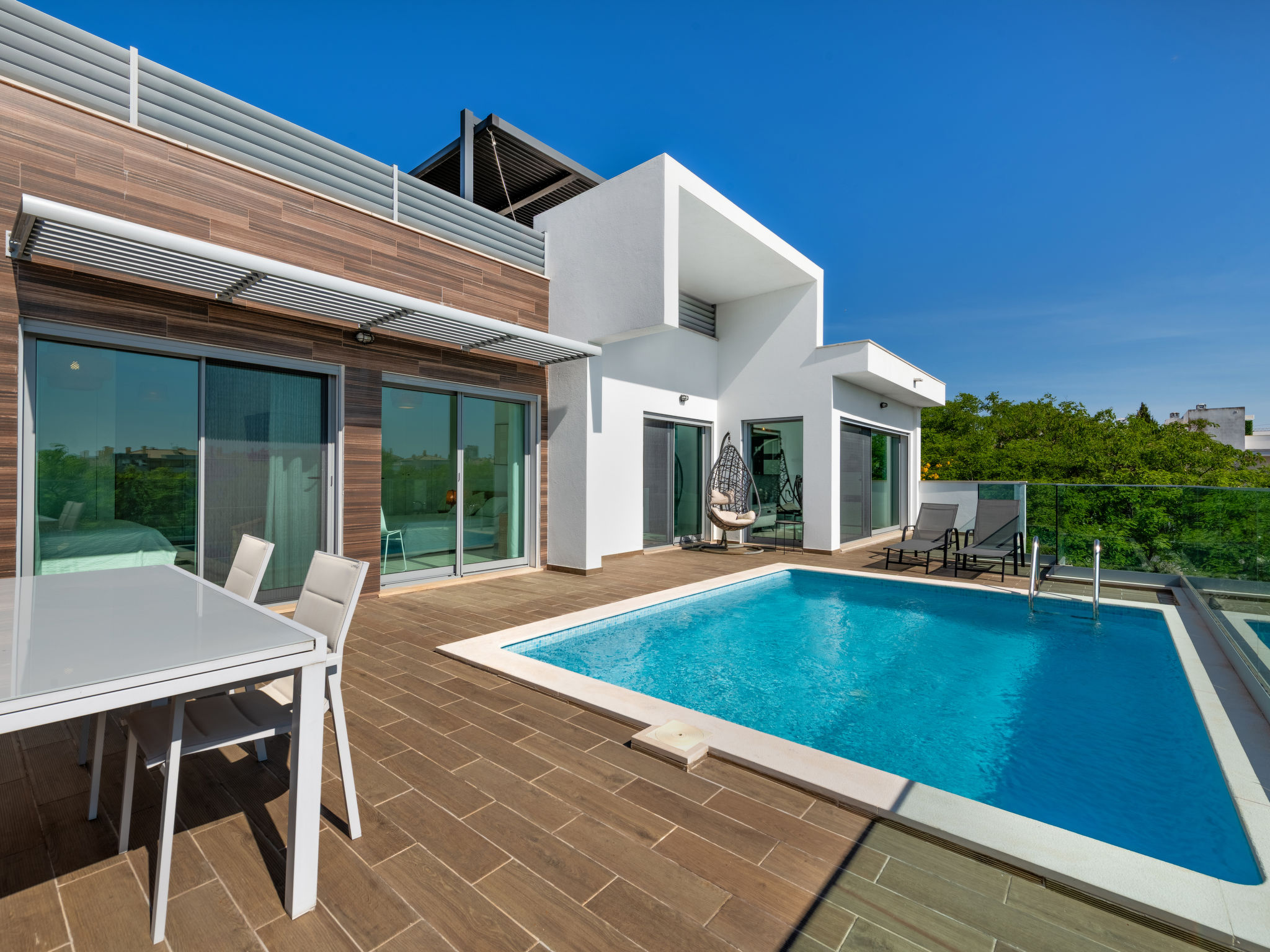
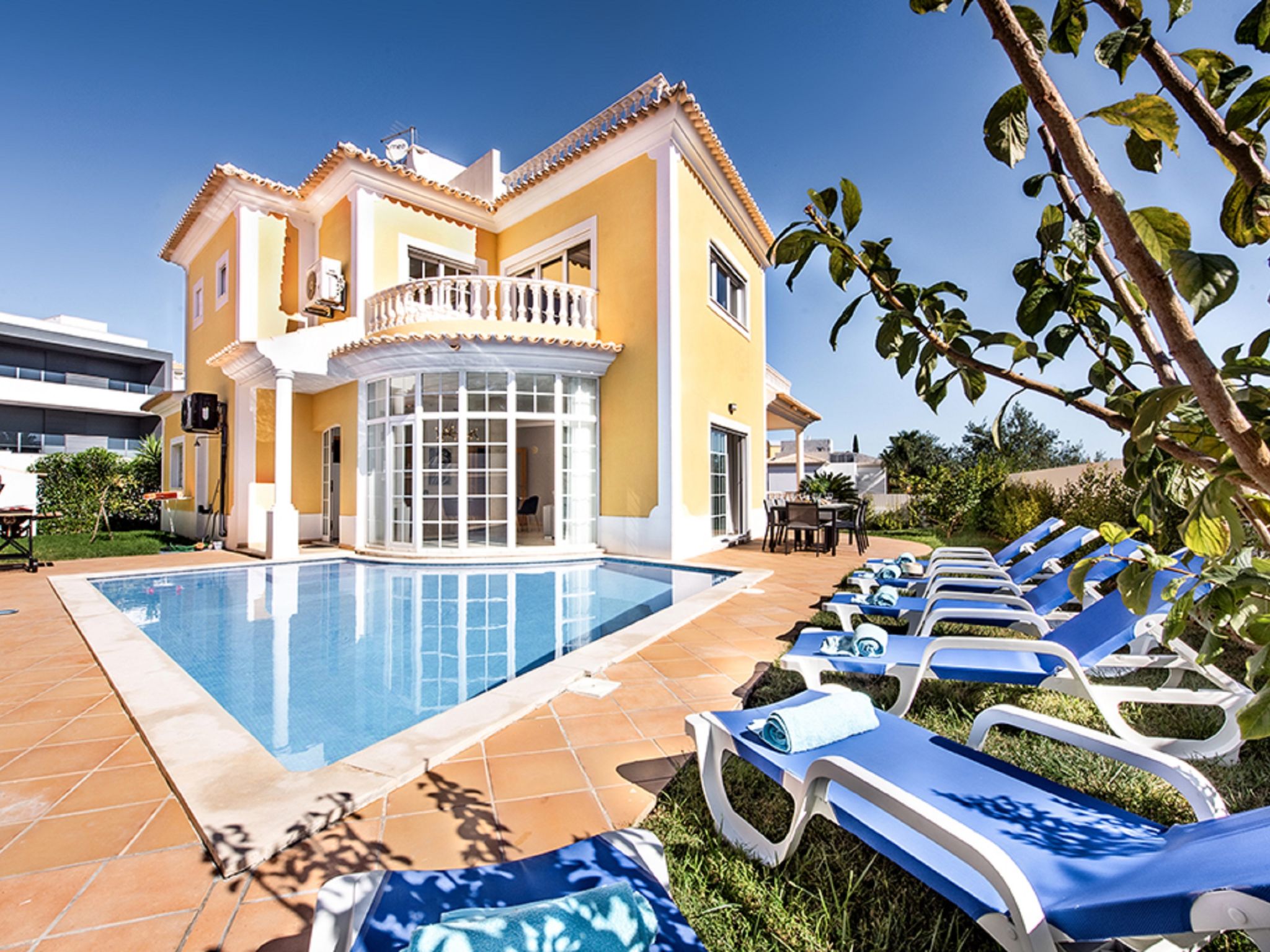
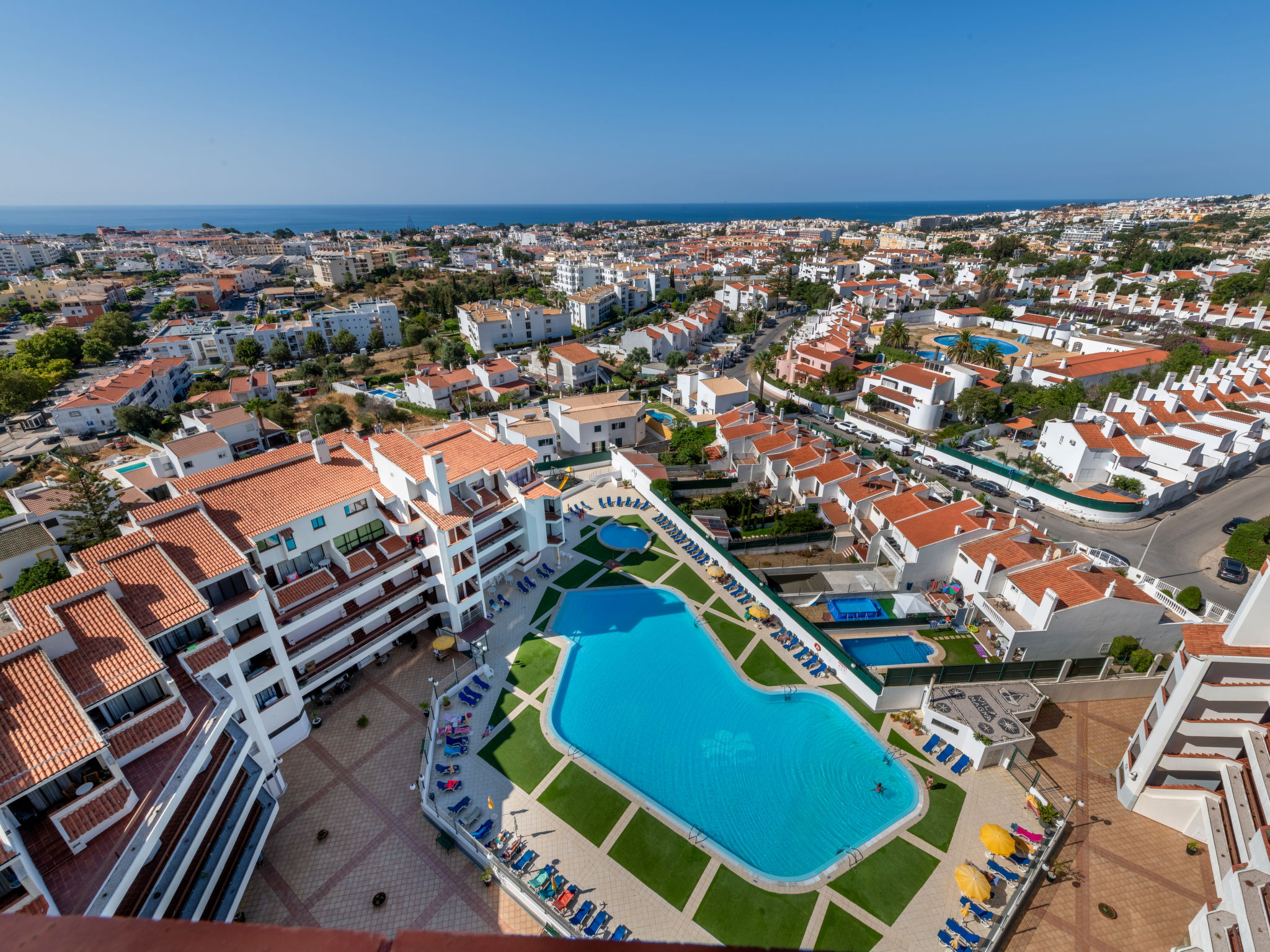
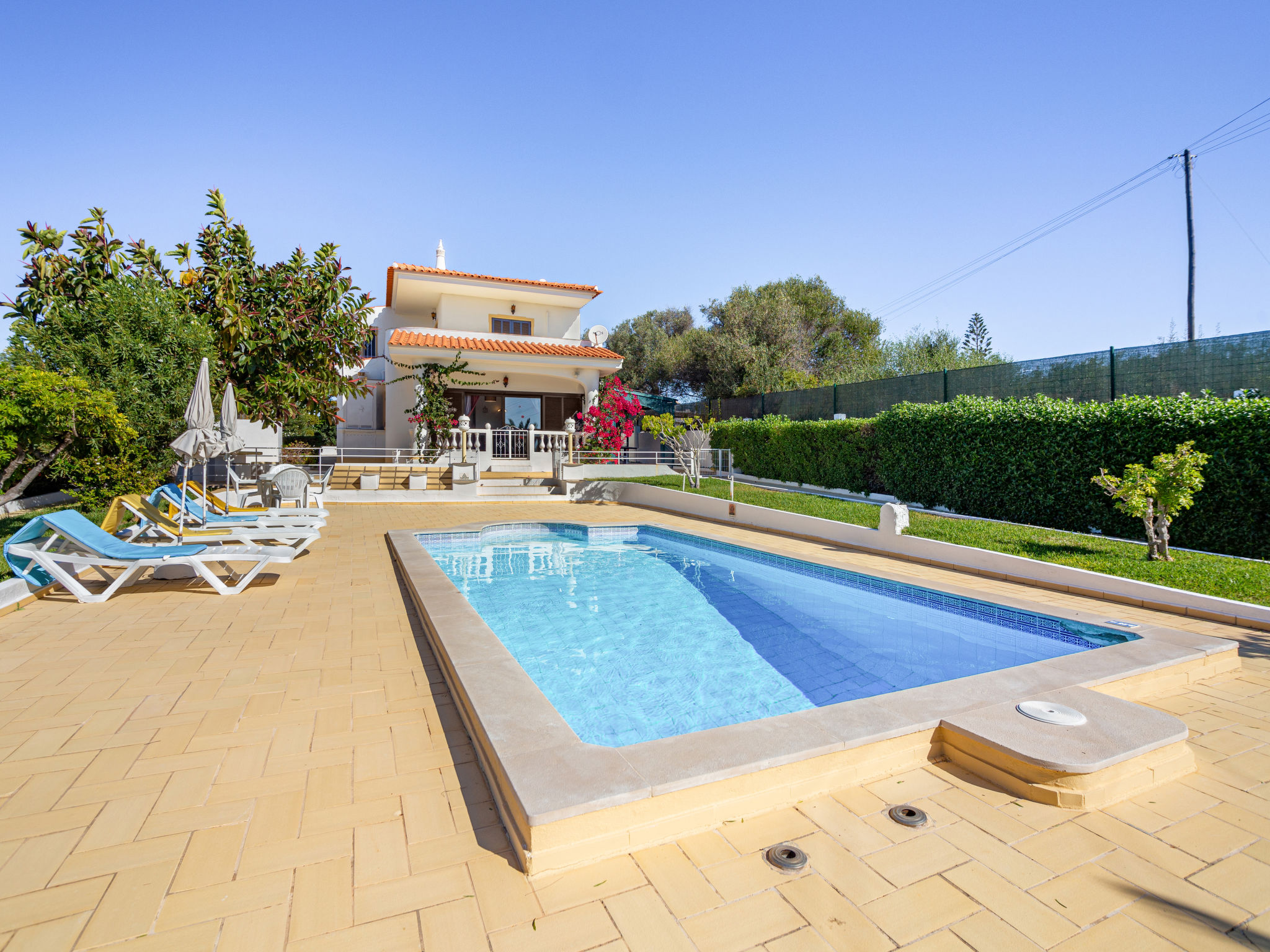
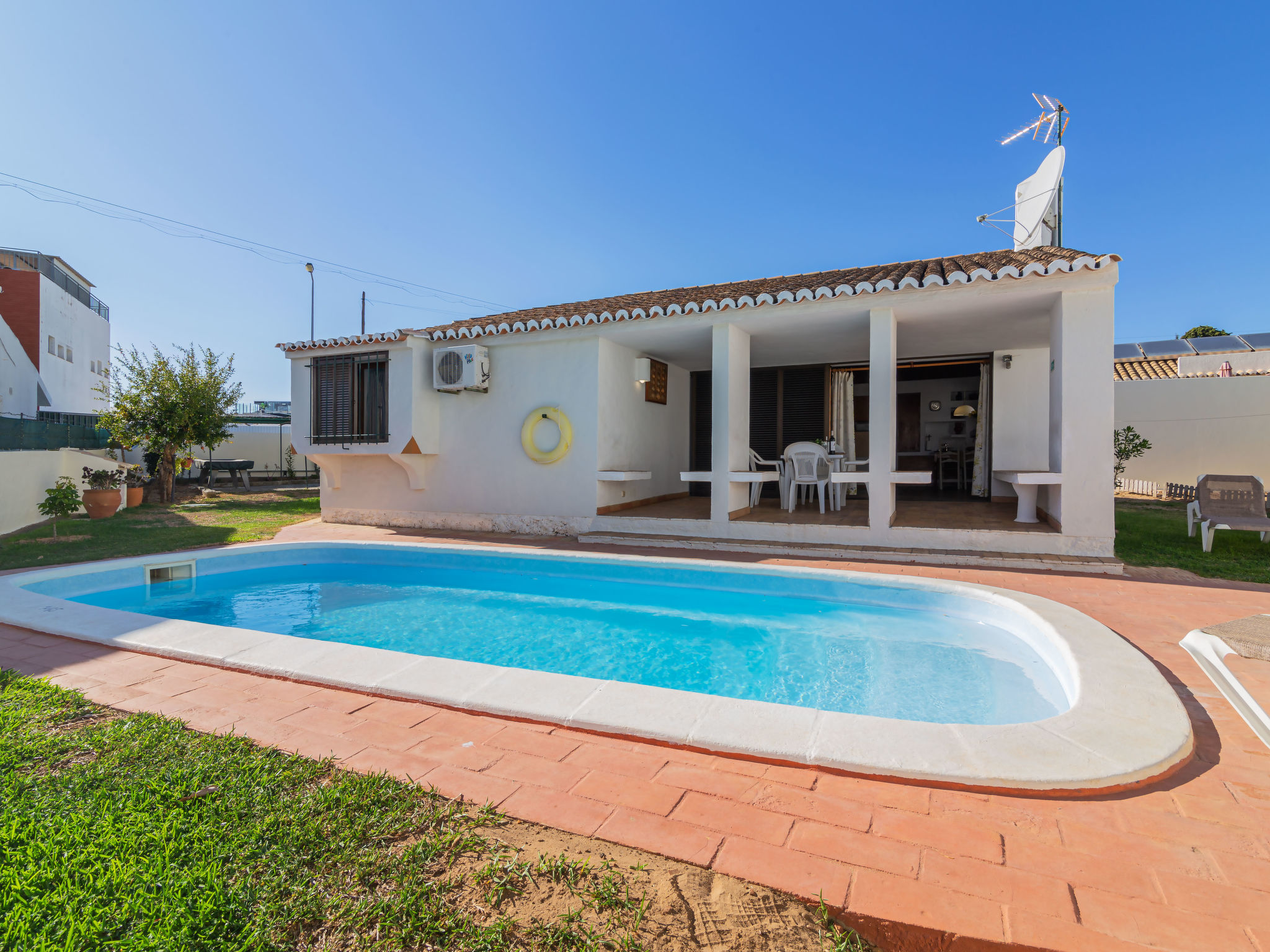
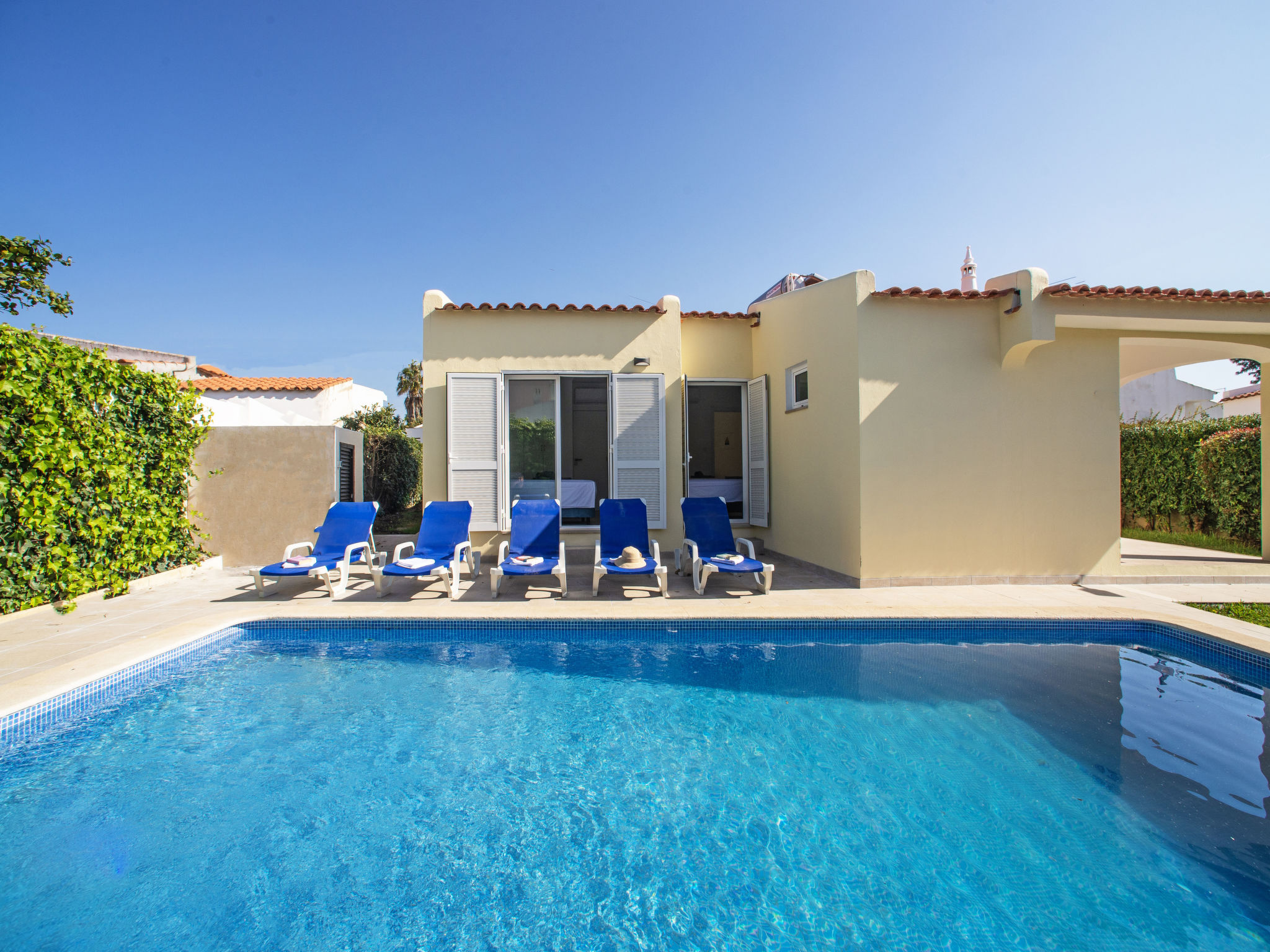
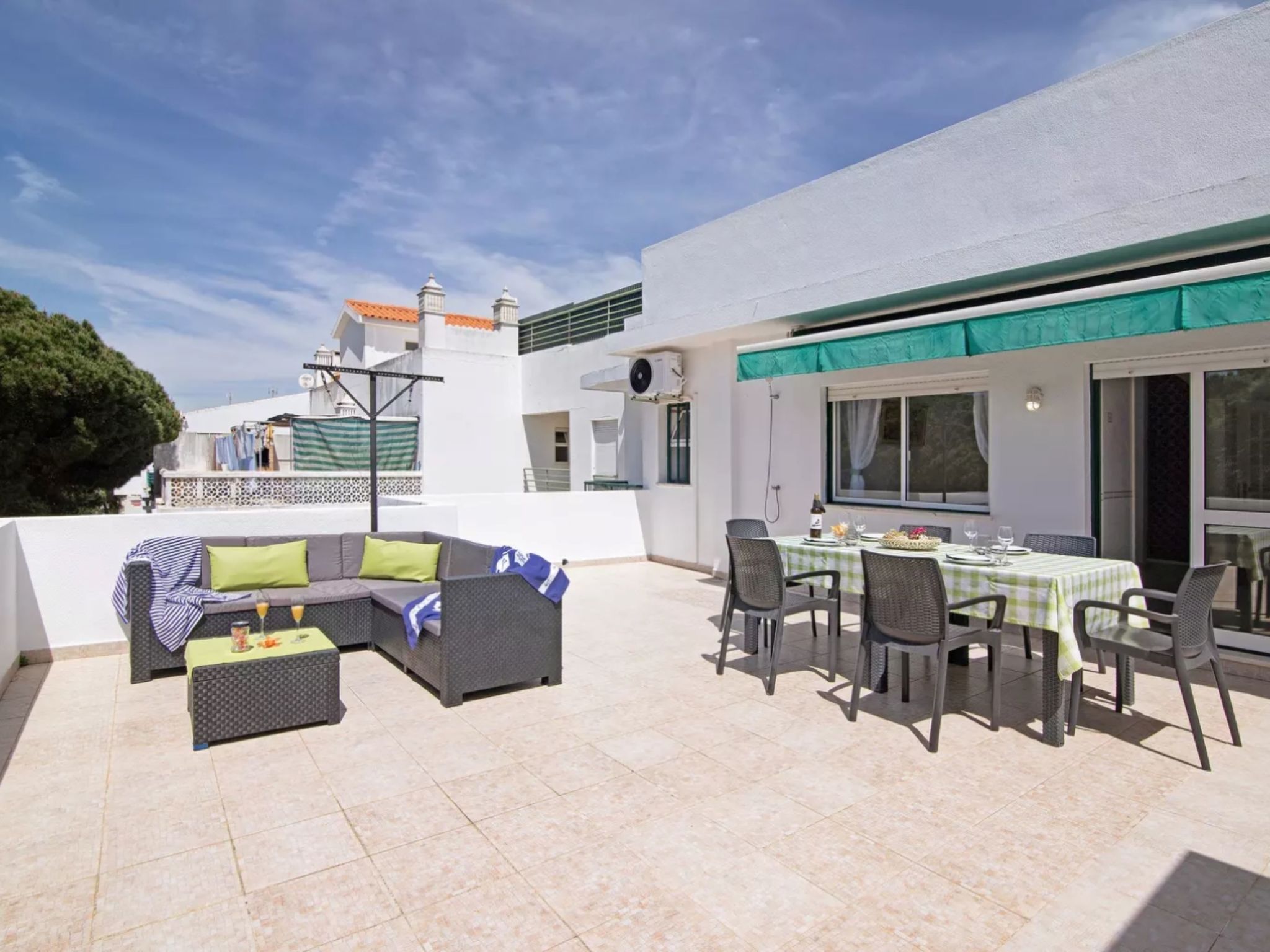
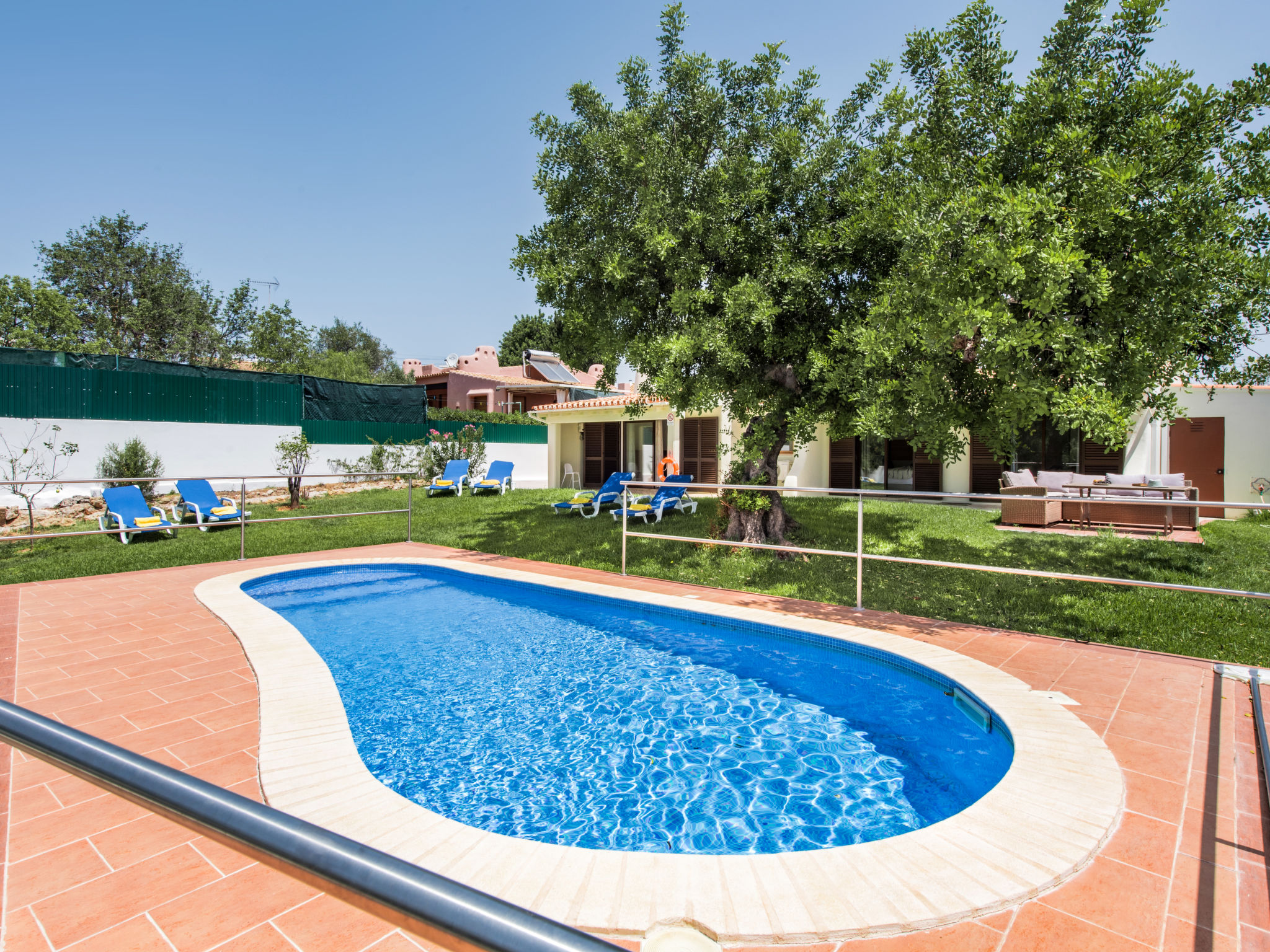
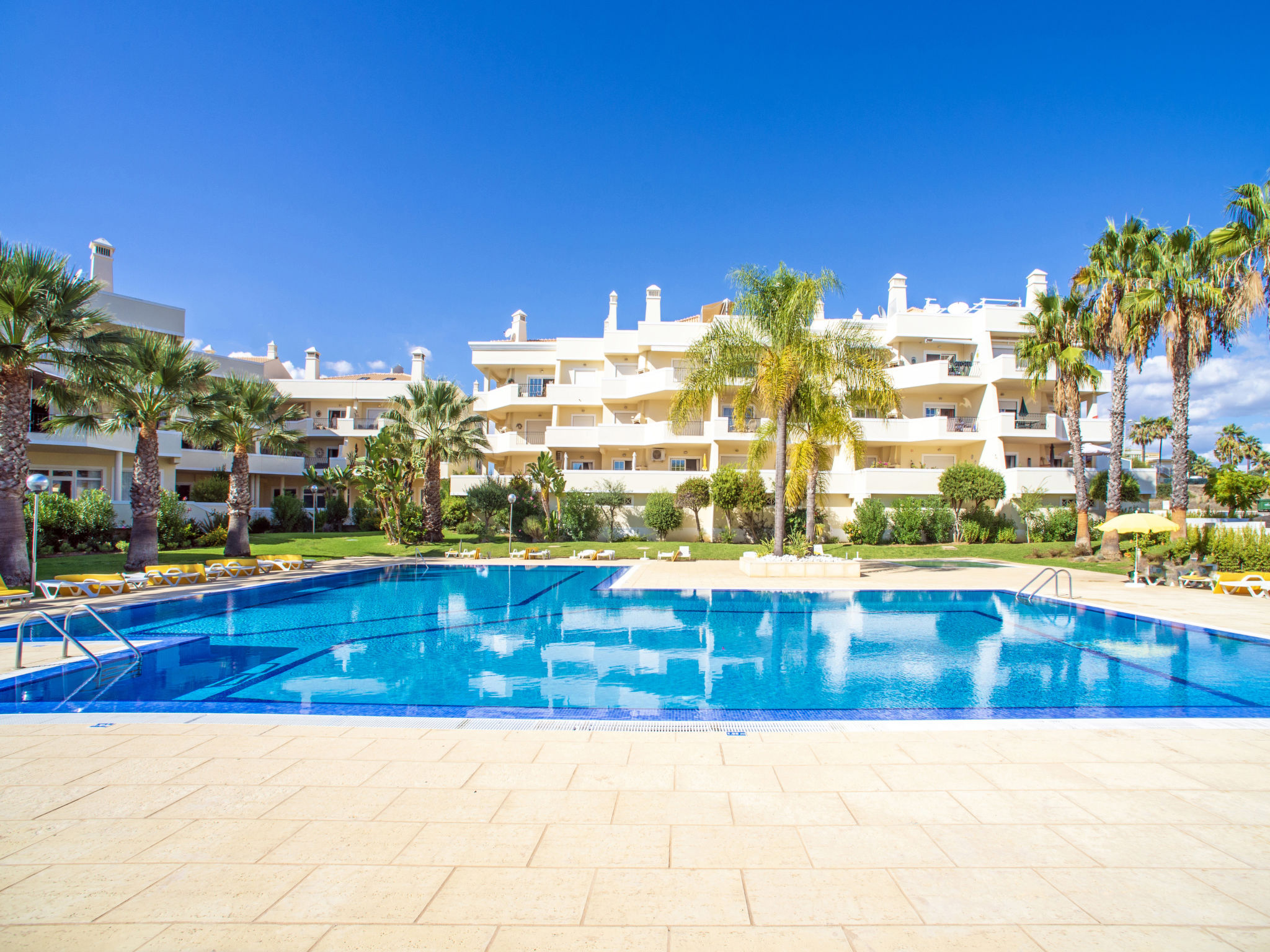
This is where most of our Algarve villas are. Albufeira's old town sits above sandy beaches, and long beaches such as Falésia and Galé stretch either side. Many villas are in the countryside around Guia, Paderne and Boliqueime, a short drive from the coast. Zoomarine and several water parks are nearby. Faro airport is around 35 to 45 minutes away.
Best for: Families who want lots of beaches, restaurants and activities close by
Not for you if: You want somewhere quiet in August: Albufeira is the Algarve's busiest resort, with a lively nightlife strip.
Carvoeiro, Armação de Pêra and Porches
This stretch has some of the Algarve's best-known scenery: Praia da Marinha, the Seven Hanging Valleys clifftop trail and the Benagil sea cave, which you can see by boat or guided kayak but can no longer swim into or land at. Carvoeiro is a small resort around a beach in a cove. Armação de Pêra has a long sandy beach. Faro is around 45 minutes away.
Best for: Couples and families who love clifftop walks and golden coves
Not for you if: You want long, flat walks along the sand: many beaches here are small coves reached by steps.
Lagos, Alvor and Portimão (western Algarve)
Lagos has a walled old town, a marina and the sea stacks and grottoes of Ponta da Piedade, best seen by boat. Beaches such as Dona Ana and Meia Praia are close by. Alvor is a smaller former fishing village beside a lagoon, and Portimão has the wide beach of Praia da Rocha. Bensafrim, just inland of Lagos, is rural and quieter.
Best for: A historic town base, boat trips and dramatic rock formations
Not for you if: You want a short airport transfer: Lagos is around an hour from Faro.
Vilamoura, Quarteira, Vale do Lobo and Almancil
Vilamoura is a purpose-built resort around a large marina, with several golf courses and long sandy beaches. Vale do Lobo and Almancil are home to some of the Algarve's most upmarket villas and courses. Quarteira is more local, with a seafront promenade and fish market, and the market town of Loulé is a short drive inland. Faro airport is around 20 to 25 minutes away.
Best for: Golfers and anyone wanting a smart marina base near Faro
Not for you if: You want traditional Portuguese village life: this area is built around golf, resorts and the marina.
Tavira, Olhão and the eastern Algarve (Fuseta, Moncarapacho, Manta Rota, Altura)
East of Faro the coast is sheltered by the Ria Formosa lagoon, with sandy barrier islands reached by small ferries and water taxis. Tavira is an attractive riverside town with a ferry to Ilha de Tavira. Fuseta and Olhão have island beaches nearby, and Manta Rota and Altura have long sandy beaches with gentler water near the Spanish border. Faro is around 30 to 45 minutes away.
Best for: Calmer beaches, island days and a more traditional feel
Not for you if: You want nightlife or cliff scenery: the east is flatter and quieter, with beaches reached by ferry on some stretches.
Aljezur and the west coast
Aljezur sits inside the protected Costa Vicentina natural park, with surf beaches such as Arrifana and Amoreira, cliff walks on the Rota Vicentina and very little development. Choice of villas is limited and evenings are quiet. Lagos is around 30 minutes away and Faro airport roughly an hour and a quarter to an hour and a half.
Best for: Surfers, walkers and anyone who wants wild, uncrowded beaches
Not for you if: You want calm, warm water: this Atlantic coast gets bigger waves, cooler sea and more wind.