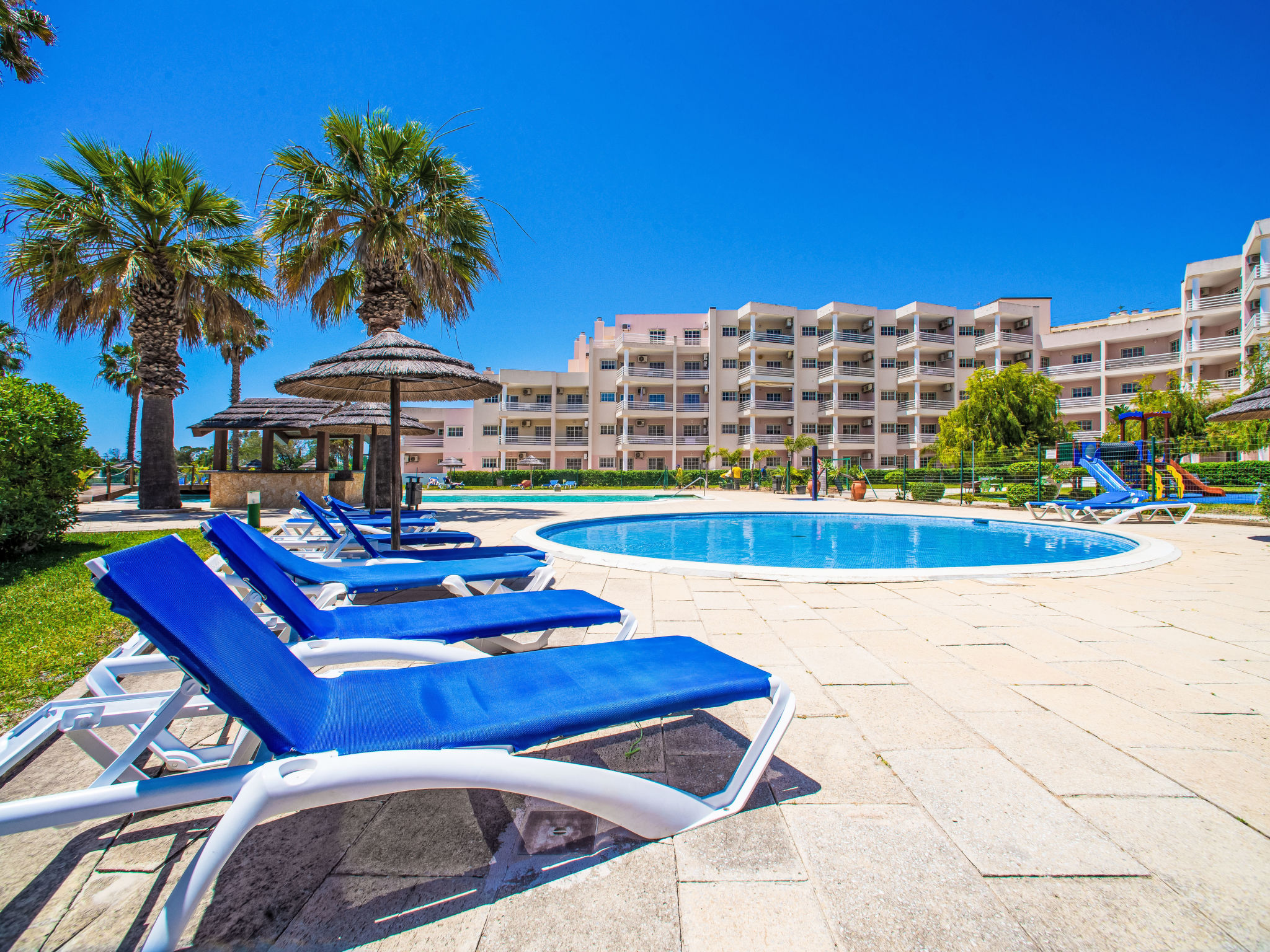
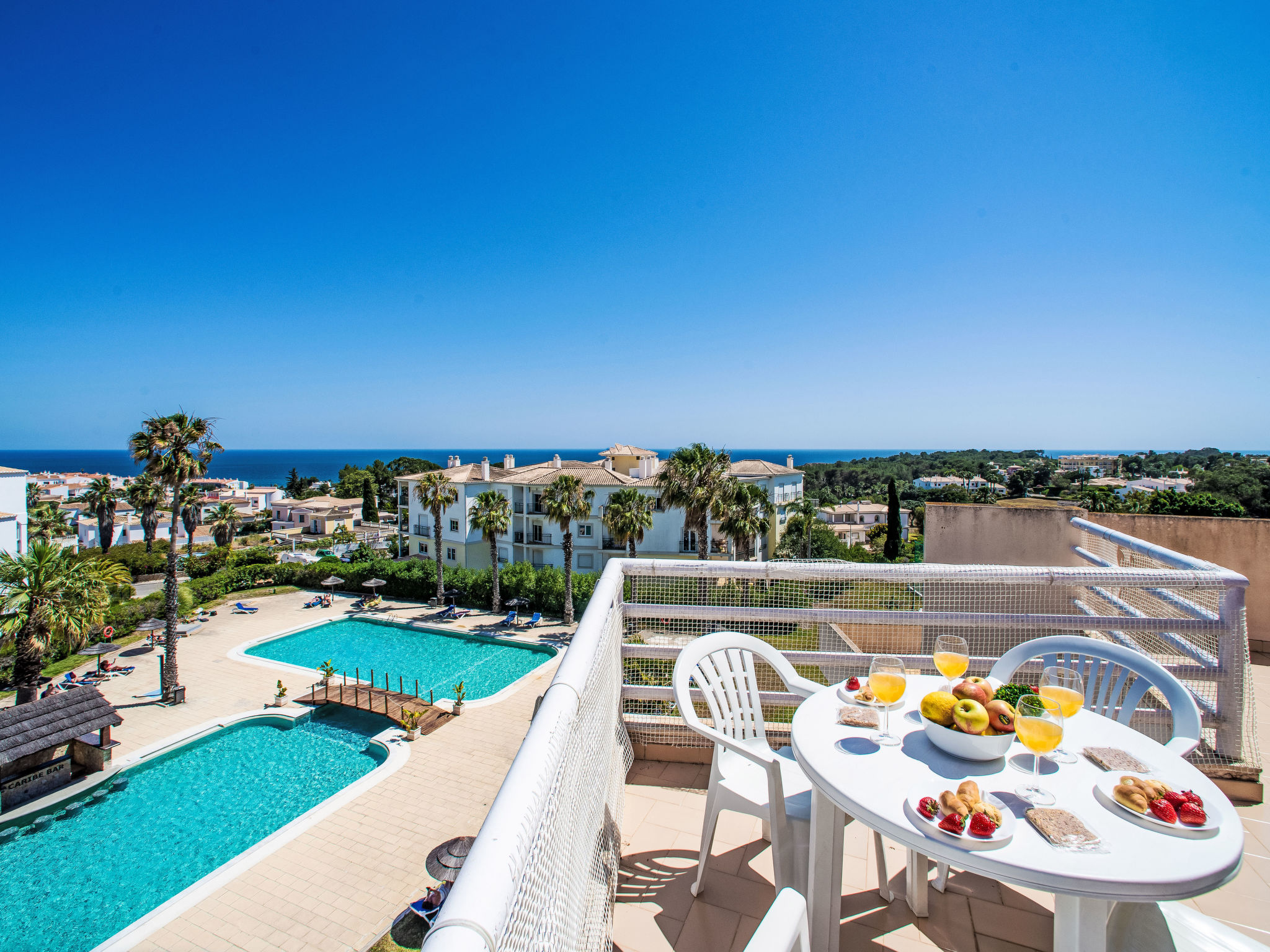
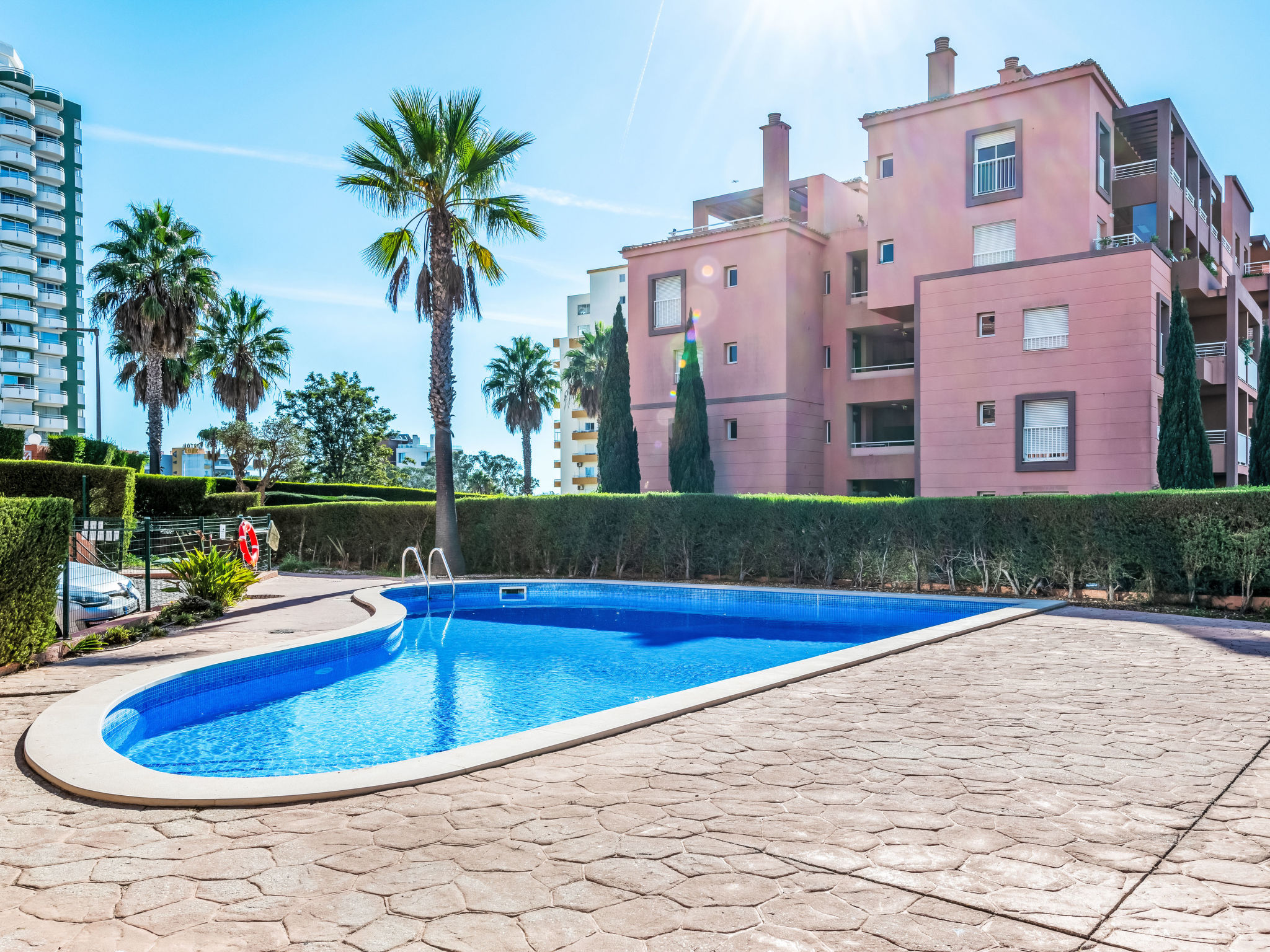
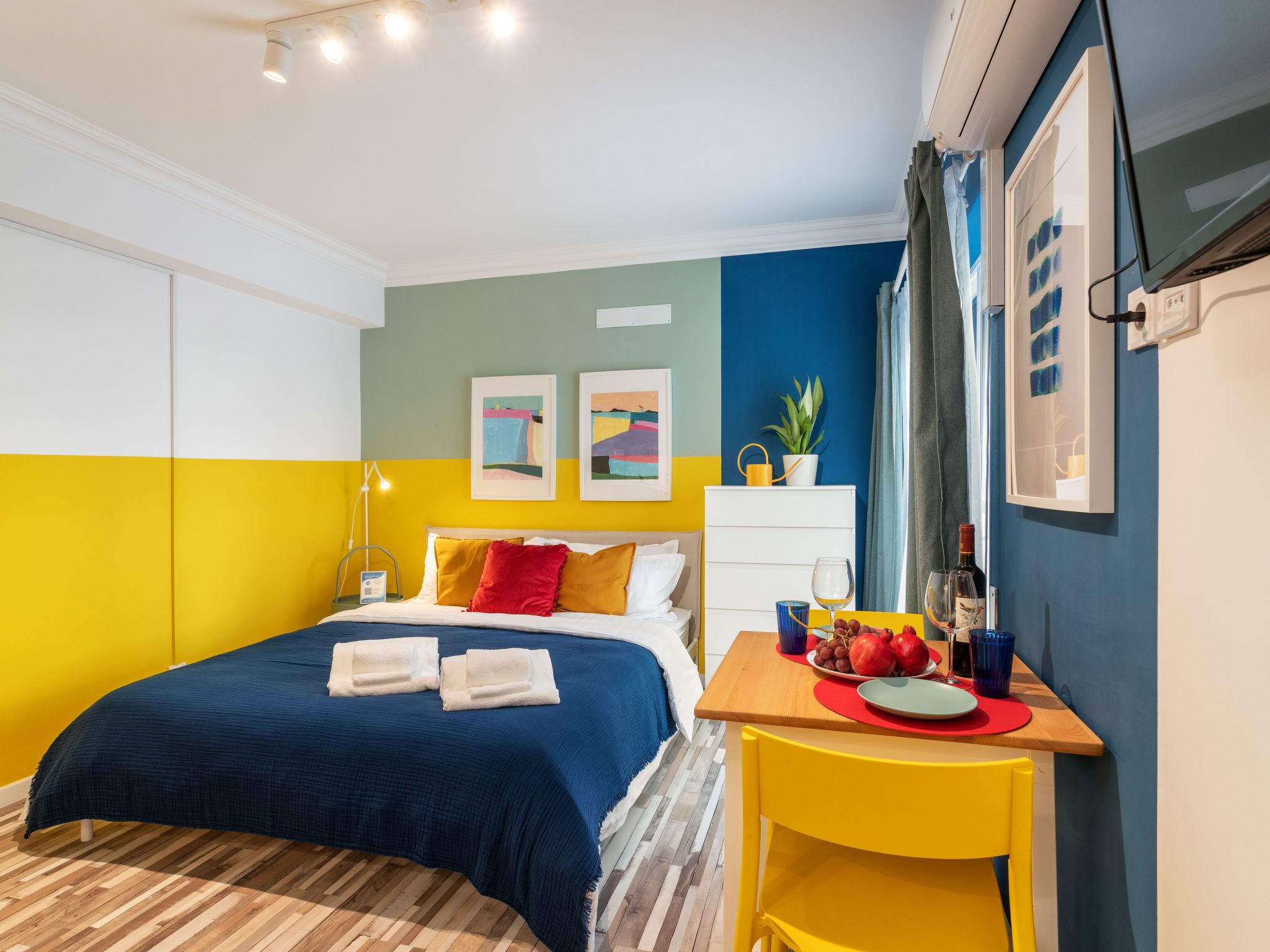
Algarve, Portugal
The Algarve is Portugal's southern coast compressed into a narrow strip between the Atlantic and a range of low mountains. What draws us here is straightforward: exceptional swimming, more daylight hours than anywhere else in Portugal (thanks to southern latitude), and a landscape fractured into coves and cliffs that demand exploration. The region has two distinct personalities (the eastern, flat and quieter; the western, wilder and more remote). Tourism has its fingerprints everywhere, particularly around Lagos and the central coast, which means you need to be selective about where you base yourself. Skip the obvious resorts and you'll find authentic fishing villages, restaurants where fishermen eat lunch, and light that genuinely justifies the crowds.
What Makes the Algarve Special
- Year-round sunshine (the region receives more than 300 days annually). This isn't marketing; it's a measurable advantage for February trips that would be grey elsewhere
- Geological drama. The cliffs between Lagos and Sagres are among Europe's most distinctive (golden sandstone and red rock formations that look prehistoric)
- Beaches for every mood: sheltered coves for families, long strands for walkers, dramatic rock formations for photographers, and consistent swell for surfers in the west
- Food that tastes like the sea. Restaurants source fish daily, and prices for fresh catch are reasonable compared to Western European equivalents
- Space to explore without constant tourism infrastructure. Move beyond the central coast and villages return to being villages (small, working, with character that isn't manufactured for visitors)
Top Towns & Resorts in the Algarve
Lagos
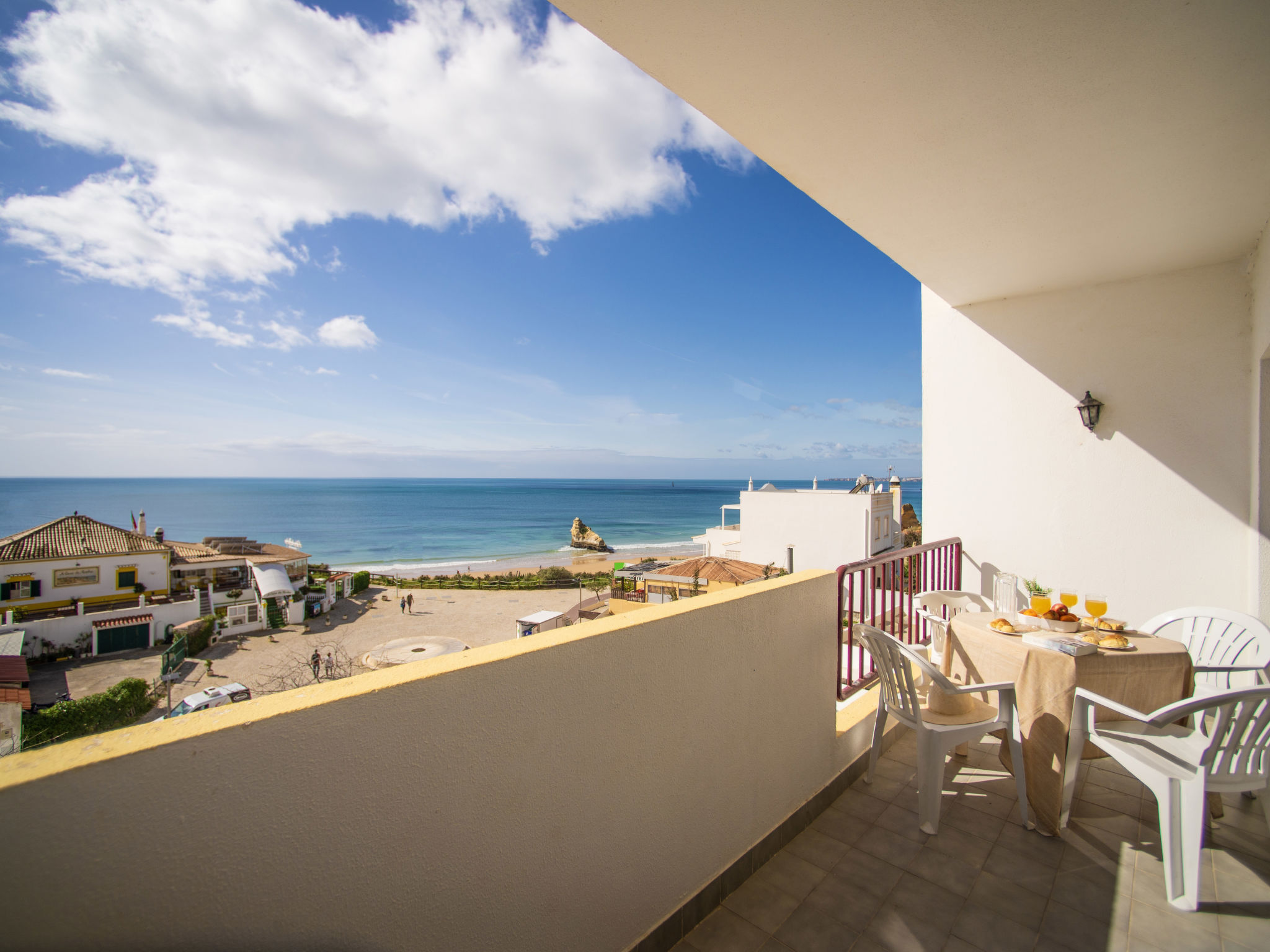
Lagos is the central coast's hub (walled old town with a castle, marina filled with fishing boats, and surrounding cliffs and coves that are genuinely striking). Ponta de Piedade, just offshore, is the classic view: golden rock formations jutting from turquoise water. The city has restaurants, galleries, and activity options for rainy days (rare, but they happen). The catch is significant: Lagos is crowded nearly year-round, particularly in summer. Parking is nightmarish, restaurant quality varies wildly because many cater to tourists rather than locals, and prices are the region's highest. Stay in the old town (walking distance everywhere) rather than spreading yourself across surrounding developments. Visit in May, September, or October and you get Lagos without the squeeze.
Albufeira
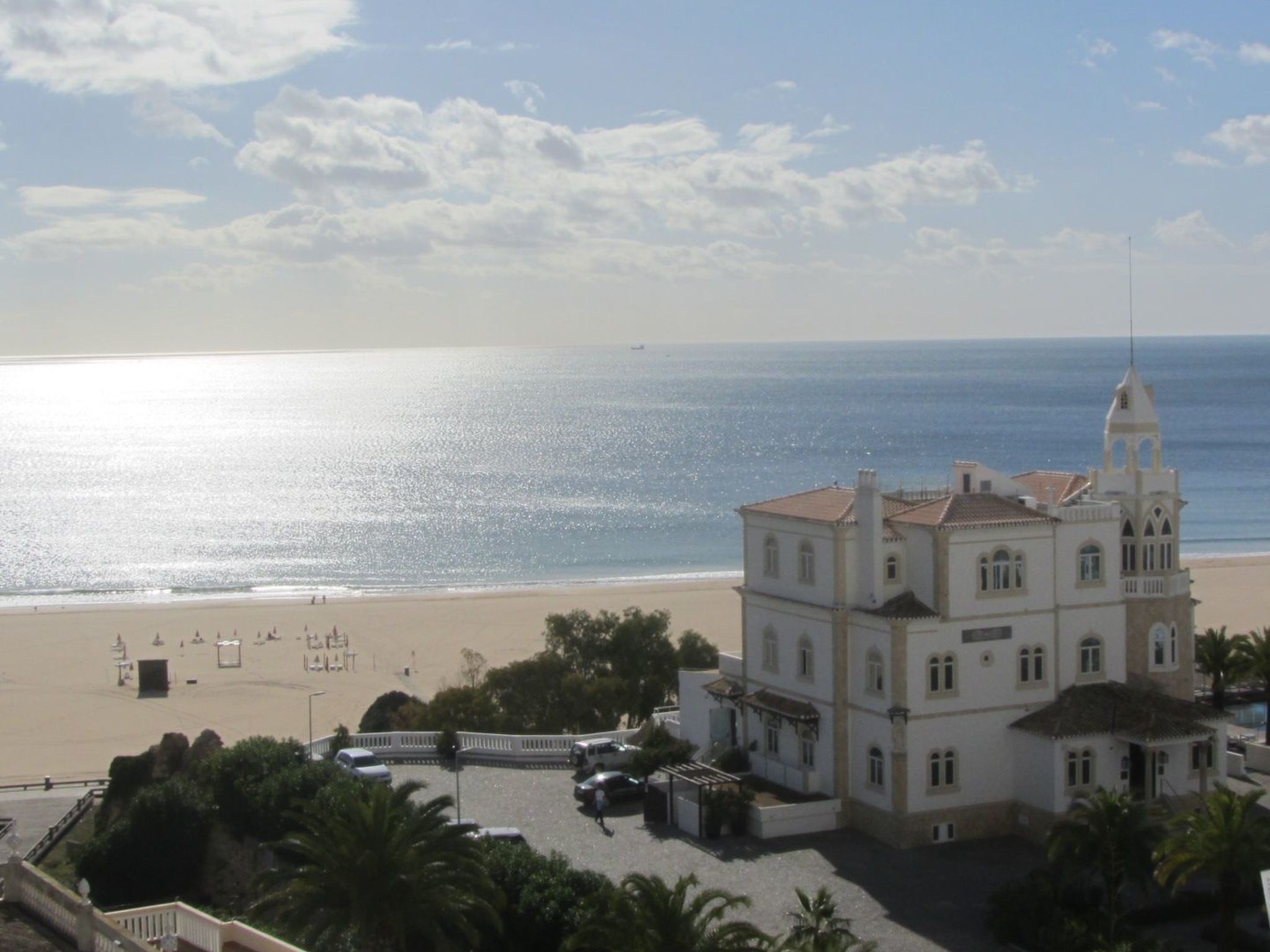
Albufeira is package-tour central. Once a fishing village, it's now a resort with British and German package tours stacked into high-rise hotels. The beach is fine, restaurants cater unabashedly to tourists, and the nightlife is loud and international. We mention it because you might have heard of it and should know what you're getting: if you want guaranteed sunshine, activity, and British-friendly infrastructure, Albufeira delivers. If you're seeking authentic Portugal or quiet time, avoid it entirely. The broader tourism infrastructure (car rental, activity booking, restaurants open until late) means it functions if you don't mind crowds and atmosphere that's designed rather than organic.
Tavira and Olhão (East Algarve)
Moving east, the coast flattens and the landscape transitions to salt marshes and barrier islands. Tavira is a small town built on cork and agriculture as much as tourism, with an old centre that feels Portuguese rather than multinational. Olhão further east is a fishing port (the real thing, not a recreated version). Boats moor at the dock, fish auctions happen daily (early morning), and restaurants serve what was caught overnight. Beaches here are different: sandier, flatter, less dramatic than western equivalents, but warmer in winter. These towns are cheaper, quieter, and genuinely less visited than the central coast. The trade-off: fewer English speakers, less tourism infrastructure, and less dramatic scenery. If you want authenticity over postcard views, this is your coast.
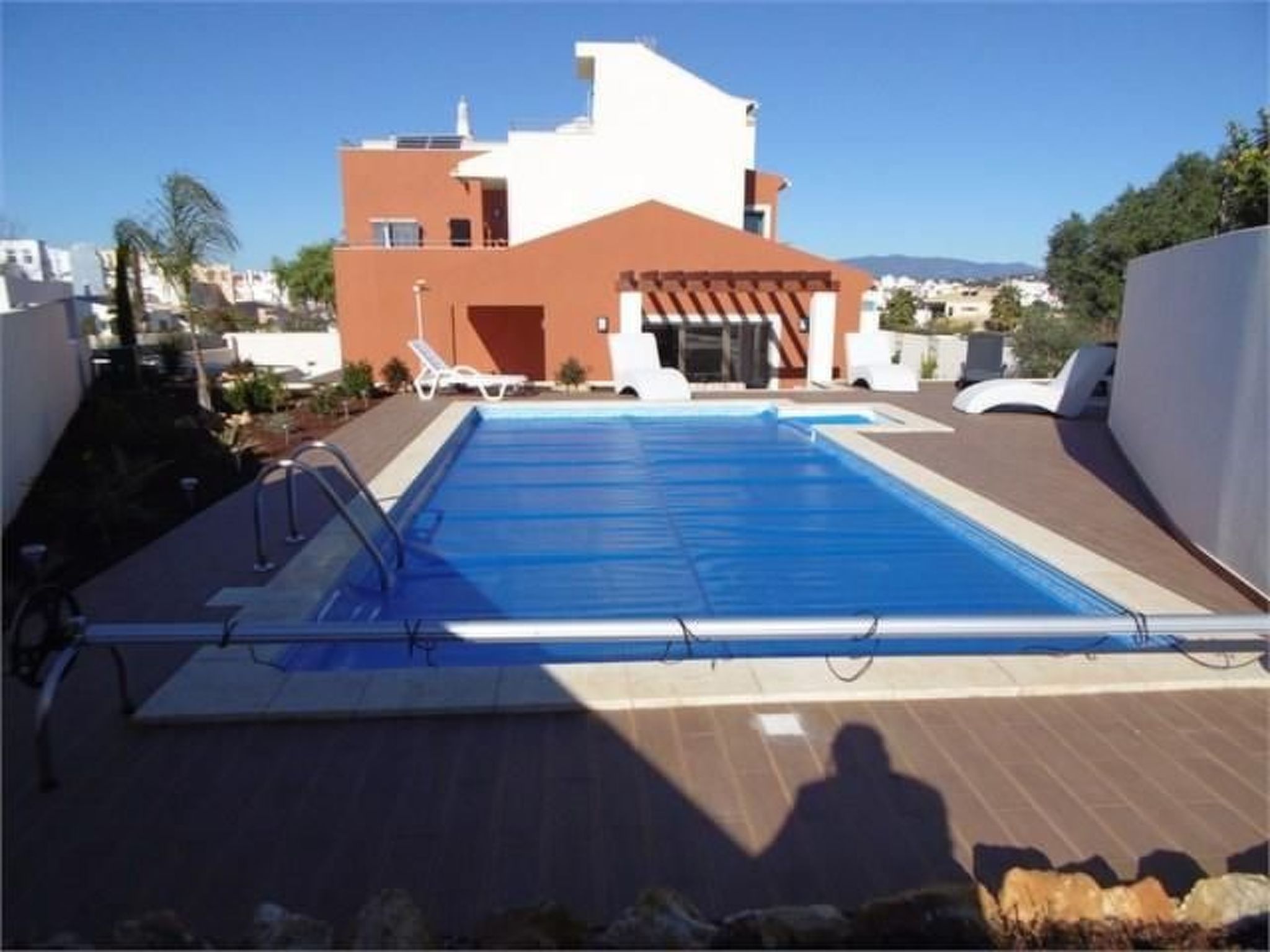
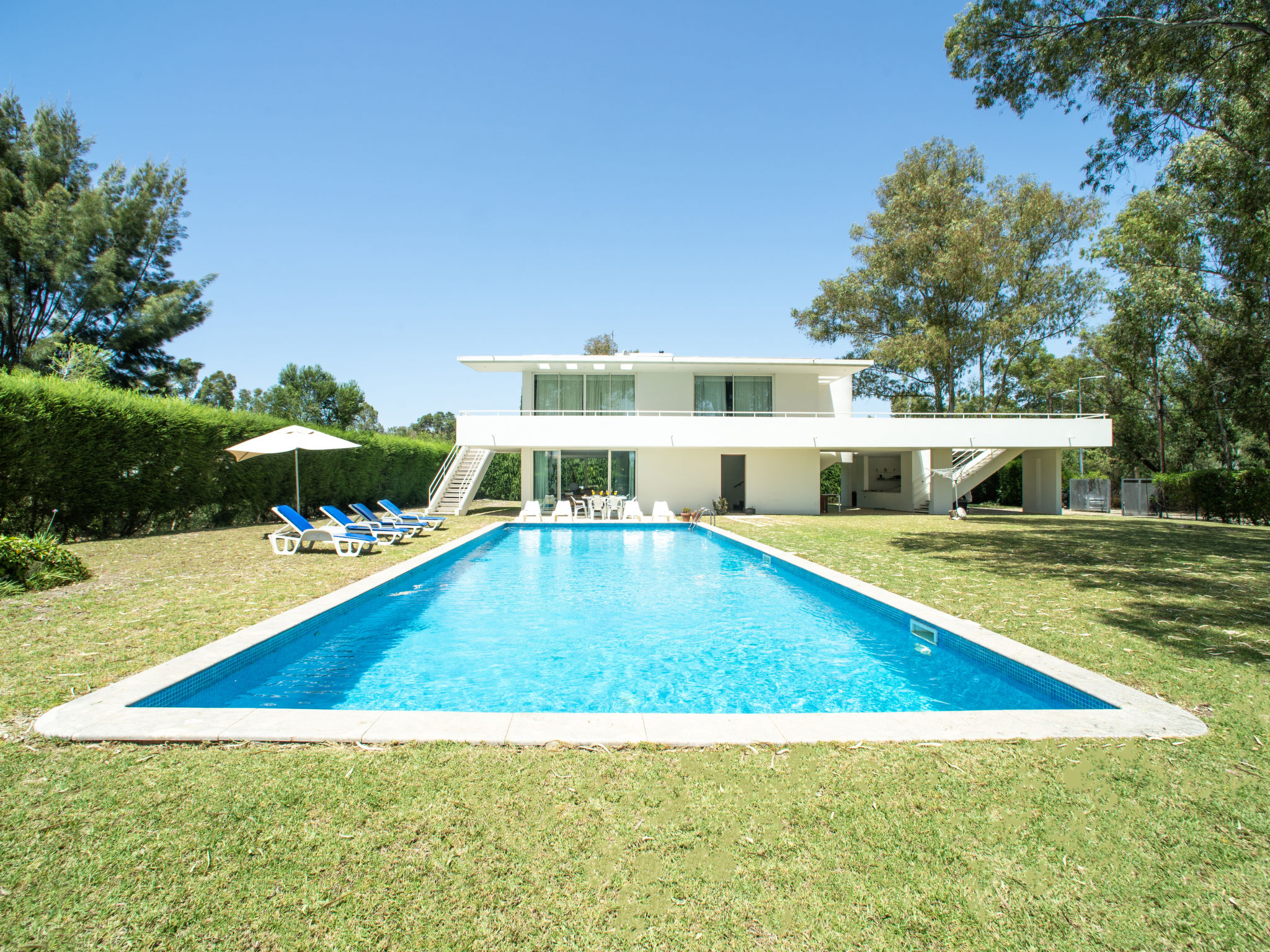
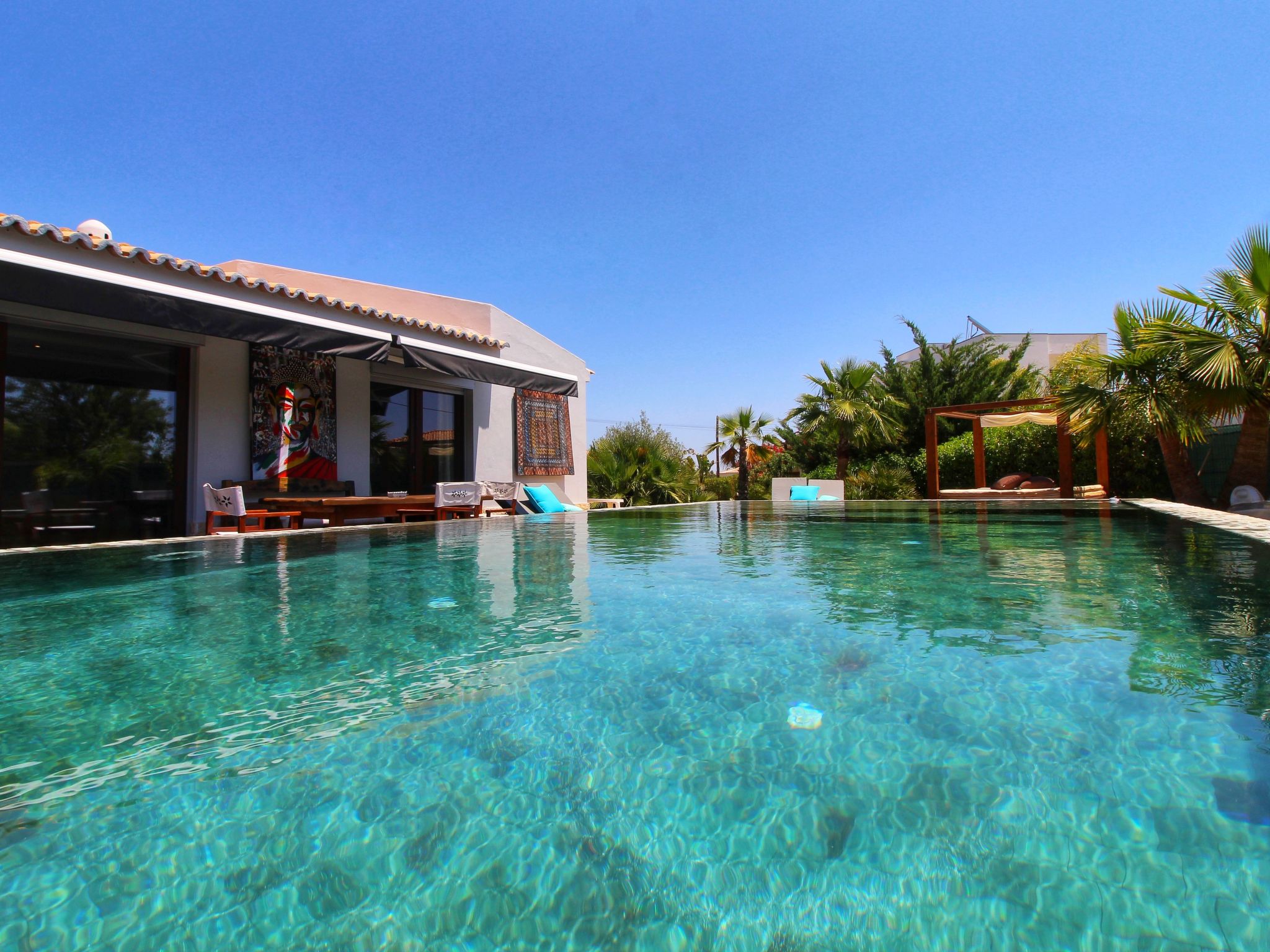
Search villas in Tavira & Olhão
Carmo and Vilamoura
Carmo is inland from the coast, a traditional Algarve town where daily life continues without tourists shaping every detail. The church is genuinely spectacular, the markets are for locals, and restaurants serve food at local prices. It's not a beach destination (you'll drive to the coast) but it offers immersion in actual Portuguese culture without tourist mediation. Vilamoura, by contrast, is an upmarket resort built around a marina, with golf courses and manicured accommodation. It's well-executed if you want comfort and activity; it's soulless if you're after character. These two represent the Algarve's extremes.
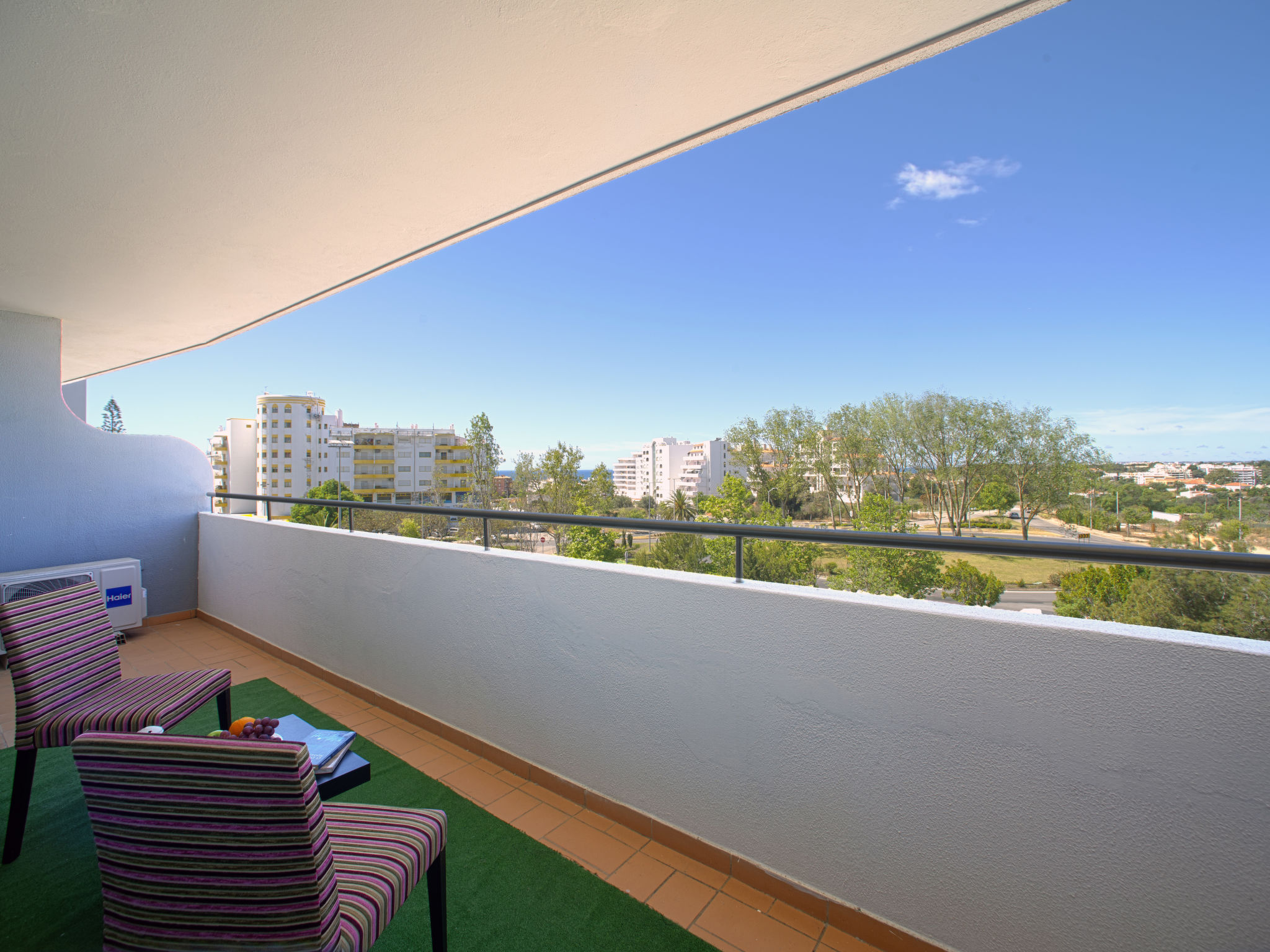
Search villas in Carmo & Vilamoura
Sagres and the Western Cape
The western Algarve is wilder. Sagres, at the cape, feels like the edge of something (cliffs rise sheer, wind blows constantly, and the landscape has a windswept quality that's distinctly different from eastern beaches). The town is small, working, and oriented toward fishing and windsurfing. Accommodation is basic, restaurants are genuine, and you're far from package tourism. The beaches here are dramatic: Praia da Marinha is one of Portugal's most photographed, . The caveat is clear: the coast can feel bleak in winter, the weather is more unpredictable than the east, and wind can be aggressive. This works as a hiking base or for those seeking solitude; it's challenging if you need constant sunshine and calm seas.