Villas in Volterra
Volterra suits sightseers who want a walled Etruscan hill town on the doorstep and a home with a pool in the countryside around it. Most homes have a pool and a garden, but air conditioning is not universal and Pisa airport is just over an hour away by road.
- Villas
- 65
- From, per week
- £599
About Volterra
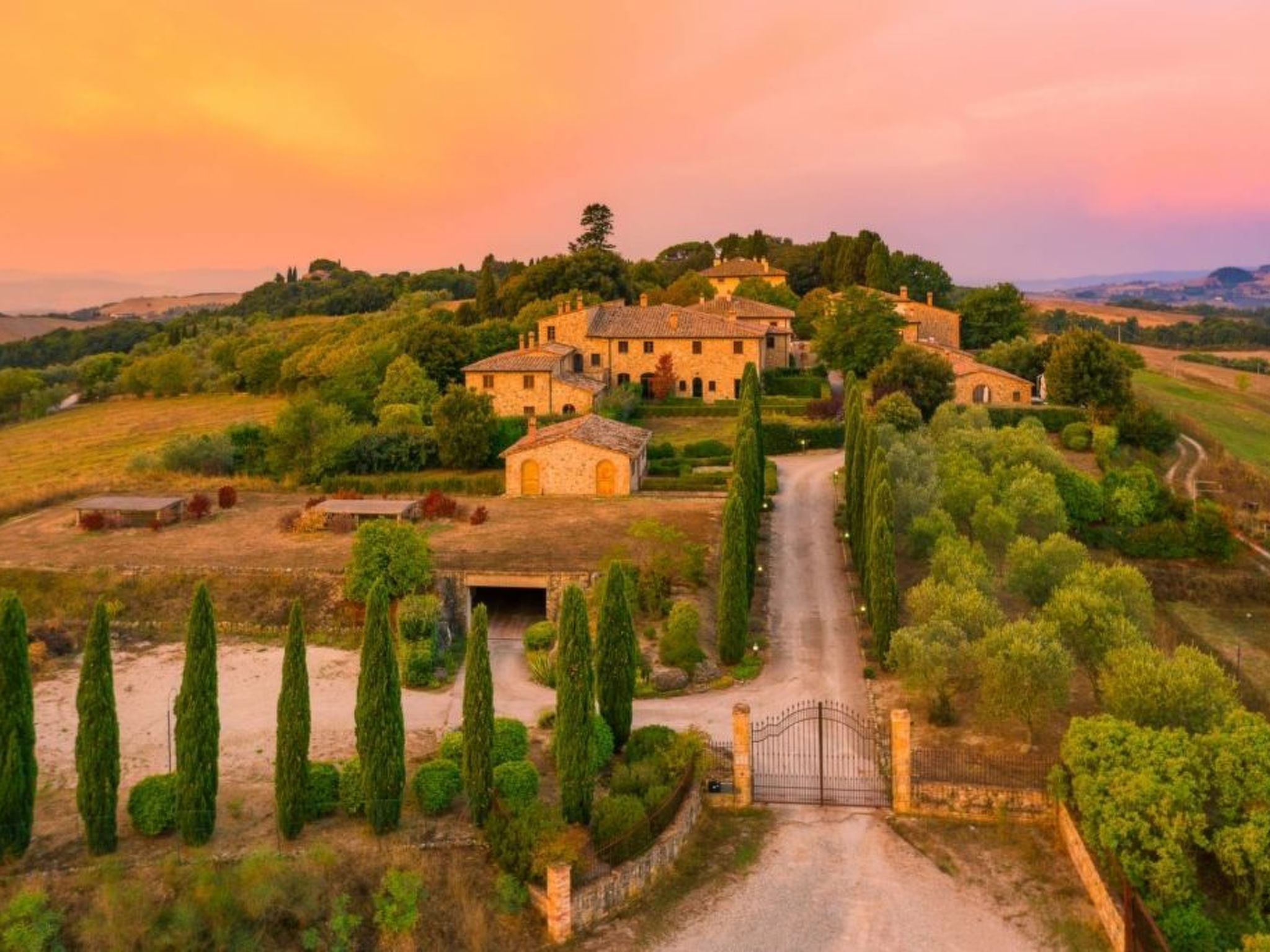
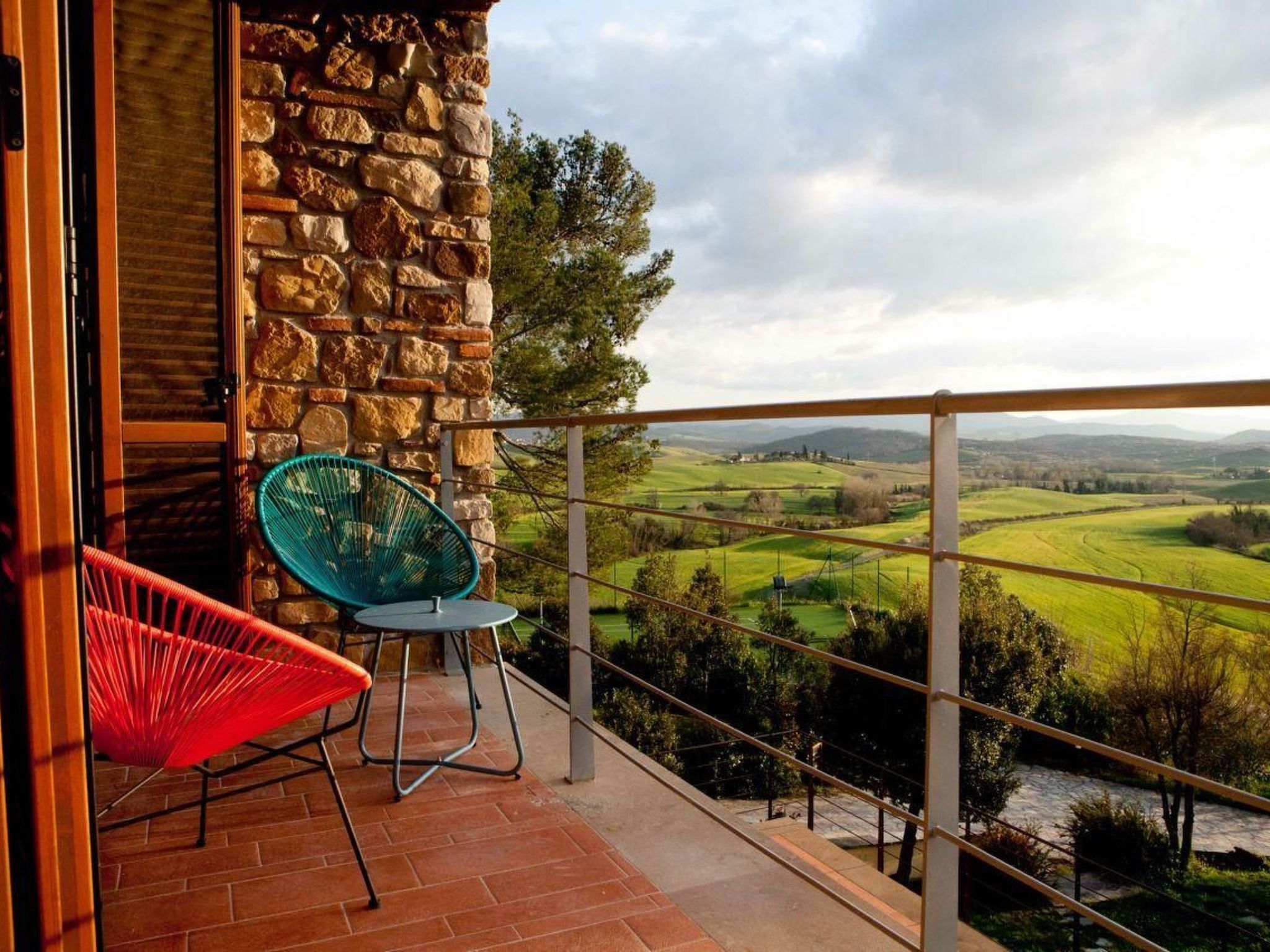
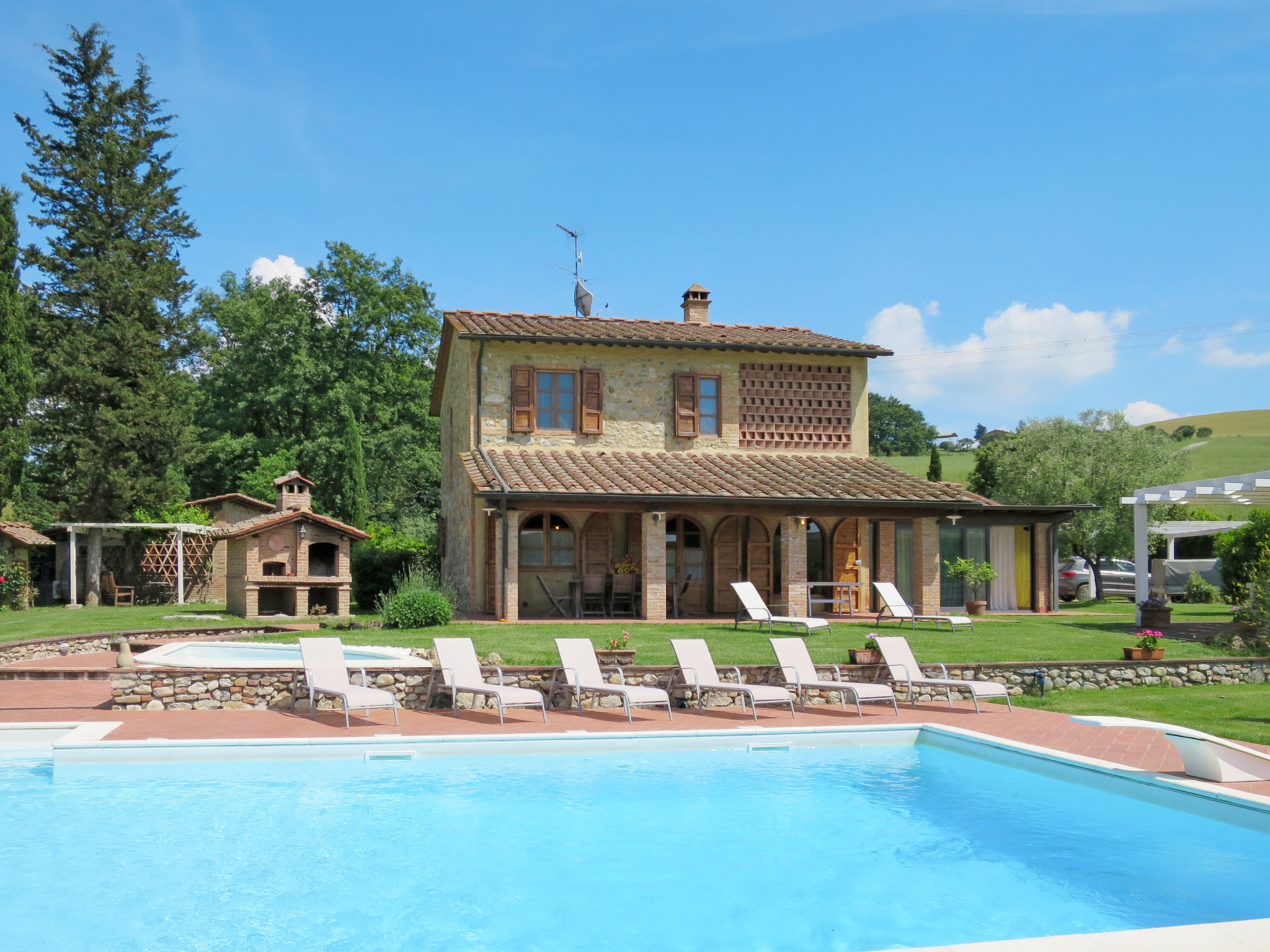
Volterra is a walled hilltop town at 531 m, with about 9,400 residents across a municipality of 252 km2. The Etruscans knew it as Velathri, one of the twelve cities of their league. The Porta all'Arco is an Etruscan gate from the 3rd or 2nd century BC, and the Roman theatre dates from the 1st century BC and could seat some 3,500. Alabaster is still worked in workshops in the centre. The Fortezza Medicea, built in the 1470s, is still a prison. The homes sit in the countryside around the town, spread across several kilometres, and most have a pool and a garden. At this height January highs average about 7C, so pack for cold in winter.
Is Volterra right for you?
- Best for
- Sightseers wanting homes with pools beside a walled Etruscan town
- Not for you if
- You want the beach close by, because Volterra is a hill town inland.
Near Volterra
Pomarance
Village in the Valle del Diavolo, an area of geysers and steam vents, with three gates and Renaissance palaces on its main road.
Larderello
Hamlet of geothermal plants, with a museum on its history as the world's first place to exploit geothermal energy.
Montenero reserve
Protected woodland among Volterra's reserves, with holm oak and chestnut forests where you may spot roe deer and peregrine falcons.
Getting to Volterra
Pisa airport is about 39 miles away, roughly 1 hour 7 minutes by road. There is no direct public transport: the option is a train from Pisa Centrale to Pontedera-Casciana Terme and a bus to Volterra, about 2 hours 44 minutes. Hire a car, as the homes are in the countryside.
When to go to Volterra
Summers are warm, with mean highs around 25C in July, and winters are cool, with January highs around 7C. Annual rainfall is about 830 mm. Volterra AD 1398, a medieval reenactment with markets and parades, runs in summer, and Volterragusto in autumn celebrates truffles, cheese and wine.
Villas in Volterra
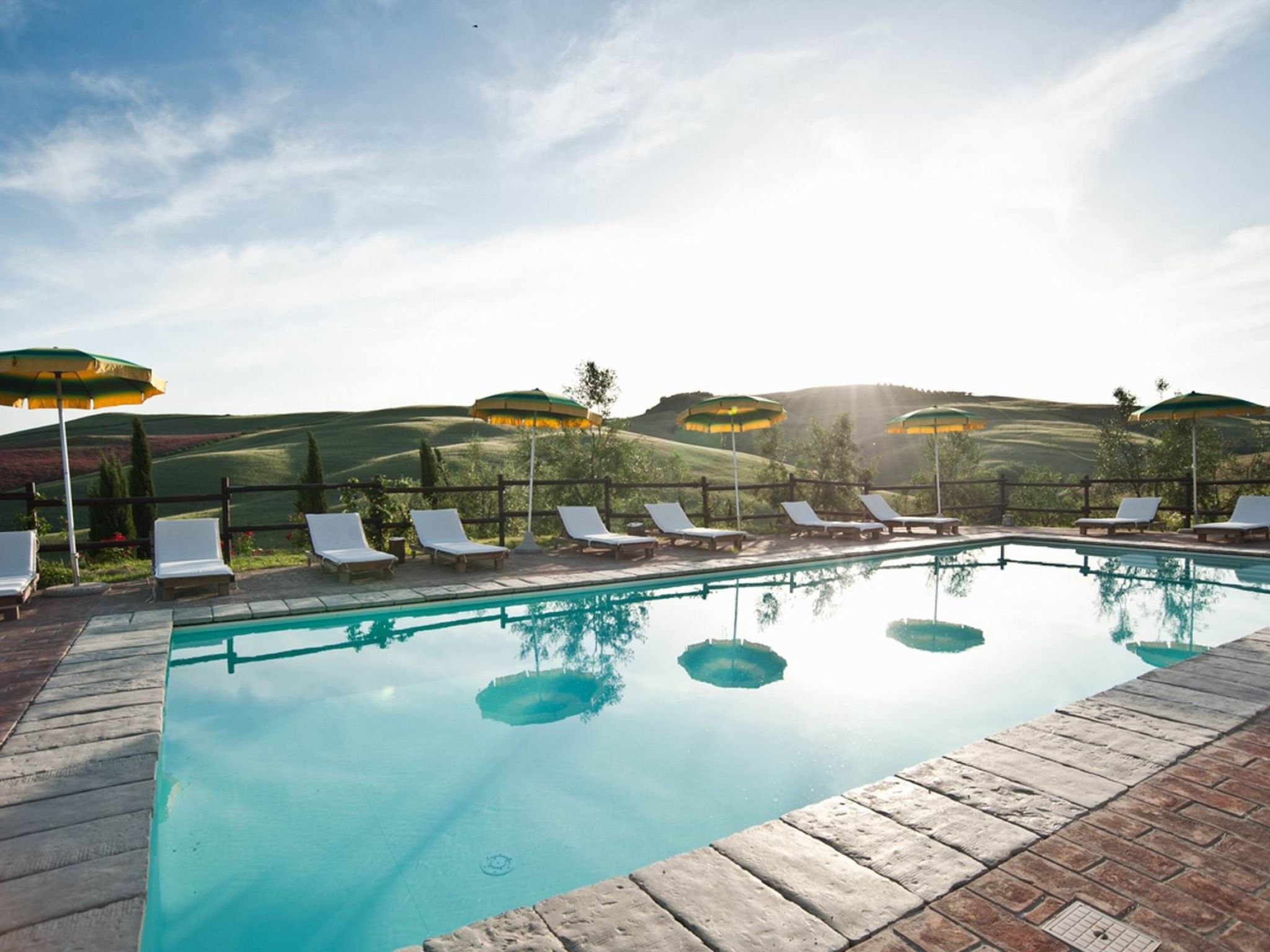
2-Bedroom Home, Volterra
Volterra, Maremma Inland, Italy
6
2
0
Air ConBBQParking+9 more
from£126
per night
4-star property

2-Bedroom Home, Volterra
Volterra, Maremma Inland, Italy
6
2
0
Air ConBBQParking+9 more
from£127
per night
3-star property
3-star property
3-star property
Le Pergole
Volterra, Maremma Inland, Italy
6
3
0
BBQDishwasherFireplace+9 more
from£114
per night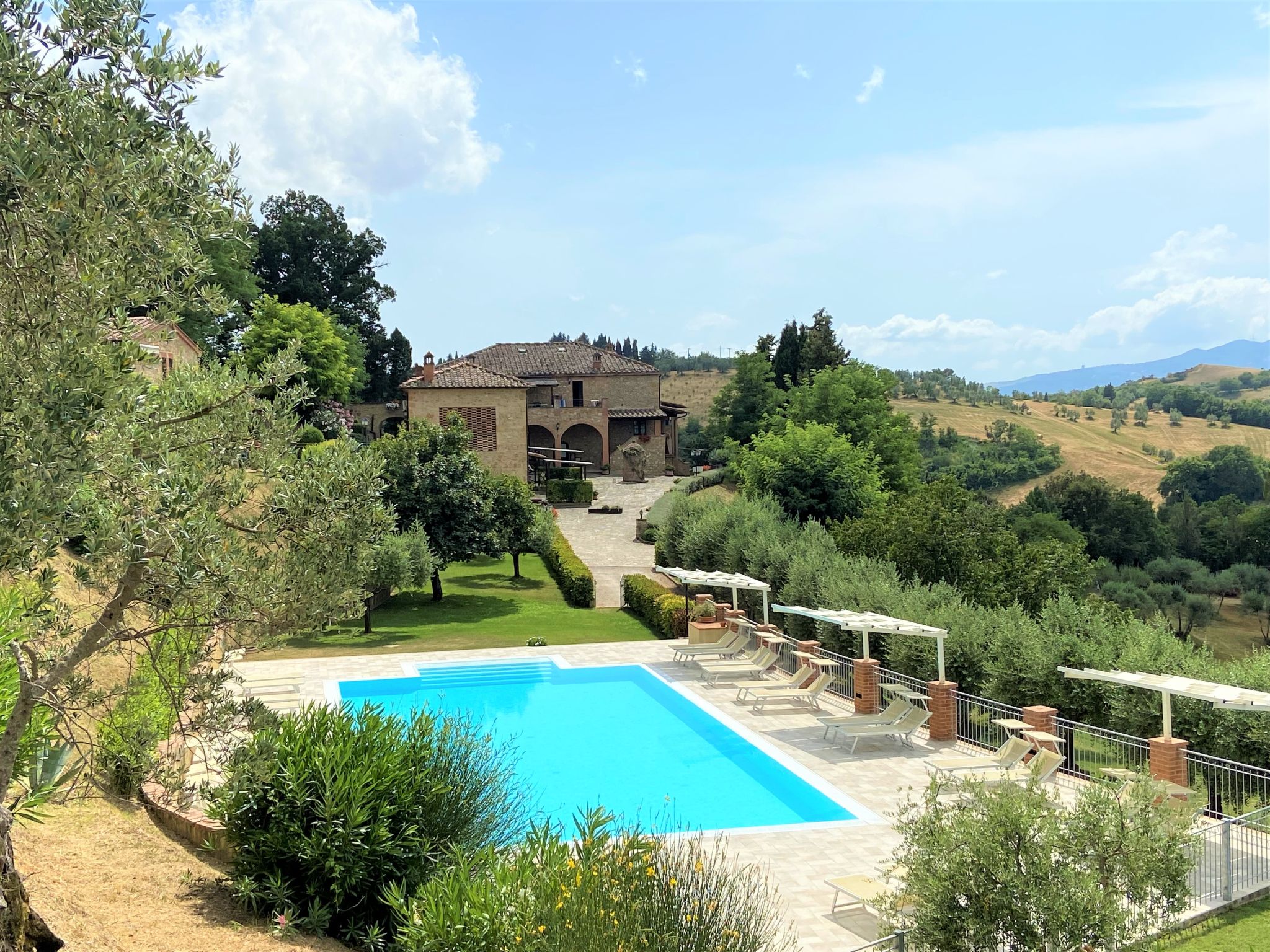
3-star property

3-star property
4-star property
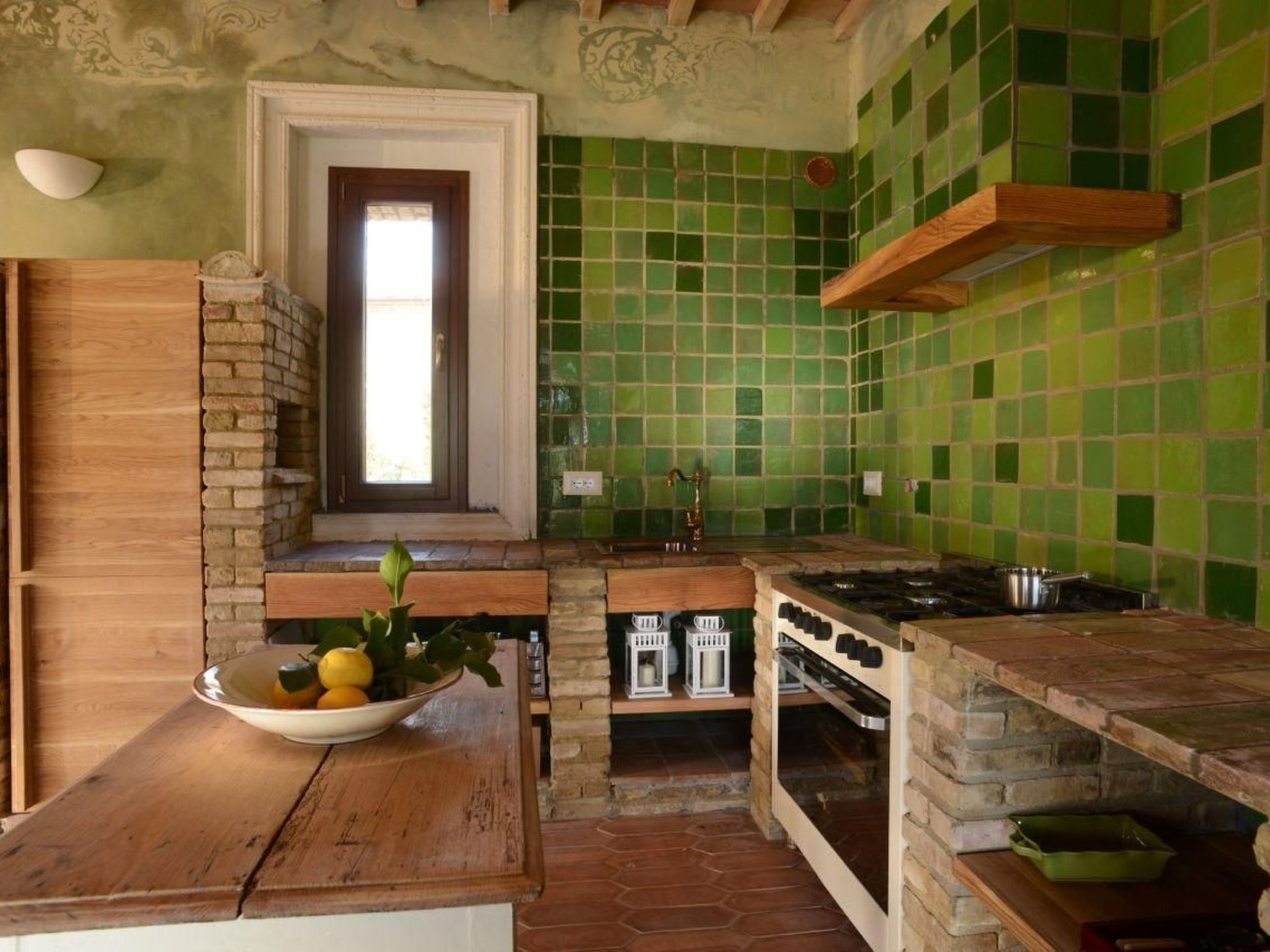
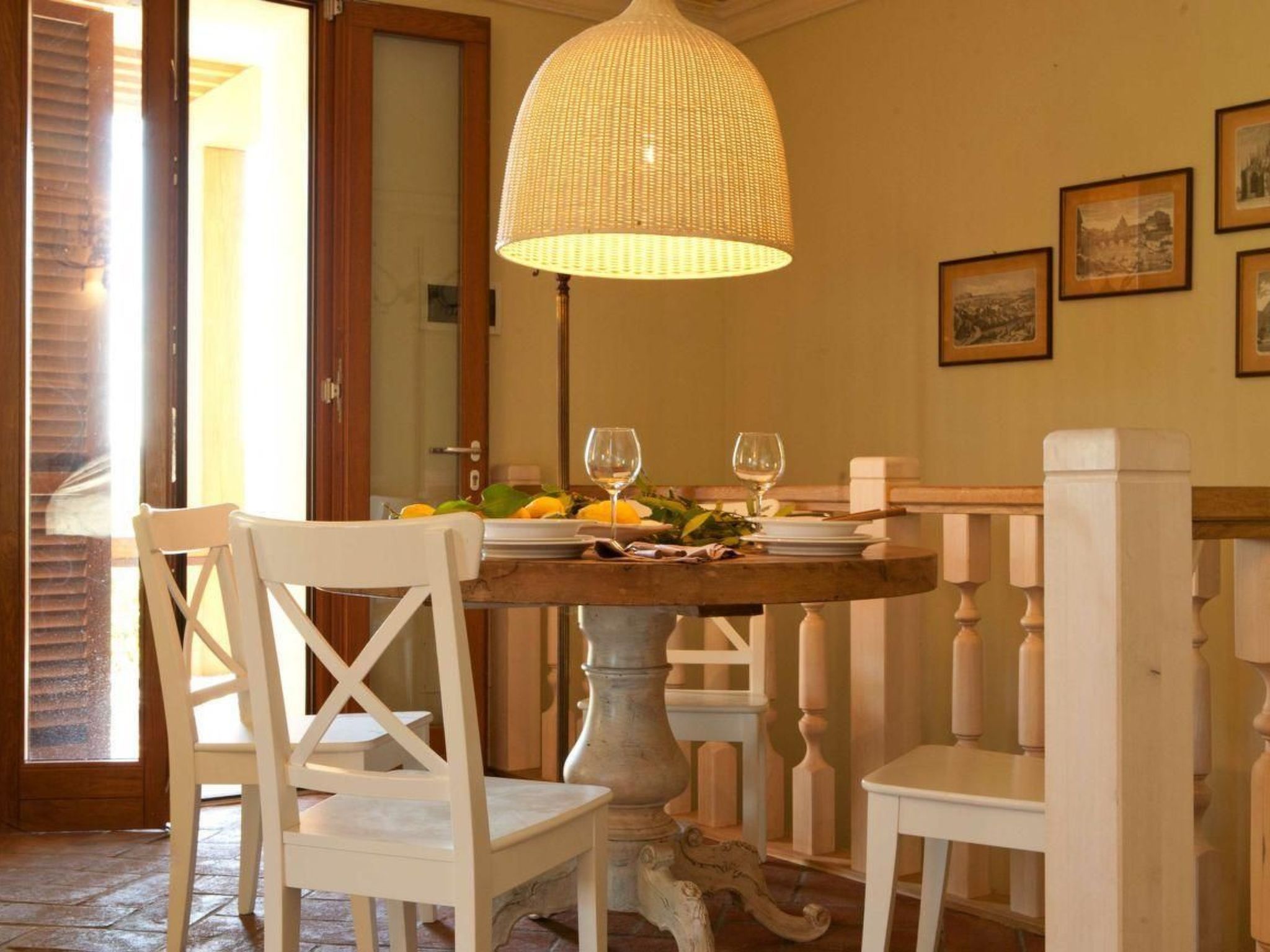
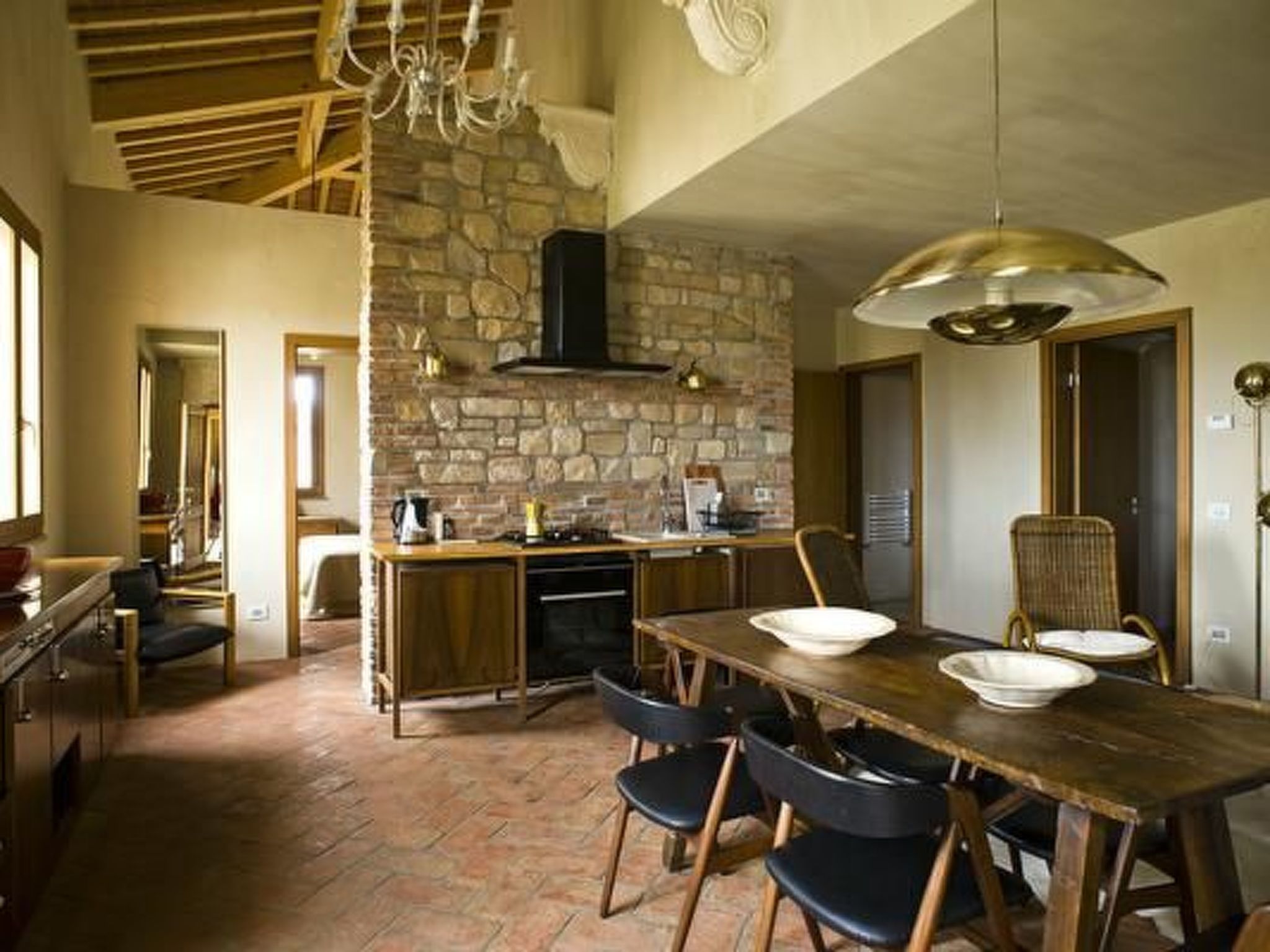
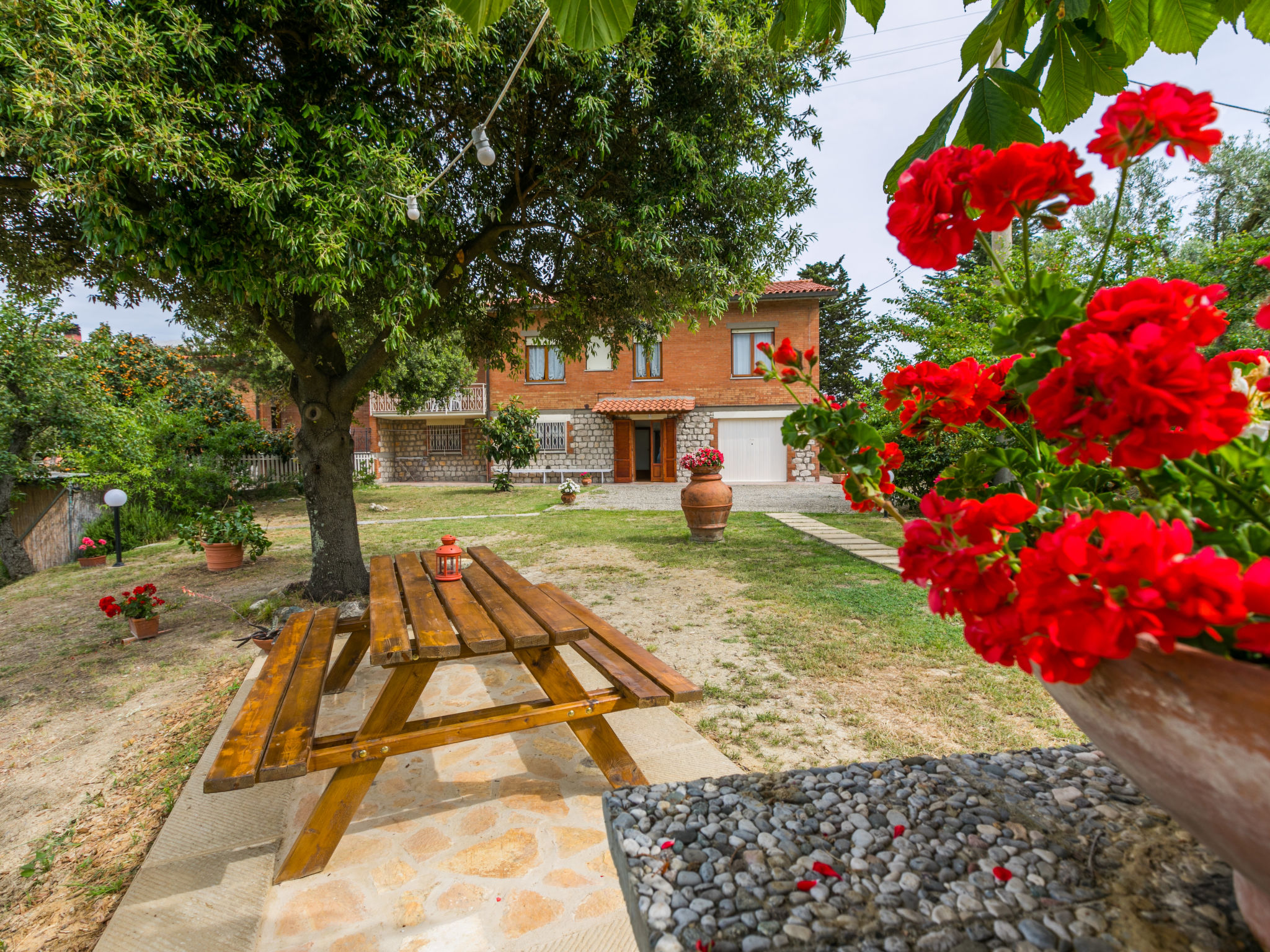
Villaflair - Volterra Pool Villa
Volterra, Maremma Inland, Italy
8
4
0
ParkingDishwasherGarden+7 more
4-star property
3-star property

1-Bedroom Home, Volterra
Volterra, Maremma Inland, Italy
4
1
0
Air ConBBQParking+9 more
from£90
per night
2-star property


2-Bedroom Home, Volterra
Volterra, Maremma Inland, Italy
4
2
0
Air ConBBQParking+9 more
from£119
per night
4-star property
La Voce del Silenzio
Volterra, Maremma Inland, Italy
11
4
0
Air ConBBQParking+12 more
from£177
per night
5-star property
Landhaus Villanovia in Volterra
Volterra, Maremma Inland, Italy
26
9
0
Air ConBBQParking+13 more
from£481
per night
3-star property
Volterra villa holidays: questions answered
What can you see in Volterra's old town?
The Etruscan Porta all'Arco, the Roman theatre, the Palazzo dei Priori, the Romanesque cathedral dating from 1120 and the Guarnacci Etruscan Museum with its funeral urns. The Medici fortress is still a prison, though its keep tower can be visited.
Is alabaster still made in Volterra?
Yes. Workshops in the town centre still work the stone, and the Ecomuseum of Alabaster is in the 13th-century Torri Minucci. Alabaster carving began here in the 8th century BC and remains the traditional local trade.
Can you reach Volterra from Pisa without a car?
It can be done, but slowly. Take a train from Pisa Centrale to Pontedera-Casciana Terme, then a bus to Volterra Porta all'Arco, about 2 hours 44 minutes. By car the same trip is about 1 hour 7 minutes.
Is Volterra the town from Twilight?
In the novels, yes: Volterra is home to the Volturi. The film scenes were shot in Montepulciano rather than here.
Does Volterra get cold in winter?
Cold enough to pack for. The town sits at 531 m, January highs average around 7C and annual rainfall is about 830 mm, so bring warm layers for a winter stay.
Nearby towns to Volterra
Written by the TrustedVillas team. Last reviewed October 2026.
Find Your Perfect Villa in Volterra
Our villa experts are here to help you find the ideal property for your vacation. Contact us for personalized recommendations.