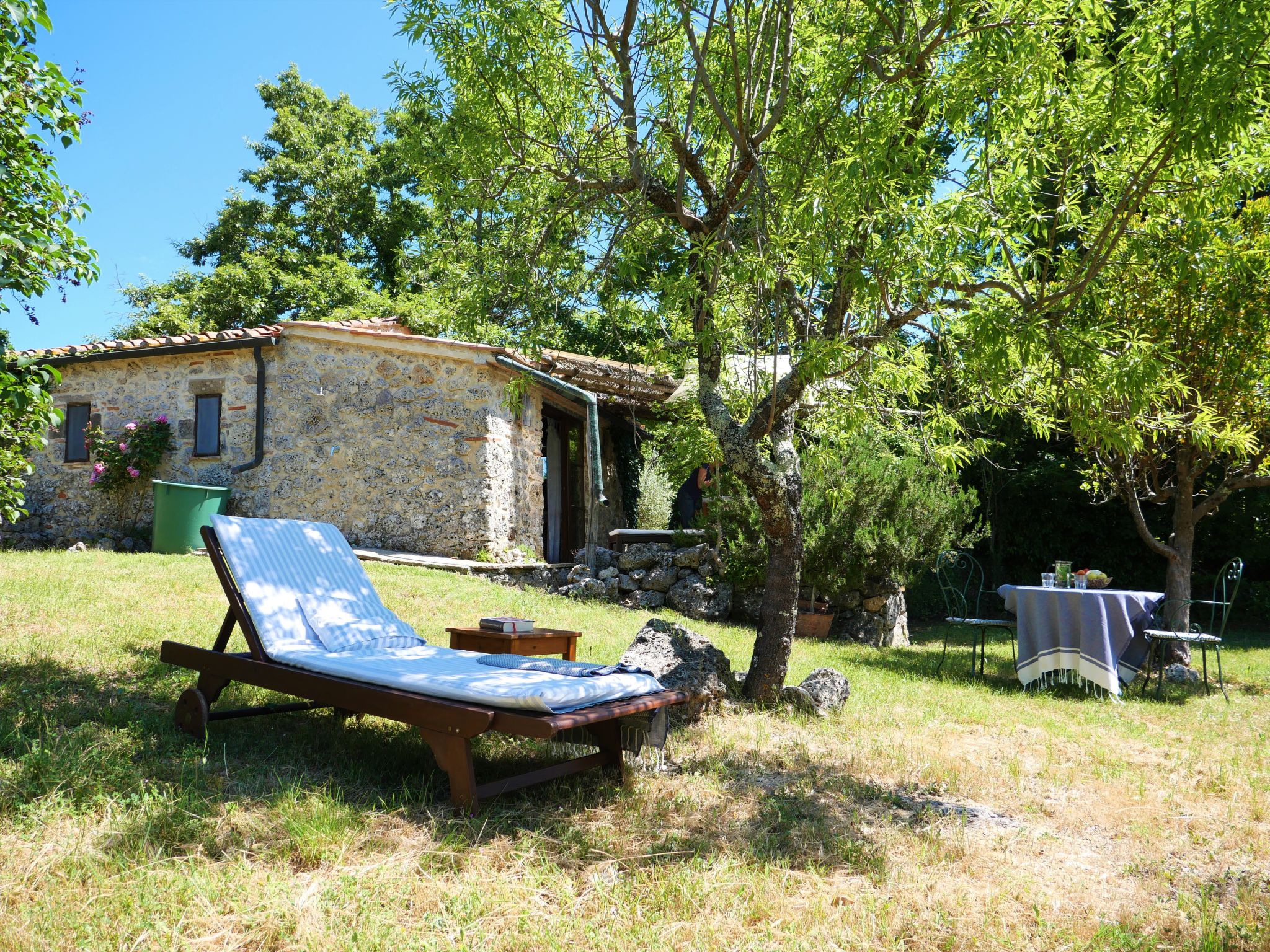
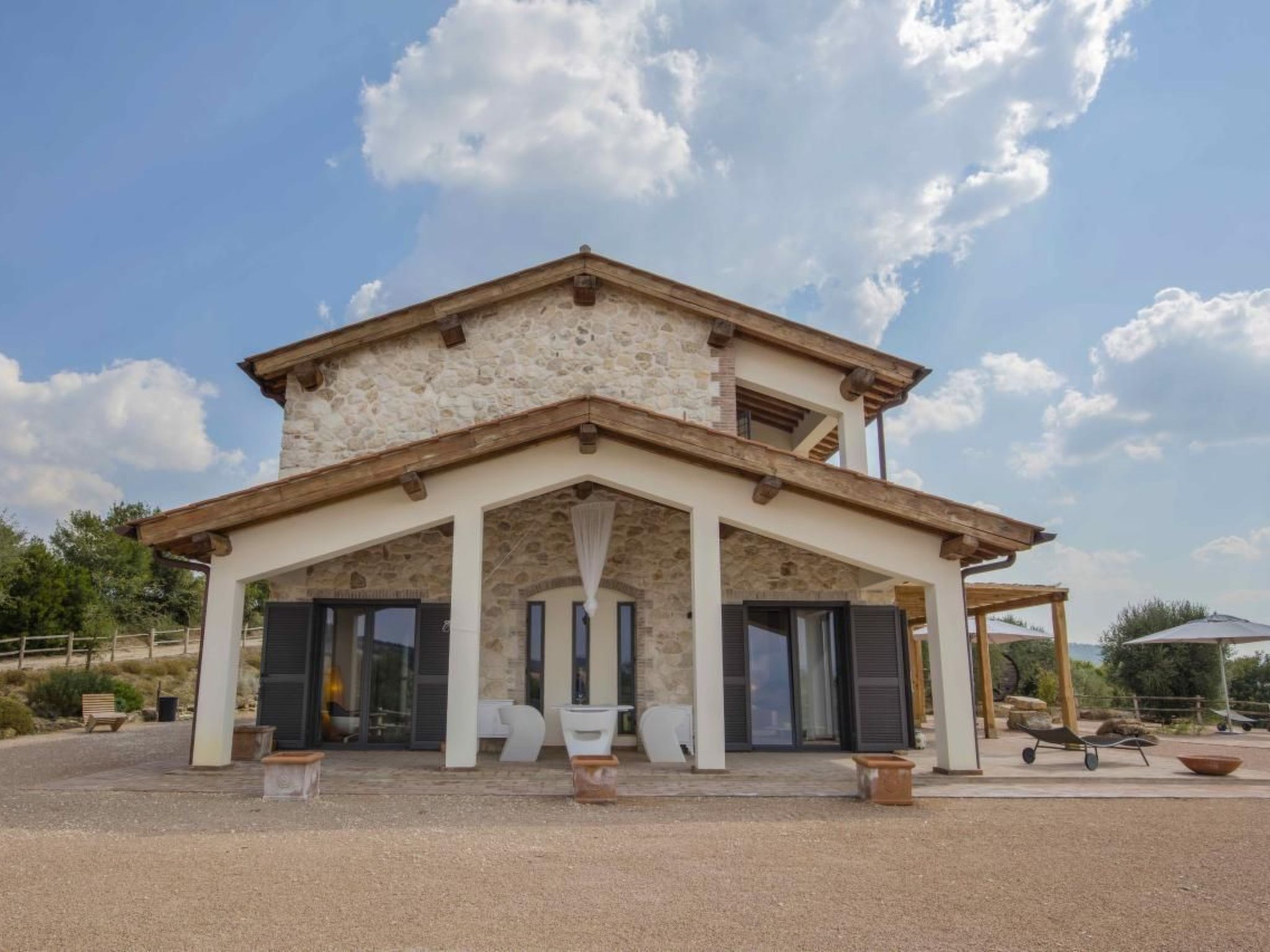
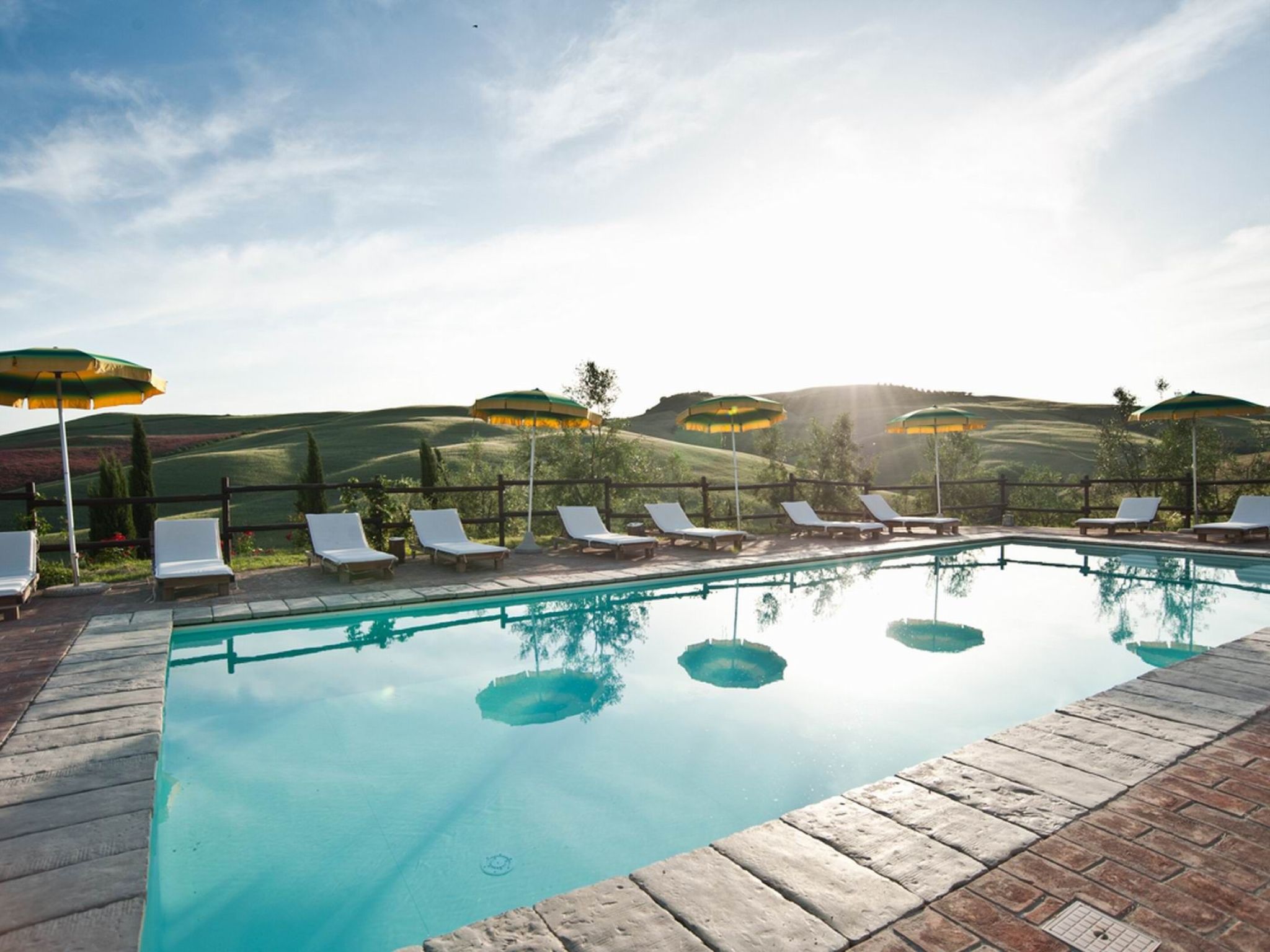
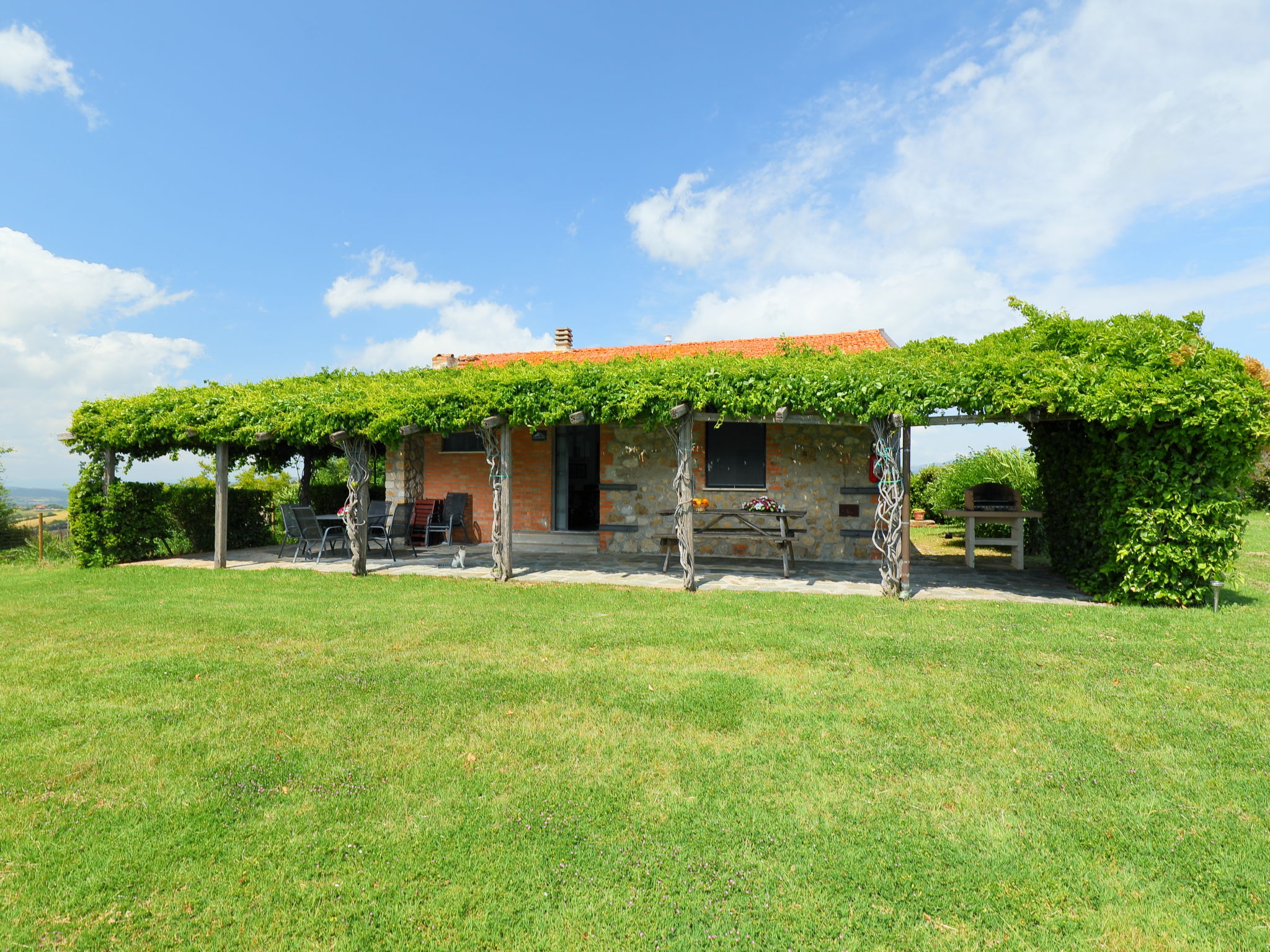
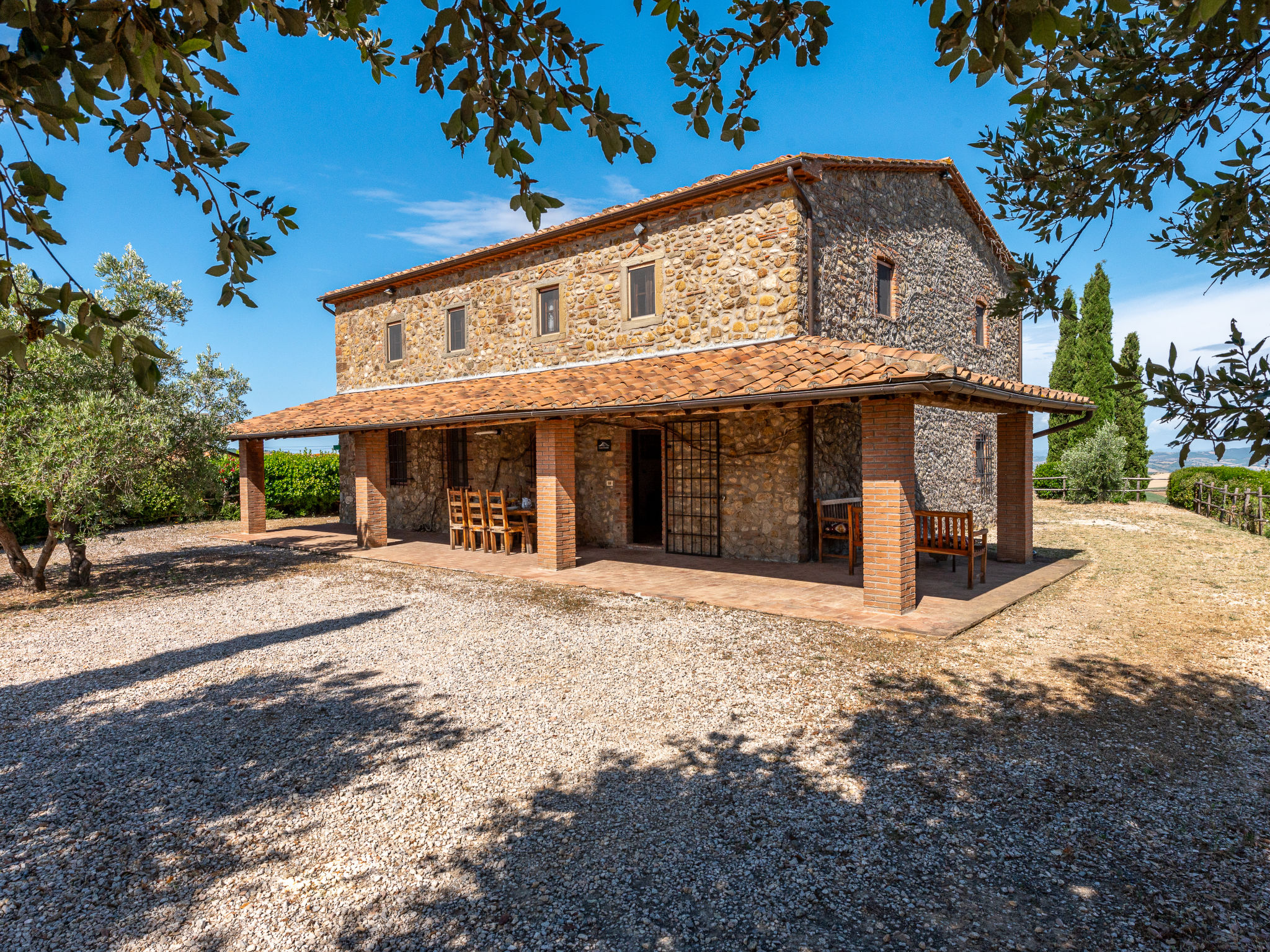
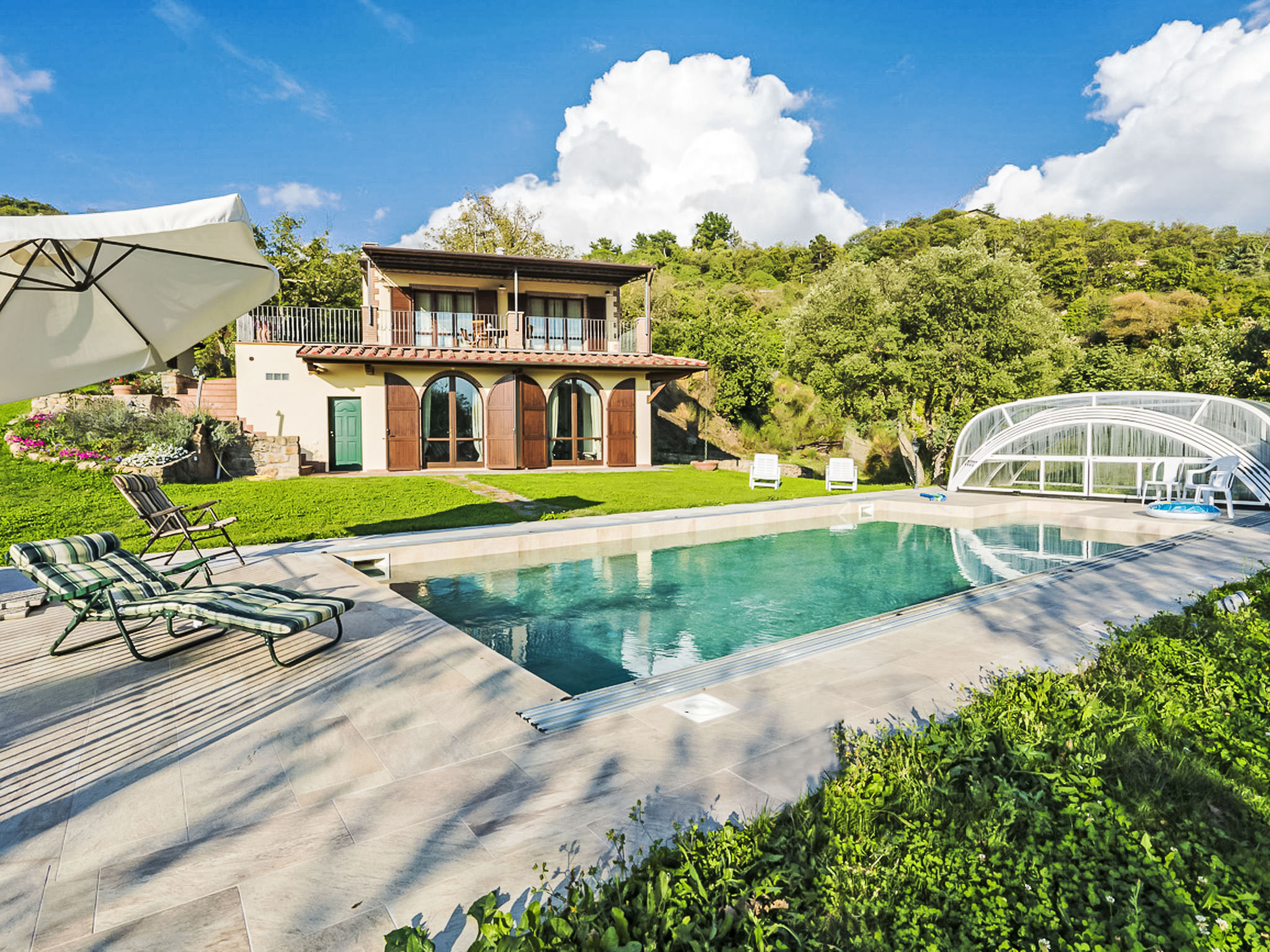
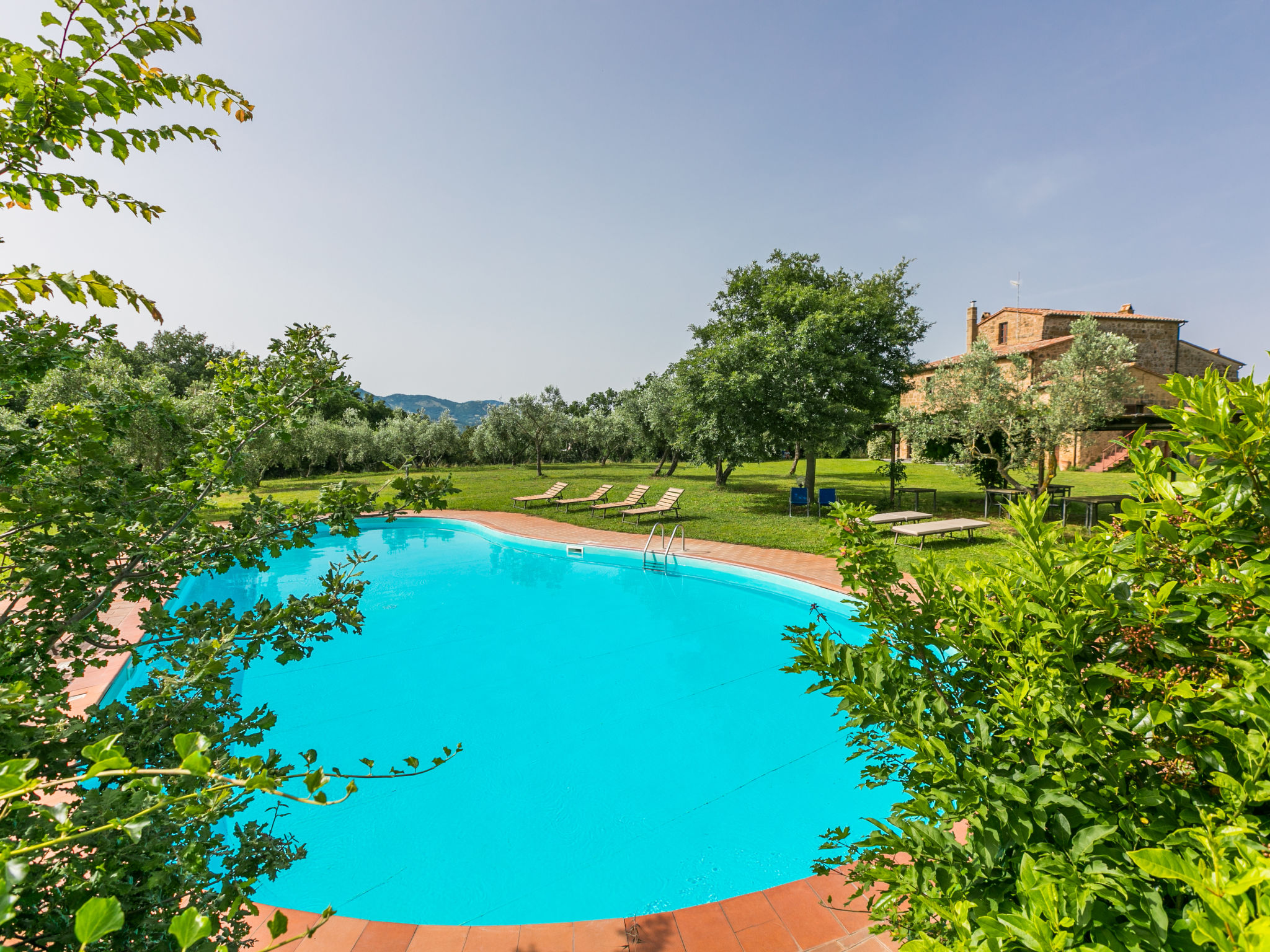
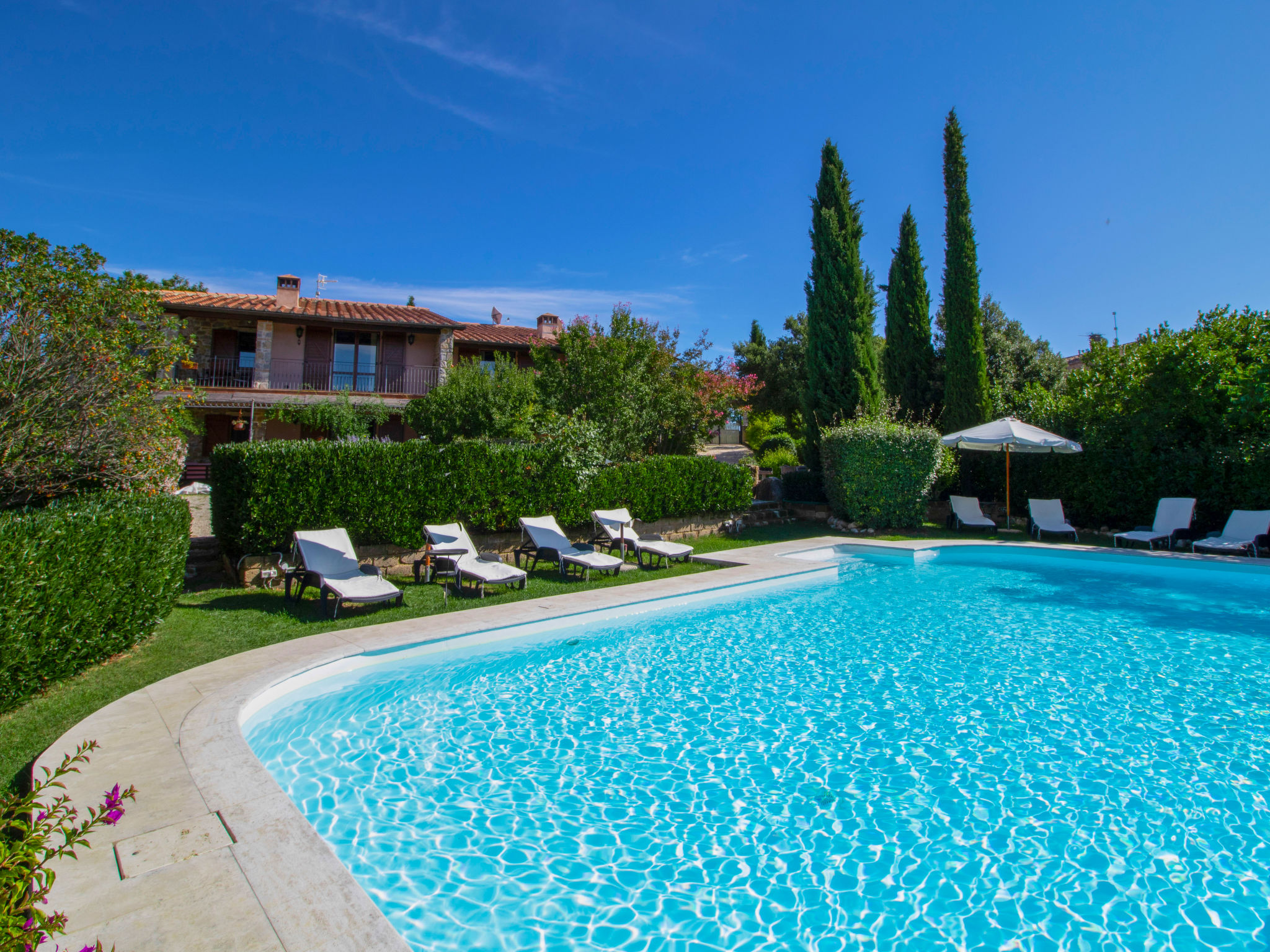
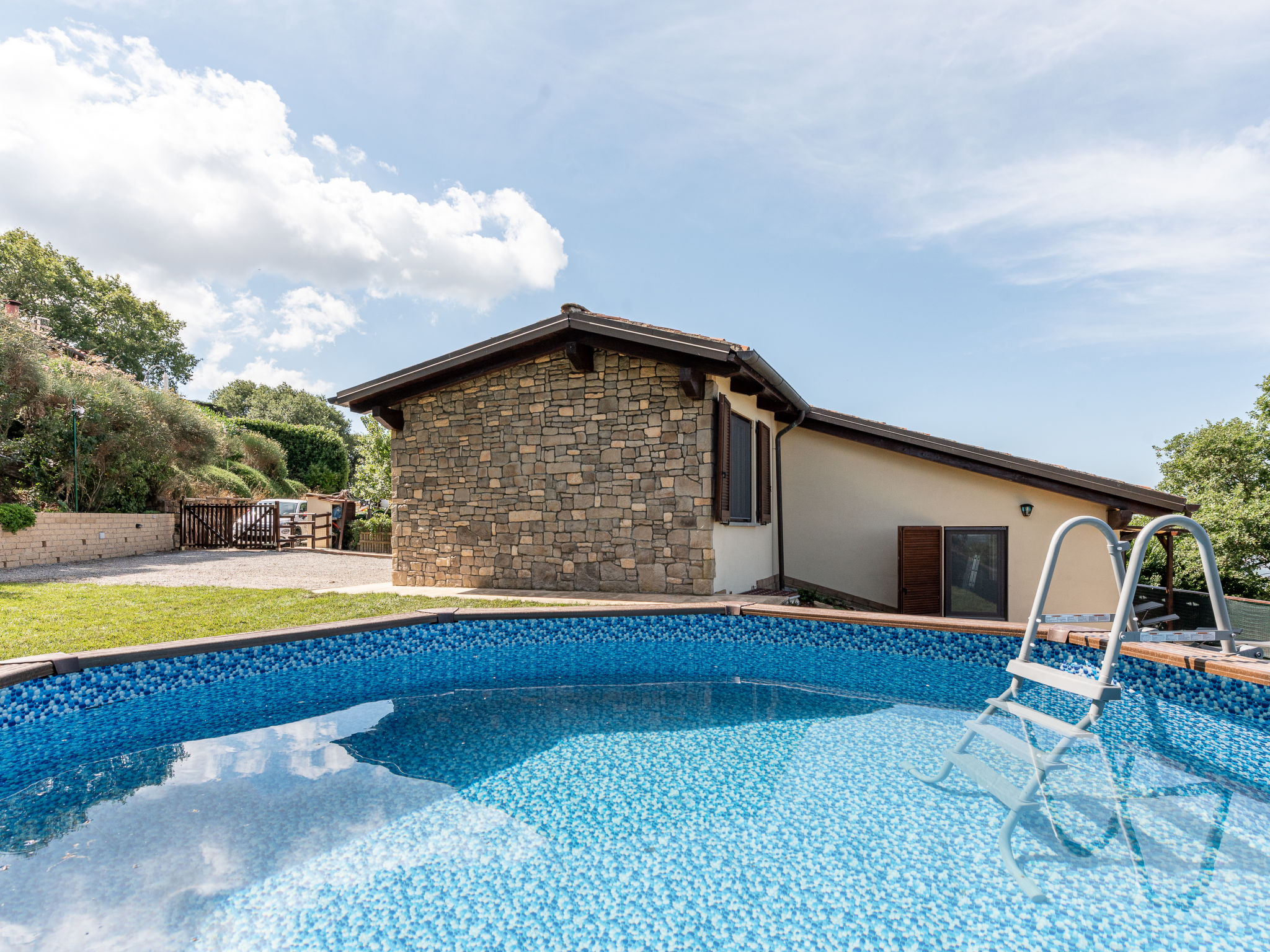
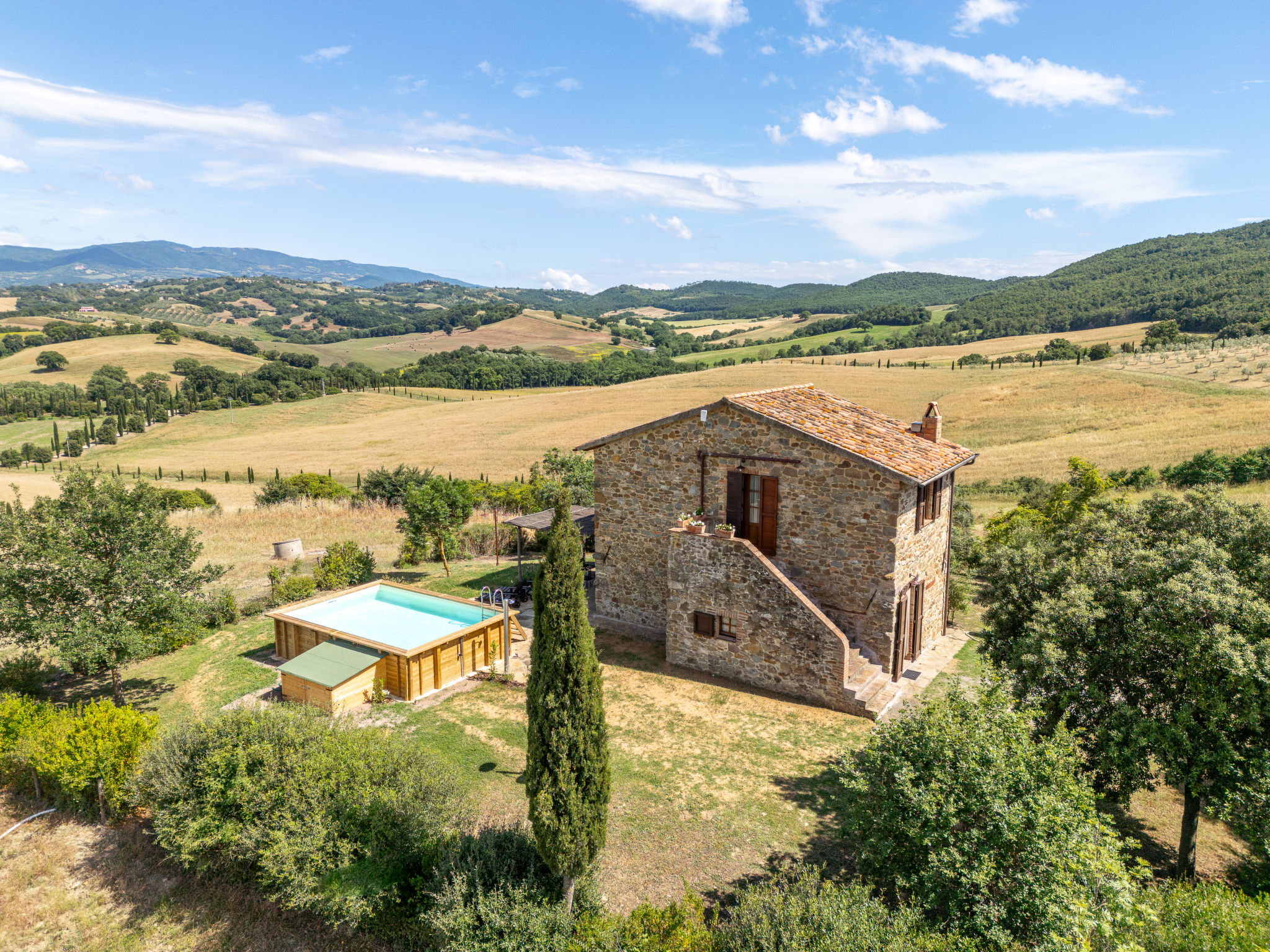
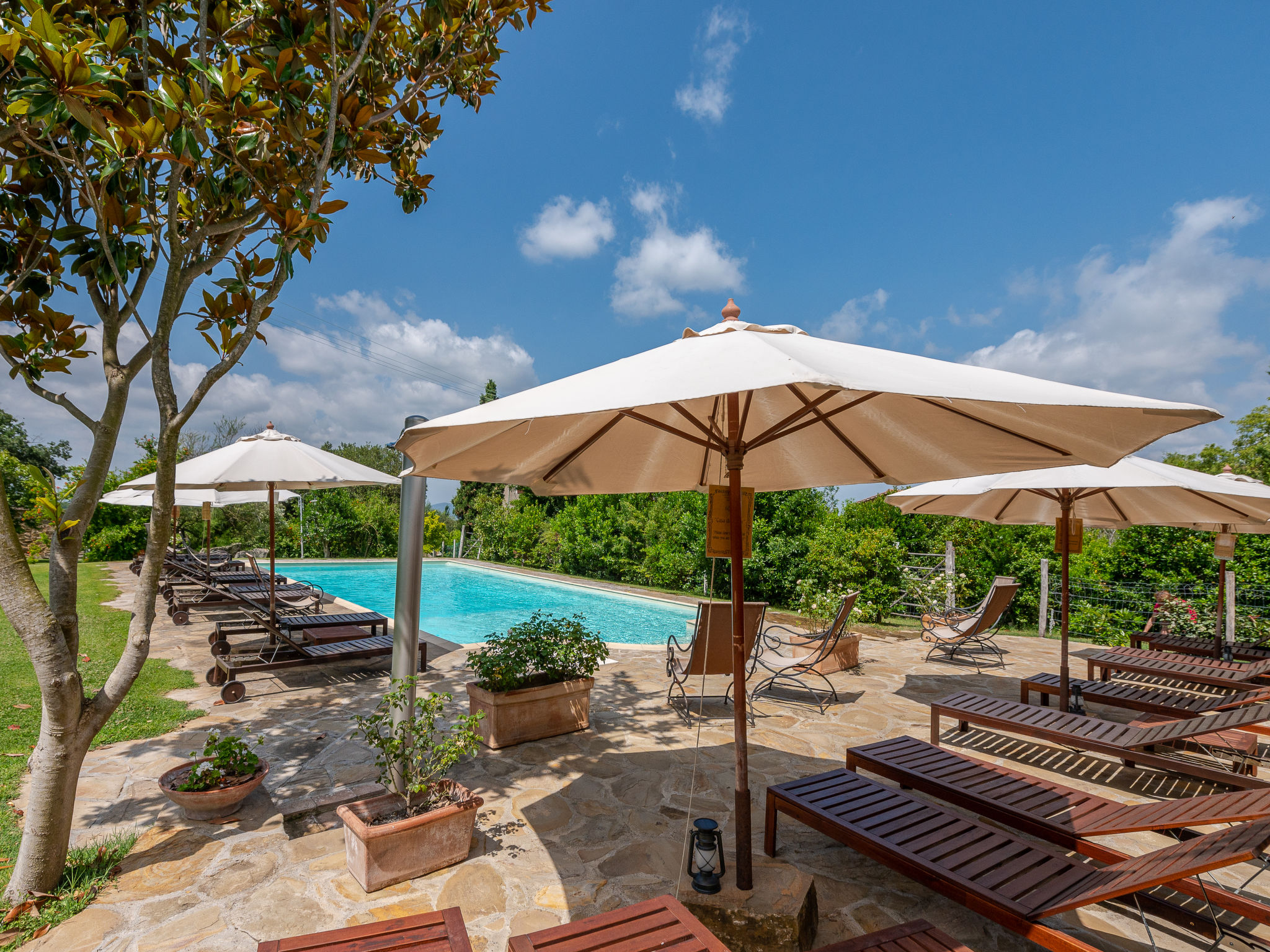
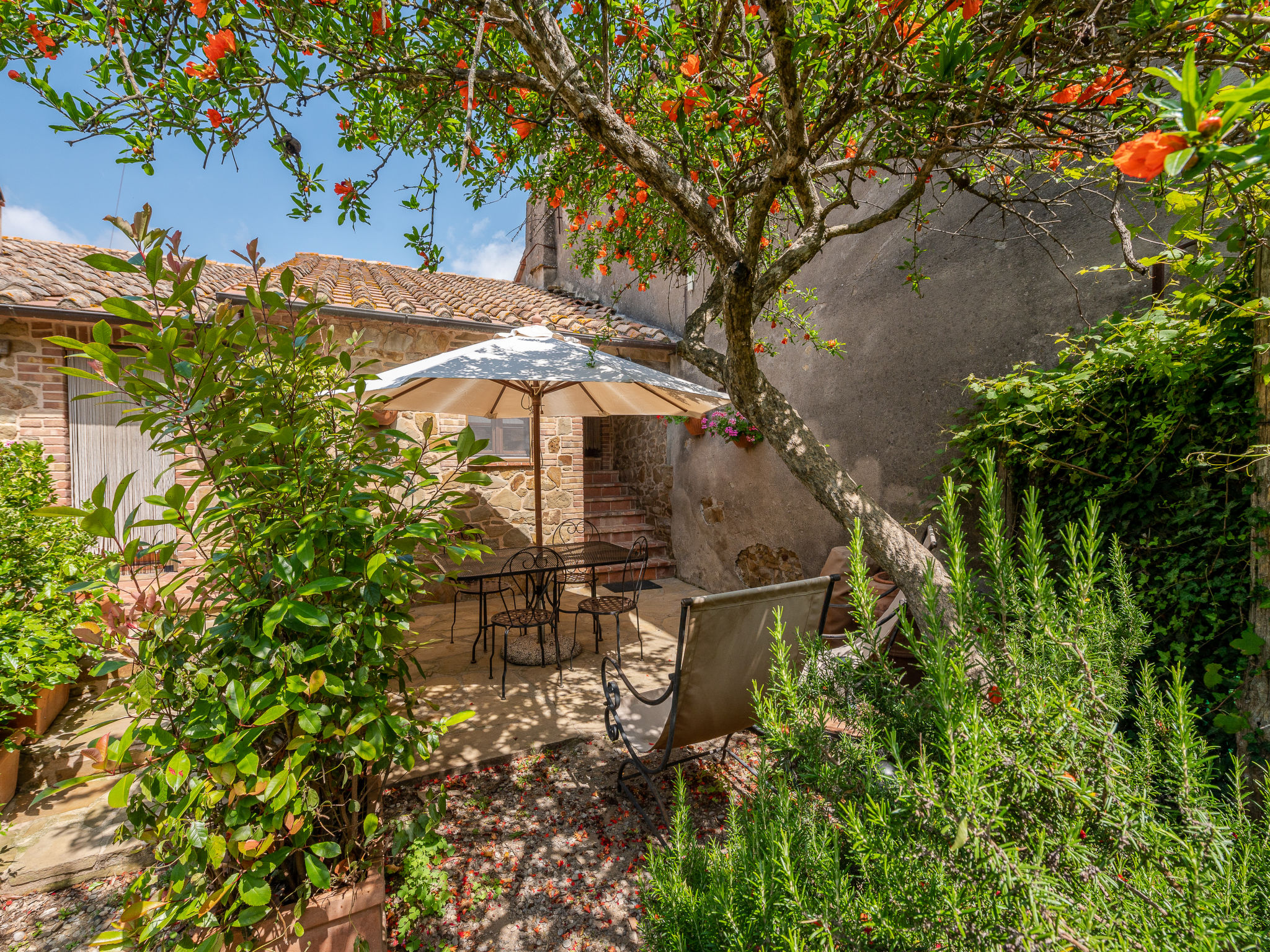
Maremma Inland is Tuscany without the crowds. This is the wild southern corner of the region, where rough volcanic landscapes meet Etruscan ruins, and the nearest tour bus is probably somewhere far away. You'll find yourself driving through dense oak forests, climbing to medieval hill towns built on honey-coloured tufa, and soaking in natural hot springs that have been here for millennia. It's hotter than the north in summer and the roads can be remote, but that's exactly why you come here—to find the version of Tuscany that tourists haven't yet figured out.
What Makes Maremma Inland Special
- Tufa towns with genuine character. Pitigliano, Sovana, and Sorano are built into golden cliffs rather than sitting on top of them. The stone itself shapes how the streets work, creating an altogether different feel from the Tuscan hilltop villages everyone else visits.
- Saturnia's thermal springs are free and genuinely warm. There's a proper spa at Terme di Saturnia if you want facilities, but locals still use the open-air pools for nothing. They work year-round; winter dips are surreal.
- Serious Etruscan archaeology. This landscape is thick with tombs, settlements, and artifacts. Sovana has an entire Etruscan necropolis you can walk through. It's not as polished as museum exhibits elsewhere, which is part of its appeal.
- Complete absence of English-language tourism infrastructure. Some people find this frustrating. We find it refreshing. Restaurant menus are in Italian. Signage is minimal. You're not the third tour group that day.
- It's genuinely inexpensive. Accommodation, food, and wine cost noticeably less than the Chianti region or the coast. You're not paying for a name.
Top Towns & Resorts in Maremma Inland
Pitigliano
The most photographed town in the region, and that reputation holds—it looks like something you'd have to invent if it didn't already exist. The entire town is carved into a golden tufa platform overlooking deep gorges. The main square sits at the cliff's edge. There's a Jewish ghetto tucked into the medieval warren of streets, with four intact synagogues (the museum is small but moving). The local wine, Bianco di Pitigliano, is worth trying. Fair warning: in July and August, it gets crowded for a region of this size. Peak visiting time is May or September, when it's manageable.
Find villas near Pitigliano
Saturnia
The whole reason many people choose this area. The Cascate del Mulino. a natural hot spring waterfall. flows into pools of warm water that form terraces down a hillside. Locals and visitors mix freely in the free pools; the water is always hot. There's also the Terme di Saturnia spa resort if you want a more structured experience (it's expensive and less atmospheric, honestly). In high summer the free pools get rammed. Come in winter or shoulder seasons for a better experience. The nearby town itself is modest. you're here for the water, not the architecture.
Find villas near Saturnia
Sovana
A proper village rather than a full town. maybe 100 year-round residents. The main street has a fine Romanesque church and connects to an Etruscan necropolis you can walk into. The sandstone cliffs are riddled with tombs carved straight into the rock. It's otherworldly, especially in the late afternoon. There are a couple of decent local restaurants. Accommodation is scarce; most people stay in Pitigliano or Manciano and drive over. The roads are narrow and slow; don't expect to get anywhere fast.
Find villas near Sovana
Sorano
Another tufa town, slightly larger and less polished than Pitigliano. The fortress overlooks it. It's where actual residents live more than tourists visit, which gives it a different energy. The surrounding countryside is spectacular. cypress-lined roads, olive groves, deep valleys. The town itself is workable but not an attraction in itself. It's a good base for exploring if you want something slightly less busy than Pitigliano.
Find villas near Sorano
Manciano
The largest town in the interior, sitting on a hilltop with views across to the coast. Less famous than Pitigliano so fewer tourists pass through. There's a working market, actual shops, and a small local museum. The surrounding Montemerano area is rolling hills and working farms. It's pleasant rather than spectacular. use it as a practical base for exploring rather than as an attraction itself. Public transport to other towns is limited; you'll need a car.
Find villas near Manciano