Villas in Le Grau du Roi
Le Grau du Roi is a canal fishing port with sandy beaches either side, suiting couples and small families in compact homes. Homes here mostly sleep two to four, and very few take big groups. The marina district of Port Camargue sits beside the old port.
- Villas
- 77
- From, per week
- £181
About Le Grau du Roi
Le Grau du Roi began as a channel opened by a storm surge in 1570, named Grau du Roi in 1640 and turned into a canal in 1845. Fishing was the whole economy until the 1920s. The canal is still lined with fishing boats, old buildings, hotels and cafés, and a path runs to the marina. Our homes are bunched close to the town, mostly small and often one bedroom, with many offering air conditioning and a fair number a pool. The sand is long: about 18 km of beach, including Rive Droite and Rive Gauche, with the Espiguette dunes further out. About 8,600 people live here year-round.
Is Le Grau du Roi right for you?
- Best for
- Couples and small families wanting a canal port and sandy beaches
- Not for you if
- You want a walled or hilltop old town, because Le Grau du Roi is a canal port beside lagoons and beaches.
Near Le Grau du Roi
Aigues-Mortes
Walled town at the inland end of a six-kilometre channel to the sea; ramparts run about 1,650 m and the Tour de Constance was completed in 1254.
Pointe de l'Espiguette
Dune reserve and beach with a lighthouse built in 1867; the dunes are an important wildlife habitat.
Seaquarium
Aquarium with marine mammals and a two-storey shark tank said to hold over 25 shark species.
Saintes-Maries-de-la-Mer
Camargue seafront town, about 45 km south-west of Arles, and the destination of an annual Romani pilgrimage.
Getting to Le Grau du Roi
Montpellier-Méditerranée Airport is about 21 km away, which is around 20 minutes by road; easyJet flies from Gatwick, with seasonal British Airways from Gatwick too. Trains link Le Grau-du-Roi station with Nîmes. A car helps for Aigues-Mortes and the Camargue marshes.
When to go to Le Grau du Roi
The area has over 300 days of sunshine a year. Events fall in the warm months: the Vogua Monstra rowing festival at Ascension weekend, the Festival of the Sea and Fishermen in June, and bull races and water jousting in September. The marshes behind the coast hold some of France's fiercest mosquitoes, so bring repellent.
Villas in Le Grau du Roi
3-star property
2-star property
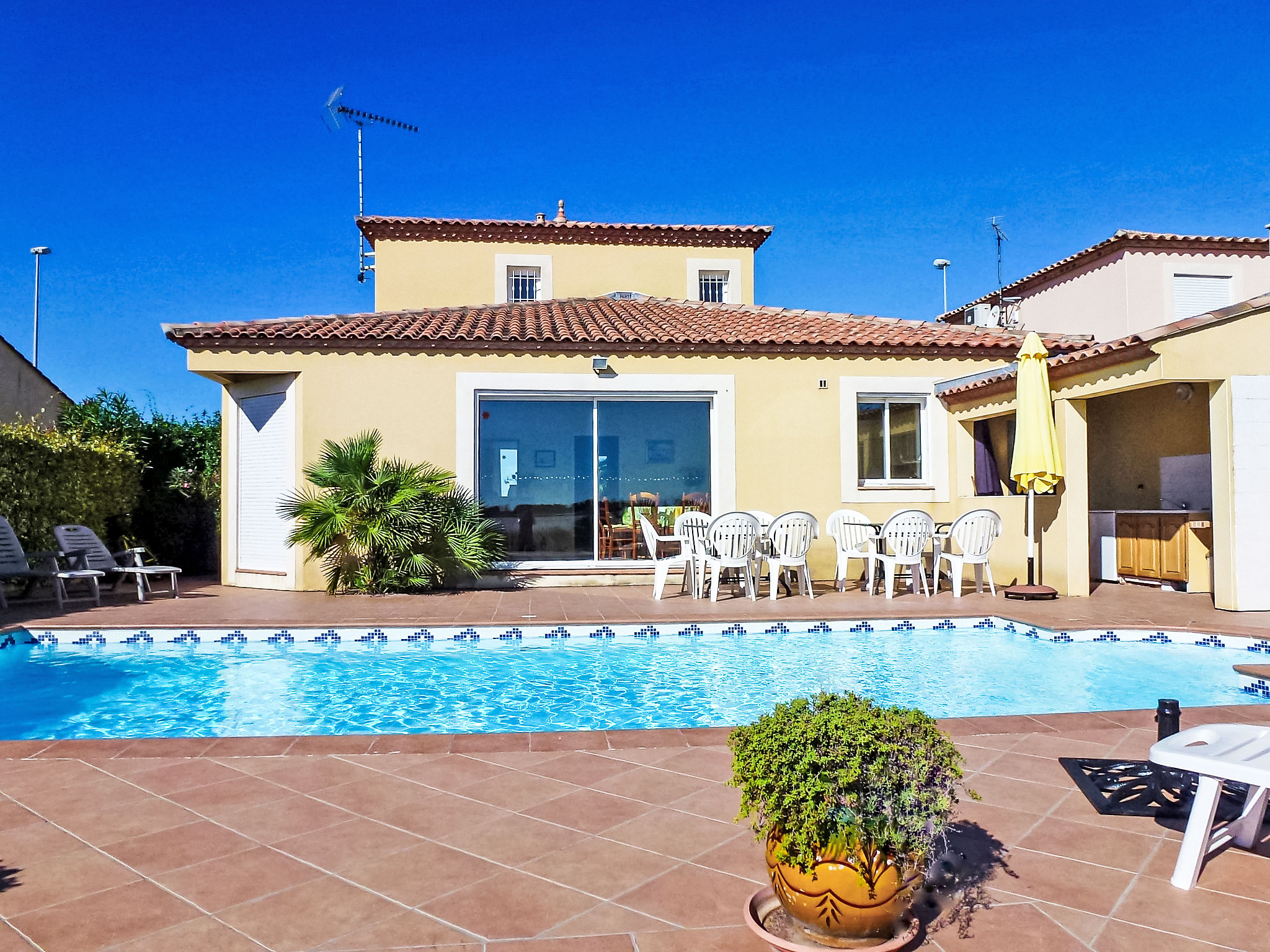
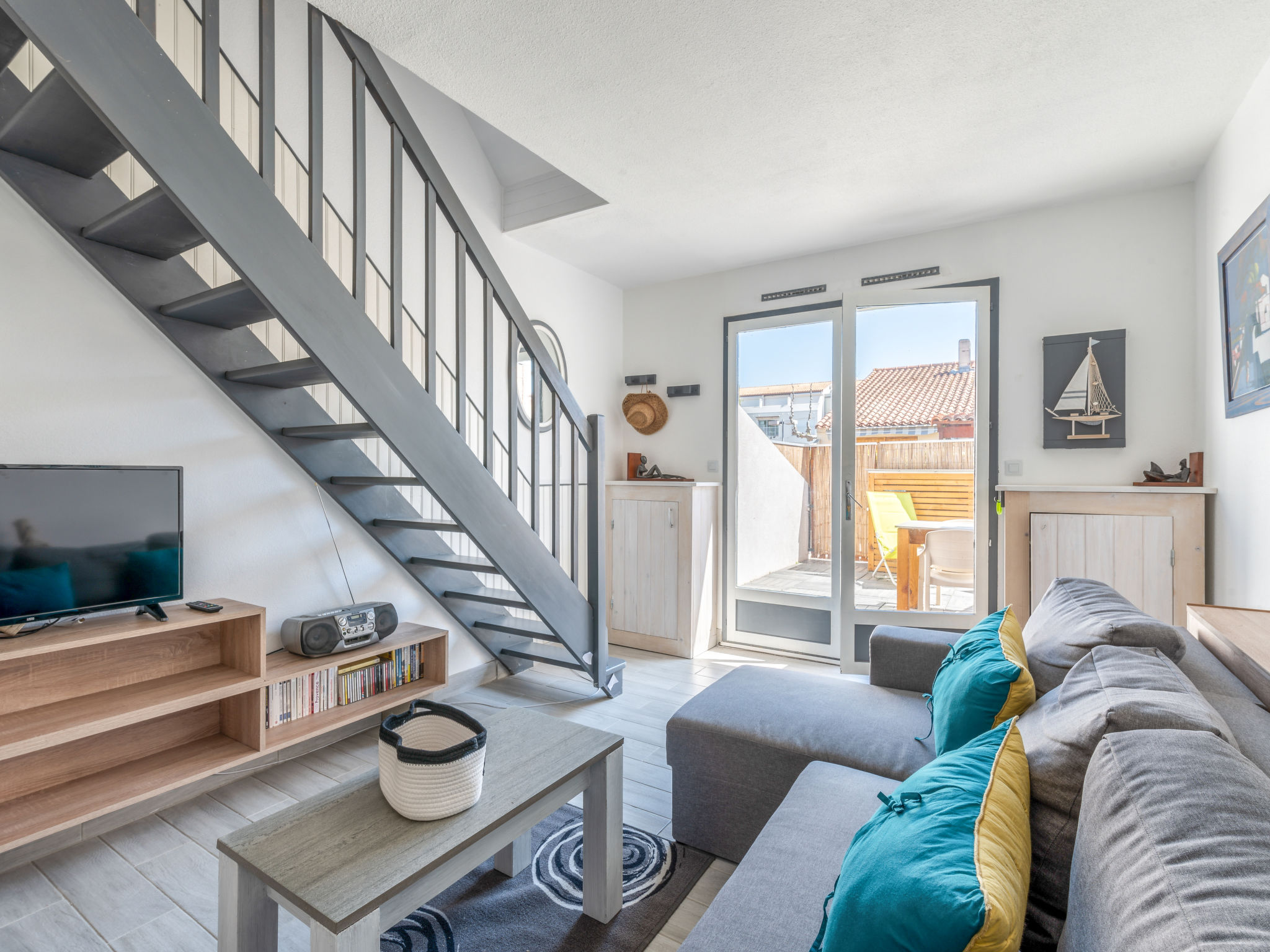
Villa Cartouche
Le Grau du Roi, Camargue, France
4
1
0
Air ConMicrowaveParking+7 more
from£66
per night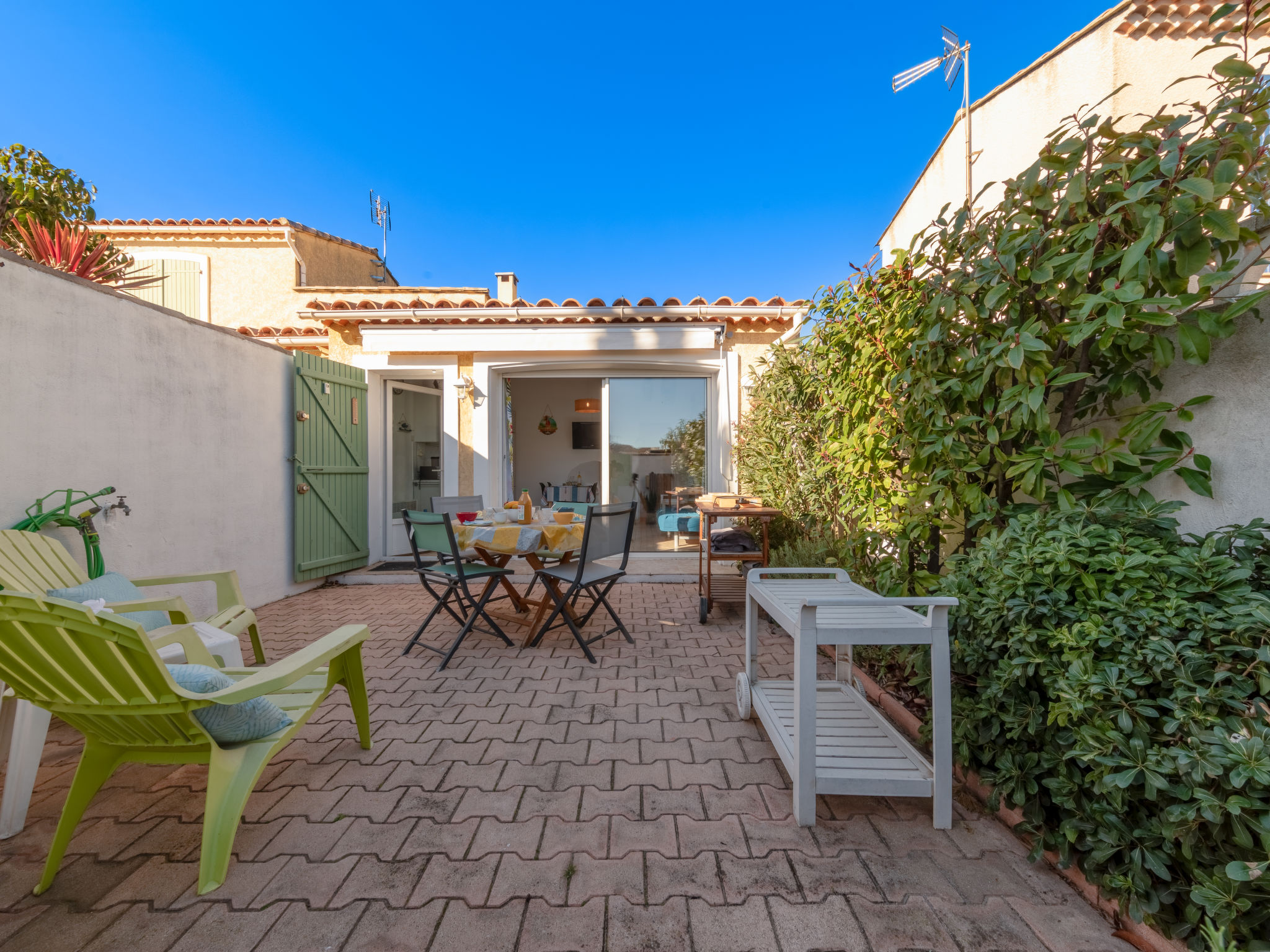
3-star property
2-star property
2-star property
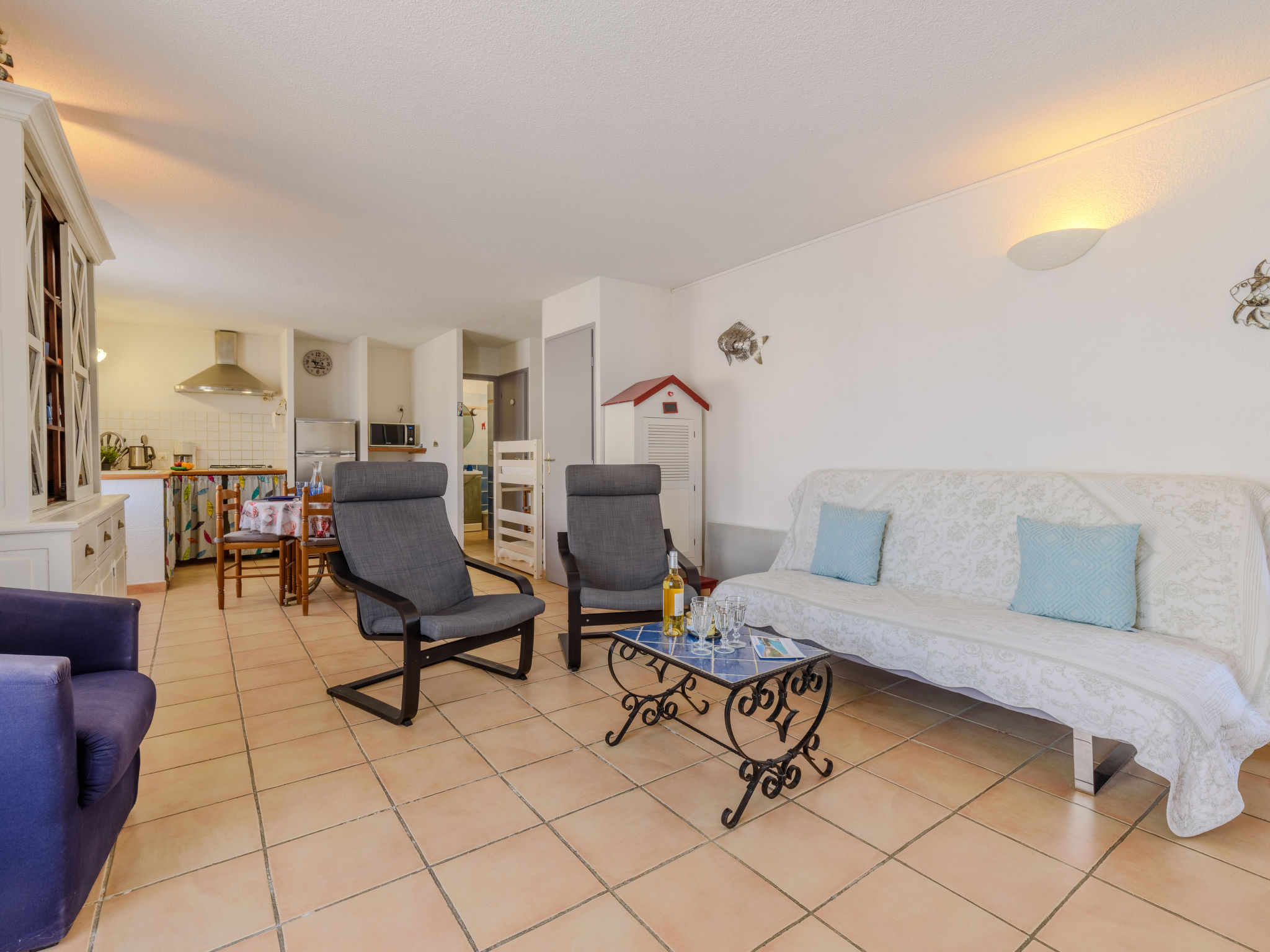
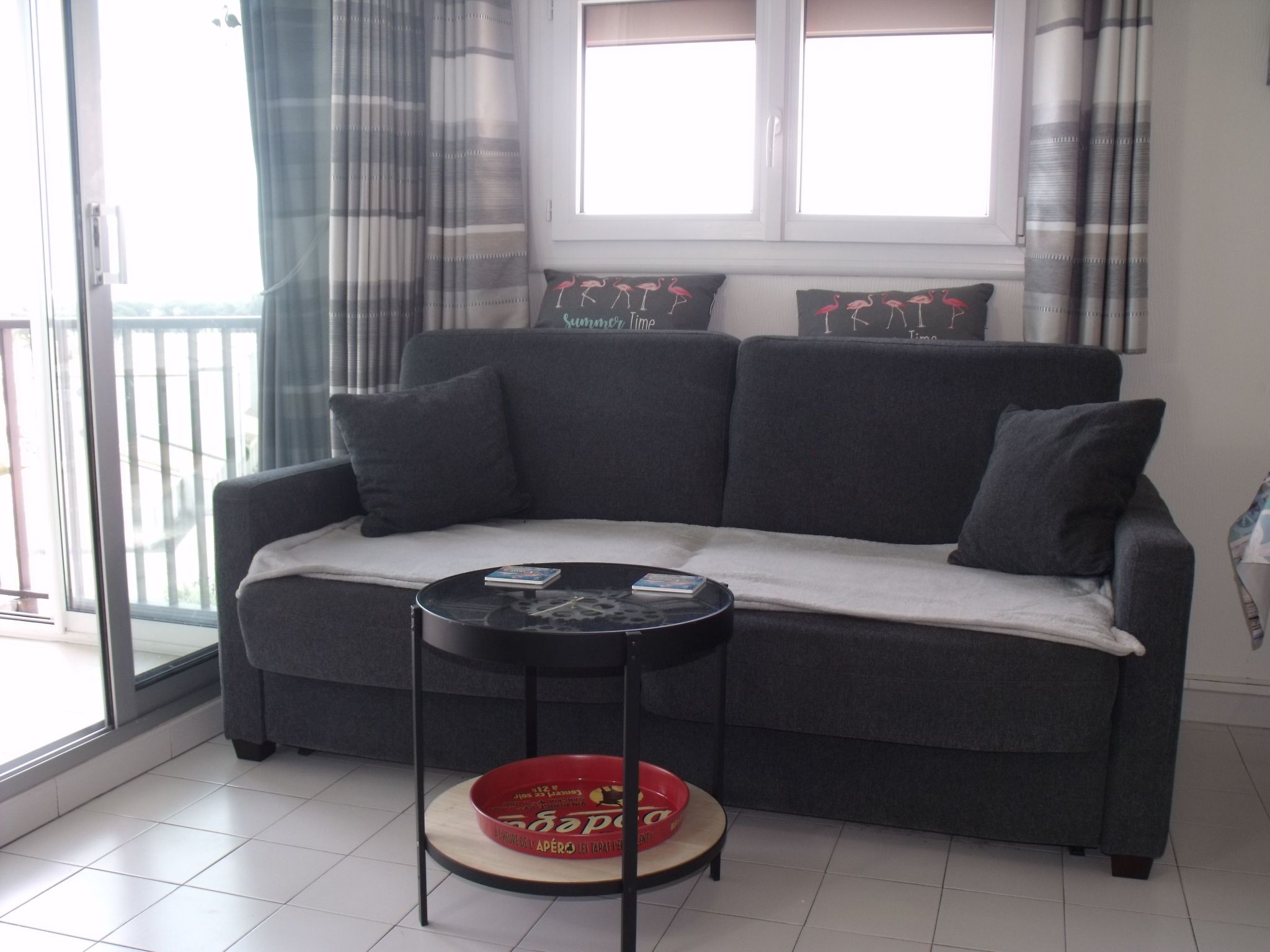
Les Maisons de la Plage
Le Grau du Roi, Camargue, France
4
2
0
DishwasherMicrowaveParking+7 more
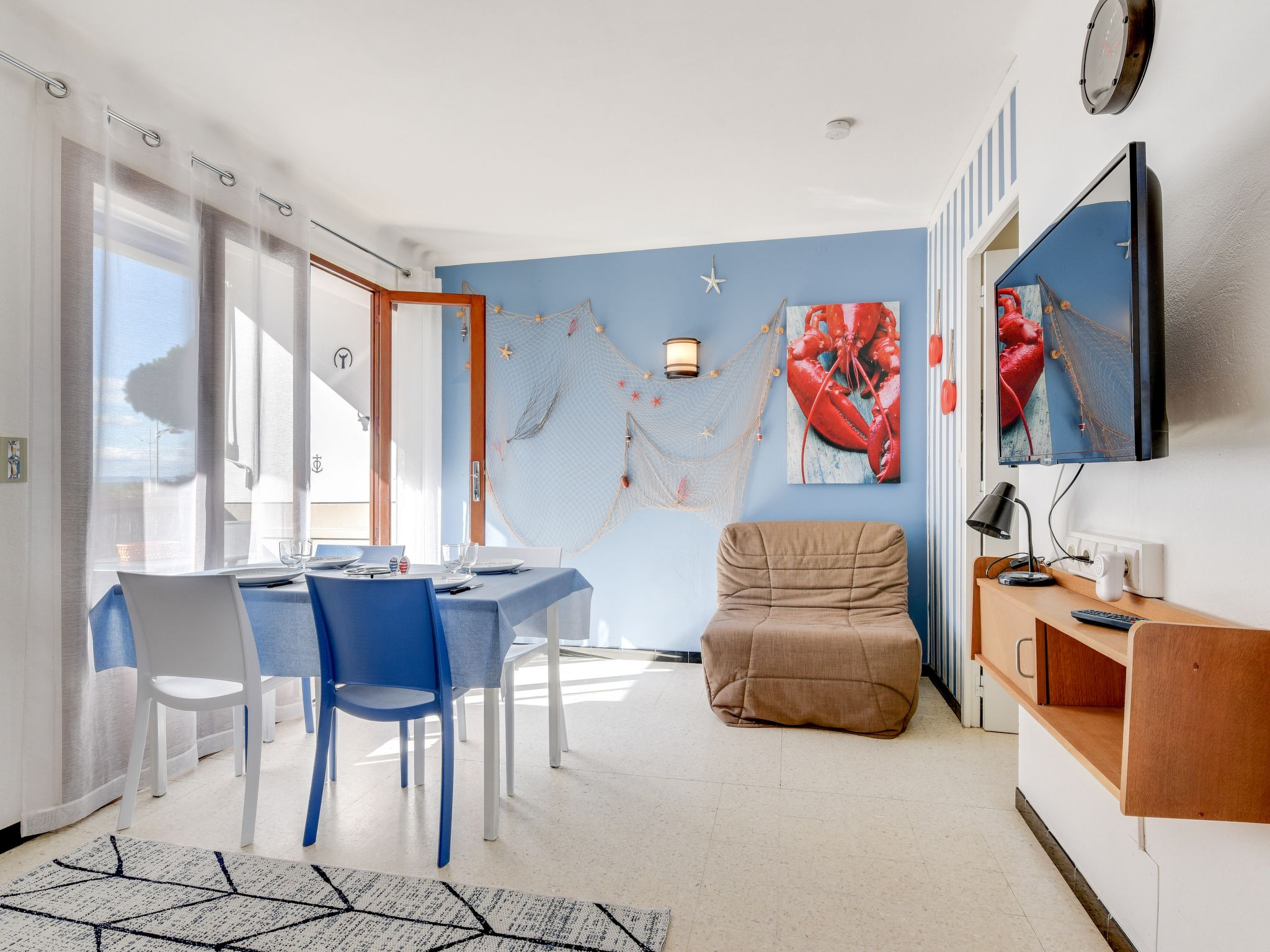
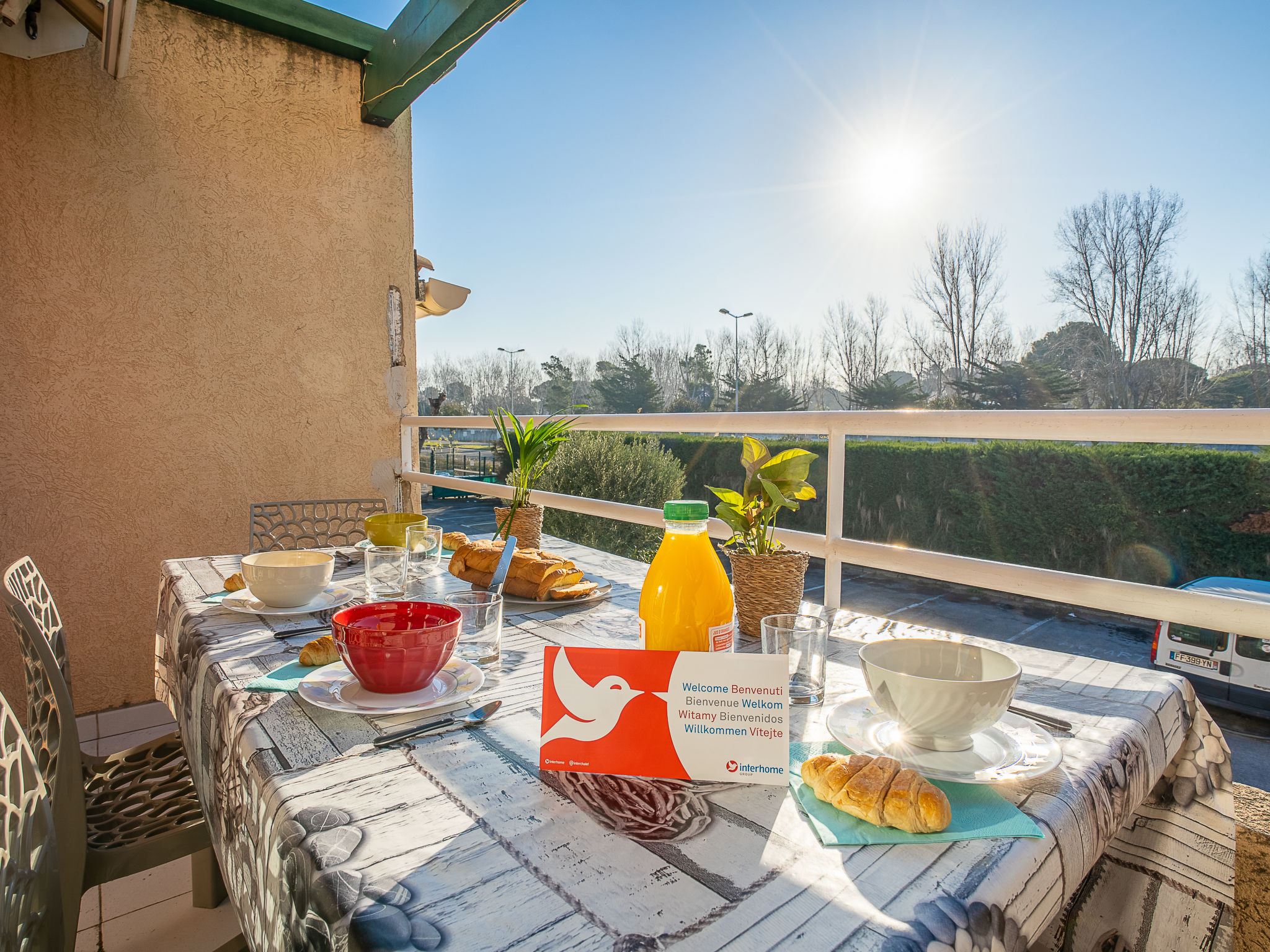
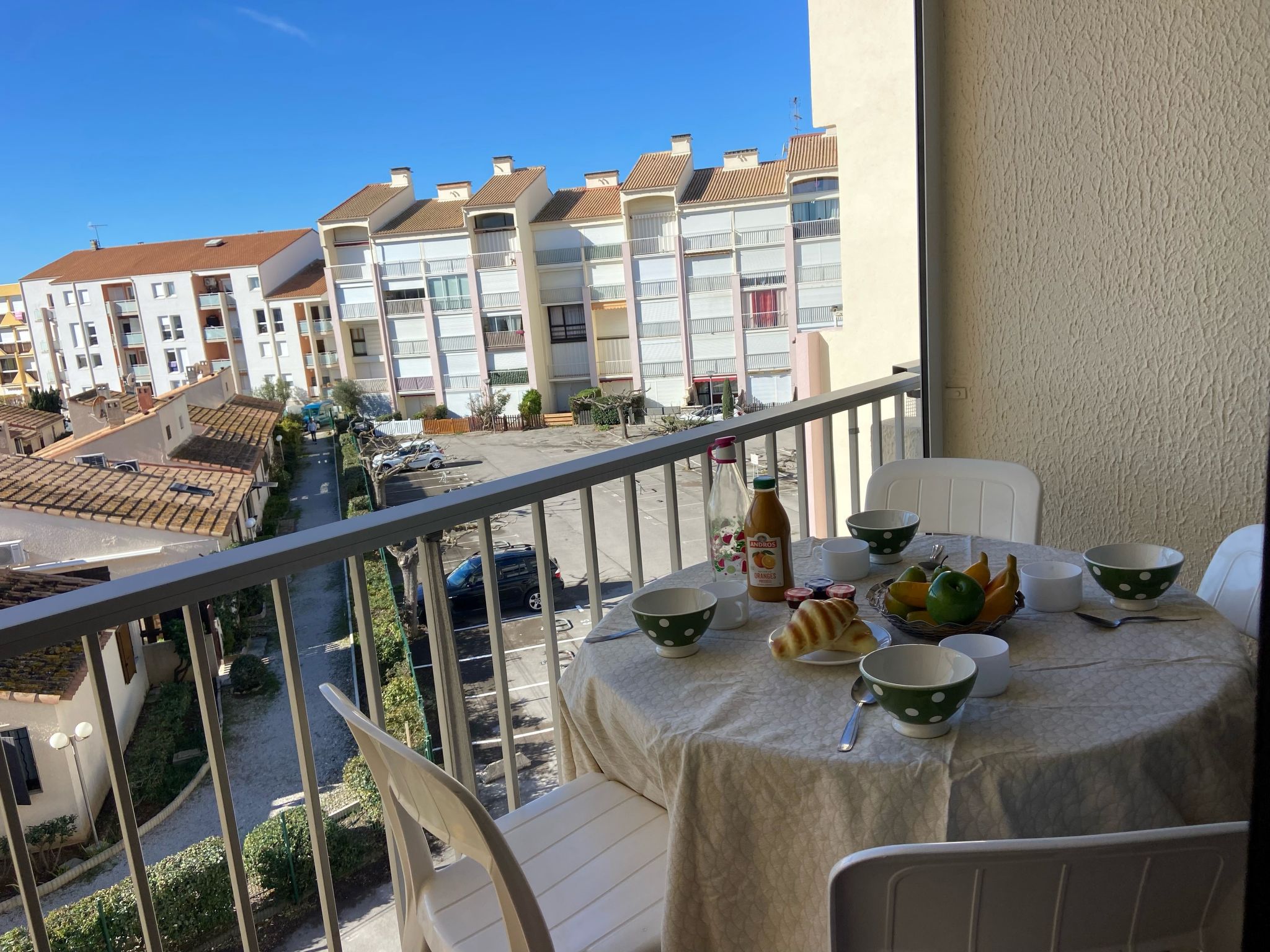
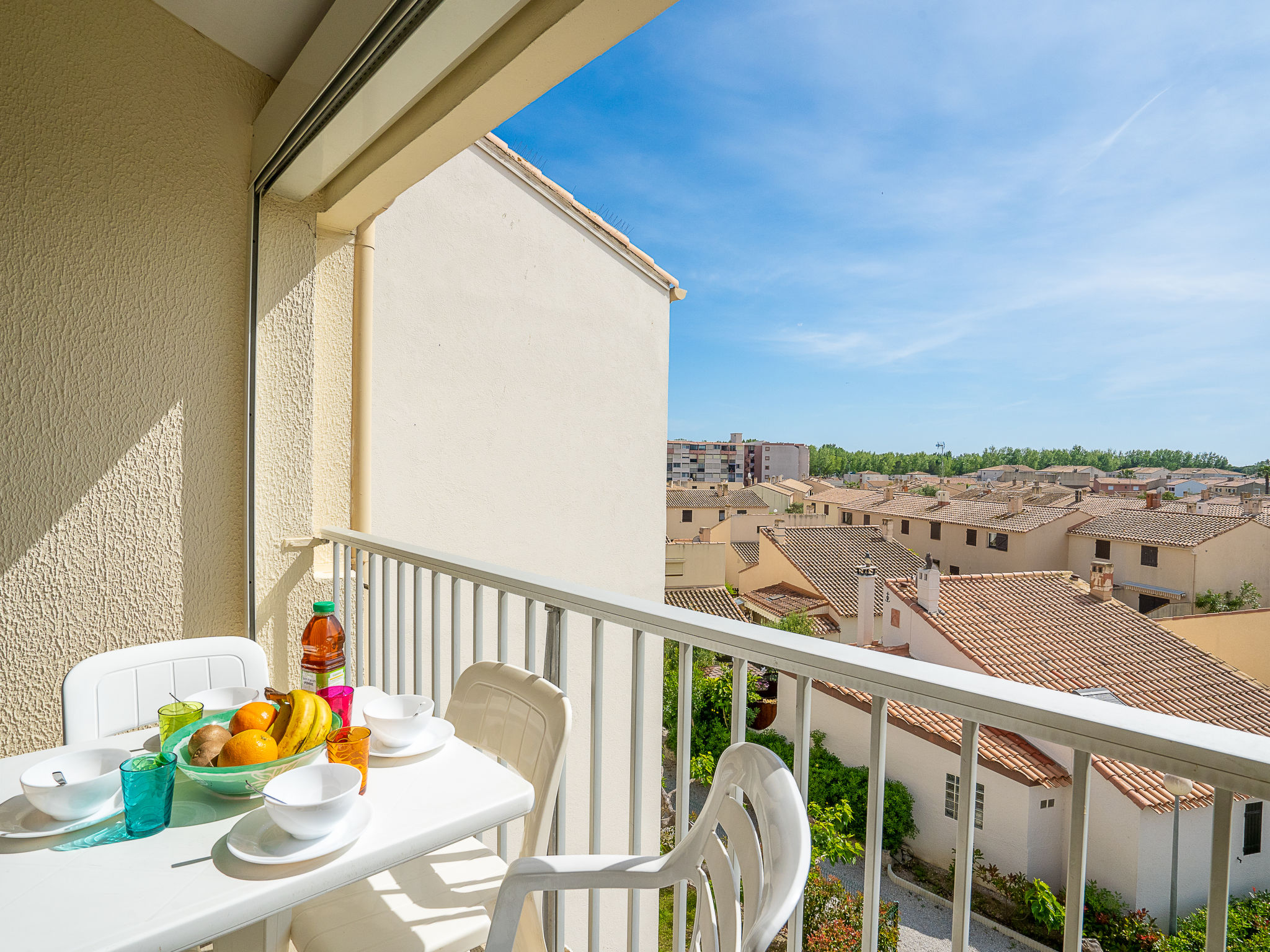
1-Bedroom Home, Le Grau du Roi
Le Grau du Roi, Camargue, France
4
1
0
Air ConParkingMicrowave+9 more
from£57
per night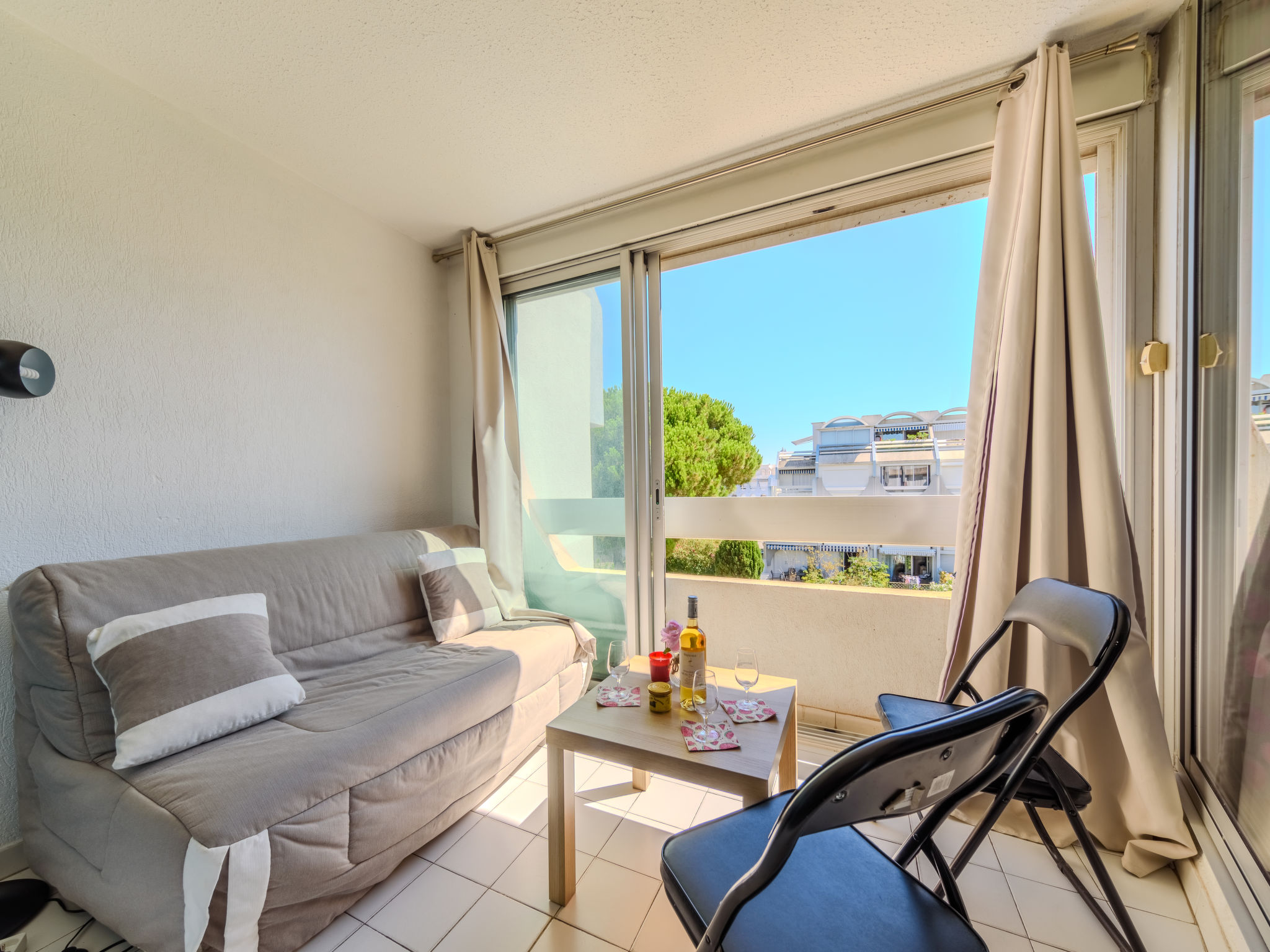
2-star property
2-star property
2-star property
2-star property
2-star property
2-star property
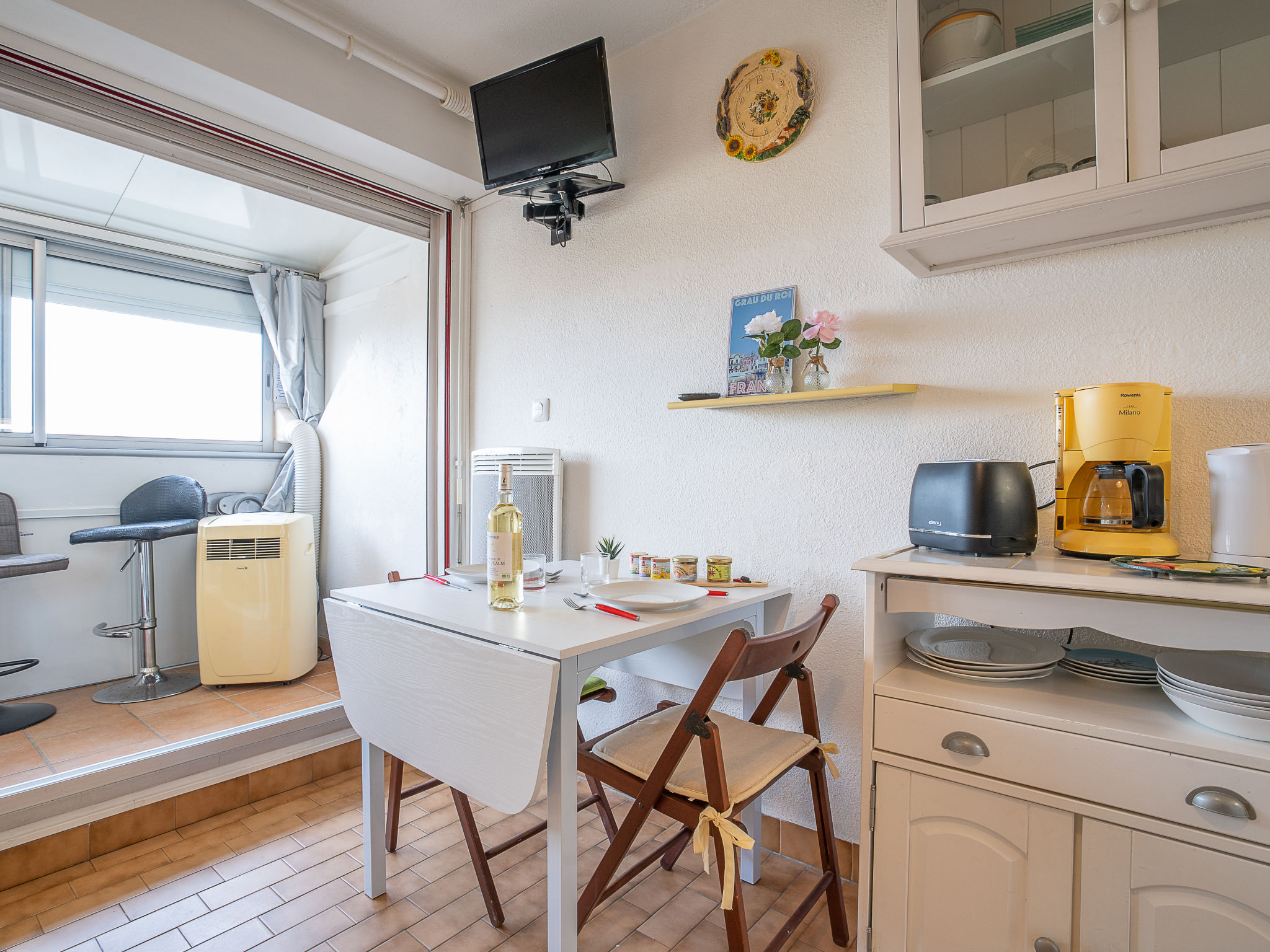
2-star property
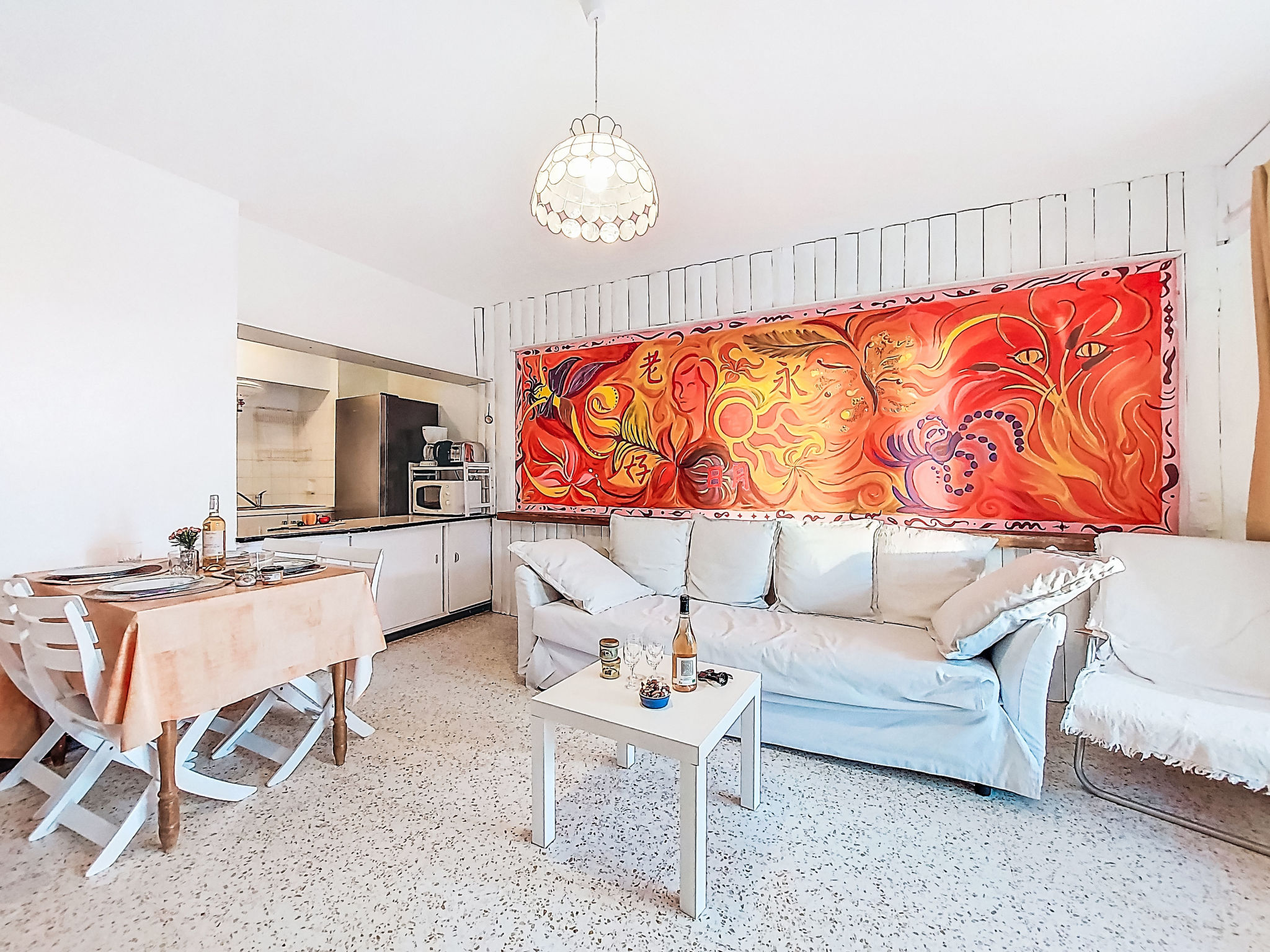
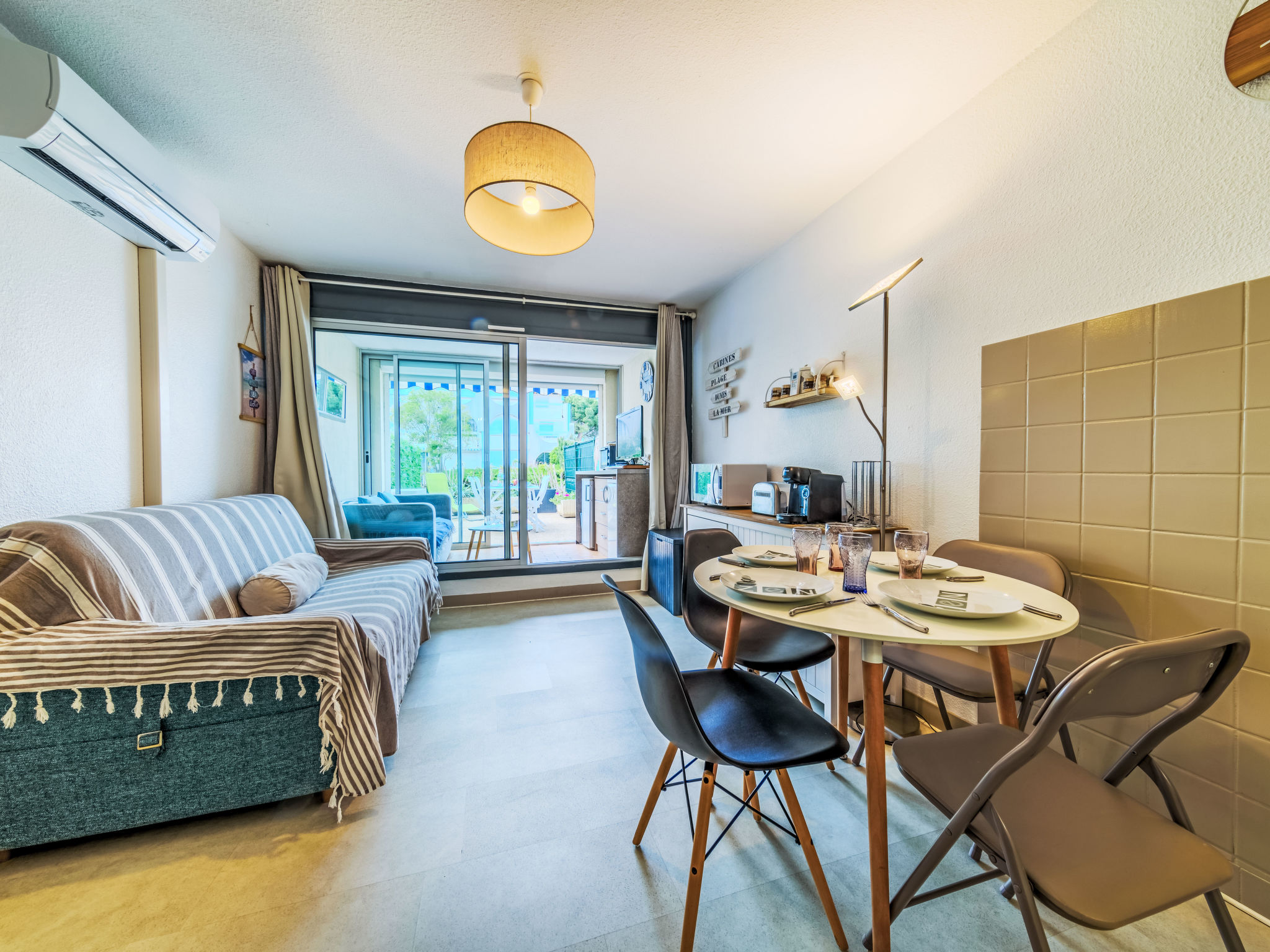
Le Marlin
Le Grau du Roi, Camargue, France
2
1
0
MicrowaveParkingFridge+4 more
from£26
per night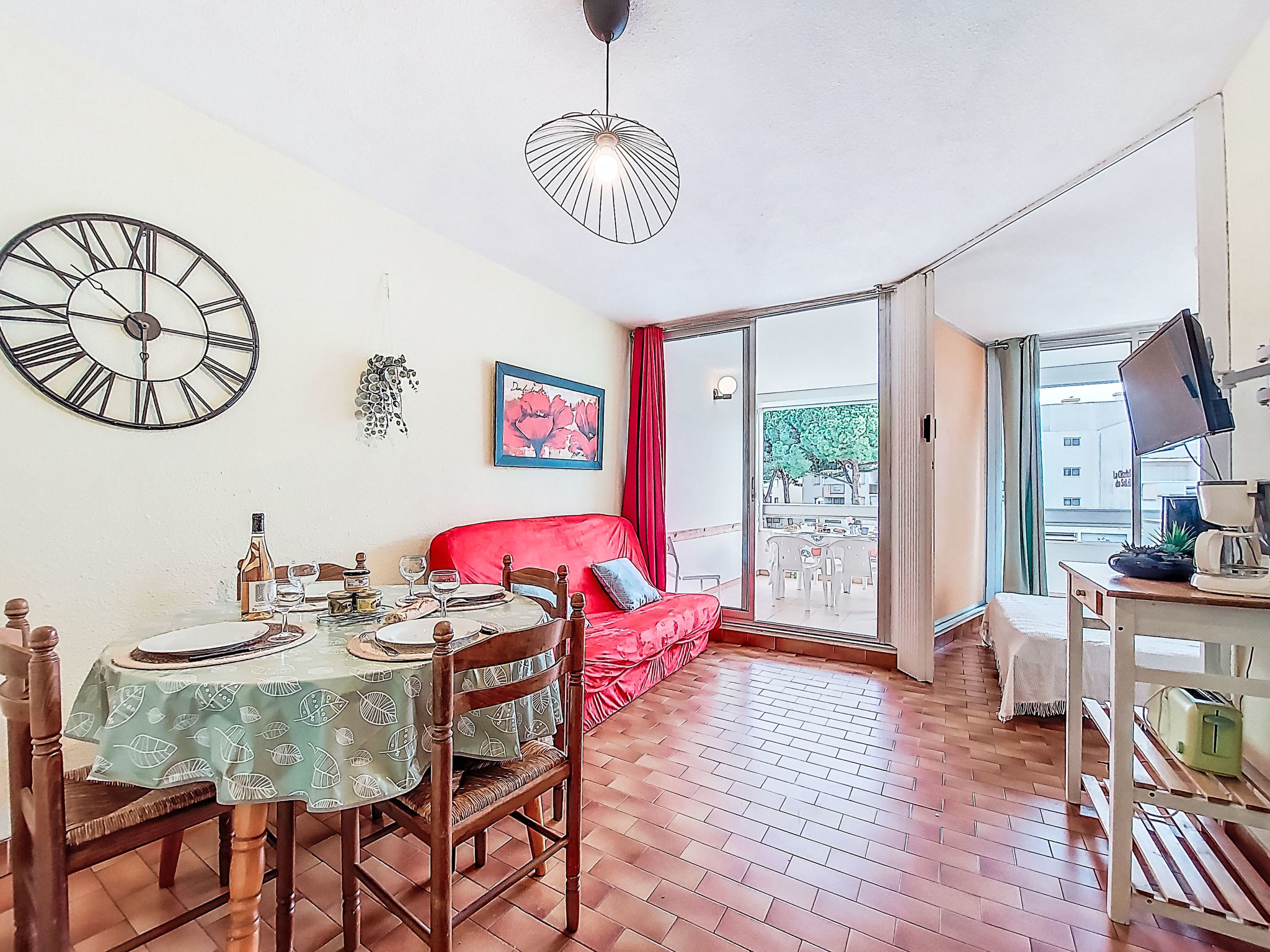
2-star property
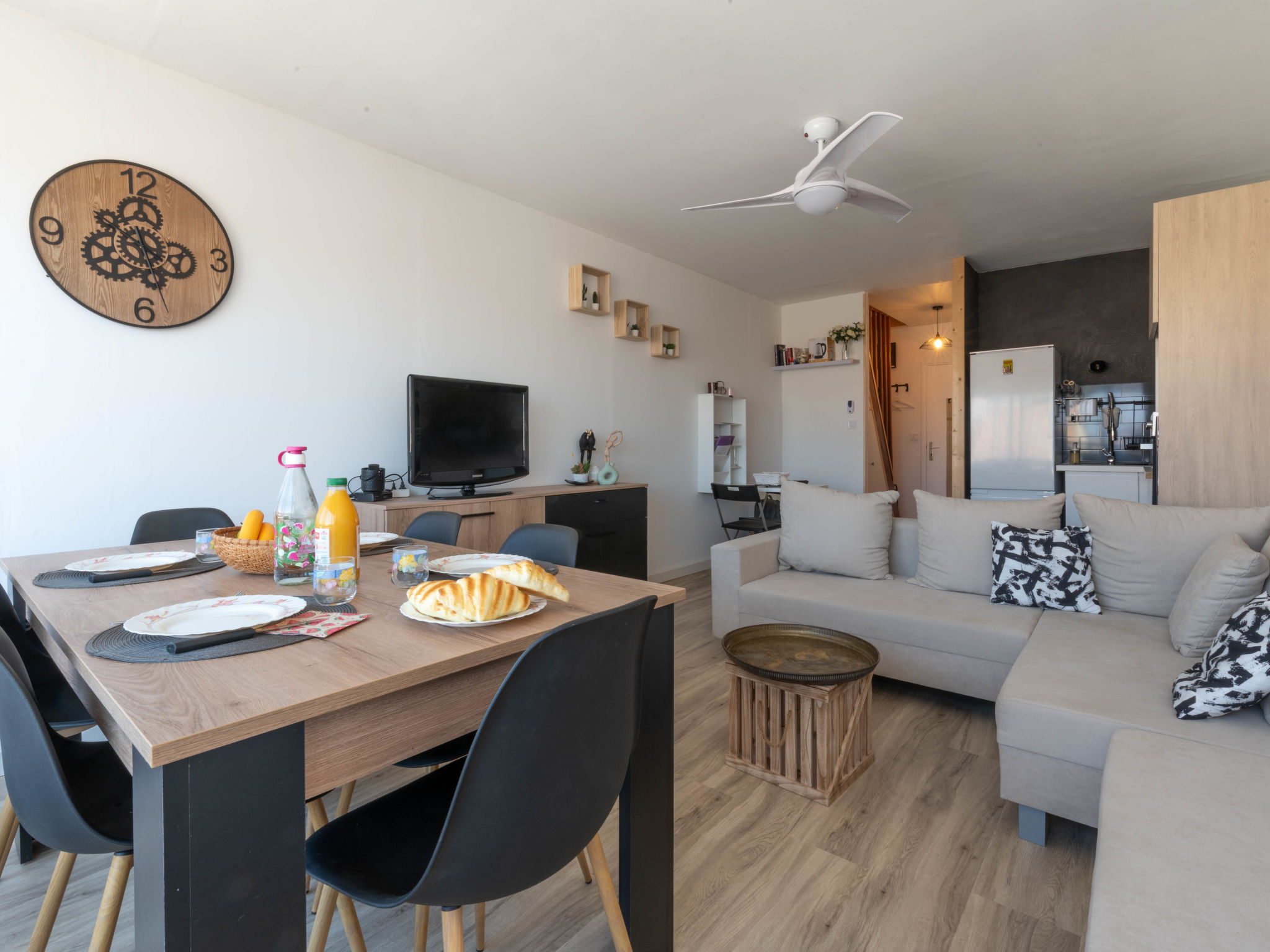
2-star property

2-star property

2-star property
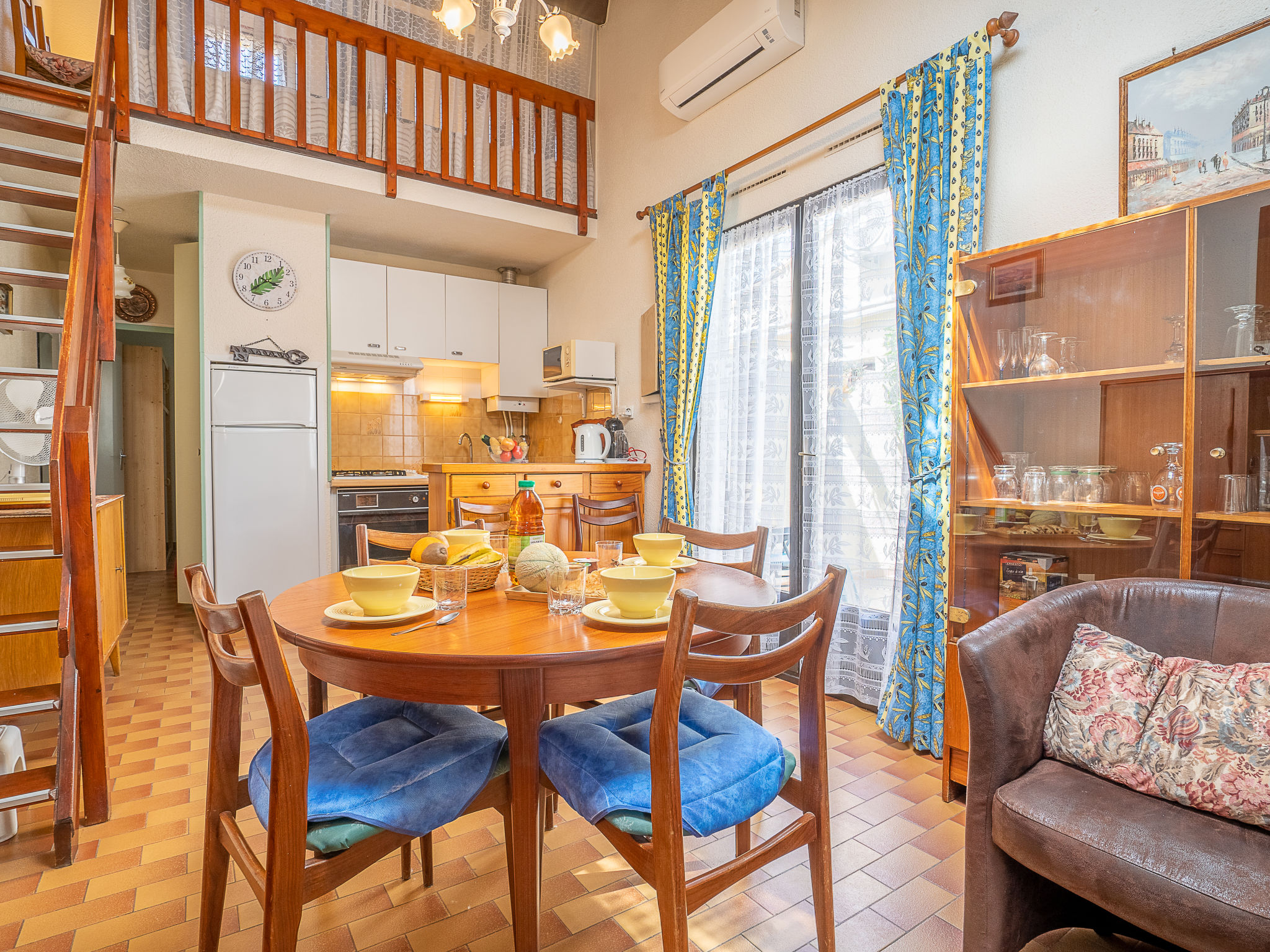
2-star property
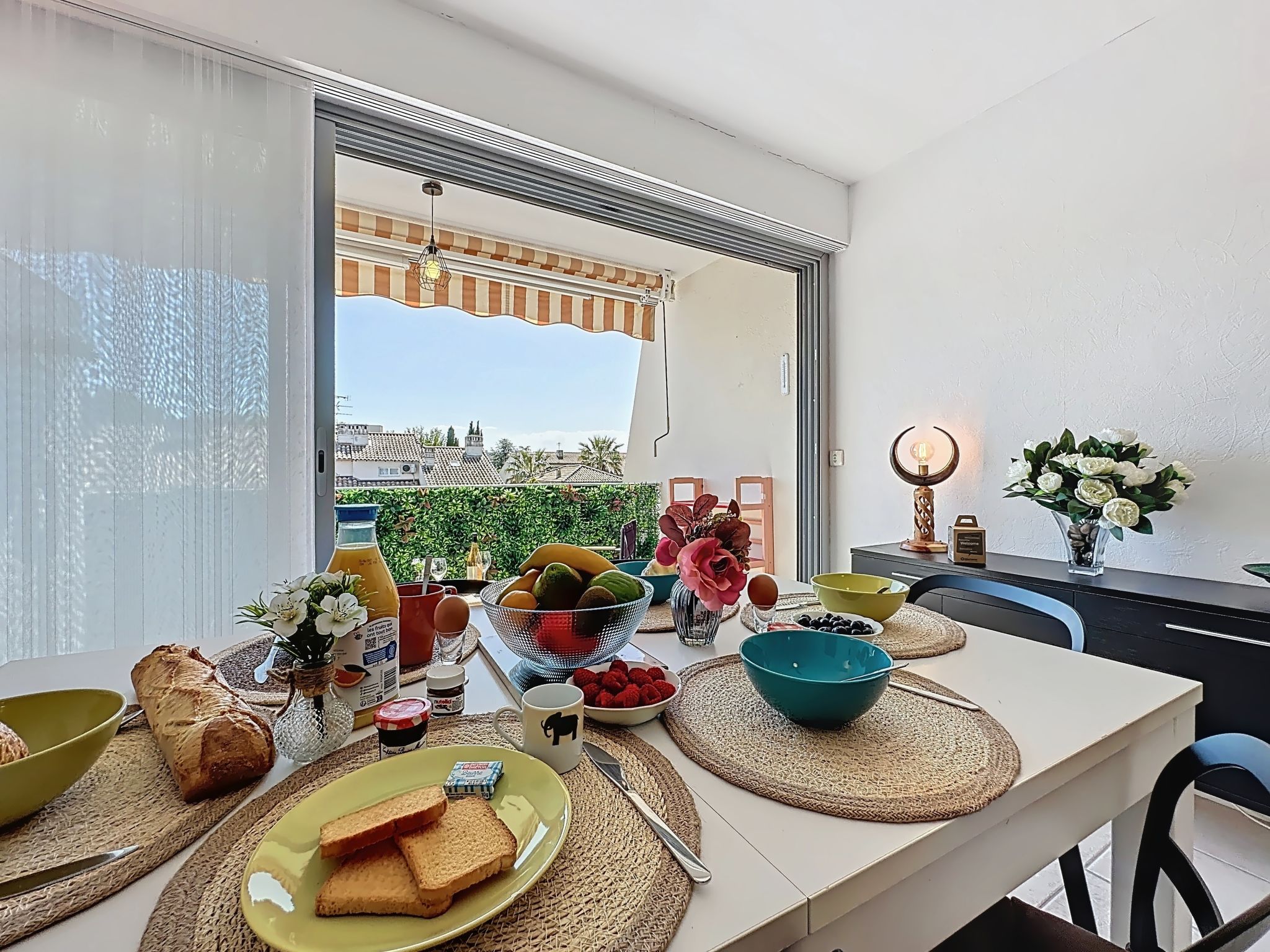
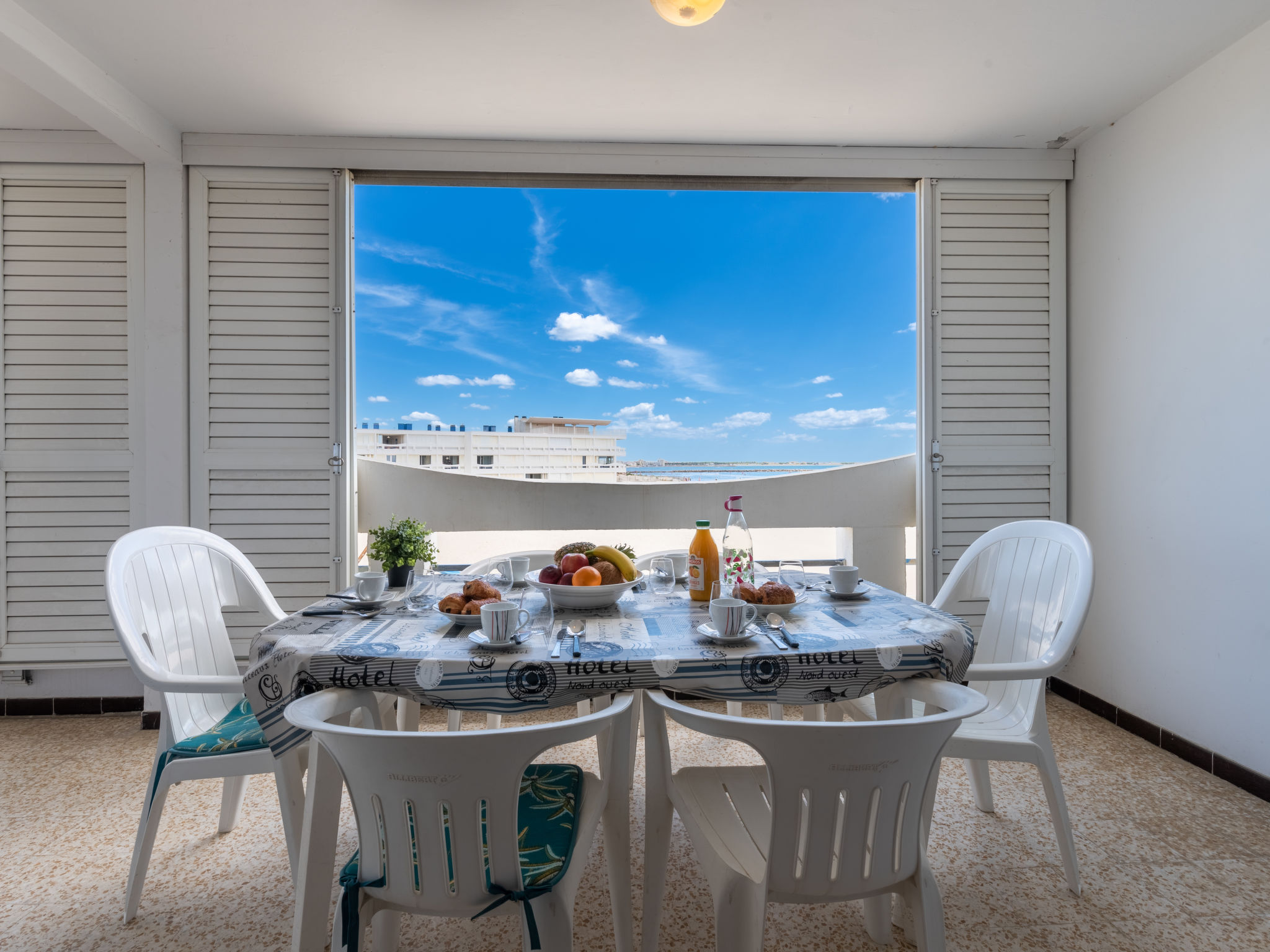
Les Maisons de la Plage
Le Grau du Roi, Camargue, France
4
1
0
Air ConDishwasherMicrowave+8 more
2-star property
2-star property
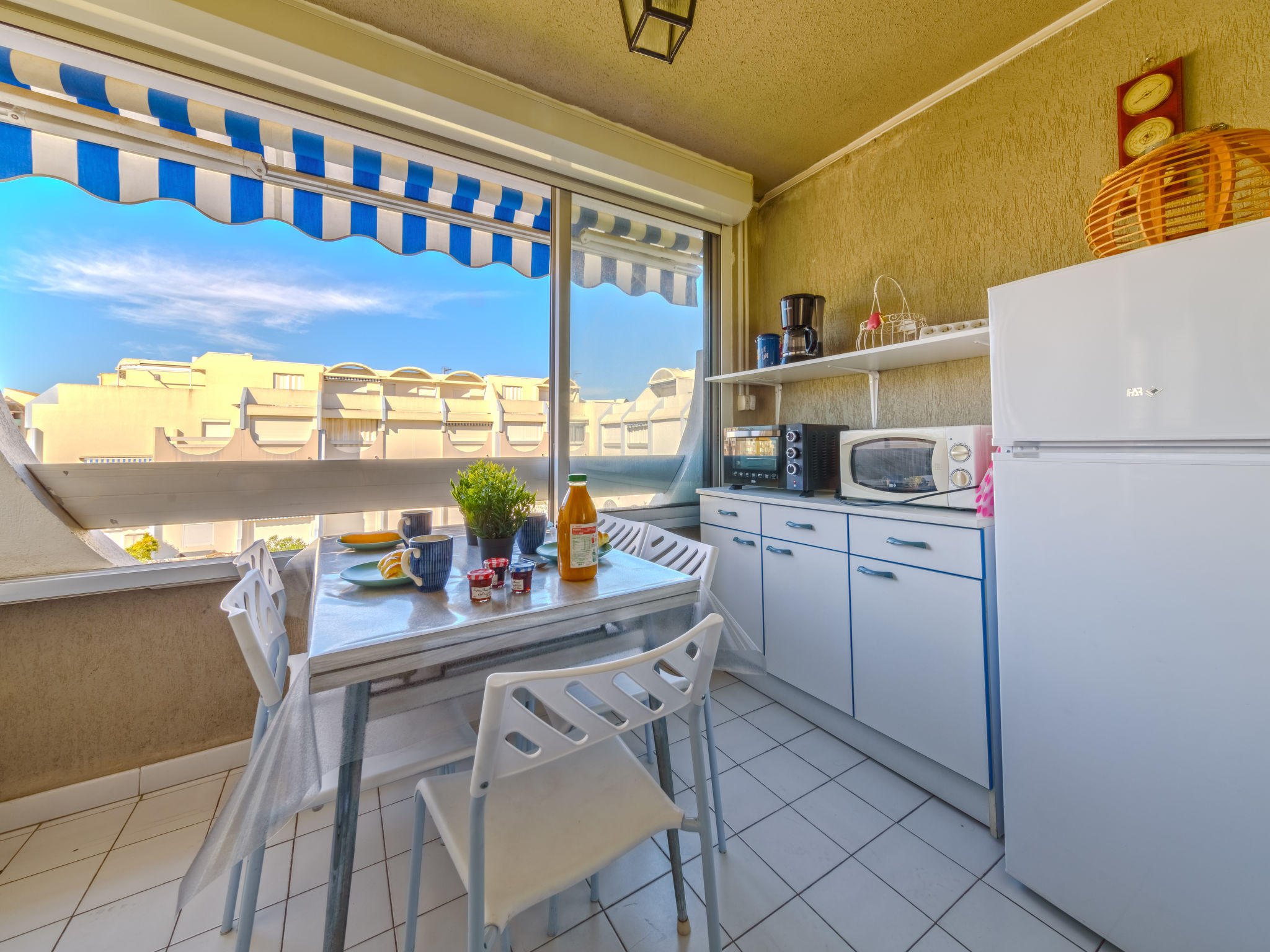
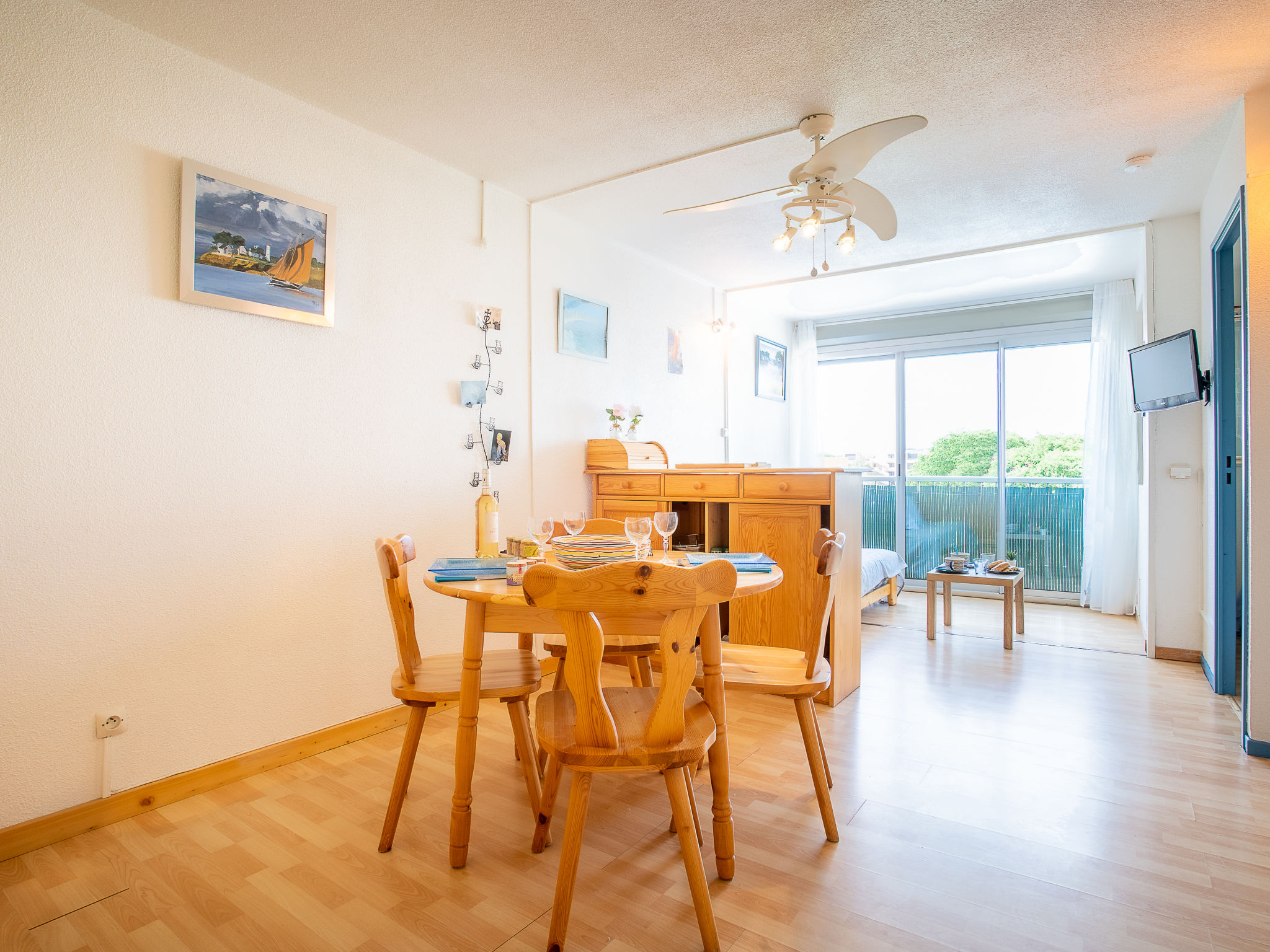
La Résidence de la Mer
Le Grau du Roi, Camargue, France
6
2
0
Air ConDishwasherMicrowave+9 more
2-star property
2-star property
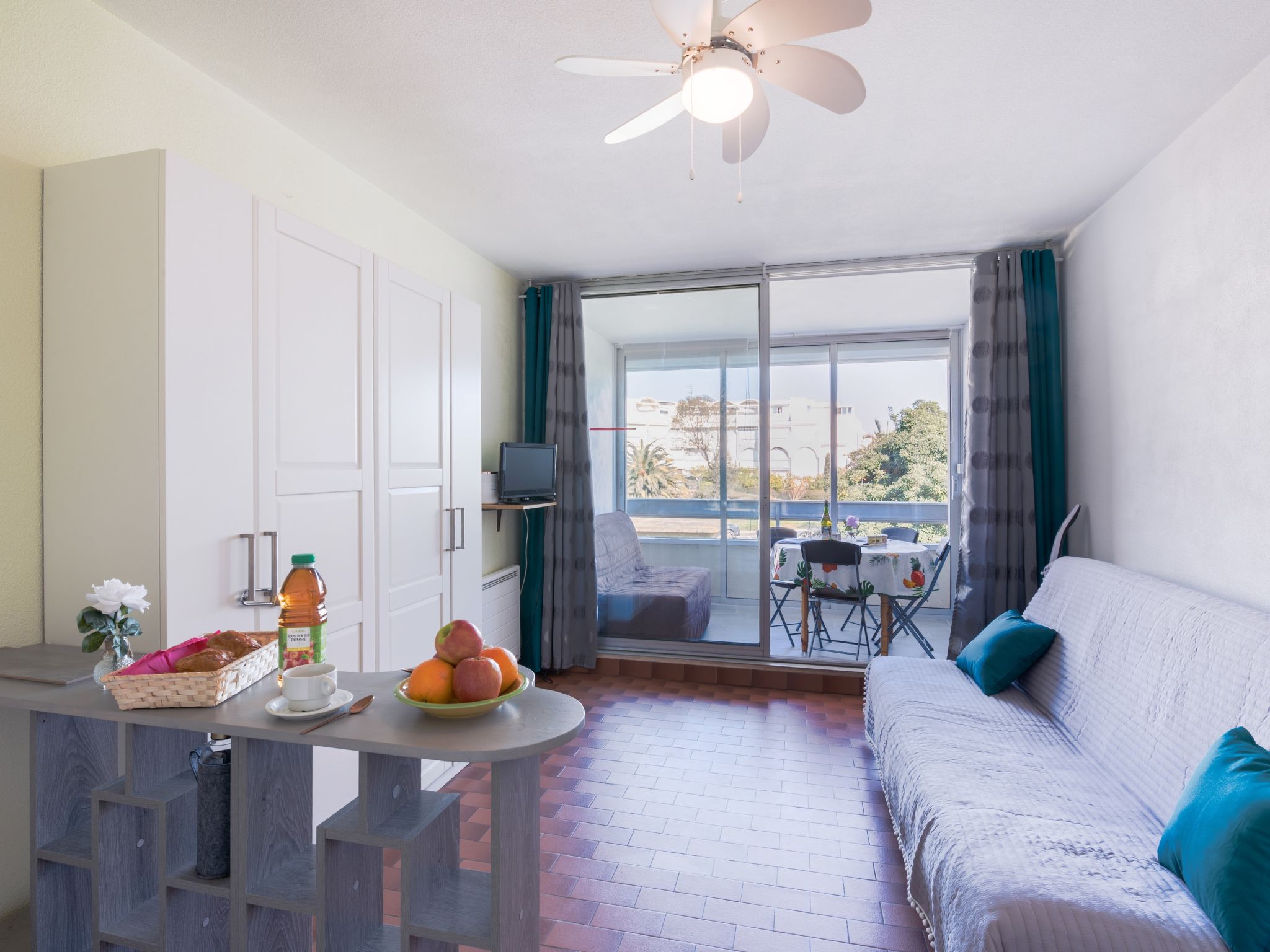
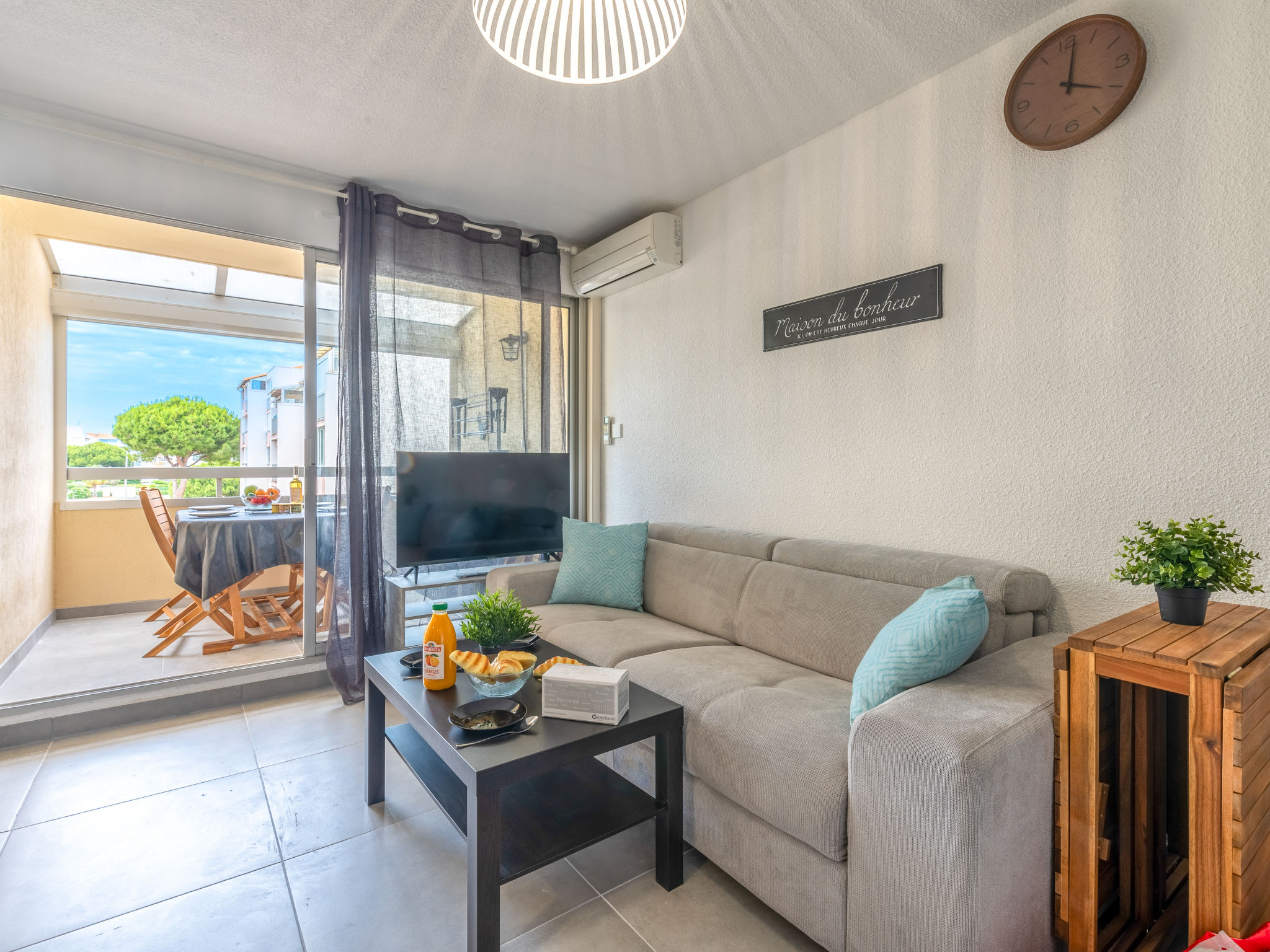
1-Bedroom Home, Le Grau du Roi
Le Grau du Roi, Camargue, France
4
1
0
DishwasherMicrowavePool+6 more
2-star property
2-star property
Los Amigos
Le Grau du Roi, Camargue, France
4
1
0
Air ConMicrowaveParking+7 more
from£45
per nightLe Grau du Roi villa holidays: questions answered
Is Le Grau du Roi the same as Port Camargue?
They share a commune but not a character. Port Camargue is the marina district, built from 1969, while Le Grau du Roi is the old fishing port on its canal. A walking and cycling path joins the two.
What are the beaches like at Le Grau du Roi?
Sandy, and long: there are about 18 km of beach, including Rive Droite and Rive Gauche. Further out, the Espiguette dunes and lighthouse form a reserve, with wildlife habitat behind the sand.
Is Le Grau du Roi near Aigues-Mortes?
Yes. A six-kilometre channel was cut from Aigues-Mortes straight to the sea here, and the walled town's 1,650 m ramparts are the main reason to go. Louis IX left from there for the Seventh Crusade in 1248.
Do holiday homes in Le Grau du Roi have air conditioning or pools?
Many have air conditioning and a fair number have a pool, but not all, and most are small. A lot of the stock is one-bedroom apartments for two to four people, so check each listing.
What events happen in Le Grau du Roi in summer?
The Vogua Monstra rowing and Mediterranean culture festival comes at Ascension weekend, with a food market and concerts. The Festival of the Sea and Fishermen follows in June, with processions, boat trips and fireworks.
Nearby towns to Le Grau du Roi
Written by the TrustedVillas team. Last reviewed October 2026.
Find Your Perfect Villa in Le Grau du Roi
Our villa experts are here to help you find the ideal property for your vacation. Contact us for personalized recommendations.