Camargue: Europe's Wild Wetland
The Camargue isn't picture-postcard Provence. It's a vast alluvial delta where the Rhône spreads into saltwater lagoons, and the landscape shifts between scrubland, marshes, and beaches that feel genuinely remote. We come here not for medieval villages or golden hilltops but for raw landscape: pink flamingos, wild horses, and silence. It's a place where you notice the light changing hour by hour, where the weather feels more important than the menu, and where mosquitoes in summer can be a genuine nuisance. The Camargue is under threat from rising sea levels and agricultural runoff, which gives the experience a particular poignancy. This is a region to appreciate on its own terms, not as a stepping stone to Provence.
What Makes Camargue Special
- Flamingo and bird-watching on a European scale. The lagoons are protected wetland, and the variety of birds (herons, eagles, avocets) rivals any nature reserve we've seen. Spring (March-May) is migration season; autumn brings their return.
- Wild white horses and black bulls. These aren't tame animals herded for tourists; they're genuinely wild herds managed by traditional ranchers called gardiens. Seeing them from a distance is more authentic than any organised tour.
- Complete absence of tourism infrastructure in large sections. You won't find a chain restaurant, souvenir shop, or managed viewpoint. This is both liberating and occasionally frustrating when you're hungry in an empty landscape.
- Landscape that reveals itself slowly. The Camargue isn't dramatic; it's subtle. Spend time here and you'll notice the colour of the water changes, the wind direction matters, and mosquitoes have a purpose in the food chain.
Top Towns & Resorts in Camargue
Arles
Arles is the gateway to the Camargue, and it's a significant Roman town in its own right: the amphitheatre alone justifies a morning visit. Van Gogh lived here and painted prolifically; the city has leveraged this connection into galleries and museums, some good and some rather touristy. The old town is navigable on foot, and there's a working river port that gives it genuine character. However, Arles itself isn't really in the Camargue proper; it's where you stock up on supplies, explore history, and use as a base to venture south into the wetlands. Summer crowds can be substantial. The city also serves as a border between two Frances: behind you is cultivated Provence, ahead is raw delta.
Saintes-Maries-de-la-Mer
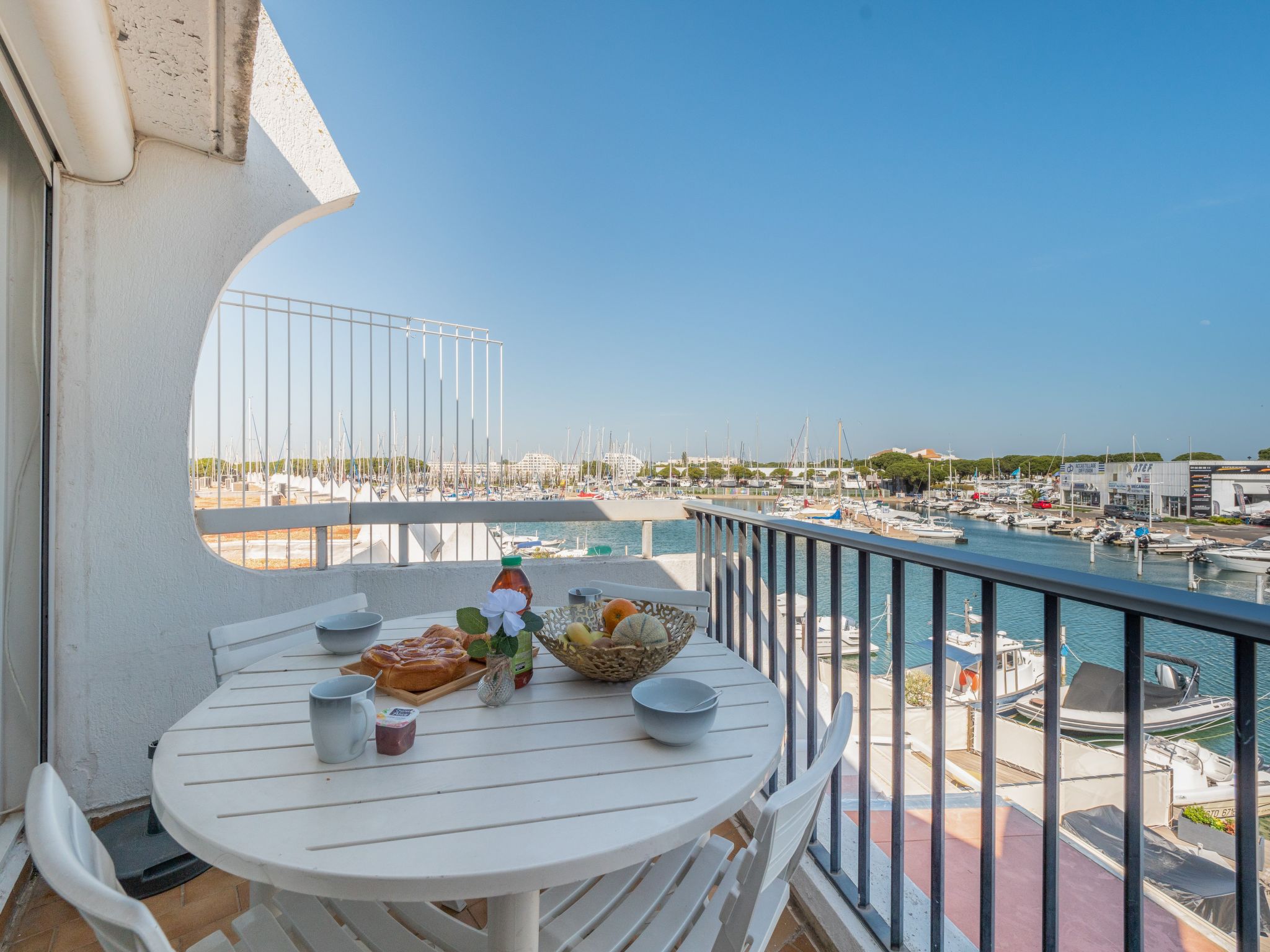
A small coastal town surrounded entirely by wetland, Saintes-Maries has a fortified church and a reputation for Romani pilgrimages. It's also the jump-off point for flamingo spotting, horse-watching, and exploring the southern reaches of the delta. The town itself has grown into a minor resort with restaurants, a few hotels, and organised excursions, which changes its character. The beaches are wide but pale and often windy. Mosquitoes are a genuine issue June-September; bring serious repellent. The town feels isolated even when full, which some find appealing and others find desolate.
Les Saintes-Maries Marshes (Regional Nature Reserve)
This isn't a town, but you should know about it. The working marshland south and west of Saintes-Maries is protected, and you can access it via walking trails, cycling routes, and organised bird-watching tours. This is where the actual Camargue character lives: landscape that's been managed for centuries for salt and fish farming, now primarily for conservation. There are no shops, restaurants, or facilities. Bring water, strong sun protection, and binoculars. A good local guide makes the difference between a pleasant walk and genuine understanding of what you're seeing.
Aigues-Mortes
A walled medieval town that sits at the edge of the Camargue rather than in it. Saint Louis built it as a crusade departure port; the fortifications are complete and genuinely impressive. It's a day-trip destination from the wetlands, offering medieval streets, restaurants, and the very French experience of exploring narrow alleys designed for the 13th century. It does attract coaches of tourists. The salt marshes immediately surrounding the town give it Camargue flavour, but it functions more as a proper town with amenities than as a wilderness experience.
Port-Saint-Louis-du-Rhône
A working industrial port at the Rhône's mouth where cargo ships and fishing boats operate alongside tourist facilities. It's unglamorous and authentic: there's no heritage tourism veneer here. A couple of good seafood restaurants serve what the boats bring in. It's the most genuine gateway to the northern Camargue marshes, and the light off the water at dawn is genuinely worth setting an alarm for. Don't expect beauty; expect honesty.