Villas in Plomin
Plomin suits couples and small families who want a pool villa by a walled hill village on Istria's east coast. Most homes here have a private pool and sleep four to six. The village is tiny, so shops, restaurants and beaches all mean getting in the car.
- Villas
- 6
- From, per week
- £1,773
About Plomin
Plomin is a walled village of roughly a hundred people on an 80-metre hill above the bay that shares its name. It began as Flanona, and many of its houses are several hundred years old, built on the ruins of Roman homes, with walls dating from the 9th century. The church of St George the Elder carries the Plomin tablet, an 11th-century Glagolitic text, set into its outer wall. The village was largely abandoned after the Second World War and later repopulated. From the coast road there are wide views over the Kvarner Bay. The homes are close together near the village, and evenings are as quiet as you would expect.
Is Plomin right for you?
- Best for
- Couples wanting a pool villa near a quiet walled village
- Not for you if
- You want shops, restaurants or a resort beach within walking distance.
Near Plomin
Brestova ferry
From Brestova the Jadrolinija ferry crosses to Porozina in about 20 minutes, with sailings roughly every two hours.
Kršan
The municipal centre, where the four-sided tower of a castle first recorded in 1274 still stands near Čepić field.
Kožljak
A village on the western slopes of Učka, about 6 km east of Kršan, with a ruined medieval castle on a steep cliff.
Getting to Plomin
Fly to Pula. The drive to Plomin is about 54 km and takes around an hour. One bus a day runs between Plomin and Pula bus station, taking about an hour and a quarter, so a hire car is the realistic option.
Villas in Plomin

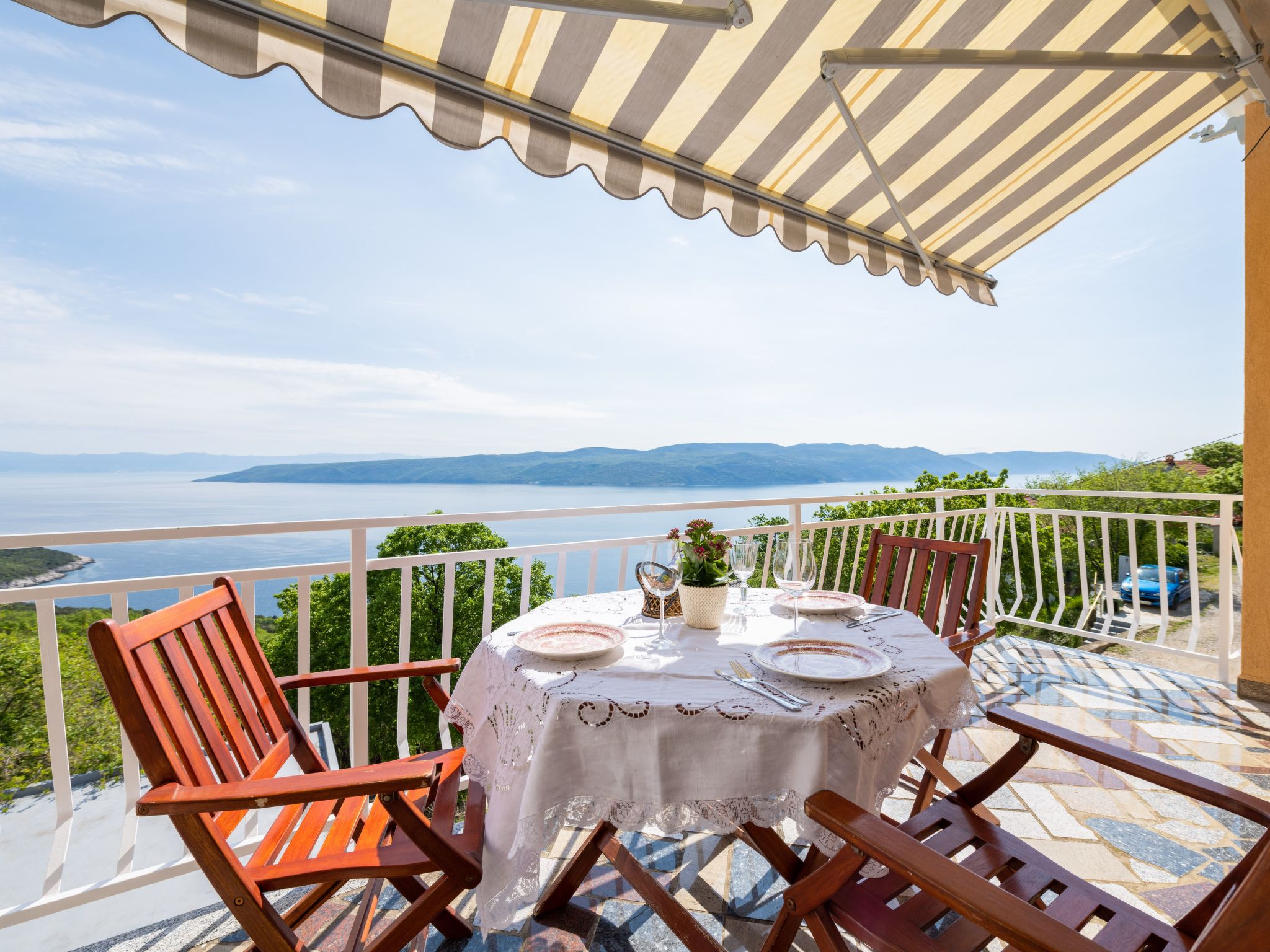
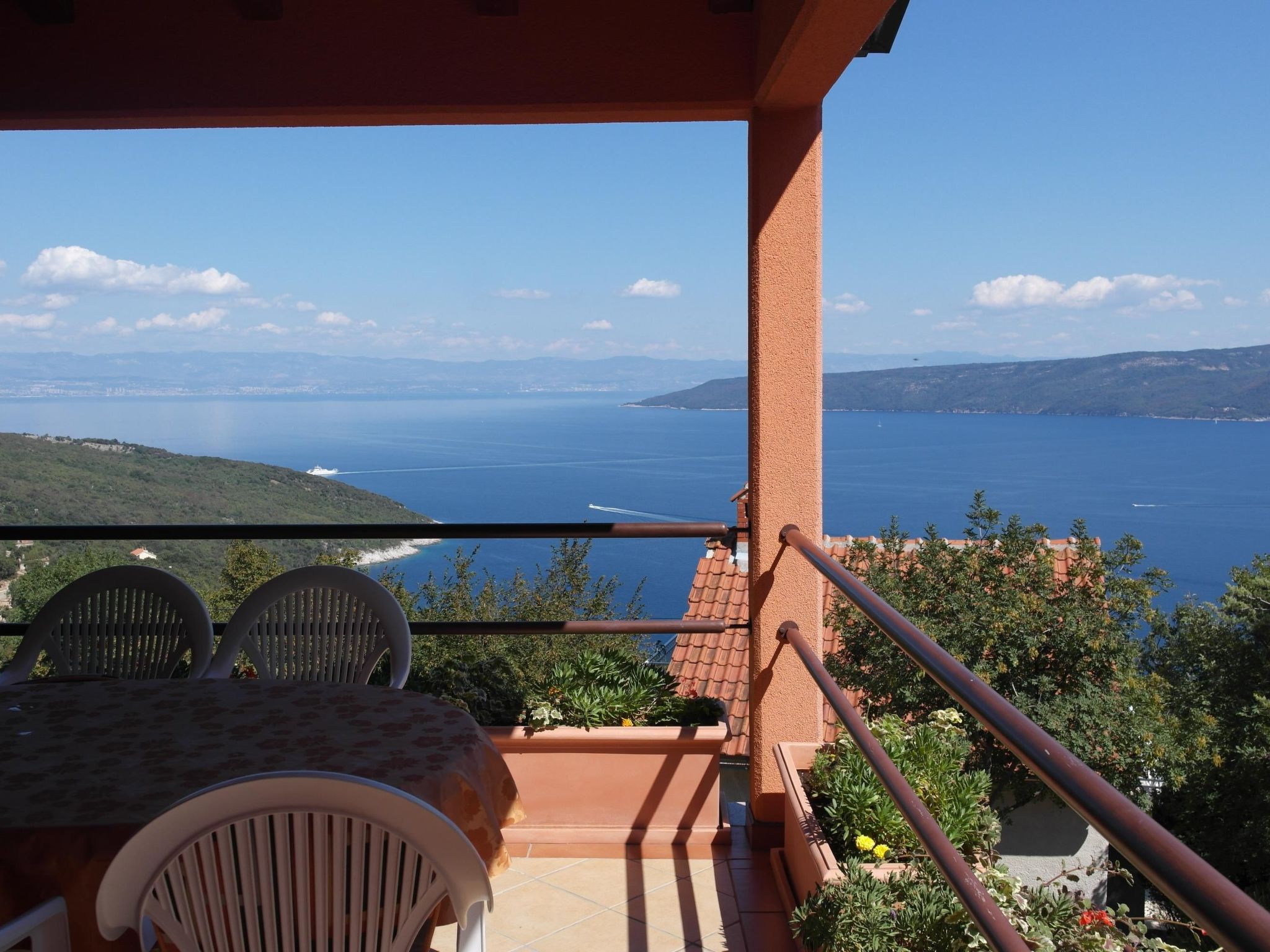
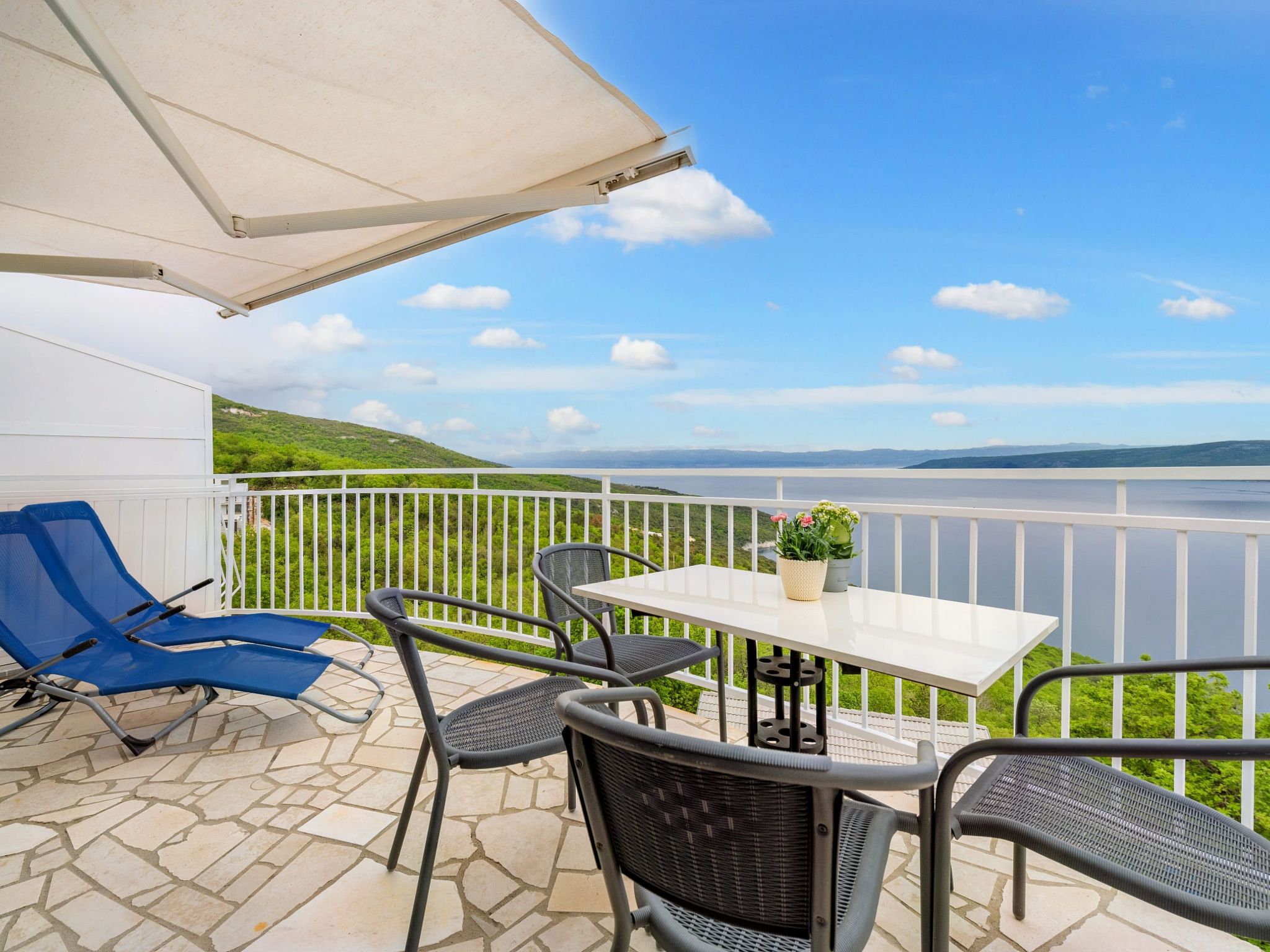
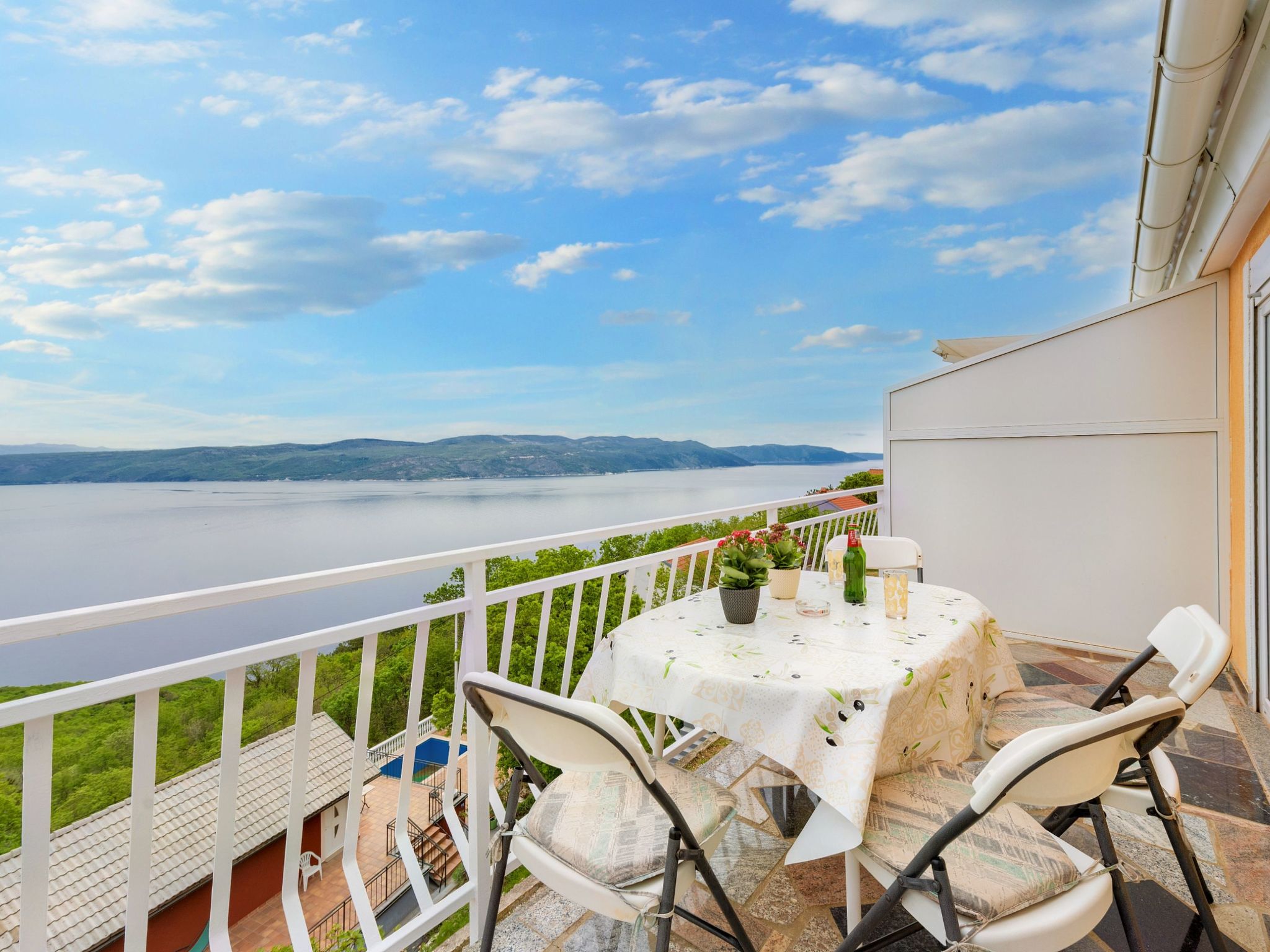
2-Bedroom Home, Plomin
Plomin, Istria, Croatia
4
2
0
Air ConBBQParking+11 more
from£452
per night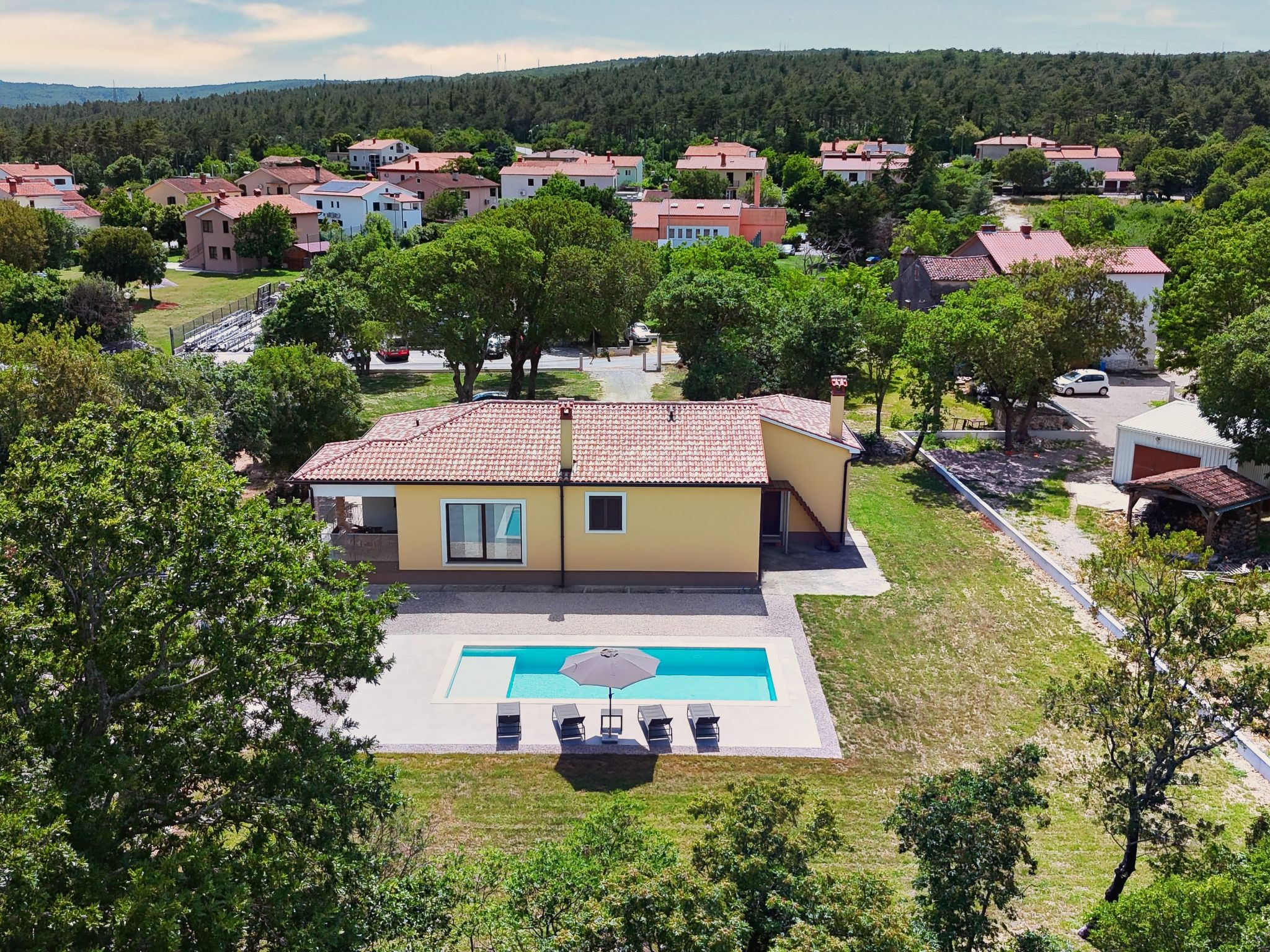
2-star property
Plomin villa holidays: questions answered
What is the Plomin inscription?
It is an 11th-century religious text in the Glagolitic alphabet, built into the outer wall of the church of St George the Elder in Plomin. It is the oldest known Glagolitic inscription.
Is Plomin a good base for Istria?
As a quiet base, yes. Pula is about an hour's drive, and the Jadrolinija ferry from Brestova to Porozina takes about 20 minutes, but the village itself has only around a hundred residents, so plan your evenings around the house.
Do homes in Plomin have pools?
Most do. A private pool is the norm among homes here, which mostly sleep four to six, with a few taking eight. Check each listing for pool size and whether it is heated.
How old is Plomin?
Very old. The settlement began as Flanona and was inhabited by the Illyrian Liburnians in Roman times, its walls date from the 9th century, and many houses stand on the ruins of Roman buildings.
Nearby towns to Plomin
Written by the TrustedVillas team. Last reviewed November 2026.
Find Your Perfect Villa in Plomin
Our villa experts are here to help you find the ideal property for your vacation. Contact us for personalized recommendations.