Villas in Valendas
Valendas suits walkers who want a small, old village above the Vorderrhein canyon, the Rhine Gorge, in Surselva. Its square has a fountain billed as Europe's largest made of wood, and an easy walk runs through the gorge. The station is 1.2 km away and well below the village, which is hard work with luggage.
- Villas
- 6
- From, per week
- £1,008
About Valendas
Valendas is a compact village built around a central square at about 810 metres, above the Vorderrhein canyon; the former municipality had around 300 residents. Since 2013 it has been part of Safiental. Its stately stone houses point to old wealth, and two are listed nationally: the Türelihus, dating from 1485, and the Haus Joos, whose barn carries the date 1572. The fountain on the square has a water nymph from 1760. The homes are in and around the village and sleep up to seven. Evenings are quiet, and the gorge is the reason to come.
Is Valendas right for you?
- Best for
- Walkers and rail travellers wanting a quiet gorge-side village
- Not for you if
- You want a lively base, since Valendas is a compact village of a few hundred people built around one square.
Near Valendas
Rhine Gorge walk
A 4.5 km hike of about an hour and a quarter runs from Valendas station to Versam station, past rock formations, forest and meadows.
Versam
The end of the gorge walk; it joined Valendas, Safien and Tenna in the new municipality of Safiental in 2013.
Valendas castle ruins
Remains of the seat of the lords of Valendas, probably built in the late 12th century, west of the village below the cantonal road.
Getting to Valendas
Valendas-Sagogn station, on the Rhaetian Railway line between Chur and Disentis, lies about 1.2 km from the village and 120 metres below it. Trains are the simple way in, but a car saves the climb with luggage.
Villas in Valendas

5-star property
Türali unten
Valendas, Surselva, Switzerland
4
2
0
FridgeNon-SmokingWiFi+3 more
from£144
per night
5-star property
Türali oben
Valendas, Surselva, Switzerland
7
5
0
FridgeNon-SmokingWiFi+3 more
from£164
per night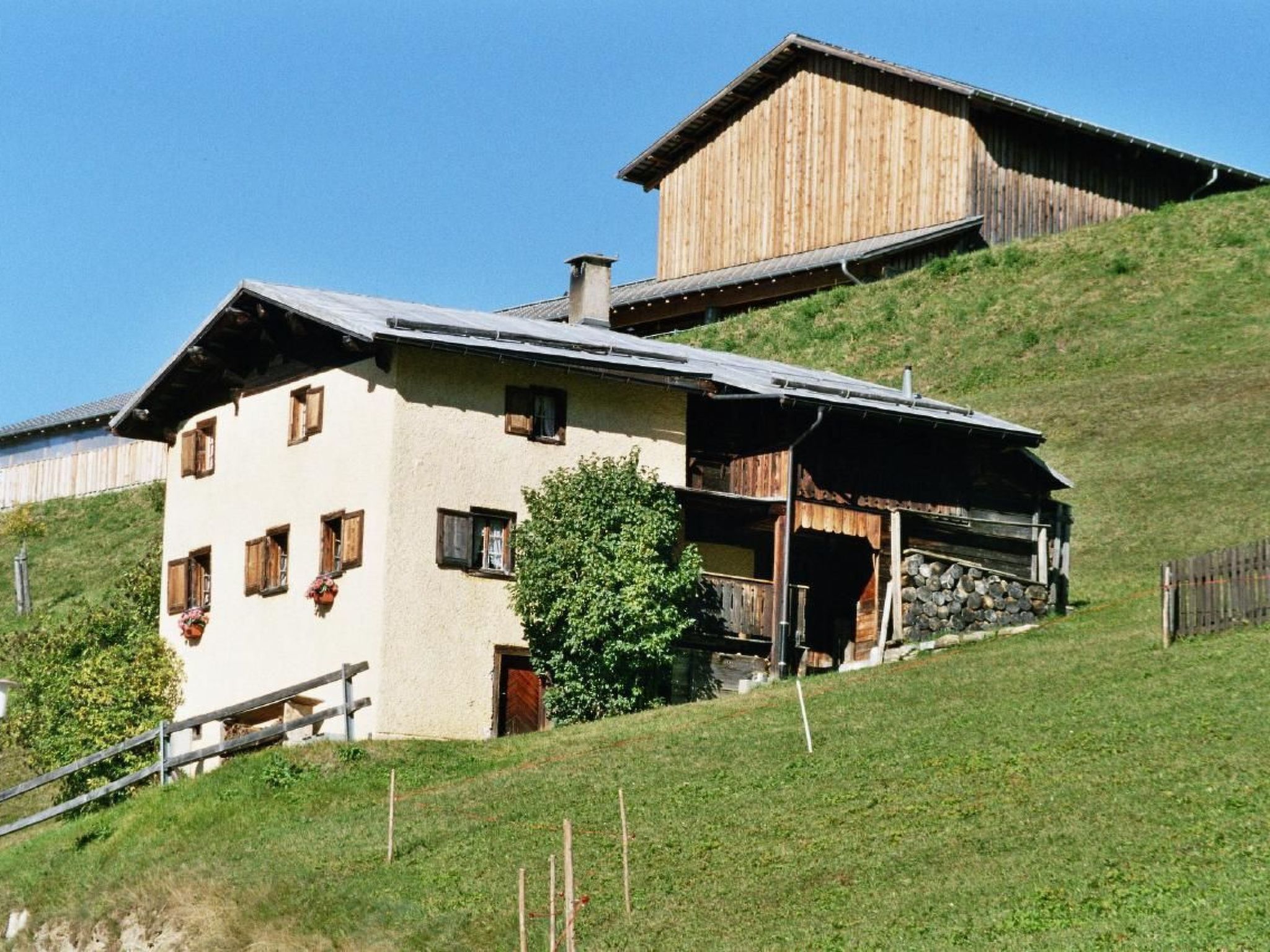
4-star property
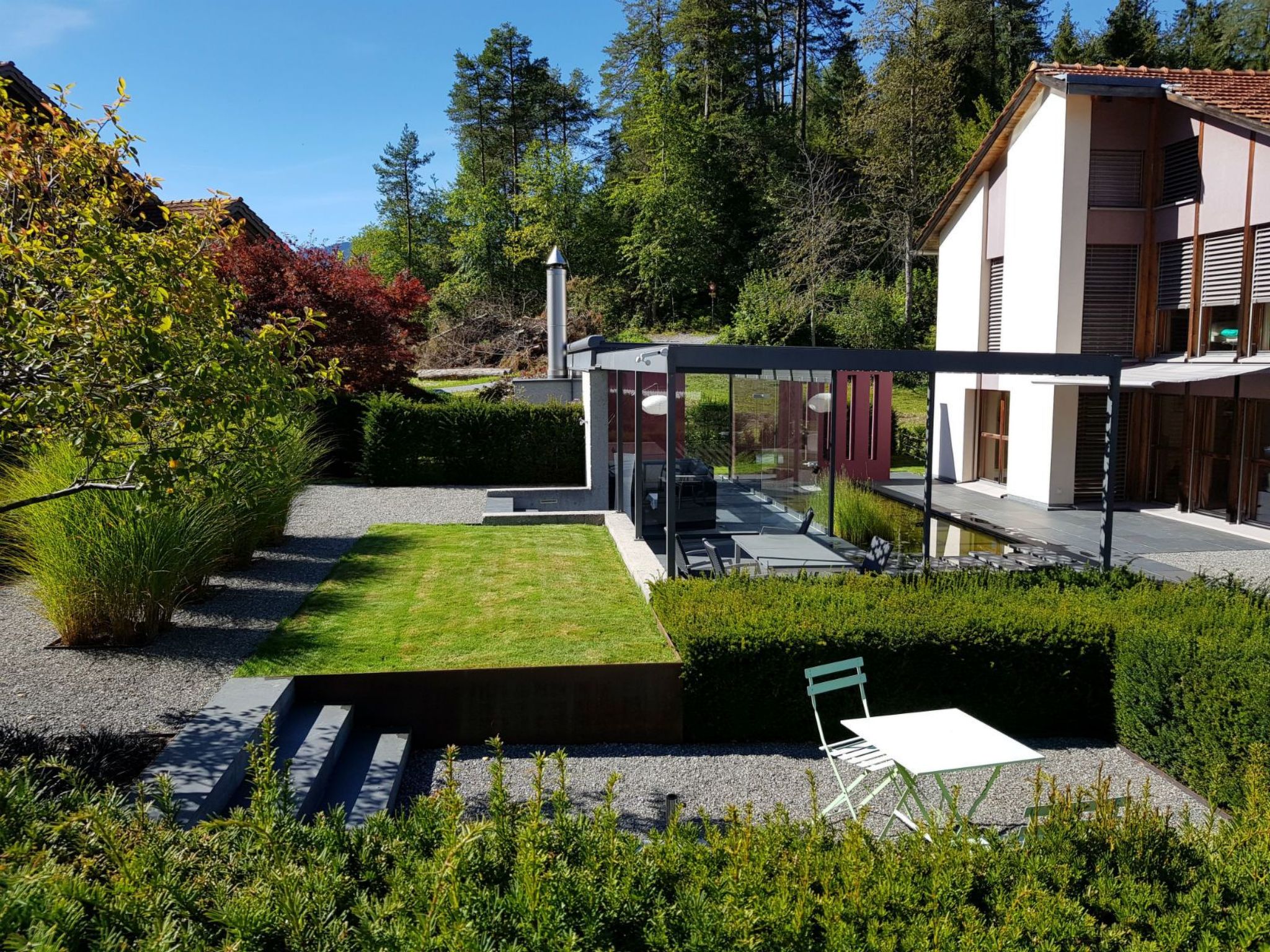
1-Bedroom Home, Valendas
Valendas, Surselva, Switzerland
2
1
0
DishwasherMicrowaveTerrace+6 more
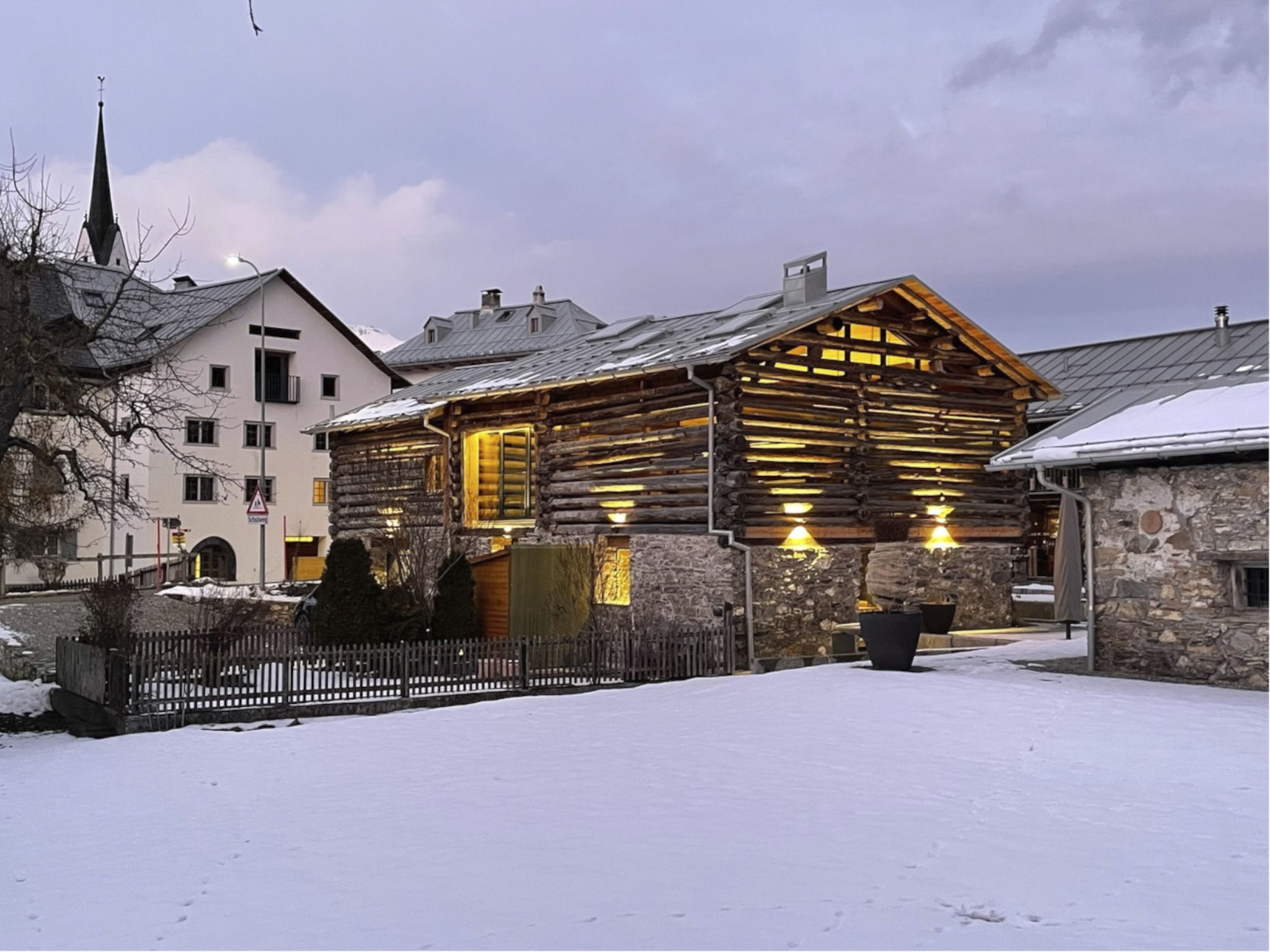
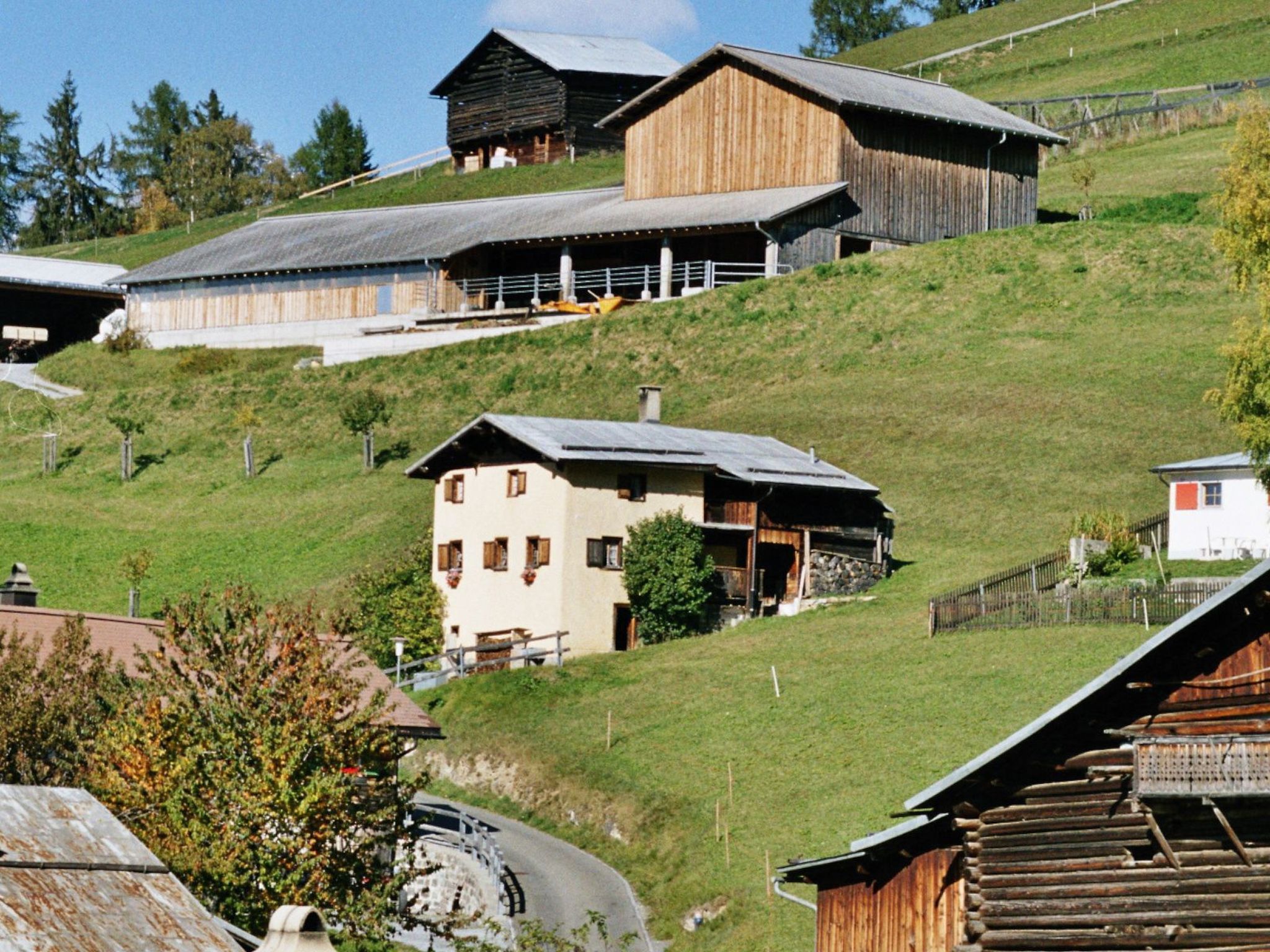
3-Bedroom Home, Valendas
Valendas, Surselva, Switzerland
6
3
0
BBQWashing MachineFridge+2 more
Valendas villa holidays: questions answered
How do you get from the station to Valendas?
Expect an uphill walk. Valendas-Sagogn station sits about 120 metres below the village and 1.2 km away, on the Rhaetian Railway line between Chur and Disentis, so allow time if you are carrying luggage.
Can you hike the Rhine Gorge from Valendas?
An easy 4.5 km hike runs from Valendas station to Versam station in about an hour and a quarter, past rock formations, forest and meadows. Rafting trips also run in the gorges, and there are barbecue spots by the river.
What is the wooden fountain in Valendas?
The fountain on the village square is billed as the largest wooden fountain in Europe and has a water nymph dating from 1760. It is the starting point of a 1.5 km village tour with 14 stations.
How old is Valendas?
Very old: its name first appears in 765, as in Valendano. The Haus Joos may date to around 1300, and the castle ruins west of the village were probably built in the late 12th century.
Nearby towns to Valendas
Written by the TrustedVillas team. Last reviewed November 2026.
Find Your Perfect Villa in Valendas
Our villa experts are here to help you find the ideal property for your vacation. Contact us for personalized recommendations.