Villas in Inca
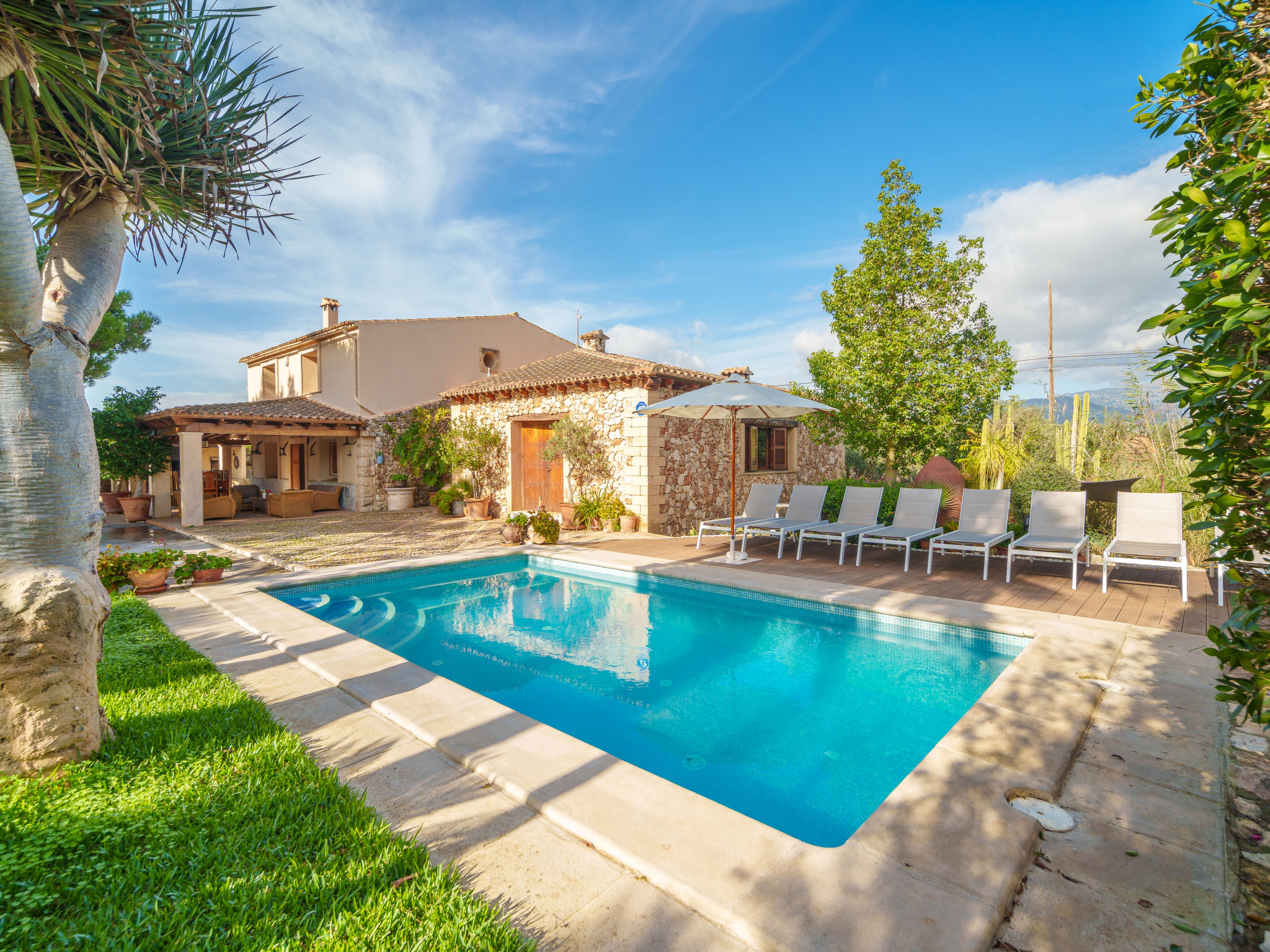
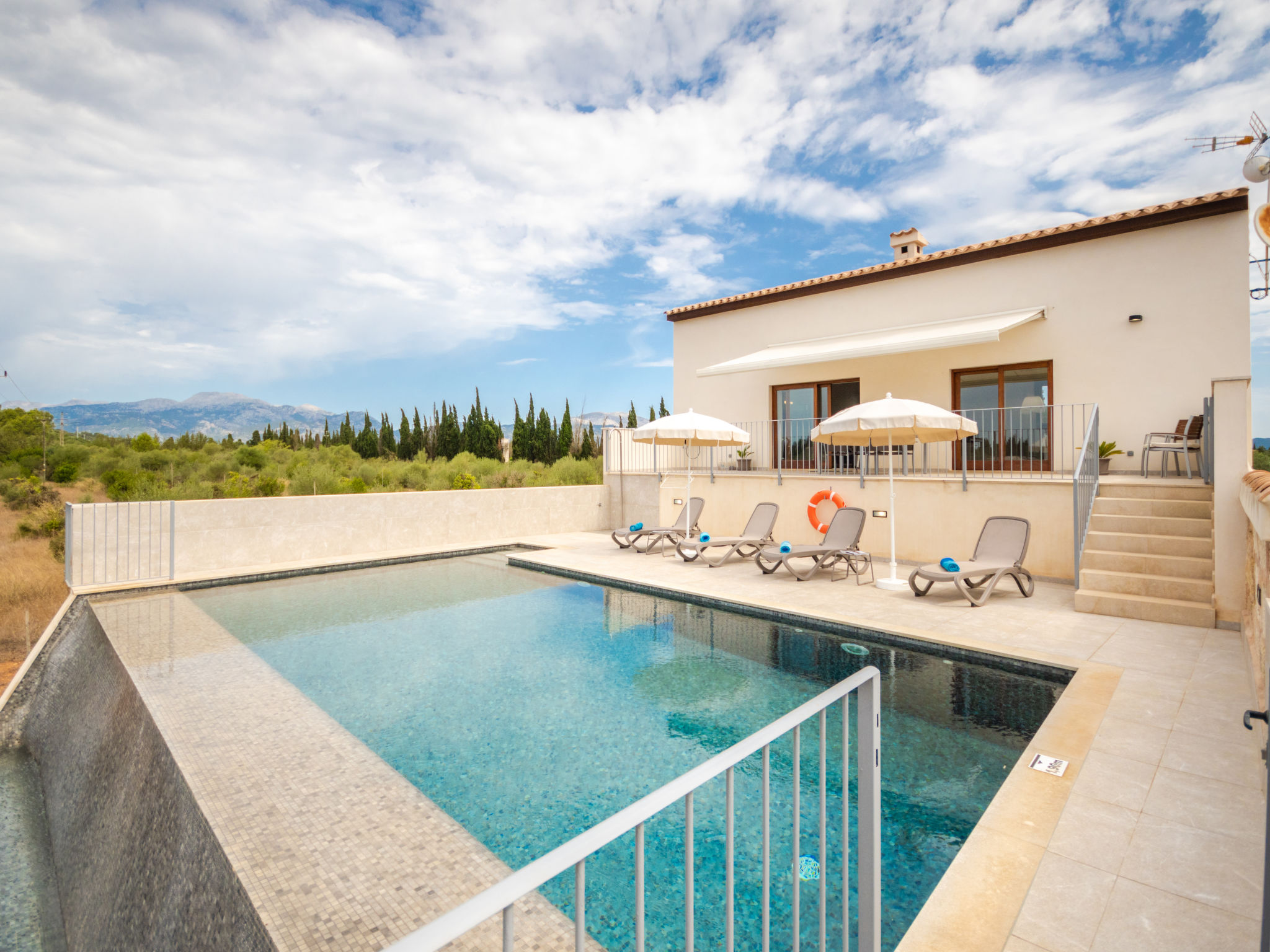
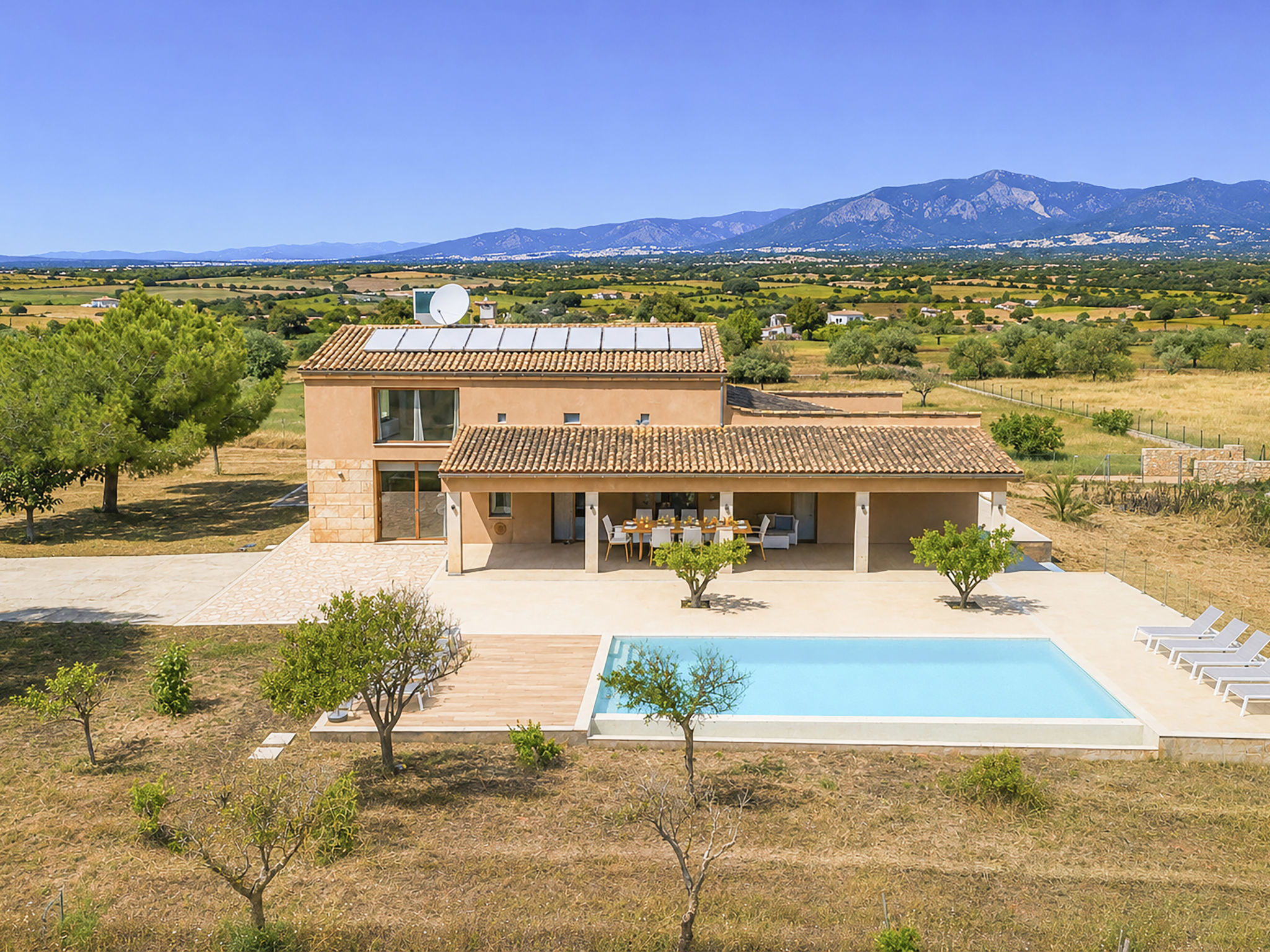
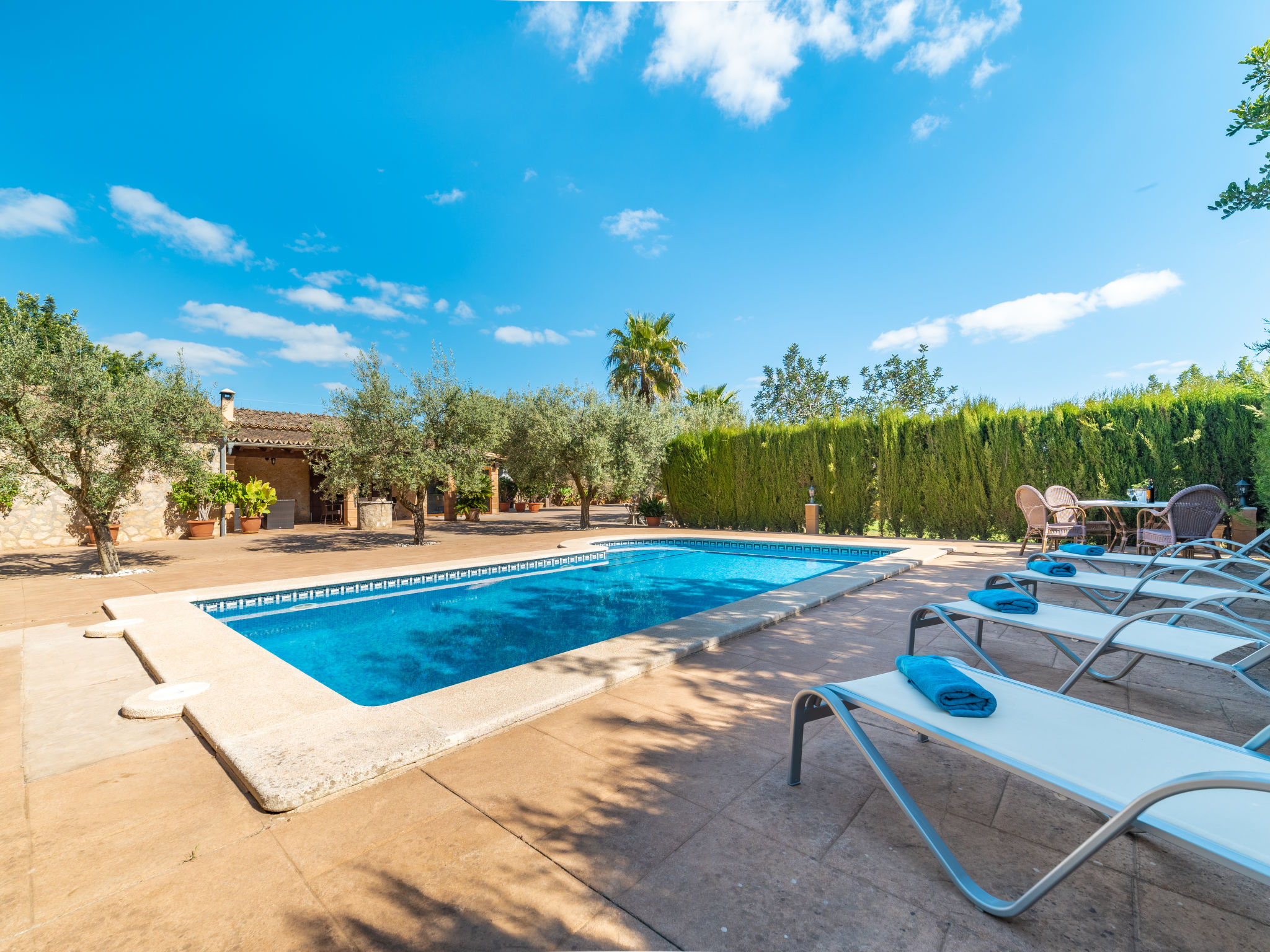
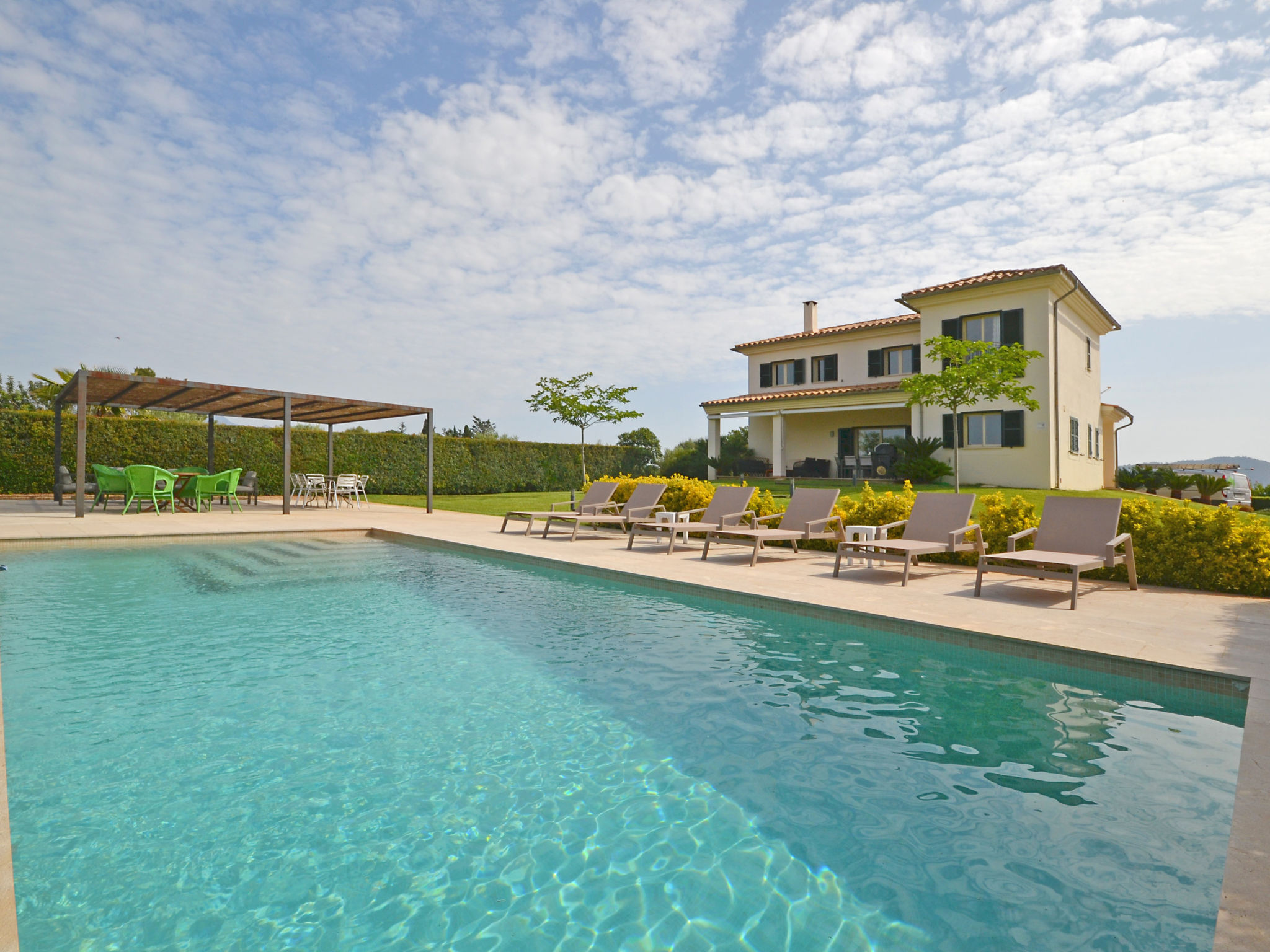
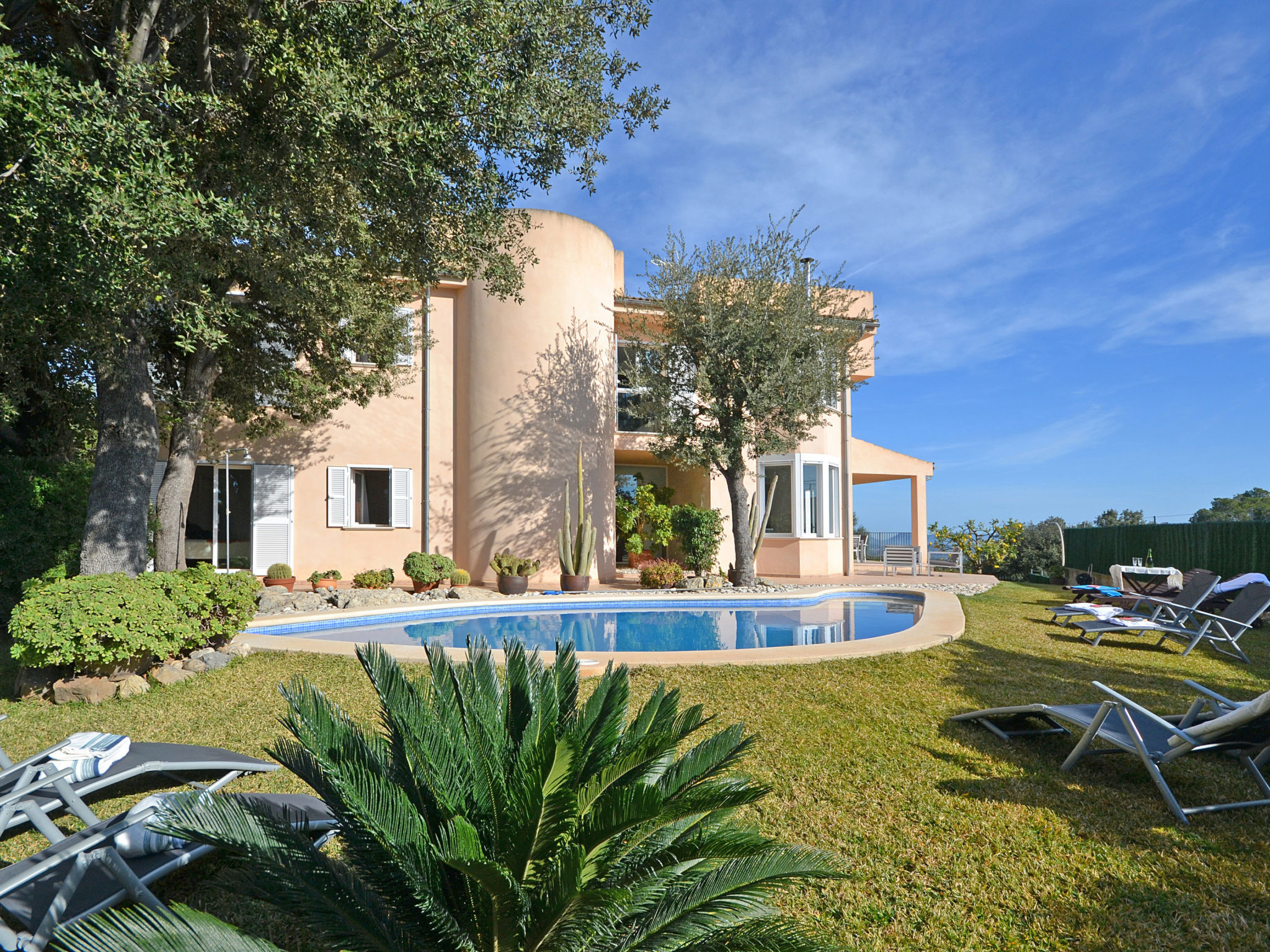
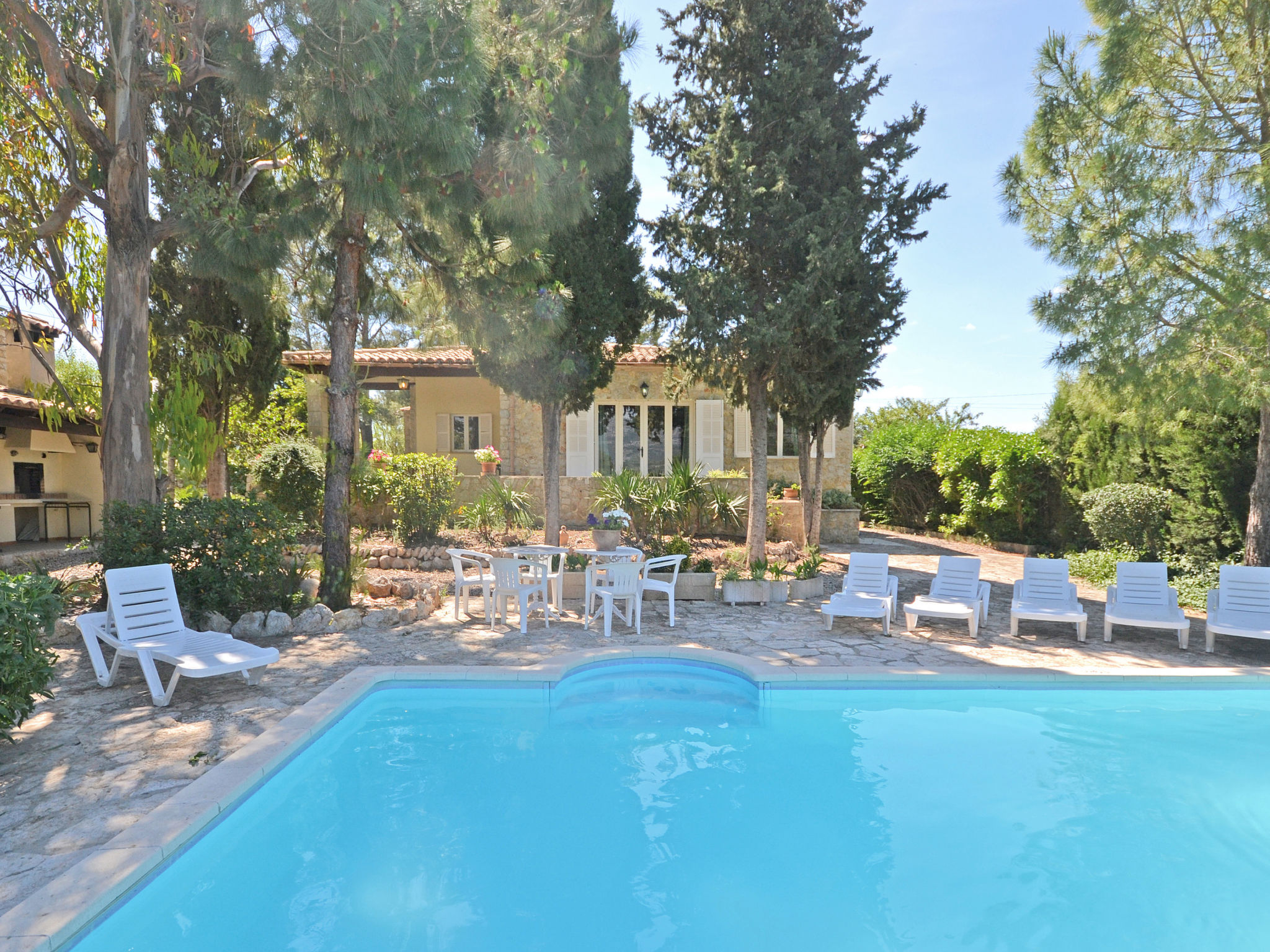
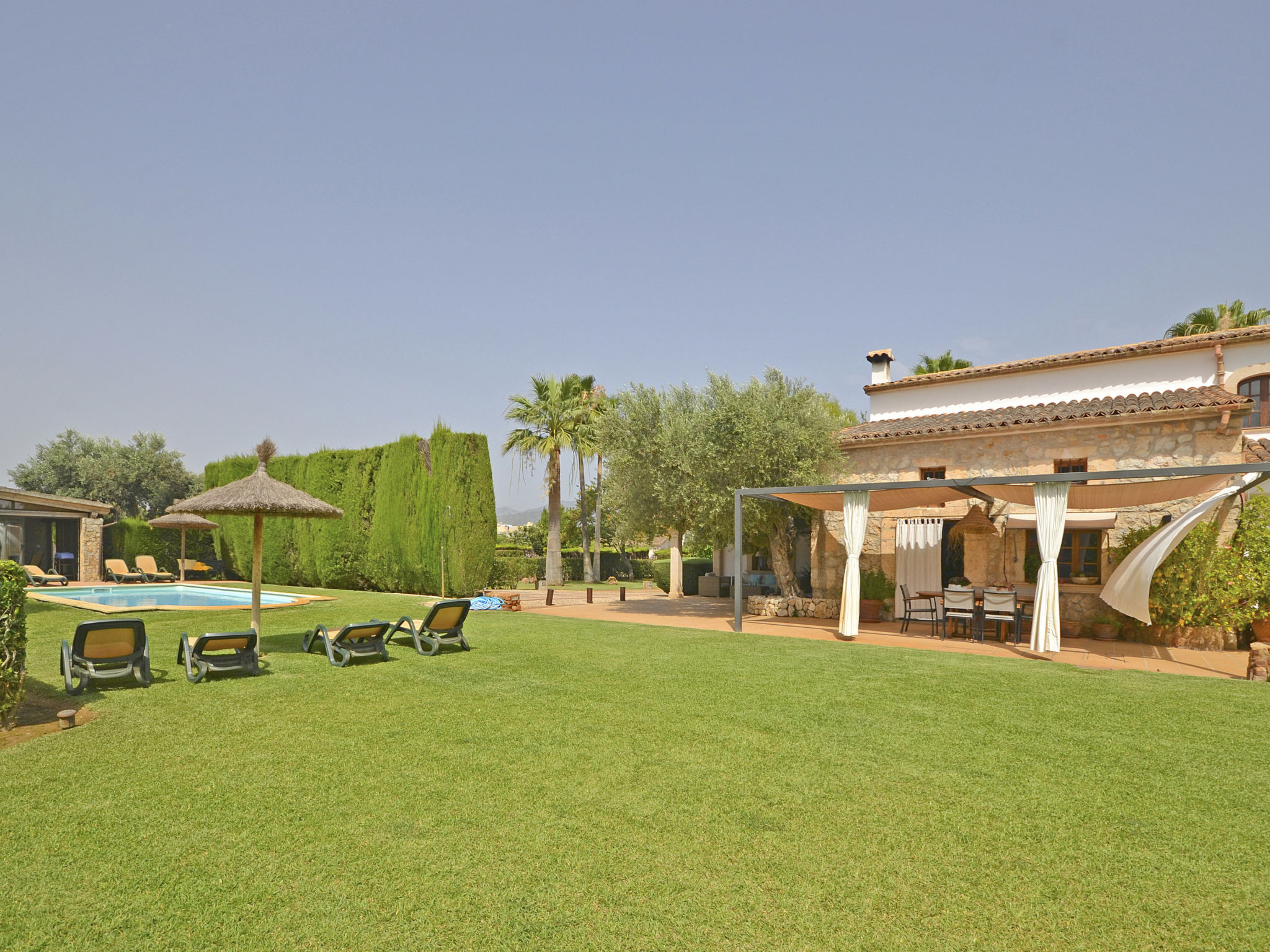
Inca is a working market town in inland Mallorca, with homes around it big enough for groups, most with a garden and a private pool. The sea is not at the door, so a hire car is part of the plan.
- Villas
- 23
- From, per week
- £1,057
About Inca
Inca is an inland town in the Raiguer area of Mallorca, at about 120 metres, with a population of around thirty-five thousand. It is a real town rather than a resort: the leather and footwear trade took off in the early twentieth century, and the shoe company Camper is based here. Old wine cellars in town now serve as restaurants with Mallorcan dishes such as sopes mallorquines and tombet. The town also has the church of Santa María la Mayor and the convents of Sant Domingo and Sant Francesc. Homes lie spread over several kilometres around the town, mostly large, sleeping groups of eight or more, nearly all with a garden and many with a fireplace and a private pool.
Is Inca right for you?
- Best for
- Groups wanting space and a pool inland
- Not for you if
- You want to walk to the sea, as Inca is in the island's interior.
Near Inca
Palma
The island's capital, reached by train from Inca, with the airport about 25 minutes from Inca by car.
Sa Pobla
Town linked to Inca by train, as Inca is a junction on the island's rail network.
Manacor
Town reached by the rail branch that runs from Inca, so it is an option for a day out without a car.
Getting to Inca
Palma airport is the island's gateway, about 25 minutes by car from Inca, and a direct bus takes about the same. Inca is a junction on the rail network with services to Palma, Sa Pobla and Manacor, but reaching countryside homes and the coast really needs a hire car.
When to go to Inca
Thursday is market day, one of the most important markets in Mallorca, so the town is at its busiest then. The cellar restaurants are a draw at any time of year. With the coast a drive away, many homes have a fireplace for cooler months, but check restaurant opening times first.
Villas in Inca

4-star property
3-star property

4-star property
3-star property
4-star property

4-star property
4-star property
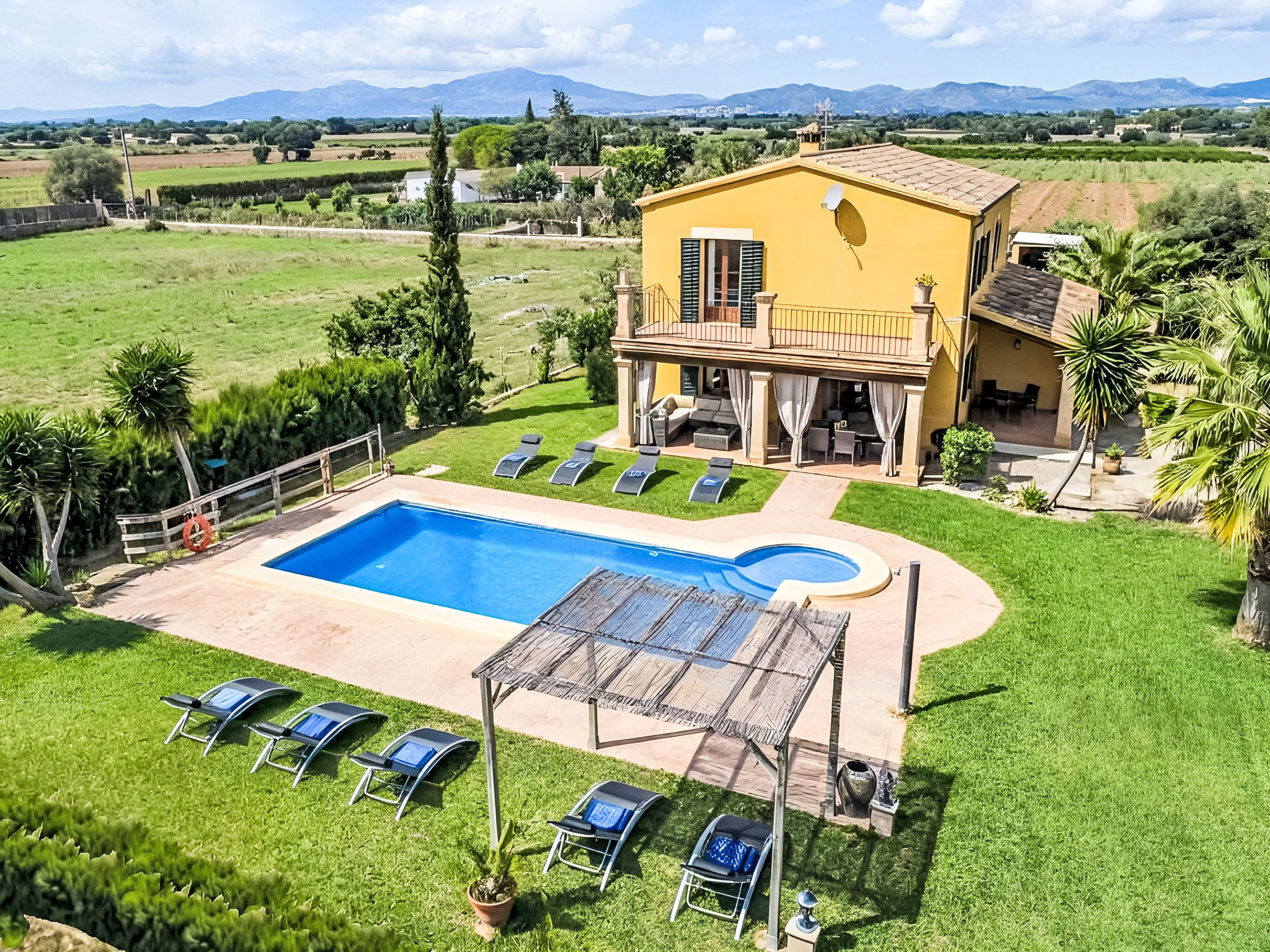

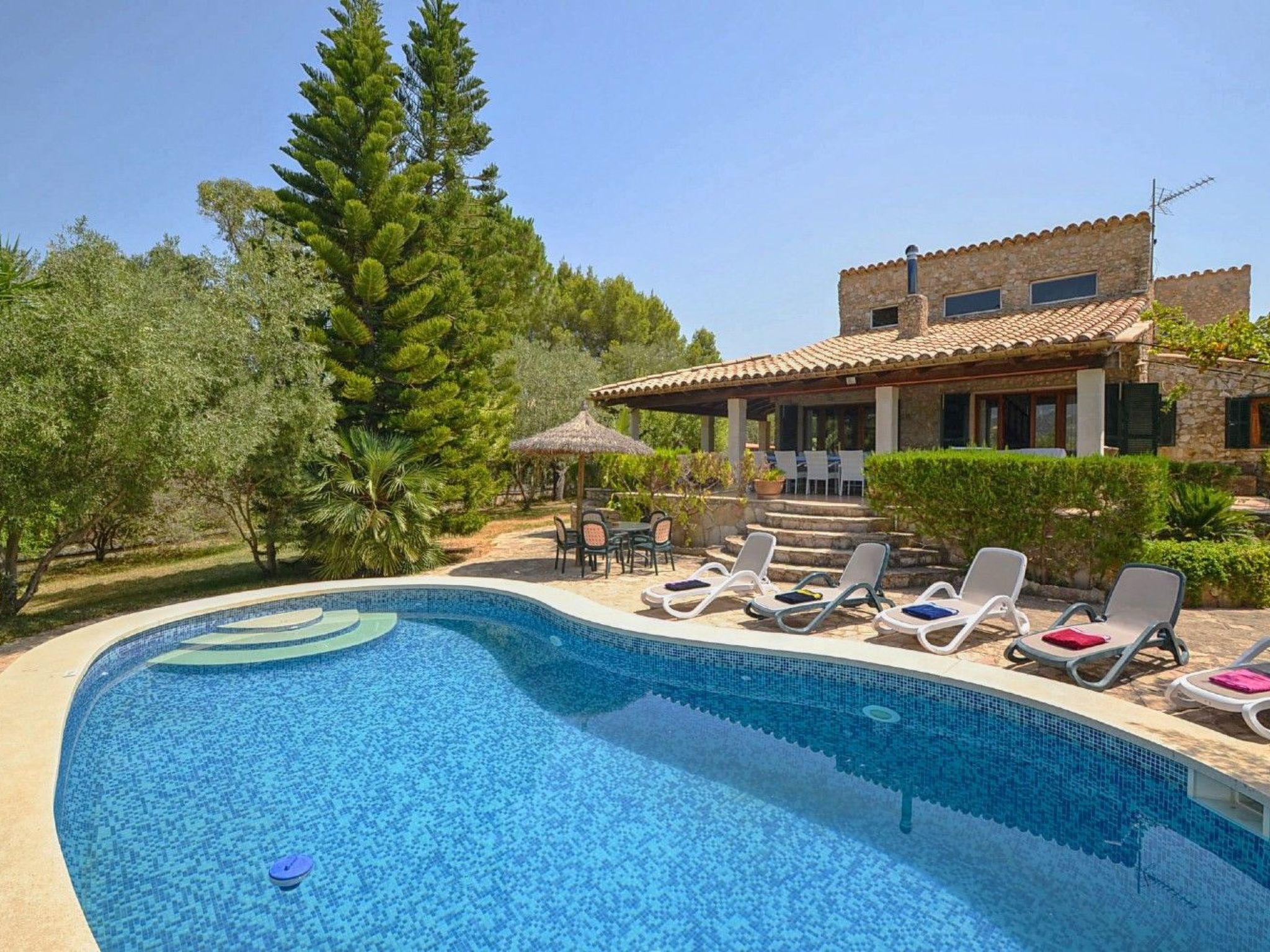
3-Bedroom Home, Inca
Inca, Mallorca, Spain
6
3
0
Air ConBBQDishwasher+12 more
from£193
per night

4-star property
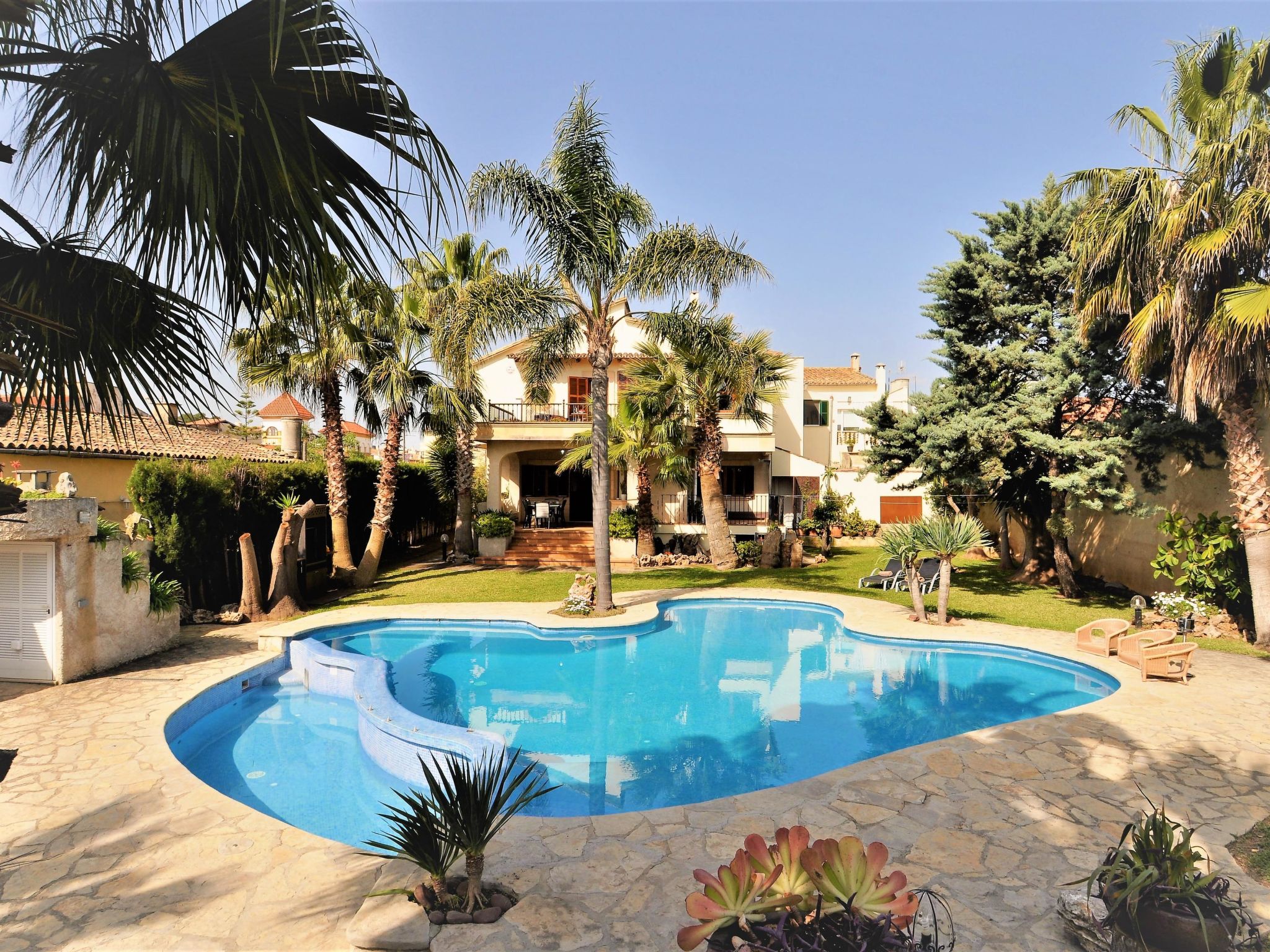
Finca CAN GUAL en Inca para 8 personas con piscina privada y vistas despejadas-
Inca, Mallorca, Spain
8
1
0
BBQDishwasherGarden+6 more


5-star property

5-star property

Inca villa holidays: questions answered
What is the Thursday market in Inca like?
It is held every Thursday and is considered one of the most important markets in Mallorca. Expect the town centre to be busy, so go early or accept the crowds.
Is Inca a good base for a large group?
Yes. Most homes around Inca are large, sleeping groups of eight or more, and nearly all have a garden. Many have a private pool, but the sea is a drive away.
Can you take the train from Palma to Inca?
Yes. Inca is a junction on Mallorca's rail network with trains to Palma, Sa Pobla and Manacor, which makes day trips possible without a car, though not from countryside homes.
Where can you eat traditionally in Inca?
In the old wine cellars, the cellers, which now serve as restaurants. Dishes include sopes mallorquines, tombet and gató d'ametlles.
Is Inca worth visiting for shopping?
It has the history for leather and footwear. The industry took off at the start of the twentieth century, and the shoe company Camper is based in the town.
Nearby towns to Inca
Written by the TrustedVillas team. Last reviewed October 2026.
Find Your Perfect Villa in Inca
Our villa experts are here to help you find the ideal property for your vacation. Contact us for personalized recommendations.