Villas in Santa Lucia de Tirajana
Santa Lucía de Tirajana suits walkers and couples who want a quiet hill village at 680 metres inside Gran Canaria's Tirajana caldera. Homes are small, mostly for two to four, and many have a private pool. The village sits high in the island's interior, so plan on a car for any beach day.
- Villas
- 6
- From, per week
- £1,092
About Santa Lucia de Tirajana
Santa Lucía is the upper village of a municipality of more than 77,000 people that also takes in Vecindario, one of the island's main shopping hubs. The village stands at 680 metres inside the volcanic caldera of Tirajana, 51 km from Las Palmas, the island capital. Its church, with a front of dressed stone and its dome, is the landmark, and the Museo de El Hao is in the village. The same municipality takes in the hamlets of La Sorrueda and La Montañeta, with traditional Canarian houses, and the rock of La Fortaleza, full of aboriginal dwelling and burial caves. The homes are close together in the village.
Is Santa Lucia de Tirajana right for you?
- Best for
- Walkers wanting a hill village base with a pool
- Not for you if
- You want to walk to a beach, because Santa Lucía is a hill village inside the island's Tirajana caldera.
Near Santa Lucia de Tirajana
La Fortaleza
The volcanic rock near Santa Lucía where the islanders' long resistance to Castilian forces ended in the late 15th century, full of aboriginal caves.
La Sorrueda
A hamlet of traditional Canarian houses beside a reservoir, passed on the walking route from Santa Lucía to La Fortaleza.
Vecindario
The municipality's commercial centre and one of Gran Canaria's main shopping hubs, for supermarkets and bigger shops.
Getting to Santa Lucia de Tirajana
Fly to Gran Canaria airport and hire a car. The village sits high in the island's interior, 51 km from Las Palmas, and the bus to the airport needs a change, so driving is far simpler for beach days and trailheads.
Villas in Santa Lucia de Tirajana
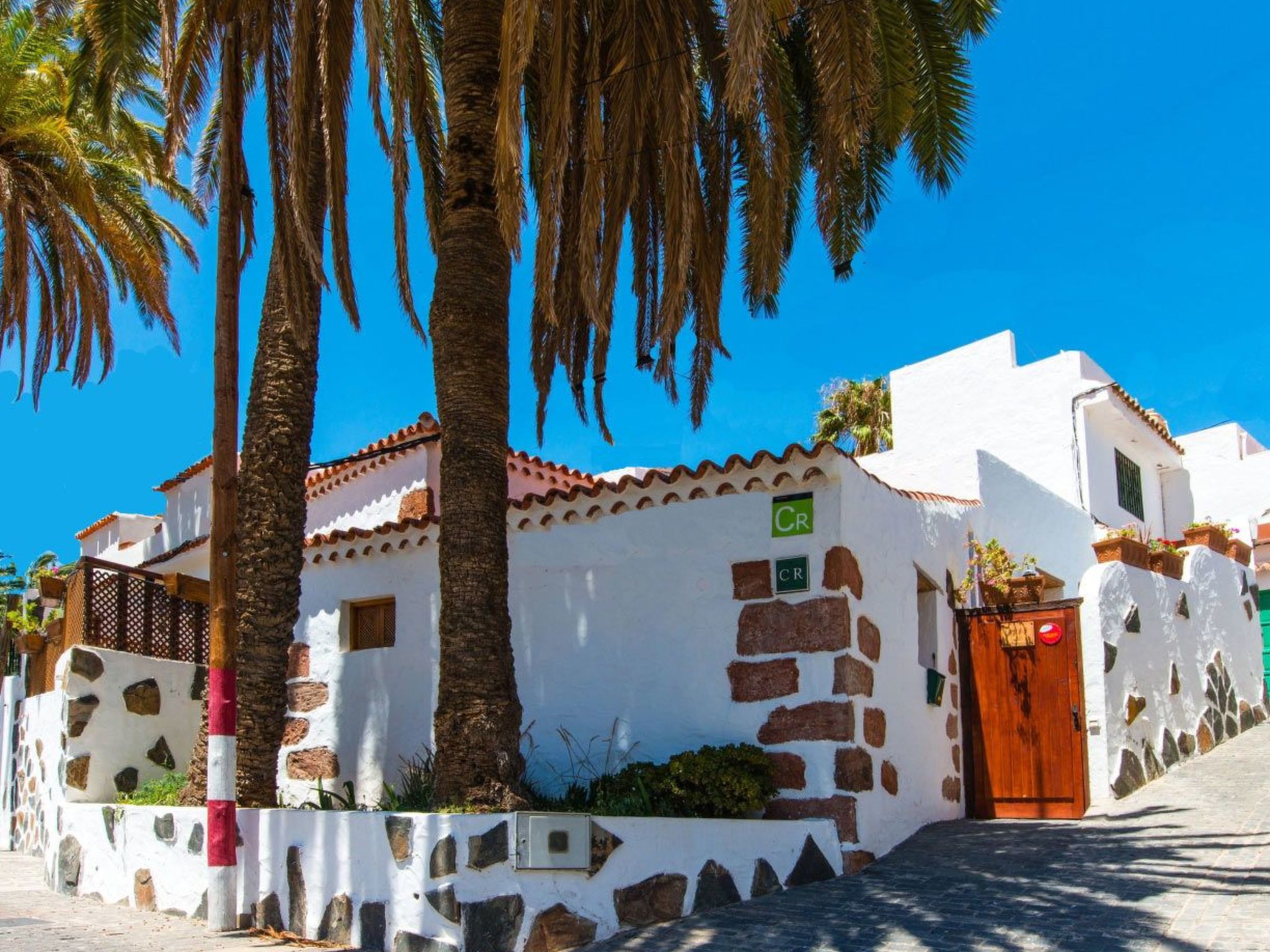
5-star property
2-Bedroom Home, Santa Lucia de Tirajana
Santa Lucia de Tirajana, Gran Canaria, Spain
4
2
0
Air ConBBQParking+8 more
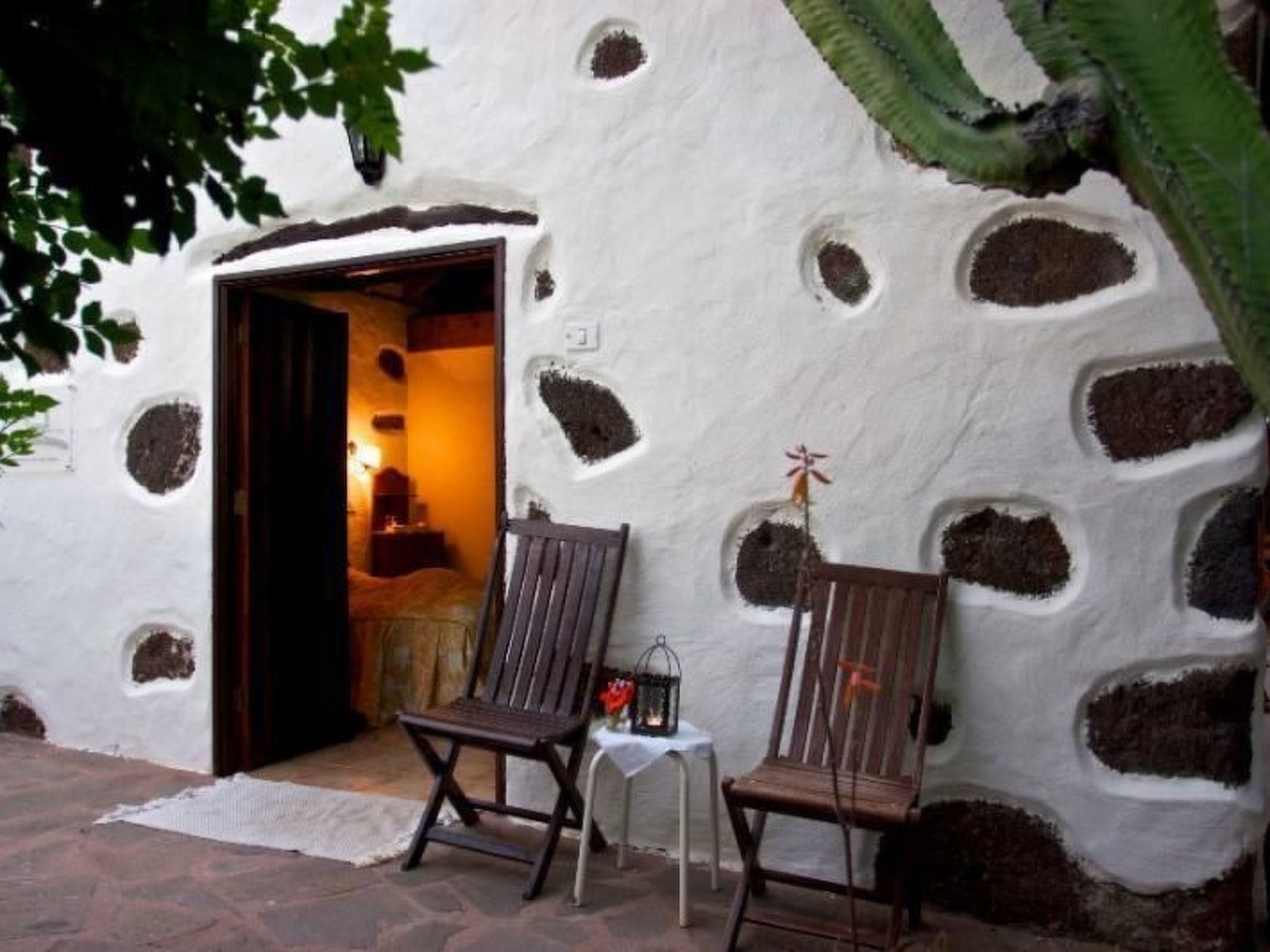
4-star property
2-Bedroom Home, Santa Lucia de Tirajana
Santa Lucia de Tirajana, Gran Canaria, Spain
4
2
0
BBQParkingGarden+8 more
3-star property
2-Bedroom Home, Santa Lucia de Tirajana
Santa Lucia de Tirajana, Gran Canaria, Spain
5
2
0
BBQGardenMicrowave+8 more

3-star property

4-star property
1-Bedroom Home, Santa Lucia de Tirajana
Santa Lucia de Tirajana, Gran Canaria, Spain
2
1
0
BBQMicrowavePool+8 more
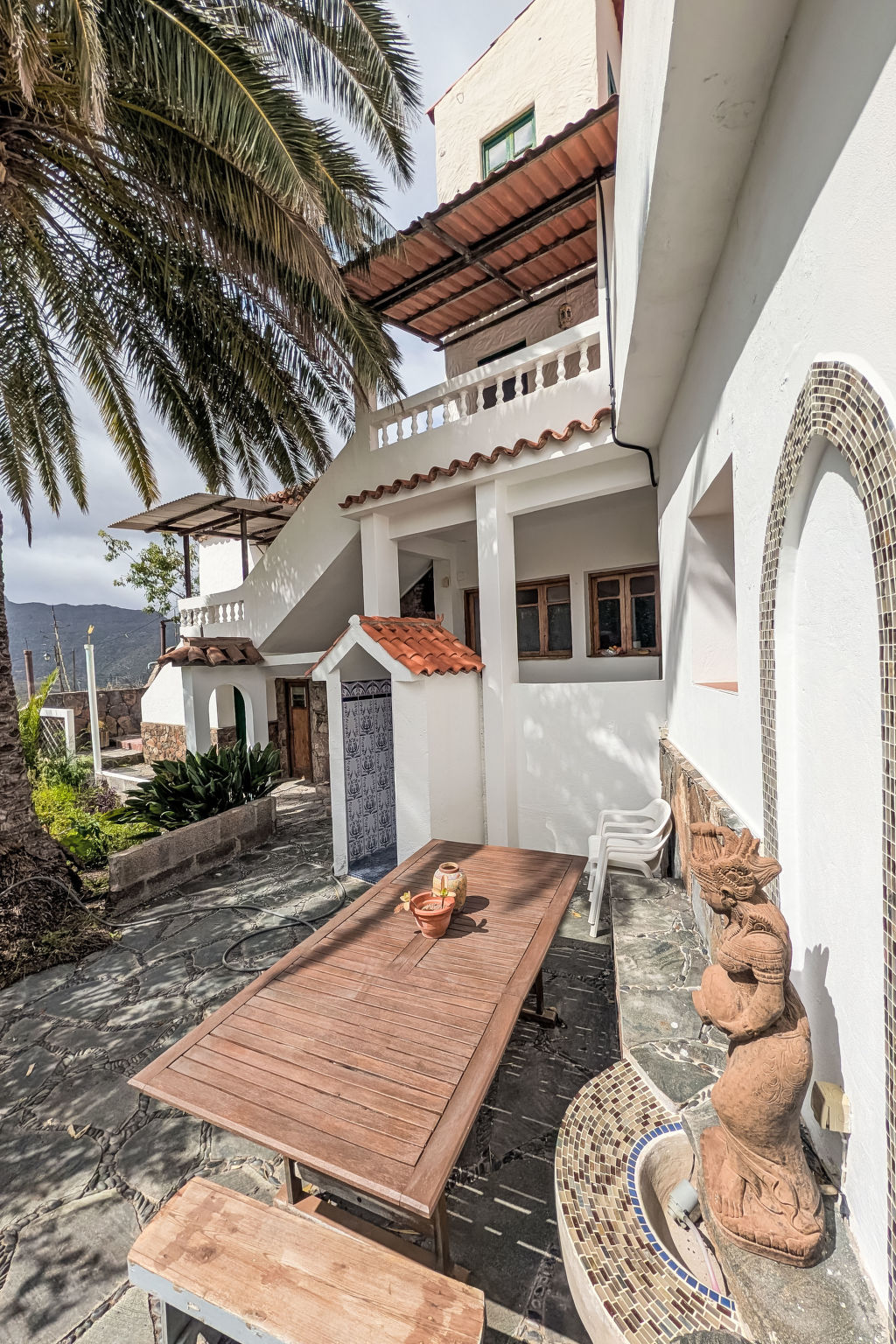
Finca Luz de Palmera
Santa Lucia de Tirajana, Gran Canaria, Spain
7
5
0
BBQGardenMicrowave+8 more
from£156
per nightSanta Lucia de Tirajana villa holidays: questions answered
Can you walk to La Fortaleza from Santa Lucía de Tirajana?
Yes. A circular walking route of about 9 km starts in the village, takes around three hours and is graded low difficulty, passing La Sorrueda and its reservoir and going through a cave to the far side of the mountain.
How high is Santa Lucía de Tirajana?
The village stands at 680 metres above sea level, in the upper part of the municipality inside the volcanic caldera of Tirajana. That height makes it a base for walkers rather than beachgoers.
Is Santa Lucía de Tirajana the same as Vecindario?
No. Both are in the same municipality, but Santa Lucía is the village up in the hills, while Vecindario is a separate town and one of the island's most important shopping areas.
What is the history of La Fortaleza near Santa Lucía de Tirajana?
The Fortaleza Grande saw the final episode of the islanders' long resistance to the Castilian forces at the end of the 15th century, and its rock holds many aboriginal dwelling and burial caves.
Nearby towns to Santa Lucia de Tirajana
Written by the TrustedVillas team. Last reviewed November 2026.
Find Your Perfect Villa in Santa Lucia de Tirajana
Our villa experts are here to help you find the ideal property for your vacation. Contact us for personalized recommendations.