Villas in Las Palmas
Las Palmas suits a city stay on Gran Canaria, with the long town beach of Las Canteras and the historic Vegueta quarter. Homes here are mostly small, sleeping two to four, and few have a pool. The city is windier and cooler than the south of the island.
- Villas
- 15
- From, per week
- £645
About Las Palmas
Las Palmas is the island's capital, so the feel is urban rather than resort. The homes sit in a tight patch of the city and are mostly compact, with two bedrooms typical and few pools. Las Canteras is the beach people use: the northern stretch has golden sand and, at low tide, a natural barrier turns it into a calm swimming pool, while the southern end has black sand and the surf schools. Vegueta is the old town to walk. Evenings centre on Parque Santa Catalina, where most of the nightlife is, and the city keeps going as a place where people live and work. Rain falls mostly in winter, and summer is almost dry.
Is Las Palmas right for you?
- Best for
- City lovers wanting an urban beach, an old town and restaurants
- Not for you if
- You want a private pool or guaranteed sun, because homes here rarely have pools and the city is windier and cooler than the south.
Near Las Palmas
Arucas
Town whose rum distillery is open to the public and can be visited free of charge.
Gáldar
The former island capital, home to the painted cave of La Cueva Pintada, with a walkway over the excavations.
Agaete
Fishing village on the north-west coast with a family beach and natural swimming pools.
Jardín Canario
Botanical garden a few kilometres from the city, with trails, caves, waterfalls and plants native to the Canaries.
Getting to Las Palmas
Gran Canaria airport is near Telde, about 20 km south of Las Palmas. A bus runs from the airport to the city bus stations about every half hour, and taxis are the alternative. A car is only needed for trips beyond the city.
When to go to Las Palmas
Sunshine averages about eight hours a day, nearly ten in July. Rain falls mostly in the winter months and summer is almost entirely dry. The sun is strongest from June to August, with May close behind. Las Palmas is windier than the south of Gran Canaria, so it feels cooler, which suits walking and city sightseeing more than lying out all day.
Villas in Las Palmas
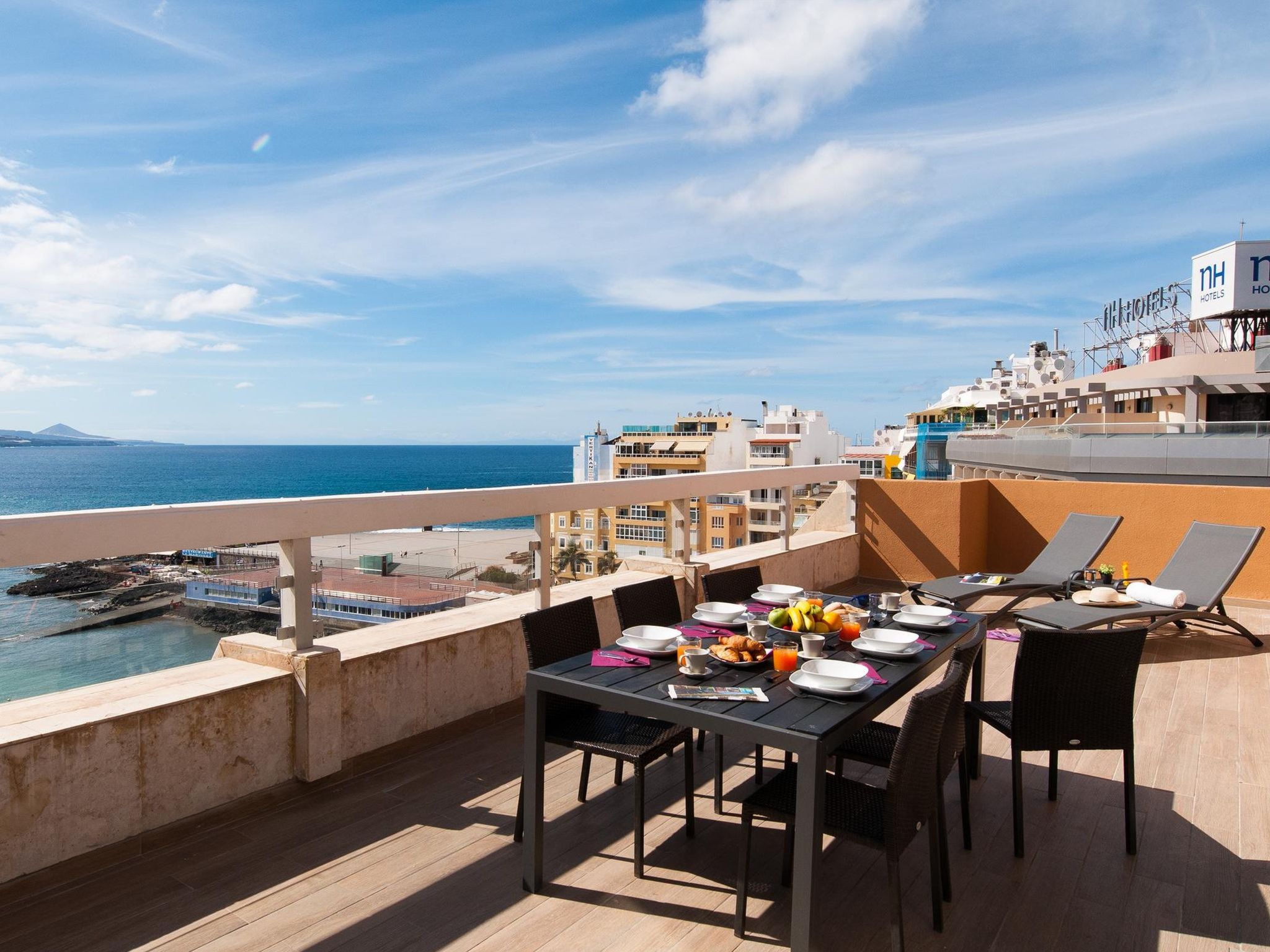
3-star property
Nautilus
Las Palmas, Gran Canaria, Spain
2
1
0
DishwasherMicrowaveWashing Machine+6 more
from£201
per night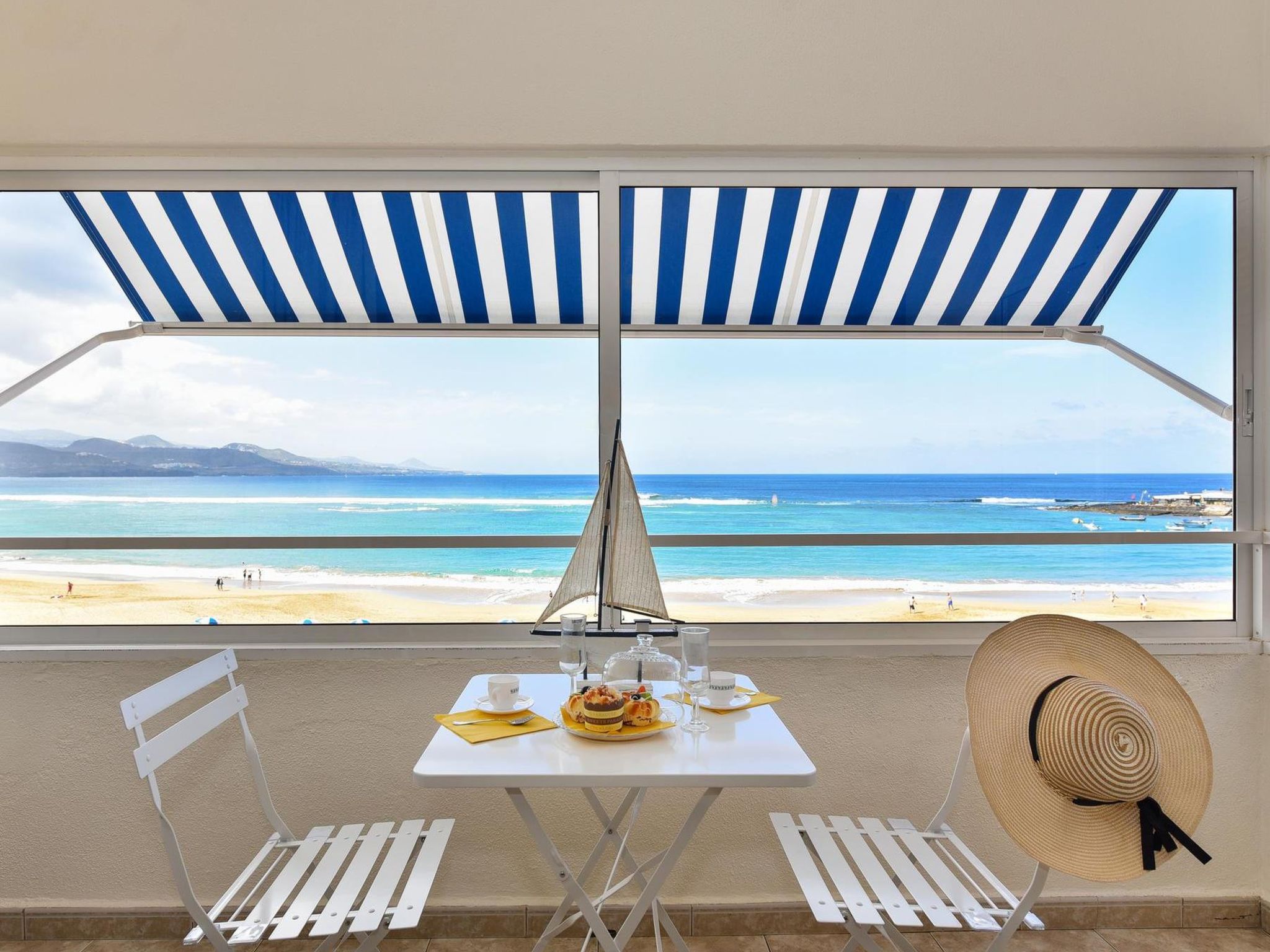
3-star property
1-Bedroom Home, Las Palmas
Las Palmas, Gran Canaria, Spain
2
1
0
ParkingDishwasherMicrowave+6 more
from£196
per night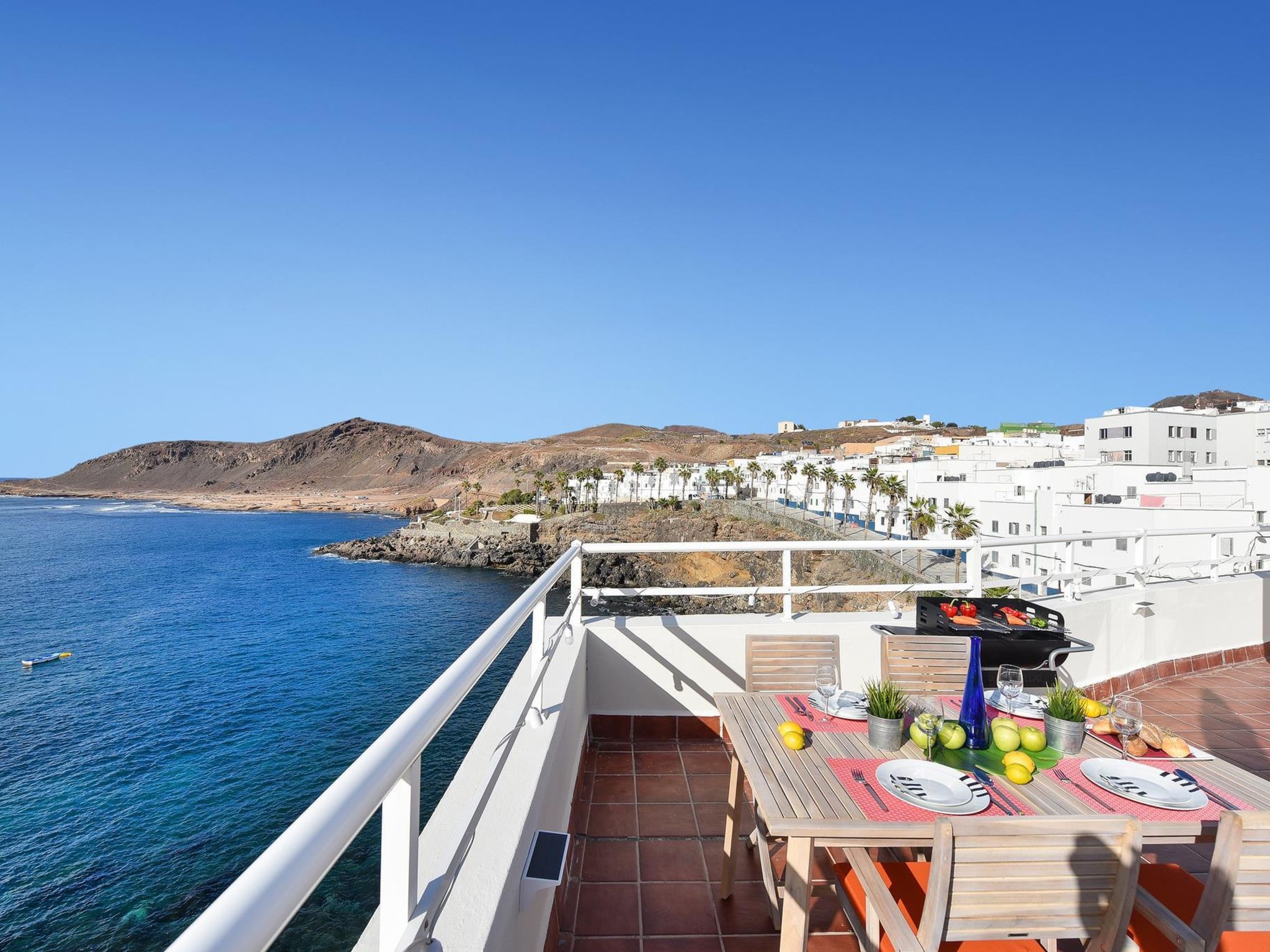
3-star property
El Confital RF18
Las Palmas, Gran Canaria, Spain
4
2
0
BBQDishwasherMicrowave+8 more
from£190
per night
5-star property
La Terraza de Sofia Canteras
Las Palmas, Gran Canaria, Spain
4
2
0
DishwasherMicrowaveTerrace+6 more
from£211
per night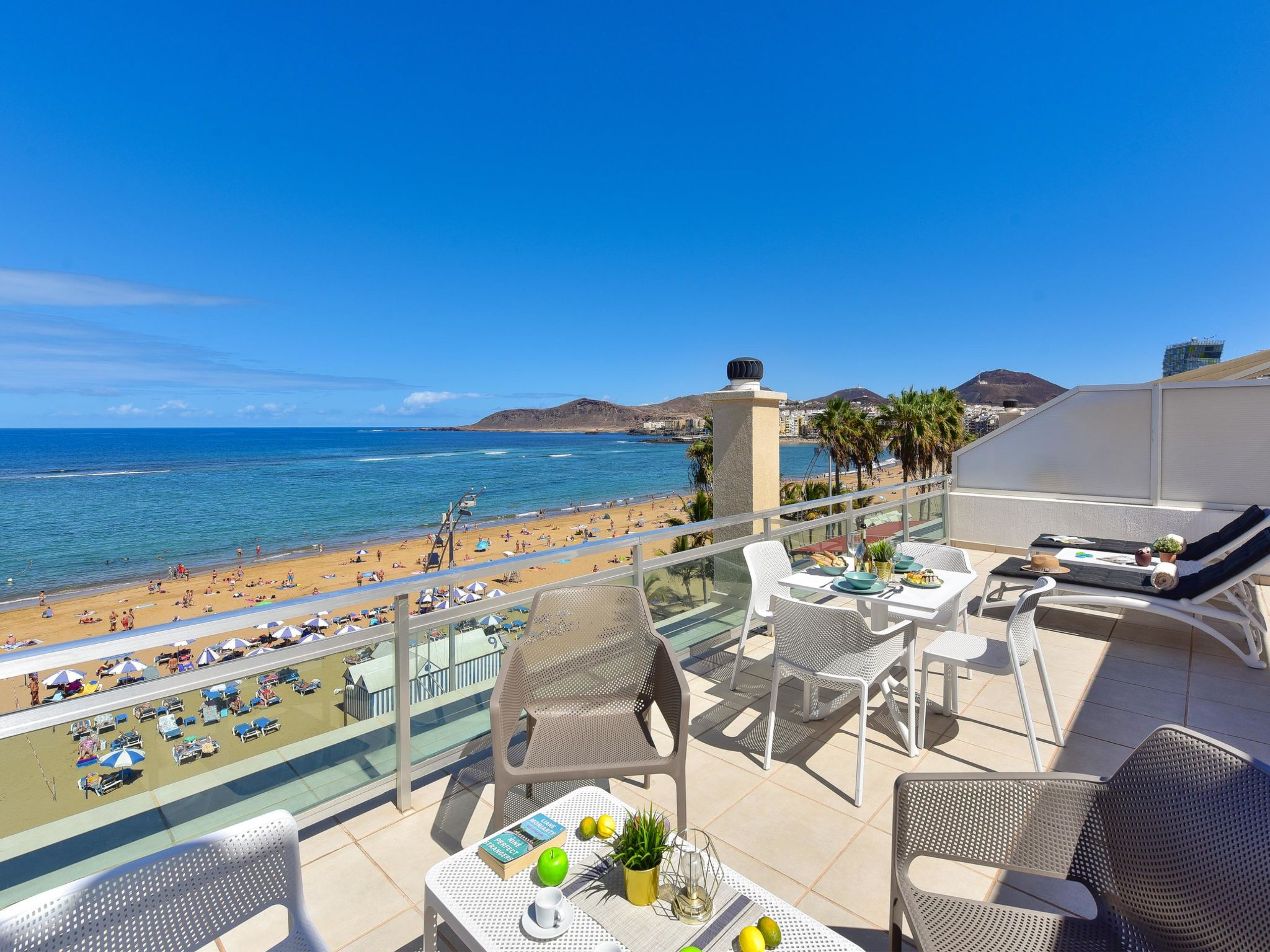
3-star property
Canteras MC
Las Palmas, Gran Canaria, Spain
2
1
0
TerraceFridgeInternet+3 more
from£180
per night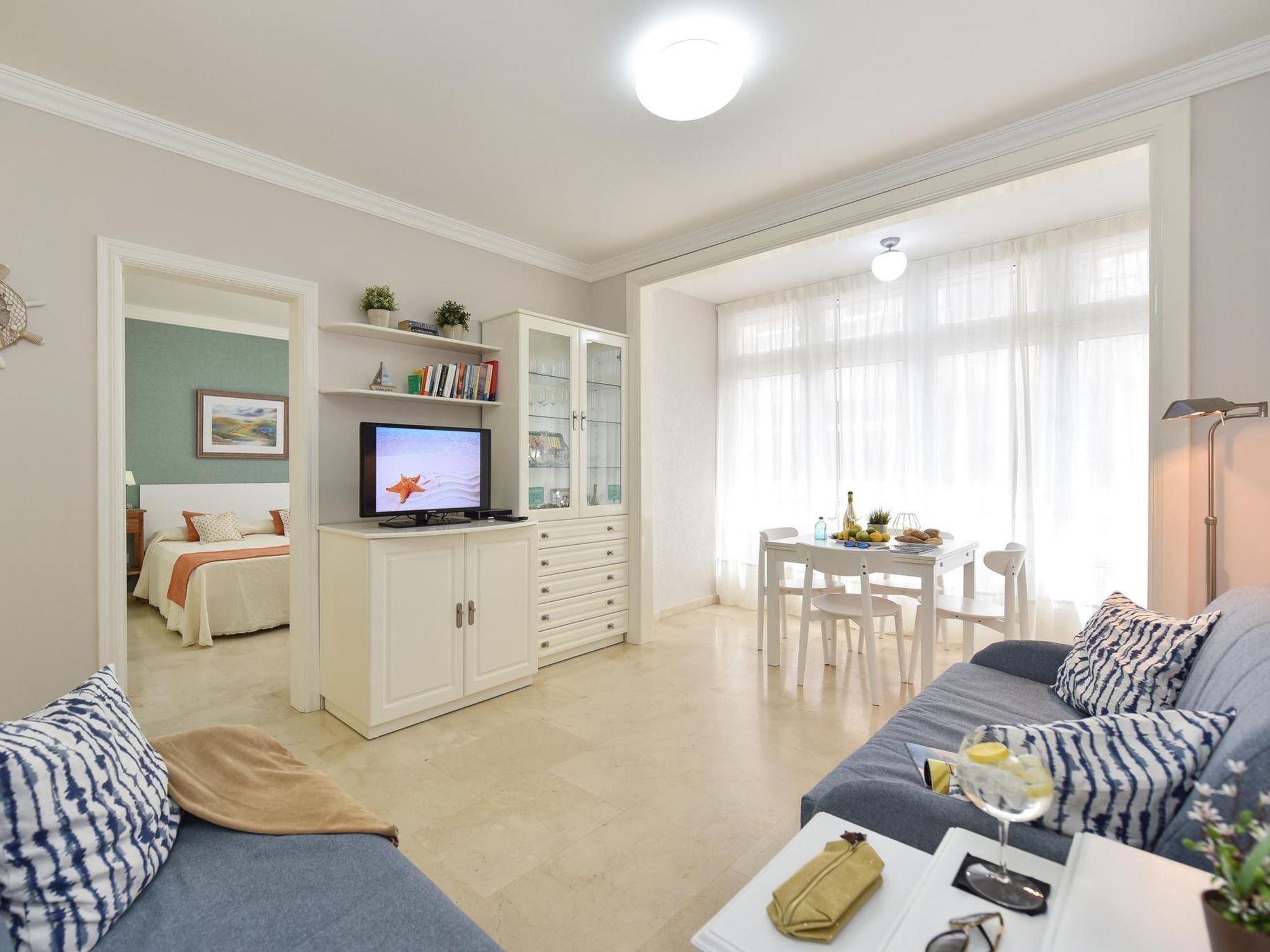
3-star property
Kant
Las Palmas, Gran Canaria, Spain
2
1
0
MicrowaveWashing MachineFridge+4 more
from£106
per night
1-Bedroom Home, Las Palmas
Las Palmas, Gran Canaria, Spain
2
1
0
MicrowaveTerraceInternet+5 more

Strand Canteras III
Las Palmas, Gran Canaria, Spain
3
1
0
Air ConMicrowaveWashing Machine+4 more
from£92
per night
2-Bedroom Home, Las Palmas
Las Palmas, Gran Canaria, Spain
3
2
0
MicrowaveTerraceWashing Machine+7 more
from£165
per night
1-Bedroom Home, Las Palmas
Las Palmas, Gran Canaria, Spain
3
1
0
Air ConMicrowaveWashing Machine+4 more

2-Bedroom Home, Las Palmas
Las Palmas, Gran Canaria, Spain
4
2
0
Air ConDishwasherMicrowave+8 more
from£145
per night
Penthouse Santa Catalina
Las Palmas, Gran Canaria, Spain
5
3
0
Air ConDishwasherMicrowave+9 more
from£137
per night
5-star property
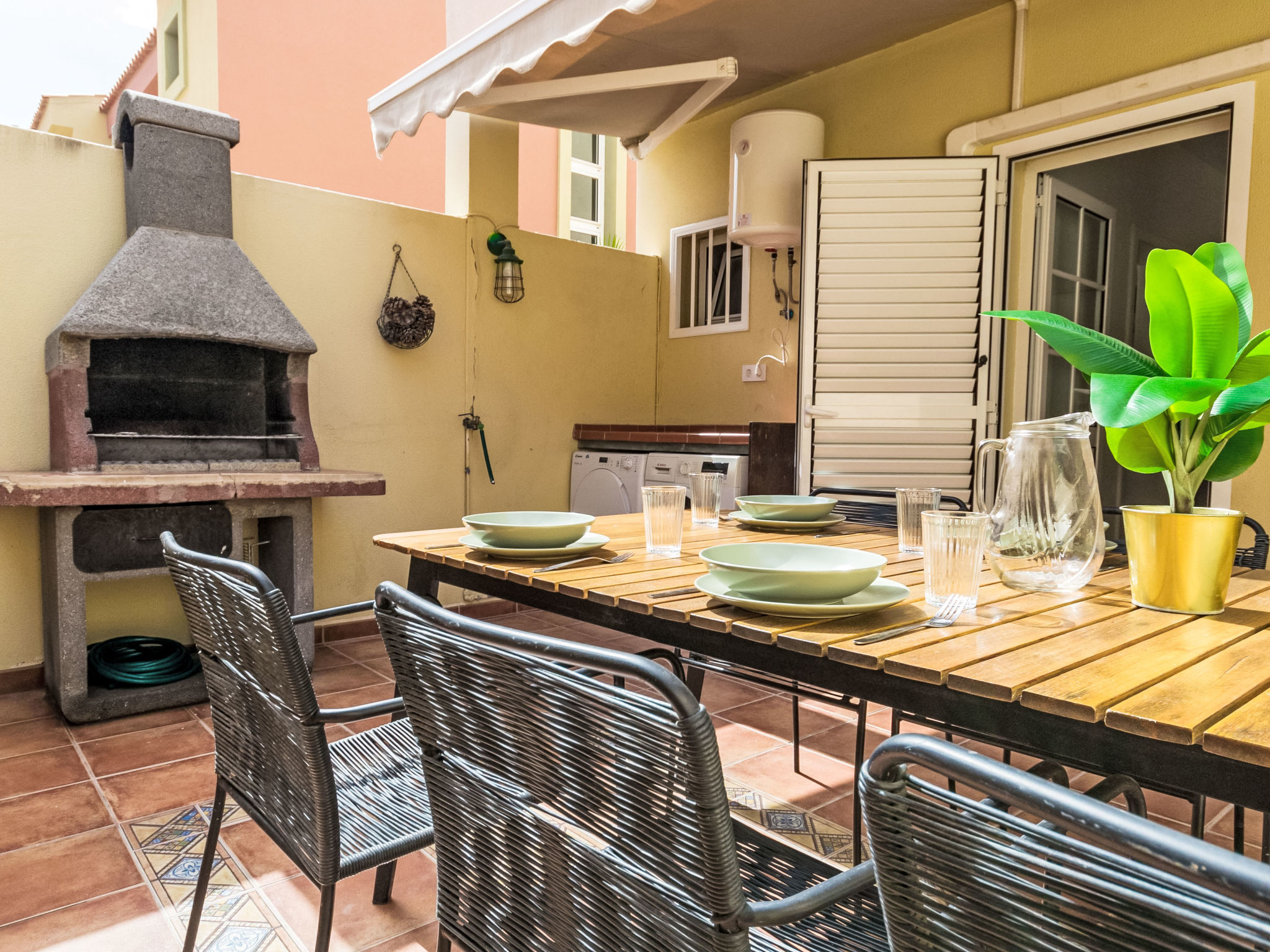
2-Bedroom Home, Las Palmas
Las Palmas, Gran Canaria, Spain
4
2
0
Air ConParkingDishwasher+8 more
from£163
per night
4-star property
5-star property
Las Palmas villa holidays: questions answered
Is the beach at Las Canteras in Las Palmas sand or pebble?
Sand, over three kilometres of it. A reef called La Barra shelters the northern part, which is calmest for swimming, while the southern end has the surf spots.
Las Palmas or Maspalomas for a holiday home?
Choose Las Palmas for restaurants, the old town and an urban beach, and Maspalomas for its huge field of dunes. The capital is windier than the south of the island, so it also feels cooler.
Where do you go out in the evening in Las Palmas?
Parque Santa Catalina has most of the city's nightlife. Las Ranas, near Plaza Hurtado de Mendoza, is good for music, and Tropical Muelle Deportivo has a rooftop bar over the city.
How far is the airport from Las Palmas?
About 20 km. Gran Canaria airport is near Telde, south of the city, and a bus connects it with both city bus stations roughly every half hour.
Does it rain much in Las Palmas?
Not often. Most of the rain falls in winter, and summer is almost entirely dry.
Nearby towns to Las Palmas
Written by the TrustedVillas team. Last reviewed October 2026.
Find Your Perfect Villa in Las Palmas
Our villa experts are here to help you find the ideal property for your vacation. Contact us for personalized recommendations.