Villas in Nerja
Nerja suits couples and small families who want an old town, a clifftop viewpoint and a run of small beaches east of Málaga. The trade-off is the sand: most beaches mix sand with pebbles, and the town beaches are small.
- Villas
- 330
- From, per week
- £283
About Nerja
Nerja is a town of about 22,000 people, 50 km east of Málaga, with the Sierra de Almijara behind it. The old centre ends at the Balcón de Europa, a viewpoint over the sea, with Calahonda beach beside it and tiny Caletilla, about 50 metres long, to its west. El Salón, an old fishermen's beach, sits between rocky cliffs. Burriana, the busiest beach, is about 800 metres of mixed fine and coarse sand with small pebbles, and the Ayo restaurant at its eastern end cooks paella in huge pans over wood fires. Most of our homes have a pool and sleep around four rather than big groups, and they are spread within a few kilometres of the centre. Winters are mild and summers hot and dry.
Is Nerja right for you?
- Best for
- Couples and small families wanting an old town and small beaches
- Not for you if
- You want a long fine-sand beach or a house for a big group.
Near Nerja
Nerja Caves
Cave system close to town, rediscovered in 1959, with giant stalactites, Palaeolithic paintings and concerts in a chamber that forms a natural amphitheatre.
Maro
Village just east of Nerja with a 16th century coastal watchtower and a beach inside a protected natural park.
Frigiliana
White village about 6 km north of Nerja, with steep cobbled alleys and Europe's only working sugar cane honey factory.
Maro-Cerro Gordo cliffs
Protected coast running 12 km between Nerja and Almuñécar, with cliffs up to 200 metres and small, hard-to-reach beaches.
Getting to Nerja
Málaga airport is about 73 km away, roughly an hour by road. Intercity buses leave from the top of the High Street for Málaga, Granada and Seville, and two local bus routes run around town. Most homes sit a few kilometres from the centre, so a car helps.
When to go to Nerja
Nerja has hot, dry summers and mild winters. Summer is when the town beaches are fullest: El Salón is now busy with Spanish holidaymakers, and Caletilla and El Salón are narrow enough to feel cramped. Burriana and Torrecilla both hold Blue Flags. The caves and the Maro-Cerro Gordo coast are there whatever the month.
Villas in Nerja
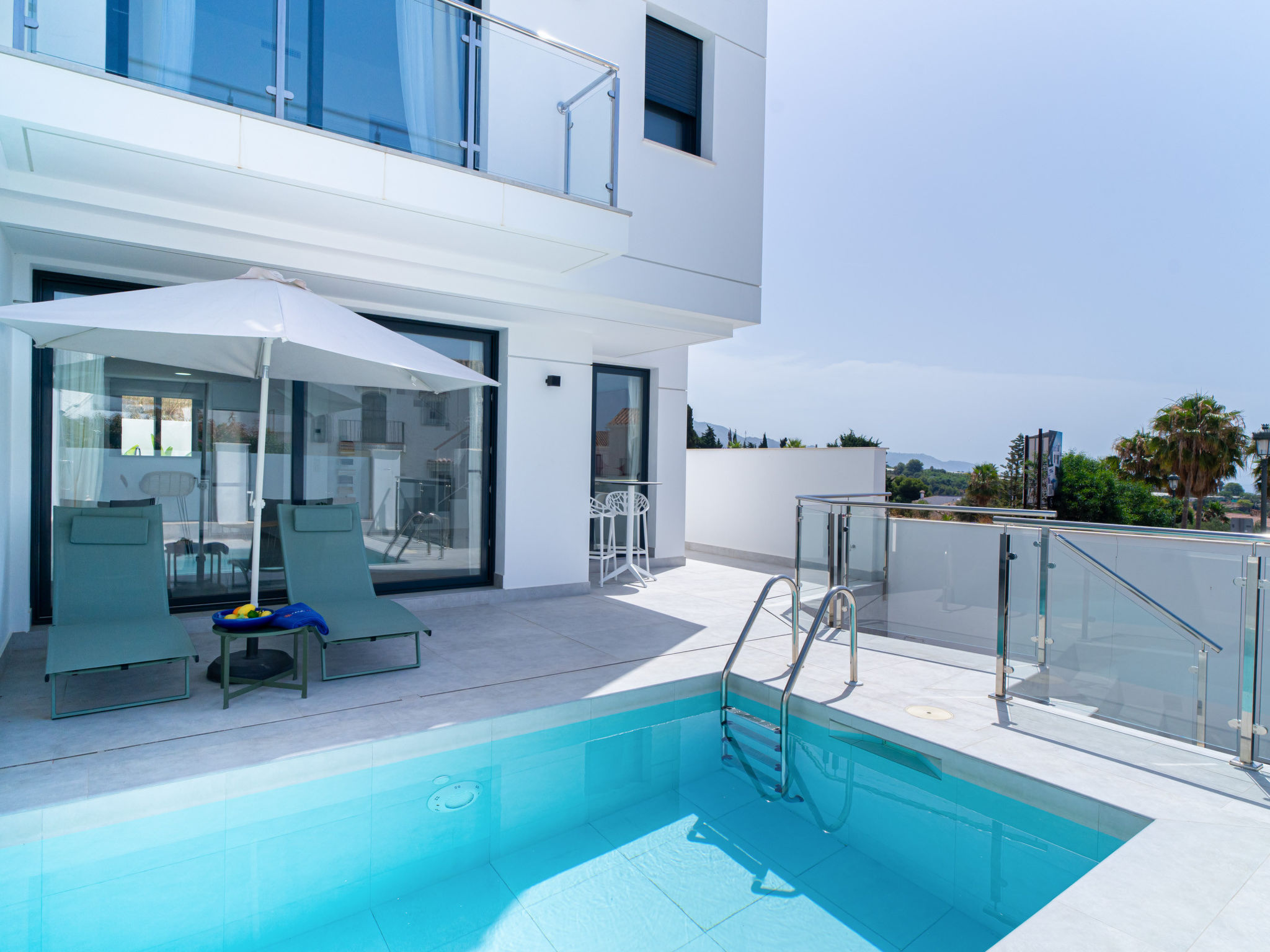
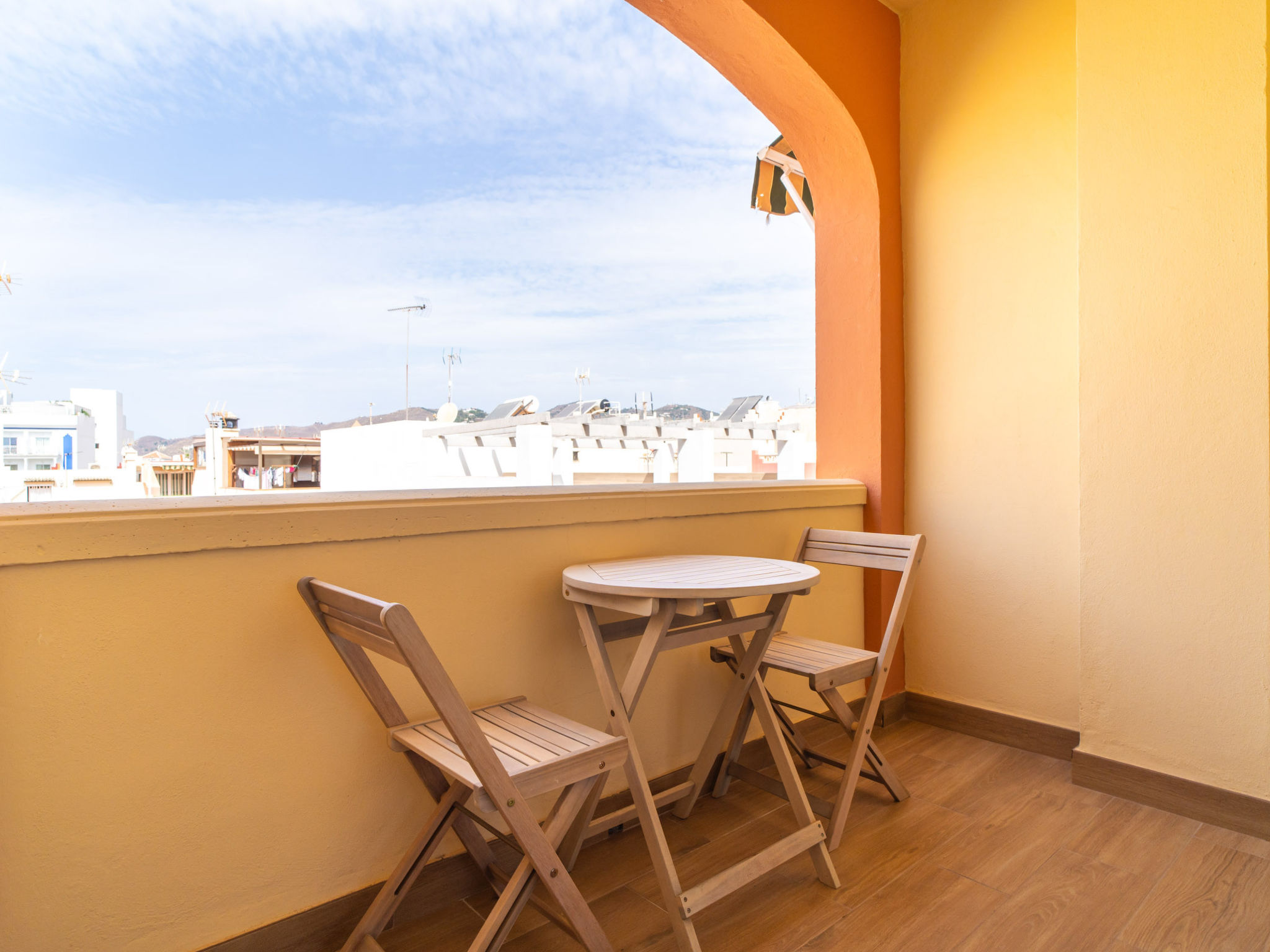
Toboso 2J Torrecilla Beach by Casasol
Nerja, Costa del Sol, Spain
4
2
0
DishwasherMicrowaveWashing Machine+5 more
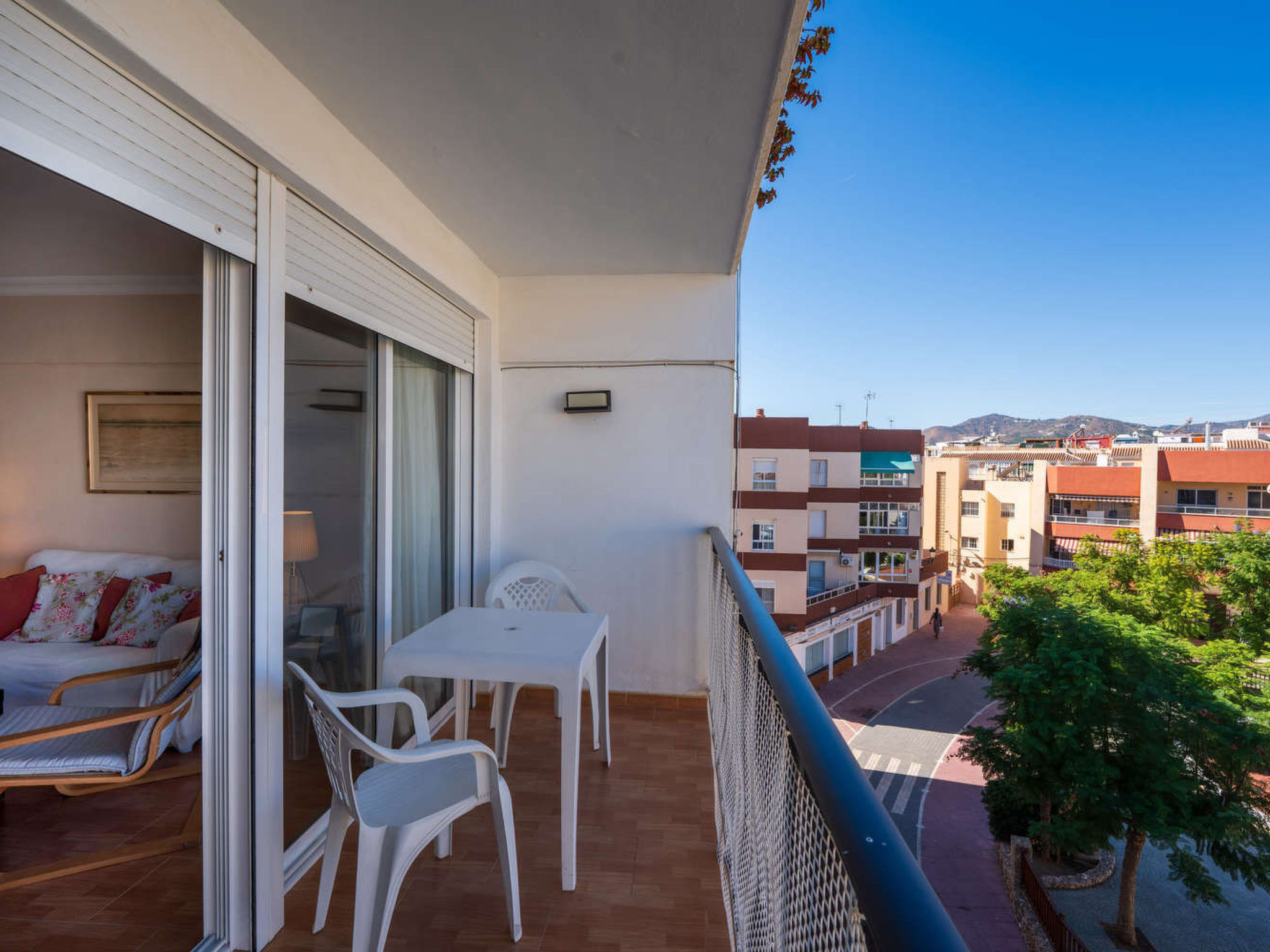
Plaza Marina Living by Casasol
Nerja, Costa del Sol, Spain
4
2
0
DishwasherMicrowaveWashing Machine+6 more
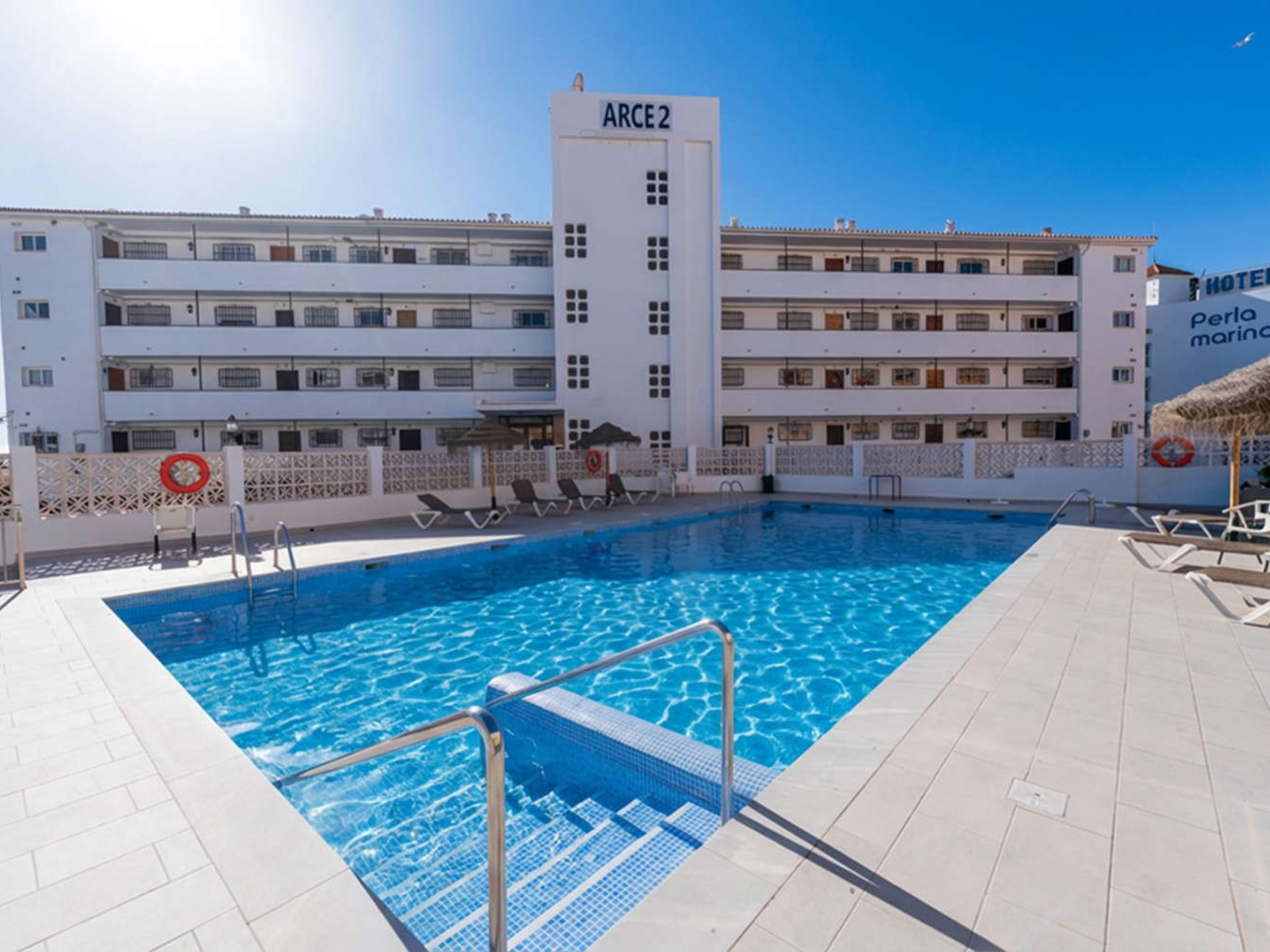
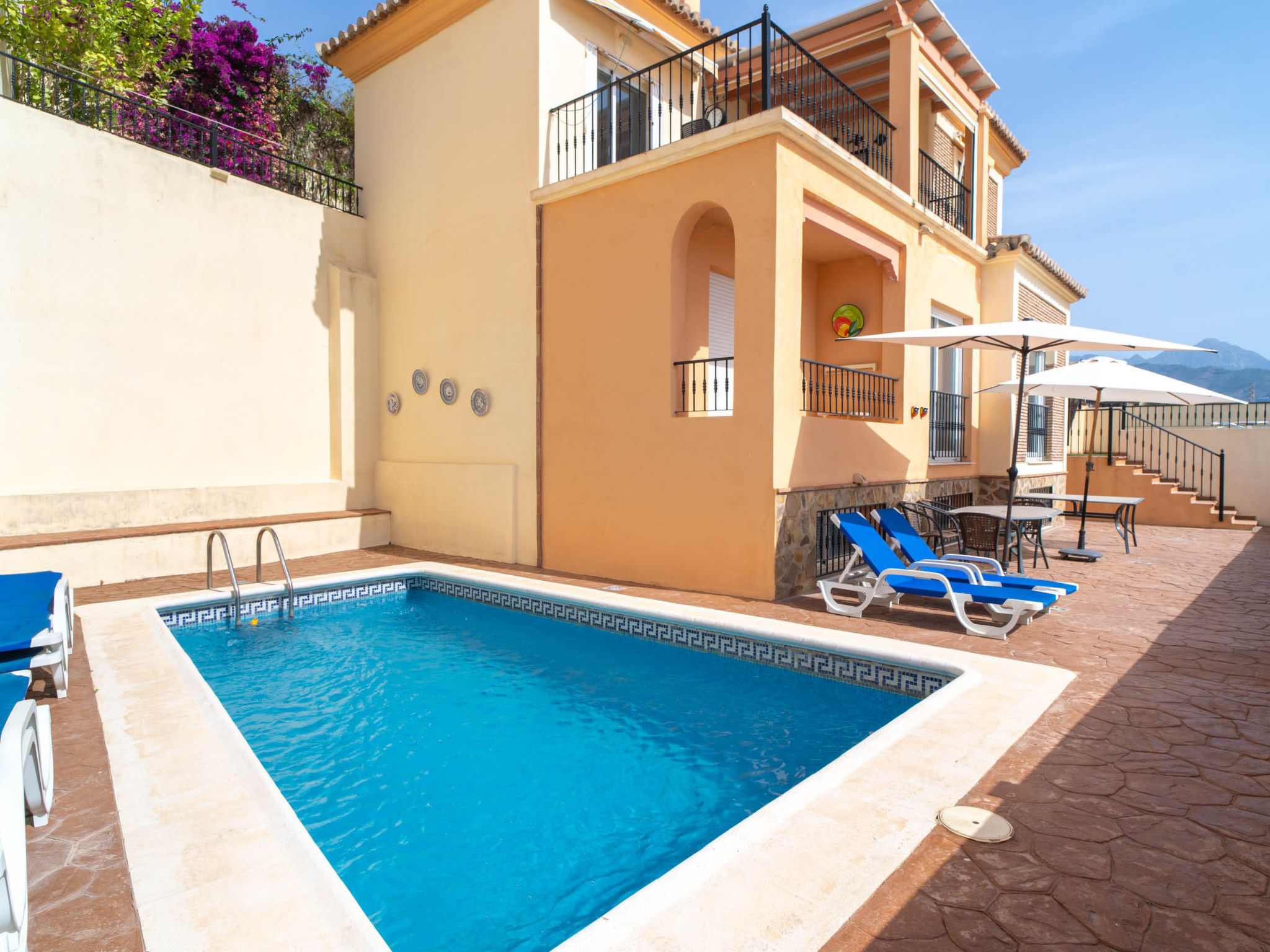
Villa Punta Lara 15 by Casasol
Nerja, Costa del Sol, Spain
5
3
0
DishwasherMicrowavePool+8 more
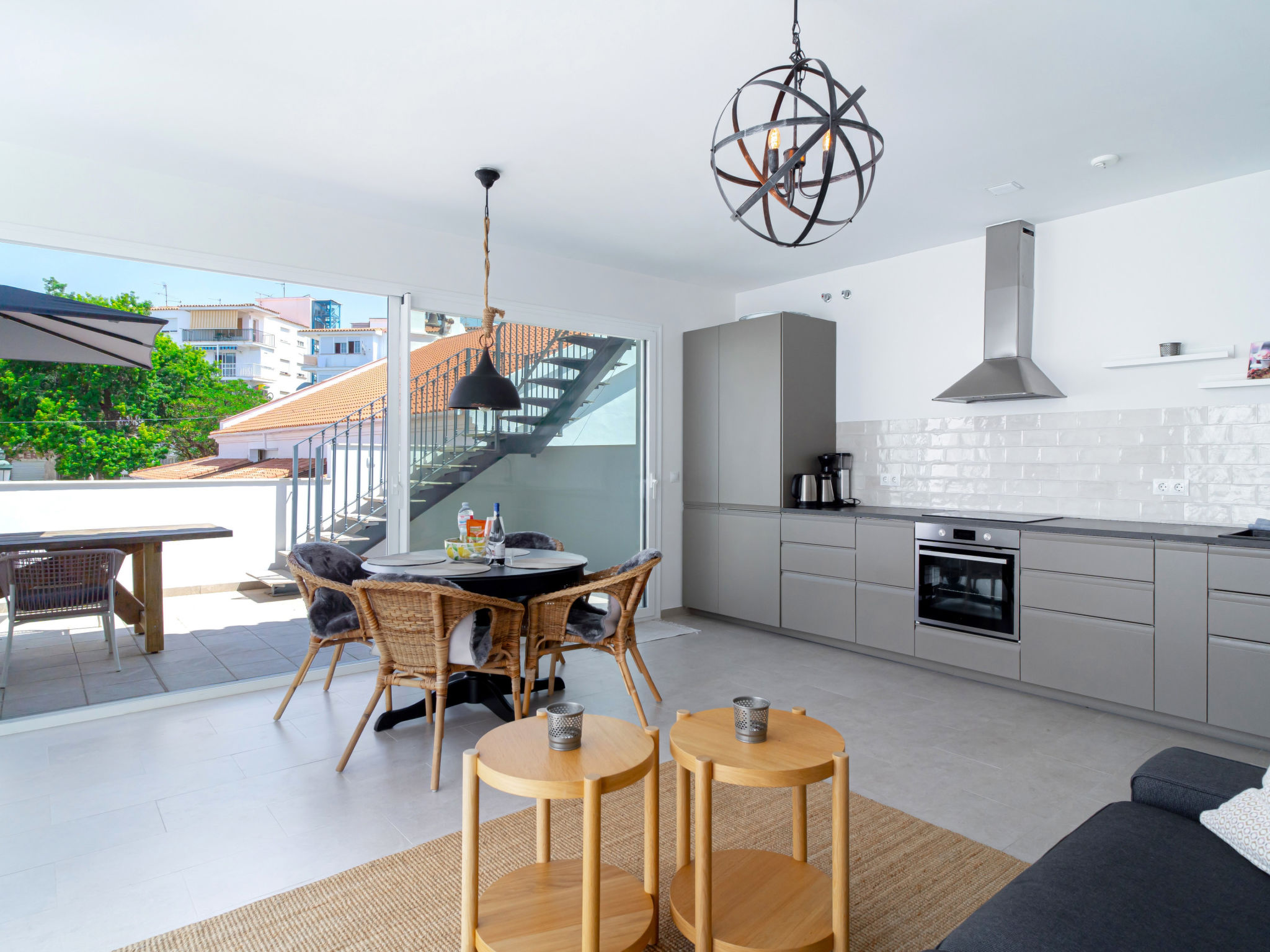
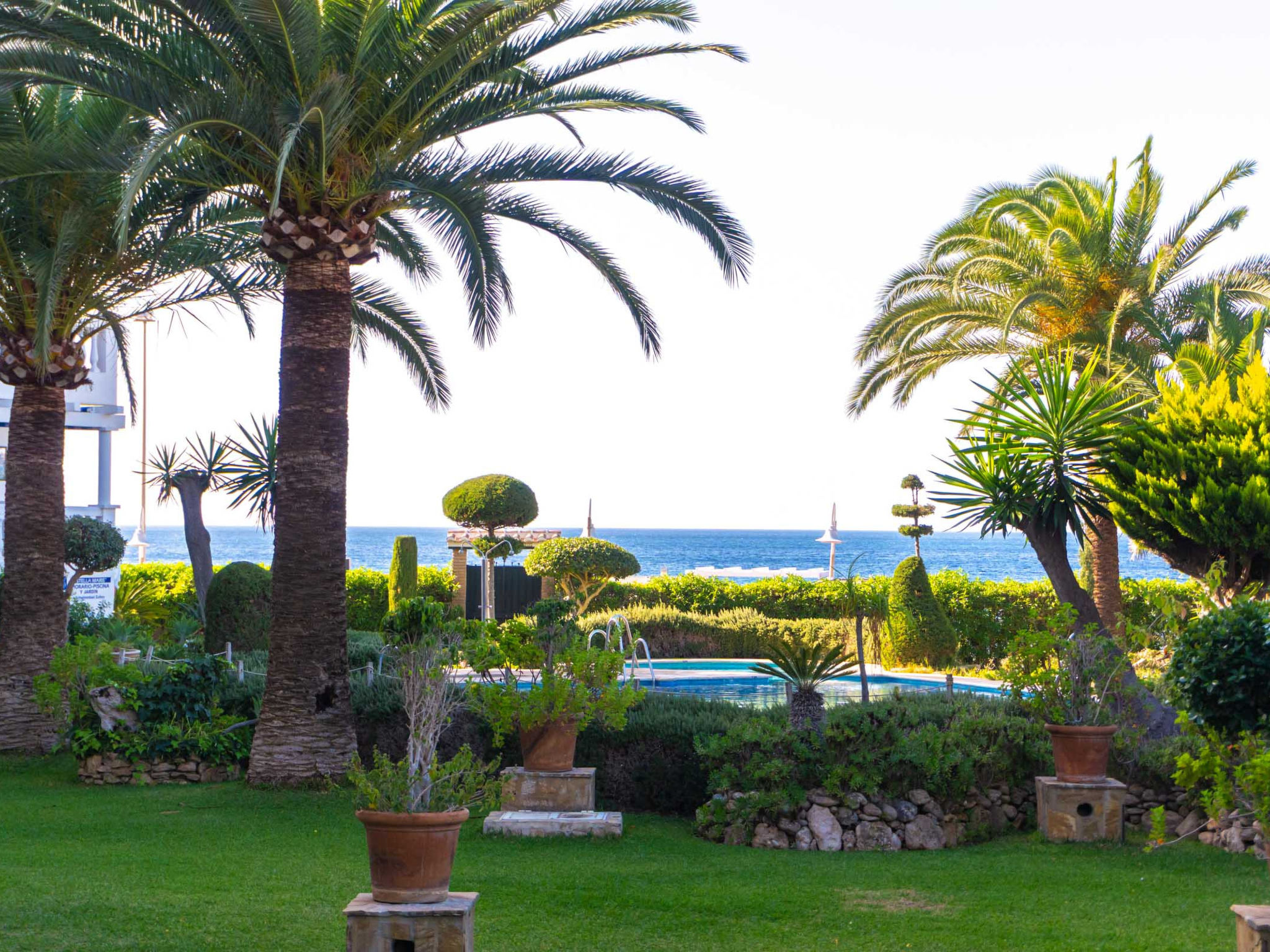
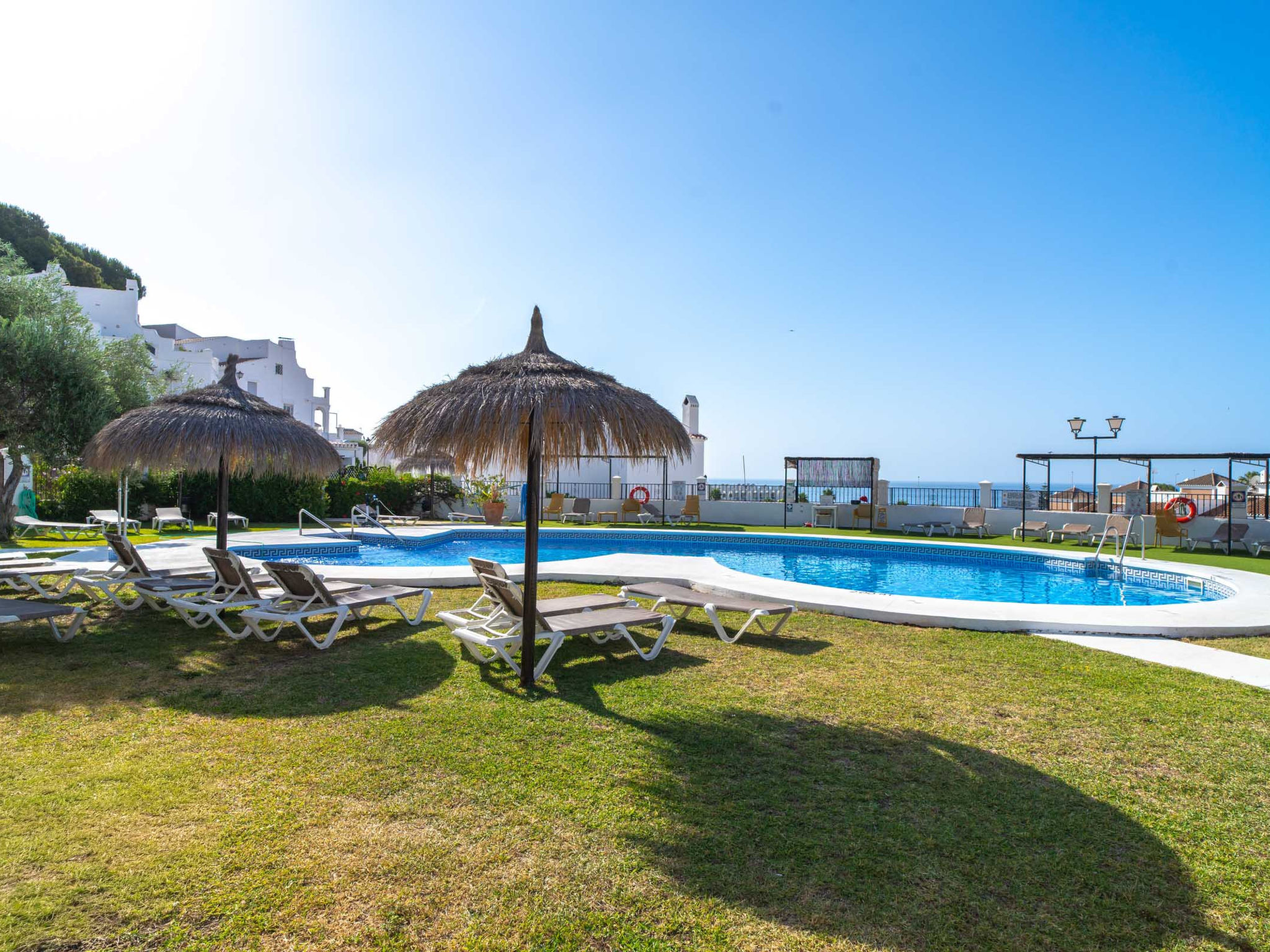
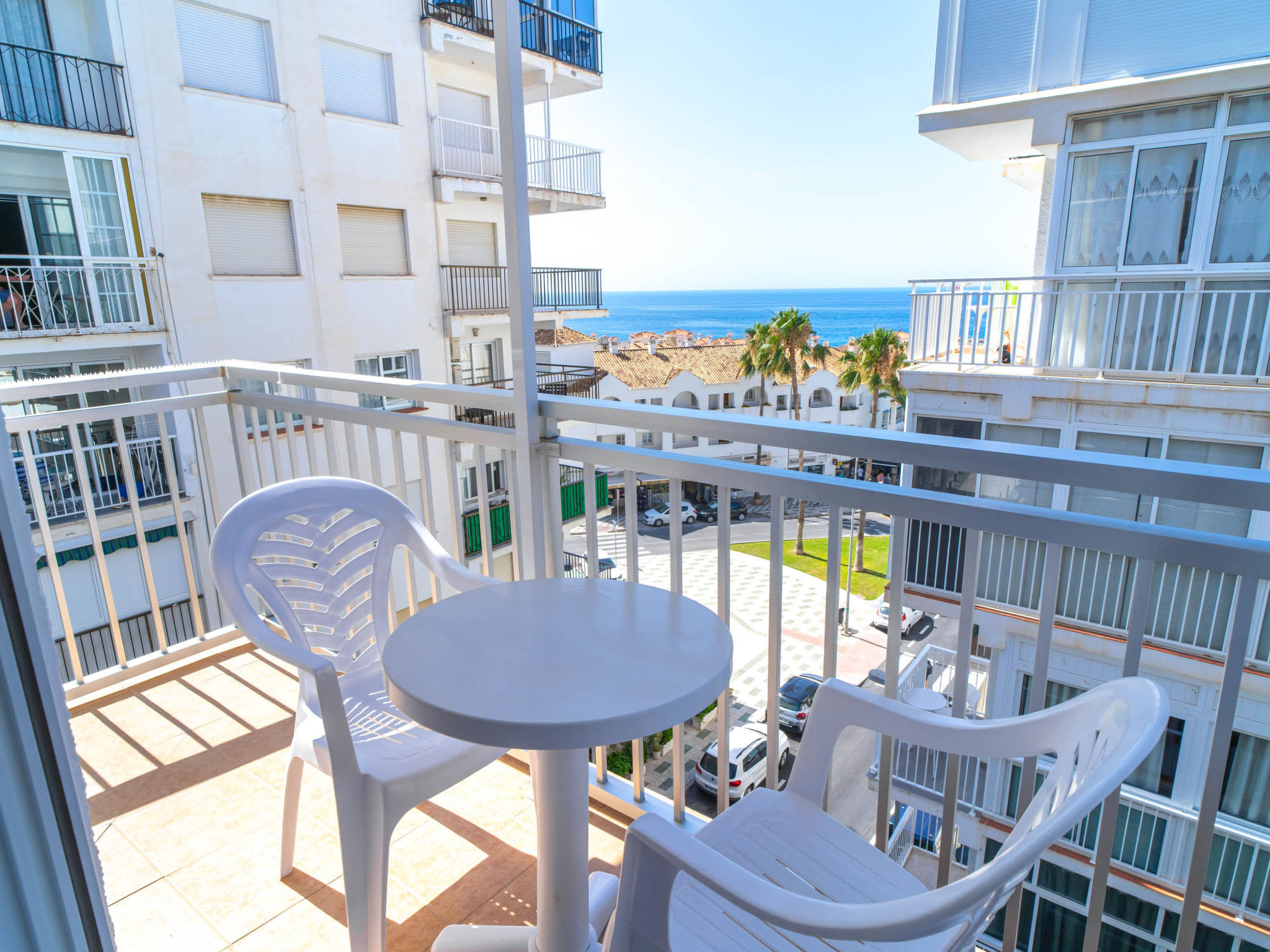
Chaparil Seaview by Casasol
Nerja, Costa del Sol, Spain
2
1
0
MicrowaveTerraceWashing Machine+6 more
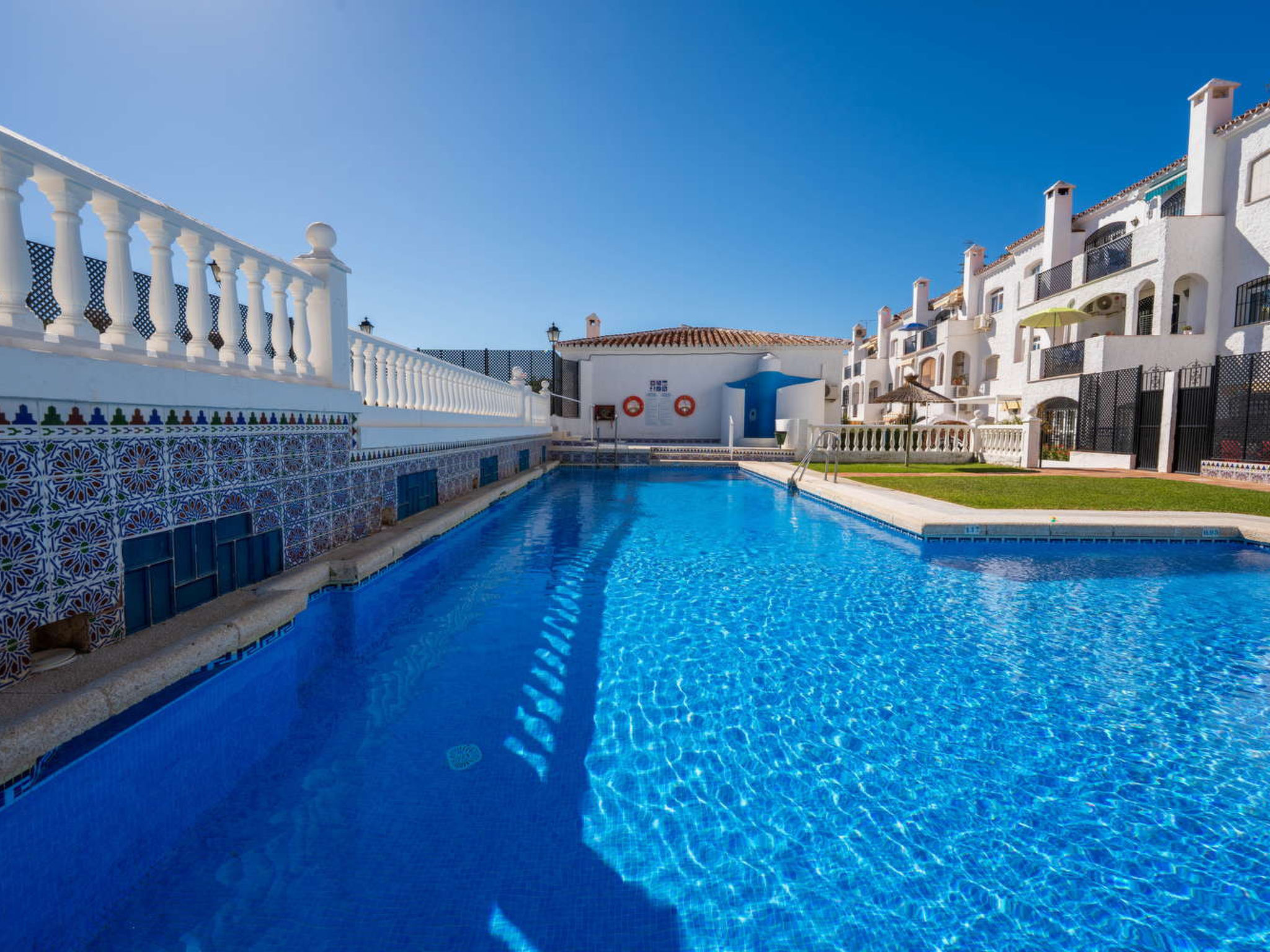
Verano Azul 3 Casa Lena by Casasol
Nerja, Costa del Sol, Spain
4
2
0
DishwasherMicrowavePool+8 more
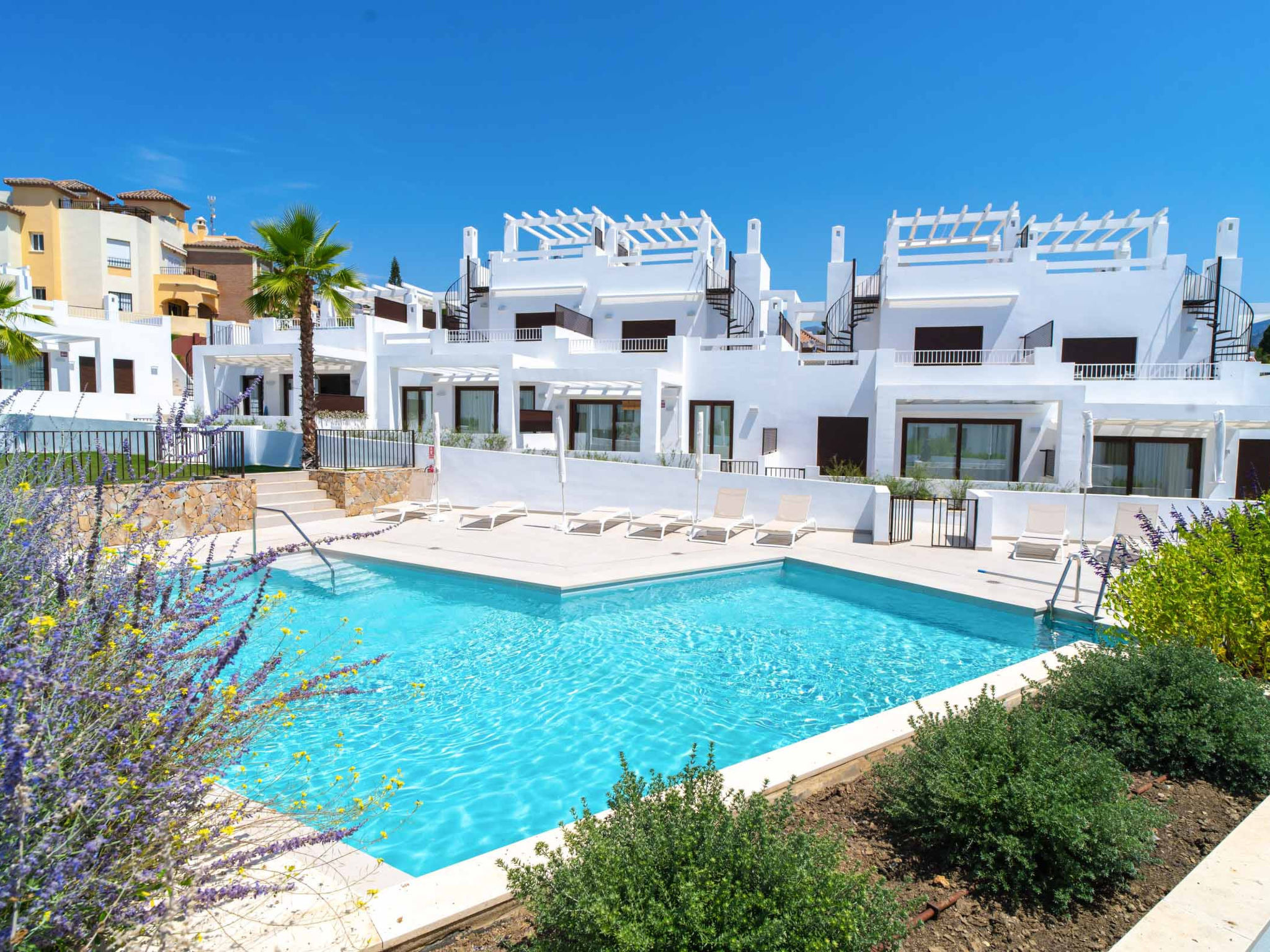
Villas de Punta Lara 18 by Casasol
Nerja, Costa del Sol, Spain
4
2
0
BBQDishwasherMicrowave+9 more
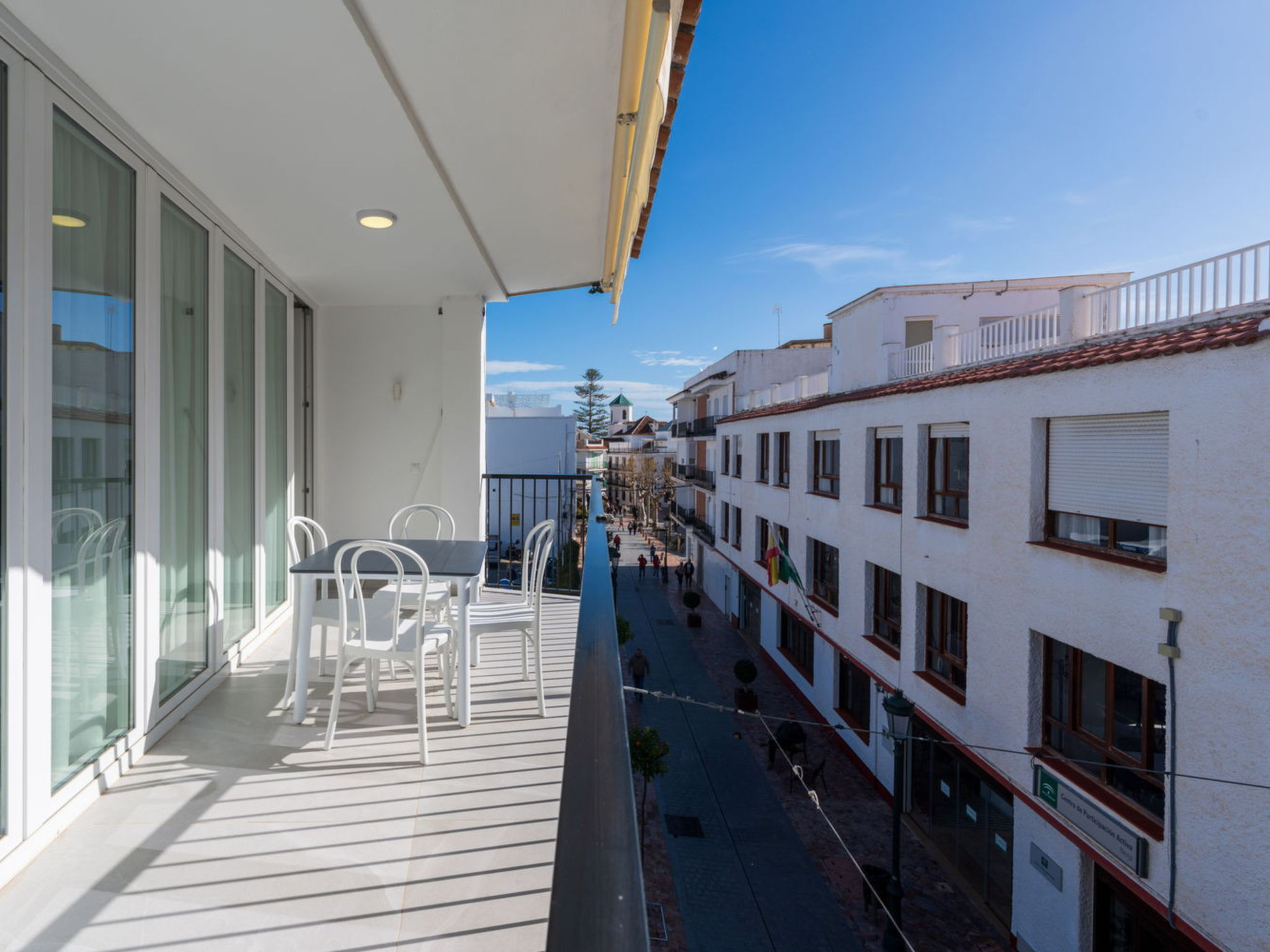
Paloma Central Apartment
Nerja, Costa del Sol, Spain
6
3
0
DishwasherMicrowaveTerrace+6 more
from£89
per night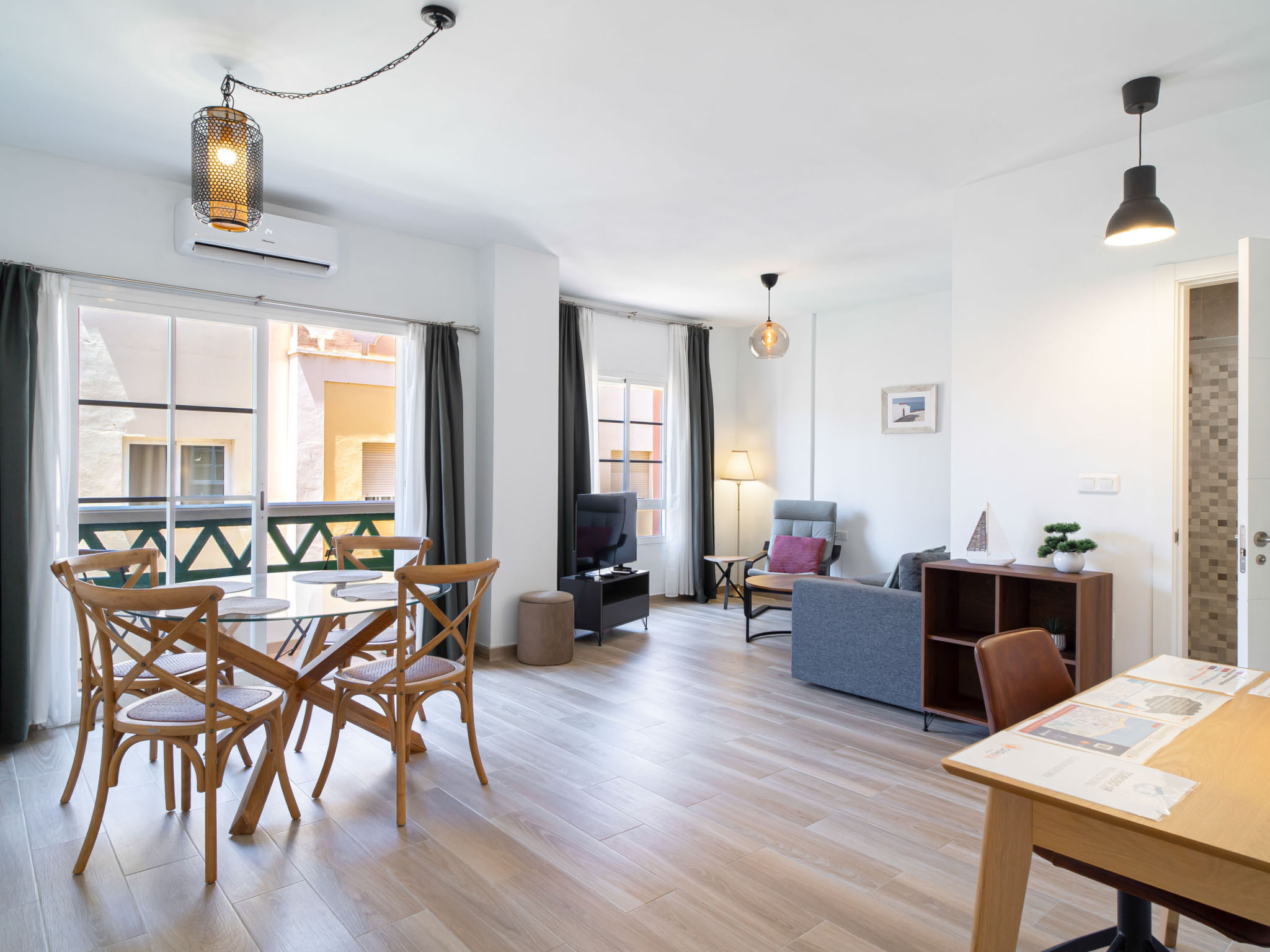
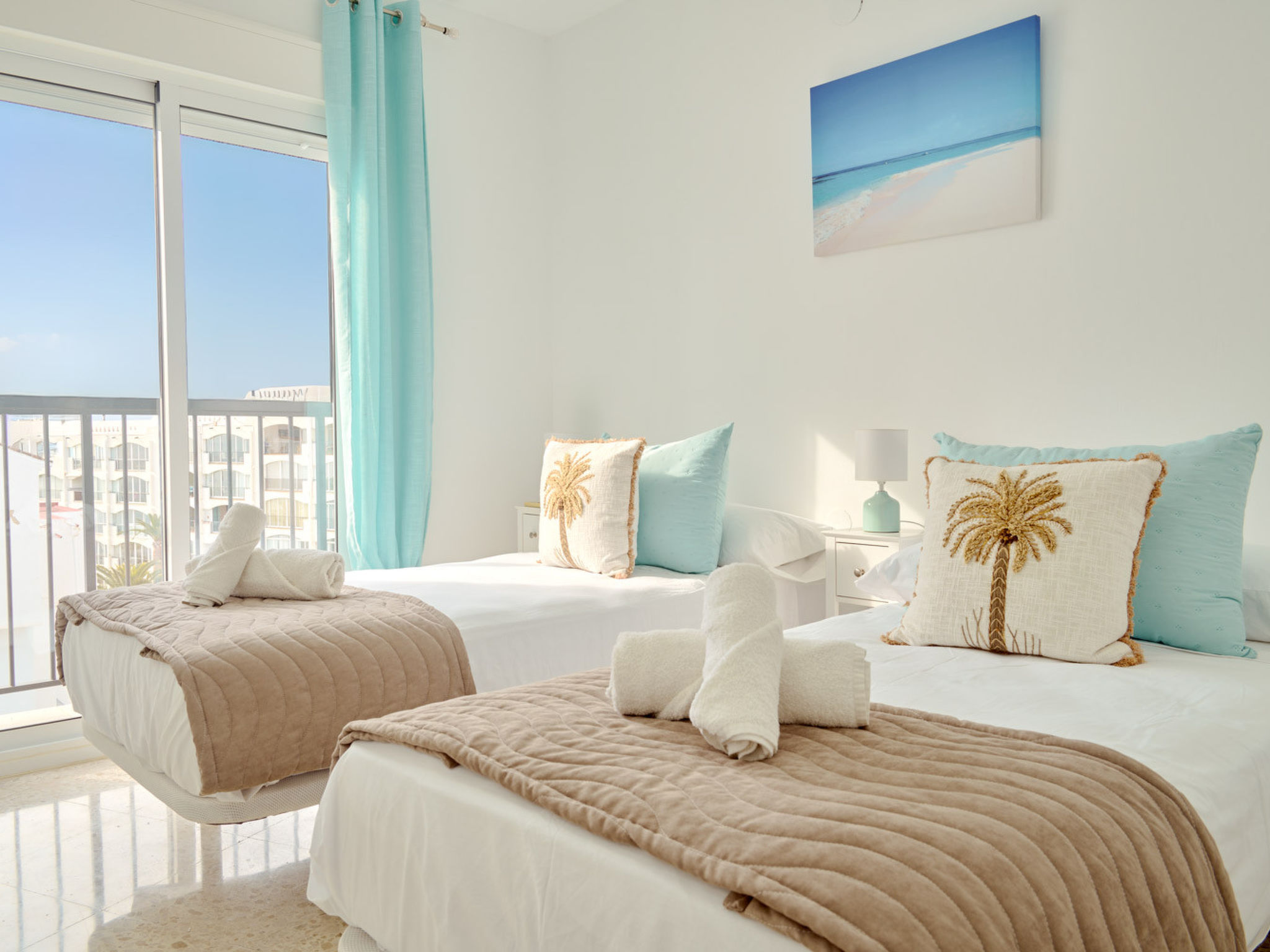
Toboso 1R Beach Living
Nerja, Costa del Sol, Spain
3
1
0
DishwasherMicrowaveWashing Machine+6 more
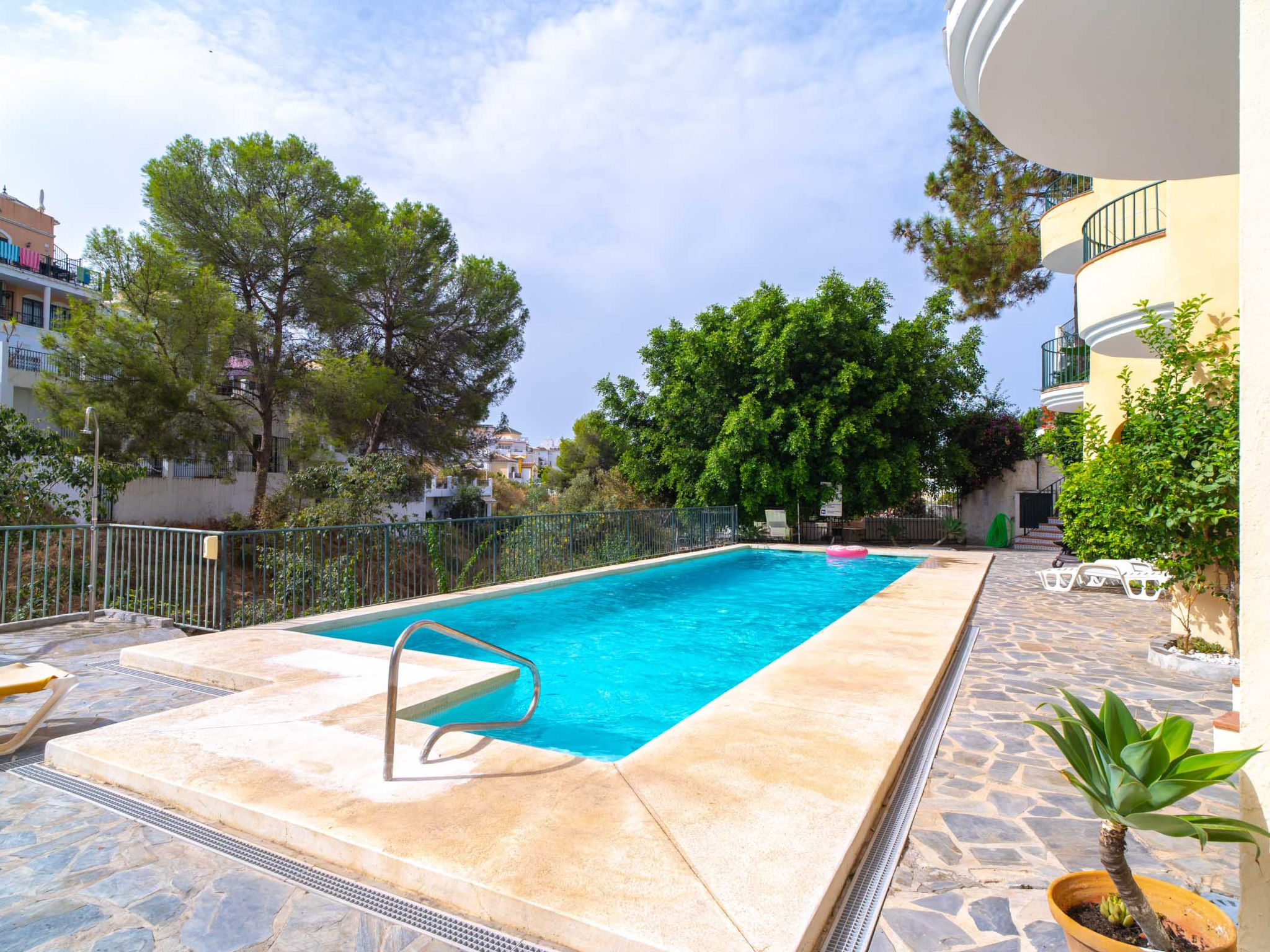
Tucuman 3 Los Huertos Nerja by Casasol
Nerja, Costa del Sol, Spain
5
3
0
MicrowaveTerraceWashing Machine+6 more
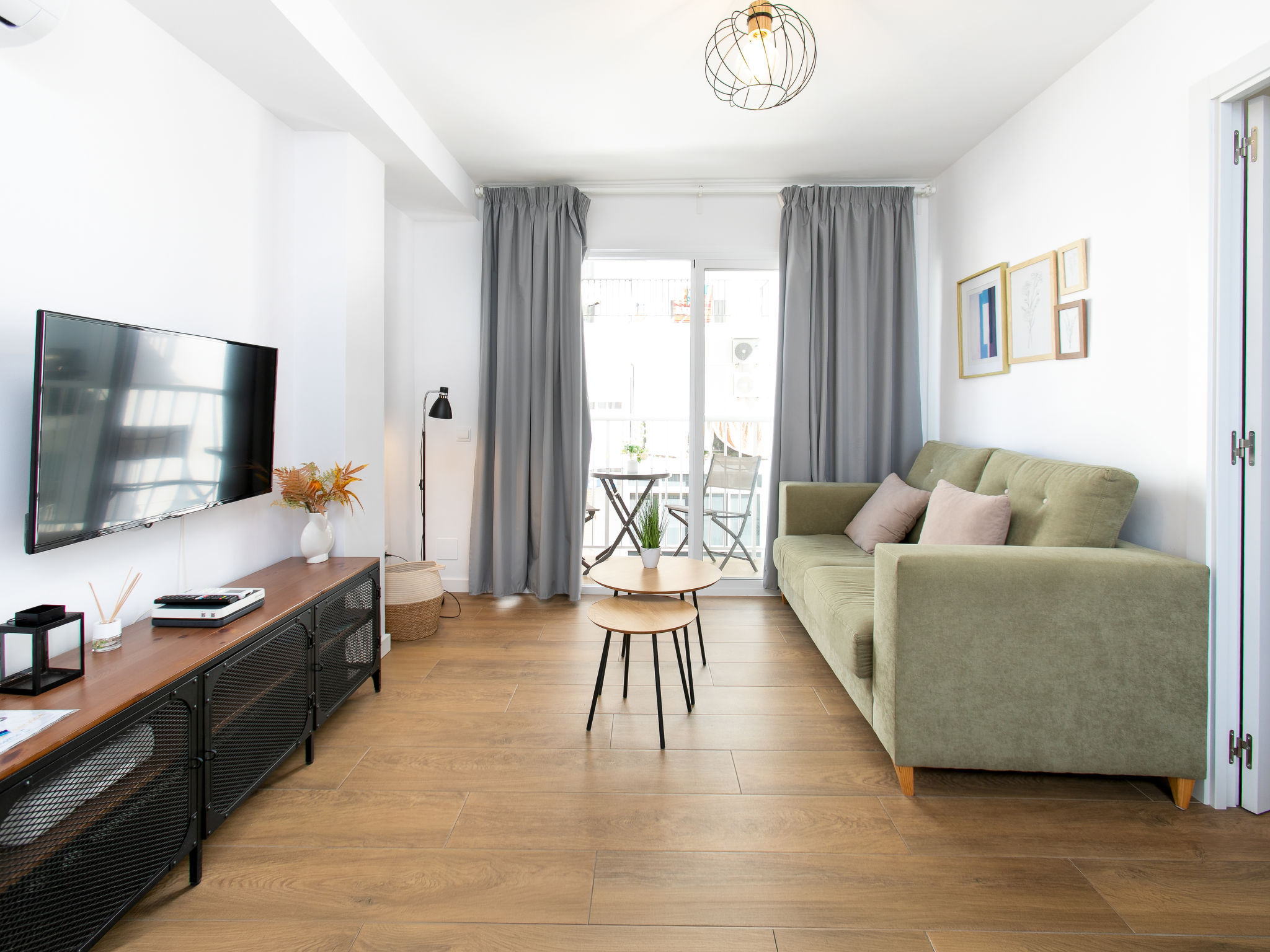
Las Flores de Burriana 5 by Casasol
Nerja, Costa del Sol, Spain
6
3
0
DishwasherMicrowavePool+9 more
3-star property
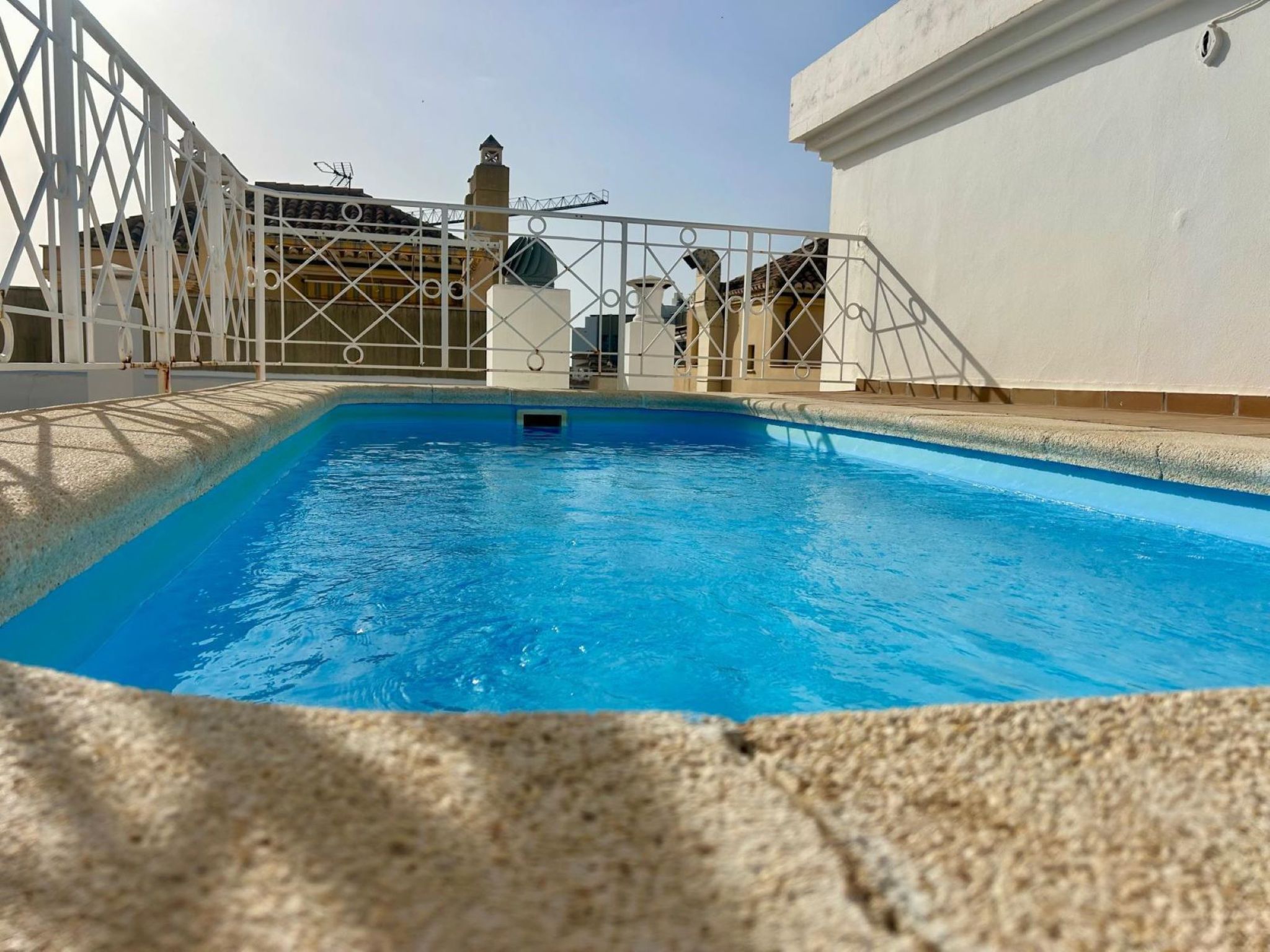
3-star property
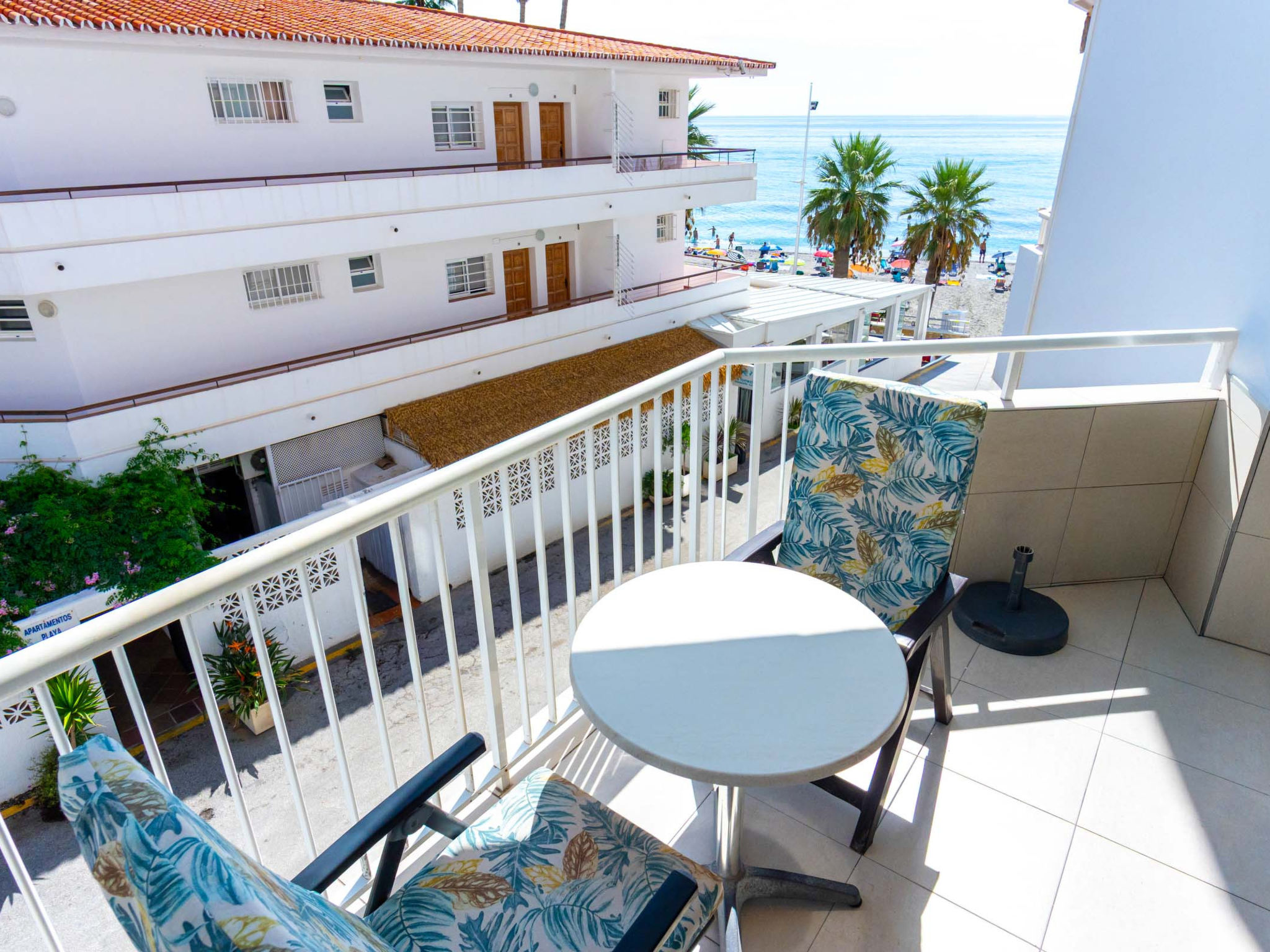
Torresol Torrecilla 308 by Casasol
Nerja, Costa del Sol, Spain
2
1
0
MicrowavePoolWashing Machine+6 more
Nerja villa holidays: questions answered
Is Nerja good for families?
Yes, with some limits. Burriana is the busiest beach because of its services and facilities, and the caves and Frigiliana are close. The town beaches by the Balcón de Europa are small, and Caletilla and El Salón feel cramped in summer.
Is the beach at Nerja sand or pebble?
Mixed. Burriana is fine and coarse sand with small pebbles, Calahonda mixes sand and pebble, and Torrecilla is sandy with some pebbles. None is a long stretch of fine sand, so beach shoes are useful.
Which airport for Nerja?
Málaga is the airport for Nerja, about 73 km away and roughly an hour by road in normal traffic. Intercity buses also link Nerja with Málaga from the top of the High Street.
Nerja or Frigiliana for a villa?
Nerja has the beaches, the Balcón de Europa and most of the restaurants. Frigiliana is a white village about 6 km north, at around 320 metres, with steep cobbled alleys. Stay in Nerja for the sea, Frigiliana for the hill village.
Is Nerja good in winter?
It suits people who want mild weather rather than beach heat, as Nerja has a Mediterranean climate with mild winters. The caves, which hold concerts in a chamber that forms a natural amphitheatre, make a good indoor outing.
Nearby towns to Nerja
Written by the TrustedVillas team. Last reviewed October 2026.
Find Your Perfect Villa in Nerja
Our villa experts are here to help you find the ideal property for your vacation. Contact us for personalized recommendations.