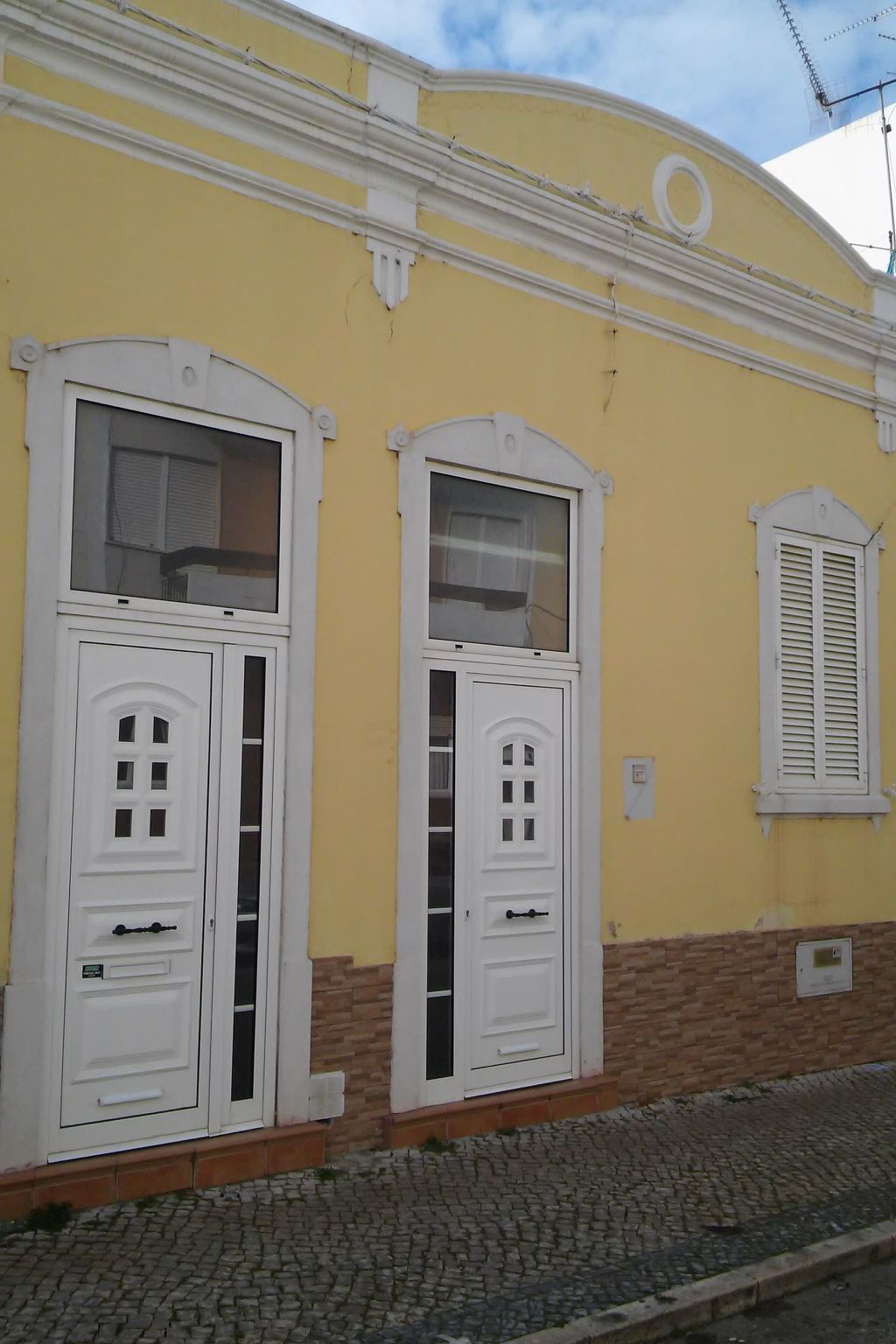
Faro is the gateway to the Algarve, yet many villa seekers skip straight past it toward flashier beach towns. That's exactly why we like basing ourselves here. The old walled town sits above a lagoon, the airport is just minutes away, and you get proper Portuguese character without the tourist crowds you'll find further east. The sandy streets of the Cidade Velha feel a world away from the golf courses and resort complexes.
Why Stay in Faro
- Authentic Portuguese atmosphere. Faro is where locals actually live and work, not just a vacation zone. The harbour-side restaurants serve real fish stews and grilled sardines, and you won't hear a queue of tour groups behind you.
- Direct airport access. You're 10 minutes from the runway, which means less hassle getting to and from your villa. No two-hour coach transfer required.
- Gateway to the Eastern Algarve. Base yourself here and explore Olhão's fish markets, Tavira Island's salt pans, or the quieter beaches around Fuzeta. Day trips are genuinely quick.
- Historic core worth exploring. The 16th-century cathedral and city walls are genuinely interesting without being overhyped. Climbing the bell tower gives proper views of the lagoon.
- A caveat: the old town can feel sleepy in winter. If you're after guaranteed sunshine and packed beach bars, you might find it a bit slow between November and March.
Things to Do in Faro
Start with the Cidade Velha. Walk the perimeter walls (takes about 30 minutes), duck into the cathedral to see the 18th-century azulejo tiles, and grab lunch at one of the small harbourside cafes. It's compact enough to do on foot, but steep in places if you've got mobility issues.
The Ria Formosa National Park surrounds Faro on three sides. We'd recommend taking a boat trip to Tavel Island or Armona Island – both have quiet beaches where you can actually hear yourself think. Most operators charge around €15 per person. A couple of hours is enough, unless you're determined to become a beach hermit for the day.
The Museum of Sacred Art (Museu de Arte Religiosa) is worth an hour if religious architecture speaks to you. It's in the former bishop's palace. The building itself is more interesting than some of the contents, but it's blessedly quiet on rainy afternoons.
Olhão is a 20-minute drive north. The fishing harbour is working and genuine – you'll see boats unloading catches, and the daily fish market (Mercado de Peixe) is a sensory experience. The waterfront has reasonably priced tascas (casual seafood places) where locals eat. Parking is a nightmare though. Arrive early or take a taxi.
For beaches, Praia de Faro (the beach attached to the town) is walkable from the city centre. It's narrower than beaches further east and gets busier in summer, but you won't need to plan a whole excursion. The water's sheltered by the barrier islands, so it's calmer than the Atlantic-facing beaches.
Evening-wise, the waterfront promenade (Avenida da República) is where locals take their evening passeio (stroll). There's rarely a bad sunset here. Grab a drink at one of the bars and watch the light change over the lagoon – much cheaper entertainment than anywhere advertised in guidebooks.