Villas in Setúbal Évora
Setúbal suits couples and small families who want a port city on the Sado estuary, with Arrábida coves and the Tróia ferry close by. The homes are compact, mostly one bedroom for two to four, and this is a working fishing and industrial city rather than a resort.
- Villas
- 7
- From, per week
- £292
About Setúbal Évora
Setúbal is the capital of its district, a fishing and industrial city on the north bank of the Sado estuary about 48 km south of Lisbon. The homes are in the city itself. The historic centre and Avenida Luísa Todi are flat and easy on foot, with the Livramento fresh food market open in the mornings and the 16th-century Castelo de São Filipe above town. Evenings mean grilled fish in small tascas and a few bars downtown. The beaches are in the Arrábida Natural Park along the Serra da Arrábida, and a dolphin colony lives in the estuary. At night, take the usual care downtown and stick to busy, well-lit streets.
Is Setúbal Évora right for you?
- Best for
- Seafood, Arrábida beach days and ferries to Tróia
- Not for you if
- You want a pool, a garden or a quiet resort feel, because these are compact homes in a working port city.
Near Setúbal Évora
Tróia Peninsula
Across the Sado by a 15-minute catamaran or a 25-minute ferry that also takes cars, with long white-sand Atlantic beaches and the ruins of Roman baths and houses.
Arrábida Natural Park
Unspoiled hills and beaches along the Serra da Arrábida, with coves such as Figueirinha, Galapinhos and Portinho da Arrábida and a viewpoint over the bay.
Moinho de Maré da Mourisca
A tidal mill in the Sado Estuary Nature Reserve, good for birdwatching; it is closed on Mondays.
Getting to Setúbal Évora
Fly to Lisbon. The drive from Lisbon airport to Setúbal takes around half an hour, and Fertagus trains run from Roma-Areeiro in Lisbon about every 30 minutes. You can manage the centre without a car, but one makes the Arrábida beaches much easier.
When to go to Setúbal Évora
Summer weekends are the busiest time on the Tróia beaches nearest the city, so cross midweek if you can. The castle, the estuary and the seafood work in any season, but the Livramento market closes by early afternoon, so go early.
Villas in Setúbal Évora
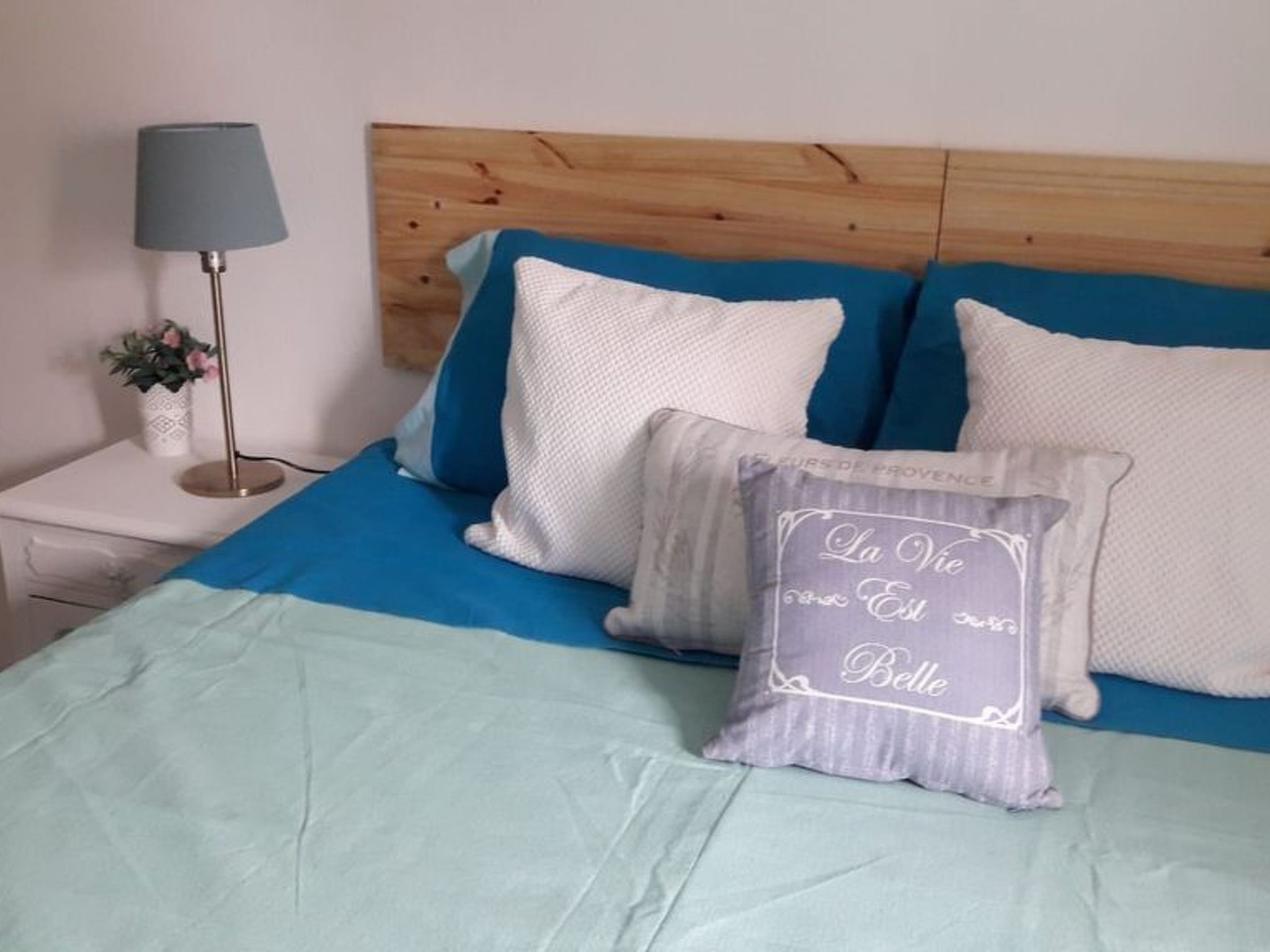
1-Bedroom Home, Setúbal Évora
Setúbal Évora, Alentejo, Portugal
2
1
0
MicrowaveWashing MachineFridge+3 more
from£42
per night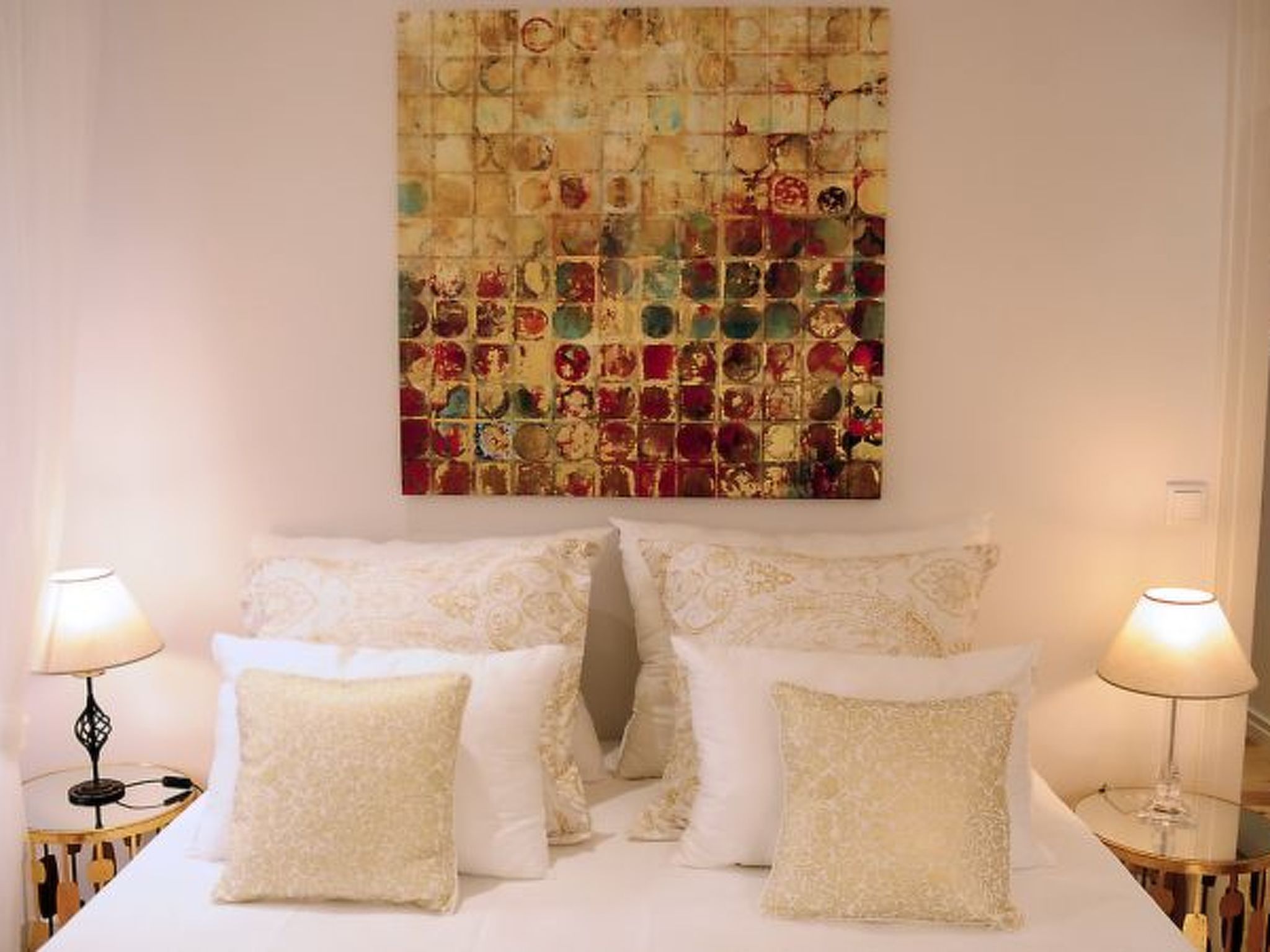
Sado Blue City&River Flats - Galapinhos
Setúbal Évora, Alentejo, Portugal
4
1
0
Air ConMicrowaveInternet+5 more
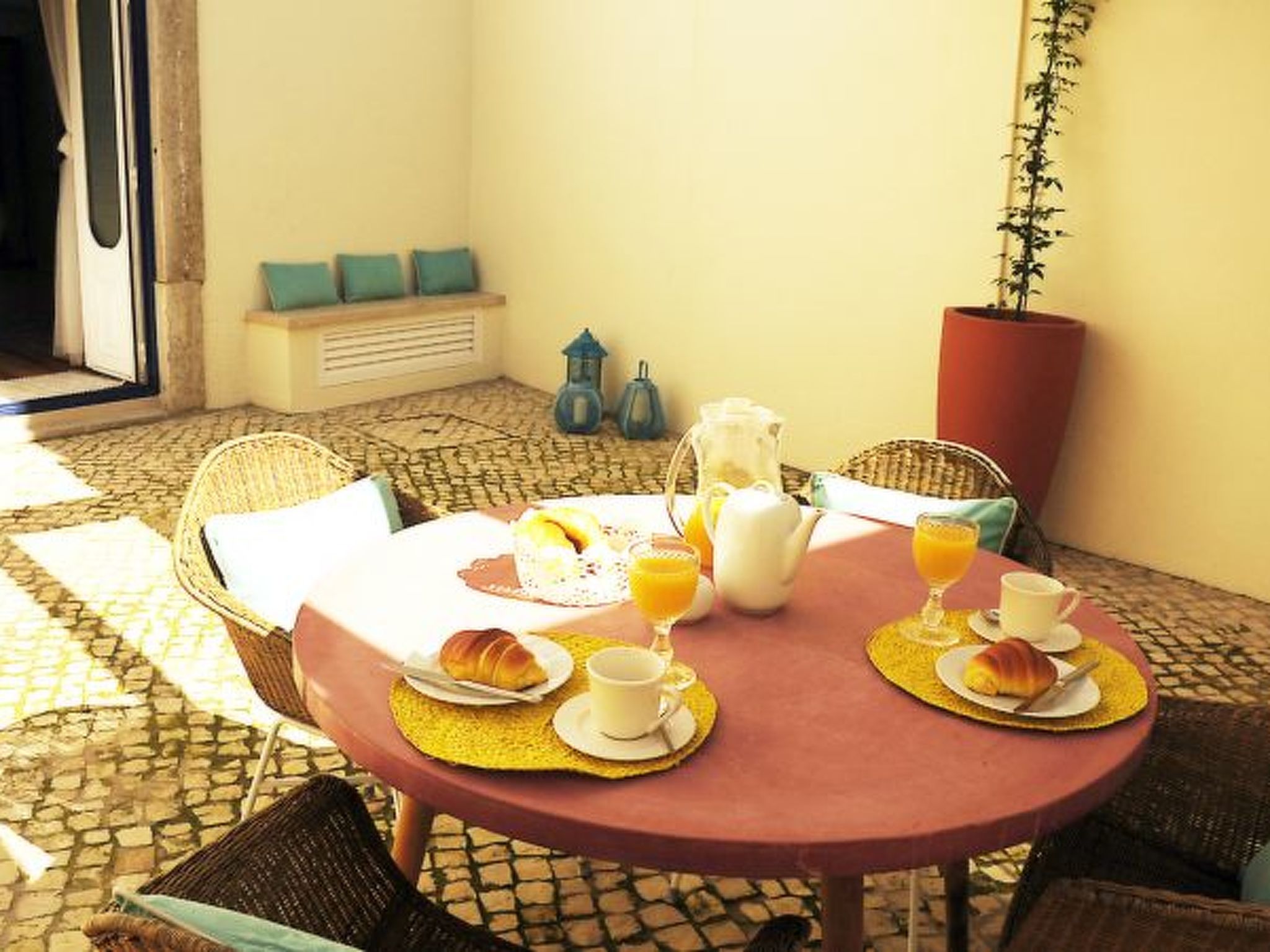
Sado Blue City&River Flats - Portinho
Setúbal Évora, Alentejo, Portugal
4
1
0
Air ConMicrowaveTerrace+6 more
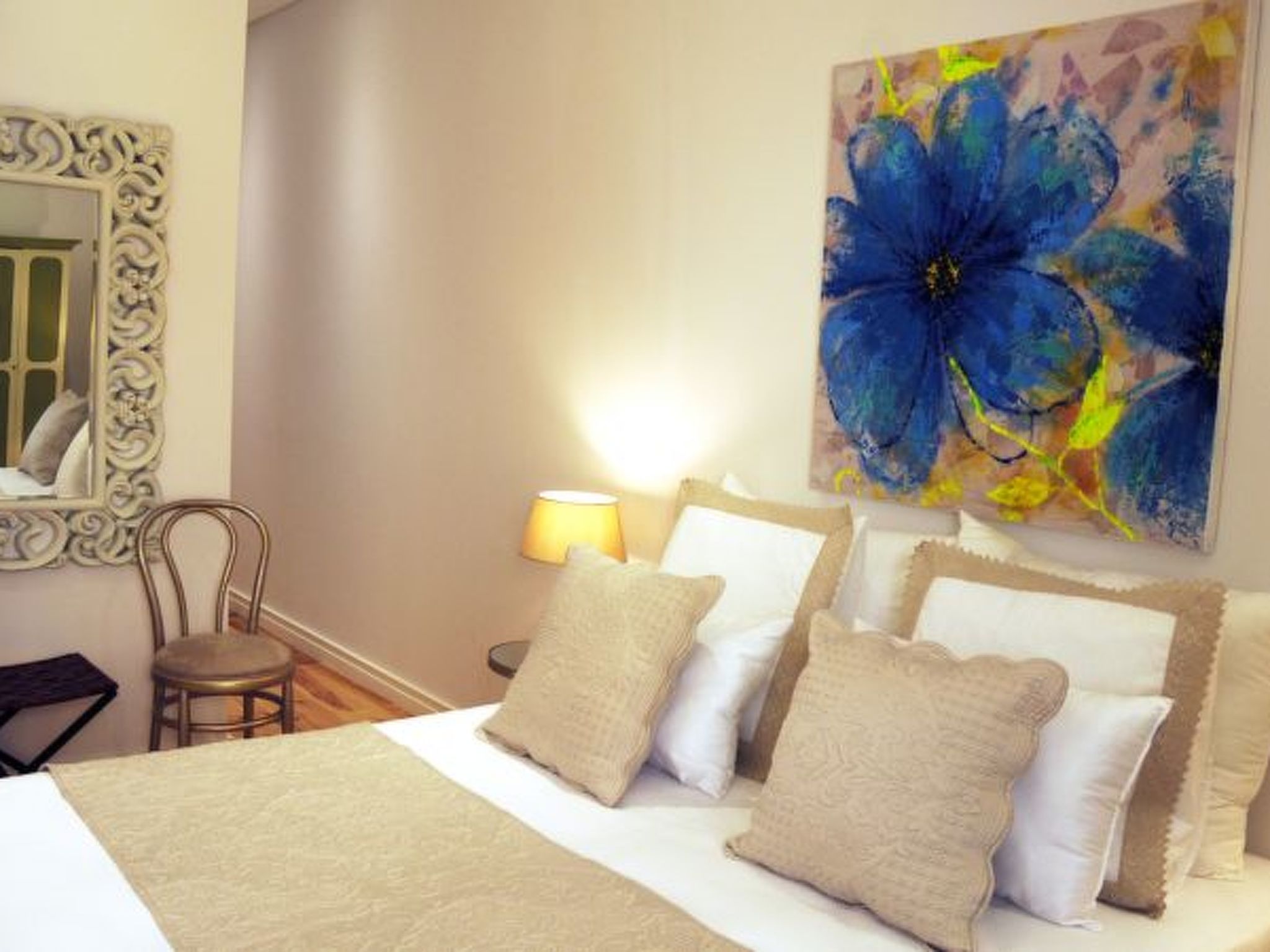
Sado Blue City&River Flats - Creiro
Setúbal Évora, Alentejo, Portugal
4
1
0
Air ConMicrowaveInternet+5 more
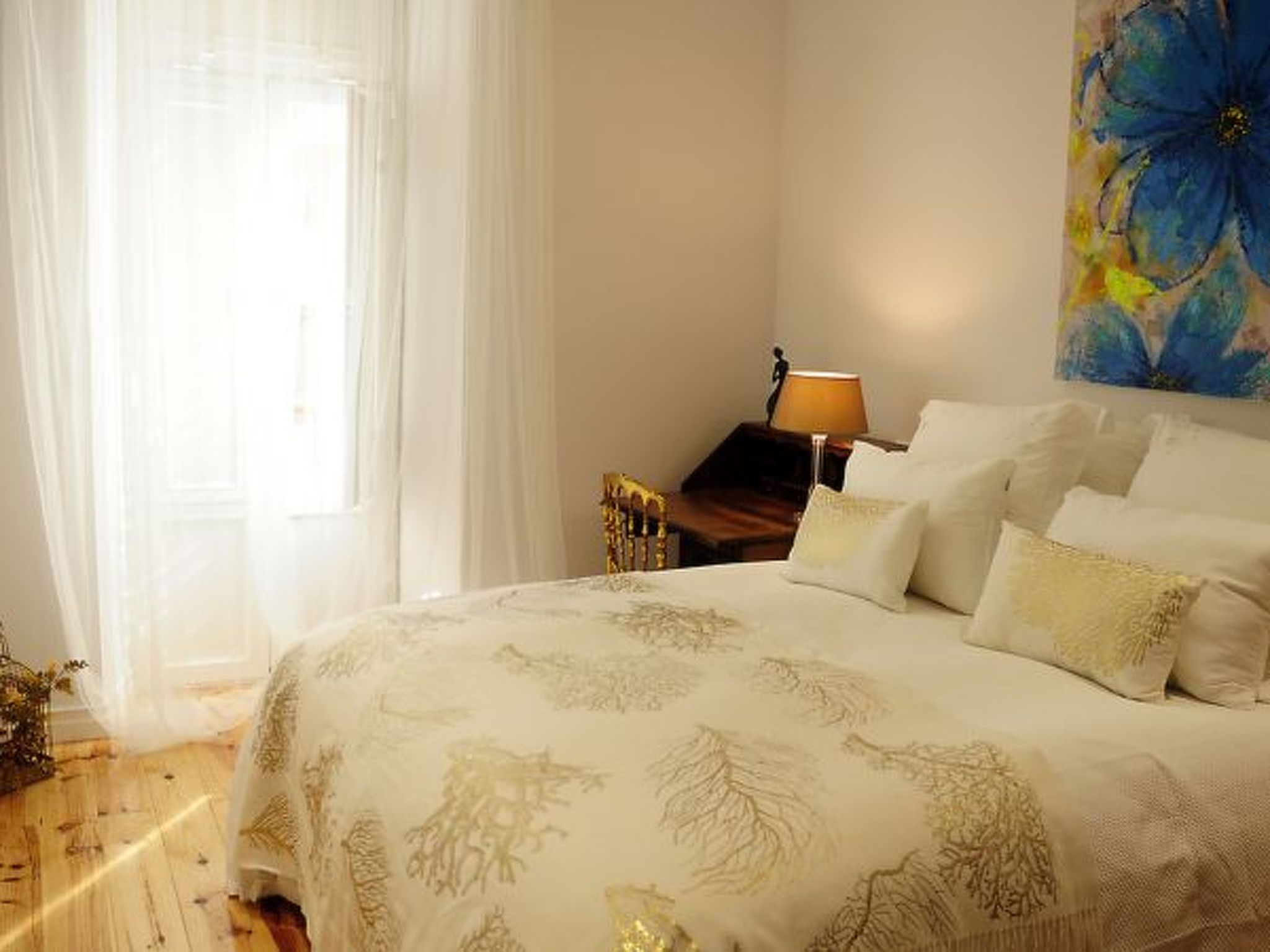
Sado Blue City&River Flats - Coelhos
Setúbal Évora, Alentejo, Portugal
4
1
0
Air ConMicrowaveInternet+5 more
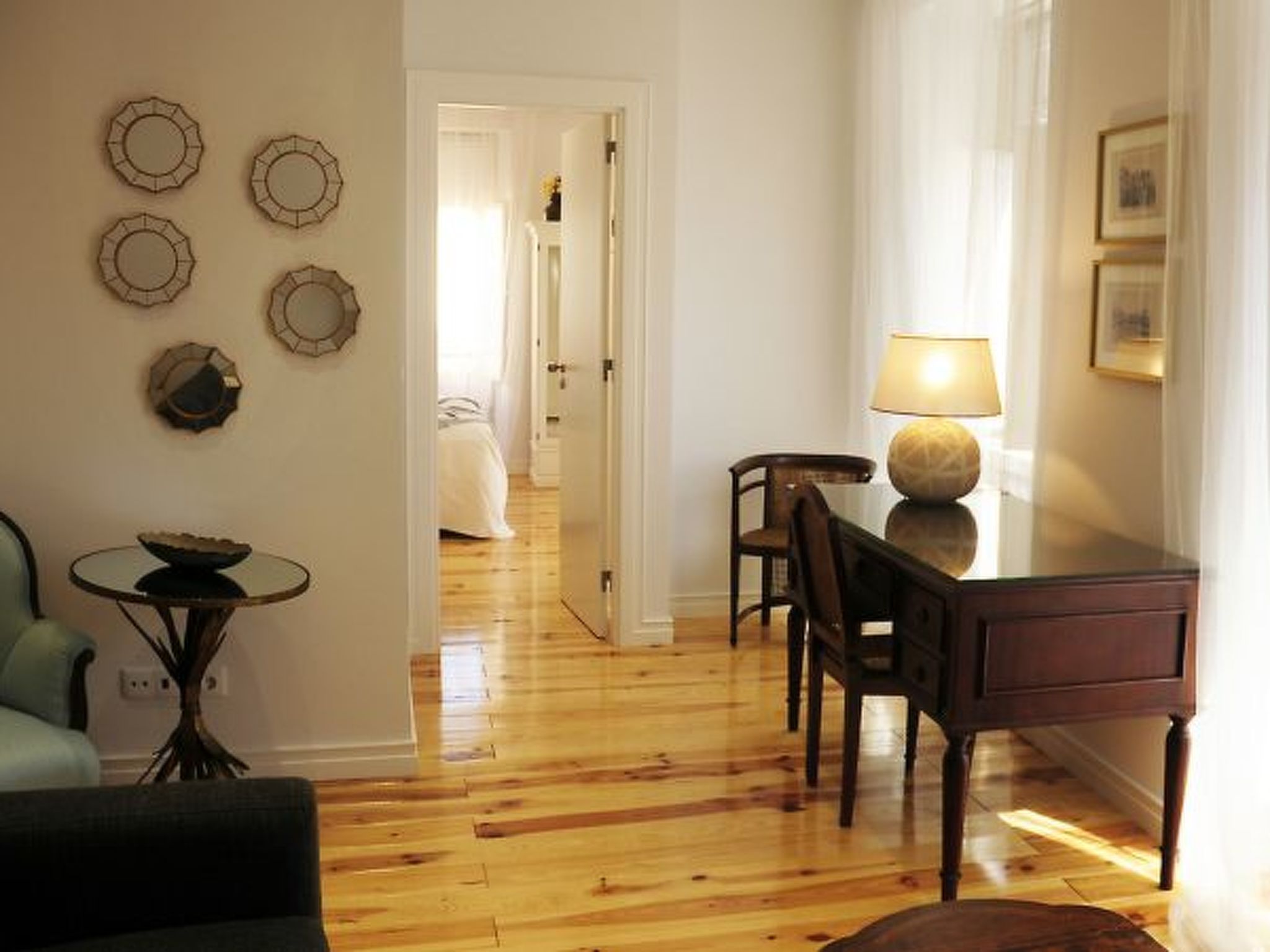
Sado Blue City&River Flats - Figueirinha
Setúbal Évora, Alentejo, Portugal
6
1
0
Air ConMicrowaveInternet+5 more
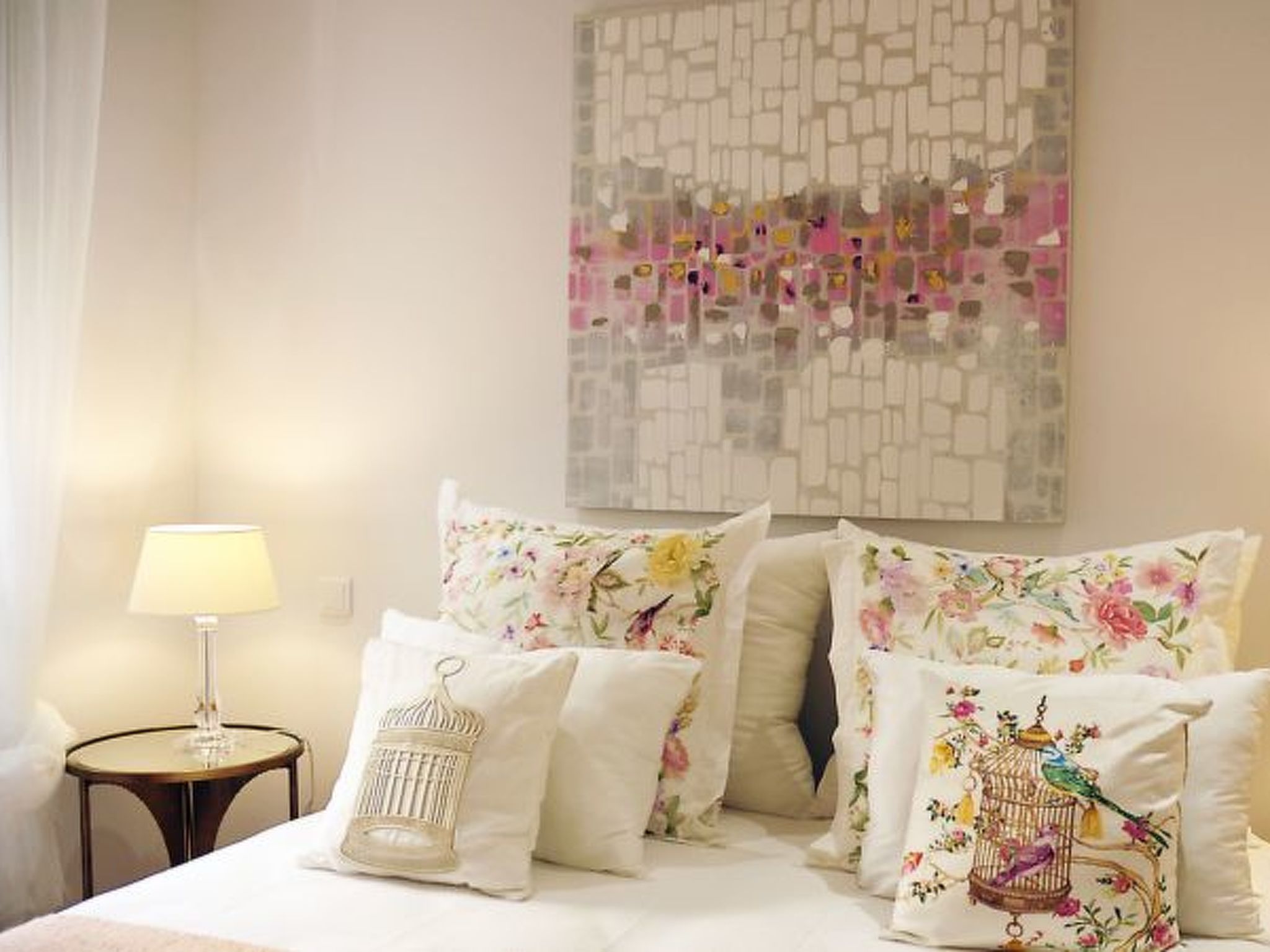
Sado Blue City&River Flats - Galá-pos
Setúbal Évora, Alentejo, Portugal
4
1
0
Air ConMicrowaveInternet+5 more
from£44
per nightSetúbal Évora villa holidays: questions answered
Are there beaches near Setúbal?
Plenty, though not in the city centre. The Arrábida coves, including Figueirinha and Portinho da Arrábida, are reached by car or on a tour, and the long white-sand beaches of Tróia are a short boat ride across the estuary.
How do you get from Setúbal to Tróia?
Two boats cross the Sado. A passenger catamaran from Cais 3 takes about 15 minutes, and the Atlantic Ferries ferry from Doca das Fontainhas takes about 25 and carries cars to a point some 4 km further along.
Can you see dolphins in Setúbal?
The city has its own: a colony lives in the Sado estuary, the only one in a Portuguese estuary. The free CIRES interpretation centre on Avenida Luísa Todi explains how they live and where to look.
Is Setúbal walkable without a car?
In the centre, yes. The historic streets and the avenue are flat, and the market and ferry quays are in town. For the Arrábida coast a car or a tour is easier, as it is easy to get lost in the park.
Nearby towns to Setúbal Évora
Written by the TrustedVillas team. Last reviewed November 2026.
Find Your Perfect Villa in Setúbal Évora
Our villa experts are here to help you find the ideal property for your vacation. Contact us for personalized recommendations.